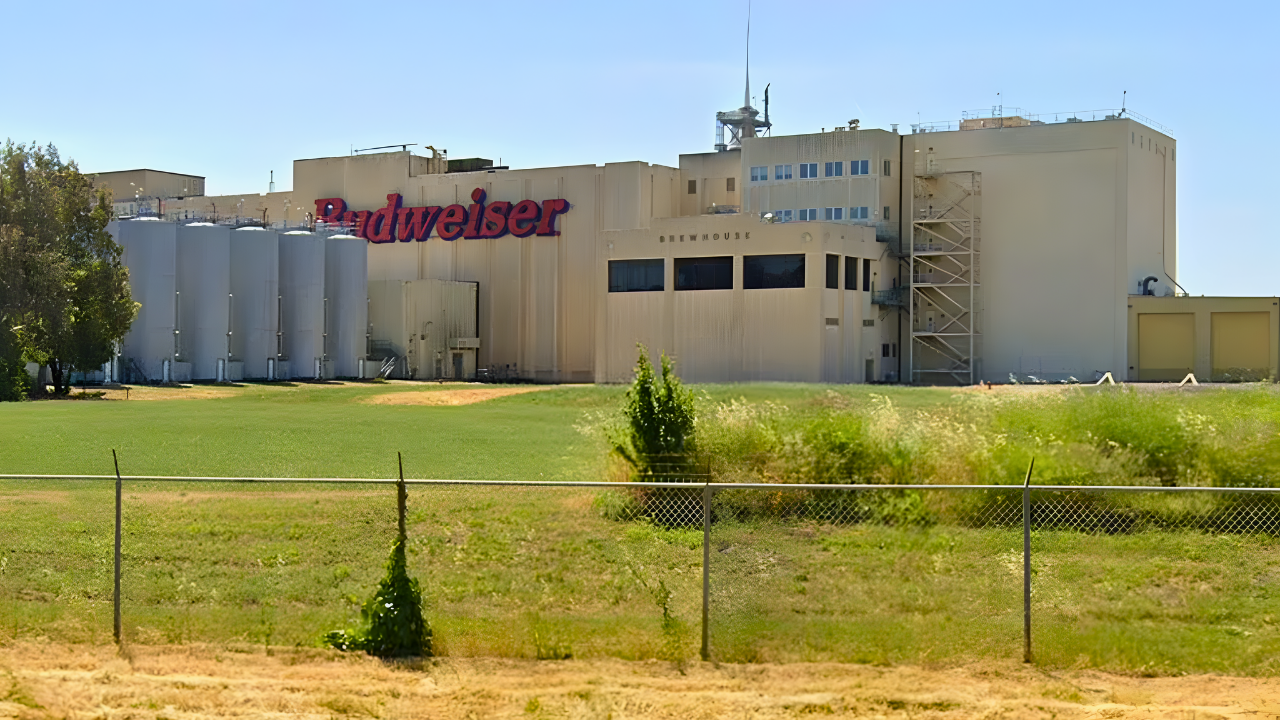
On December 12, a WARN letter arrived at the Fairfield Anheuser-Busch plant. By February 22, 238 workers must choose between relocating across the country or accepting severance in California’s expensive job market. These aren’t abstract statistics—they’re families who’ve built lives here, watched kids grow up in Fairfield, and built retirement plans on stable employment.
The company that invested $7 million in upgrading this plant just 17 months ago is now shutting it down. This is how a 49-year manufacturing anchor silently slips away.
When Budweiser Made Fairfield Home
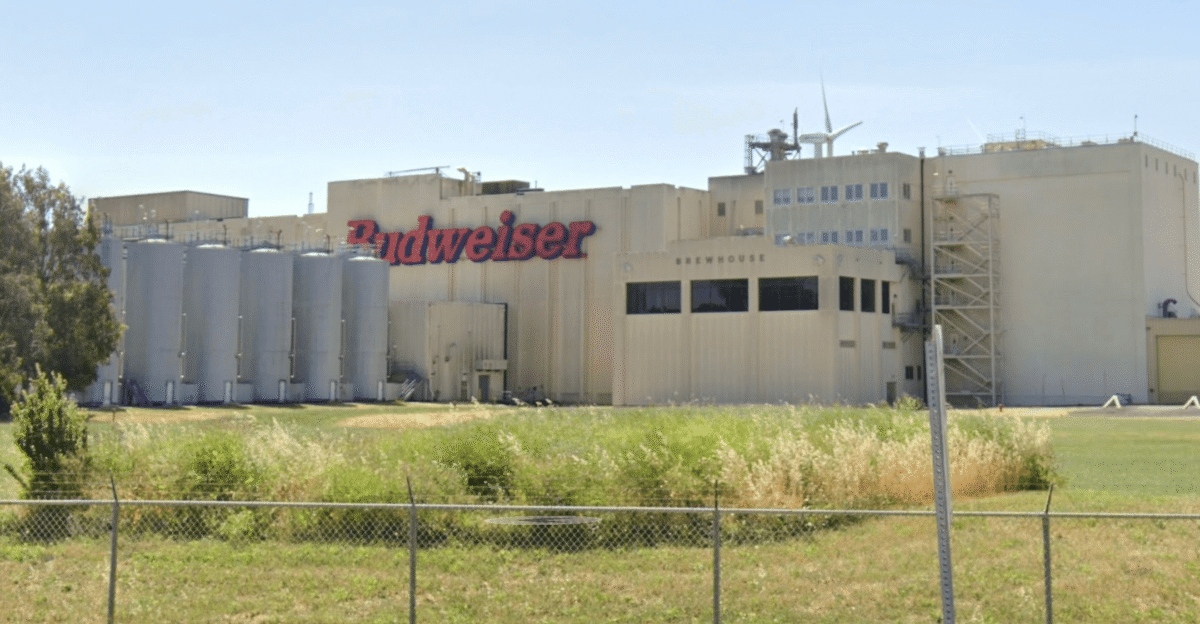
The brewery opened in 1976 near Lake Berryessa, drawn by the clean water and proximity to I-80 for shipping. For nearly five decades, it became more than just a production facility—it became an integral part of Fairfield’s identity.
The neon-red Budweiser sign visible from the highway welcomed travelers and residents. Annual rooftop Christmas trees and Clydesdale horses at holiday parades weren’t corporate marketing—they were cultural moments embedding this brand into the community’s sense of place.
The $7 Million Paradox
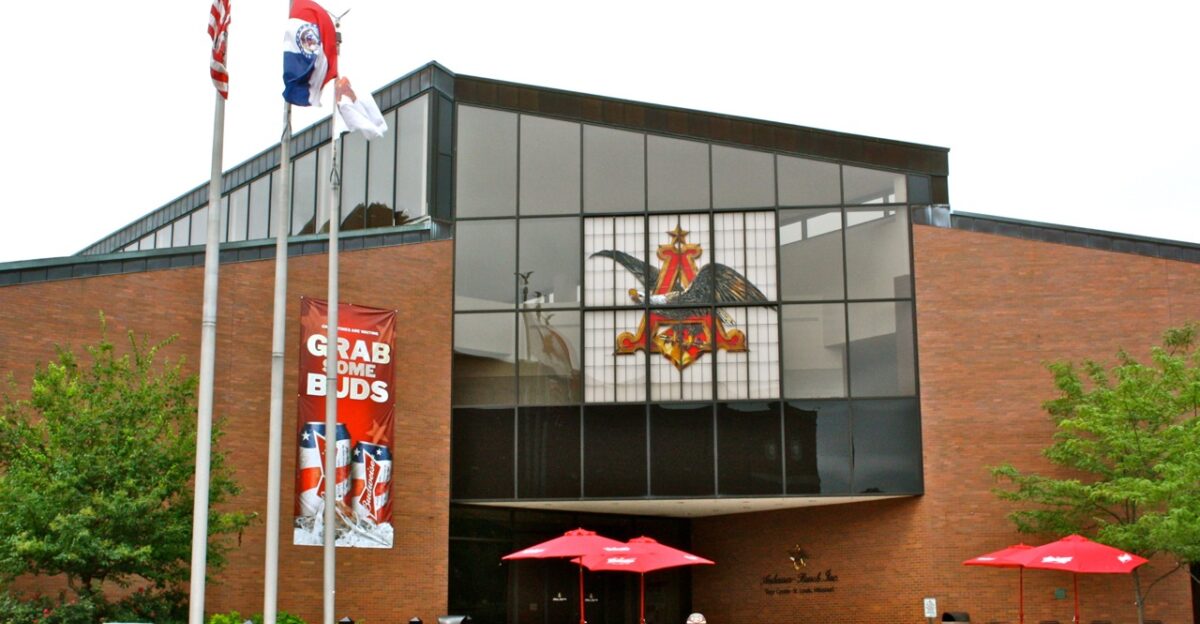
In July 2024, Anheuser-Busch invested $7 million in upgrading the facility, including roofing repairs, equipment overhauls, new lighting, and structural reinforcements designed to last for decades. CEO Brendan Whitworth stated: “Ensure our Northern California facility continues to brew great-tasting, high-quality products for generations.”
Just 17 months later: closure announcement. The company had invested $2 billion in modernizing its U.S. facilities over five years. Why modernize a facility that’s about to be shuttered?
Three Plants, 475 Lives Disrupted
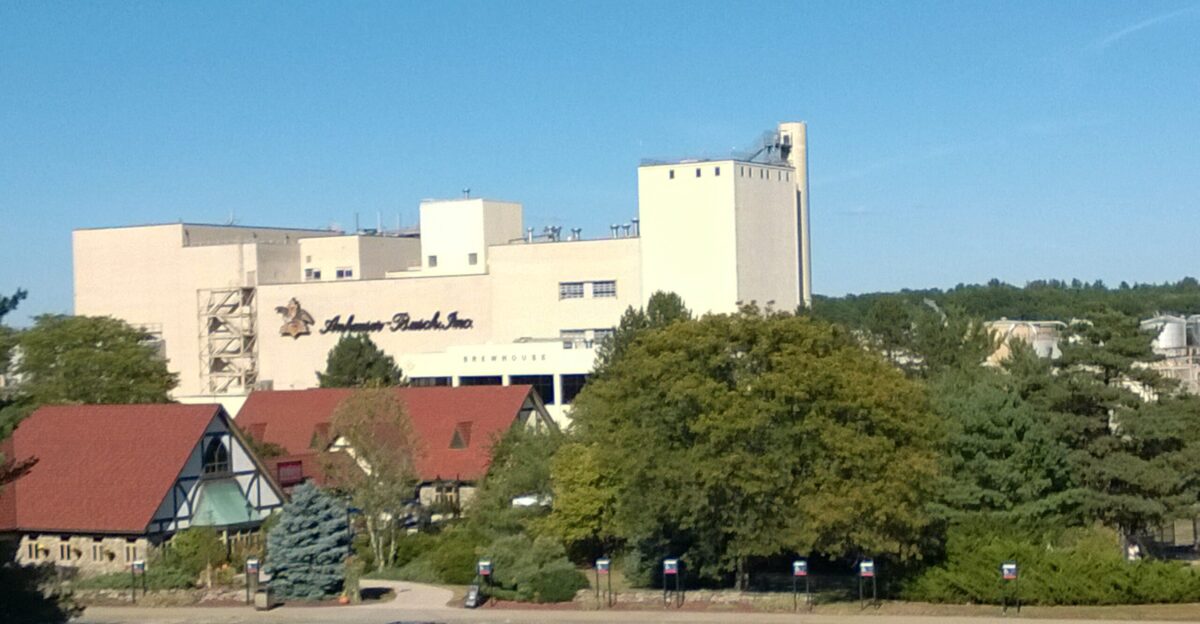
The Fairfield closure joins simultaneous shutdowns in Merrimack, New Hampshire, and Newark, New Jersey, affecting a total of 475 employees. Anheuser-Busch told SFGATE: “We will be shifting production from these three facilities to our other U.S. facilities, and these changes will enable us to invest even more in our remaining operations.”
Translation: consolidation trumps community stability.
One Brewery Closes, 544 Livelihoods Vanish
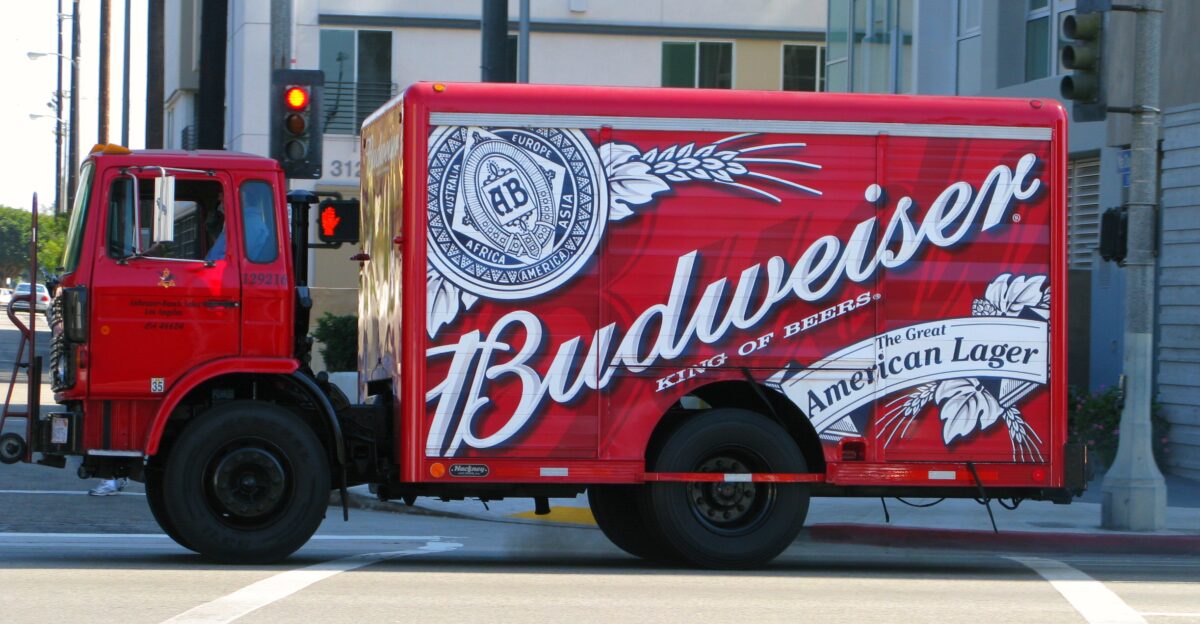
The 238 direct Fairfield jobs generate a devastating 2.3x multiplier effect—meaning 544 total jobs disappear when counting suppliers, logistics providers, and service workers. Each brewery position supports roughly 1.3 additional regional jobs.
According to Fairfield’s Workforce Development Board, this cascading impact extends throughout Solano County’s entire economy.
$54 Million in Paychecks Disappears

Across 238 workers, the Fairfield brewery generates approximately $54 million annually in direct worker earnings—roughly $227,000 per employee. By February 22, this entire income stream will have vanished.
For blue-collar workers in their 40s and 50s nearing career peaks, the choice becomes stark: uproot families, disrupt children’s schooling, delay retirement, or accept severance and start anew.
Your Water Bill Just Got More Expensive
Fairfield loses $10.7 million annually in municipal tax revenue—the city was already fiscally strained. California loses $8.9 million yearly; the federal government loses $3.3 million. The brewery was Fairfield’s largest water user, representing $1.2 million in annual water utility revenue.
City Manager David Gassaway warned that the facility’s specialized nature makes redevelopment difficult. Result: water rates rise, or services shrink for residents who had no say in this decision.
The Mayor’s Heart Breaks Publicly
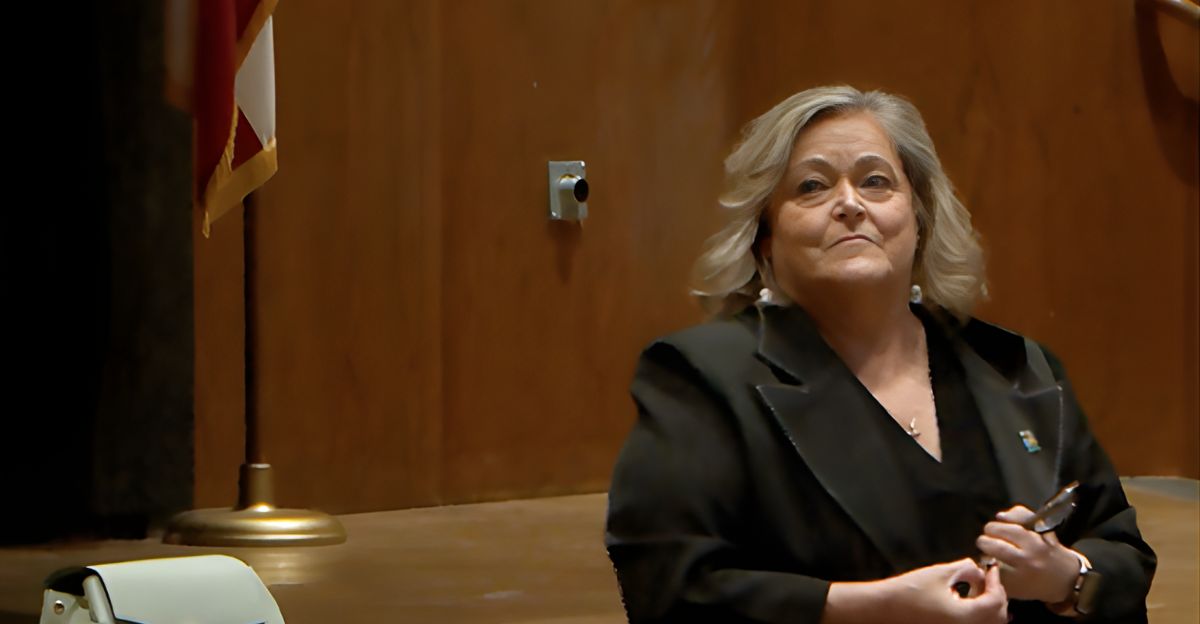
Mayor Catherine Moy called the impact of the closure “staggering” and “devastating.” She stated: “We are learning more about the impacts of the closure of Anheuser Busch’s Fairfield plant, and it is devastating. We are most concerned about the folks who are losing their jobs or having to relocate. My heart aches for them.”
When Gassaway asked for rate assistance, the company responded: “It’s a done deal.” City leaders are essentially powerless.
Why Even Budweiser Can’t Survive California
Mayor Moy frames Budweiser’s departure as part of California’s manufacturing exodus. She cited the Benicia refinery closure and Copart’s relocation as evidence—major employers fleeing because of “California’s hostile business environment.”
Even recession-resistant, iconic Budweiser—the working-class beer—cannot survive this climate. A 49-year history and deep community roots weren’t enough.
Beer Isn’t Recession-Proof Anymore
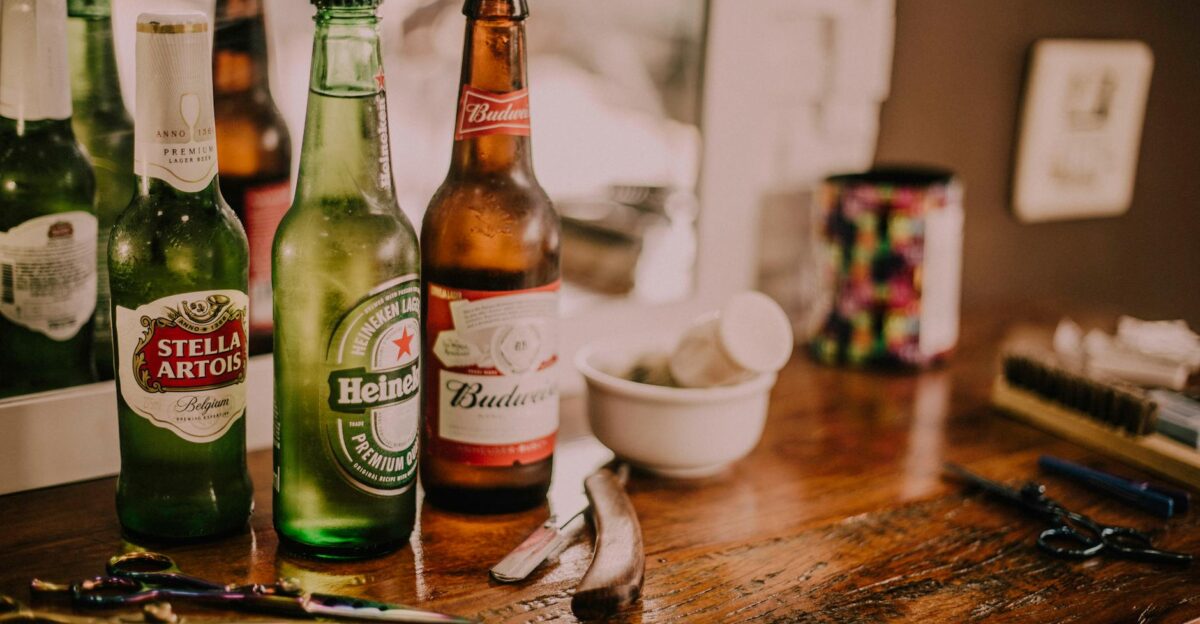
The beer industry faces existential pressure. Gallup polling shows Americans drinking alcohol at record lows, especially younger consumers. U.S. beer production dropped 1% in 2024; craft beer sales fell 4%. Anheuser-Busch’s Q3 2025 profit crashed to $1.05 billion from $2.07 billion year-over-year—roughly halved.
A 2024 Bud Light social media controversy cost the company $1.4 billion in sales.
The Bay Area Lost Its Beer Industry
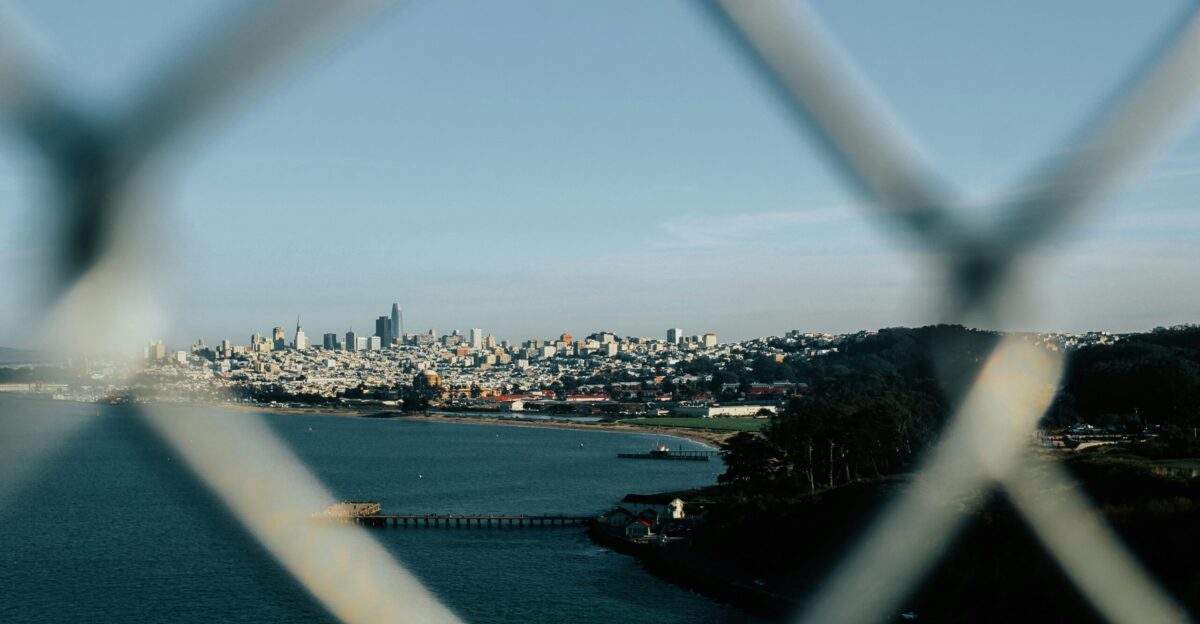
Anheuser-Busch closed its Oakland distribution center in 2022, resulting in the elimination of 142 jobs. Combined with Fairfield, the company has eliminated 380 jobs in the Bay Area since 2022.
Within months, 21st Amendment Brewery ended San Leandro production (76 jobs), and Oakland’s Rose’s brewery shut down. The Bay Area lost three primary brewing operations—a regional collapse.
“We’ve Been Offered Jobs”—But at What Cost?
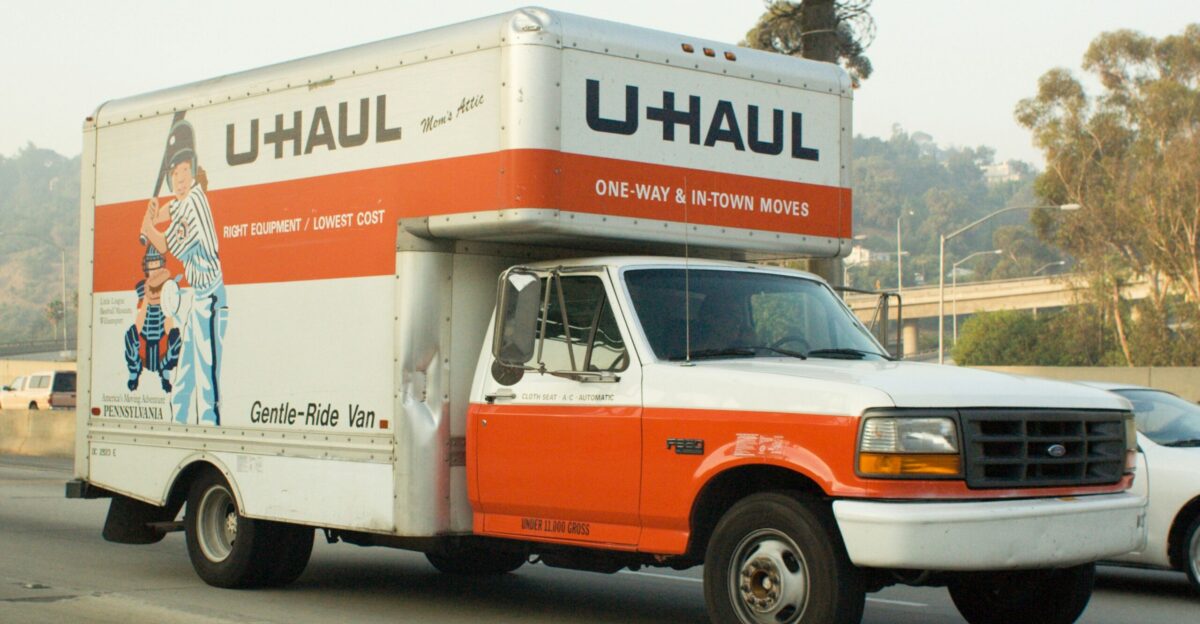
Anheuser-Busch offers all 238 workers jobs at other U.S. facilities, along with relocation support and severance for those who decline. Corporate language obscures the real decision: move families across state lines, uproot children from schools, or take severance.
Workers in their 50s face a cruel calculus: relocation could disrupt their pension arrangements or delay retirement.
A Brewery Site Nobody Wants to Retrofit
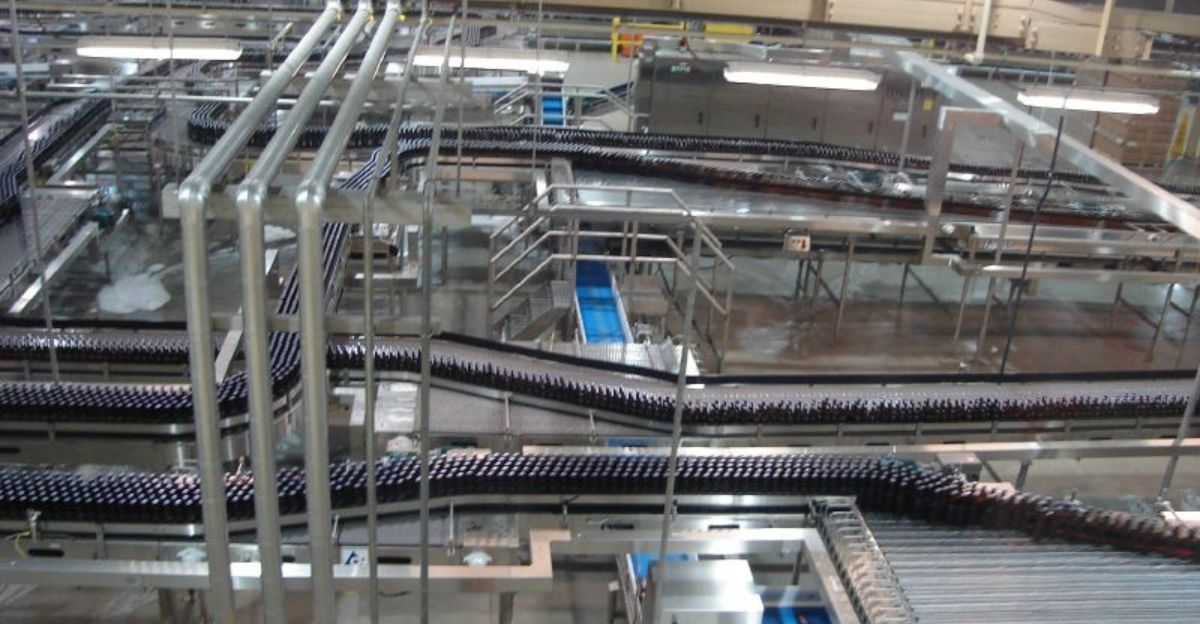
The 49-year-old facility poses enormous redevelopment challenges. City Manager David Gassaway stated, “I don’t think it will be an easy task given the large and highly specialized nature of the facility.” Brewery-specific infrastructure resists repurposing.
Finding a buyer could take years, leaving property tax revenue depressed and deepening Fairfield’s budget crisis.
The $2 Billion Contradiction

Over the past five years, Anheuser-Busch has invested $2 billion in modernizing more than 100 U.S. facilities, including $7 million at its Fairfield facility in 2024. Yet the company consolidates by shuttering three plants simultaneously.
This isn’t efficiency—it’s dismantling a distributed network. Major modernization investments, followed by facility closures, suggest that the company has recalculated its entire U.S. footprint strategy.
February 22: When Everything Changes

The WARN letter arrived on December 12; operations will cease on February 22—71 days to decide between relocation and severance. Workers who spent entire careers building this facility must now uproot families or start over. Fairfield officials must replace $10.7 million in annual revenue.
By late February, 238 employees will have made irreversible choices. A 49-year manufacturing era in California comes to an end, reflecting broader industrial decline that is reshaping American communities.
Sources:
SFGATE – “World’s largest brewing company to shut down Bay Area plant after 50 years” (December 12, 2025)
ABC10 News Report (December 13, 2025)
San Francisco Chronicle – “The world’s largest beer company is shuttering its last Bay Area facility” (December 11, 2025)
PR Newswire / Anheuser-Busch Official – “Anheuser-Busch To Invest $7M In Facility Upgrades to Fairfield, California Brewery” (July 15, 2024)