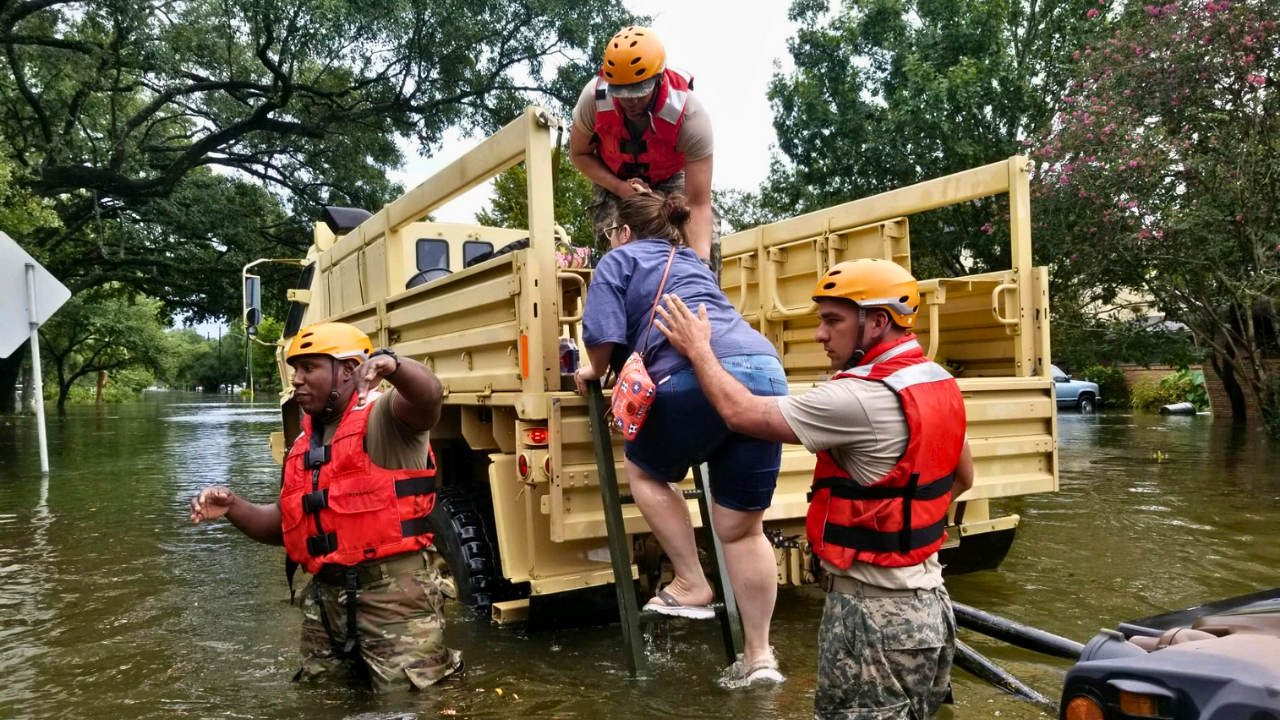
The rain came down in torrents, reaching predictions of 22 inches in some areas, transforming once serene streets into churning rivers. The Skagit River, swollen beyond its limits, crested at a record 37.73 feet, flooding entire communities.
The air was thick with the sound of rushing water, and the smell of wet earth lingered in the streets as families scrambled to evacuate. Emergency crews worked furiously, rescuing hundreds as waters rose, leaving a wake of devastation behind. As the floodwaters reached their peak on December 12, Governor Bob Ferguson’s emergency declaration remained in full effect, mobilizing resources across the state. For many, the danger was far from over.
Atmospheric Rivers: The Meteorological Beast Behind the Deluge
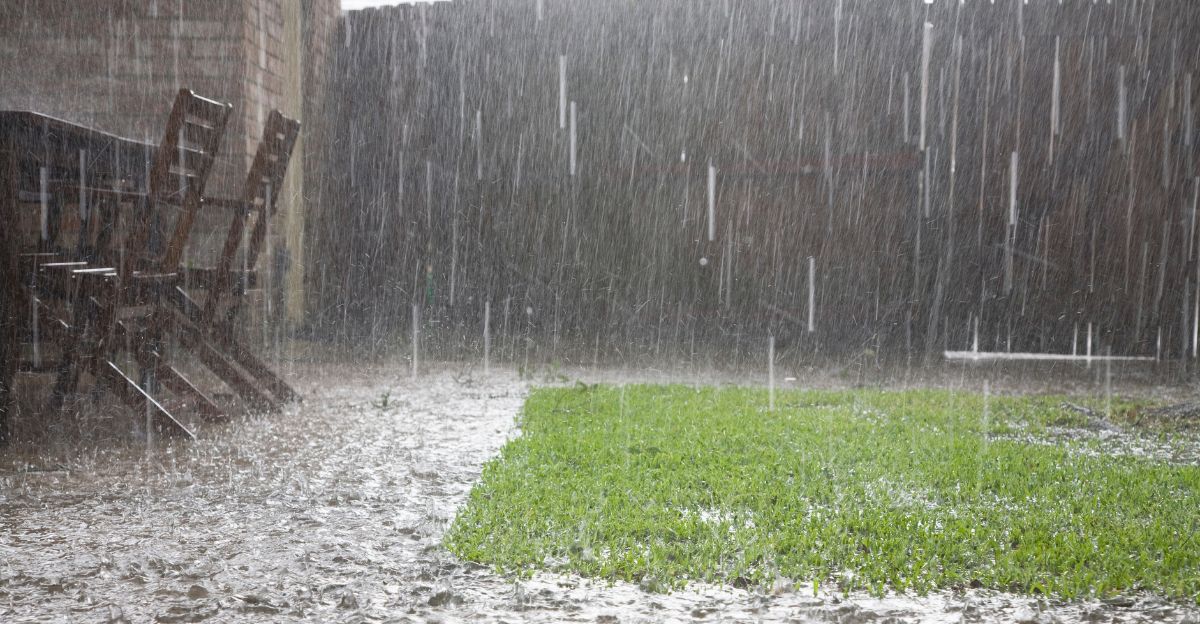
Beginning on December 8, an exceptionally strong atmospheric river stalled over the Pacific Northwest, bringing extreme rainfall to the region. In just 48 hours, some areas received more than 7 inches of rain, with mountain regions seeing an additional 4-8 inches.
Governor Bob Ferguson declared a state of emergency, mobilizing the National Guard to assist in flood relief efforts. The deluge overwhelmed local rivers, turning serene landscapes into treacherous waters. Numerous rivers across the region were placed under major flood warnings simultaneously, a stark reminder of the scale of the disaster.
Evacuation Orders: 100,000 People Forced to Flee
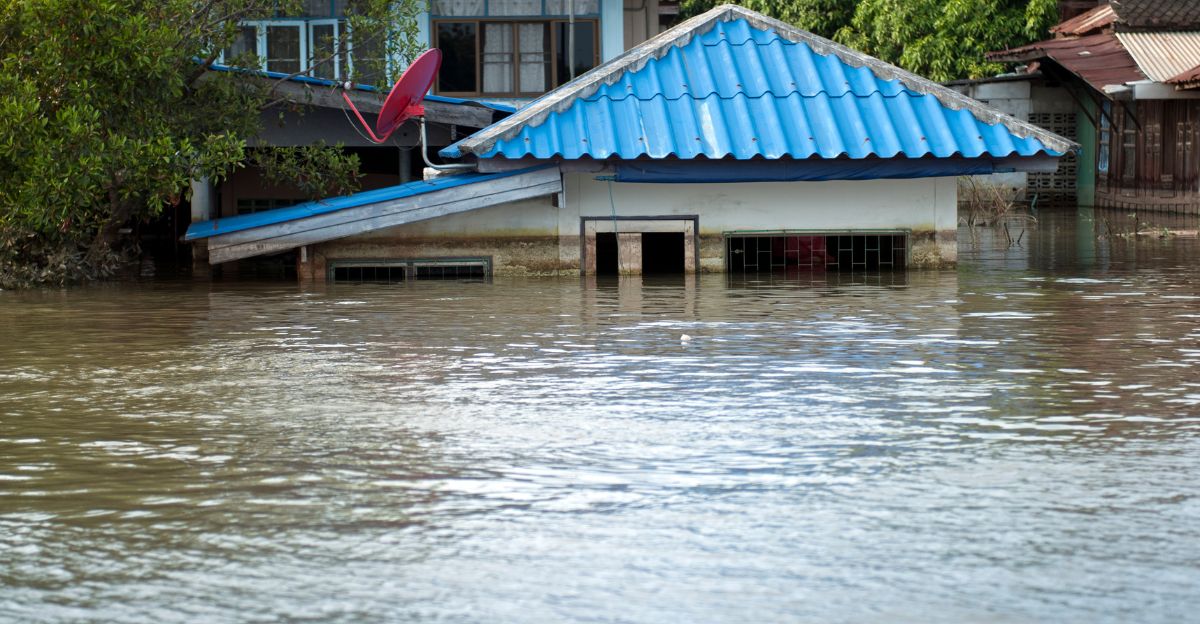
As the Skagit River surged beyond its previous record, over 75,000 residents in Skagit County alone were told to evacuate immediately. Floodwaters quickly submerged homes, schools, and businesses, prompting power outages and widespread disruption. Families packed up and fled, many of them with little more than the clothes on their backs.
Meanwhile, roads like State Route 2 were severely damaged, cutting off crucial travel routes for months. The evacuation represented one of the largest displacements in Skagit County’s history, affecting more than half the county’s population.
Shutdown: Schools, Retail, and Transport Systems Paralyzed
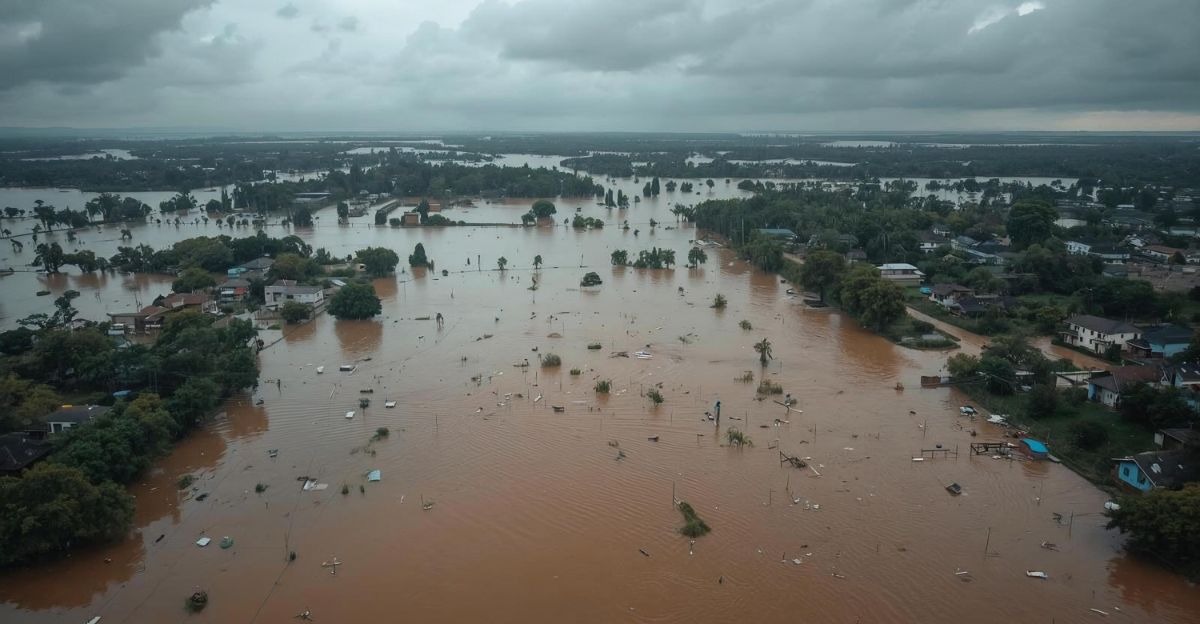
Flooding brought daily life to a halt in affected counties. Schools were closed, businesses shuttered, and transport systems stopped functioning. With major highways like State Route 2 inundated, commuters and delivery trucks were stranded, unable to reach their destinations.
The immediate impact rippled across the region, affecting ten counties simultaneously. Local economies are feeling the pinch, as the floodwaters test infrastructure designed to withstand ordinary storms.
Shortages Surge: Demand for Sandbags and Generators Skyrockets
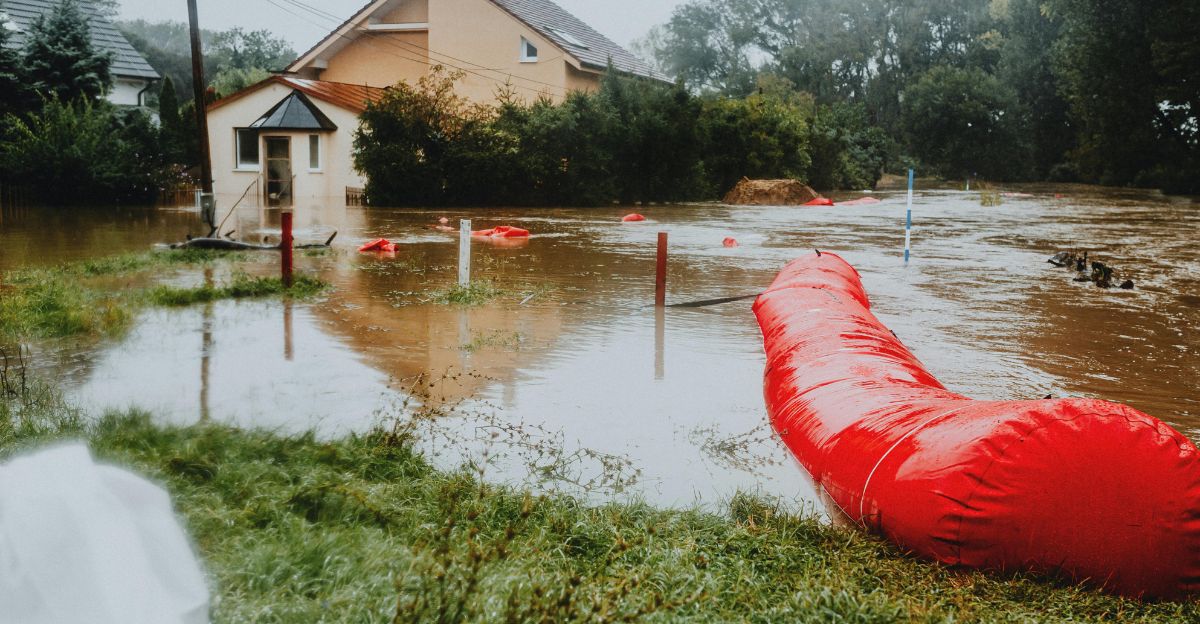
In Kent and Auburn, demand for flood barriers, sandbags, and generators surged as the floodwaters encroached. Residents and businesses scrambled to protect their properties, with local hardware stores seeing a rush of shoppers buying plywood, tarps, and other emergency supplies.
Cleanup companies, too, saw a boom in business, as the need for immediate recovery efforts became clear. This spike in demand, however, highlighted the gaps in preparedness for such a massive disaster. Emergency supply chains were tested to their limits.
Disruptions Spill Over: Trade and Cross-Border Impacts
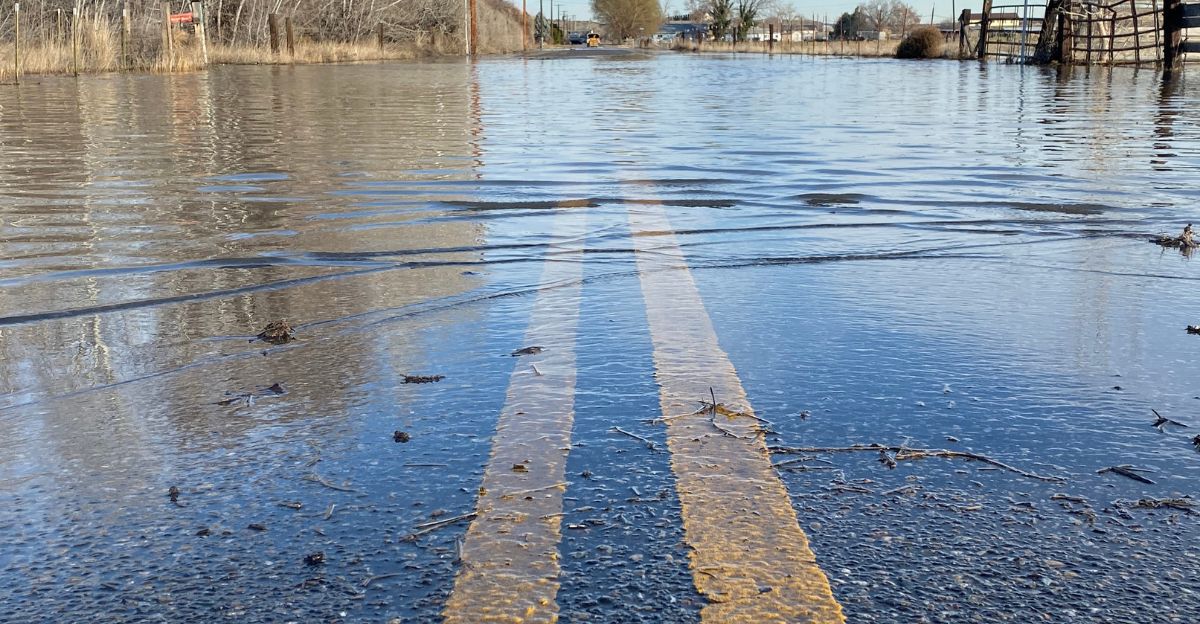
As floodwaters closed key transportation routes in Washington, cross-border trade with Canada was severely affected. Highways and railroads were rendered impassable, halting goods flow between the two countries.
The Fraser Valley in British Columbia declared a state of local emergency in response, as both nations grappled with the economic ripple effects. This flood has not only impacted local economies but has also disrupted the broader supply chain between the U.S. and Canada.
The Toll on Farmers: Skagit County Faces Agricultural Devastation
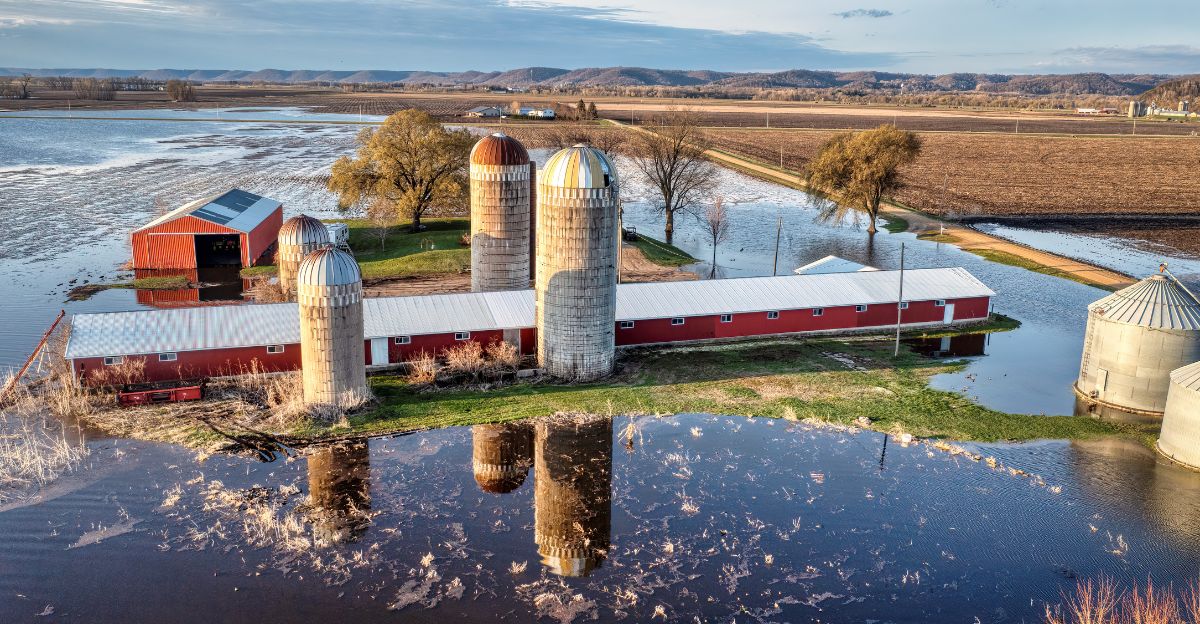
Skagit County’s farmers are among the hardest hit by the floods. As levees breached, large swathes of farmland were inundated, displacing livestock and destroying crops.
The damage to the agricultural community is profound, and recovery could take years. These farmers, along with the evacuees, face an uncertain future as they rebuild their lives. The emotional toll on families and workers in the region is immense.
Government Response: National Guard and FEMA Mobilized
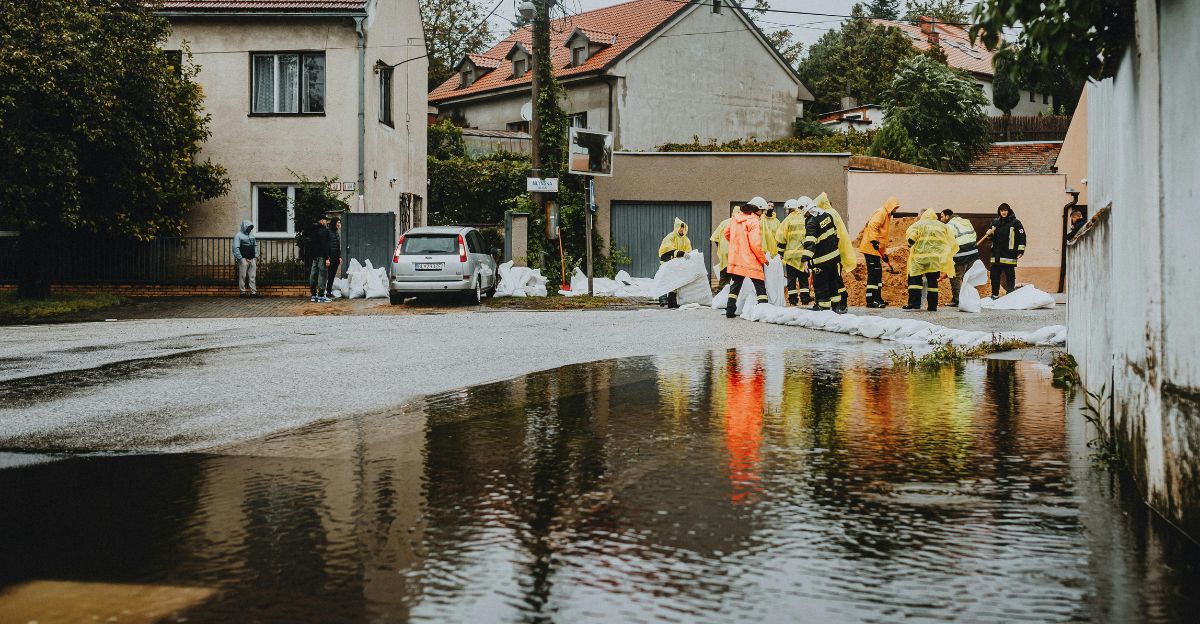
In response to the catastrophic flooding, Governor Ferguson activated over 300 members of the Washington National Guard. These soldiers assisted in flood relief efforts, including rescues and sandbagging operations.
FEMA has been called in for further assistance, though recovery is expected to take months. Local leaders have been urging residents to heed evacuation orders and take necessary precautions as floodwaters continue to threaten new areas. The coordinated response involved resources from across the state and federal government.
The Rescue Effort: 629 Lives Saved
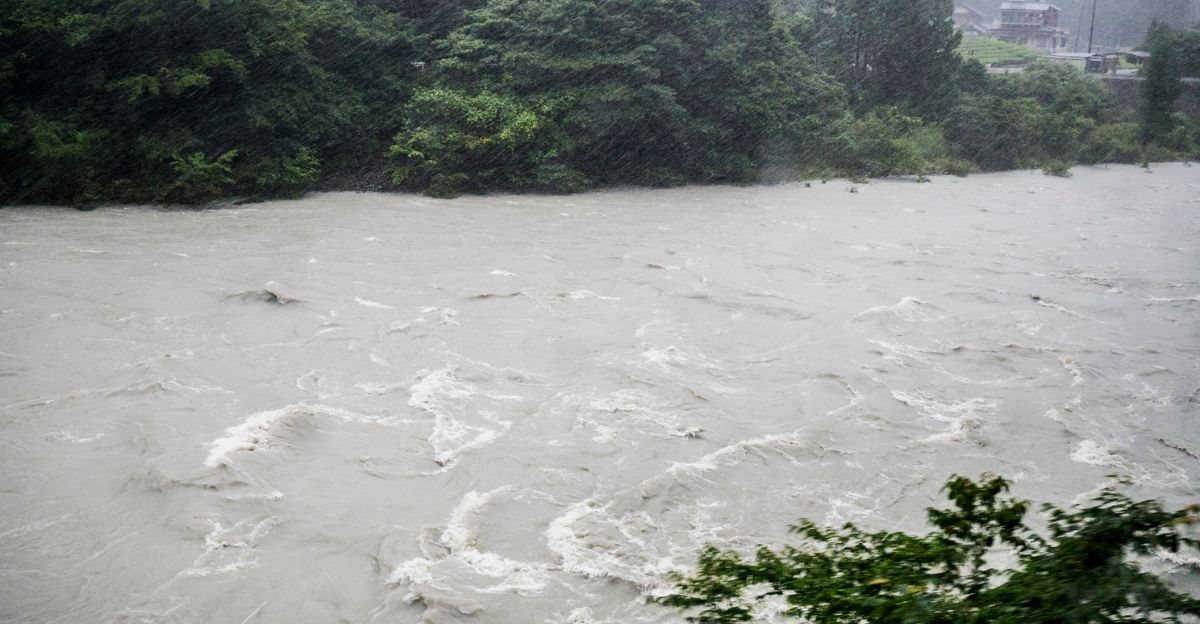
First responders conducted 629 rescues across ten affected counties, working tirelessly as waters rose and communities became isolated. These heroic efforts, combined with 572 assisted evacuations, prevented what could have been a far greater tragedy.
Rescue teams navigated treacherous waters and unstable terrain to reach stranded residents. The scale of the rescue operation underscores the severity of the flooding and the dedication of emergency personnel who put their lives at risk to save others.
Health Risks: Emergency Response and Community Safety
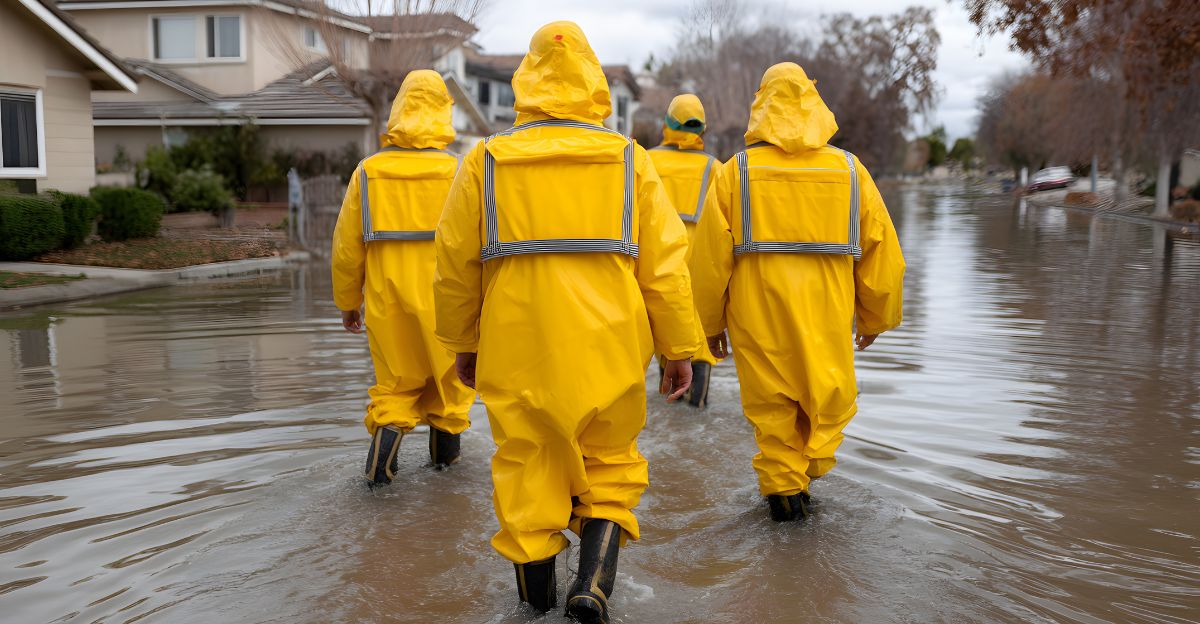
As floodwaters continued to pose risks, emergency responders and evacuees faced hazards from hypothermia, exhaustion, and exposure. Healthcare facilities in affected areas have been disrupted, with the community’s health infrastructure under severe strain as emergency services remain mobilized.
Local authorities continue monitoring environmental conditions and public safety in flood-affected regions. Medical response teams have been positioned throughout affected areas to address immediate health concerns.
Environmental Impact: Growing Concerns About Climate Change

This flood event, fueled by back-to-back atmospheric rivers, has sparked renewed concerns about the growing severity of climate-related disasters. Experts warn that these kinds of extreme weather events will become more frequent and intense as the climate warms.
The flood’s record-breaking magnitude, coupled with the region’s historic vulnerability, has put pressure on local officials to consider long-term environmental strategies, including levee upgrades and wetland restoration. The 2025 flooding marks a critical moment for climate adaptation planning.
Historical Comparison: Worst Since 1990

The 2025 flooding surpasses the devastating 1990 Western Washington floods in several key metrics. The previous record flood in 1990 resulted in 2 deaths, 2,000+ evacuations, and over $100 million in damage.
The current event has already surpassed the 1990 record river levels—with the Skagit River cresting at 37.73 feet compared to 37.37 feet in 1990—and affected ten counties simultaneously. The scale and severity of the 2025 event underscore how climate and development patterns have intensified flood risks in the region.
Infrastructure Damage and Long-Term Recovery
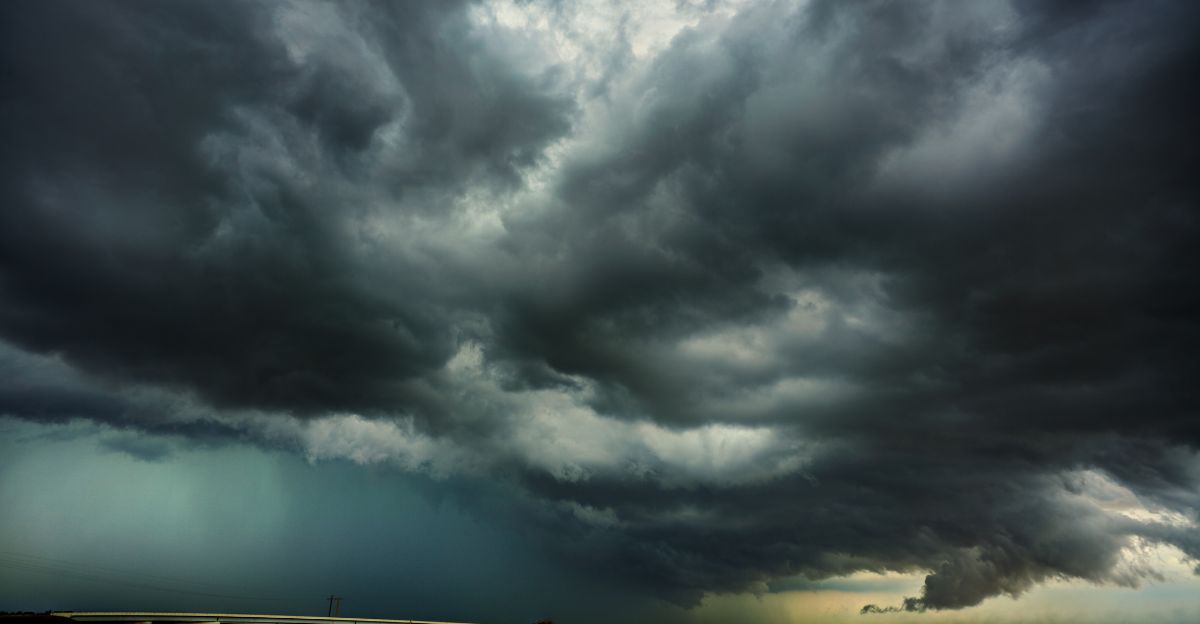
The flooding’s economic toll is significant, with critical infrastructure requiring extensive rebuilding. Key roads like State Route 2, a vital transportation corridor, are expected to remain closed for months. Levees have been breached in multiple locations, and water treatment systems have been compromised.
The scale of damage to homes, businesses, and public infrastructure across the ten affected counties remains under assessment. State and federal officials are establishing assistance programs for affected residents and businesses.
Disaster Recovery Operations Underway
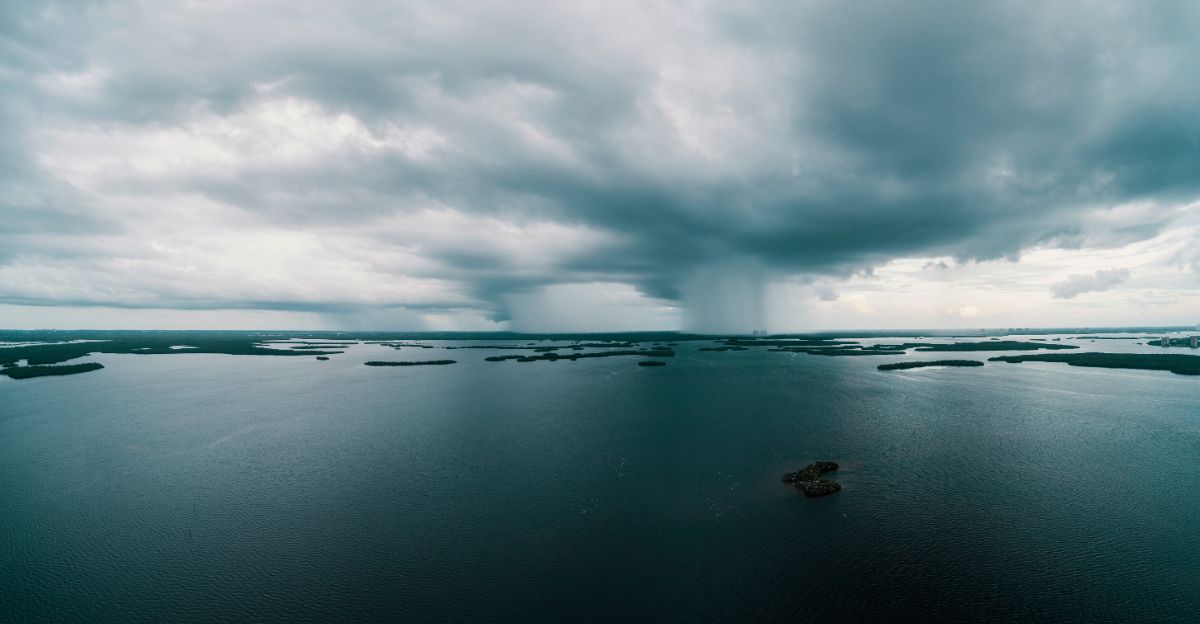
In the wake of the flooding, disaster recovery firms have been mobilized, as communities assess damage and begin cleanup efforts. Emergency gear suppliers, such as those selling generators and sandbags, have experienced increased demand.
Insurance companies are processing the influx of damage claims as the recovery process unfolds. Cleanup and restoration work will continue for months and potentially years, with communities focusing on rebuilding essential services and restoring normalcy.
The Road to Recovery: Washington Faces Long-Term Challenges

As Washington state begins the long recovery process, the flooding’s legacy will be felt for months and years to come. From rebuilding critical infrastructure to adjusting policies for flood prevention, the task ahead is monumental.
The state is determined to strengthen its resilience against future disasters, focusing on climate adaptation, improved levee systems, and community preparedness. The flooding of December 2025 is a wake-up call for the region’s future, demanding urgent action on infrastructure, environmental stewardship, and disaster preparedness.
Sources:
“2025 Pacific Northwest Floods.” Wikipedia, December 2025.
“Washington State Still Reeling as Historic Flooding Starts to Ease.” Associated Press, December 13, 2025.
“Damage from Record Flooding in Washington State is Profound but Unclear, Governor Says.” Oregon Public Broadcasting, December 16, 2025.