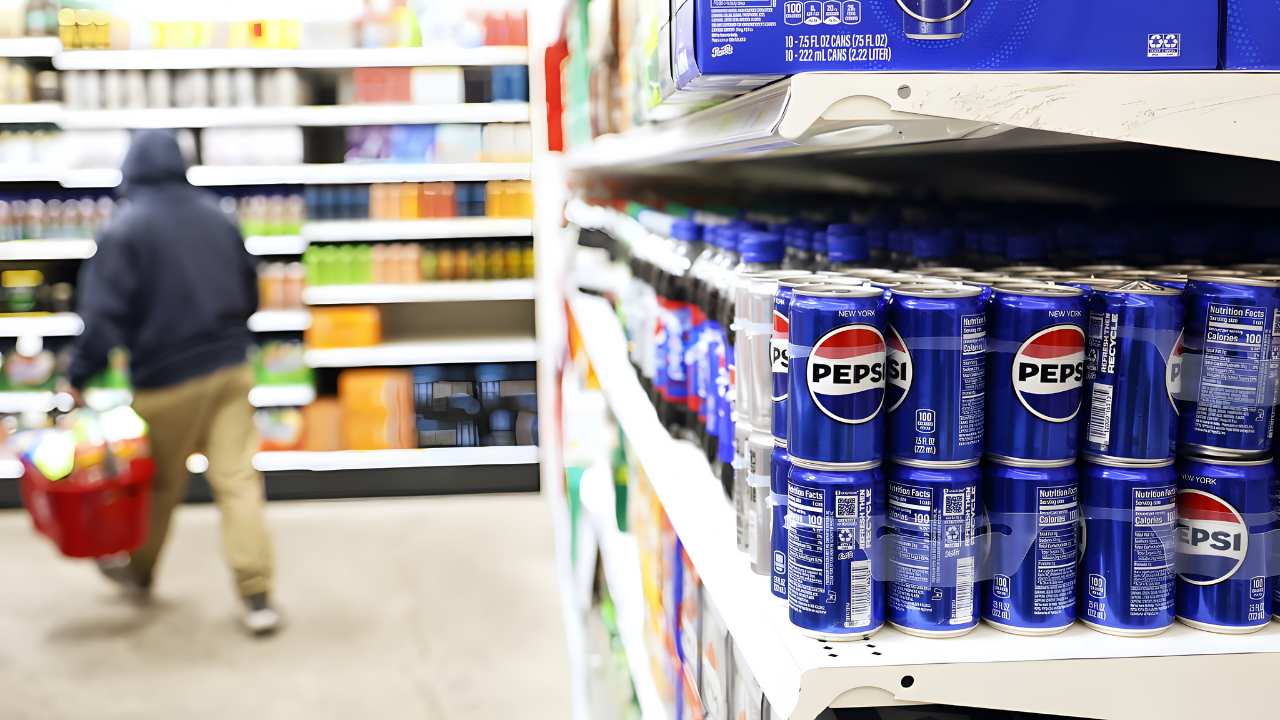
For years, shoppers may have paid higher prices for soda and snacks due to an alleged pricing strategy between PepsiCo and Walmart that regulators claim distorted competition across large grocery markets. Newly unsealed federal court records describe a system of discounts, penalties, and data tracking that, according to the Federal Trade Commission (FTC), kept Walmart’s prices low while raising costs at rival chains.
Reviving an Antitrust Law
At the center of the dispute is the Robinson-Patman Act, a 1936 law designed to prevent powerful chains from using scale to undercut smaller competitors through discriminatory wholesale pricing. Federal enforcers rarely used it for decades.
That changed on January 17, 2025, when FTC Chair Lina Khan led a 3-2 commission vote to sue PepsiCo in the first major Robinson-Patman case in many years. The FTC alleged that PepsiCo illegally favored Walmart with better prices and promotional support than it offered competing retailers for identical products, including Frito-Lay snacks, Gatorade, Mountain Dew, Aquafina, and ready-to-drink Starbucks beverages.
The complaint, filed in federal court in New York, was initially sealed and heavily redacted, obscuring even Walmart’s identity. While the case was pending, PepsiCo told investors that Walmart accounted for such a large share of its sales that losing the retailer would have a “material adverse effect” on the company’s business.
The “Price Gap” Strategy
Internal PepsiCo documents, now public, reveal what the FTC describes as a deliberate “price gap” strategy. Rather than simply offering volume-based discounts, PepsiCo allegedly worked to ensure that Walmart’s retail prices remained lower than those of its competitors’ nearby stores.
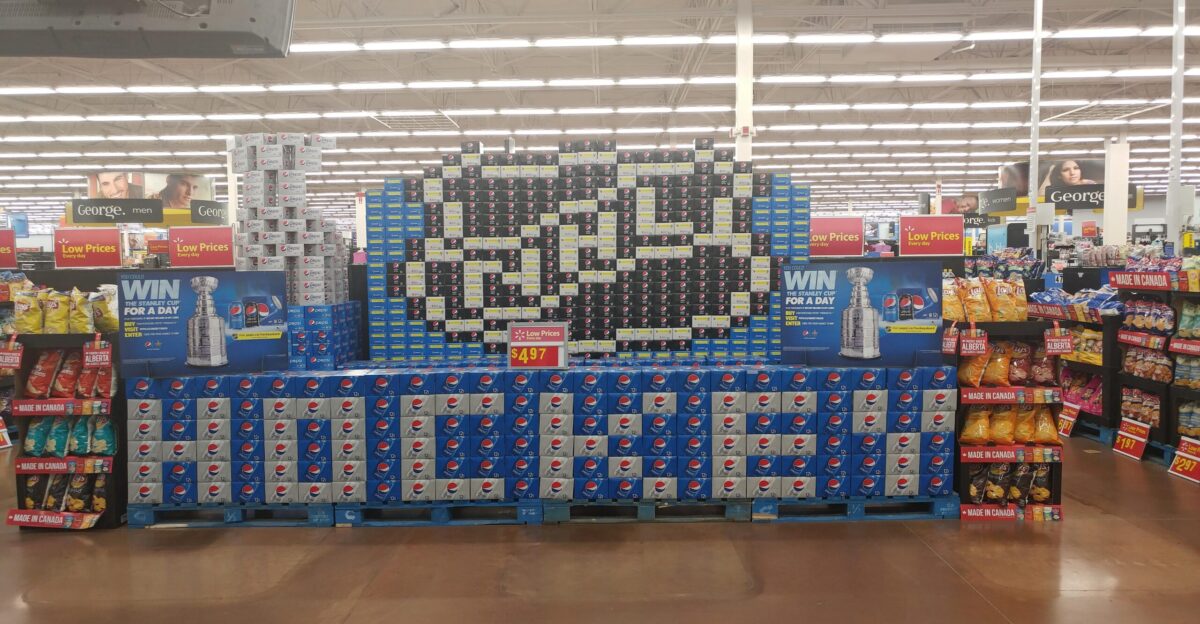
Walmart received exclusive promotional funds, advertising allowances, and favorable terms on display and shelf placement. When other chains tried to match or beat Walmart’s checkout prices, PepsiCo allegedly responded by raising those competitors’ wholesale costs, cutting promotional payments, or both.
During a 2022 earnings call, then-CFO Hugh Johnston said the company was “capable of taking whatever pricing we need” after seven consecutive quarters of double-digit price hikes. Regulators cited this confidence as evidence that PepsiCo could raise prices broadly while maintaining Walmart’s shelf advantage.
Food Lion as a Test Case
Food Lion, a regional grocery store with approximately 1,000 locations across ten states, exemplifies this pattern. When Food Lion reduced retail prices on PepsiCo products to compete with Walmart, PepsiCo’s internal reports labeled it “the worst offender” for “beating [Walmart] in price.”
According to the FTC, PepsiCo then reduced Food Lion’s promotional fund access and raised its wholesale prices at rates exceeding inflation year after year. This made PepsiCo products more expensive at Food Lion than at Walmart, steering price-sensitive shoppers toward the larger chain and weakening the mid-sized competitor.
The Monitoring System
Unsealed documents describe a detailed system PepsiCo used to track pricing outside Walmart. Analysts created “ROM” or “rest of market” reports comparing Walmart’s shelf prices to those at other grocers and convenience stores. Lower or matching prices were labeled “leakage,” with accounts tagged as “offenders,” especially if they used their own funds to discount PepsiCo items.
Regions like the Richmond-Raleigh-Charlotte corridor were identified as problematic due to intense competition. The FTC alleges PepsiCo then used “rollback levers” — higher wholesale prices and reduced promotions — to push rivals’ shelf prices back above Walmart’s. This systematic playbook allegedly protected Walmart’s low-price image by raising competitors’ costs.
Political Reversal and Public Disclosure
The lawsuit never reached trial. On May 22, 2025, one day before the Justice Department was scheduled to argue over unsealing the complaint, newly installed FTC Chair Andrew Ferguson, appointed by President Donald Trump, led a unanimous commission vote to dismiss the case. Ferguson called the complaint a “partisan stunt” and said there was no “reason to believe the law has been violated.”
With the case dismissed, documents remained sealed until the Institute for Local Self-Reliance, a nonprofit advocacy group, moved to intervene in August 2025, arguing the public had a constitutional right to see the government’s allegations. In December 2025, U.S. District Judge Jesse Matthew Furman ordered the complaint unsealed with limited redactions.
Broader Market Implications
The FTC’s complaint placed the PepsiCo-Walmart relationship within broader grocery market consolidation. Research cited in the filing found that in areas dominated by monopolies or oligopolies, food inflation ran 0.46 percentage points higher than in competitive regions between 2006 and 2020, contributing to approximately a 9 percent cumulative price gap over that period.
Similar disputes have emerged elsewhere. Rappers Snoop Dogg and Master P sued Walmart and Post Consumer Brands, alleging Post undermined their cereal brand through pricing and distribution tactics.
Rhode Island’s Lieutenant Governor Sabina Matos examined why small grocers in Woonsocket struggled to survive despite apparent retail competition. Her office concluded that suppliers often did not offer smaller stores comparable wholesale prices, leading her to draft state-level Robinson-Patman enforcement legislation.
With the FTC case dismissed but its complaint unsealed, private litigation followed. In December 2025, class action Gelbs et al. v. PepsiCo and Walmart was filed in federal court in New York, seeking consumer damages from PepsiCo product purchases at non-Walmart retailers since 2015.
As these proceedings begin, a fundamental question persists: how much influence should dominant retailers and suppliers have over the prices of competing stores and household costs? The answer will shape how regulators, lawmakers, and courts address grocery sector consolidation and the pricing power held by the largest players.
Sources
FTC v. PepsiCo, Inc., Complaint, Case 1:25-cv-00664-JMF, U.S. District Court, Southern District of New York, January 17, 2025
CNBC, “FTC sues PepsiCo, alleging price discrimination is raising costs for consumers,” January 17, 2025
Wall Street Journal, “Pepsi Worked to Keep Prices Higher at Retailers to Protect Walmart’s Prices,” December 16, 2025
Reuters, “FTC drops case against Pepsi alleging price discrimination,” May 22, 2025
Gelbs et al. v. PepsiCo, Inc. and Walmart, Inc., Class Action Complaint, U.S. District Court, Southern District of New York, December 16, 2025
Judge Jesse Matthew Furman, Order Unsealing Complaint, U.S. District Court, Southern District of New York, December 2025