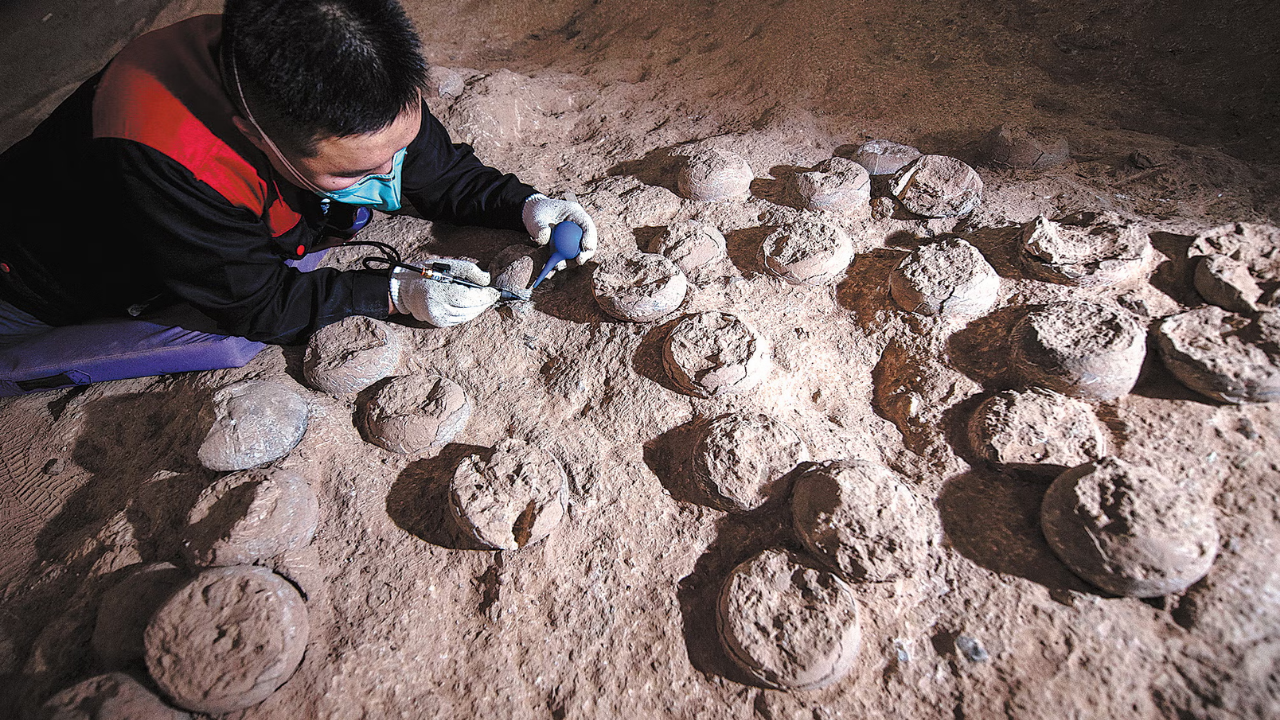
Dr. Federico Agnolín’s heart raced as he bent down to examine the object lying in the dirt—an egg, intact and almost perfectly preserved. His first instinct was disbelief, but as he gently brushed away the dust, the reality set in: this was no ordinary fossil.
The 70-million-year-old dinosaur egg, found near Rio Negro, Argentina, stood as a testament to time’s resilience, outlasting the ages when most of its kind crumbled away. The unexpected discovery—captured live for viewers worldwide—had the potential to rewrite paleontological history. Could this fragile relic contain embryonic secrets about ancient predators?
Preservation Miracle
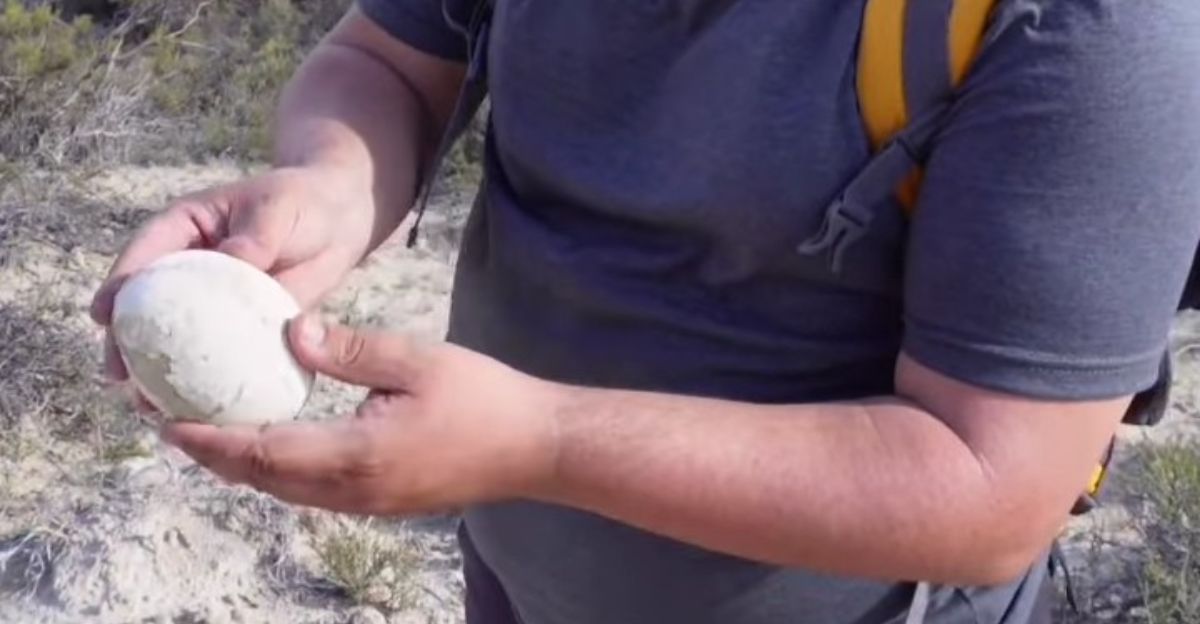
Carnivorous dinosaur eggs are notoriously fragile, with thinner shells that are much more prone to destruction than their herbivorous counterparts. Yet this one, found in nearly pristine condition, represents an extraordinary rarity.
As researcher Gonzalo Muñoz noted, “It’s not uncommon to find dinosaur fossils, but the issue with eggs is that they are much less common,” and finding one in such an exceptional state of preservation is exceedingly rare. Could this egg contain skeletal remains of the ancient predators that once roamed the earth?
Patagonia Fossil Hotspot

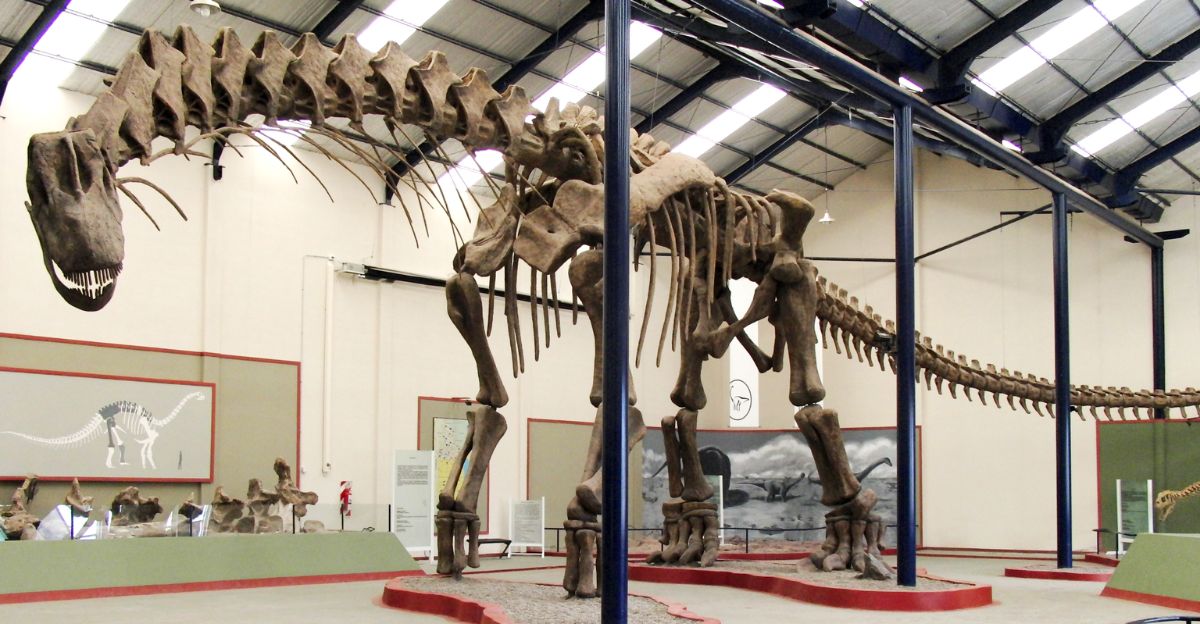
Patagonia’s Rio Negro province, near General Roca, has long been a treasure trove of Late Cretaceous fossils. This region has yielded incredible finds, including titanosaurs and theropods.
The area’s ancient riverbeds have preserved the nests of these prehistoric creatures, making it a focal point for paleontologists seeking clues about dinosaur life before the extinction event.
Theropod Nest Gap
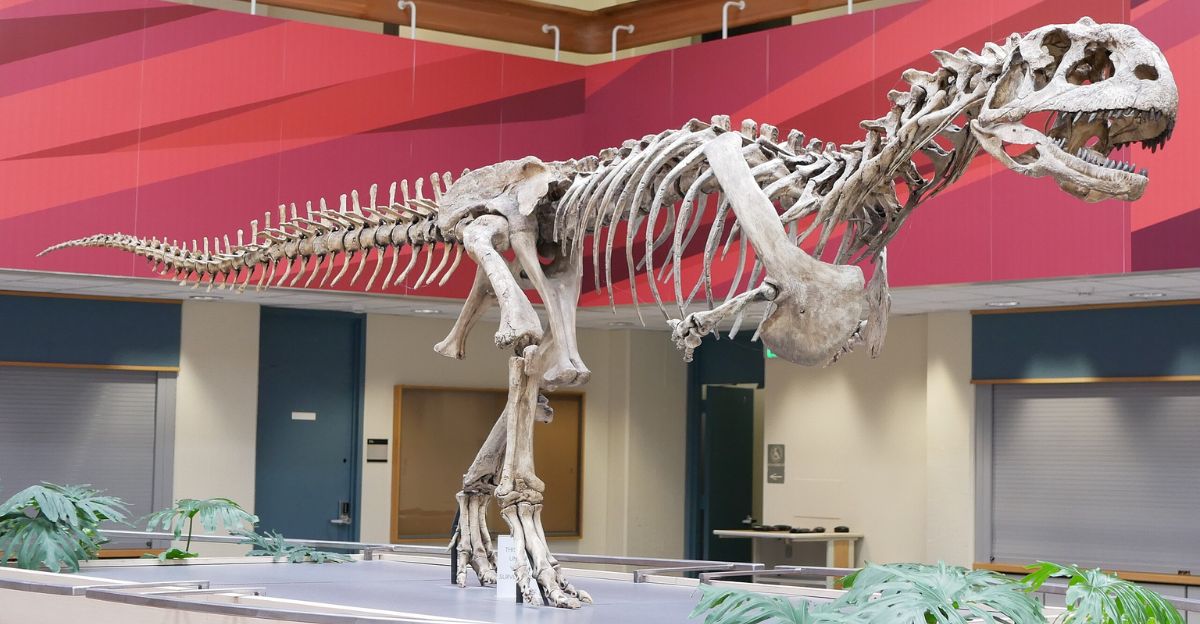
While herbivorous dinosaur nests are abundant in South America, confirmed carnivorous dinosaur nests have been elusive—until now.
Theropods like abelisaurids once dominated Patagonia, but their fragile eggs rarely survive. The discovery of a theropod nest offers a new window into the reproductive behaviors of these ancient predators.
Nest Unearthed Live
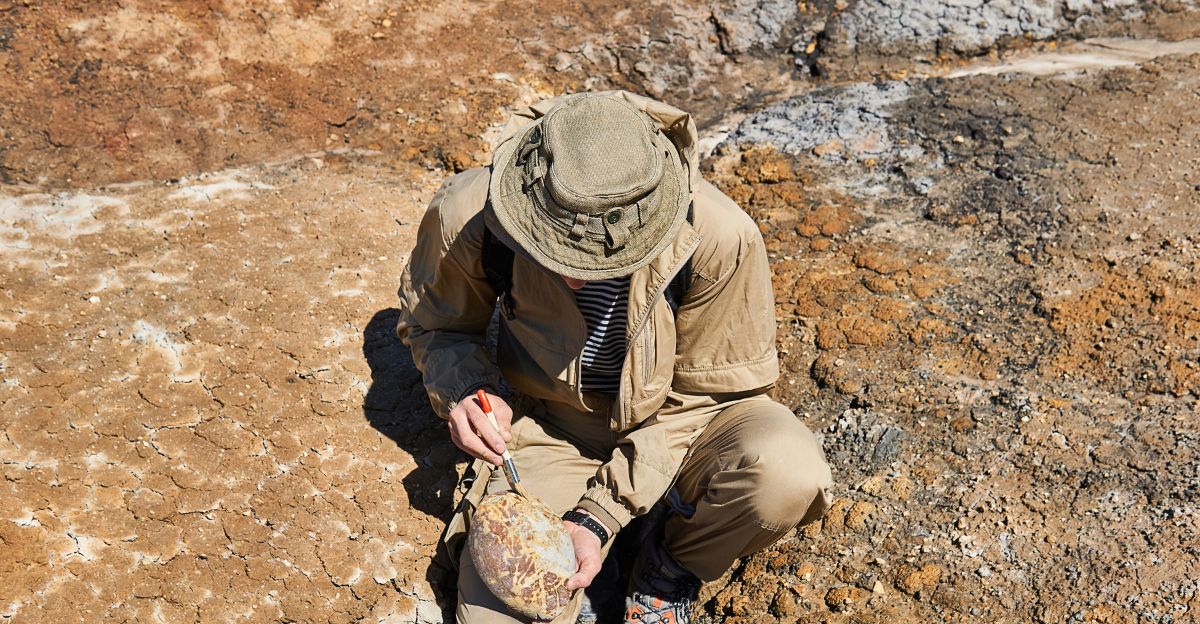
On October 7, 2024, paleontologist Dr. Federico Agnolín stumbled upon the intact egg while walking away from the dig site.
The discovery was live-streamed for the world to see, marking the first-ever South American theropod nest find. This accident—captured in real time—has sparked excitement across the paleontological community.
Regional Paleo Shift

This new nest fills a major gap in the research on Late Cretaceous Patagonia, shedding light on theropod reproduction.
With this nest dating to just before the mass extinction, it links predators directly to nesting grounds in the region. Paleontologists eagerly await more data to refine their understanding of southern hemisphere dinosaurs.
Team’s Raw Joy
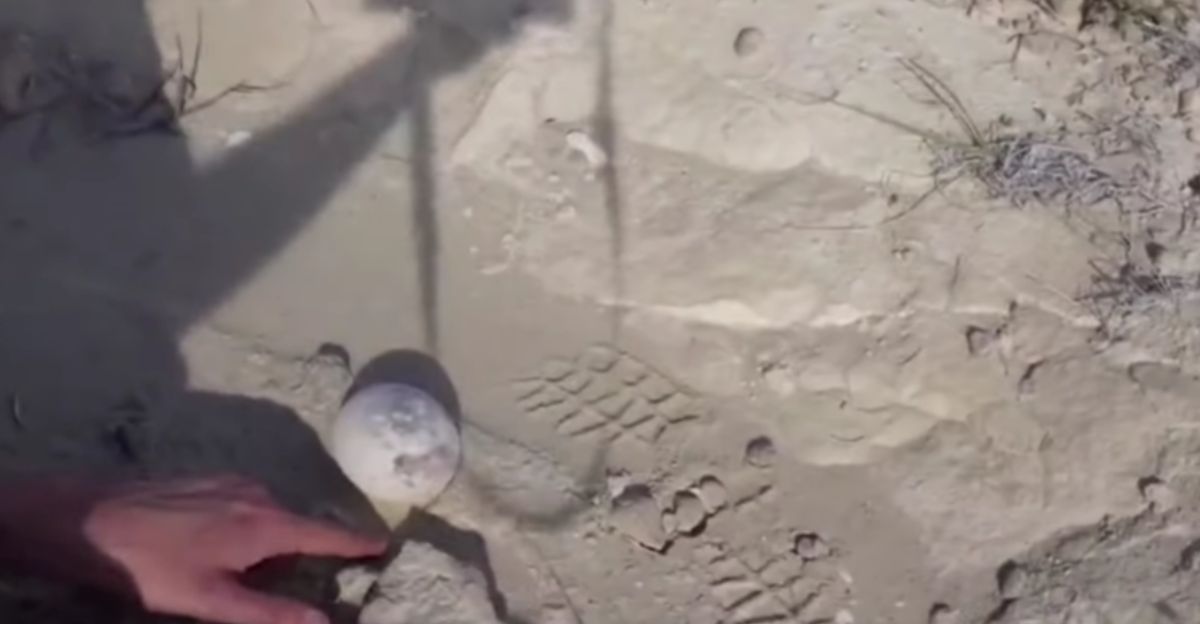
For the team, the discovery was a thrilling surprise. Dr. Agnolín noted the exceptional nature of the find, as fellow paleontologist Gonzalo Muñoz remarked, “It was a complete and utter surprise. It’s not common to find the egg of a possible carnivorous dinosaur, much less in that state.
The happiness was spectacular for the team.” The team’s excitement was palpable, as they celebrated this unexpected find during a long and challenging field expedition. What else could this nest reveal?
Scan Plans Advance
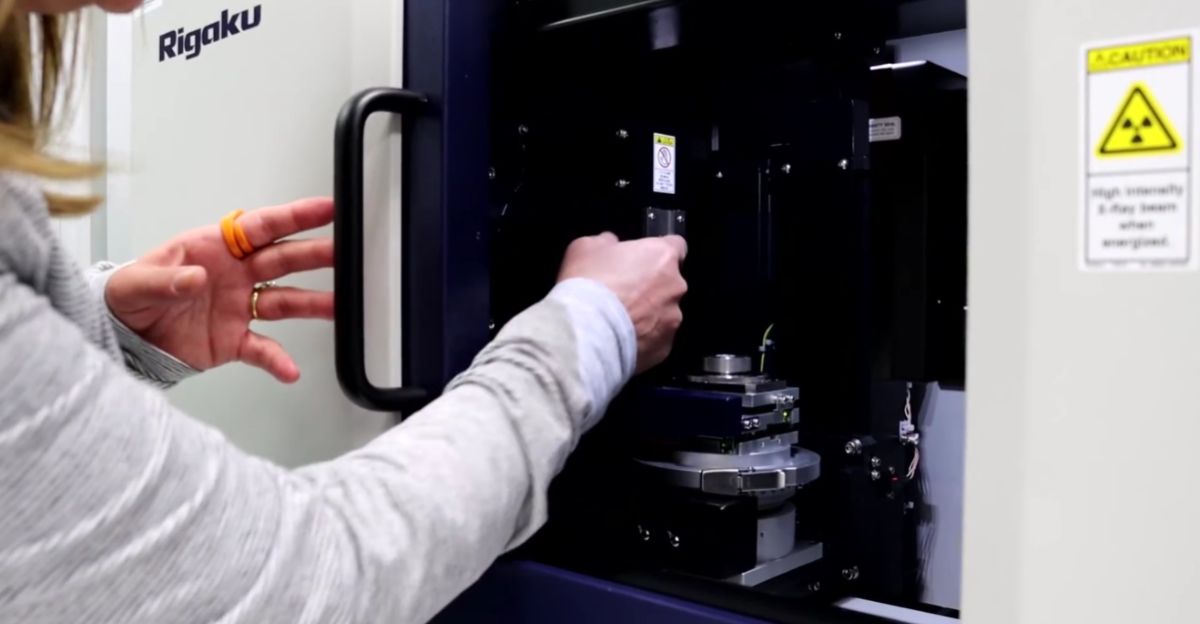
The next step is a non-destructive micro-CT scan to examine the interior of the egg. The fragile shell suggests it may belong to an unknown theropod species.
The scan will be conducted in the coming months. The results could potentially reveal embryonic skeletal structures and provide insights into theropod development.
Cretaceous Context
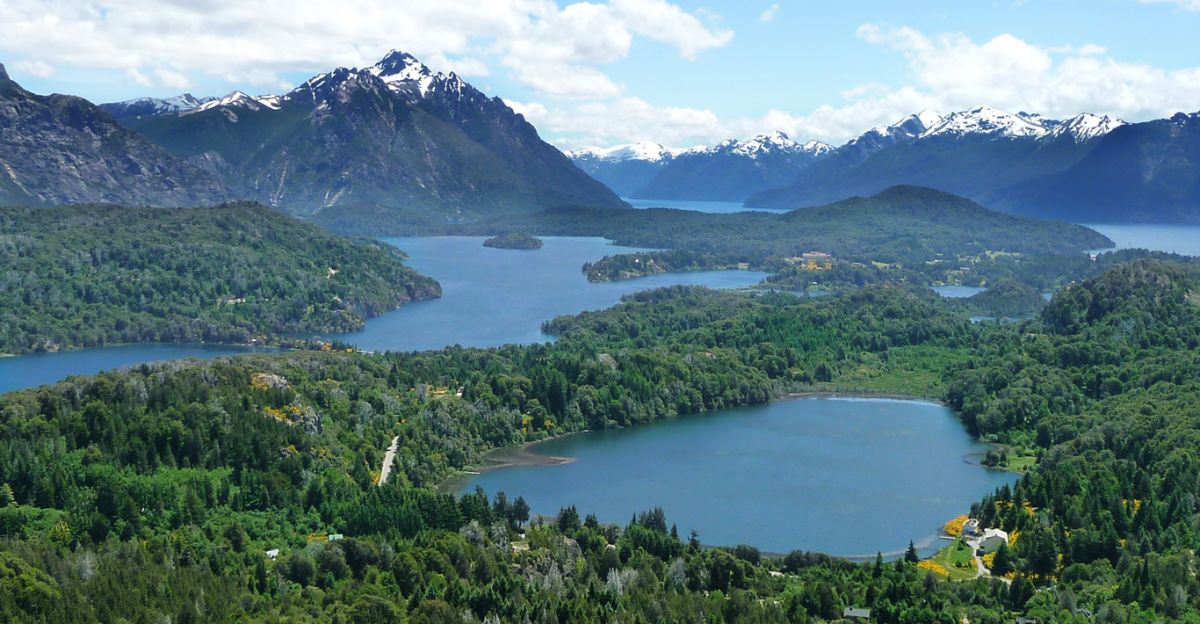
Patagonia during the Late Cretaceous was a hub for theropods evolving traits now seen in modern birds. Nests like this one could offer insights into how these predators nurtured their young.
The preservation of this egg provides a rare opportunity to explore how dinosaur evolution aligns with bird development.
Embryonic Analysis
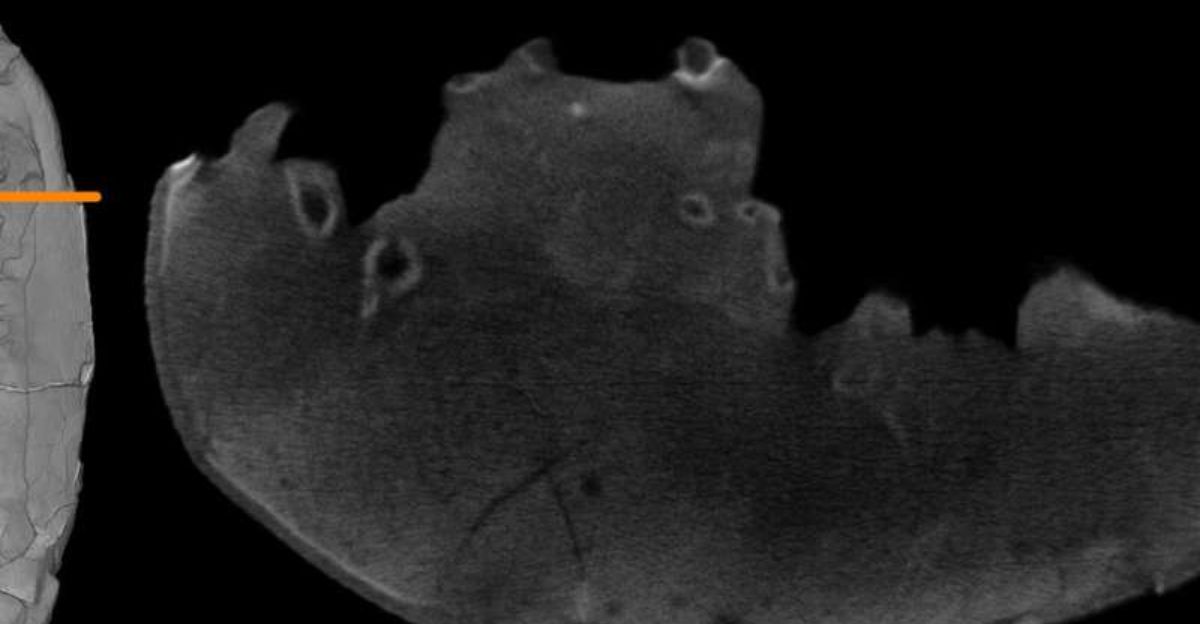
Despite initial media attention, the focus of this research is on embryonic remains rather than genetic material. DNA preservation beyond 1.5 million years is not feasible, making DNA recovery from a 70-million-year-old specimen scientifically impossible.
The micro-CT scan aims to reveal skeletal structures and developmental information about the embryo, offering crucial data on theropod reproduction without relying on genetic analysis.
Expert Cautions
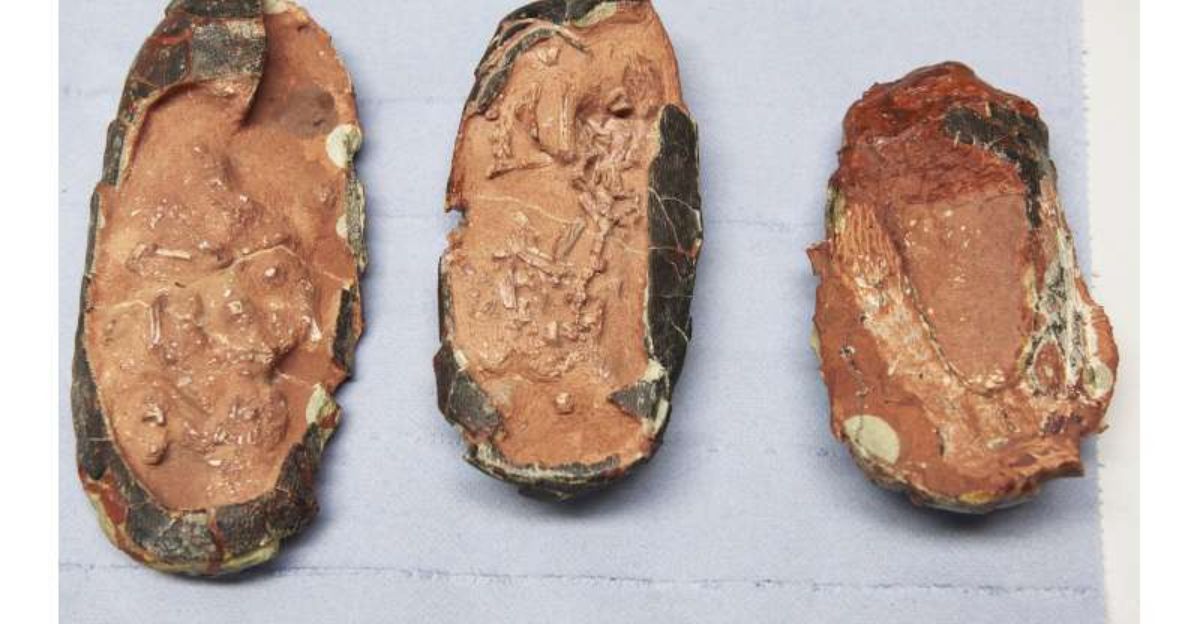
While excitement runs high, experts remain cautious. Researchers acknowledged that embryo preservation is complicated, and debates continue over whether the embryo survived at all. As Muñoz noted, “An embryo is a very delicate animal, and its preservation is complex.
Although the egg was preserved complete, we don’t know if the embryo was there and died, or if it was an egg that didn’t have an embryo.” The team remains hopeful but stresses that the scanning process will ultimately determine the egg’s contents.
Leadership Spotlight

Dr. Federico Agnolín leads the analysis, with CONICET overseeing the excavation’s scientific custody. The Azara Foundation coordinated the logistics of the fieldwork, while National Geographic provided visibility and technical resources.
This collaboration sets the stage for a peer-reviewed publication that could alter our understanding of theropod reproduction.
Recovery Roadmap
After scanning, the egg will be securely preserved in a Patagonia museum. The use of non-invasive scanning methods ensures the integrity of this delicate find.
The team’s successful recovery of this egg demonstrates the importance of careful fieldwork and modern analytical techniques in paleontological research.
Skepticism Persists
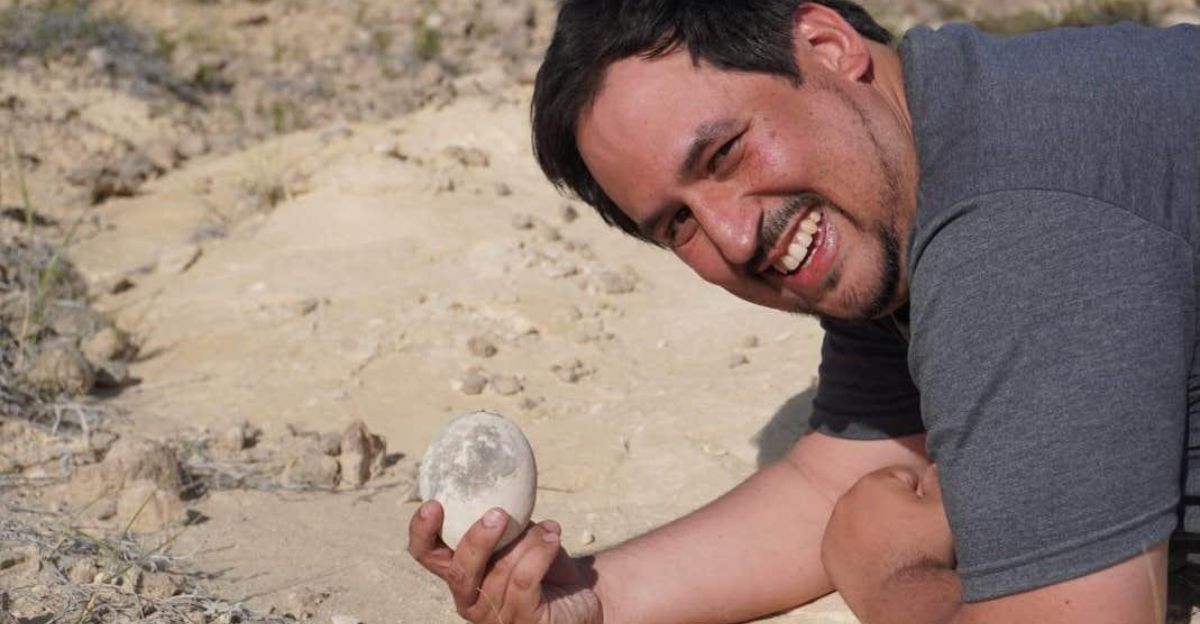
Some experts remain cautious about the survival of the embryo inside the fragile egg. It is 70 million years old, after all.
Paleontologists emphasize that while scanning may provide crucial information about theropod skeletal development, definitive conclusions won’t come until peer review is complete.
Future Scans Beckon
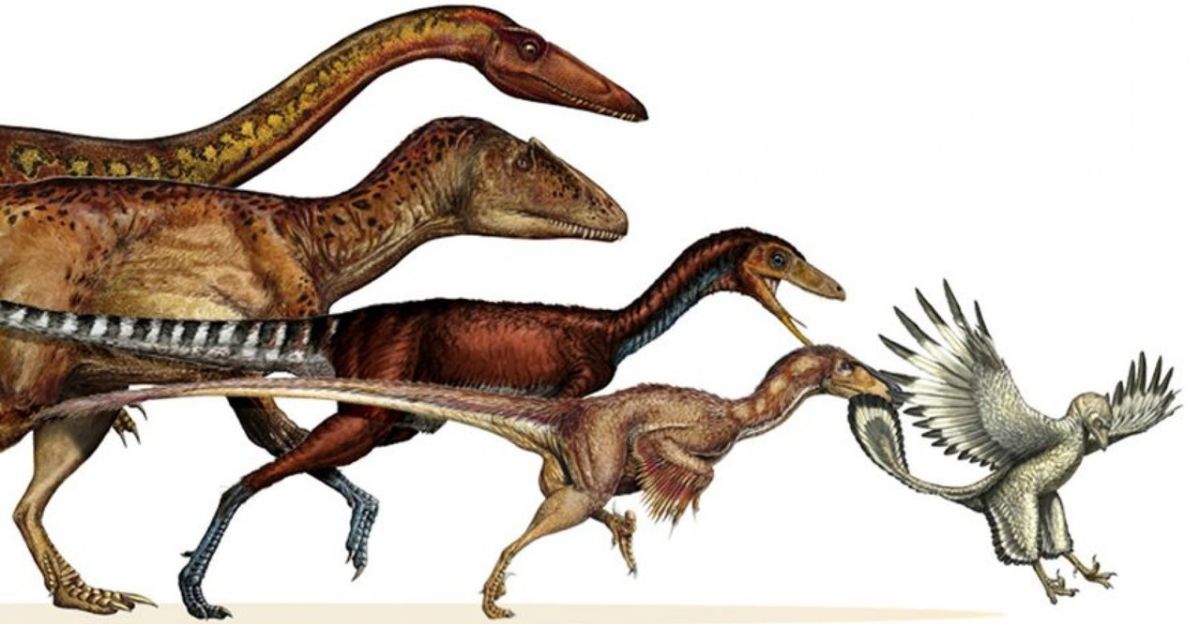
What if the scans reveal an unknown predator anatomy? If the embryo survived, it could offer a closer look at theropod skeletal evolution and its links to birds.
The world is eagerly awaiting results in early 2025, and the implications of these findings could change everything we know about dinosaur reproduction and evolution.
Scientific Impact
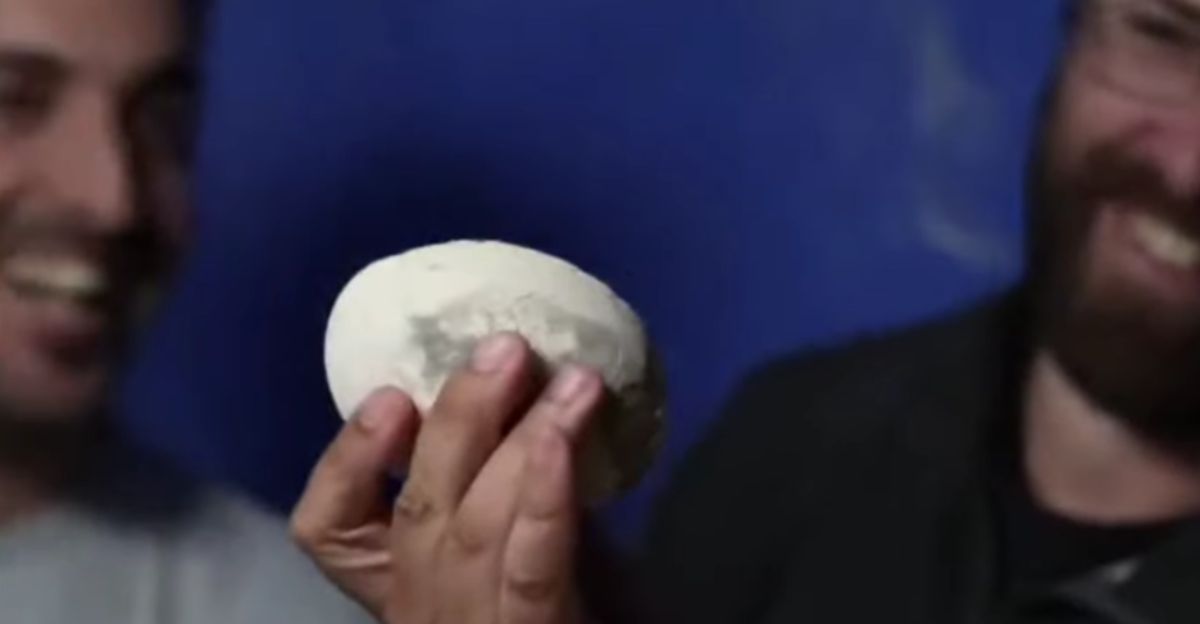
The discovery has reverberated across the global paleontological community, with international teams now collaborating to analyze the find.
The first-ever livestreamed paleontological expedition has sparked worldwide interest, placing Patagonia at the center of global paleontological research and elevating its importance within scientific communities.
Ethical Preservation
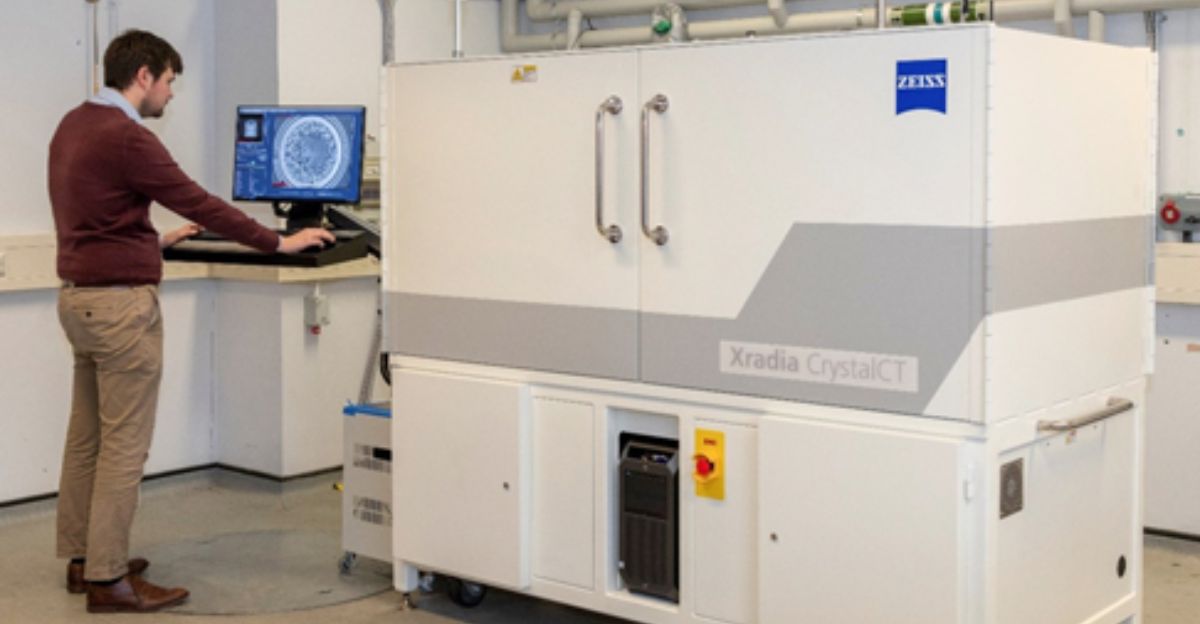
Legal protections under Argentine heritage laws ensure the excavation site is preserved for future research. Non-destructive CT scans prioritize the integrity of the fossil, preventing any damage to this ancient treasure.
This discovery sets new standards for ethical fossil preservation and public engagement in scientific fieldwork.
It’s All About Real Evidence
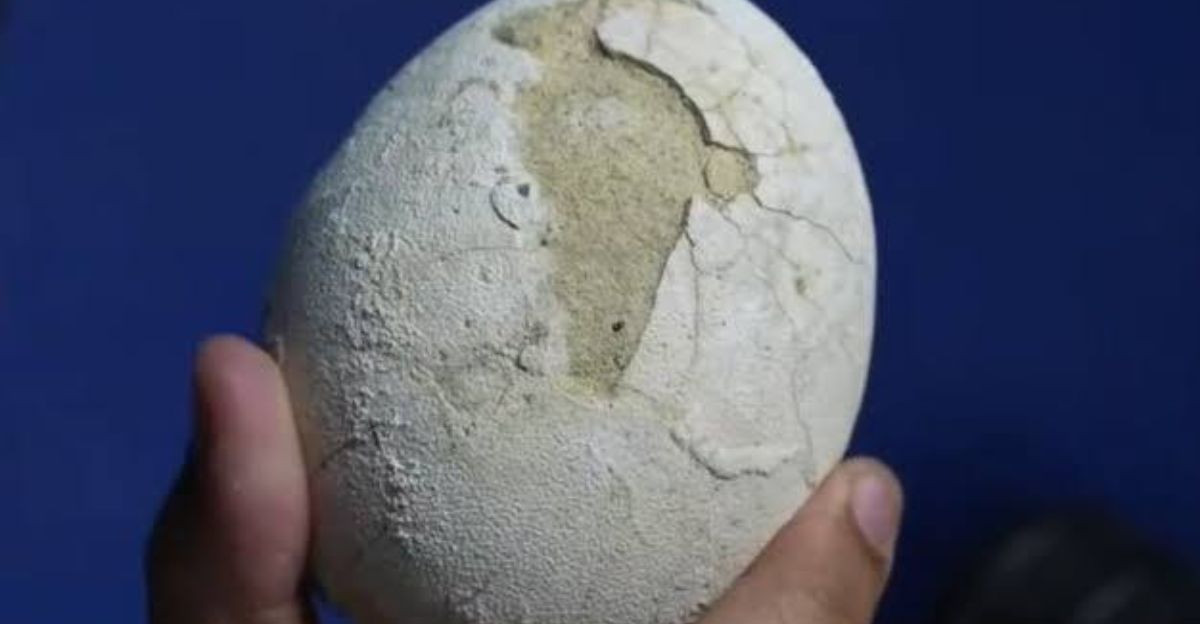
The public’s fascination with dinosaurs has surged, fueled by the live-streamed expedition. This cultural phenomenon is inspiring a new generation of paleontologists while grounding scientific understanding in real evidence rather than speculation.
The careful, evidence-based approach to analyzing this egg demonstrates how rigorous science—not sensationalism—can capture the public’s imagination and shape the future of fossil research.
Sources:
“70-Million-Year-Old Dinosaur Egg Reveals Ancient Nesting Clues.” Discover Magazine, 10 Nov 2025.
“Scientists in Patagonia find perfectly preserved dinosaur egg.” UNILAD, 22 Oct 2025.
“Patagonia team finds 70M-year-old dino egg live on camera.” The Jerusalem Post, 25 Oct 2025.
“It’s official—Argentine scientists discover a perfectly preserved dinosaur egg.” El Adelantado, 20 Nov 2025.