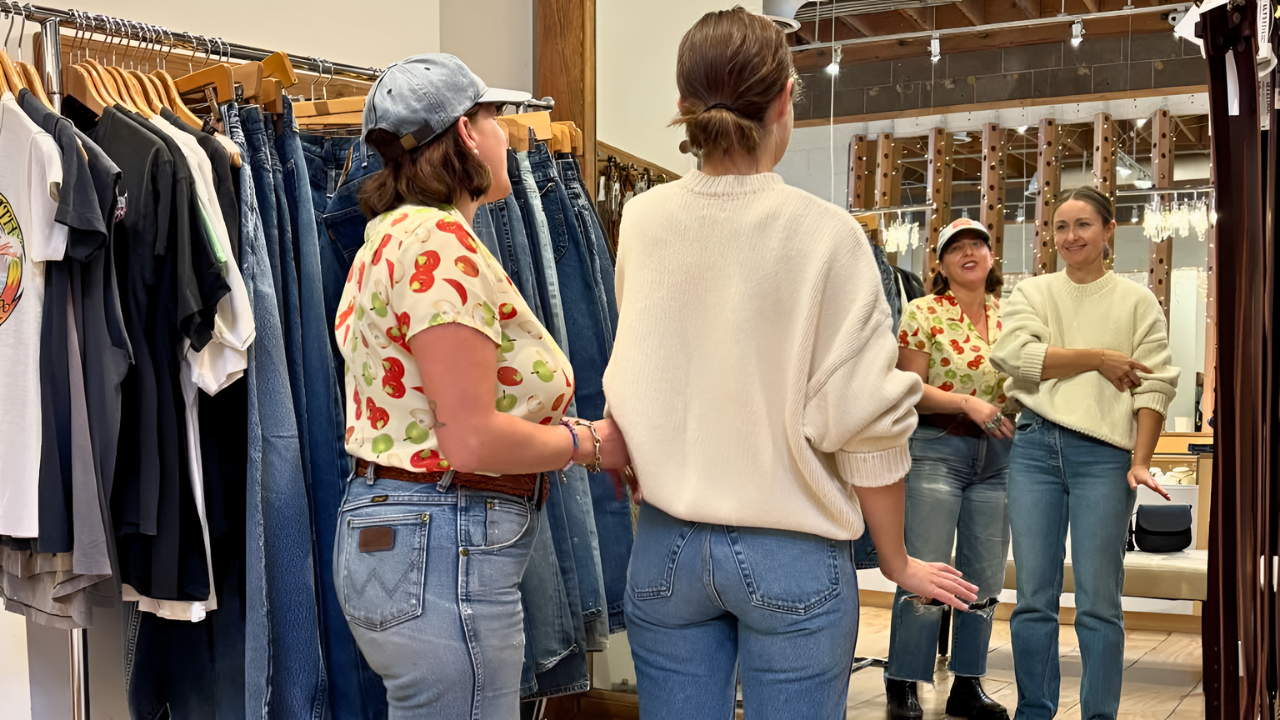
Have you seen someone looking fabulous, only to learn they shop at budget stores? Dressing well has nothing to do with spending a lot of money. Style means making smart choices that maximize what you own.
The best-dressed individuals follow specific guidelines that transform inexpensive pieces into sophisticated outfits. These eight budget-friendly style rules will help you elevate your wardrobe without emptying your wallet.
1. Build Your Wardrobe on Quality Basics
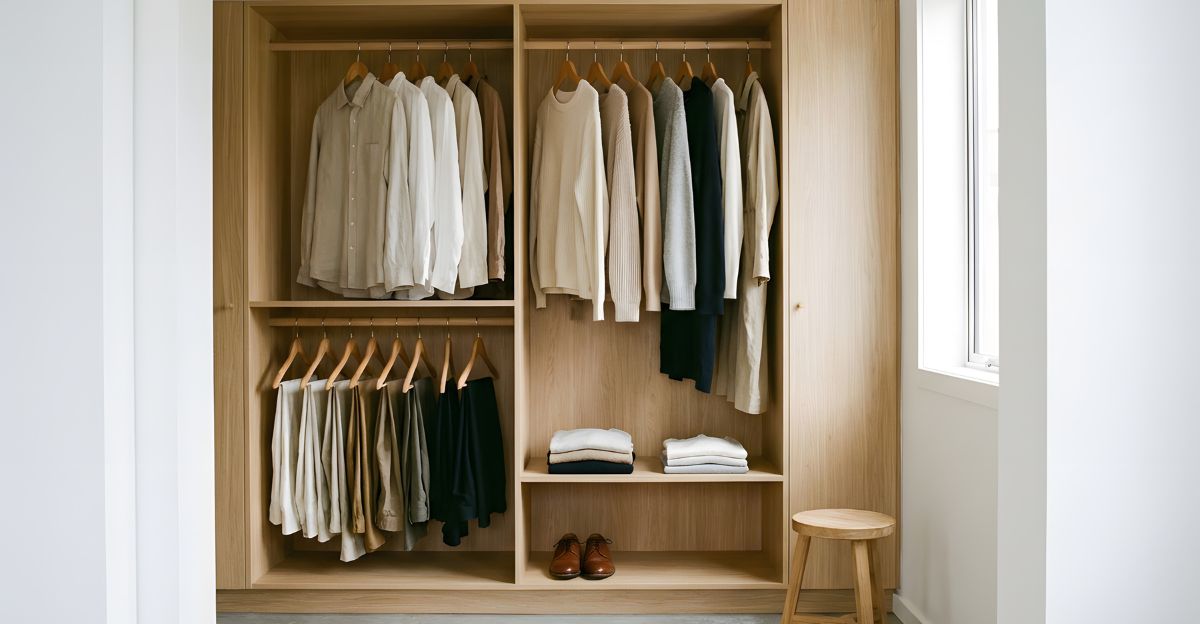
Start your budget wardrobe with quality basic pieces that do the heavy lifting. Think of your wardrobe like a house—build a solid foundation first. Buy fewer, better basics in black, white, navy, gray, and beige.
Include a crisp white shirt, dark jeans, a blazer, and quality tees. Quality basics cost more upfront but last much longer, saving money over time.
Why Quality Trumps Quantity Every Time
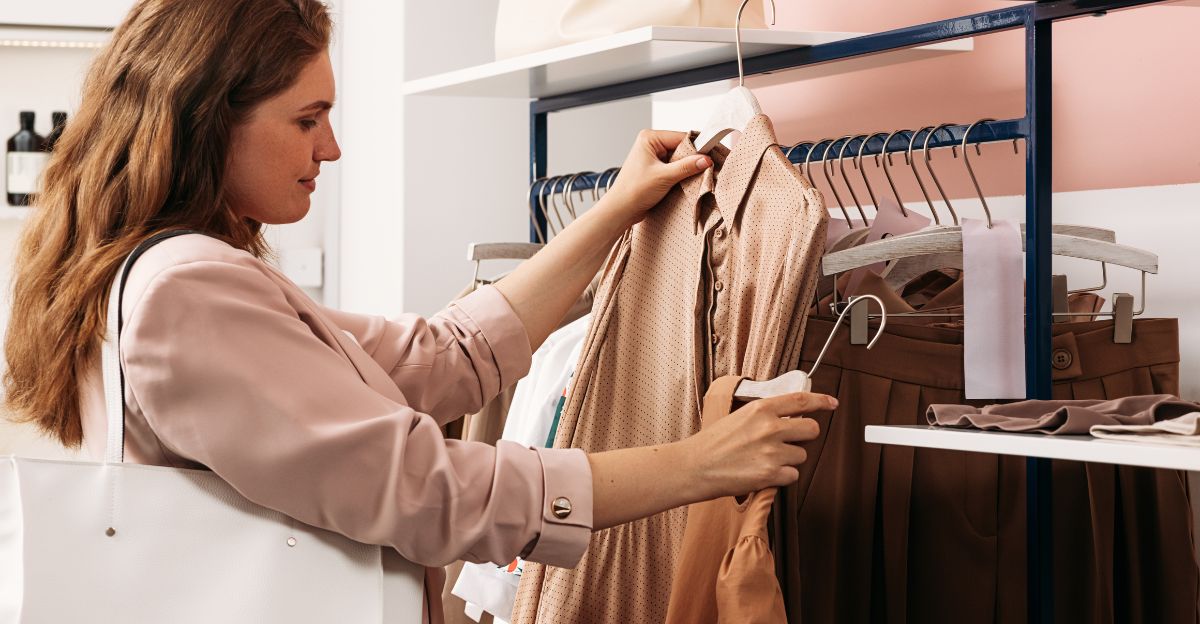
Smart shoppers check fabric content, construction, and fit—not just the price tag. Natural fabrics, such as cotton, wool, and linen, outlast synthetic fabrics.
A $40 blazer that fits perfectly beats a $400 designer piece that doesn’t. Set aside a small monthly budget to gradually upgrade your essentials. This builds a versatile collection that works together seamlessly.
2. Master Your Measurements for Perfect Shopping
Knowing your exact measurements transforms shopping from a guessing game to a winning experience. Most people rely on sizes that differ wildly between brands. Write down your bust, waist, hips, inseam, and sleeve length in your phone.
This helps when thrifting, shopping online, or checking clearance racks. Fashion expert Tim Gunn says fit matters most—a $20 dress that fits beats a $200 one that doesn’t.
How Accurate Measurements Save Money and Frustration
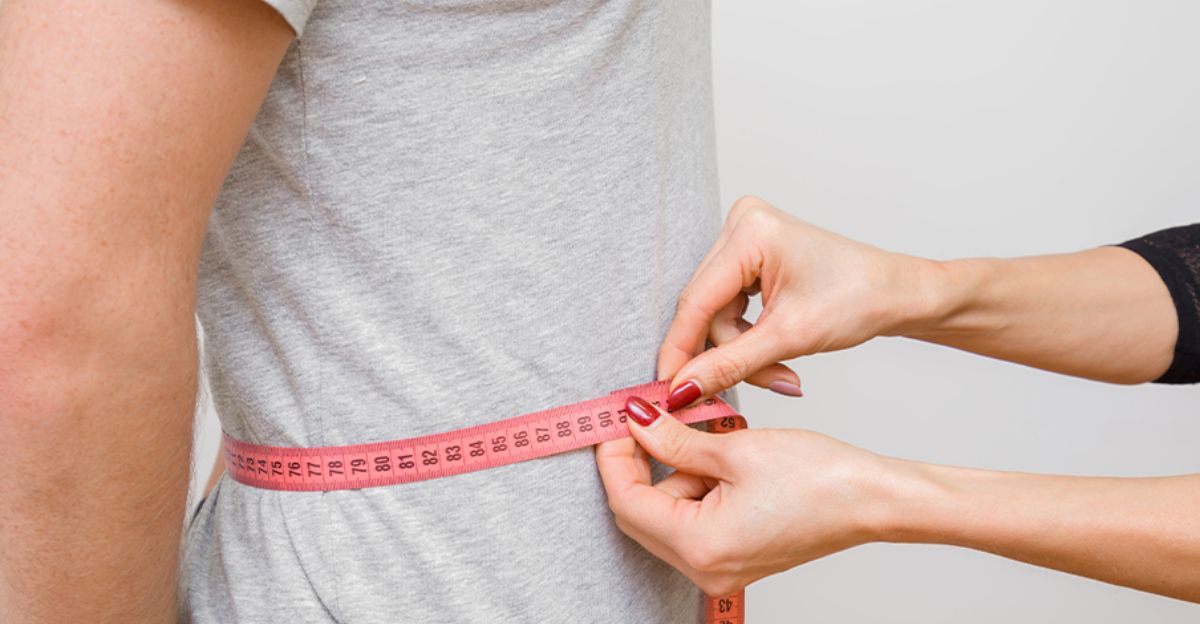
All you need is a tape measure and a friend to get accurate measurements. Update them every six months as your body changes. This stops you from buying clothes in the wrong size that sit unworn.
You can evaluate if something fits before buying, which helps reduce returns. It also helps you shop at international retailers, expanding your budget-friendly options worldwide.
3. Embrace Tailoring as Your Style Secret Weapon
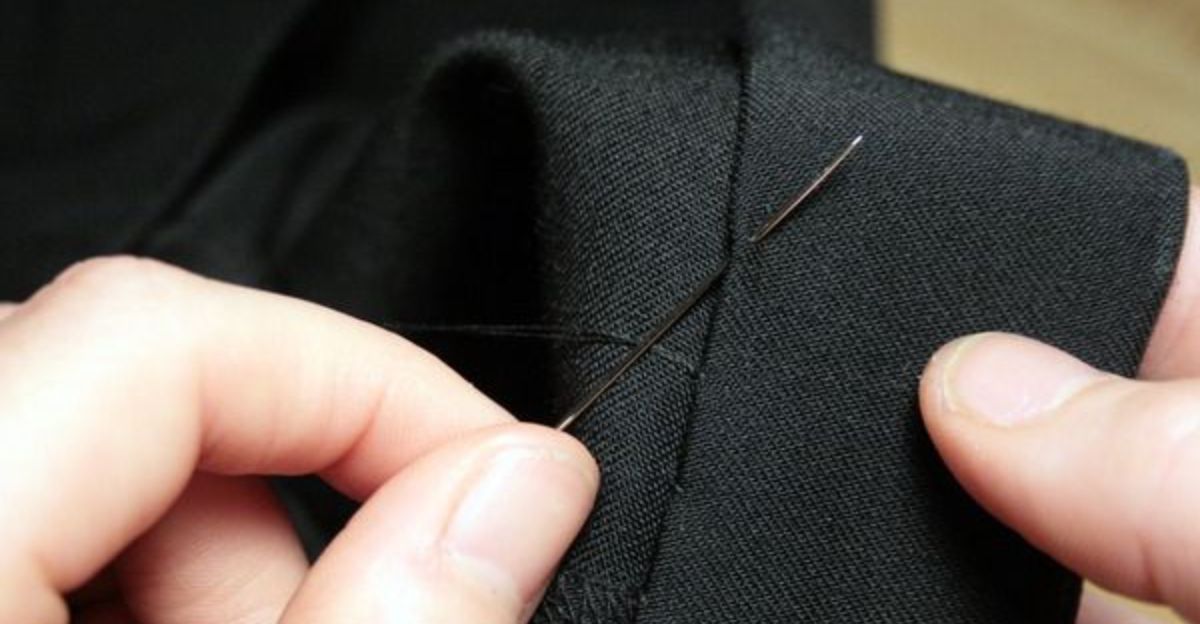
Tailoring is the best-kept secret to looking expensive on a budget. Basic fixes, such as hemming pants or adjusting sleeves, cost $15 to $35.
These changes transform cheap pieces into custom-made looks.
Spending $15 to hem $8 thrift pants makes a $23 garment that rivals pants costing ten times more. Fit matters more than brand names.
Finding Affordable Tailoring Solutions
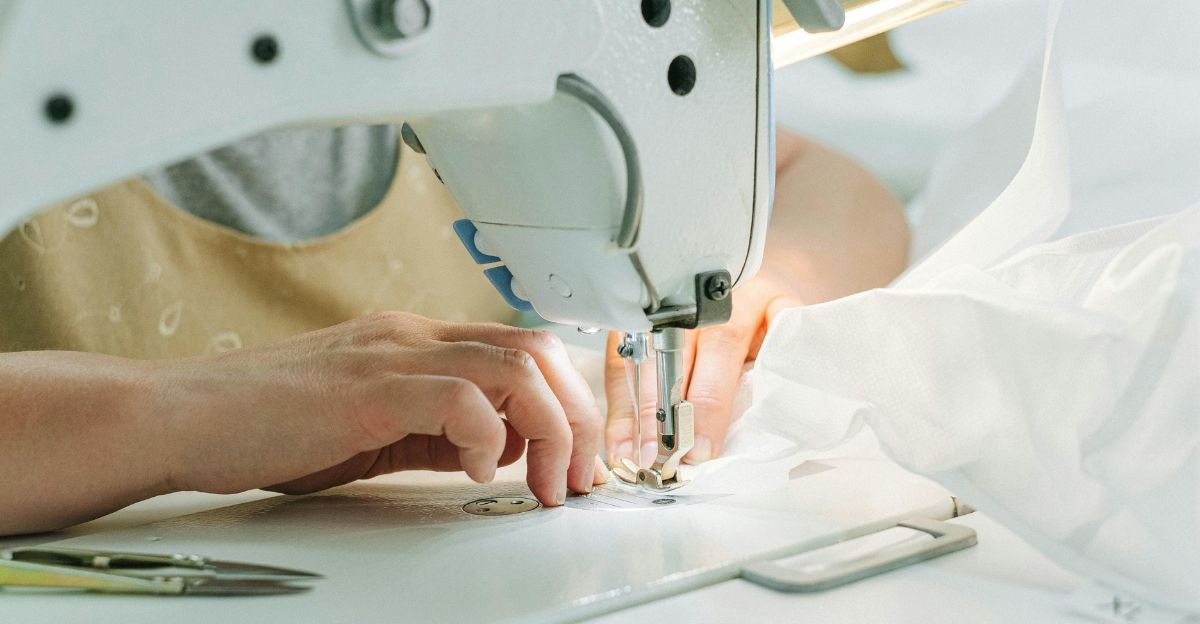
Find a reliable, affordable tailor by asking friends or checking local reviews. Dry cleaners often offer competitive alteration prices. Learn basic fixes yourself—hemming, adjusting waists, replacing buttons—to save more money.
Tailors charge based on complexity: simple hems cost less than jacket shoulder work. Complex alterations still beat buying new clothes, especially with thrift finds that often require only minor fixes.
4. Shop Your Own Closet First
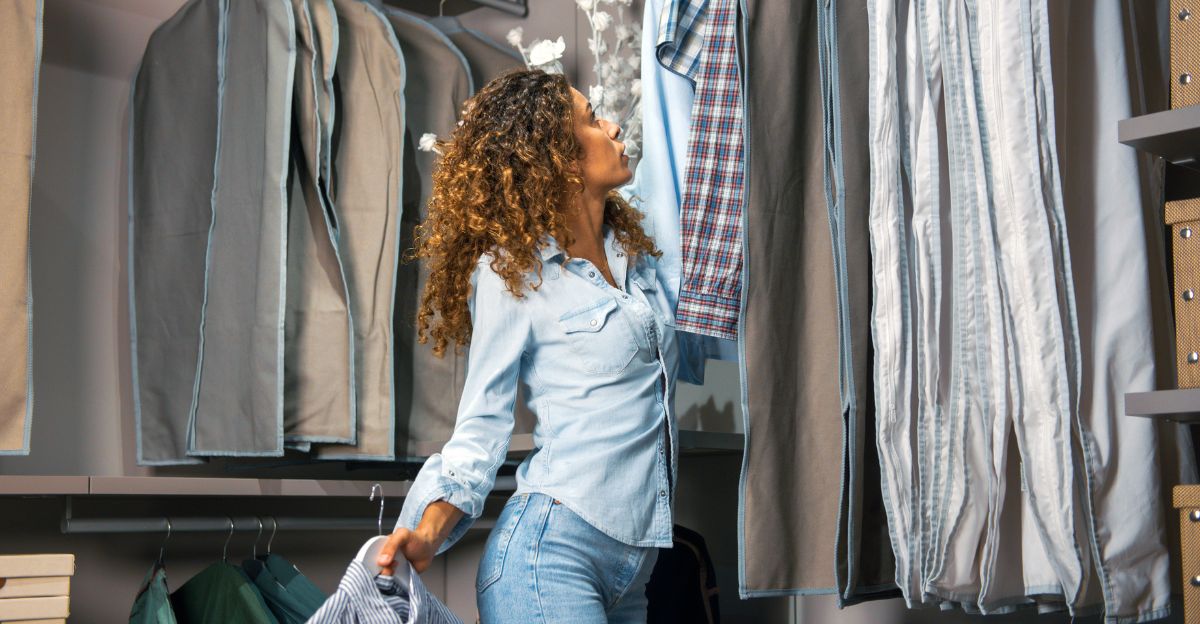
Before spending money on new clothes, explore what you already own. This practice, known as closet shopping, involves creating new combinations that you haven’t tried before.
Many people buy duplicate items, such as three similar navy sweaters, because they forget what they already own. Regular reassessment shows forgotten pieces and genuine gaps.
That work dress might pair well with sneakers, and your dusty blazer could elevate a graphic tee.
Maximizing Your Existing Wardrobe
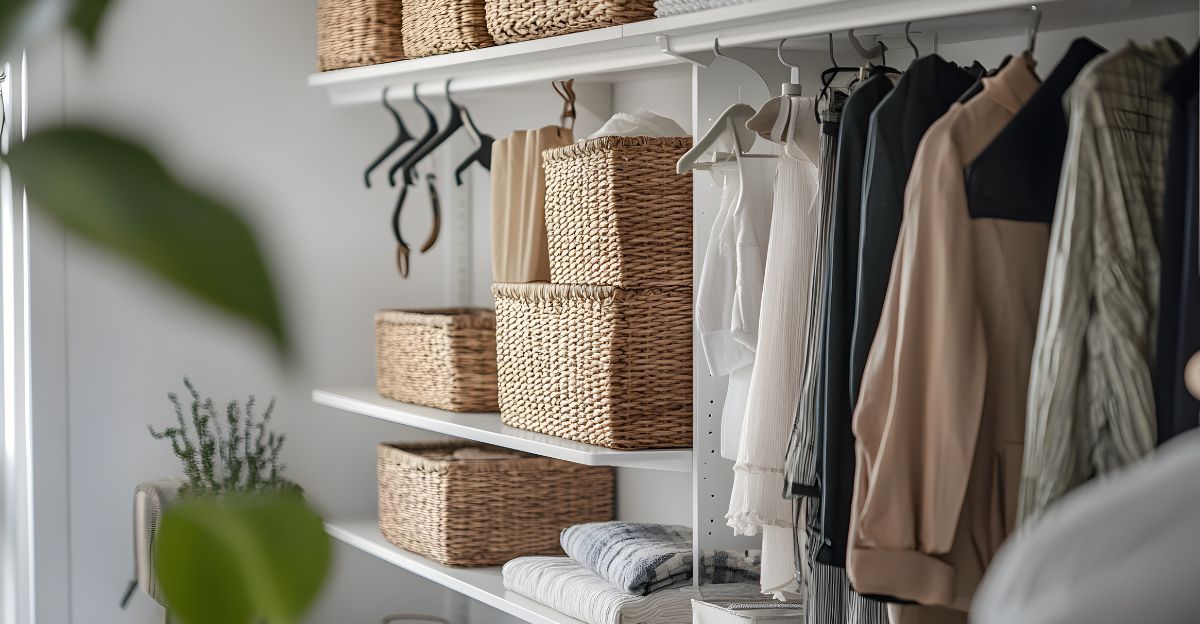
Seasonal closet sessions save thousands while scratching your itch for new clothes. Sort everything into four piles: keep, alter, donate, and repair. Repair items with buttons or small tears—this extends their lifespan.
Try styling pieces differently than usual. Mix casual and formal—pair blazers with jeans or dresses with sneakers. This creates fresh looks and helps you understand your true style, preventing future buying mistakes.
5. Develop Strategic Thrifting Skills
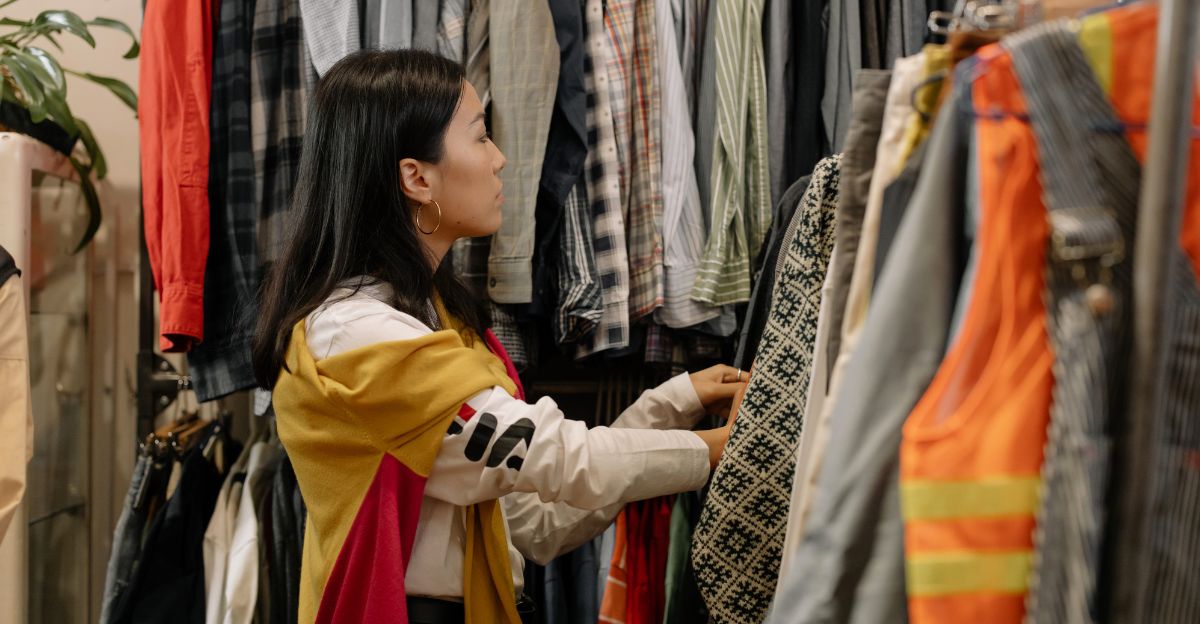
Thrifting needs strategy, patience, and practice—not random rack-grabbing. Visit often, but buy selectively; sometimes you’ll leave empty-handed. Scout affluent neighborhoods where donations are of higher quality.
Ask staff about restocking schedules, as inventory changes frequently. Shop weekdays when stores are less crowded and newly stocked. Finding barely worn leather boots or silk blouses at a fraction of retail prices rewards patience.
Mastering the Art of Thrift Store Success
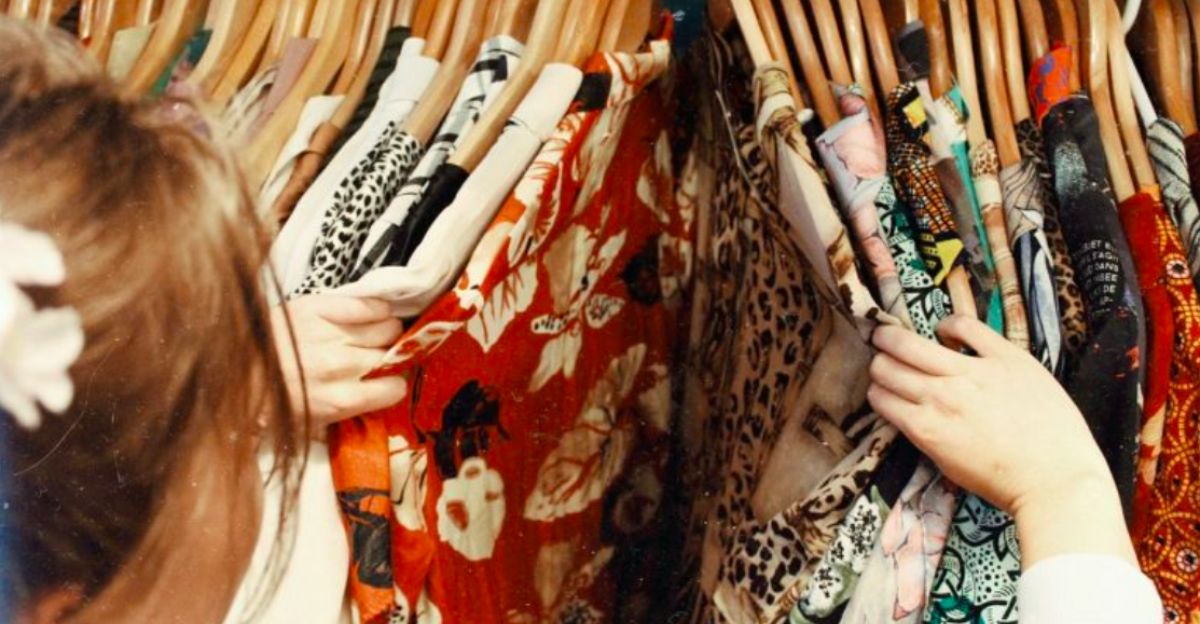
Shop thrift stores systematically to stay productive. Focus on specific sections each visit—shirts one trip, pants the next. Budget time; rushing misses great finds. Look beyond your size since vintage sizing differs, and pieces work with alterations.
Check carefully for damage, stains, zippers, and seams. A $10 designer blazer needing a $30 button replacement still costs far less than retail.
6. Create a Cohesive Color Palette

Well-dressed people appear coordinated because they adhere to a consistent color palette. Instead of buying random colors, stick to 3 to 5 main colors that work together.
Choose one to three neutral foundations, such as black, white, gray, navy, or camel. Add 1 to 3 accent colors matching your skin tone. When everything is in coordination, getting dressed becomes effortless and intentional.
Building Your Personal Color System

Select your color palette by considering your skin tone, lifestyle, and personal preferences. Conservative office workers tend to lean towards neutrals; creative professionals can go bolder.
Follow the 60-30-10 rule: 60% primary, 30% secondary, 10% accent colors. Stick to your palette even if cute items go on sale. This creates an accidental capsule wardrobe where everything naturally coordinates.
7. Treat Your Clothes Like Valuable Investments
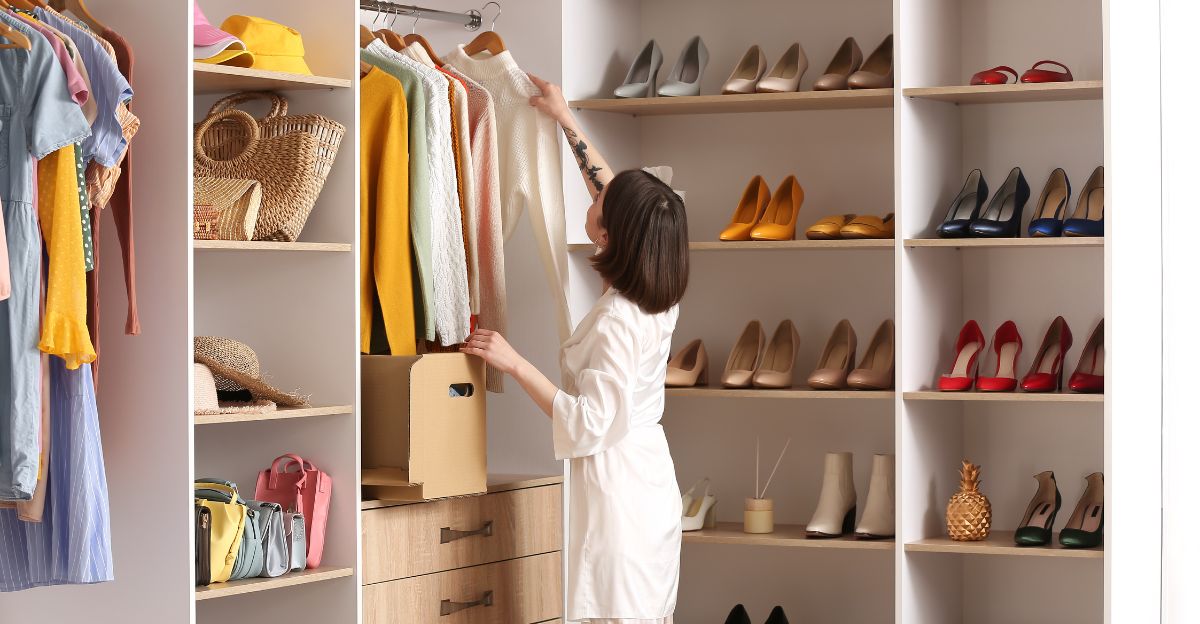
Looking polished comes down to garment care, not price. Maintain clothes by washing, storing, and handling them properly to extend their lifespan. Read care labels carefully and sort laundry by color and fabric type.
Avoid over-washing—clothes often just need airing out. Many dry-clean-only items can be hand-washed successfully, saving money. Use high-quality hangers, store items properly, and repair damage immediately rather than ignoring problems.
Essential Clothing Maintenance Practices

Simple habits dramatically reduce replacement costs and keep clothes looking fresh. Wash at lower temperatures to prevent shrinking and fading. Skip the dryer and air-dry clothes whenever possible.
Steam delicate fabrics instead of ironing silk, chiffon, or velvet. Hand-wash fine items to prevent wear in the washing machine. A well-maintained $50 shirt that lasts five years beats five $10 shirts that wear out in six months.
8. Perfect Your Grooming and Posture
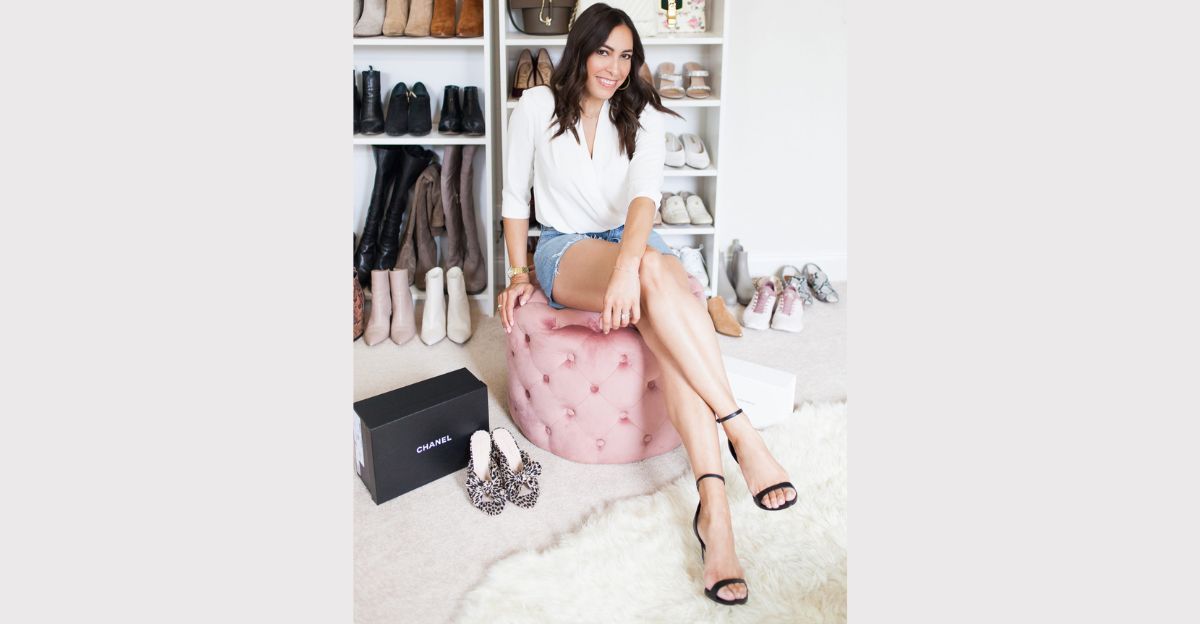
Even expensive outfits look mediocre with poor grooming and posture. Style means clean nails, intentional hair, neat eyebrows, fresh breath, and clean shoes. These elements cost little but have a dramatic impact on appearance.
Stand tall with your shoulders back and spine straight to project confidence. Good posture makes you look taller, thinner, and more assured before you speak a word.
Quick Grooming Habits That Transform Your Look

Build a streamlined routine around essentials, including showers, face washing, moisturizing, and applying sunscreen. Maintain facial hair through consistent shaving or trimming. Opt for low-maintenance hairstyles, such as buns, ponytails, or natural textures.
These habits take 10 minutes or less, but they signal that you’re steady and detail-oriented. When you present yourself well externally, you feel more composed internally—creating a positive feedback loop.
Additional Style Strategy: Master Monochrome and Layering
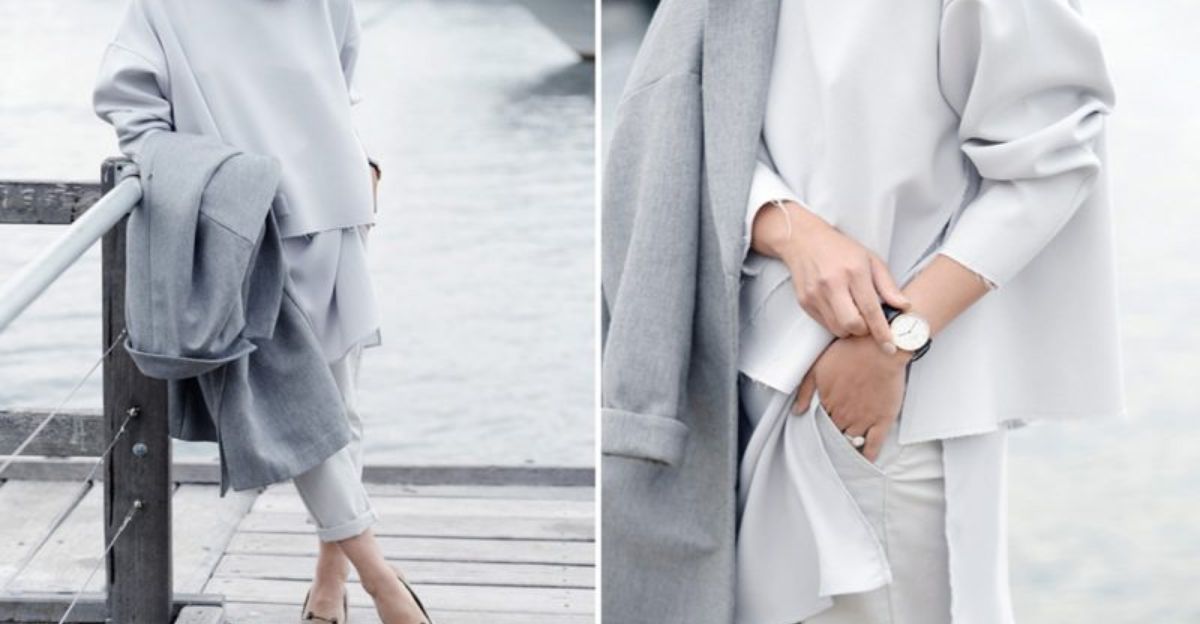
Beyond the eight rules, use monochromatic and layering techniques. Wearing different shades of the same color creates a streamlined, sophisticated look without bold patterns. Intentional layering adds dimension, starting with basics and building with textured pieces.
Mind proportions, materials, and patterns so layers complement rather than overwhelm. These simple approaches maximize style impact without incurring additional expenses.
Smart Shopping Timing and Versatility Focus

Strategic timing turns budget shopping into smart investments. Track store markdowns and capitalize on end-of-season and post-holiday sales for high-quality items.
Use the 48-hour rule before buying—wait two days to decide if it fills a real need. Follow retailers on social for sale alerts. Prioritize versatile pieces like neutral bags, classic pumps, loafers, or trench coats that work across occasions.
Your Journey to Effortless, Budget-Friendly Style
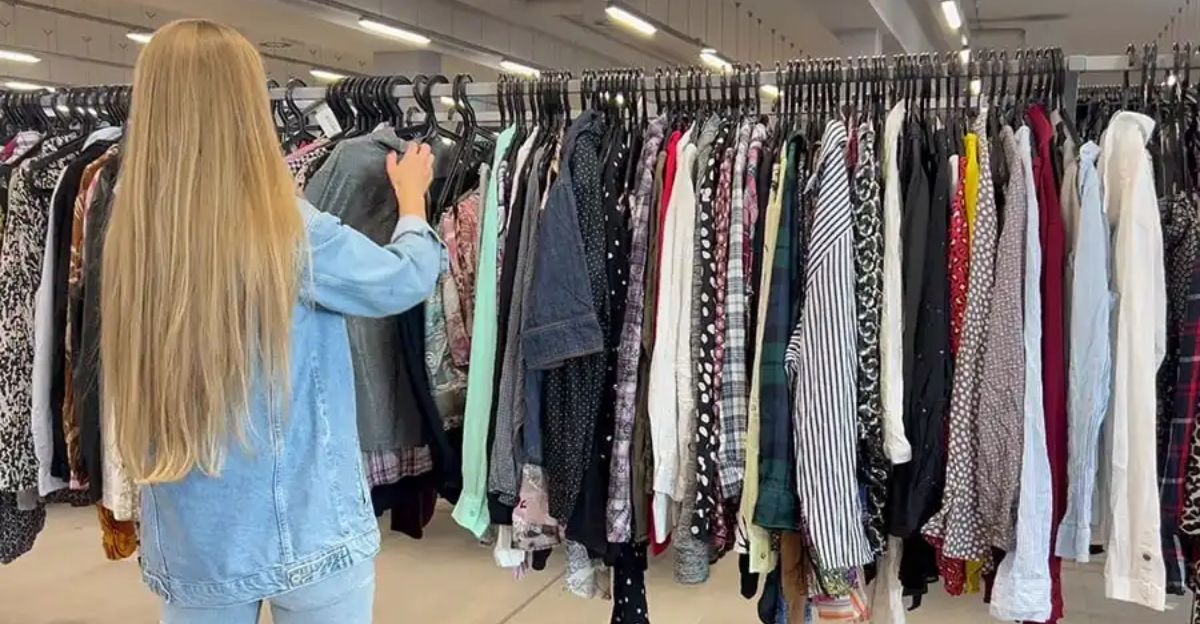
Start with one rule that resonates with you and master it first. Maybe you’ll take measurements and explore thrift stores or find a tailor. These eight rules work together; mastering one leads to success with others.
You’ll become someone people wonder about. The answer isn’t how much you spent—it’s your smart, creative, intentional choices. Start today and transform your style.
Sources:
- Savile Row Co. – How to dress well on a budget – September 2, 2019
- C and A – Basic wardrobe essentials for a minimalist wardrobe – December 31, 2024
- The Real Chic Life – How to Look Expensive (Even On A Budget) – July 7, 2025
- Suit Cube – Dressing Well on a Budget: Classic Style Tips You Need – February 26, 2025
- Real Simple – 8 Ways to Make Any Outfit Look Expensive on a Budget – May 8, 2025
- Open Wardrobe – How to Choose a Color Palette for Your Wardrobe (with Sample Palettes) – December 13, 2025