
The password reset screen stared back at him, offering no answers, only a maze of verification codes, recovery emails, and prompts. Frustration set in as he clicked through the endless loops. “It shouldn’t be this hard to use my own things,” he muttered, staring at the flashing cursor, as time ticked by.
In a world that promised convenience, this simple task had become an insurmountable challenge. But this was only the beginning. What came next? A cascade of digital hurdles that would leave him wondering if he’d ever regain control of his own devices.
1. Technology Never Stops Evolving

Technology used to change at a manageable pace. Now, everything is evolving at an accelerating rate. Apps redesign, phone interfaces change, and banking systems overhaul. The speed of change isn’t the issue—it’s the human capacity to adapt.
A boomer father recently found himself trapped in a maze of recovery emails and two-factor prompts just trying to reset a password. “It shouldn’t be this hard,” he said. Tech was supposed to help, but sometimes, it feels like a barrier.
The Exhaustion of Adaptation

The tech landscape shifts constantly. This perpetual cycle of updates means that adaptation feels endless. With the assumption that older generations want to keep up, tech support and younger family members push forward—yet adaptation has a speed limit.
The human brain needs an average of two to eight months to form a habit, but tech updates continuously introduce changes to navigate. Boomers aren’t slow—they’re just exhausted by the constant learning curve. And no one talks about it.
2. Communication Shifted Overnight

Once upon a time, calling someone was normal. Showing up unannounced was acceptable. People answered the phone, and conversations happened in real-time. Now, texting, voice notes, and emojis reign.
A simple phone call now feels like an intrusion. For boomers who learned to connect through personal interaction, this shift isn’t just about communication preferences; it’s a cultural loss. They feel like they’re bothering someone just by reaching out.
The Loneliness of Silence

The drastic shift in communication methods leaves many boomers feeling disconnected. They long to call their grandchildren, but texting feels safer—for the younger generation. The result? A quiet loneliness that lingers, amplified by the guilt of preferring face-to-face connection in a world that no longer understands it.
Nearly 40% of adults over 45 report feeling lonely—a significant increase from previous decades. How many of them are boomers caught in a world that no longer speaks their language?
3. Work Culture Has Left Them Behind

Boomers came from a world where job loyalty was valued. Sticking with a company for decades was a point of pride. Stability was the goal, and hard work was recognized with long-term rewards.
But today’s job market is a different beast. Career mobility, remote work, and the 24/7 hustle culture dominate. Boomers may adapt, but this new world of constant reinvention doesn’t align with the stability they once valued.
Speaking an Outdated Language

Boomers value depth, quality, and commitment. They showed up, worked hard, and established relationships that lasted. Now, the modern work culture emphasizes speed, productivity hacks, and constant visibility.
This creates a mismatch. The result? Boomers, still in the workforce, are navigating a landscape that feels foreign. Every day becomes a struggle to keep up with the “always-on” culture—one that dismisses the importance of balance and reflection.
4. In-Person Community Has Faded

Boomers built their communities in real life—through neighborhood gatherings, church groups, and bowling leagues. These tangible connections shaped their sense of belonging. But today, those physical spaces have declined significantly.
Digital platforms, online forums, and algorithms have largely replaced the in-person community that boomers once knew. This shift leaves boomers feeling lost in a sea of virtual connections that don’t measure up to the depth of face-to-face relationships.
The Silence of Missing Connection

A boomer once shared at a photography workshop, “I don’t need things to be old, I just need people to slow down long enough to notice each other.” This isn’t nostalgia—it’s a cry for deeper connection in a world that’s moving too fast.
Online communities are often fleeting, and real relationships can feel disposable. Boomers are grieving the loss of meaningful connections, but no one notices because the world keeps rushing forward.
5. Constant Noise and Overstimulation

Today’s world is noisy. Notifications, ads, news updates, and constant information flow fill every moment. For boomers who didn’t grow up in this information-saturated environment, the barrage is overwhelming. It’s not just background noise; it’s exhaustion.
With phones pinging and emails always full, silence now feels suspicious. Unreachable used to be a break; now, it’s a sign that you’re falling behind.
When Silence Becomes Abnormal
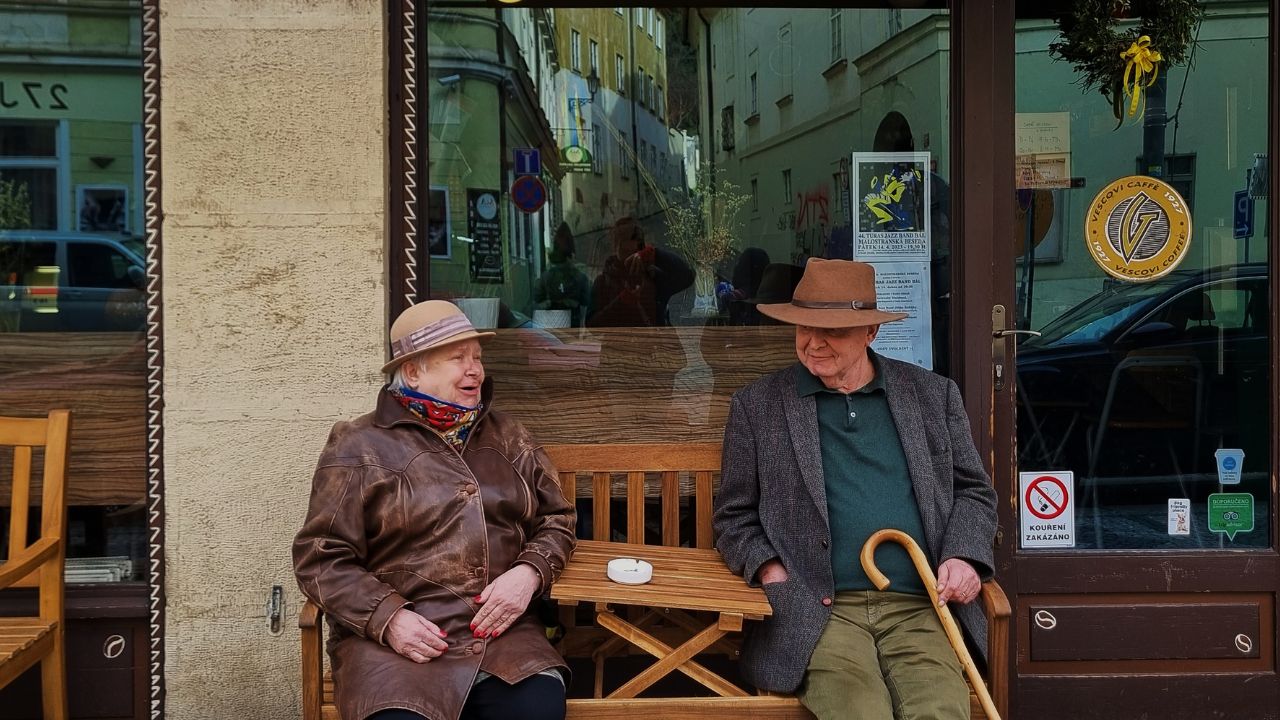
Silence used to be normal. If you didn’t hear from someone, it meant they were busy. Now, silence is unusual. If someone doesn’t respond quickly, there’s an underlying concern. The overstimulation wears on boomers, creating a constant low-level stress.
The nervous system never rests. For boomers, the need for peace and quiet has become a form of rebellion—something that feels selfish in a world that has forgotten what quiet really is.
6. Health Information Has Become Overwhelming

Health advice used to come from one trusted source—your doctor. They knew you and your history. Now, health information is scattered across influencers, conflicting studies, and ever-changing guidelines.
For boomers, who didn’t grow up with this constant influx of opinions, it’s overwhelming. They find themselves paralyzed by the sheer number of choices, leading many to postpone or avoid making decisions altogether.
The Anxiety of Infinite Options

The flood of conflicting health information creates more anxiety than clarity. Boomers want to make informed decisions, but the overwhelming noise makes it difficult to discern what’s trustworthy. Should they trust the latest study? Which expert is credible?
The uncertainty adds stress. Instead of making decisions, boomers freeze—avoiding the decision-making process altogether. This quiet anxiety is one of the unseen struggles many face every day.
7. Digital Relevance Has Become a Pressure

Boomers often feel judged for not being “digitally fluent.” Whether it’s social media, online banking, or smart devices, there’s an unspoken expectation to keep up. A boomer friend once shared how embarrassed he felt asking his kids for help with new apps.
For a generation that prided itself on self-sufficiency, this challenge to their identity is a deep struggle—not because they don’t want to learn, but because it threatens their sense of dignity.
When Adaptation Feels Like Erasure

The pressure to remain digitally relevant carries a subtle message: adapt or become invisible. Every new tech shift feels like a reminder that boomers are falling behind.
For those who have spent decades contributing to their families, careers, and communities, this feeling of erasure is painful. They aren’t struggling to learn technology—they’re struggling with the fear that their relevance, their worth, is slipping away.
8. Financial Systems Have Become Unrecognizable

Banking used to be simple—visit a branch, talk to a person, and complete a transaction. Now, everything is online: paperless, automated, encrypted. For boomers, this world is foreign.
Complex financial systems that were once stable and predictable now seem confusing and inaccessible. And with that complexity comes stress—a quiet, daily anxiety that no one talks about.
Lost in a System You Can’t Navigate

Boomers are navigating a financial world that’s drastically different from the one they knew. They manage multiple accounts across platforms they don’t understand, encounter hidden fees inadvertently, and face security threats they weren’t trained to anticipate.
The financial stress is real. Many carry this burden alone, unable to seek help because they don’t want to admit that the system has moved beyond them.
9. Speed Culture Prioritizes Everything but Depth
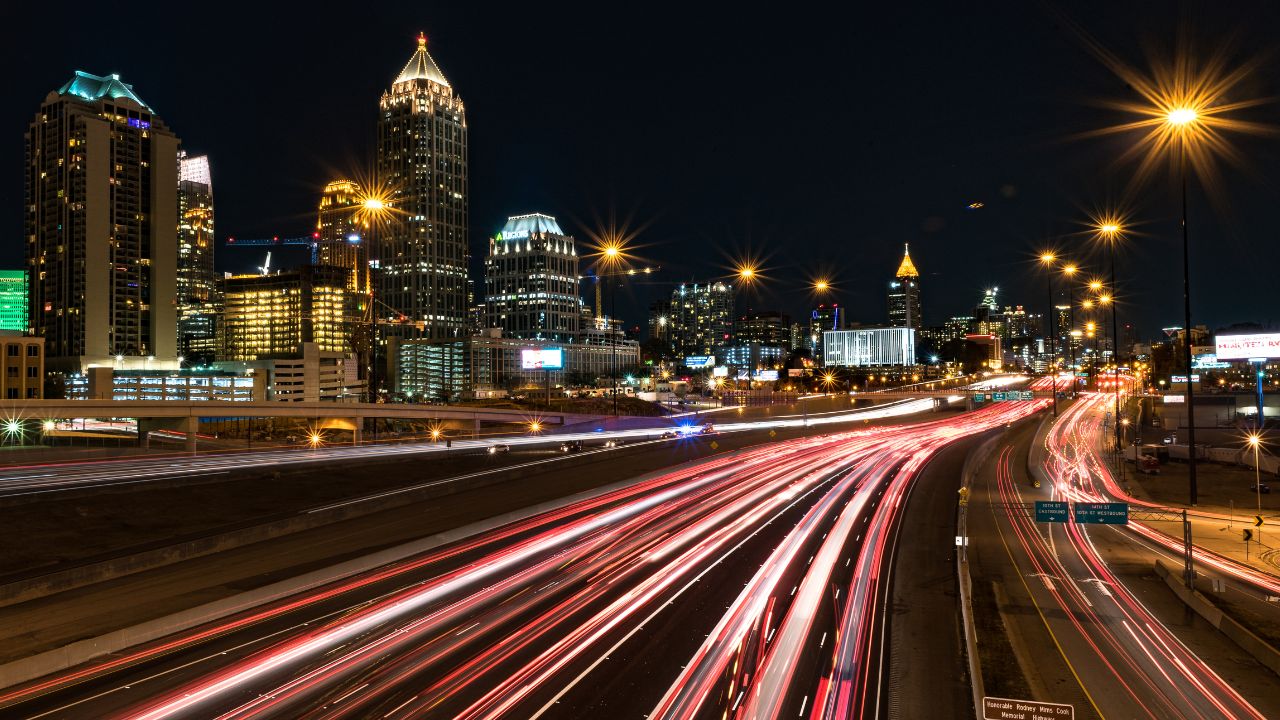
Today’s world values speed. Fast food, fast fashion, fast answers. Convenience rules, and patience is considered inefficient.
Boomers, however, grew up in a world where waiting created space for reflection, for deep relationships, and for quality work. But today, speed is the default, and those who value depth often feel out of sync with the world’s rapid pace.
The Lost Art of Thinking Before Speaking
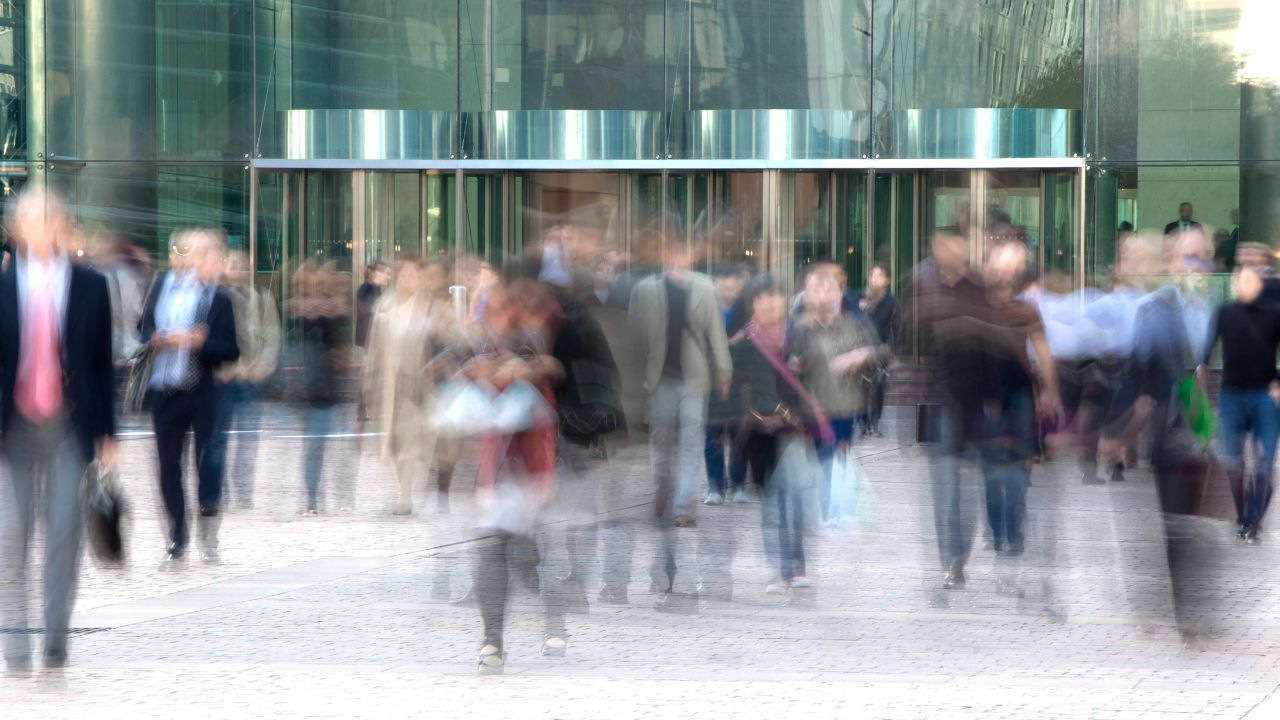
The hardest struggle for boomers isn’t the technology or the trends—it’s the pace at which people now think and act. Opinions are formed in real-time, judgments are made in headlines, and relationships are often surface-level.
For boomers, who were taught to take their time, this new world feels shallow. They grieve what’s been lost—not in superiority, but in the quiet recognition that depth has been sacrificed for speed.
Feeling Invisible in Conversations About Progress

Boomers often feel invisible in today’s fast-moving world. They’ve lived through world-altering changes—wars, revolutions, cultural shifts. Yet, they often feel dismissed as outdated simply because their reference points are different. Progress, it seems, forgets the very people who built the foundation.
The quietest struggle for boomers is not aging—it’s being erased from the conversation about where we’re headed next. And that feeling of invisibility? It’s the deepest struggle of all.
Sources:
“Disconnected: The Escalating Challenge of Loneliness Among Adults 45-Plus.” AARP Research, December 2025.
“How Long Does it Take to Form a Habit? Backed by Science.” James Clear, 2020.
“The Decline of Trust and Neighborliness.” Institute for Family Studies, 2 Oct 2023.
“Technology Adoption by Baby Boomers (and everybody else).” Pew Research Center, 21 Mar 2016.