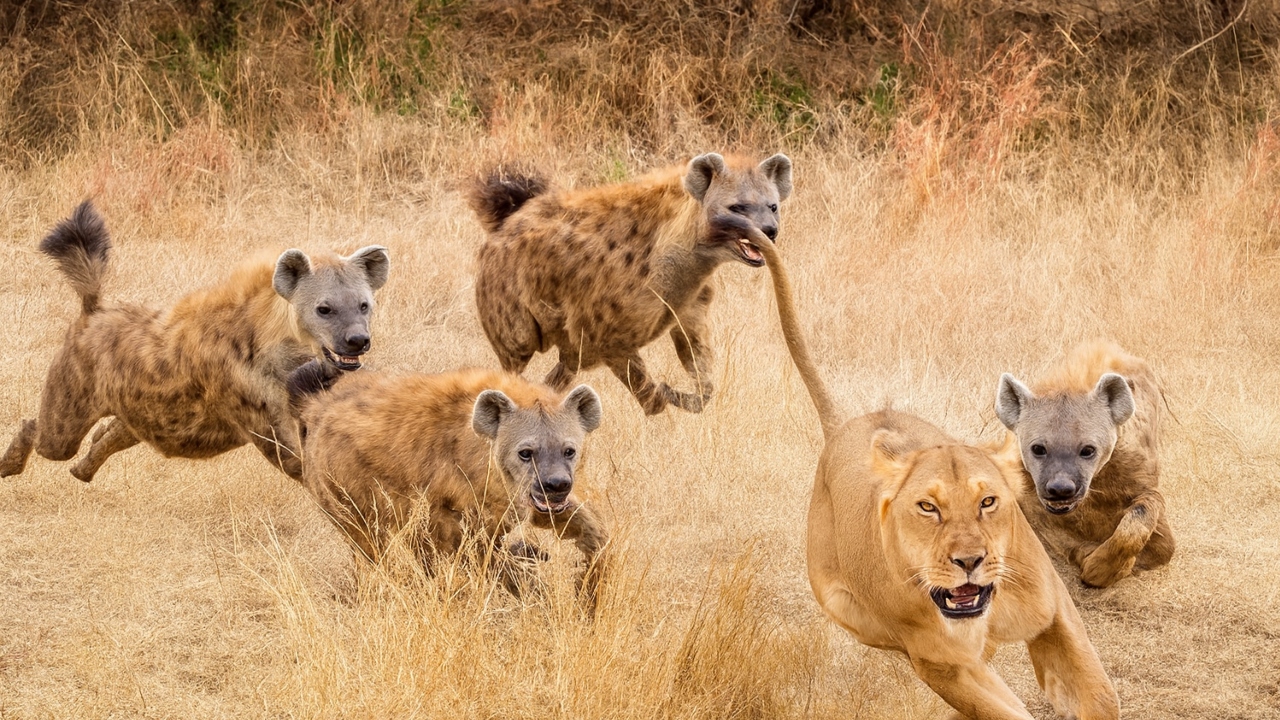
The African lion’s reputation as “king of the jungle” rests on its strength, group hunting skills, and dominance over most animals it meets. Yet across the continent, a handful of species can and do repel or even kill lions when cornered or defending territory. These confrontations are uncommon but documented, and they reveal how size, weaponry, environment, and cooperation can overturn the usual predator–prey balance.
Powerhouses of Size and Armor
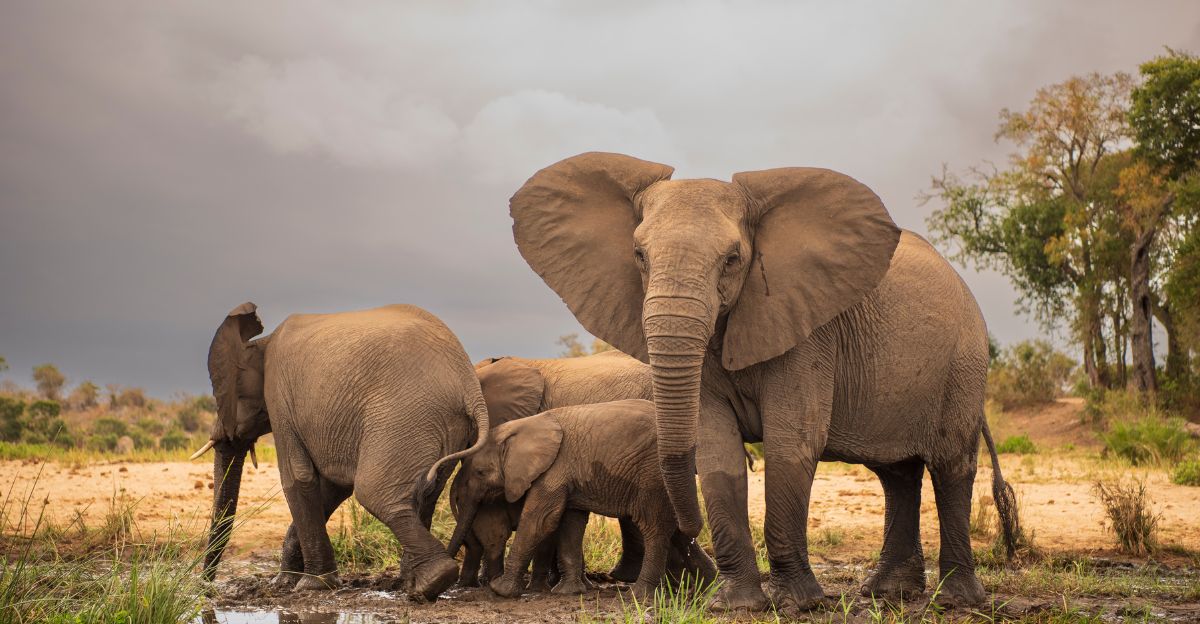
Among land animals, elephants represent the most decisive mismatch for lions. An adult African elephant weighs several tons, dwarfing a male lion that averages around 420 pounds. Lions may occasionally harass calves, but even younger elephants can be dangerous, and adults are effectively out of reach in a direct fight. Their massive bodies, thick skin, and tusks give them overwhelming physical superiority.
Elephants reinforce that advantage with complex social behavior. When threatened, family groups close ranks around calves, creating a living barrier of trunks, tusks, and legs. A single charge or stomp can be fatal to a lion, so even coordinated pride attacks rarely persist once an elephant stands its ground. Elephants do not seek out lions as enemies, but when pressed, they almost always come out on top.
Rhinoceroses occupy a similar position. Adult rhinos, often weighing more than a ton, have dense, armor-like skin and prominent horns designed for fighting. Lions seldom attempt to bring down fully grown rhinos; the payoff does not justify the risk. A rhino’s charge delivers massive impact, and its horn can cause catastrophic wounds. In most cases, prides keep their distance, recognizing that a miscalculation could disable a key hunter.
Territorial Heavyweights
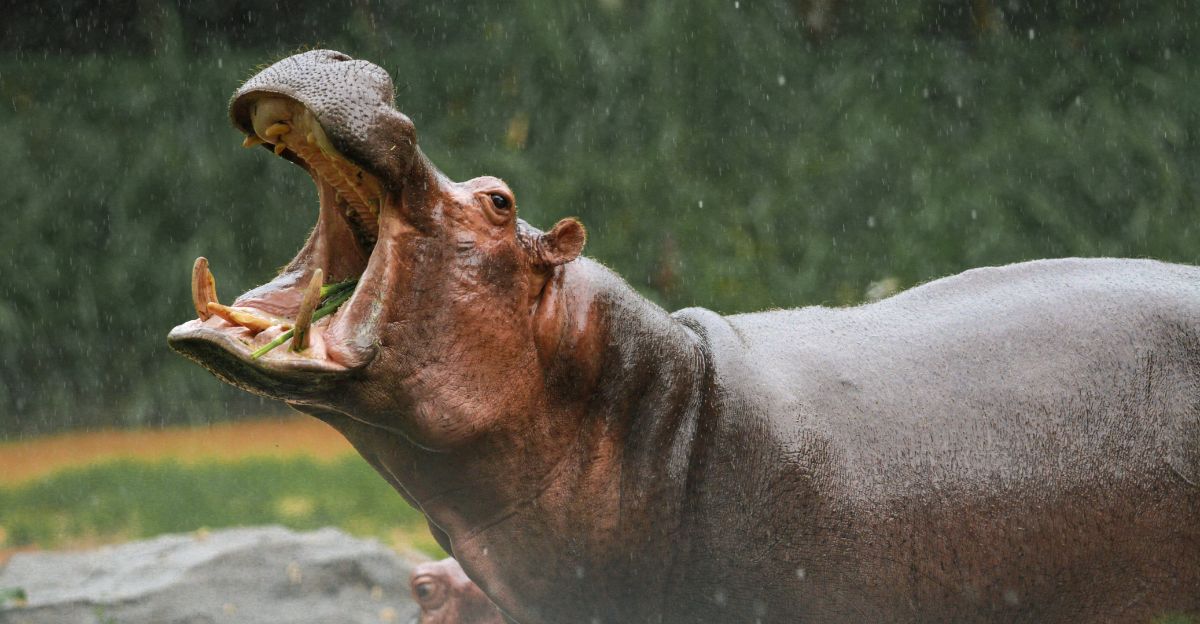
Hippopotamuses and Cape buffalo highlight how territorial behavior and group response can turn a lion’s hunt into a rout. Hippos, which weigh between about 3,000 and 4,000 pounds, are responsible for many serious encounters with other animals in Africa. Though herbivores, they defend rivers and lakes aggressively. Their jaws can open to a remarkable width and exert crushing force far beyond a lion’s bite.
In water, hippos are especially dominant. They move with ease where lions are slow and vulnerable, and their bulk and thick hide make them extremely hard to injure. Even on land, hippos can sprint at surprising speeds over short distances. When lions venture too close to a hippo’s territory, they often face a direct charge rather than a retreat, and most quickly break off to avoid severe injury.
Cape buffalo, sometimes viewed simply as prey, can be among the most dangerous animals a lion hunts. A typical adult weighs around 1,500 pounds and carries a fused horn structure known as a boss, which forms a hard protective shield across the forehead. Many individuals are bold and unpredictable, and they frequently confront predators instead of fleeing.
The real danger comes from the herd. When one buffalo is attacked, others often respond by charging the lions together. This collective defense has been documented driving lions off carcasses, goring attackers, and trampling them. While prides can kill isolated or weakened buffalo, they also suffer injuries and deaths in these attempts, underscoring the risk of confronting prey that fights back as a unit.
Predators of the Water and Forest
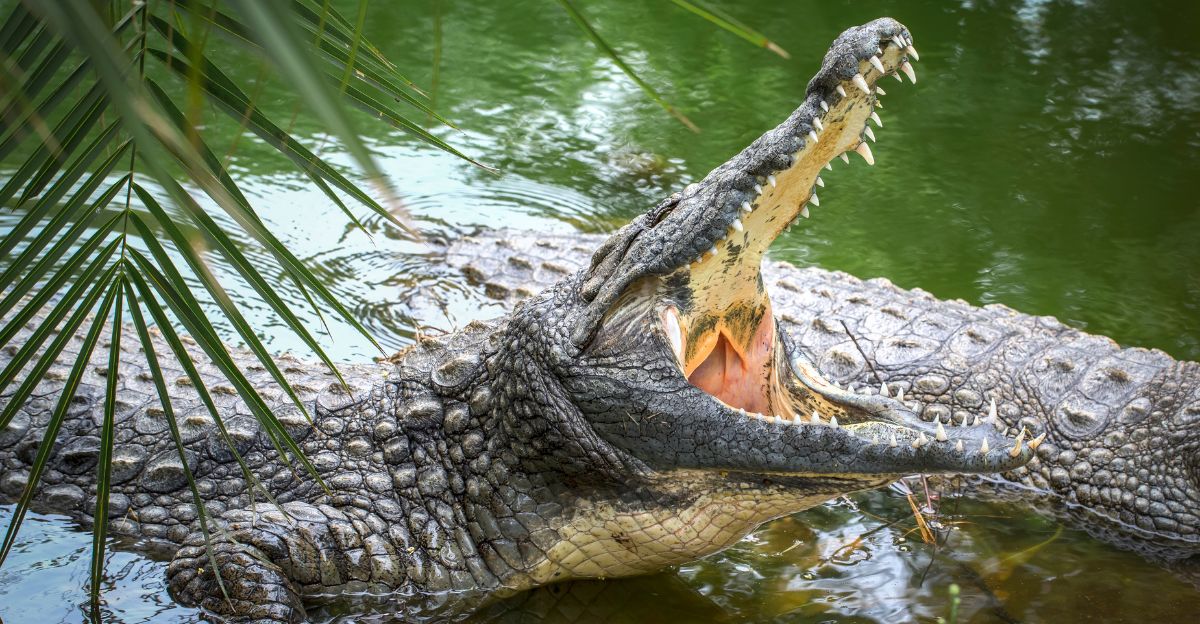
Not all of the lion’s most formidable opponents are herbivores. The Nile crocodile is one of Africa’s largest and most powerful predators, capable of reaching more than five meters in length. Its bite ranks among the strongest measured in the animal world, far exceeding that of a lion. Crocodiles are ambush specialists, using patience and explosive speed to capture victims at the water’s edge.
Around rivers and watering holes, the balance of power shifts away from lions. A thirsty lion that steps too close to a silent crocodile may be seized and dragged into deep water, where it struggles to breathe and maneuver. Once a crocodile applies its “death roll,” prey can be incapacitated quickly. These clashes illustrate how a change of terrain can strip lions of their usual advantage.
Tigers, though not native to Africa, are often compared with lions because both are apex predators. They rarely meet in the wild, but observations from historical records and controlled settings show that tigers are typically somewhat heavier and more muscular, adapted to hunting alone rather than in groups. In one-on-one confrontations, that emphasis on solitary power and agility can give tigers an edge. At the same time, lions evolved to rely on pride cooperation, which is not reflected in such staged encounters. There is no universal winner in hypothetical “lion versus tiger” matchups; outcomes depend heavily on size, health, and circumstances.
Surprising Underdogs
Some of the lion’s most dangerous opponents rely not on bulk or predatory skill, but on specialized defense. Giraffes, for instance, appear gentle but possess one of the savanna’s most formidable kicks. Their long, powerful legs can deliver blows strong enough to break bones or kill a predator outright. Their height also makes it difficult for lions to reach the throat, the usual target in a kill. Bringing down a healthy adult giraffe requires a sustained, coordinated attack by multiple lions and carries a high risk of injury. As a result, many attempts are abandoned when giraffes retaliate with forceful kicks.
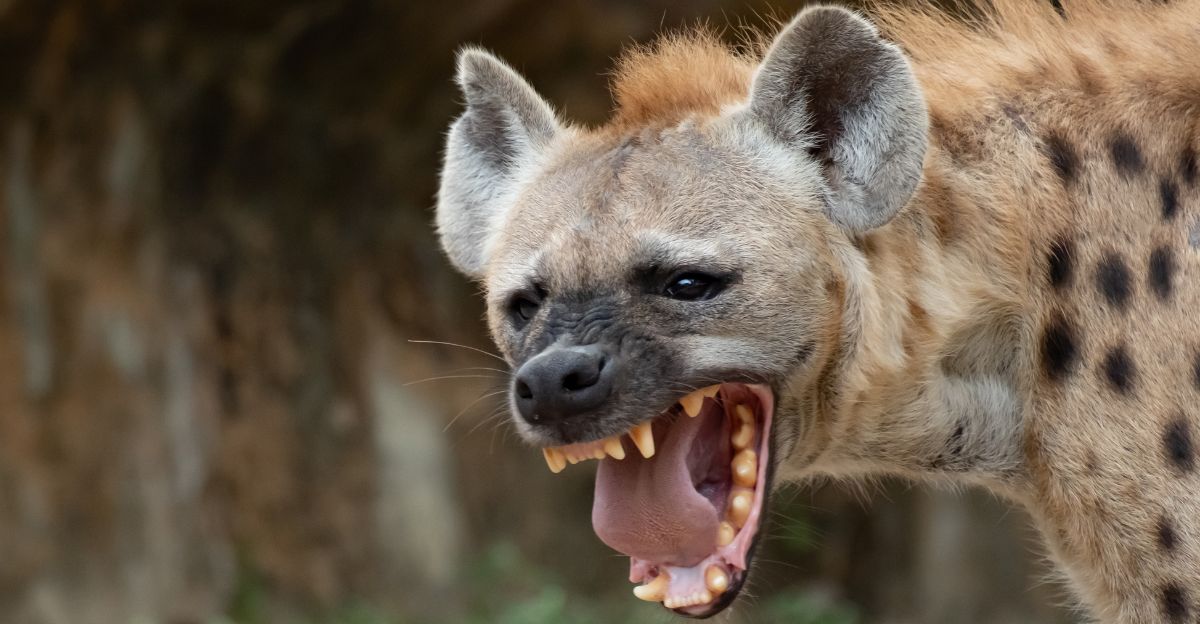
Hyenas show how numbers and strategy can counter a physically stronger rival. A single spotted hyena is not a match for an adult lion, but large clans can dominate in confrontations over carcasses or territory. With strong jaws and tightly coordinated group tactics, hyenas have been recorded harassing and even killing isolated lions. Much of this conflict centers on access to food and space, and in some encounters, sheer numerical superiority allows hyenas to push lions away.
Perhaps the most surprising threat comes from the African porcupine. Weighing only about 30 to 40 pounds, it seems an unlikely opponent for a big cat. Yet porcupines are protected by a dense coat of sharp, barbed quills made of keratin. When a lion attacks, these quills can detach and lodge deep in the paws, face, or mouth. Embedded quills may cause infection, pain, and long-term damage, sometimes impairing a lion’s ability to hunt. Field observations have documented lions suffering serious, even fatal consequences after tangling with porcupines, demonstrating how even small animals can pose outsized danger through effective defenses.
A Fluid Hierarchy in the Wild
These examples do not diminish the lion’s status as one of the world’s most capable predators. Instead, they underscore that in nature there is no fixed crown. Elephants, rhinos, hippos, buffalo, crocodiles, tigers, giraffes, hyenas, and porcupines each show how different strengths—whether mass, armor, weaponry, group coordination, or specialized defense—can turn the tables under the right conditions. For lions, survival depends on recognizing those limits and choosing battles carefully. For observers, these rare but telling encounters are a reminder that dominance in the wild is always conditional, shaped by context, terrain, and the evolving strategies of every species involved.