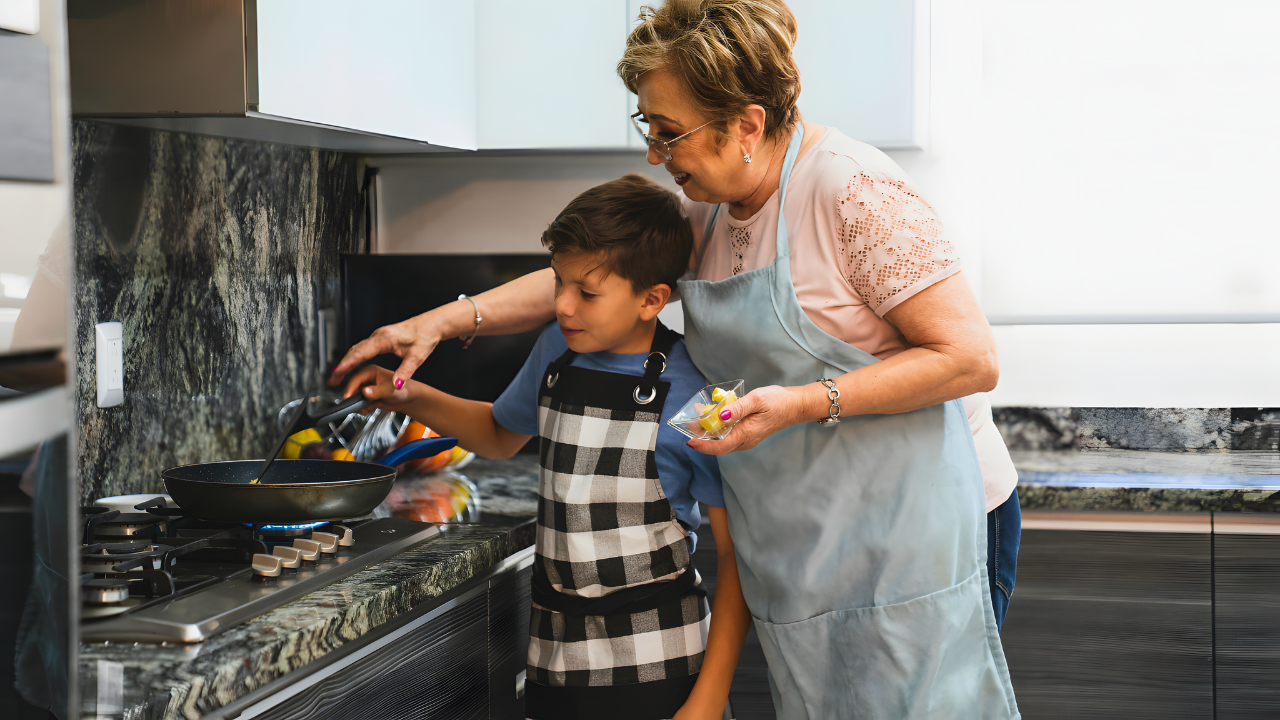
Saturday mornings in the 1960s and 1970s showed a unique picture for kids in struggling, lower-middle-class families. These weren’t lazy, carefree mornings, nor were they neglectful.
Instead, children learned responsibility and resourcefulness at an early age. They worked hard from a young age. These Saturday mornings shaped how an entire generation understood work, value, and what it meant to be tough.
Wealthier kids never experienced these same patterns or lessons.
1. Waking Up Before Dawn for Paper Routes
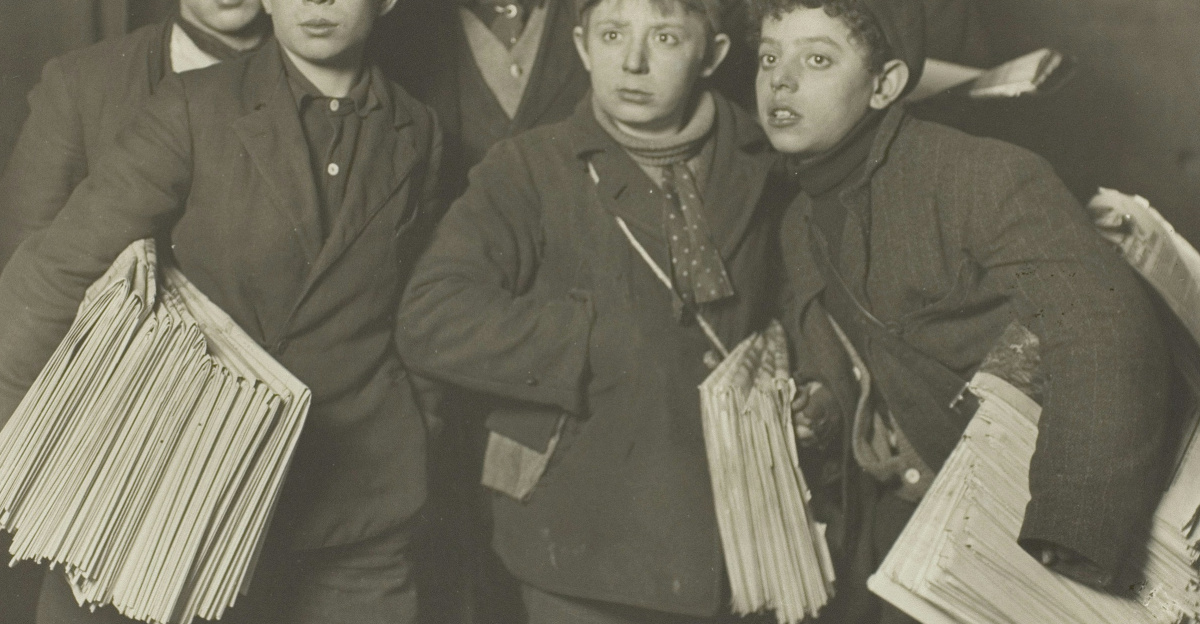
For many struggling Boomer kids, Saturday mornings started before dawn, not with cartoons. Paper routes were often kids’ first real jobs. Saturdays meant the earliest wake-up of the week.
The Sunday newspaper, packed with advertisements and inserts, needed to be delivered before 6 AM. Kids as young as 10 or 11 rolled out of bed at 4 AM, bundled up against the cold, and headed to get stacks of newspapers.
They folded each paper, secured it with a rubber band, filled their canvas bag, and then pedaled their route.
Building Character Through Responsibility

This wasn’t parents trying to build character—it was real work that brought real money home. Kids navigated their neighborhoods in all weather, collected payments weekly, and handled angry customers.
The job taught punctuality, managing money, and the hard truth that income depended on personal effort. Some paper carriers earned trips to amusement parks for good routes.
These rewards felt huge for kids whose families couldn’t afford such treats otherwise. The heavy Sunday papers and cold mornings created strong childhood memories of real responsibility.
2. Making Breakfast from Whatever Was in the Pantry
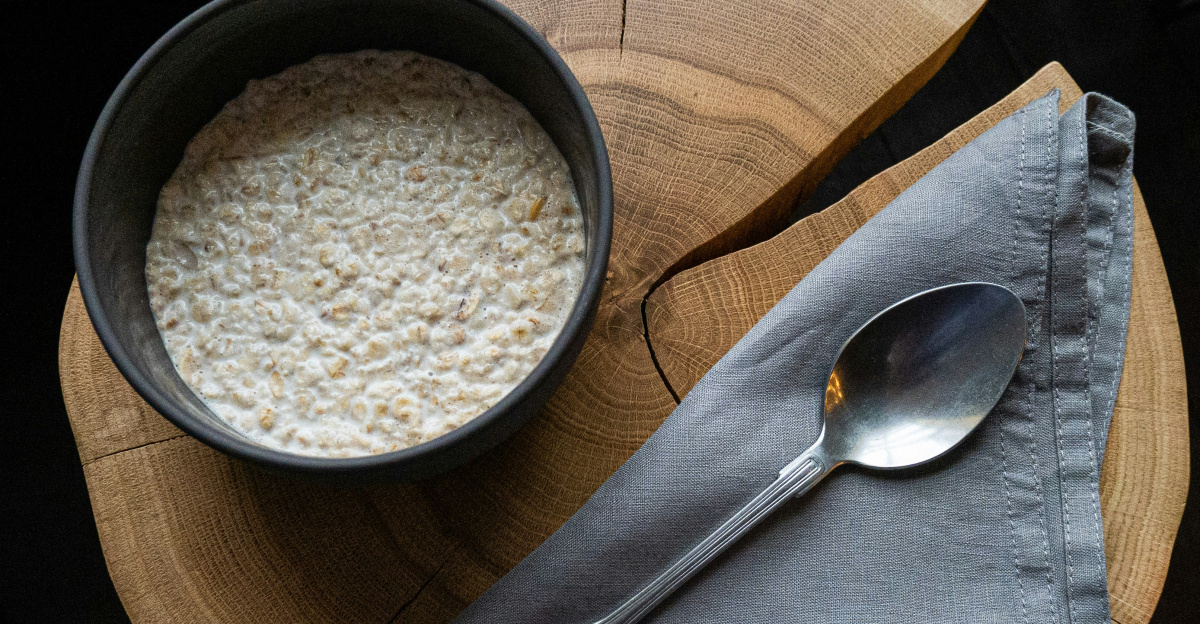
In struggling Boomer homes, Saturday breakfast wasn’t about speed—it was about making the most of limited food. No fancy cereals or frozen waffles in most homes.
Kids learned early to make breakfast from scratch using basic pantry staples, such as cornmeal mush, oatmeal simmered on the stove, or pancakes made from whole-wheat flour and powdered milk.
Eggs stretched further when scrambled with leftover potatoes or vegetables to feed more people. Saturday meant standing at the stove, stirring pots, flipping pancakes, and realizing that making breakfast took real work.
Learning Self-Sufficiency Young
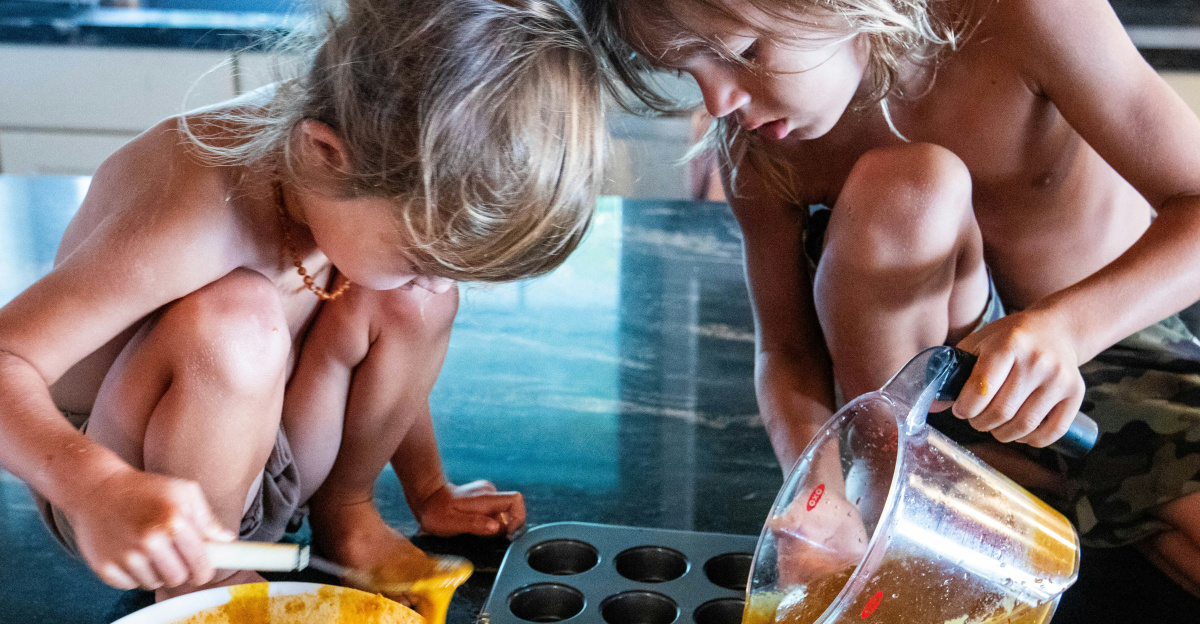
By the age of 8 or 9, many lower-middle-class children prepared their own meals. This wasn’t trendy parenting—it was a matter of survival. Parents worked weekend shifts or slept after night shifts.
The kids made toast, fried eggs, and cooked oatmeal, and then cleaned up after themselves. The kitchen became a place where children felt capable of doing things.
They understood food didn’t appear by magic and that helping the household meant handling basic survival tasks. Saturday breakfast taught me measuring, timing, and the pride of feeding myself and my siblings without adult help.
3. Sharing One Bathroom with Five Siblings
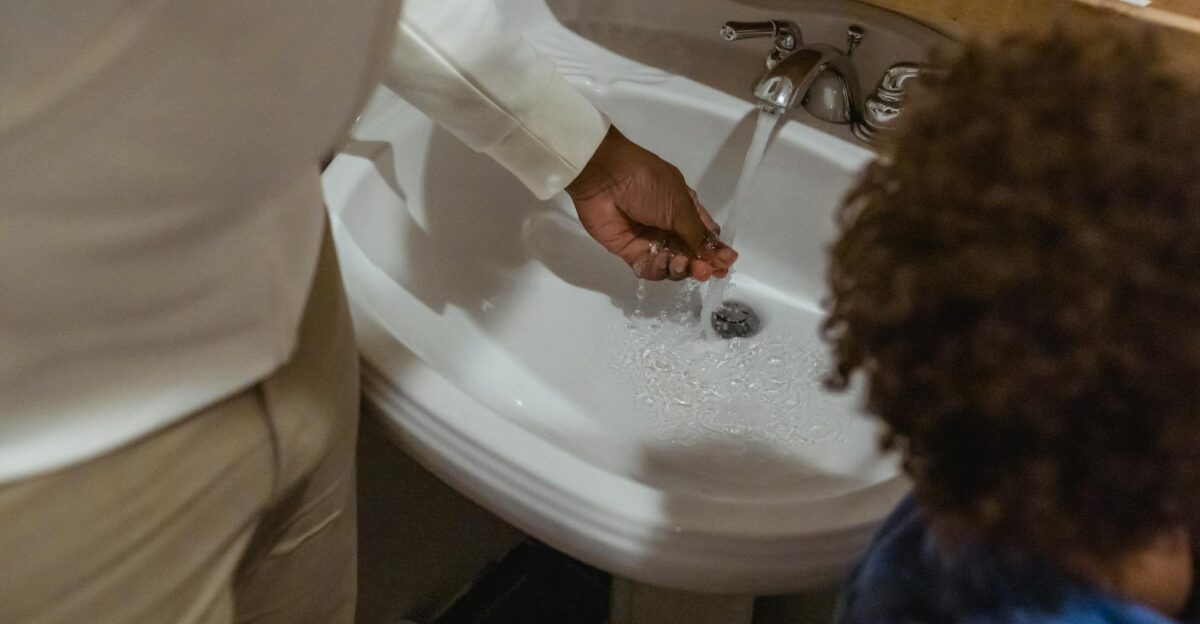
In struggling families, space was tight, and Saturday mornings meant sharing one bathroom with many people. No leisurely morning routines existed.
Instead, there was an unspoken order: the person with work went first, then school-age kids with weekend plans, then everyone else. Showers were brief, fights over the mirror were frequent, and patience became essential. Wealthier families often had multiple bathrooms or private bathrooms in their bedrooms.
Lower-middle-class kids learned to wait their turn, handle limited hot water, and get ready quickly because someone was always pounding on the door.
Where Privacy Was a Luxury
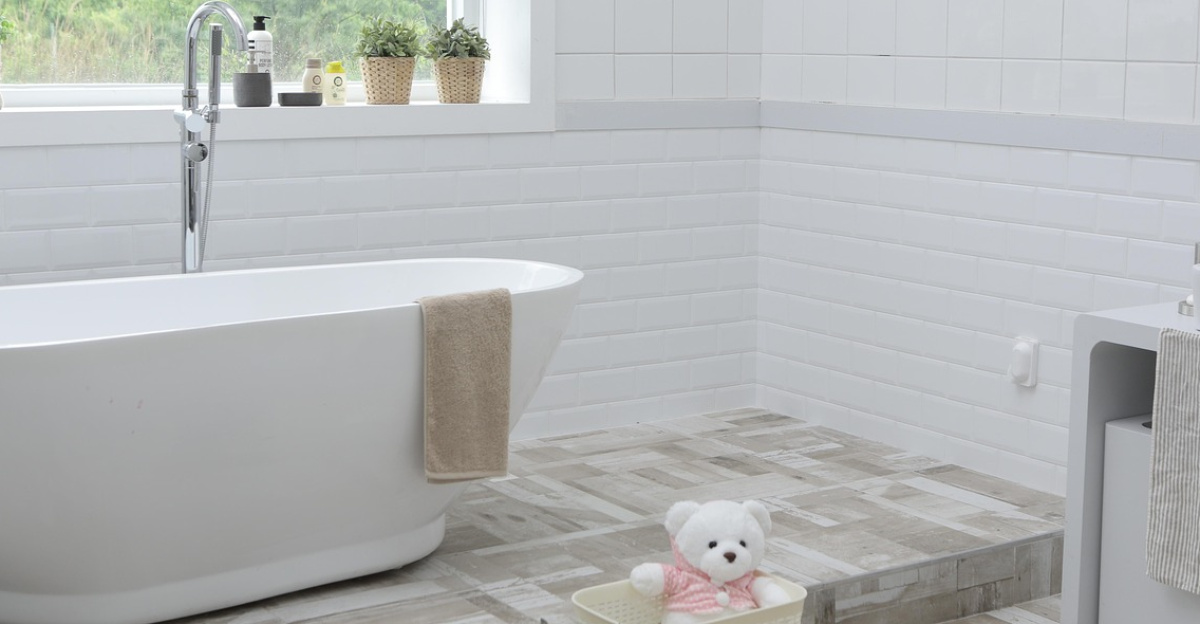
One shared bathroom meant more than inconvenience—it represented the tight living conditions of struggling childhoods. Long, peaceful baths or private morning routines didn’t exist.
Kids learned to be thoughtful, clean quickly, and respect others’ needs. Saturday mornings, when everyone was home, turned the bathroom into a contested space where teamwork wasn’t optional—it was necessary for family peace.
This experience taught me the value of compromise and consideration in ways private bathrooms never could. Kids understood their needs weren’t the only ones that mattered.
4. Coordinating Plans Using the Family Rotary Phone

Before cell phones and answering machines, there was the family rotary phone, usually wall-mounted in the kitchen with a long spiral cord.
Saturday mornings meant using that phone to plan the day, but the process was slow. You manually dialed each number, spinning the rotary dial and waiting for it to click back before dialing the next digit.
Numbers with several 9s or 0s felt endless. Nobody guaranteed answering, so you called back, but too many calls too fast seemed rude and annoyed people.
Negotiating Shared Communication

In struggling homes with a single phone line, Saturday calls had to be brief. Long talks tied up the line and blocked important incoming calls.
Parents made strict rules: keep calls brief, no dialing after 9:30 PM, hang up immediately if adults needed the phone. Party lines still worked in some areas, meaning you shared the line with neighbors.
You could pick up and find strangers mid-conversation. Wealthier teens got their own phone lines and bedroom extensions. Struggling kids learned to respect shared resources and communicate efficiently.
5. Mending Clothes and Hand-Me-Downs

Saturday mornings in lower-middle-class homes often included practical tasks, such as mending clothes. Jeans with worn knees got patches. Shirts with missing buttons got fixed. Hems that came undone got stitched back.
Kids learned basic sewing not as a craft, but as a necessary skill. Clothes weren’t throw-away items—they were investments that needed to last through multiple kids. Younger siblings wore what older ones outgrew.
Every piece was expected to serve its full life. Kids sat at the kitchen table with needle and thread, learning to extend the life of clothing.
Understanding the Value of Things
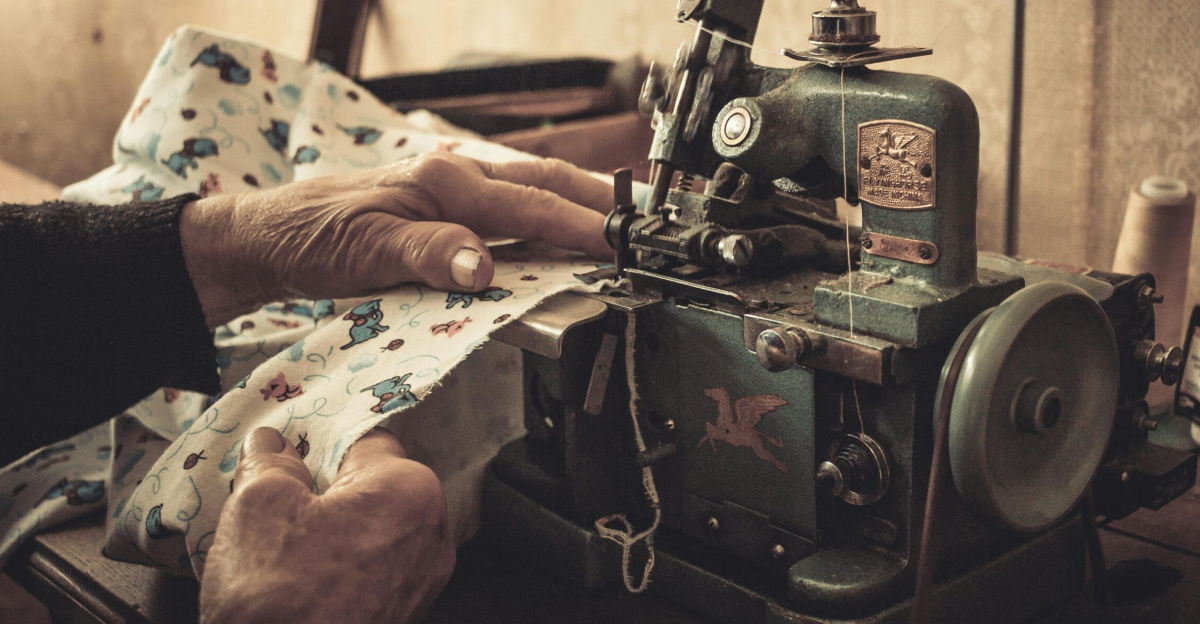
Hands-on mending taught struggling Boomer kids something wealthy children rarely learned: the true cost of things. Spending Saturday mornings darning socks and sewing buttons made kids understand that every item represented work and money.
They learned to care for belongings, make them last, and feel real pride in good repair work. Thrift stores and yard sales were normal, not shameful. Finding quality used items in good shape felt like a victory.
These mending sessions instilled a mentality of careful use and smart thinking—understanding that waste was unacceptable when resources were scarce.
6. Listening to Radio Programs Together
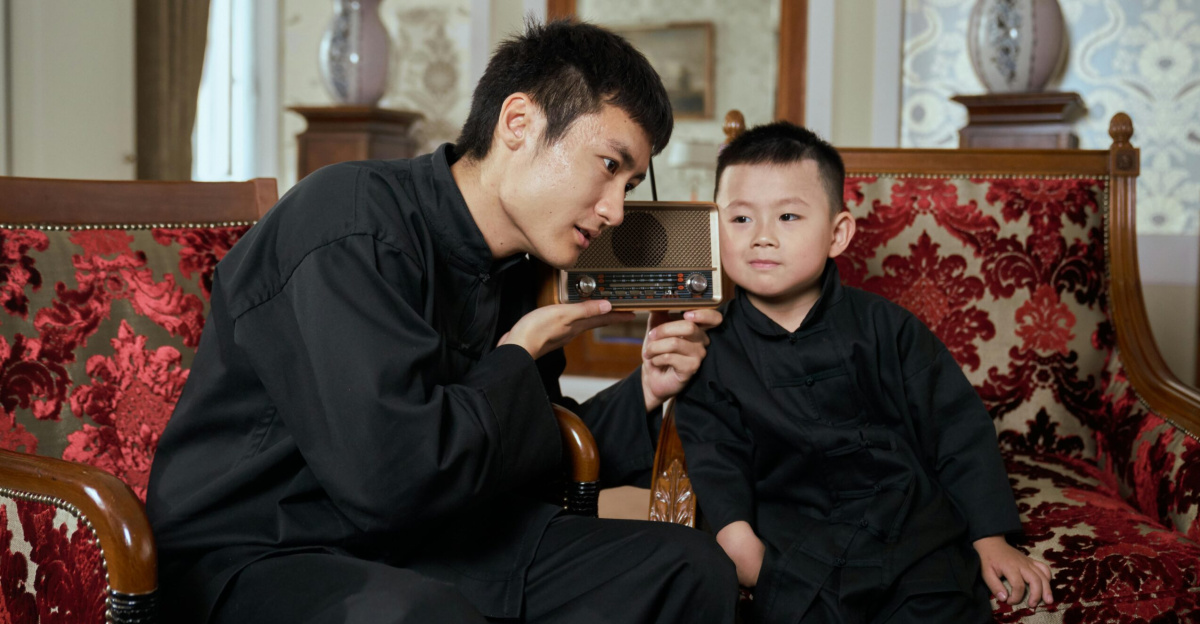
Before homes had multiple televisions, struggling families often gathered around the radio on Saturday mornings. The large radio console in the living room was where entertainment happened, especially for families without a television or limited channel access.
Radio programs needed active listening and imagination—just voices, music, and sound effects that created pictures in your mind. Kids sat fascinated, listening to adventure stories, music charts, and storytelling shows that required their full attention.
Radio listening was active, not the passive watching that television brought.
Shared Experiences Without Individual Choice

Radio listening’s communal nature meant everyone experienced the same content together. No separate devices, no individual streaming, no headphones, letting everyone consume different media alone.
Saturday radio time was a shared experience where family members picked what to listen to together and enjoyed entertainment as a group, not as isolated individuals. Wealthier families might have had multiple radios or early televisions, allowing more personal choice.
But struggling Boomer kids learned entertainment was something you shared, discussed, and appreciated as a family—a completely different media relationship.
7. Collecting Bottles and Cans for Deposit Money
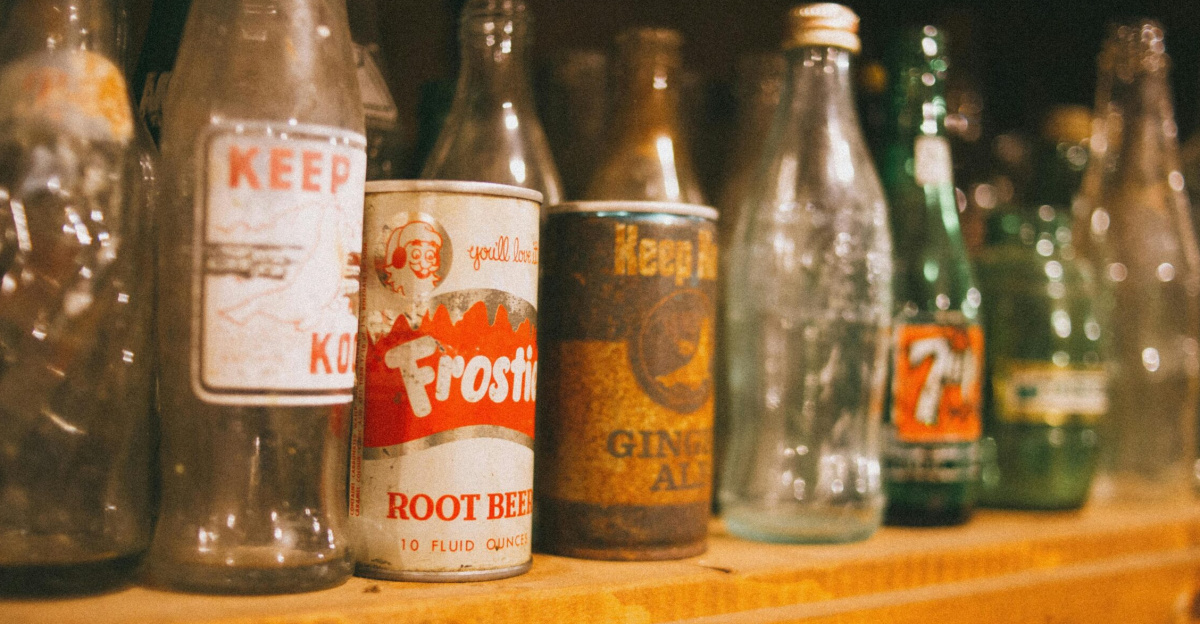
Saturday mornings often meant searching the neighborhood for returnable bottles and cans. Before recycling programs, glass bottles had a deposit value, and gathering them was real money for kids.
Struggling Boomer kids walked alleys, checked ditches, and searched parks for abandoned soda bottles, beer bottles, and later aluminum cans.
They carried bags or pushed wagons filled with clinking glass, then hauled their finds to local stores or redemption centers. Those nickels and dimes bought candy, comic books, or helped the household pay bills.
Learning the Value of Small Earnings

This weekly routine taught kids that money came from watching, working, and trying. It needed no special abilities or connections—just a willingness to walk, search, and carry.
Wealthier kids received allowances for small chores, or their parents simply bought them treats. Struggling kids learned that earnings came from real work, even collecting discarded bottles.
The joy of turning trash into cash, of earning money through their own efforts, shaped lifelong work and financial attitudes. Saturday bottle hunting was basic business—finding worth in things others threw away.
8. Attending Free Community Events
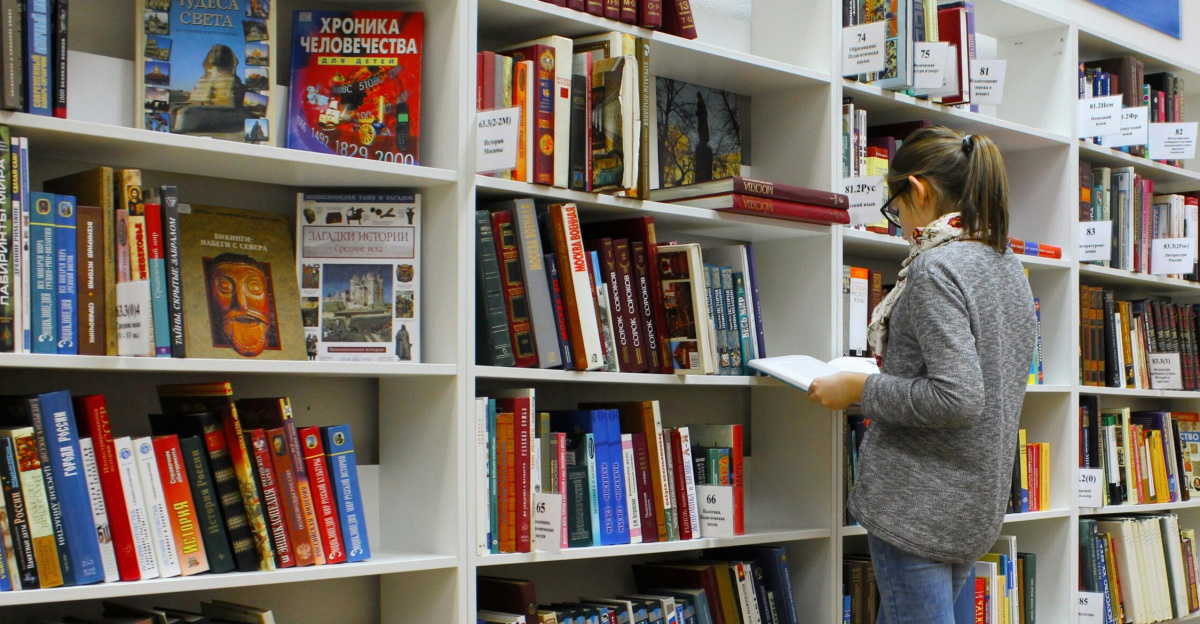
For struggling Boomer families, Saturday mornings meant checking local papers and community boards for free events. Public libraries gave story time and programs. Churches held community breakfasts or youth activities.
Parks departments ran free recreation programs. Town squares had farmers’ markets where looking cost nothing and free samples were plentiful. These free community events became a way for families who couldn’t afford movie theaters or amusement parks to have fun.
Kids learned to find enjoyment in free activities, such as outdoor concerts, community sports, or exploring public spaces for collective fun.
Building Social Connection Through Shared Spaces

These free community events did more than entertain—they created strong social connections. In struggling neighborhoods, community centers, libraries, and churches became places where families met, kids made friends, and community support networks grew.
Wealthier families purchased entertainment while struggling families created fun through shared participation in free spaces.
Saturday mornings at library programs, community centers, or church events taught kids that friendship and fun didn’t cost money—they required showing up, participating, and adding to group experiences.
9. Helping with Genuine Household Repairs
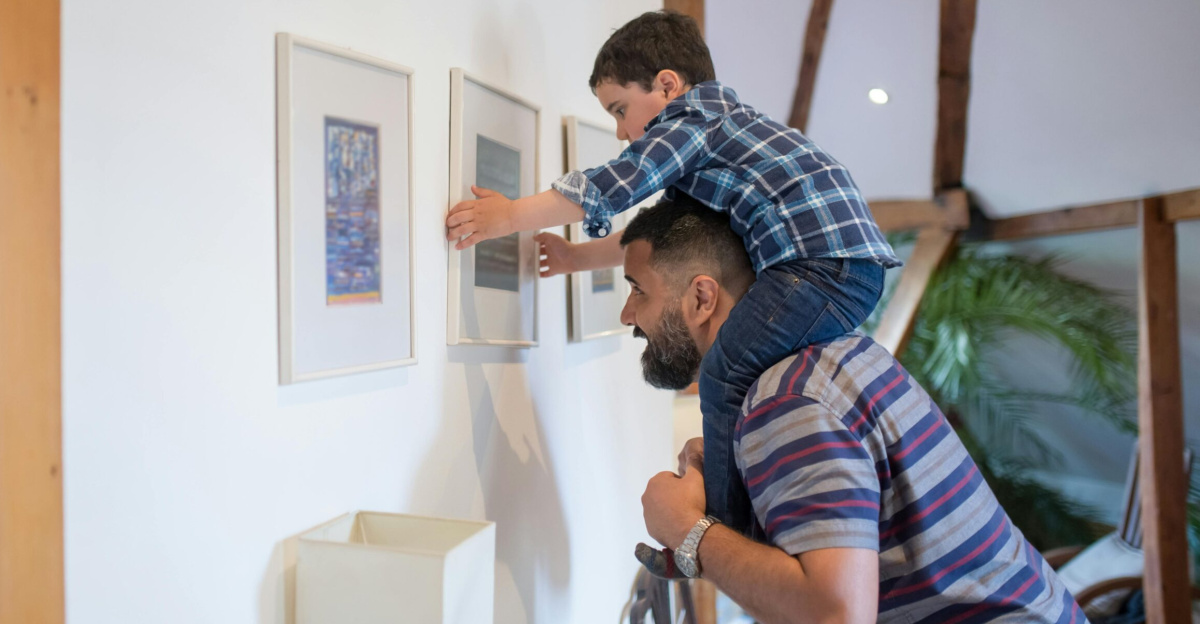
Saturday mornings in struggling homes often meant serious work—fixing homes, maintaining cars, and tackling yard projects that required all available hands. Kids weren’t asked to “help” for learning—they were necessary members of the work crew.
If Dad fixed the car, you grabbed tools, held flashlights, and learned mechanics by necessity. If Mom painted rooms or fixed plumbing, you taped the edges, sanded the surfaces, and handed up the supplies.
These weren’t character-building activities—they were necessary work that genuinely needed participation because paying professionals wasn’t possible.
Learning Skills Through Necessity
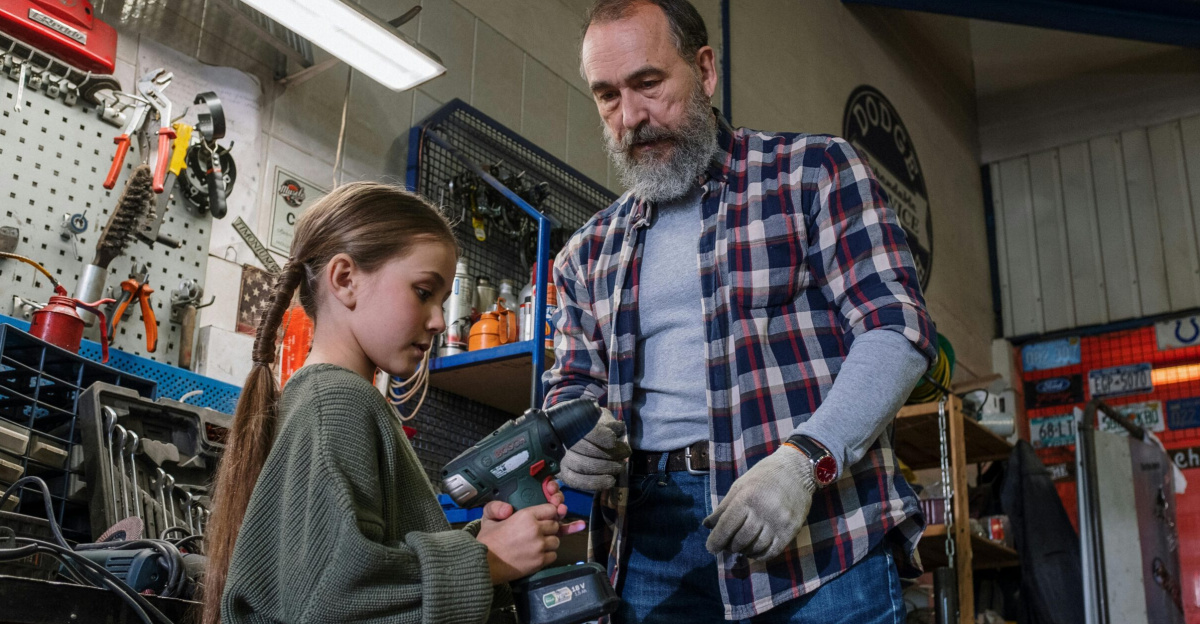
This hands-on involvement taught practical skills that wealthy kids often lacked. By their teenage years, many struggling Boomer kids could perform basic car maintenance, repair homes, and engage in construction—not from classes, but from countless Saturday mornings spent holding ladders, mixing concrete, patching roofs, and fixing broken machines.
They learned that when things broke, they figured out how to repair rather than calling a professional or buying replacements. These Saturday work sessions built real ability and confidence, teaching kids that problems can be solved with effort, imagination, and available tools.
Skills from these working Saturdays often became lifetime abilities that saved money.
The Legacy of Saturday Morning Struggle

Boomer kids who lived these Saturday routines kept those lessons as defining qualities into adulthood. Early rising, smart thinking, and understanding work comes before play weren’t just memories but basic lessons about how life works.
They learned to fix things, manage with less, find value in simple things, and help their households from a young age. These Saturdays taught duty, clever thinking, and toughness in ways no designed activity or purchased experience could.
Looking back, struggling Boomer kids see those Saturday mornings as shaping them into adults who valued honest work, self-reliance, and contributing to something beyond themselves. Those mornings were tough, sometimes frustrating, but also changed them in ways an easier childhood never could.
Sources:
- Reddit – r/AskAnAmerican – What it is like to live as a lower middle class family – 2016
- VegOut Magazine – If your parents took you to these 8 places as a kid, you definitely grew up lower-middle class – December 9, 2025
- Get Rich Slowly – Growing up poor (and how it messed with my mind) – December 4, 2023
- Wikipedia – Paperboy – March 16, 2004
- Reddit – r/AskOldPeople – In the 70s and 80s, what was it like being a paperboy? – September 18, 2024
- Boomer Tech Talk – Evolution of Technology – Rotary Dial Phone Nostalgia – July 15, 2024