What if the smartest SUV purchase was not the most expensive one, but the one that refuses to quit? As prices soar and ownership costs climb, longevity is quietly becoming the most valuable feature on the road. New iSeeCars data reveals which SUVs are most likely to exceed 250,000 miles, saving owners tens of thousands over time. Some cost far less than expected. Here is what the numbers reveal.
What Happened to the 150,000 Mile Rule
For decades, 150,000 miles marked the unofficial end of a vehicle’s useful life. Repairs piled up, resale values collapsed, and replacement felt inevitable. Today, that threshold looks outdated. Modern engineering has pushed expectations far higher. A small group of SUVs now routinely aim for 250,000 miles, reshaping how long-term ownership is calculated. That shift is forcing buyers to rethink value in unexpected ways.
Why 250,000 Miles Changes Everything
Reaching 250,000 miles means avoiding at least one full vehicle replacement cycle. At 15,000 miles annually, that lifespan stretches across 16.7 years. Most vehicles have just a 4.8% chance of hitting that mark. The SUVs on this list are 2.5 to 6.5 times more likely. That statistical edge quietly transforms monthly payments into long-term financial leverage.
One Brand Quietly Pulls Ahead

Toyota’s dominance is not subtle once the data is examined. Three Toyota models land near the top, with Lexus benefiting from shared engineering foundations. The strategy is consistent engines, conservative tuning, and proven components. Flashy redesigns matter less than durability over decades. This philosophy explains why Toyota vehicles routinely cross 200,000 miles with routine maintenance alone.
Hybrids Rewrite the Reliability Debate
Hybrid SUVs once scared buyers with fears of battery failure and complex repairs. That concern no longer matches reality. Toyota’s hybrid systems now outperform gas-only versions in longevity rankings. Fewer moving parts reduce wear, and engines experience less stress. The result is higher survival rates past 250,000 miles, quietly overturning years of skepticism.
Price No Longer Predicts Durability
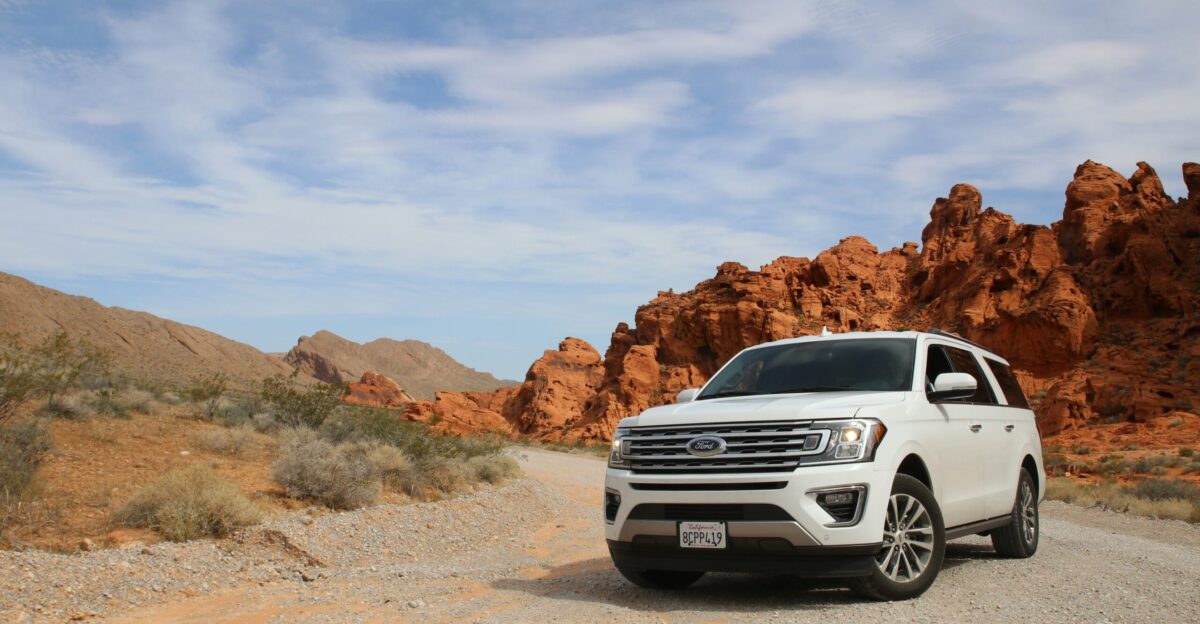
A higher sticker price does not guarantee a longer life. A $36,400 SUV can rival the longevity odds of models costing over $65,000. When purchase price is divided by usable miles, cheaper vehicles often win. Leather seats fade, but reliability compounds. This recalculation forces buyers to separate comfort upgrades from structural endurance.
Bigger SUVs Deliver Unexpected Staying Power
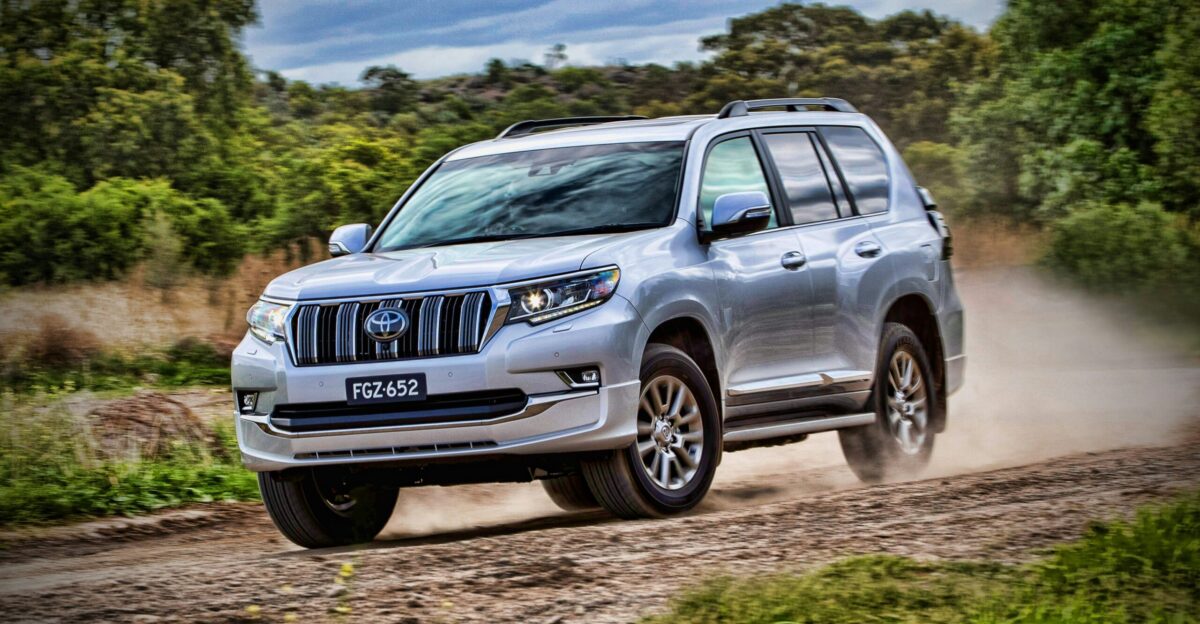
Full-size SUVs are often dismissed as wasteful and short-lived. The data disagrees. Chevrolet and GMC full-size models rank among the most durable vehicles sold today. Their heavy-duty frames and proven powertrains are built for sustained strain. Families buying for space often end up owning them far longer than expected.
#1 – Toyota Highlander Hybrid
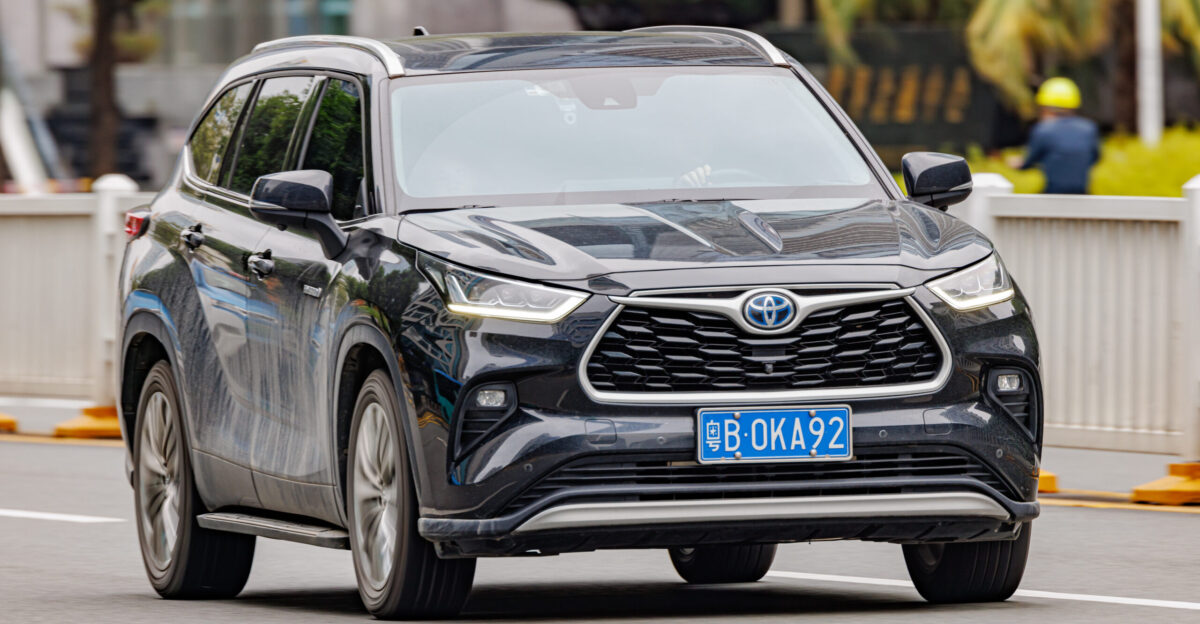
The Toyota Highlander Hybrid ranks 3rd overall among SUVs for reaching 250,000 miles. It carries a 31% probability of hitting that mark, outperforming most gas competitors. Starting near $47,000, it blends efficiency with durability. Owners report minimal issues beyond routine service, even past 200,000 miles. That balance explains its top placement.
#2 – Lexus GX
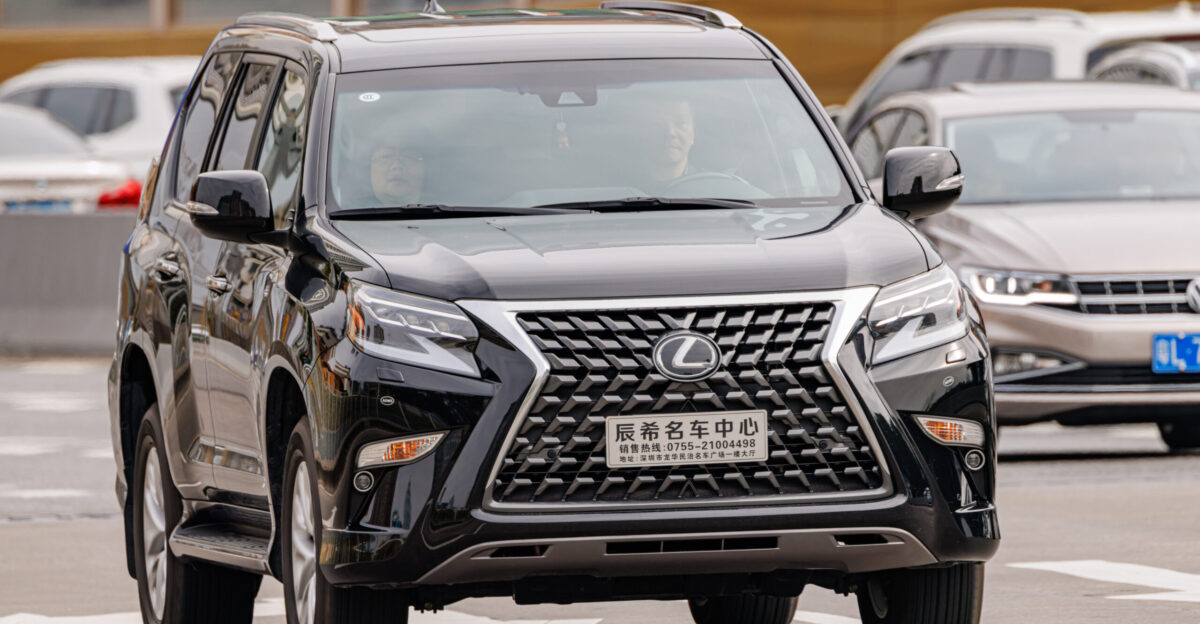
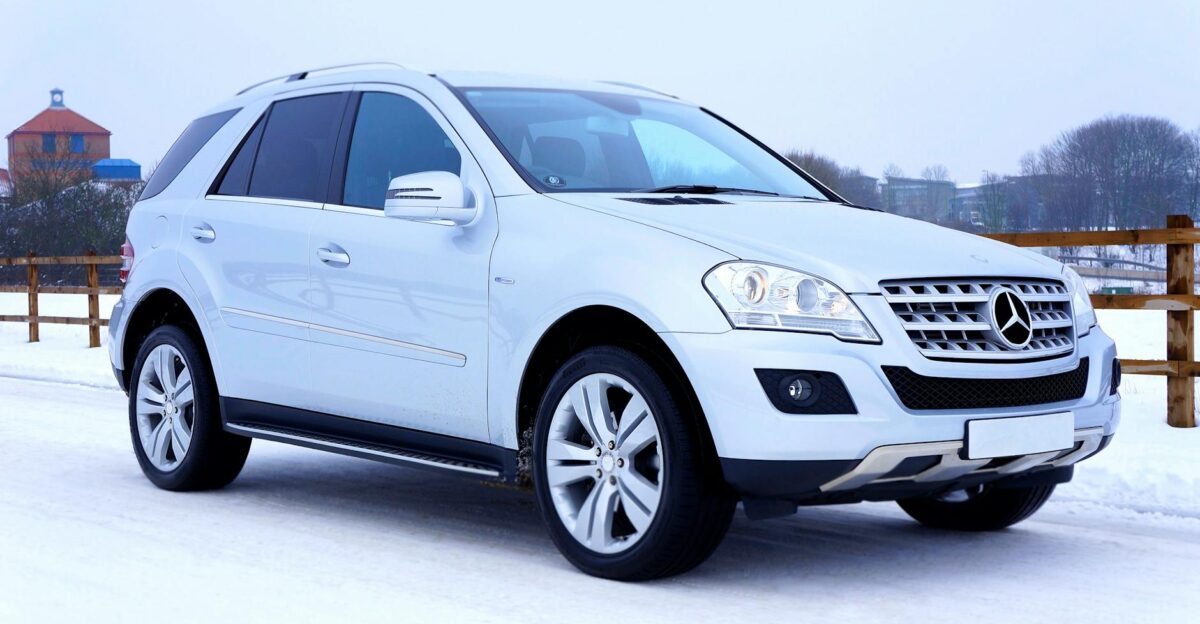
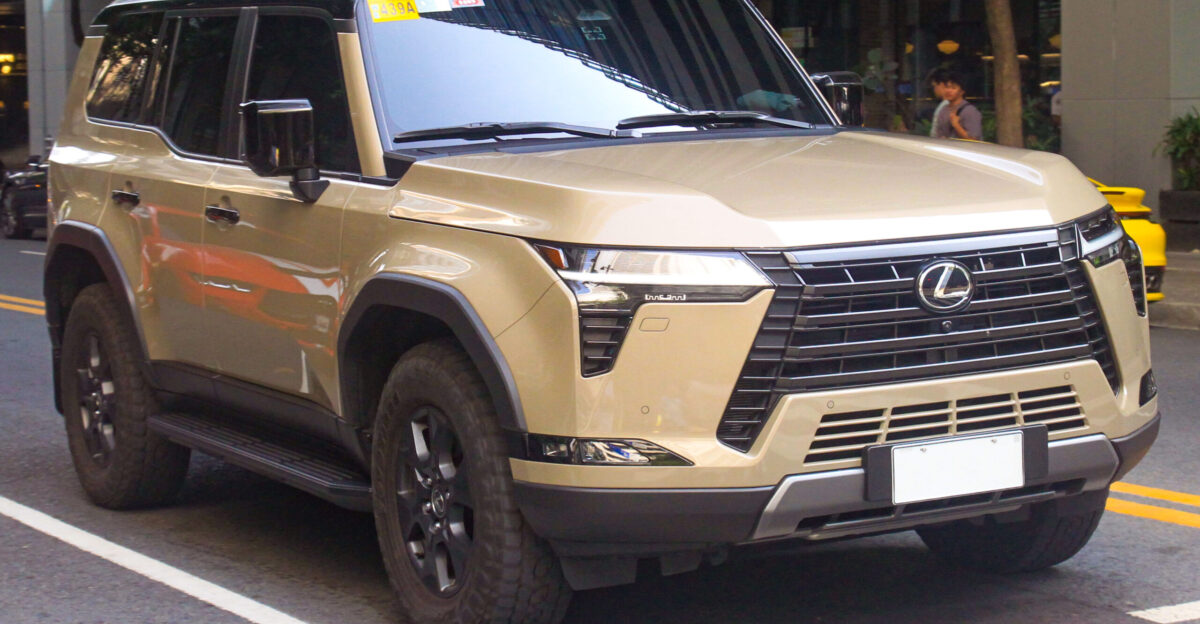
The Lexus GX ranks 5th overall, proving luxury and longevity can coexist. Starting at $64,250, it uses a body-on-frame design shared with Toyota trucks. This structure ages gracefully under stress. Owners frequently report reliable performance well beyond 200,000 miles. Premium materials matter, but the real strength is underneath.
#3 – GMC Yukon XL
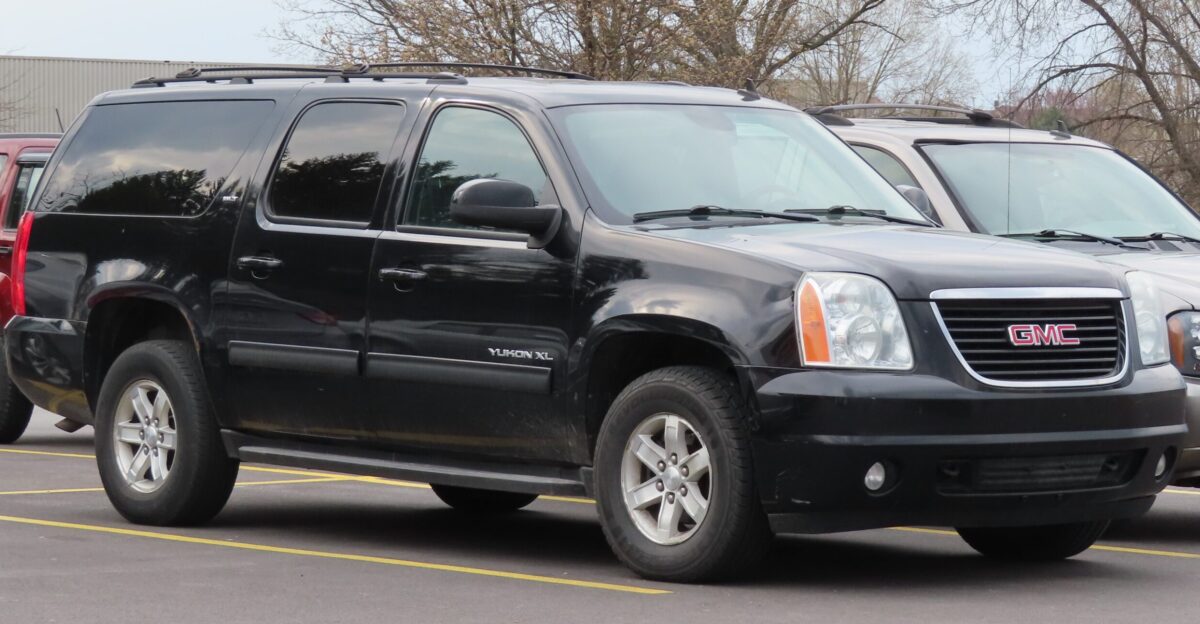
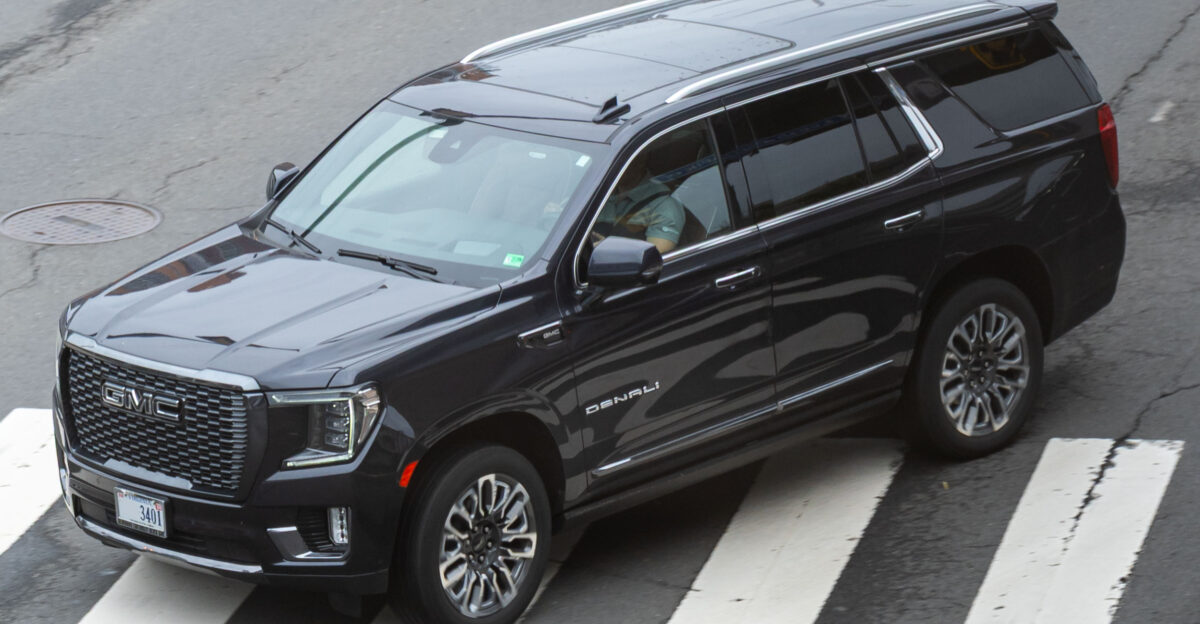
The GMC Yukon XL ranks 6th, combining size with endurance. Starting around $69,900, it relies on proven V8 engines engineered for towing and long-term use. Large families benefit from space, but longevity is the hidden advantage. Many examples remain dependable after a decade and multiple ownership cycles.
#4 – Chevrolet Tahoe
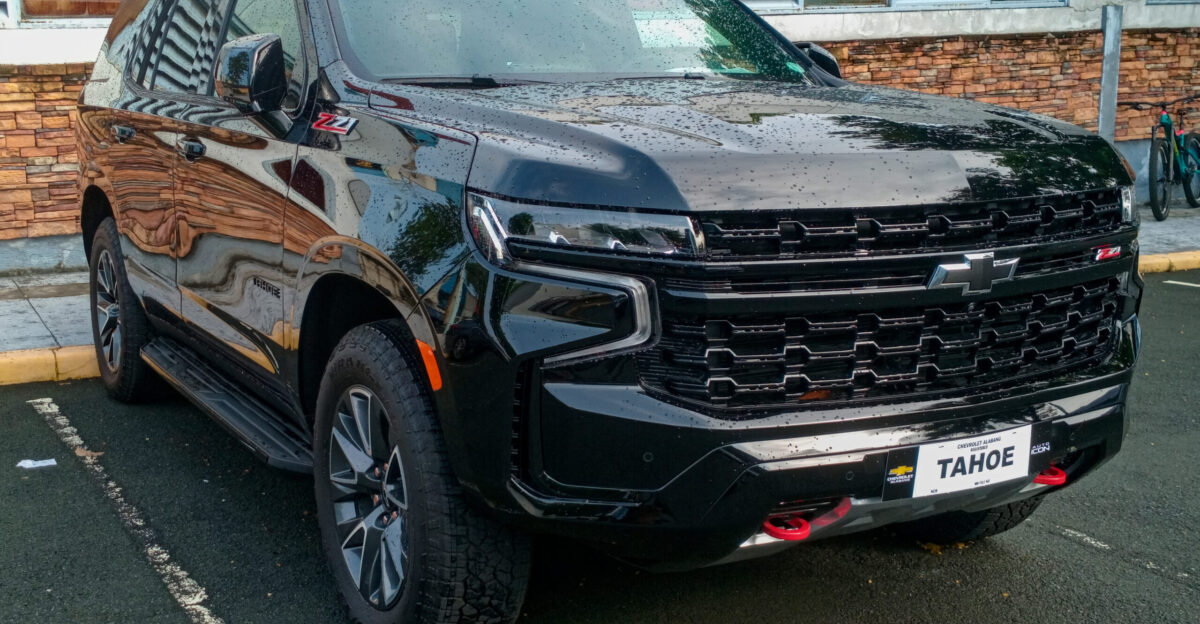
The Chevrolet Tahoe ranks 7th, offering nearly the same durability as the Yukon XL for about $59,000. Its powertrain has been refined for decades. Owners routinely push past 200,000 miles with standard maintenance. Nationwide service availability strengthens its appeal, especially for families planning extended ownership.
#5 – Honda Pilot
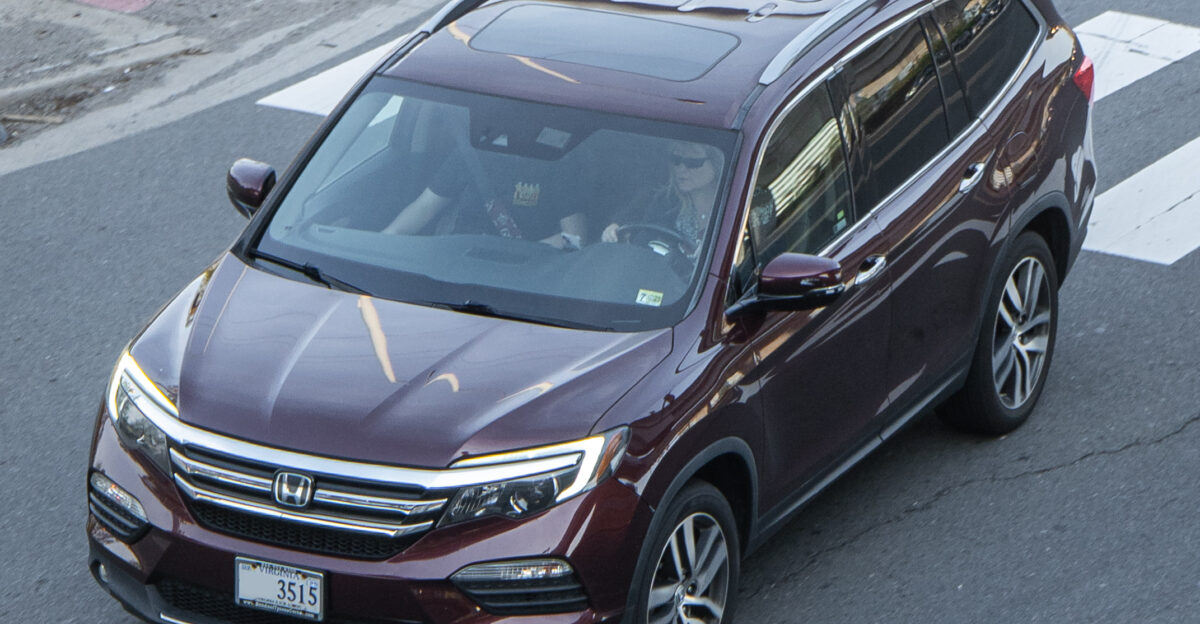
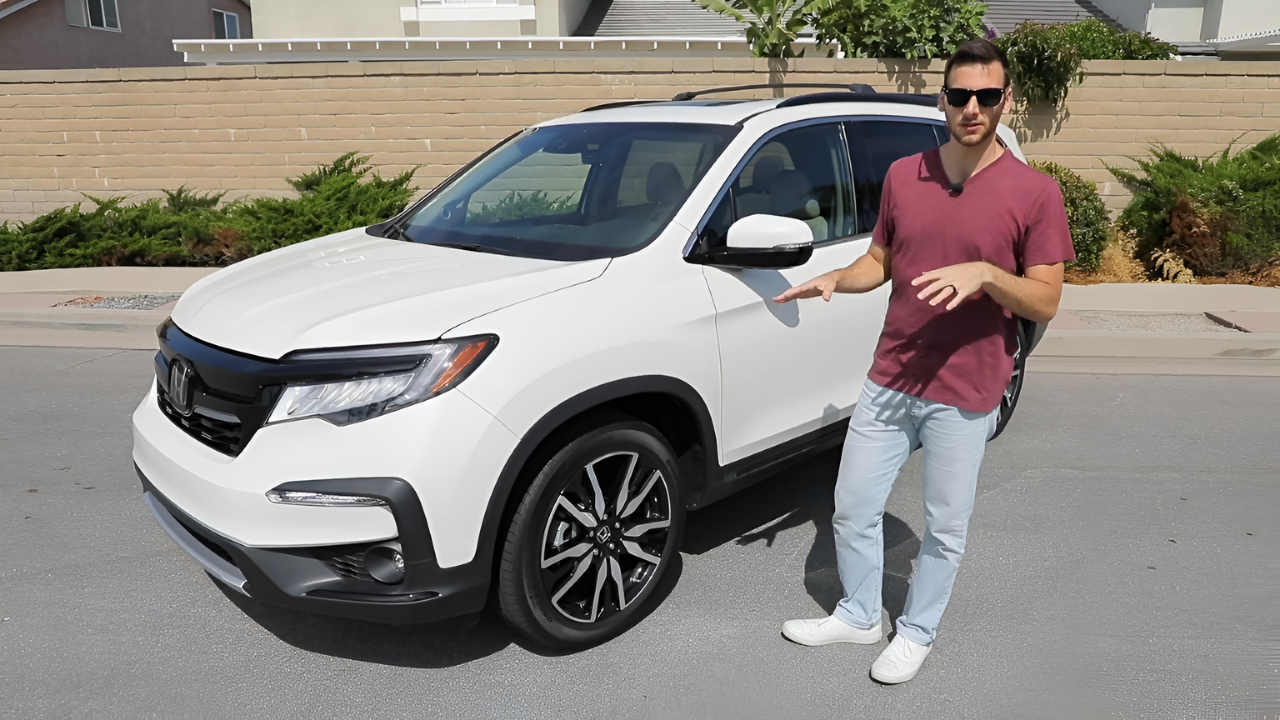
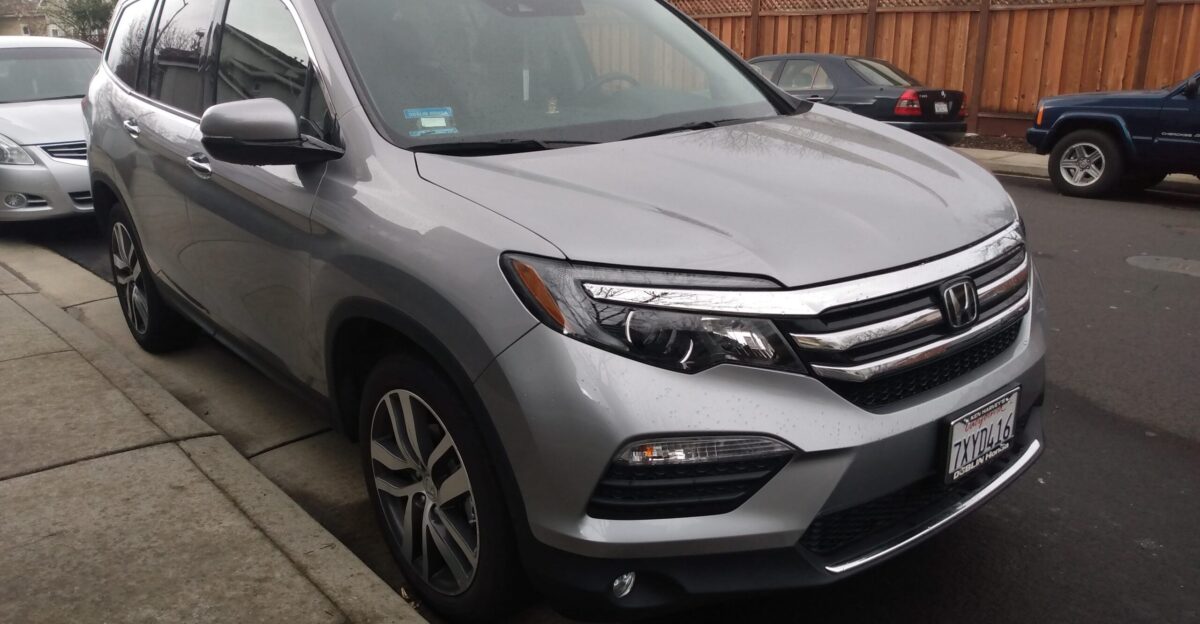
The Honda Pilot ranks 8th, starting near $41,600. Honda’s V6 engines are known for balance and restraint. Owners consistently report smooth operation past 150,000 miles with limited repairs. Compared to luxury SUVs that cost far more, the Pilot offers similar longevity at a significantly more accessible price.
#6 – Toyota Highlander
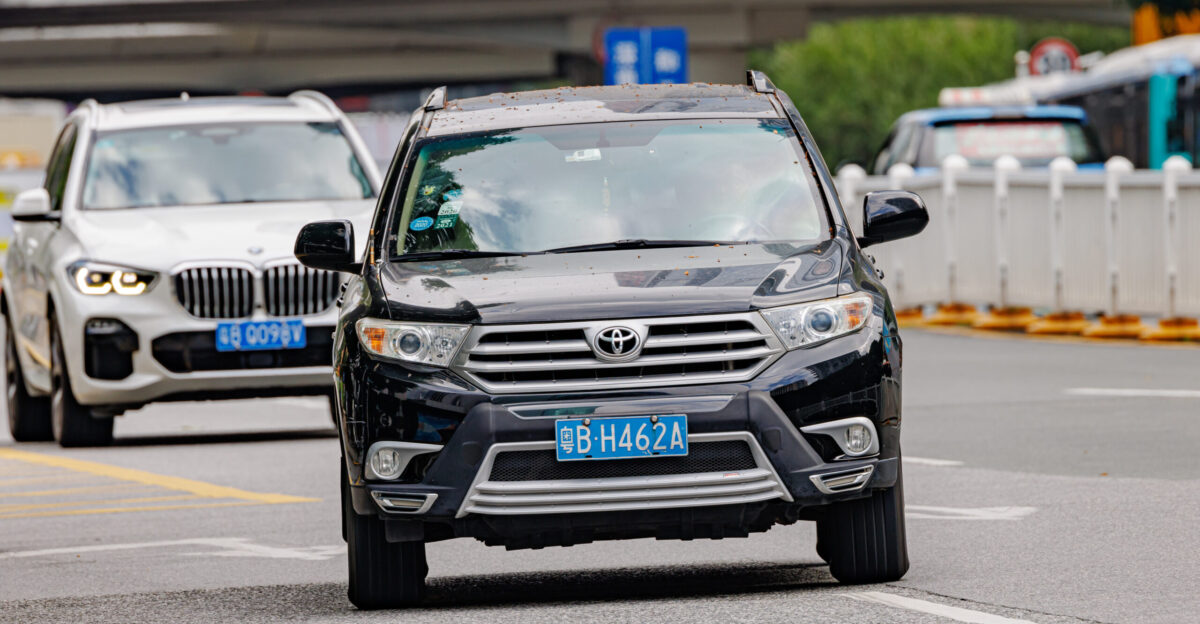
The gas-powered Toyota Highlander ranks 9th, starting around $41,000. While the hybrid scores higher, this version still benefits from Toyota’s durability-first engineering. Many owners reach 200,000 miles reliably. For families seeking three-row comfort without hybrid pricing, it remains a dependable long-term option.
The List Does Not End There
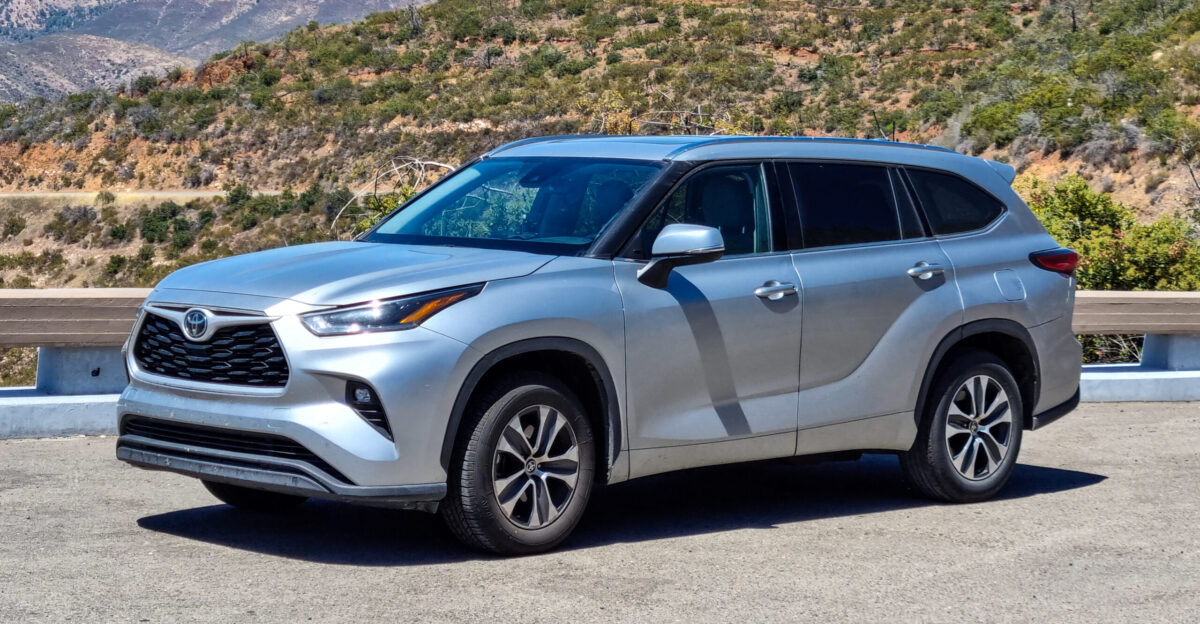
The highest-ranked SUVs tell only part of the durability story. Several strong performers sit just outside the main cutoff while still delivering impressive longevity, real-world reliability, and excellent ownership value. These vehicles may statistically fall short of the top tier, yet they consistently outperform expectations over time. A closer look explains why they remain innovative alternatives.
Alternative #1 – GMC Yukon
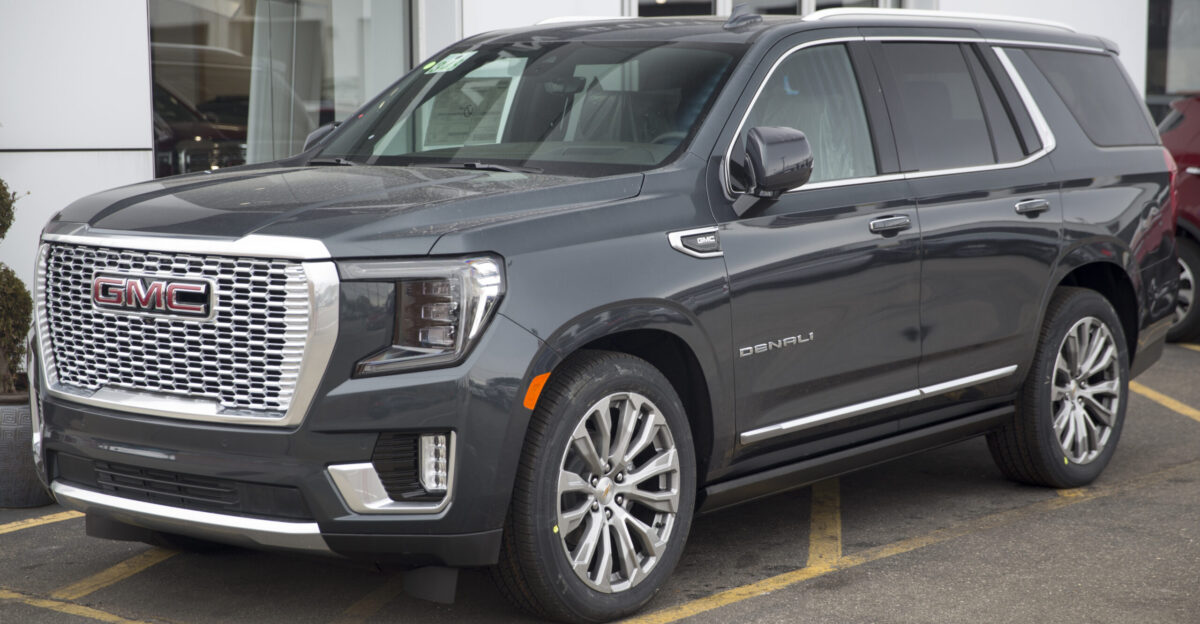
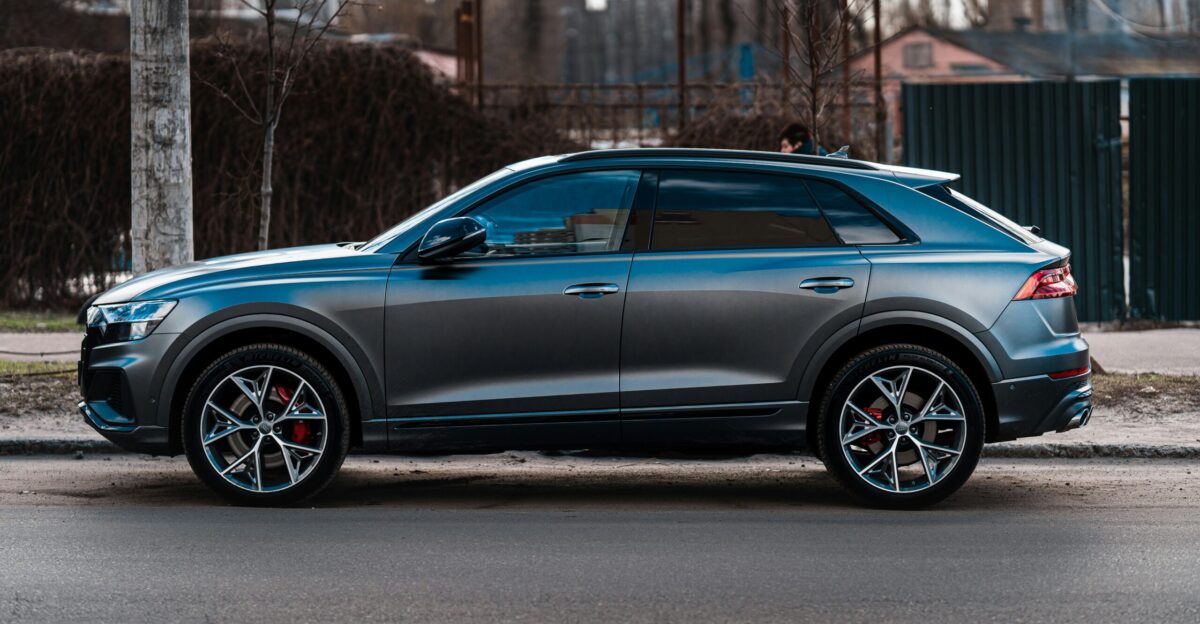
The GMC Yukon ranks 10th among SUVs for achieving 250,000 miles, with a starting price of around $67,900. Positioned between the Tahoe and Yukon XL, it blends full-size capability with upscale refinement. Proven V8 powertrains ensure long-term durability, while the three-row seating configuration suits growing families. Owners report dependable service for over a decade, which is why many choose it.
Alternative #2 – Toyota Highlander Hybrid
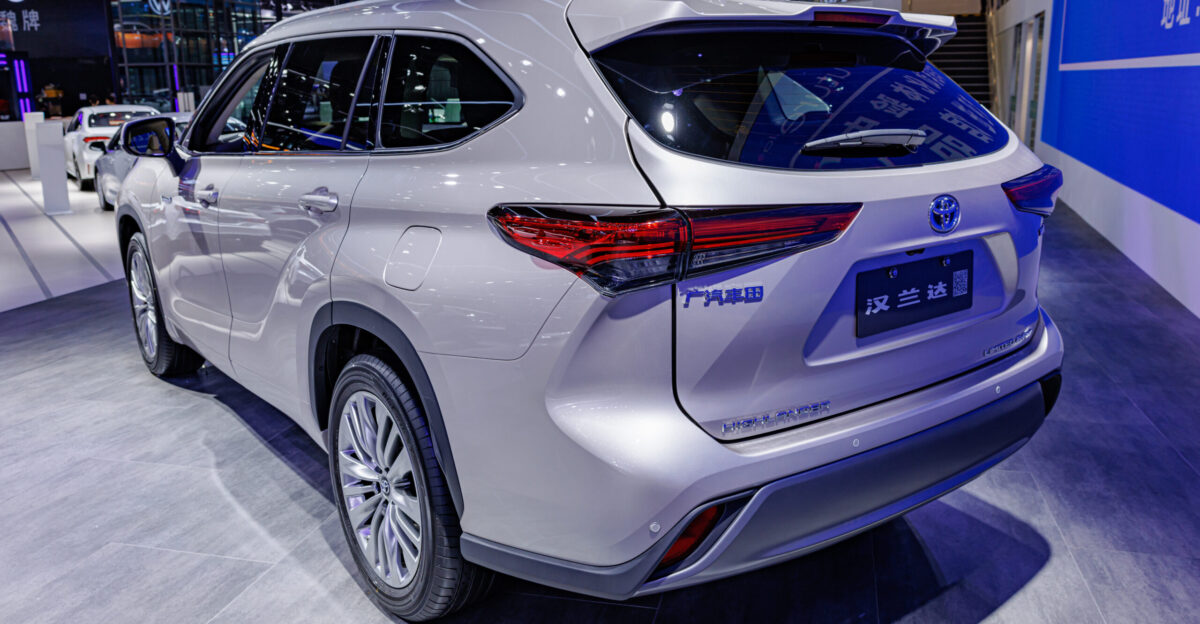
The Toyota Highlander Hybrid reinforces that hybrid systems enhance longevity rather than weaken it. Starting near $47,000, it delivers strong fuel efficiency alongside top-tier durability odds. Over 15 years, fuel savings compound meaningfully. Battery reliability concerns have faded as systems mature. Three-row seating and smooth operation appeal to families seeking efficiency without compromise.
Alternative #3 – Lexus GX 550
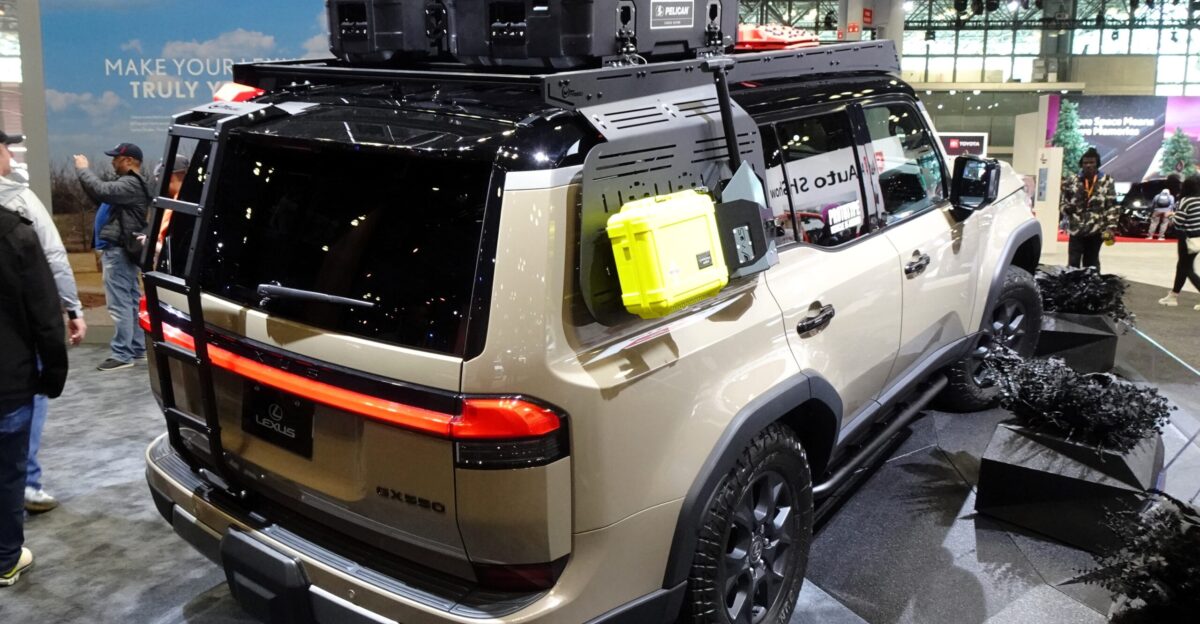
The Lexus GX 550 ranks among the most durable luxury SUVs, starting at $64,250. Its body-on-frame construction supports long-term reliability past 200,000 miles. Premium materials, refined interiors, and attentive service elevate ownership. Buyers gain prestige without sacrificing endurance. The GX proves luxury vehicles can deliver lasting value, not short-lived appeal.
Alternative #4 – Honda Pilot EX And Touring
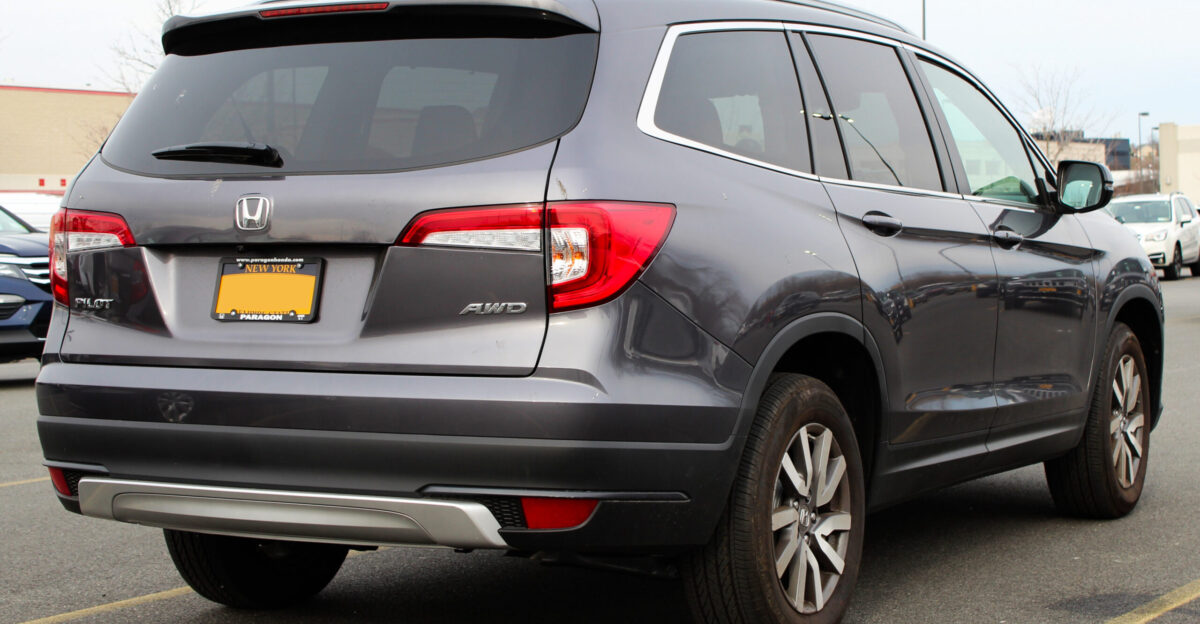
Honda Pilot EX and Touring trims balance comfort with proven durability. Starting around $41,600 and rising near $50,000, these versions add features without compromising reliability. Honda engineering emphasizes longevity across trims. Owners report smooth performance past 150,000 miles. For families seeking refinement and dependability together, these trims offer a sensible compromise.
Calculating True Cost Per Mile
Ownership cost is best measured per mile, not per month. A $36,400 Pathfinder costs about $0.15 per mile at 250,000 miles. A $68,895 Yukon approaches $0.27. The gap equals roughly $131 monthly over 15 years, despite similar reliability outcomes.
Hybrid Versus Gas Still Matters
Hybrids outperform gas models in fuel savings without sacrificing durability. Over long ownership periods, savings reach $2,000 to $3,000 at current fuel prices. Maintenance costs remain similar. For high-mileage drivers, the hybrid advantage compounds quietly year after year.
Choosing Longevity Over Hype
These SUVs prove durability is not reserved for luxury buyers. From affordable Pathfinders to premium Lexus models, reliability spans price brackets. The common thread is engineering discipline. Buyers who prioritize longevity gain stability, savings, and peace of mind. That strategy turns ownership into confidence, not compromise.