America’s casual dining chains promised convenience, consistency, and value. That promise is breaking down. In 2025, something shifted—not gradual enough to ignore, not sudden enough to miss. Closures accelerating. Quality spiraling. Customers feeling duped by familiar brands that somehow stopped caring.
This isn’t about picky eaters or nostalgia. It’s about real changes: frozen replacing fresh, portions shrinking, prices climbing. Eleven major chains are now destinations to avoid.
The Pattern Nobody Wanted to See
Walk into any of these restaurants, and you’ll notice something unsettling: the magic is gone. At Benihana, theatrical teppanyaki shows have become rushed performances by overwhelmed staff. At Wendy’s, hundreds of locations are disappearing because customers stopped showing up. At Applebee’s, your “homemade” meal arrived microwaved from an industrial freezer. These aren’t conspiracy theories—they’re documented patterns across hundreds of locations, confirmed by employees and regulators, visible in quarterly earnings reports and closing announcements.
Your Wallet and Your Neighborhood
Wendy’s closures will displace thousands of workers in communities already struggling with limited job options. Panera’s $15 sandwich isn’t just expensive—it’s insulting, especially when the bread is frozen, and portions have shrunk by 20 percent.
Families choosing between chains now face a brutal truth: you’re paying premium prices for degraded experiences. The casual dining industry bet you wouldn’t notice. You’re noticing.
Why These Eleven Matter Right Now
These chains collectively serve millions of Americans weekly. Their decline signals something bigger: when cost-cutting and shareholder pressure override quality and customer loyalty, the entire system breaks.
Corporate owners prioritized profit extraction over excellence. Workers paid the price. Customers discovered it. Now, as 2026 approaches, the question isn’t whether these chains will fail—it’s whether you’ll keep eating there while better alternatives exist.
1. The Theater Died After the Acquisition
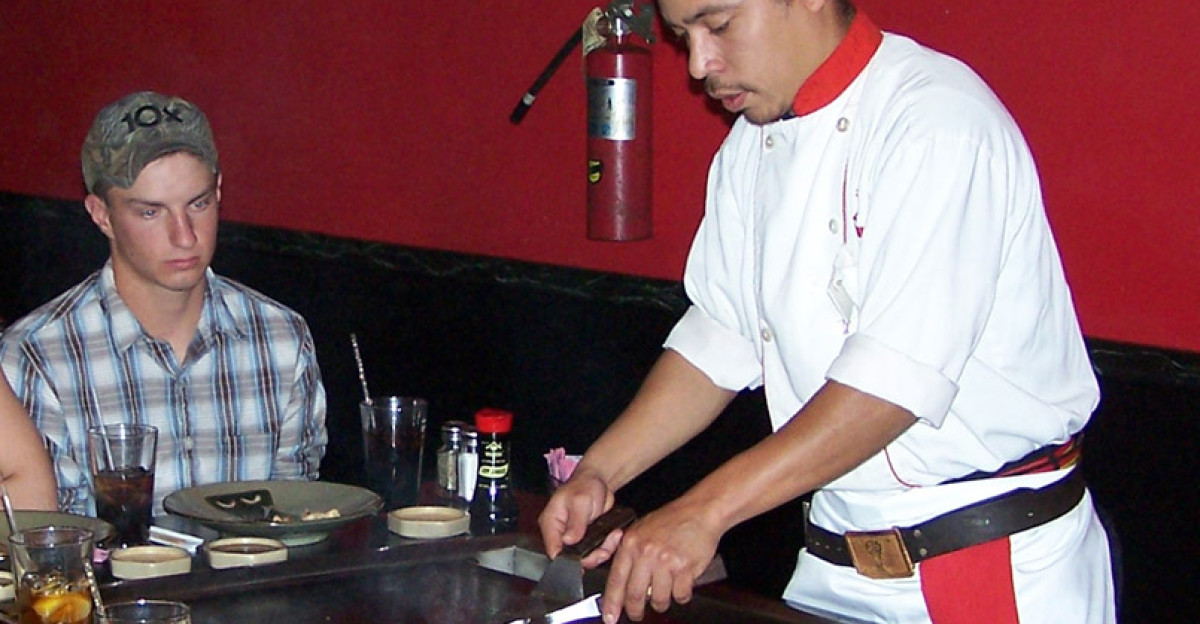
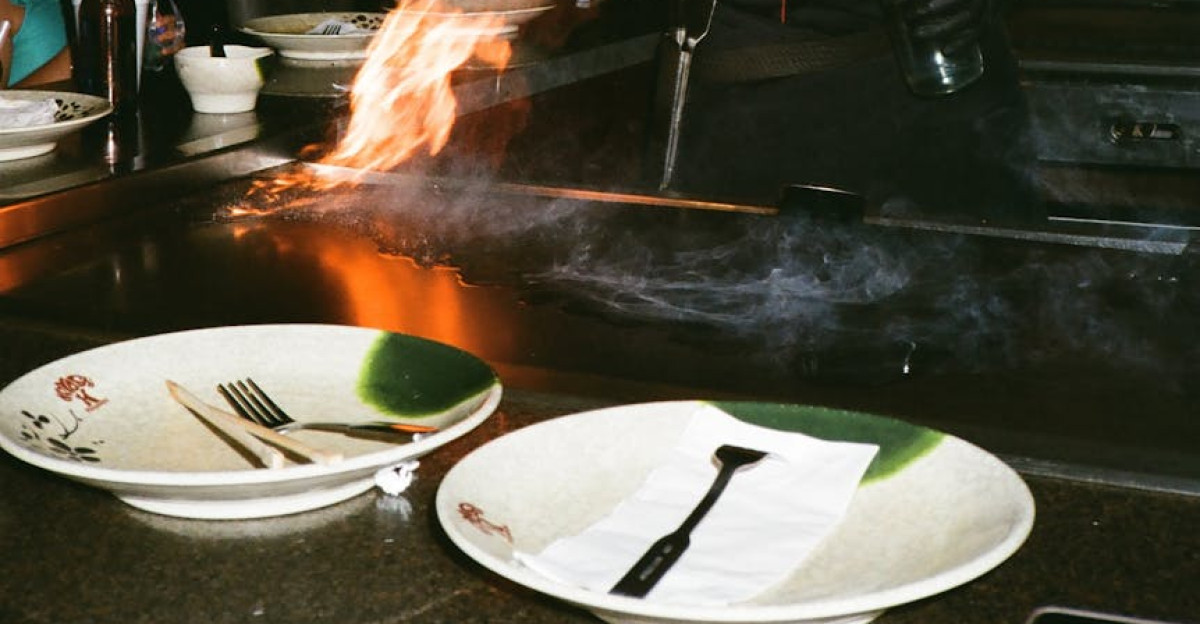
When One Group acquired Benihana for $365 million in May 2024, they inherited a brand built on theatrical cooking and premium pricing, what they delivered instead: service collapse. Customers report “horrible service” and staff dismissing critical concerns, such as food allergies.
The teppanyaki experience—the whole reason people paid extra—now feels rushed and inauthentic. .
2. Hundreds Closing, Thousands of Jobs Disappearing
In November, Wendy’s interim CEO announced plans for 240 to 360 store closures, starting immediately, representing a mid-single-digit percentage of the company’s roughly 6,000 U.S. locations. Same-store sales plunged 4.7 percent in Q3, far worse than McDonald’s or Burger King.
These shuttered locations will vanish from neighborhoods already lacking affordable dining options, eliminating thousands of jobs overnight.
3. The Buffet Nobody Wants Anymore
All-you-can-eat used to signal value. Golden Corral proves it now signals risk. Trustpilot reviews document repeated incidents of cold food served alongside mushy, flavorless vegetables. Customers describe chocolate fountains as not being properly cleaned between uses.
One diner reported feeling sick after eating. These aren’t isolated complaints—they’re a pattern showing the chain has abandoned basic food safety and quality standards.
4. From Gold Standard to Frozen Disappointment
Once the dominant chain pizza brand, Pizza Hut switched from fresh, made-to-order dough to frozen crusts delivered from warehouses. Former employees confirm the change: thinner pizzas with less flavor and diminished texture.
The chain has shuttered dine-in locations, converting survivors to takeout counters. Pizza Hut isn’t competing with Domino’s anymore—it’s losing to local pizzerias and frozen grocery store options.
5. Industrial Kitchens Masquerading as Casual Dining
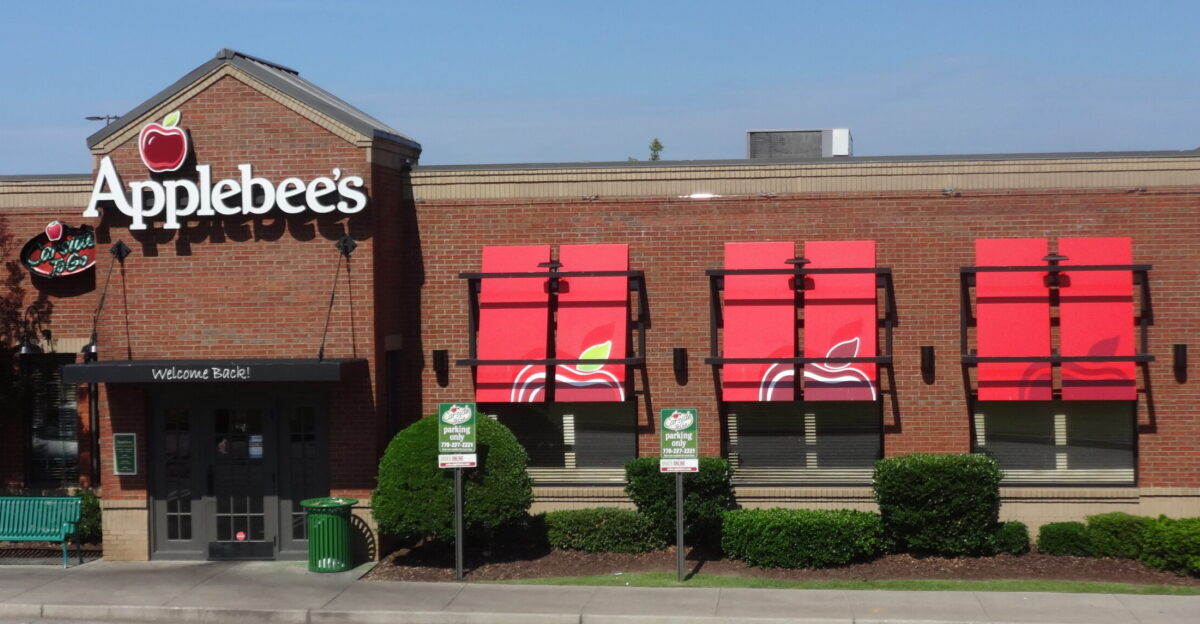
Applebee’s employees have publicly exposed what happens behind those kitchen doors: most menu items arrive pre-cooked and frozen, then reheated in industrial microwaves. Chicken. Shrimp. Pasta. All of it. The rubbery texture, dried edges, and cold centers get masked with heavy sauces and aggressive seasoning.
Customers paying $12 to $14 per entrée for sit-down service receive processed food assembly. The chain’s promise of “neighborhood grill and bar” cooking is industrial cafeteria operations.
6. Freezer Burn and Cold Grease
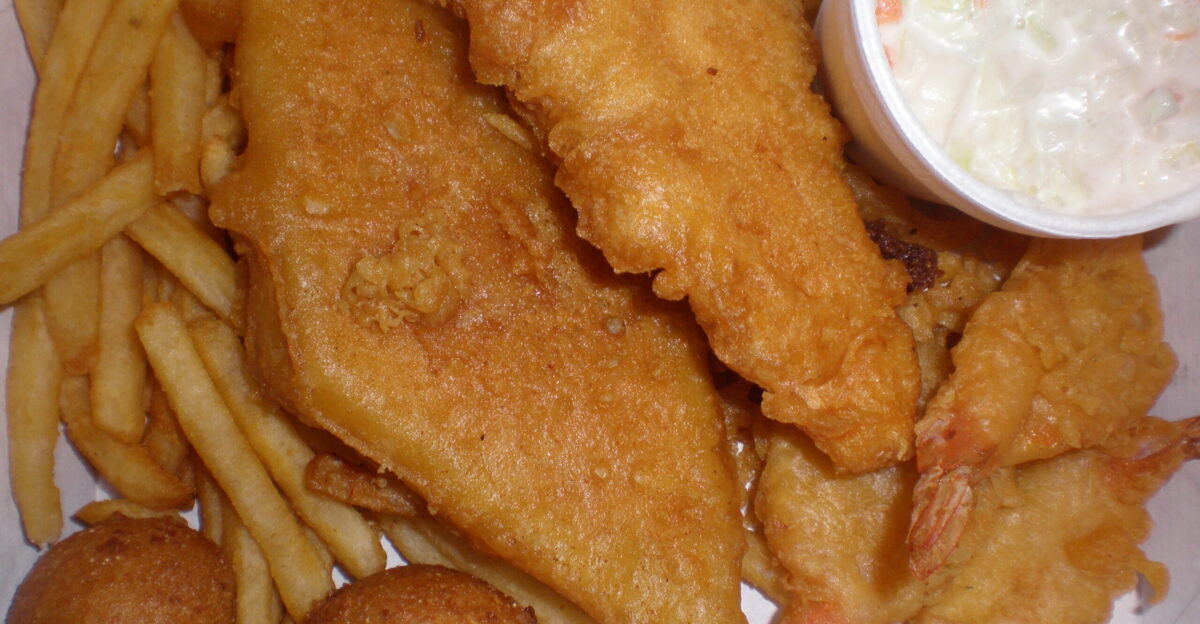
Reviews consistently describe Long John Silver’s seafood as suffering from “freezer burnt” flavors, particularly in limited-time offerings. Cold, greasy meals arrive alongside soggy, rubbery fries. Customers joke that the chain’s survival seems suspicious given uniformly poor feedback.
Even dedicated seafood lovers avoid locations, reporting the overwhelming sense that quality control has collapsed entirely.
7. The Meat Question Nobody’s Answered Honestly
A 2017 Canadian lab analysis of Subway’s chicken revealed troubling results: chicken strips tested at just 42.8 percent chicken DNA, while oven-roasted chicken came in at 53.6 percent, with soy protein filler making up the difference.
Subway disputes these findings, claiming soy content at 2 percent or less. Yet competitors’ chicken samples tested between 85 and 90 percent chicken DNA.
8. Out of Chicken, Full of Grease
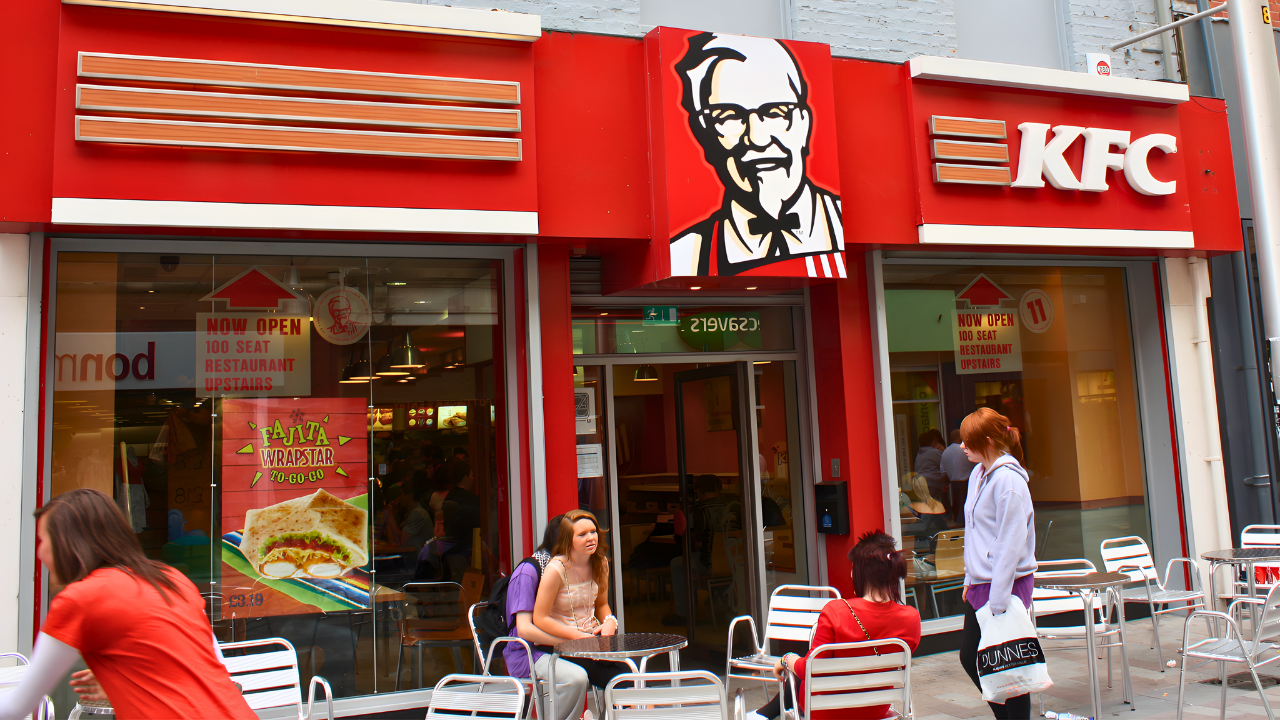
KFC customers report consistently greasy, fatty chicken that relies on seasoning to mask lack of genuine flavor. The chain frequently runs out of its core product during peak hours—a chronic logistics failure undermining the entire business model.
Mashed potatoes, allegedly made fresh, taste suspiciously like powder, revealing the chain’s reliance on instant mixes.
9. Lower Quality, Higher Prices, Slower Service
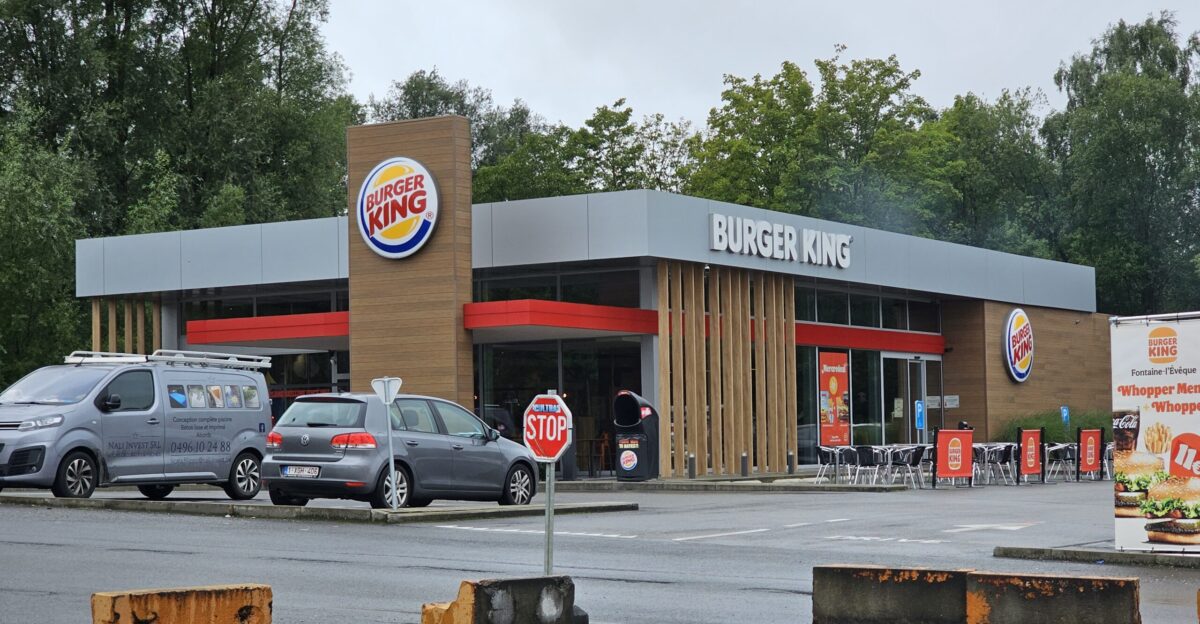
Consumer reports rank Burger King among the lowest chains for taste and quality consistency, with negative food quality reviews 21 percent higher than McDonald’s or Wendy’s. Customers describe burgers as lower quality than previous decades, with weaker flavoring and patties featuring a waxy aftertaste.
Drive-through times consistently exceed competitors. The result: brand loyalty has collapsed among customers with better options nearby.
10. Mushy Pasta and Stale Breadsticks
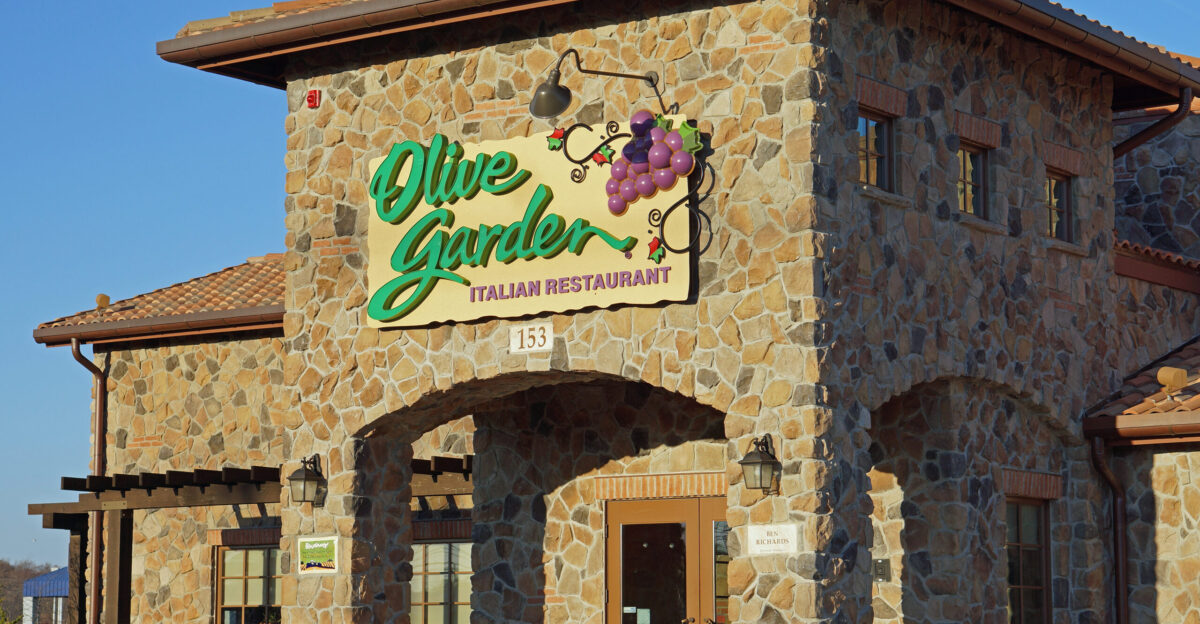
Olive Garden’s signature pasta dishes disappoint with bland, overcooked noodles lacking proper seasoning. The Alfredo sauce tastes thin and uninspired, while marinara arrives overly sweet and one-dimensional.
Customers report the breadsticks taste better than actual entrees—a troubling sign for a restaurant chain built on Italian-American cooking.
11. Premium Pricing, Frozen Bread, Shrinking Portions
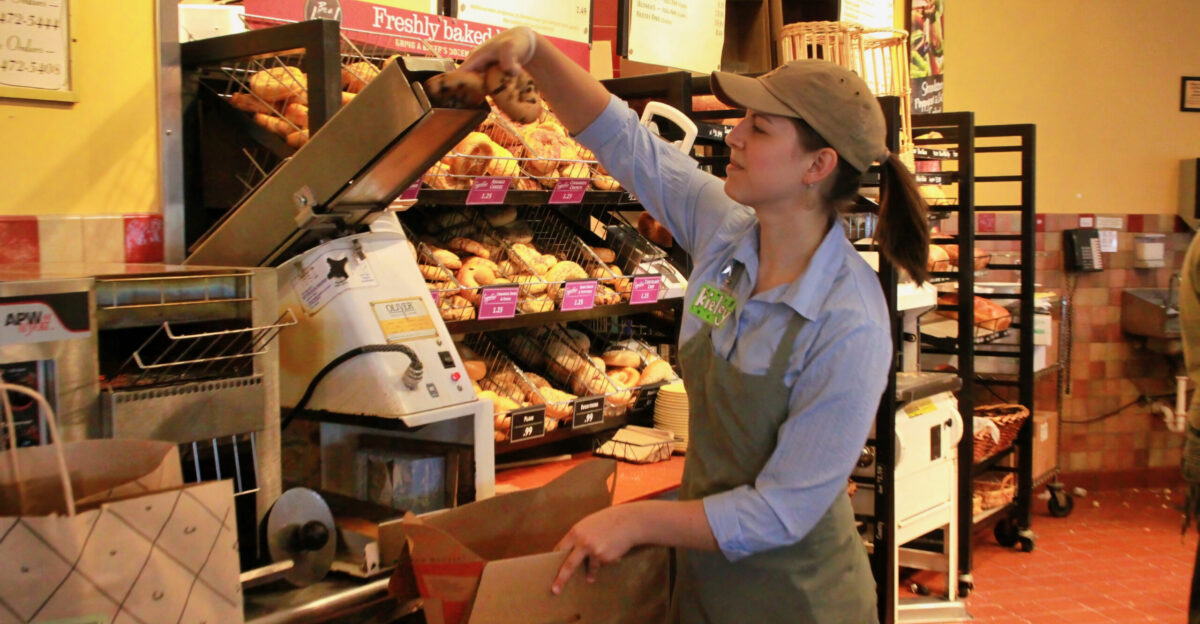
Panera charges $12 to $15 per entrée before add-ons—prices comparable to sit-down restaurants, not fast-casual chains. Yet customers receive meals described as “glorified hospital food,” with portion sizes noticeably shrunk over two years. The private equity ownership has prioritized profit extraction: salads downgraded from romaine to iceberg lettuce, bread transitioned from fresh dough to frozen, par-baked products. Customers paying premium prices are discovering they get less food for more money.
When Growth Destroys Brand Identity

Benihana’s decline teaches a painful lesson about what happens when acquisition-driven management prioritizes restructuring over what made a brand special. The chain’s famous teppanyaki experience—the differentiator justifying premium pricing—has been undermined by operational changes and service deterioration.
When new corporate layers disconnect from customer reality, beloved brands become hollow versions of themselves.
The Numbers Tell a Story Corporate Won’t
Wendy’s 4.7 percent same-store sales decline isn’t a blip—it’s a referendum. When hundreds of locations close simultaneously, corporate messaging about “underperforming stores” masks a simpler truth: customers stopped coming.
When earnings reports show declining traffic and rising menu prices, the equation becomes transparent. Shareholders profited. Customers lost.
Better Alternatives Already Exist
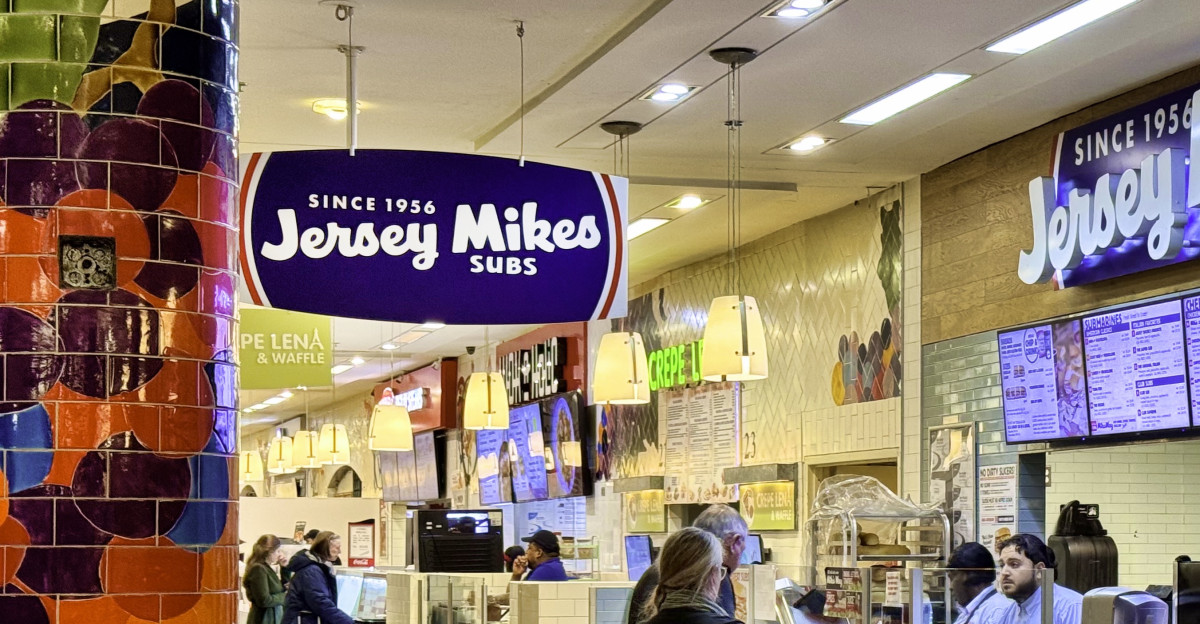
Jersey Mike’s outpaces Subway with real meat sandwiches. Local delis beat Panera on price and portion size simultaneously. Independent pizza shops deliver what Pizza Hut abandoned. Chick-fil-A commands loyalty that KFC lost years ago.
Customers voting with their wallets are discovering what these chains discovered too late: quality and fair pricing drive sustainable business.
Your Neighborhood Pays the Real Price
When Wendy’s closes 240 to 360 locations, thousands of workers lose jobs in communities already struggling with limited opportunities. When chains cut corners on food safety and quality, public health suffers quietly. When corporate ownership extracts profit, local economies lose resilience.
The casual dining crisis isn’t abstract. It’s personal. It affects your neighbors’ ability to find work, your family’s access to affordable dining, your community’s economic stability.
Choose Differently in 2026
Skip these eleven chains not out of spite, but because you deserve better. Better ingredients. Fair portions. Honest pricing. Transparent operations. In 2026, your choices matter more than ever.
The industry is watching to see whether customers will tolerate degraded experiences packaged in familiar branding. You have the power to answer that question with your wallet. Better alternatives are waiting.
Sources:
- Restaurant Dive – “One Group Hospitality buys Benihana parent for $365M” (March 25, 2024)
- USA Today – “Wendy’s to begin closing hundreds of stores” (November 7, 2025)
- Trustpilot – Golden Corral Reviews (October 6, 2025)
- Food Business News – “Pizza Hut to close hundreds of dine-in locations”
- CBC Marketplace – “What’s in your chicken sandwich? DNA test shows Subway…” (February 27, 2017)
- Morning Brew – “Panera’s baking a new plan to earn more bread” (November 19, 2025)