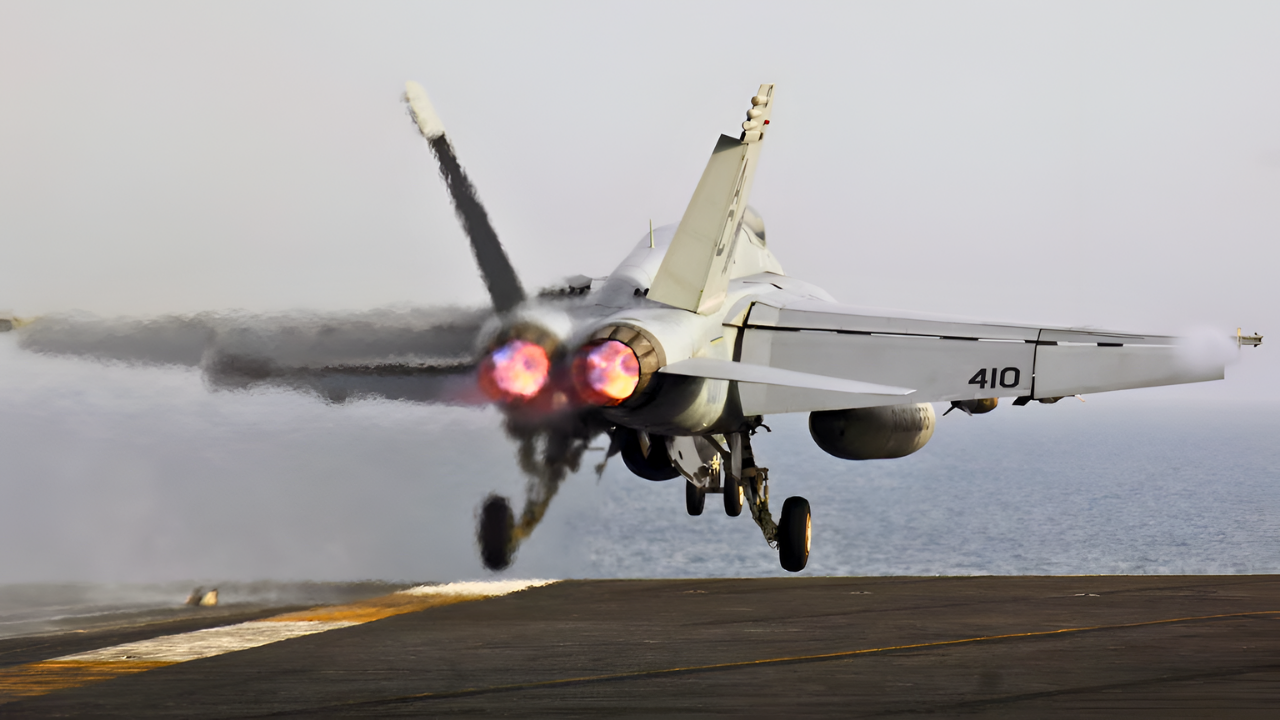
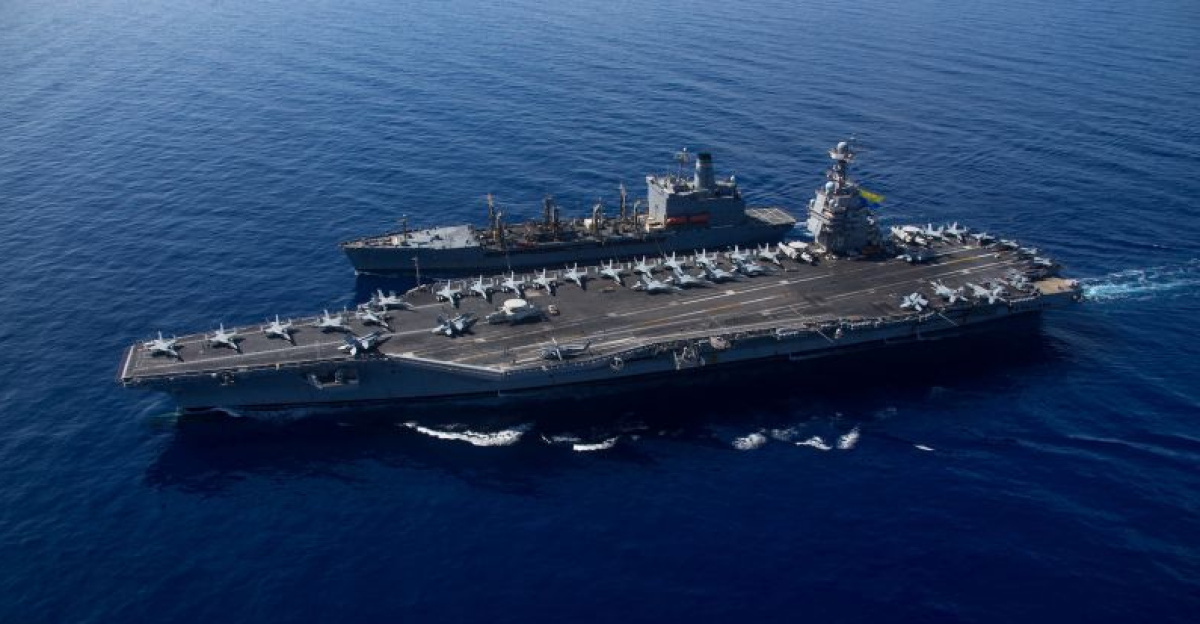
In early December, a brief but dramatic flight by two U.S. F-18 Super Hornets over the Caribbean pushed already strained relations between Washington and Caracas to a new level of tension. Launched from the USS Gerald R. Ford, the world’s largest aircraft carrier operating in the region, the jets headed toward Venezuelan airspace as thousands of Venezuelans watched their progress on public flight-tracking apps. Within 40 minutes, the skies over the Gulf of Venezuela and the oil-producing area around Lake Maracaibo had become a focal point in an escalating contest over security, drugs and political power in the hemisphere.
Operation Southern Spear and the U.S. Build-Up
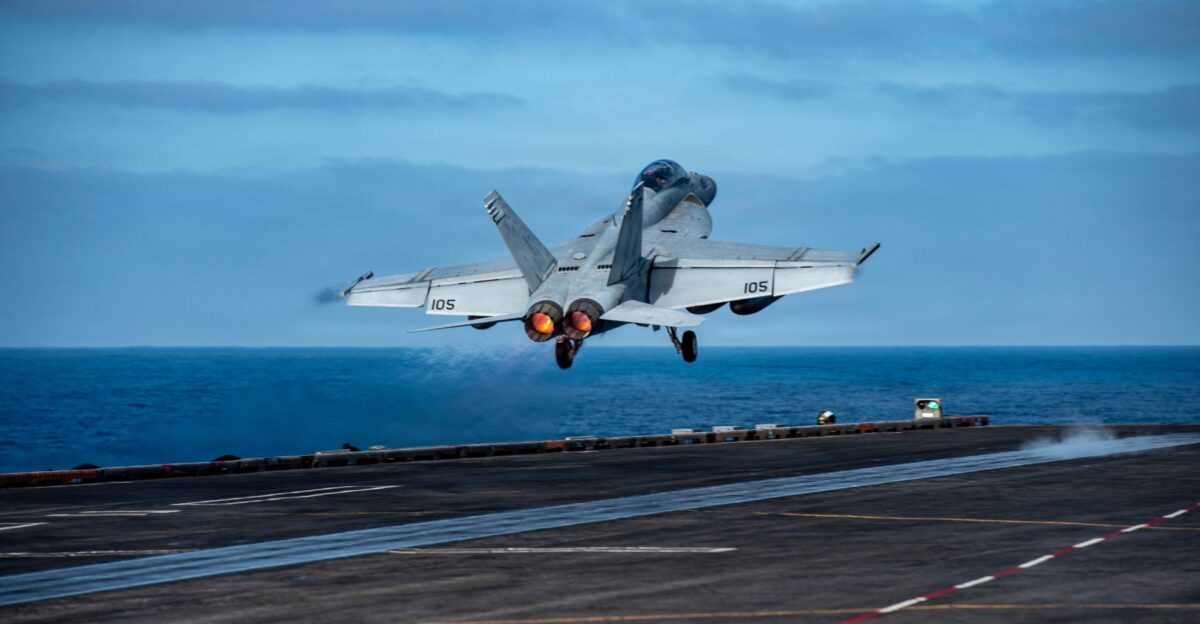
The flight took place against the backdrop of Operation Southern Spear, a U.S. military campaign in the Caribbean officially aimed at countering drug trafficking and what Washington describes as narco-terrorism networks. According to public reporting, the operation has involved more than 15,000 U.S. troops and a series of strikes on alleged drug traffickers and smuggling infrastructure in the region. The deployment of the USS Gerald R. Ford to the Caribbean, along with other naval and air assets, formed part of this broader effort.
U.S. officials say the campaign has disrupted major drug flows, with dozens of alleged traffickers reported killed in strikes and maritime interdictions. At the same time, the tempo and visibility of U.S. operations have unsettled governments and communities across the region. Fishing areas and coastal economies near targeted zones have been hit hard, and the cost of operating a supercarrier and its air wing runs into the millions. Venezuela’s government rejects U.S. allegations of links between senior officials and drug cartels and portrays Operation Southern Spear as a cover for coercive pressure on President Nicolás Maduro’s administration.
Venezuelan Alert and Airspace Incursion
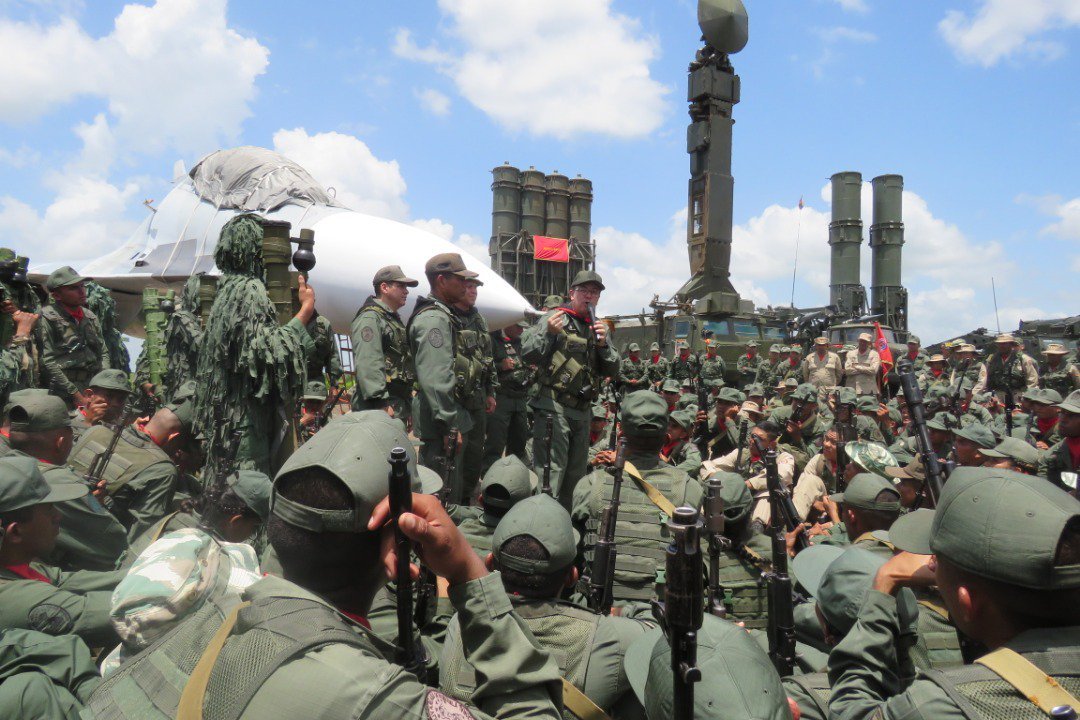
Weeks before the F-18s appeared near its shores, Caracas had ordered a nationwide security alert in response to the growing U.S. presence. President Maduro announced full readiness for 200,000 troops and mobilized Bolivarian militias across the country. Venezuela positioned Russian-supplied S-300VM surface-to-air missile batteries and deployed Su-30MK2 fighter jets to key bases, presenting these systems as a deterrent to any foreign intrusion.
On December 9, two F-18s from the Gerald R. Ford entered Venezuelan airspace over the Gulf of Venezuela, reportedly remaining inside the country’s air boundary for about 40 minutes. Data available on public tracking platforms showed the jets flying a precise bow-tie pattern that kept them near sensitive coastal and energy infrastructure. Thousands of Venezuelan users followed the flight paths in real time, sharing screenshots and location data as the aircraft looped over waters adjacent to Lake Maracaibo.
Despite the prior state of maximum alert and the presence of long-range air defenses, Venezuela did not scramble fighters or fire missiles at the U.S. jets. Analysts cited in open-source assessments suggested that Venezuelan authorities may have judged that engaging the aircraft risked rapid escalation with a far superior military power. The lack of response also highlighted gaps in readiness and raised new questions inside Venezuela about the practical ability of its forces to defend its airspace.
Oil Heartland and International Players
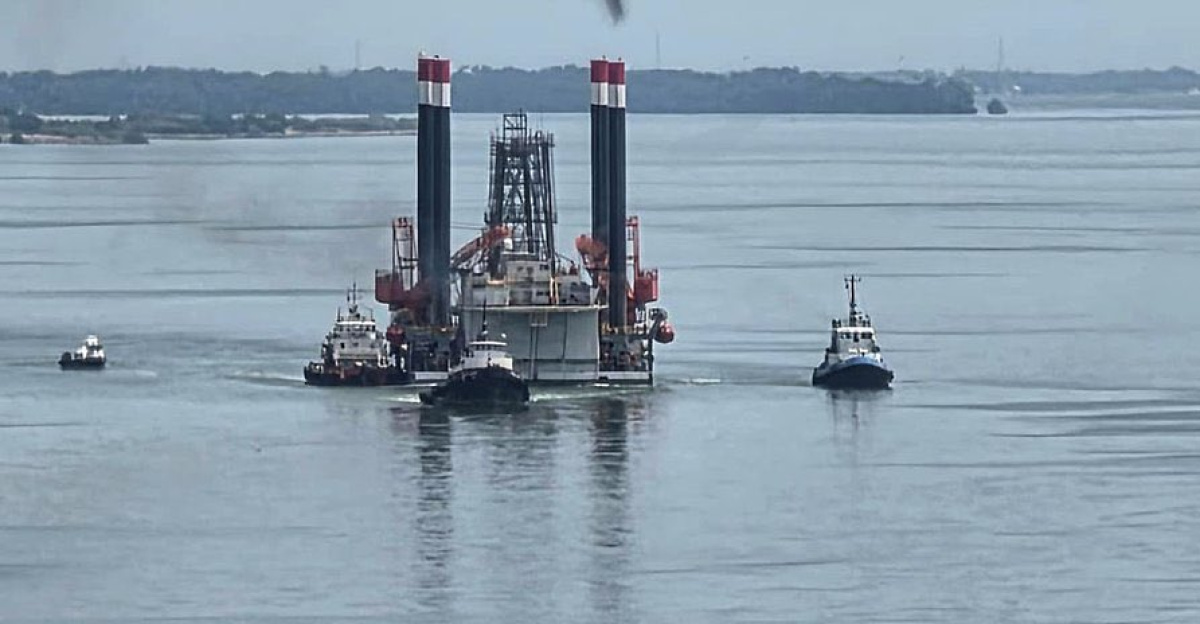
The U.S. flight profile drew particular attention because of its proximity to Lake Maracaibo, one of the world’s largest crude oil reserves and the traditional heartland of Venezuela’s petroleum industry. The region remains central to what is left of the country’s export earnings despite years of sanctions, mismanagement and declining production. A visible foreign military presence so close to these installations underscored their vulnerability and the possibility that future operations could threaten critical economic infrastructure, whether intentionally or as a result of miscalculation.
The confrontation over Venezuela is taking place in a crowded strategic environment. Russia has deepened its security cooperation with Caracas in recent years, providing weapons systems and political backing. Iran and China also have stakes in Venezuela’s energy sector and closely follow developments that could affect oil flows and investment. As U.S. forces interdict shipments and tighten control of maritime routes under the banner of counter-narcotics, rival powers view the Caribbean as a contested zone where influence and access are on the line.
Inside Venezuela, the government has leaned on loyalist militias as an auxiliary force, even as investigations and reporting have documented corruption, supply shortages and structural weaknesses across the armed forces. Maduro has kept tight control over senior military leadership while the United States has authorized covert measures aimed at pressuring his inner circle. These parallel dynamics feed speculation about regime stability and the potential for internal fractures, although no open split among top commanders has emerged.
Uncertain Path Ahead
Military planners in and outside the region generally assess that a large-scale ground invasion of Venezuela by the United States is improbable, given the size of the country, the strength of its conventional forces and the political costs of such a campaign. Instead, experts warn of a prolonged standoff marked by limited strikes, shows of force and countermoves at sea, in the air and in the information domain. Venezuelan strategists have signaled a focus on asymmetric tactics and selective counterstrike planning, hoping to raise the cost of any attack and deter further U.S. escalation.
As Operation Southern Spear continues, each incident in or near Venezuelan airspace carries the risk of misreading intentions. A decision by either side to engage, rather than observe, could quickly turn a monitoring mission or patrol into a firefight. For now, the December incursion ended without shots fired. But with major powers watching closely, vital oil infrastructure at risk and competing narratives about drugs, sovereignty and security in play, the Caribbean remains a volatile flashpoint. Whether future encounters follow the pattern of restraint or slip into open confrontation will shape not only U.S.-Venezuela relations but also the broader balance of power in the region.
Sources
The Soufan Center – U.S. Launches Operation Southern Spear (November 14, 2025)
WLRN – U.S. Fighter Jets Briefly Enter Venezuelan Airspace (December 9, 2025)
BBC News – Venezuela’s Maduro Says US ‘Fabricating War’ (October 24, 2025)
Wikipedia – 2025 United States Military Strikes on Alleged Drug Traffickers (December 15, 2025)
Foundation for Defense of Democracies – US Deploys Carrier, Issues Airspace Warning, Seizes Oil Tanker in Latest Caribbean Escalation (December 10-11, 2025)