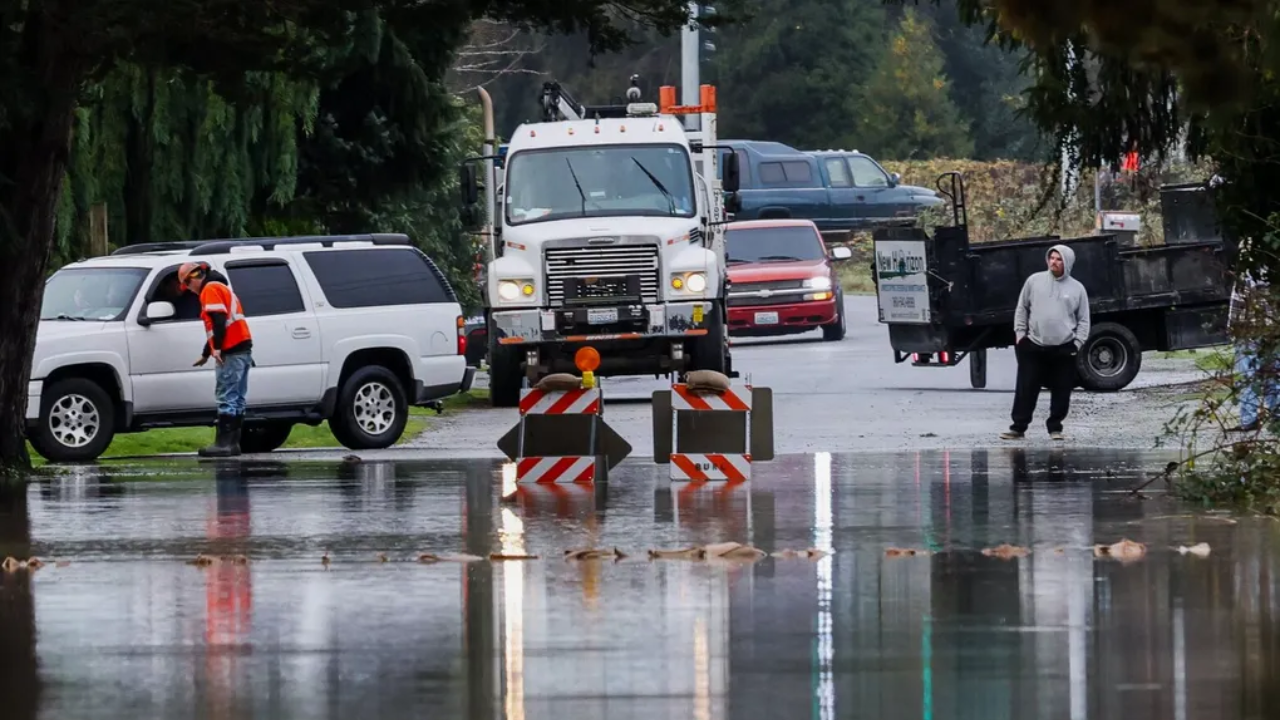
Relentless rain turned deadly along Washington’s Green River on Monday, December 15, 2025, when the Desimone Levee failed around 11:30 a.m. and sent a surge of water into King County. The breach triggered a flash flood emergency affecting more than 46,000 people initially, though the hazard zone was later narrowed to approximately 7,000 residents in low-lying areas. The failure inundated nearby commercial and industrial zones within hours. Residents received sirens and phone alerts warning them to evacuate, while emergency crews rushed to assess the damage and stabilize the levee. With more heavy rain forecast, officials warned that additional failures remained possible and that river levels could rise again.
Atmospheric River Drives Extreme Rainfall
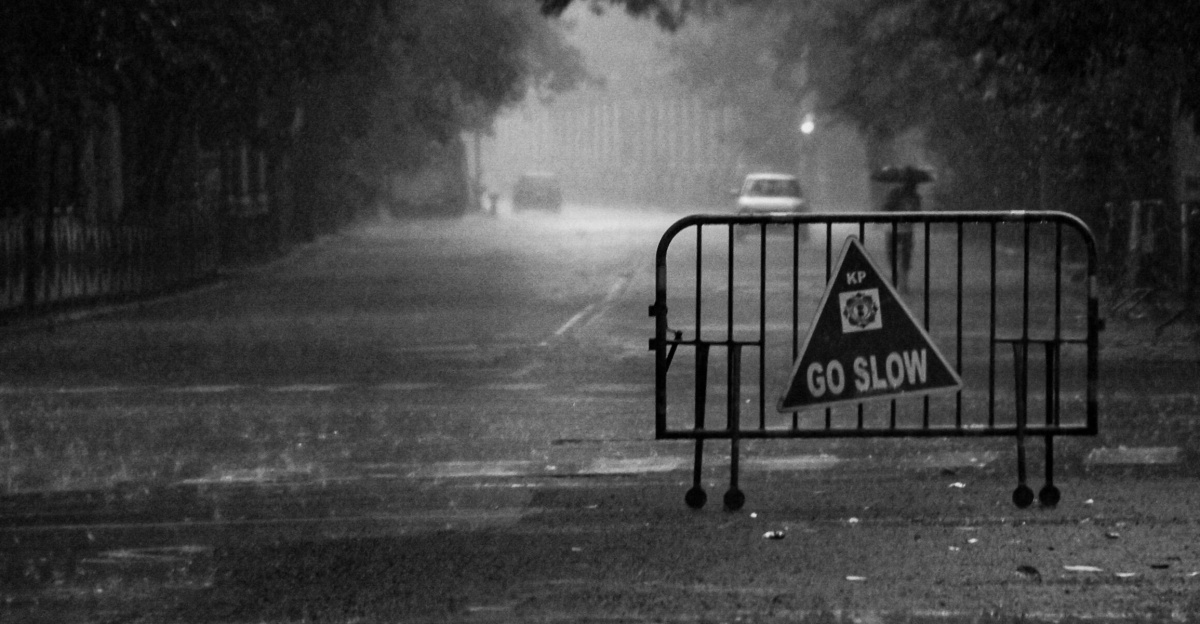
The failure of the Desimone Levee followed days of intense precipitation linked to a “Pineapple Express”–type atmospheric river funneling moisture from the subtropics into the Pacific Northwest. Already saturated soils and elevated river flows left little capacity for additional runoff, increasing strain on flood-control structures along the Green River. Forecasters said as much as a foot of additional rain could fall over the region in the coming days, maintaining a heightened flood threat even after emergency crews carried out temporary levee repairs. The National Weather Service continued to monitor river gauges closely, issuing updated warnings as conditions evolved.
Evacuations, Closures, and Economic Fallout
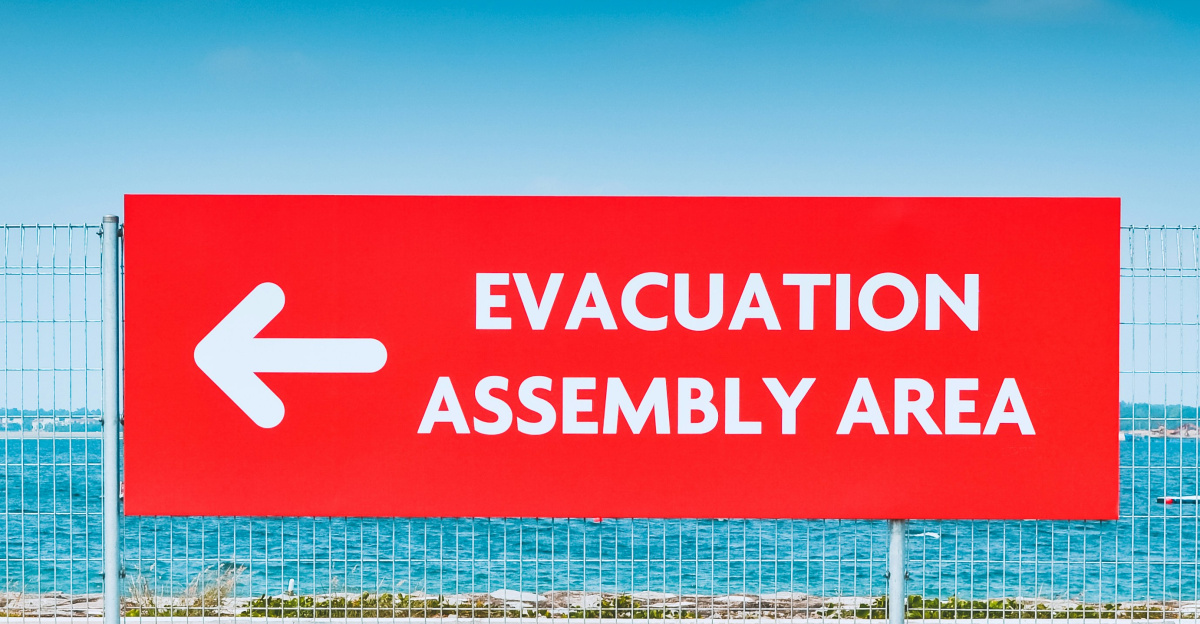
As water levels climbed, authorities issued Level 3 “Go Now” evacuation orders for low-lying areas east of the Green River, including parts of Tukwila, Kent, Renton, and the Orillia area. Two schools and one hospital fell within the initial hazard zone, complicating emergency planning and forcing rapid coordination to protect patients and students. The evacuation alert was lifted by evening after crews shored up the breach with sandbags and other materials, though officials cautioned that the system remained fragile. Authorities noted that the flooding affected predominantly industrial and commercial areas, with minimal residential neighborhood impact.
The flooding forced the shutdown of many commercial and industrial facilities along the river. Warehouses, factories, and distribution centers reported water damage that halted operations and threatened inventories and equipment. With roads blocked by high water, trucks serving ports and logistics hubs around Seattle faced detours and delays. State Route 167 was closed over a six-mile span between Kent and Auburn. Closures near the Green and White Rivers disrupted key transportation corridors, creating bottlenecks that rippled through local supply chains. Businesses in the area now face repair costs, potential layoffs, and weeks or months of reduced activity as they work to resume normal operations.
Emergency Response, Fatalities, and Public Health Concerns
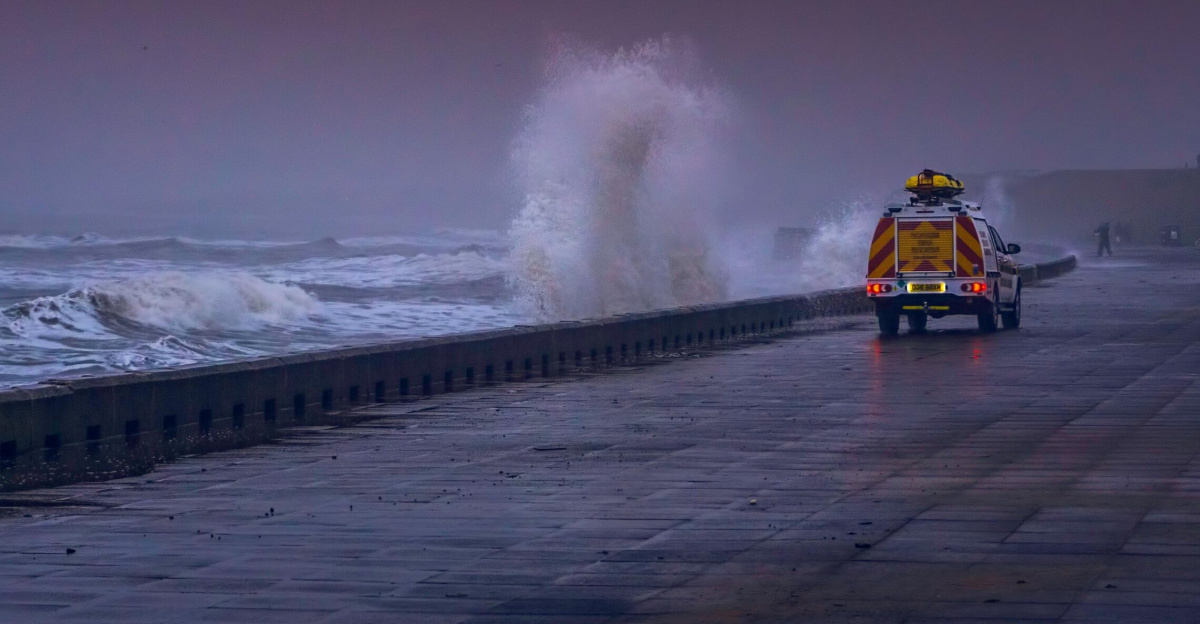
The rising water quickly became a public safety crisis. In Snohomish County, north of King County, a 33-year-old driver died early Tuesday morning around 1:30 a.m. on December 16 after driving past road closure signs at Lowell Larimer Road and Marsh Road. The vehicle entered a flooded ditch containing approximately six feet of water in the 6600 block of Marsh Road, underscoring repeated warnings not to drive through standing water. Despite rescue efforts, the driver was pronounced dead at the scene. This marked the first confirmed flood-related death in the event. Search-and-rescue teams continued to check isolated homes and vehicles, responding to calls from people cut off by floodwaters or trapped in low-lying neighborhoods.
Local hardware outlets reported a rush on sandbags, pumps, generators, and temporary barriers as residents and business owners tried to protect properties from further damage. Emergency shelters opened with support from organizations such as the Red Cross, including locations at the Auburn Community and Event Center and Ray of Hope Shelter in Auburn, taking in families whose homes were flooded or who evacuated as a precaution.
Health officials warned of the risks posed by contaminated standing water, including mold growth and exposure to pollutants and sewage. Hospitals in threatened zones prepared contingency plans and, in some cases, adjusted operations as rivers approached their facilities. Emergency managers stressed that people cleaning up after the flood should use protective gear and watch for respiratory problems and other signs of illness linked to damp, contaminated environments.
Infrastructure Strain and Long-Term Recovery
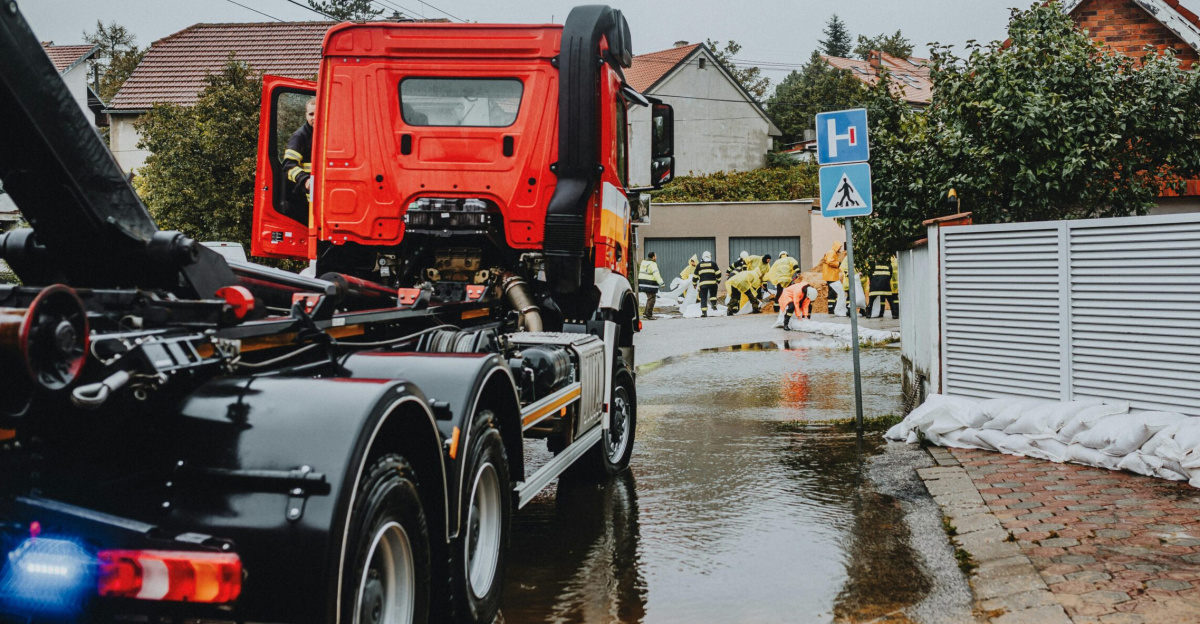
The Desimone Levee failure renewed scrutiny of the region’s flood defenses. The structure was significantly damaged during flooding events in 2020, with permanent repairs not scheduled for completion until 2031. The temporary repairs represent an interim measure intended to hold only until long-term reconstruction could be undertaken. Officials and residents alike are now debating how to strengthen levees, pump stations, and drainage networks as climate change contributes to more frequent and intense rain events.
King County’s emergency management staff worked continuously through the crisis, coordinating with state agencies and seeking federal assistance. The Governor’s office activated state resources and the National Guard, while federal authorities evaluated requests for disaster declarations and funding. Regional agencies are collaborating across county lines as they manage flooding on interconnected rivers and tributaries.
As waters gradually recede, local governments are beginning to assess the full extent of damage to levees, roads, bridges, public buildings, and private property. Repairing flood-control structures and restoring transportation links will require substantial spending and months of construction. Businesses will need support to reopen and rehire, while homeowners face the cost of rebuilding and mitigating against future floods.
Looking ahead, planners and policymakers are discussing broader resilience strategies, including improved water management systems, updated zoning and building standards in flood-prone areas, and expanded early-warning capabilities. Residents in vulnerable zones are being urged to remain alert to forecasts, clear drains, secure valuables, and act immediately on any future evacuation instructions. The region’s recovery and preparation efforts in the coming months will help determine how well communities along the Green River withstand the next major storm.
Sources:
“New Evacuations Ordered After Levee Failures.” The Weather Channel, December 15, 2025.
“Crews use sandbags to shore up levee breach near Seattle after failure prompts flood warning.” NBC News, December 16, 2025.
“Green River levee fails; flash flood warning ends in Tukwila.” The Seattle Times, December 15, 2025.
“Man drowns after driving onto flooded road near Snohomish.” The Seattle Times, December 16, 2025.