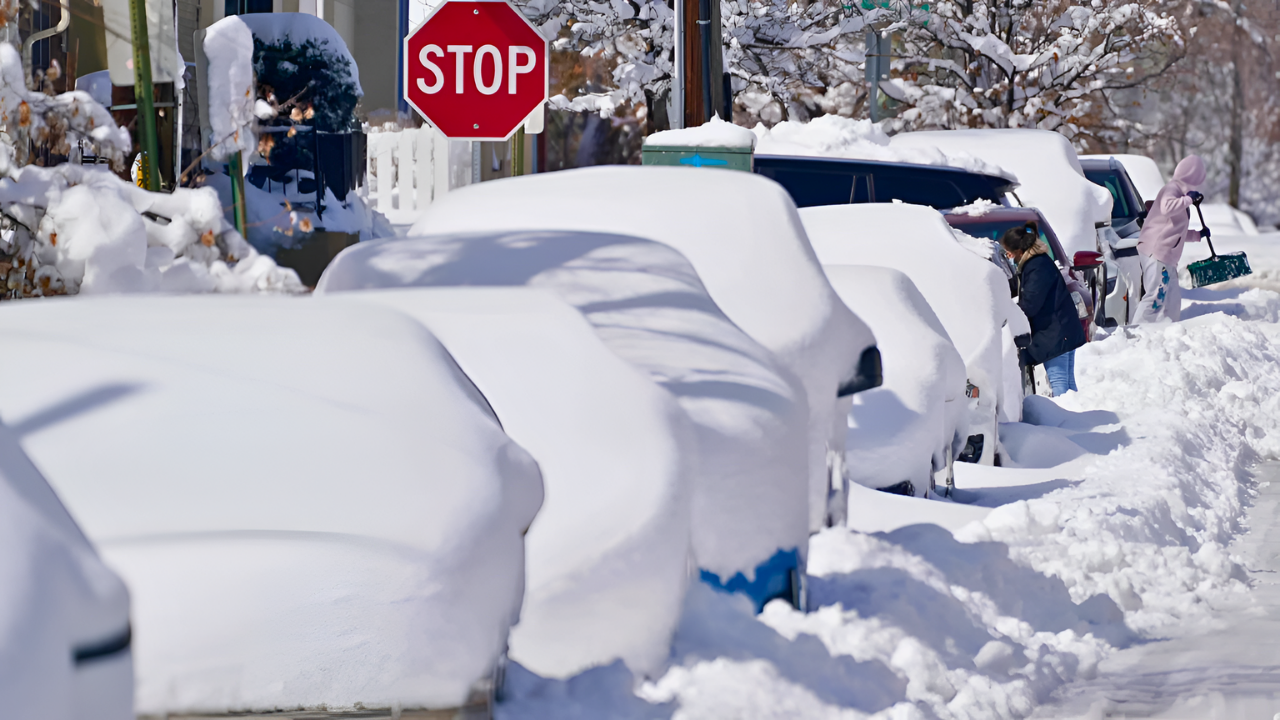
Seventy million Americans faced historic Arctic cold on Monday, December 15, 2025. The polar vortex—the ring of Arctic air around the North Pole—weakened and split apart, sending frigid air south. From Detroit to Philadelphia, wind chills dropped into single digits overnight.
Temperatures fell 20-30 degrees below normal. The National Weather Service issued Extreme Cold Warnings across 24 states. Frostbite could occur within 15-30 minutes. This ranked among the most severe early-December cold events ever recorded.
Schools Lock Doors Across Six States
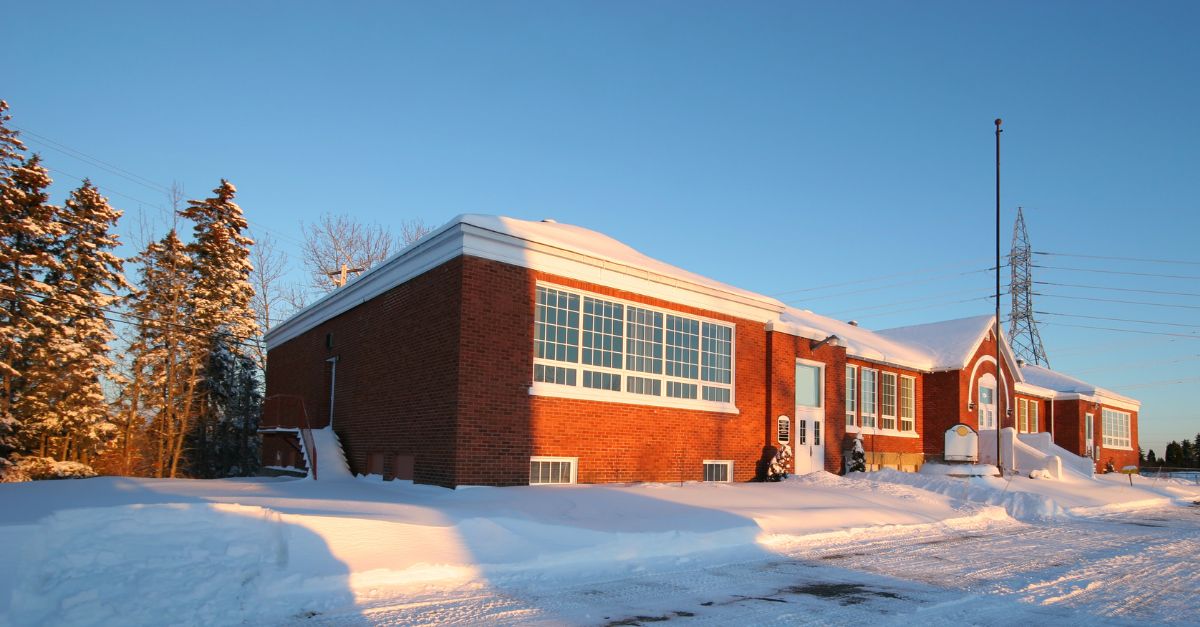
School administrators made fast decisions Monday morning: close schools or delay openings. Philadelphia Public Schools announced a two-hour delay to allow road crews to treat black ice. Pittsburgh did the same. Cincinnati Public Schools closed completely.
In central Ohio alone, over 100 school districts shut down or switched to online learning. West Virginia closed or delayed schools in 38 counties. Indiana’s Indianapolis-area districts moved to online classes. Students stayed home across the entire region.
The Refreeze Catastrophe
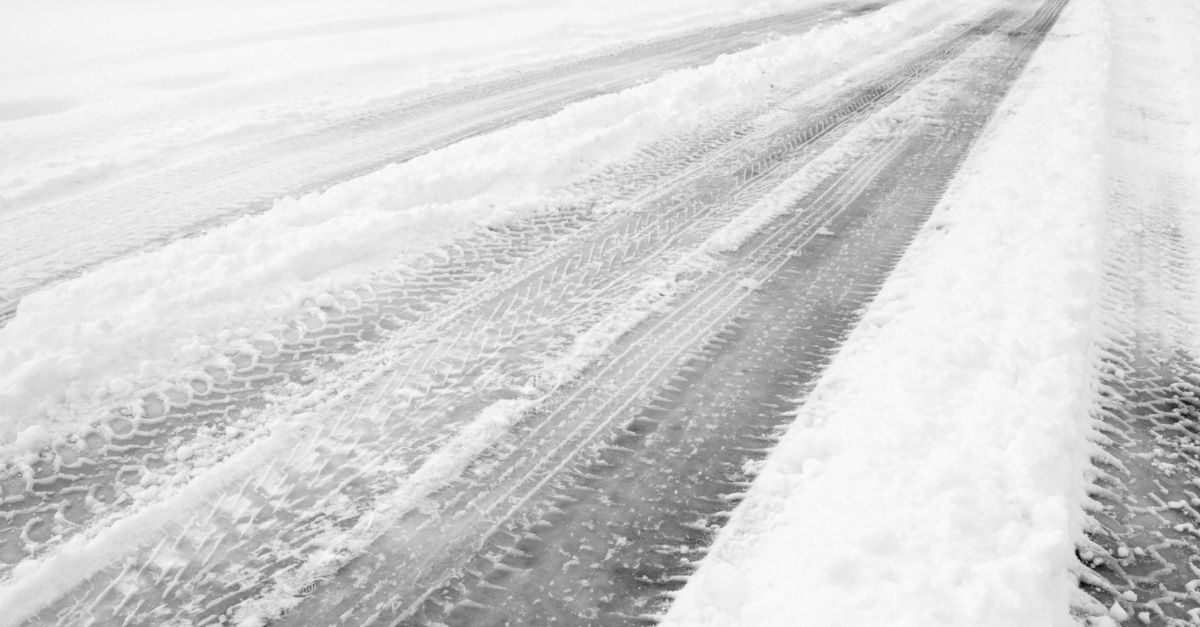
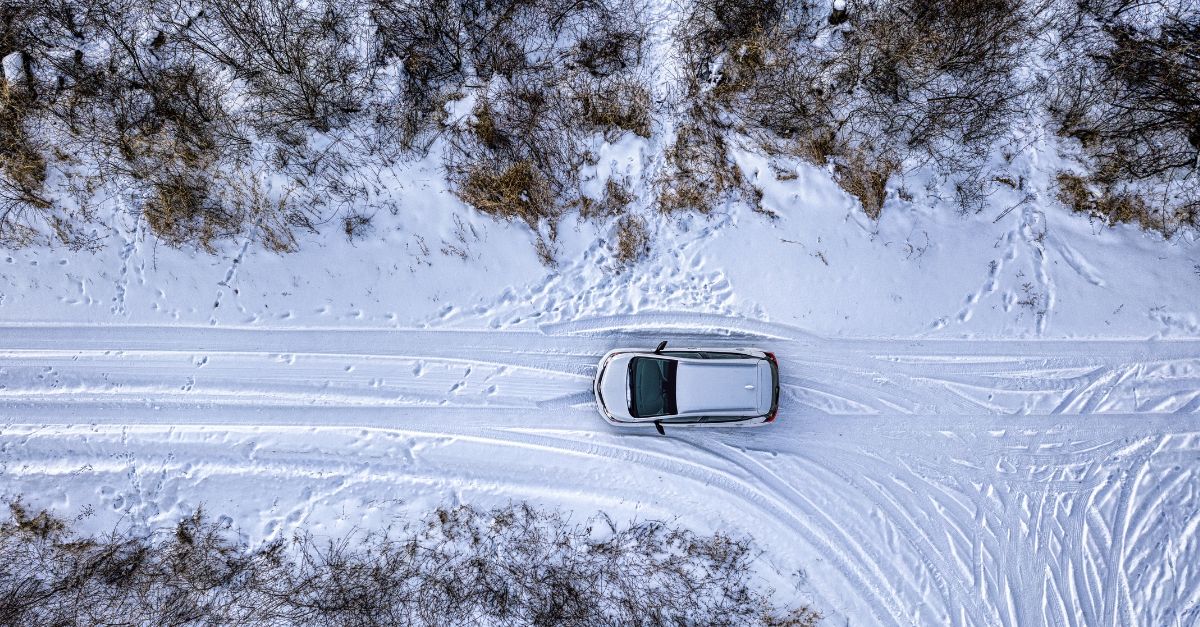
Sunday’s winter storm dumped 4 to 7 inches of snow across central Ohio and the Mid-Atlantic. Then the Arctic blast arrived, freezing everything solid. Slush and water on highways turned into dangerous black ice overnight.
Local meteorologists warned that snow, freezing temperatures, and 15-20 mph winds created hazardous travel conditions. Road crews worked all night but were unable to treat all major highways. Schools didn’t close because of snow—they closed because roads would stay dangerous.
Wind Chills Reach Historic Lows
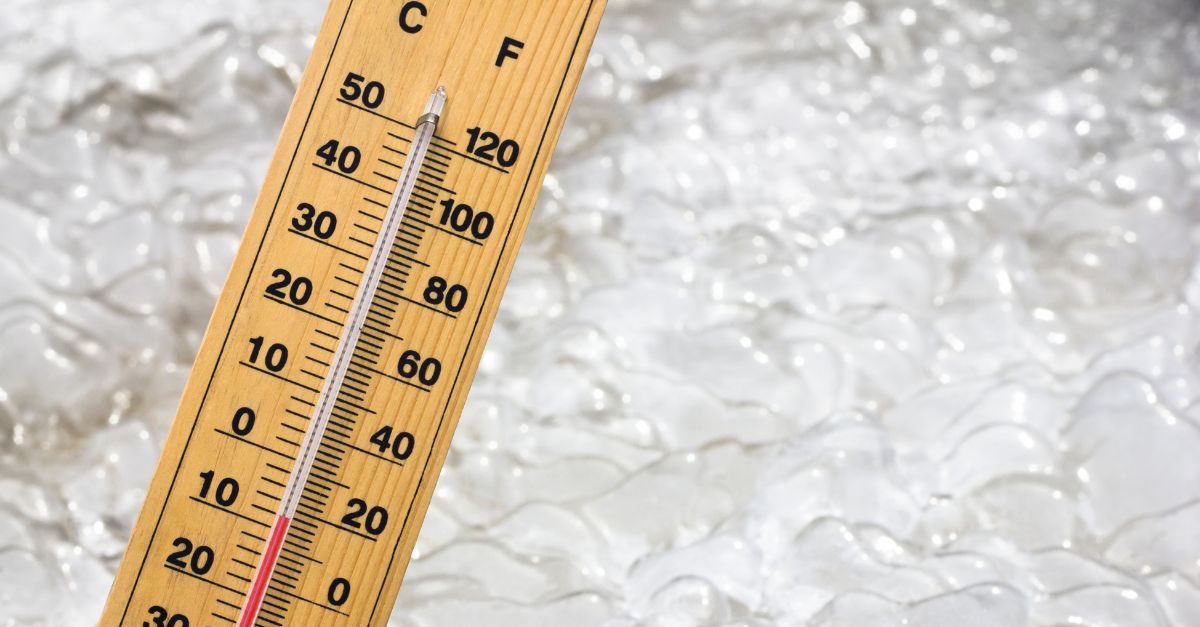
Indianapolis issued its first Extreme Cold Warning on Monday morning. Wind chills dropped to -25 degrees Fahrenheit. Across the Midwest and Northeast, wind chills fell into single digits and teens. The National Weather Service warned that exposed skin could freeze in under 30 minutes.
Detroit opened warming centers. New York, Baltimore, and Washington, D.C. opened shelters for homeless people. Meteorologists compared conditions to those of the Arctic Ocean, noting that wind chills reached near-polar levels.
The Main Event: Mass School Disruption Confirmed

At least nine U.S. states closed or delayed schools on December 15, 2025. Over 100 school districts in Ohio and Indiana alone made changes. Philadelphia (2-hour delay), Pittsburgh (2-hour delay), and Cincinnati (closed) led the way.
Dozens of rural districts across seven states either closed or switched to remote learning. The Arctic blast and black ice forced coordinated action across the entire region. This ranked as one of the widest single-day school disruptions in modern history.
Philadelphia Families Face Childcare Chaos
The Philadelphia region has over 2 million public school students. The two-hour delay disrupted morning schedules. Parents scrambled to arrange childcare fast. Lower Merion, Coatesville, and a dozen other districts also announced closures or delays.
Single parents and working families faced unexpected costs and missed work hours. The Catholic Archdiocese of Philadelphia delayed the opening of all archdiocesan high schools and parish elementary schools. Roughly 150,000 families in greater Philadelphia and Pittsburgh scrambled for last-minute childcare solutions.
Rural Routes Become Impassable
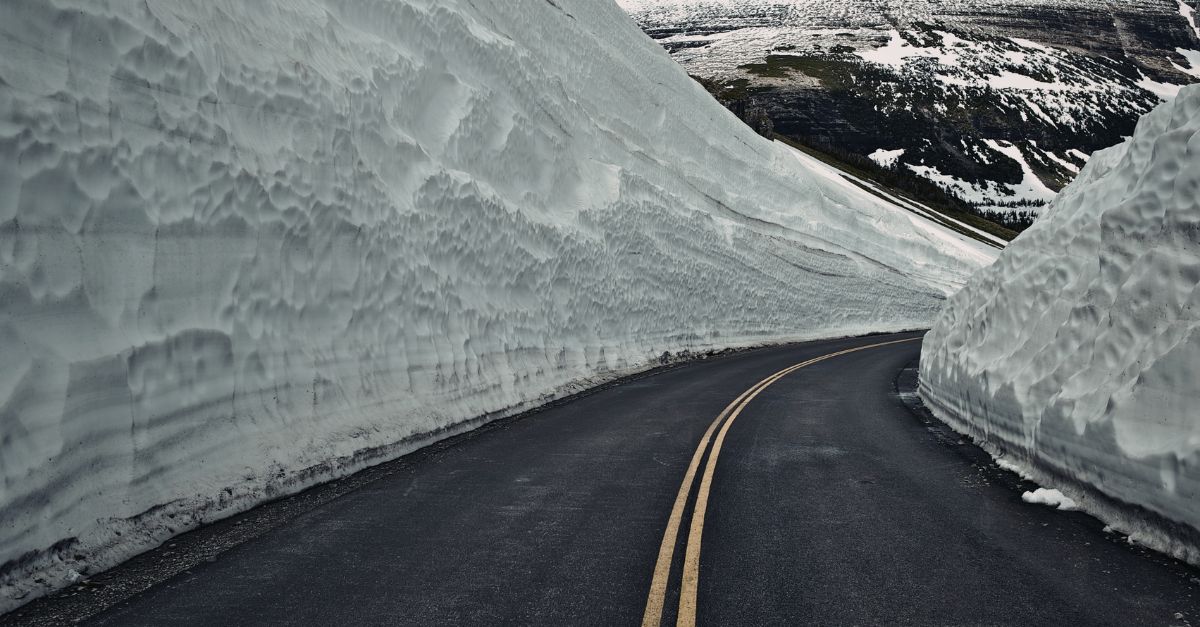
Rural West Virginia and eastern Ohio faced worse conditions than cities. Nicholas County, Wyoming County, and Monroe County Schools all closed completely. Greenbrier, McDowell, and Summers counties delayed school by three hours. Rural school buses travel unpaved mountain roads.
When wind chills hit -19 degrees, and roads froze solid, even treated highways became unsafe. Bus drivers reported dangerous secondary roads. Administrators closed schools entirely rather than risk children’s safety during pickups and drop-offs.
National Weather Service Coordination
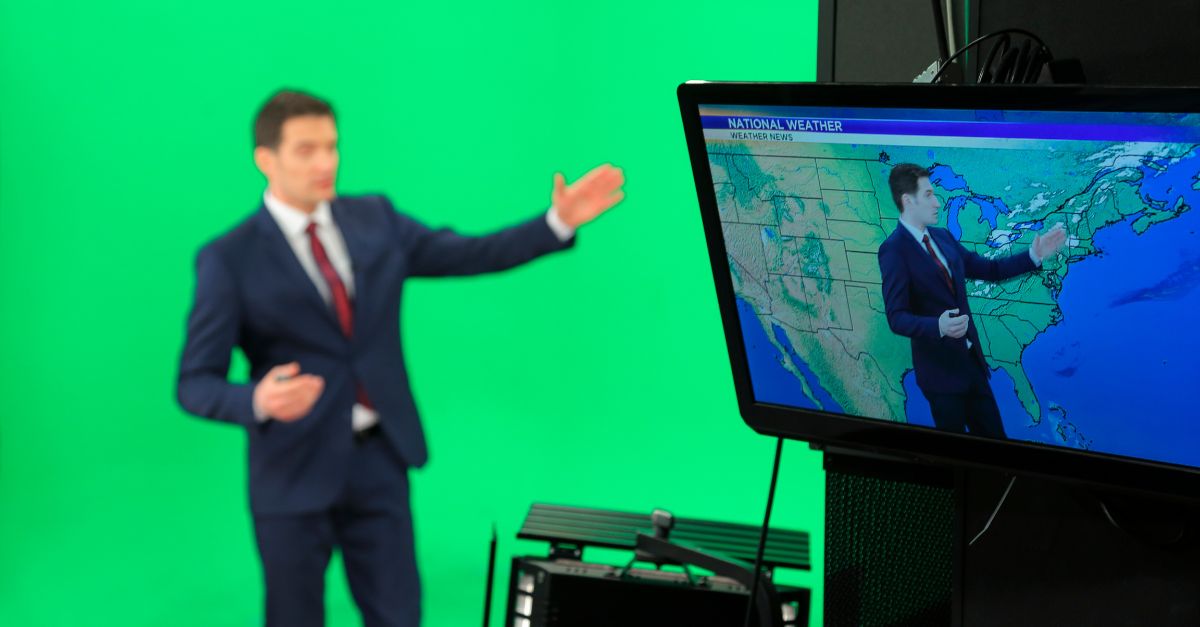
The National Weather Service issued coordinated warnings across 122 regional offices. The Pittsburgh NWS office warned: “Wind chills will be dangerously cold—well into single digits to near zero Sunday night into Monday morning.”
Philadelphia cautioned that “frostbite develops within minutes of exposed skin.” All offices sent the same message: “Stay inside until conditions improve.” This wasn’t casual advice—it was a federal directive. Schools responded by aligning their closures with the NWS’s guidance and recommendations.
Macro Impact: 70 Million Under Alerts
Over 70 million Americans faced Cold Weather Alerts, Wind Chill Advisories, or Extreme Cold Warnings. This represented roughly 21 percent of the U.S. population under life-threatening cold alerts. The Arctic blast swept from the Rockies to the Atlantic Coast.
FOX Weather meteorologists indicated that Monday could become the coldest day of 2025, considering wind chills. Disruption spread beyond schools to include missed work, flight delays, and increased power demands. Heating companies reported record-breaking demand across Ohio, Pennsylvania, and Indiana.
The Secondary Consequence: Transportation Grid Paralysis
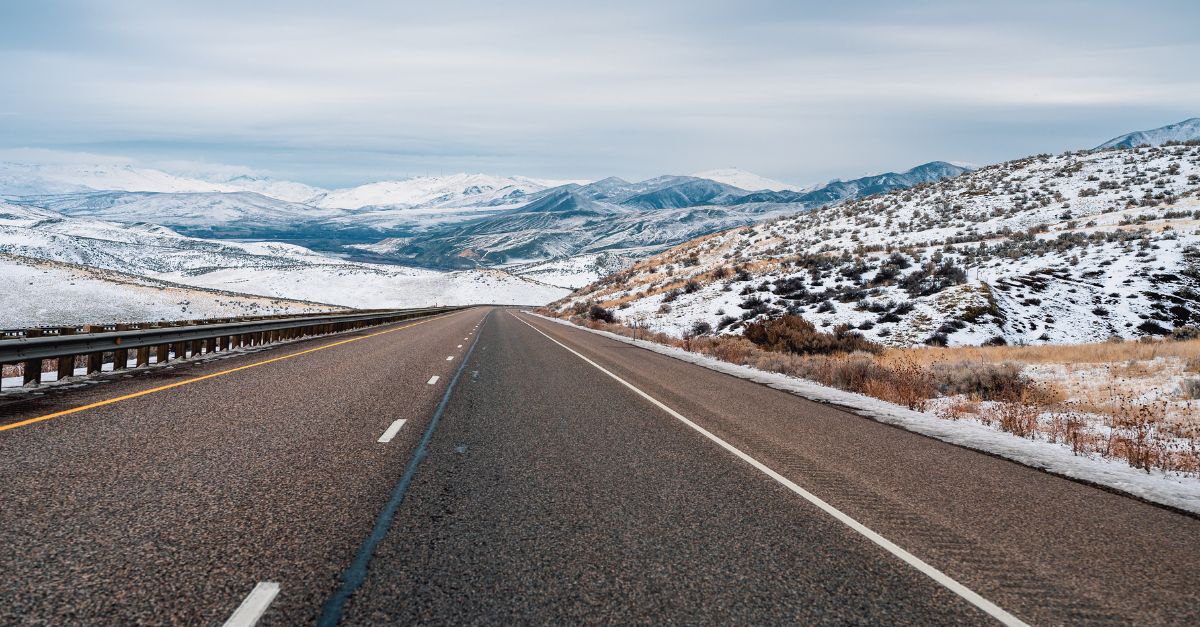
Schools weren’t the only victims. The American transportation system nearly came to a standstill. Commercial trucks stopped moving on Interstate 70, Interstate 81, and Interstate 95 through Pennsylvania, Ohio, and Virginia. Flight delays hit Pittsburgh, Philadelphia, and Columbus airports.
Public transit agencies opened warming shelters for homeless people at stations. Delayed shipments, missed meetings, and stranded travelers disrupted supply chains and commerce. This transportation collapse showed how weather decisions ripple through logistics, shipping, and business networks.
Superintendent Frustration and Uncertainty

School administrators faced impossible choices Monday morning. Cincinnati picked full closure—safe but extreme. Philadelphia chose a two-hour delay—a middle ground that still disrupted routines.
Superintendents juggled pressure from NWS warnings (demanding caution), parent complaints (questioning delays), and staff (needing certainty). One central Ohio superintendent told local media: “We make real-time calls based on 5 a.m. road reports. No perfect answer exists.” The tension between safety rules and daily operations created stress across district leadership.
E-Learning Day Implementation Challenges

Over 100 school districts in Ohio and Indiana switched to online classes. Problems emerged fast. Not all students had reliable home internet. Teachers rushed to convert lessons into video conferences. Special education services—requiring in-person help—got cancelled.
Millions of students lost free breakfast and lunch. Rural districts lacked strong broadband, making online learning impossible. A few districts abandoned online plans midday when the internet crashed. Remote learning is effective in wealthy suburbs but struggles in rural and low-income communities.
National Weather Service Validation
By midday Monday, the National Weather Service proved accurate. Wind chills hit forecasted levels. Traffic accidents increased. Emergency rooms saw frostbite patients. Federal meteorologists had coordinated a safety response 48 hours ahead.
Schools and emergency officials relied on NWS guidance to justify closures. Accurate forecasts justify why weather predictions anchor public safety decisions. When NWS warned of “deadly cold,” leaders listened. No districts discovered mid-morning that they’d overreacted; no surprise thaws occurred.
Forecaster Skepticism and Model Uncertainty
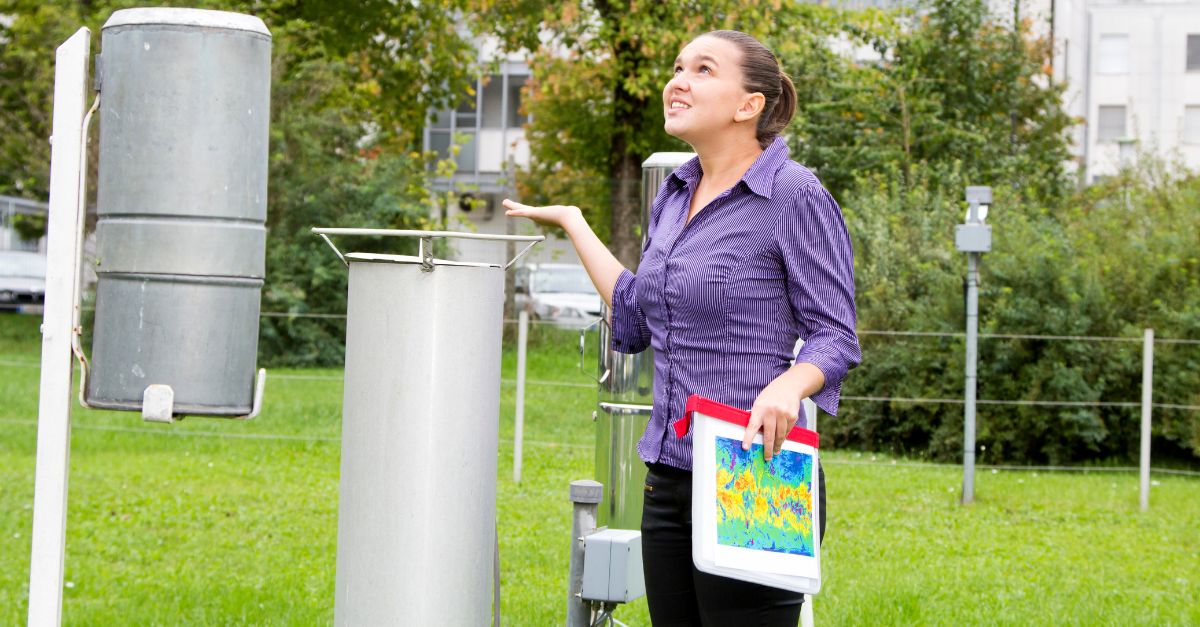
Despite their success, meteorologists harbored doubts about the accuracy of forecast models. Polar vortex disruptions involve chaotic physics—tiny changes produce wildly different results. One NWS meteorologist noted that computer models disagreed through Friday, December 12th, only matching 48-72 hours before the event.
Late agreement meant early warnings carried built-in uncertainty. If models had shifted, closures might have seemed too cautious. Forecasters face pressure for certainty while navigating irreducible uncertainty. Schools can’t compromise—they close or stay open.
Winter’s New Reality and Questions Ahead

As December 15 ended, families entered their second day of Arctic confinement. Tuesday’s forecast offered little relief. Schools faced new closure decisions. A bigger question loomed: Is this becoming normal? Climate scientists attribute increasing polar vortex disruptions to Arctic warming and shifts in the jet stream.
This single event reflects a broader shift in the climate. Public discussion rarely acknowledges this pattern. Schools will reopen soon. However, 70 million Americans under deadly cold alerts suggest that seasonal expectations are shifting—challenging infrastructure designed for historical weather patterns.
Sources:
- Jagran Josh, List of School Closings and Delays Today Dec 15 2025, Dec 15 2025
- FOX Weather, Polar Vortex blankets eastern US with extreme arctic air, Dec 15 2025
- Newsweek, List of Schools Closed on Monday—Due to Severe Winter Weather, Dec 15 2025
- National Weather Service, Winter Storm Warnings and Wind Chill Advisories – Multiple Regional Offices, Dec 15 2025
- Wikipedia, December 13–15, 2025 North American winter storm, Dec 15 2025
- CBS Philadelphia, School closings delayed openings in Philadelphia area, Dec 14 2025