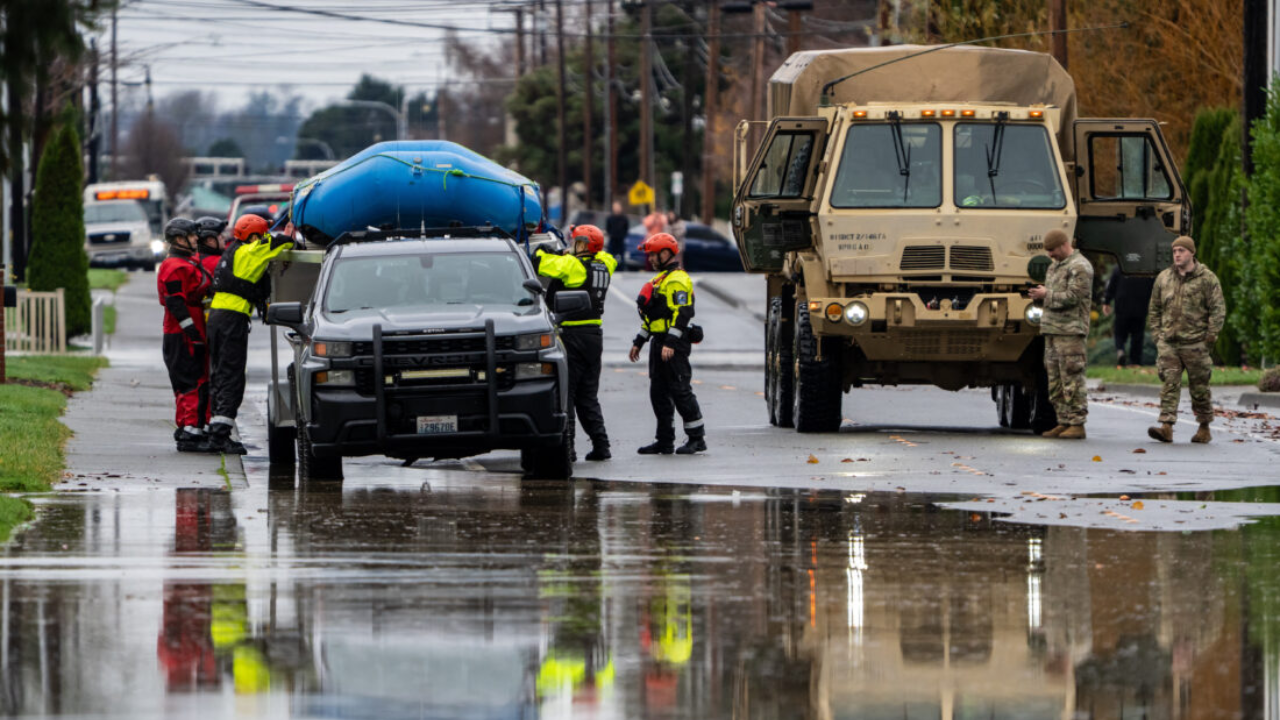
Floodwaters rise at an alarming rate, swallowing commercial and industrial facilities in a matter of hours. On December 15, 2025, the Desimone Levee along the Green River, stretched to its limits by days of torrential rain, finally gave way. The breach sent a devastating surge of water into King County, triggering a flash flood emergency that threatened over 46,000 people.
As sirens wailed, emergency alerts blasted through the area, urging residents and businesses to evacuate immediately, while occupants scrambled to find higher ground. But the situation was just beginning to unfold. With more rain expected, the region braces for even worse. What happens next could be catastrophic. How much longer will the levees hold?
Pineapple Express Brings Unrelenting Rain
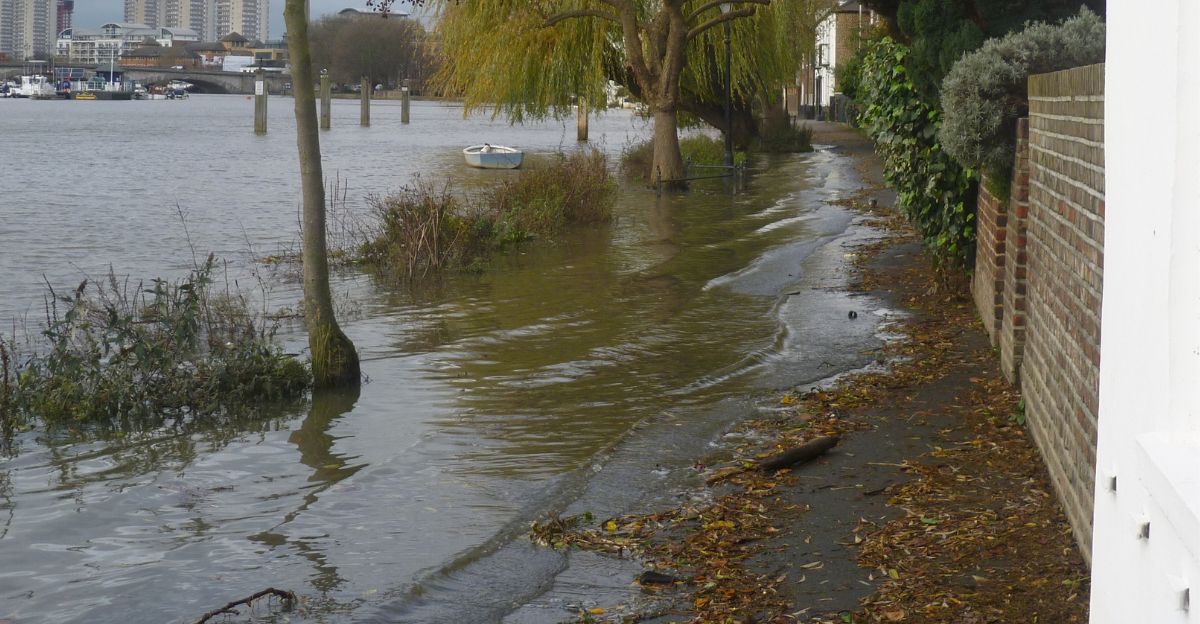
The levee failures were fueled by the Pineapple Express, an atmospheric river pushing intense rainfall into the region. Already saturated soils from prior rainstorms led to the levees’ collapse.
Experts warn that up to 12 inches of rain could fall in the coming days, further stressing the region’s infrastructure. This powerful storm system is expected to bring continuous rain, exacerbating the flooding threat.
Evacuation Orders in High-Risk Zones
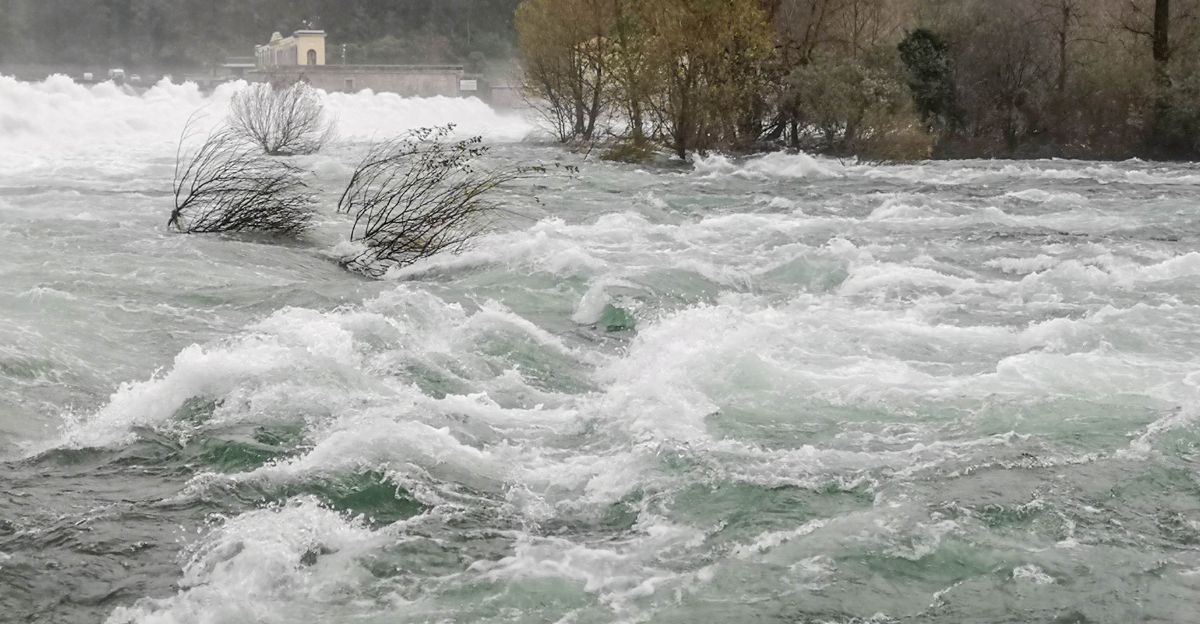
As floodwaters rise, Level 3 “Go Now” evacuation orders were issued for residents and businesses east of the Green River in the Orillia area, including parts of Tukwila, Kent, and Renton. These evacuation alerts were triggered by rapidly rising waters, forcing residents and business operators to seek higher ground.
The National Weather Service reported that the breach put two schools and one hospital in the initial hazard zone, further complicating emergency response. Temporary repairs on the Desimone Levee allowed evacuation alerts to be lifted by evening, but the threat remains.
Business and Commercial Disruptions
Commercial and industrial businesses along the Green River in the affected areas have been forced to shut down due to the rising floodwaters.
Business facilities are dealing with water damage, halting operations. With roads closed and supply routes disrupted, businesses face significant financial setbacks. The impact of this flooding ripples through the local economy, making recovery efforts more urgent.
Emergency Supplies Fly Off the Shelves
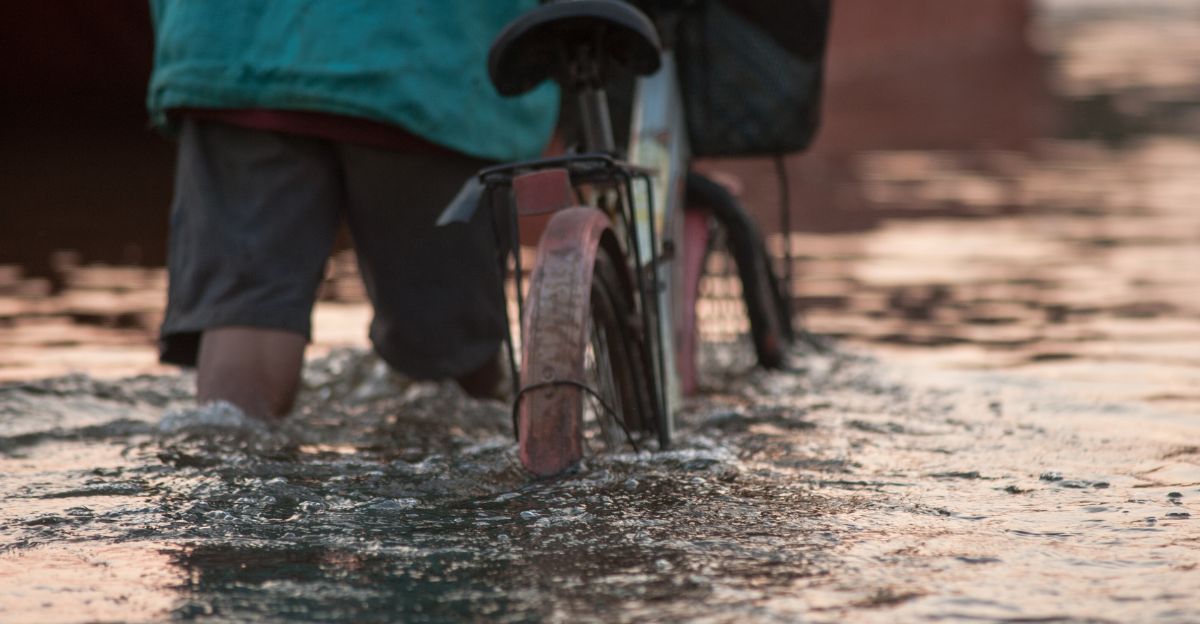
In response to the escalating flood risk, hardware stores have seen a surge in demand for sandbags, generators, and water pumps.
The public is gearing up for more severe weather, purchasing flood barriers and supplies for home protection. This rush for emergency supplies reflects the growing concern over future flooding and the need for immediate flood control measures in flood-prone areas.
Transportation Routes Severely Affected

Key transportation routes near the Green and White Rivers have been closed due to rising floodwaters. Trucks from Seattle’s ports face significant delays as highways become impassable.
These closures are creating severe bottlenecks in the local supply chain, affecting deliveries and daily operations across western Washington. Road damage may extend the recovery period, prolonging the economic impact.
Fatalities and Rescue Operations Underway
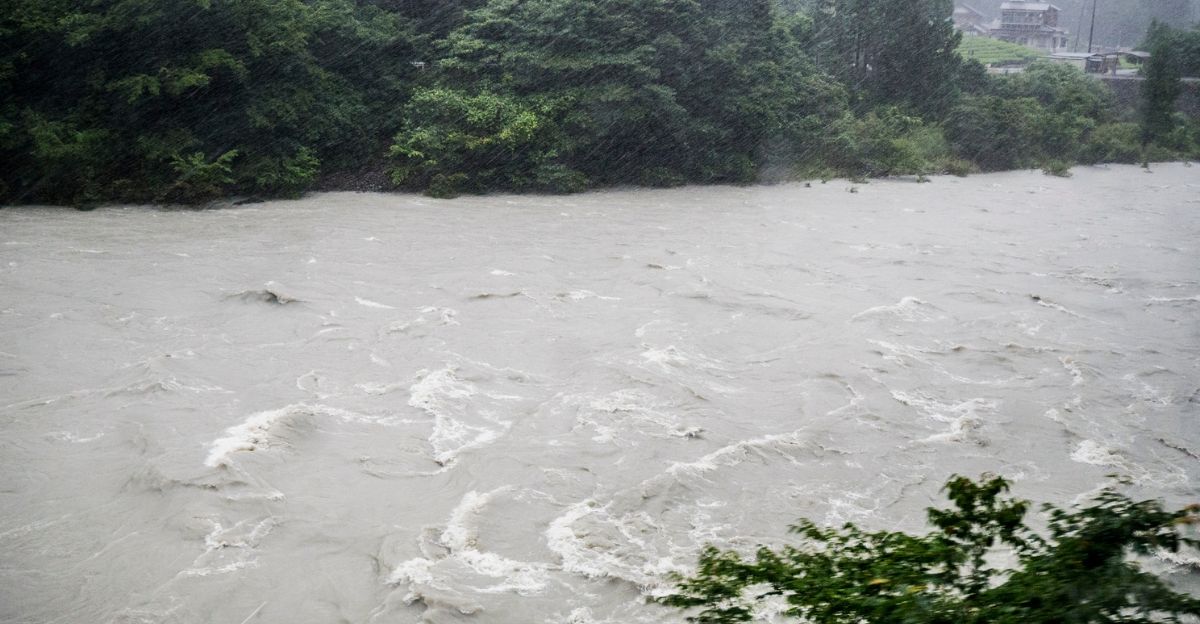
As floodwaters surged, tragedy struck when a driver in Snohomish County drowned after driving into floodwaters on December 16.
Emergency response teams continue to carry out search-and-rescue missions as more people find themselves trapped by rising waters. The toll on both human lives and the emotional well-being of affected families remains a primary concern.
Government’s Response to the Disaster
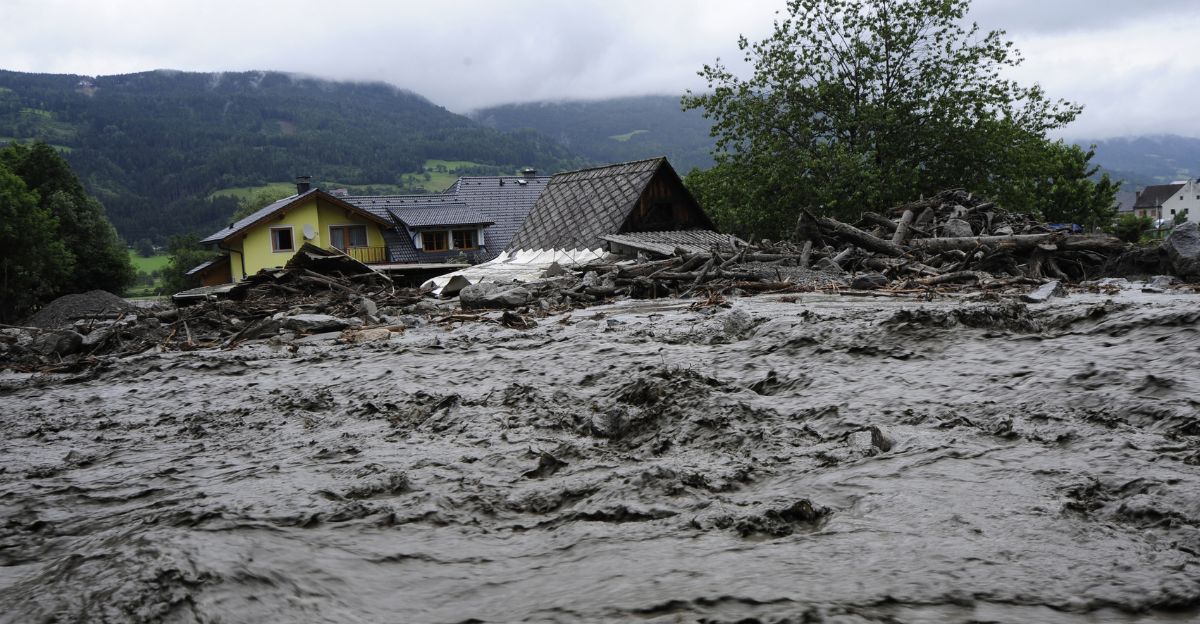
King County’s emergency management team has been working around the clock, issuing evacuation alerts and coordinating with federal agencies for aid. The Governor’s office has activated state resources, and federal disaster assistance is being sought.
The National Weather Service is closely monitoring river conditions as the region braces for further rainfall, pushing officials to respond quickly to protect public safety.
Long-Term Recovery in Focus
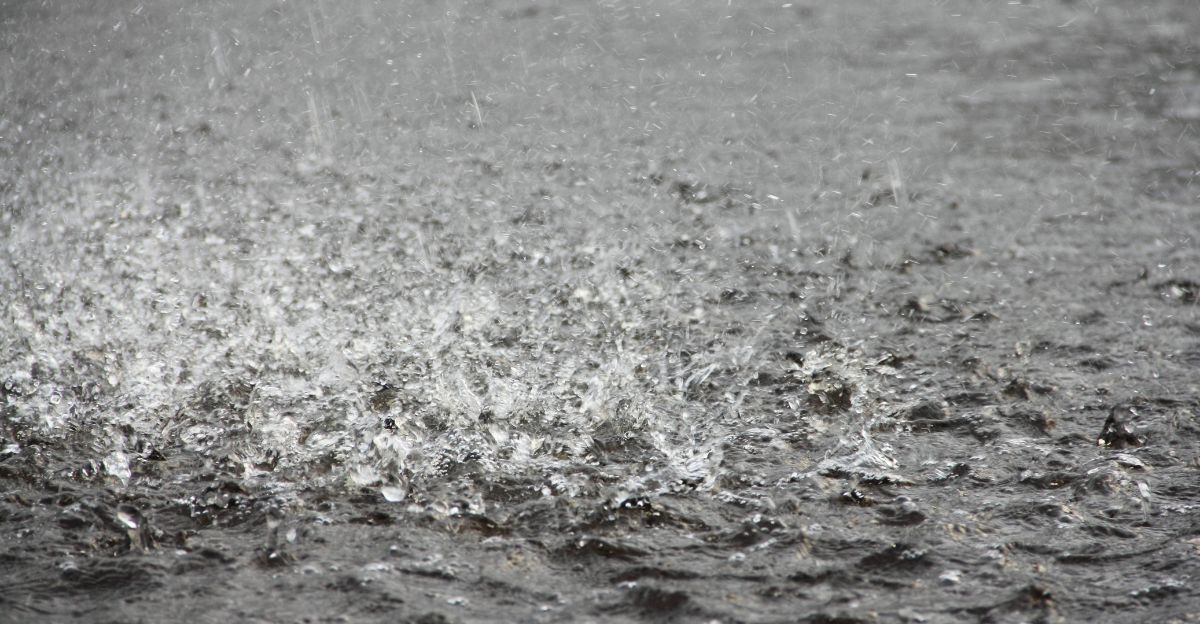
As floodwaters begin to recede, attention shifts to rebuilding efforts. Local governments will need to allocate significant funds to repair damaged levees, restore infrastructure, and assist businesses in recovering from the devastation.
A comprehensive assessment of damages will drive the economic recovery process, which is expected to unfold over the coming months.
Health Risks and Community Safety Concerns
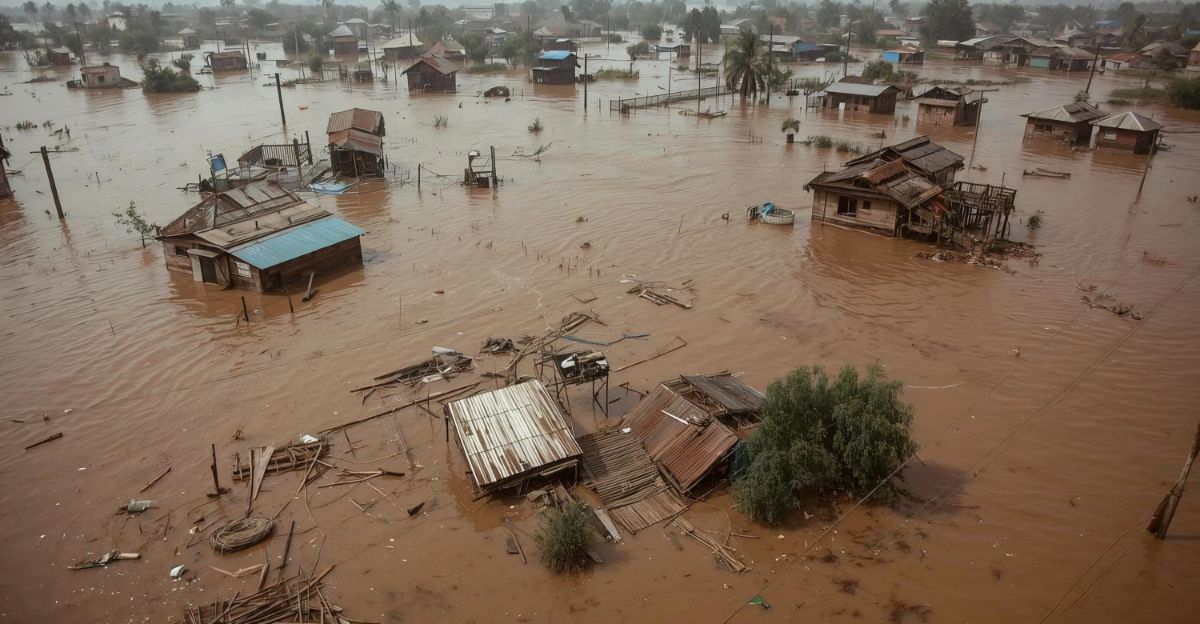
The aftermath of flooding brings health risks, especially with standing water that can harbor mold and contaminants. Health officials have warned of respiratory issues for those exposed to contaminated floodwater.
Hospitals in the area are adjusting operations as floodwaters encroach on their facilities. Emergency responders continue to assist displaced residents, providing shelter and medical care as needed.
Infrastructure Failures Spark Debate
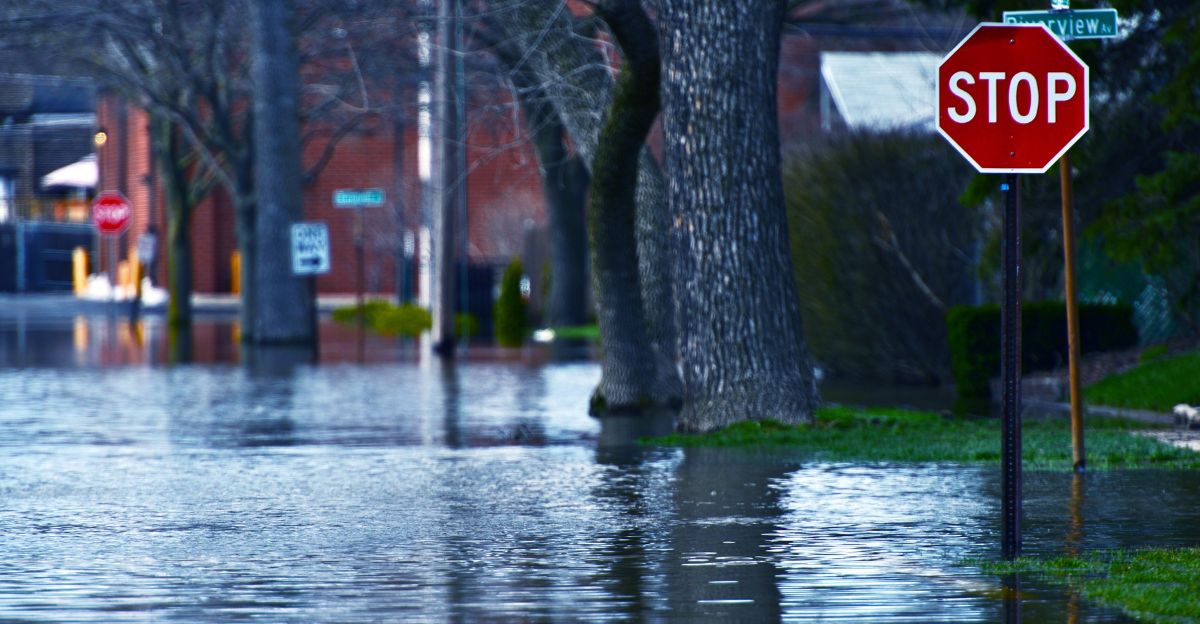
The failures of the Desimone Levee and concerns about other flood-control systems highlight vulnerabilities in the region’s infrastructure.
Previous damage to the levee in 2014 and postponed repairs raise questions about the adequacy of flood protection. As more precipitation is expected, there are growing calls for improved water management systems and stronger flood defenses to prevent similar crises in the future.
Coordinated Regional Emergency Efforts
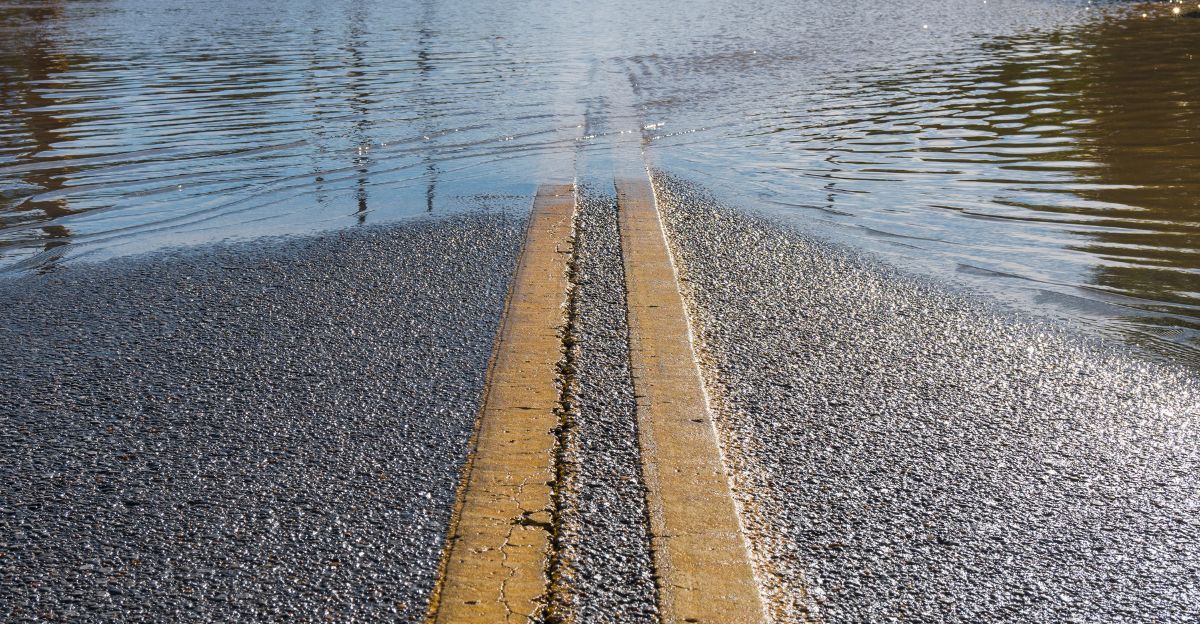
Washington state is coordinating efforts across affected counties to manage the flooding disaster. Both federal and state resources have been mobilized to assist local communities, and recovery operations are expected to continue for weeks.
Ongoing monitoring of river levels and flood threats is crucial as officials work to mitigate further risks and restore normalcy to the region.
Community Heroes and Volunteer Mobilization
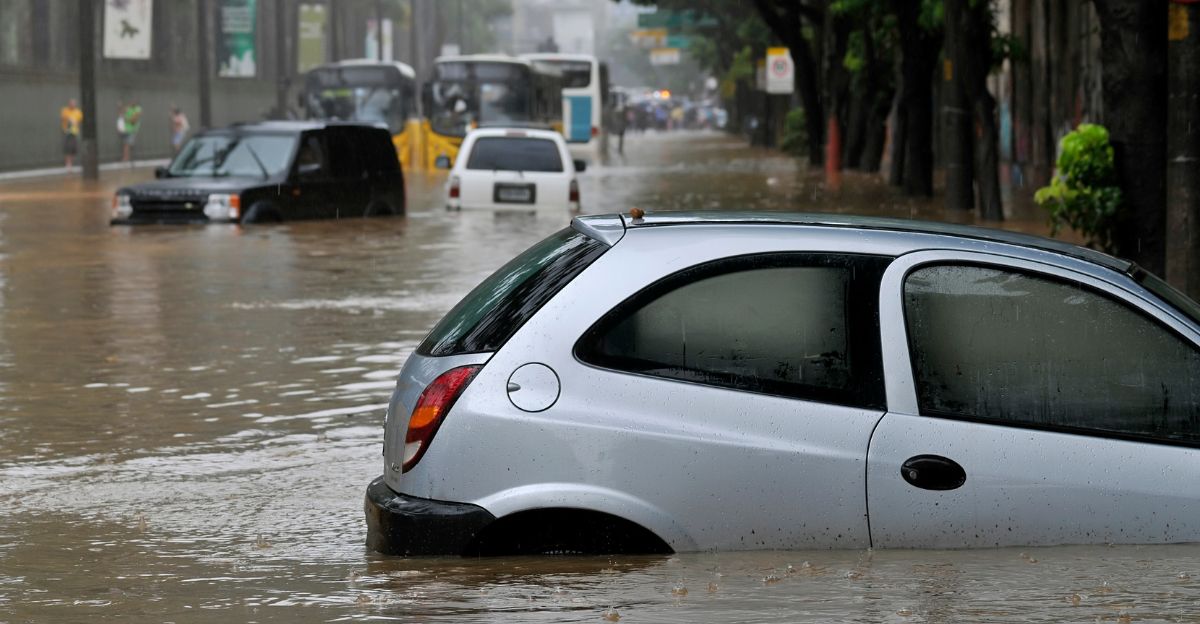
As floodwaters rise, local organizations, including the Red Cross, have activated shelters to assist displaced families. Volunteers have mobilized to distribute supplies and provide essential services to affected communities.
The collective effort from government bodies, emergency services, and community organizations showcases the resilience of the people in the region, working together to tackle this crisis.
Monitoring and Preventive Measures

Residents in flood-prone areas are advised to stay vigilant, clear storm drains, and heed evacuation alerts. The NWS continues to issue updates on river conditions, with forecasts predicting additional rainfall.
Communities are urged to take immediate action when evacuation orders are given and to prioritize safety by elevating valuables and securing their homes.
Long-Term Solutions and Resilience Planning
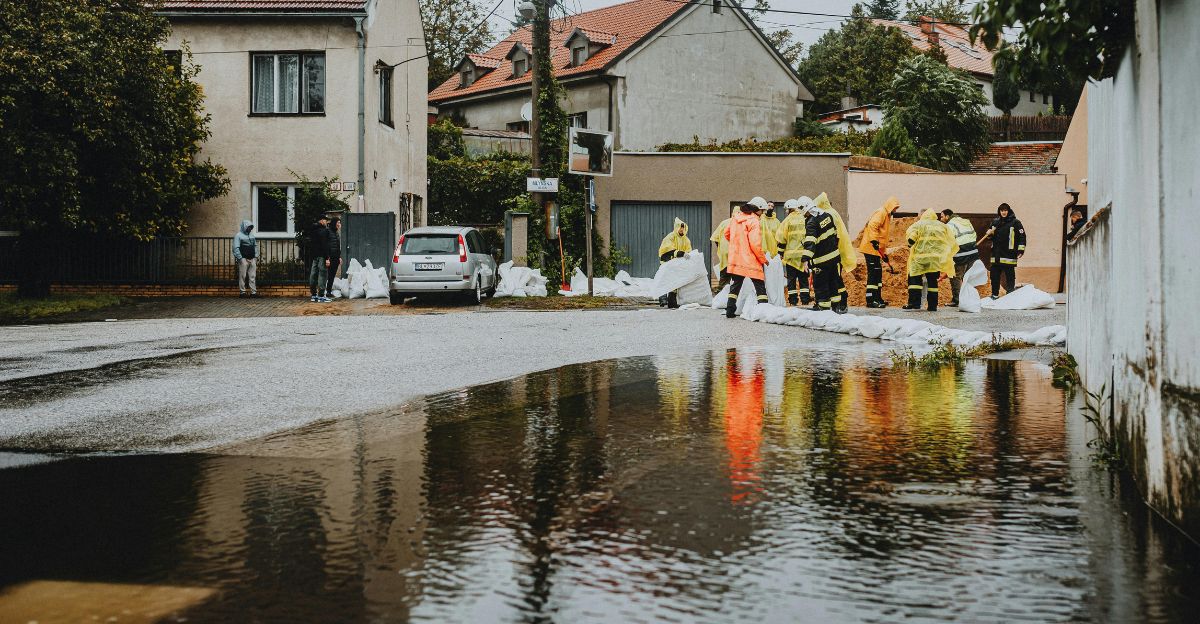
This flood emergency highlights the need for comprehensive flood prevention and infrastructure resilience strategies. As repairs to levees and infrastructure continue, stakeholders will need to address long-term flood preparedness.
Investment in water management systems, climate-resilient infrastructure, and stronger levee maintenance schedules will be vital to ensuring the region is better equipped to handle future flooding events.
Sources:
“New Evacuations Ordered After Levee Failures.” The Weather Channel, December 15, 2025.
“Crews use sandbags to shore up levee breach near Seattle after failure prompts flood warning.” NBC News, December 16, 2025.
“Green River levee fails; flash flood warning ends in Tukwila.” The Seattle Times, December 15, 2025.
“Man drowns after driving onto flooded road near Snohomish.” The Seattle Times, December 16, 2025.