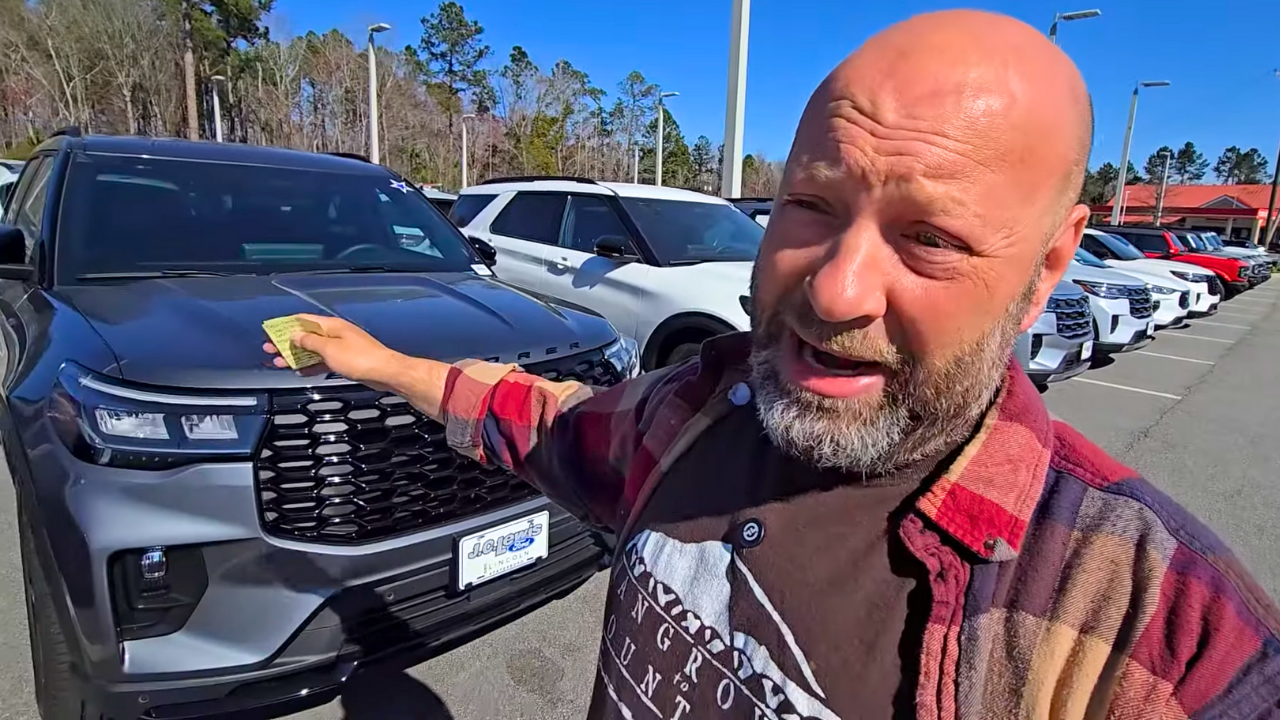
Every year, millions of Americans shop for used cars hoping to save money. But that $5,000 sedan might hide a $7,000 transmission replacement just 10,000 miles down the road. The used car market is filled with vehicles carrying defects manufacturers documented but never recalled.
From Dodge to Ford, some cars are budget-busting hazards. Average repair bills now hit $4,730, up 15% year-over-year.
#1 — Dodge Caliber (2007-2012)
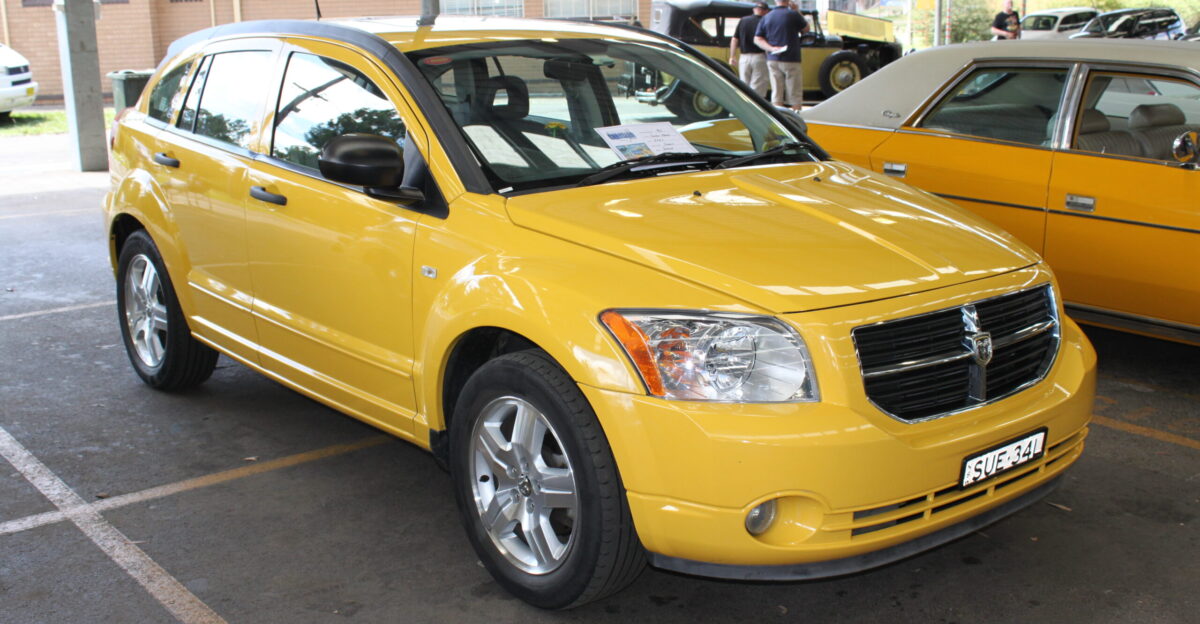
The 2009 Dodge Caliber earned the dubious distinction of “most problematic” due to CVT transmission failures. Bearings collapse, oil passages clog, and engines starve for lubrication. Failures appear around 40,000 miles. Replacement costs range $3,000–$8,000. Owners report jerking, shuddering, and sudden power loss. All model years carry risk. Even well-maintained cars fail catastrophically. Skip this compact entirely. Yet other CVT victims lurk in plain sight.
#2 — Chrysler Sebring (2001-2010)
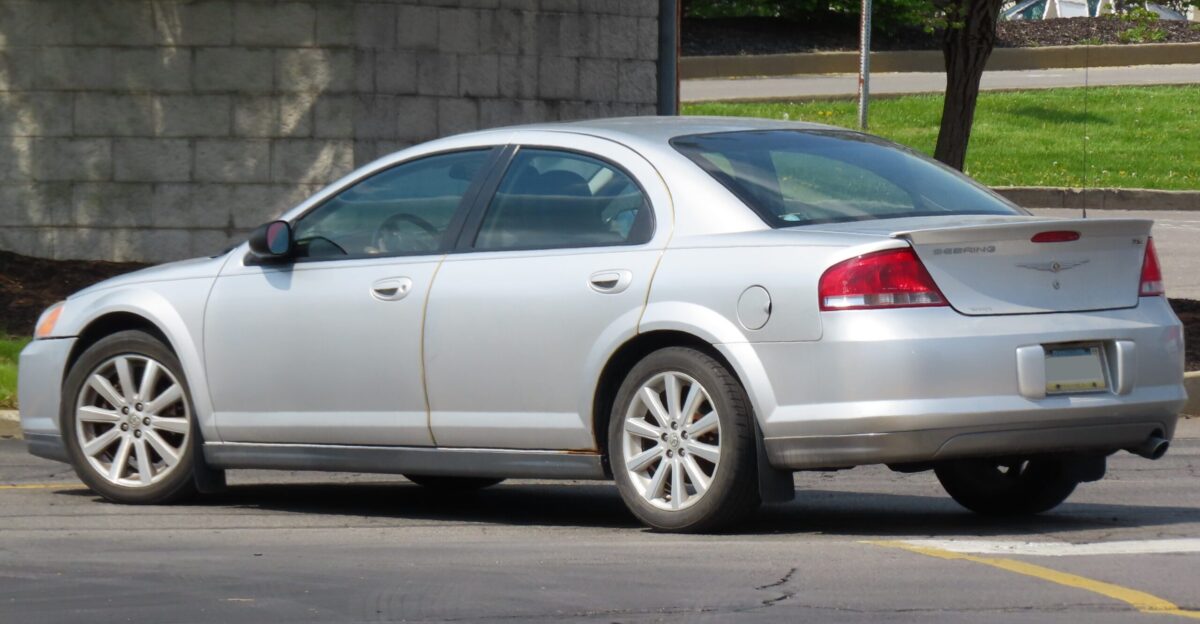
The Chrysler Sebring’s 2.7-liter V6 suffered a water pump flaw leaking coolant into engine oil, creating destructive sludge. Engines fail at 70,000–80,000 miles despite maintenance. Chrysler blamed drivers, despite 2,800 complaints versus 600 officially recorded. The Center for Auto Safety called it “an economic disaster for consumers.” Engine replacement costs $3,500–$5,000. This engine flaw reveals how expensive trusting a nameplate can be.
#3 — Jeep Compass (2007-2018)
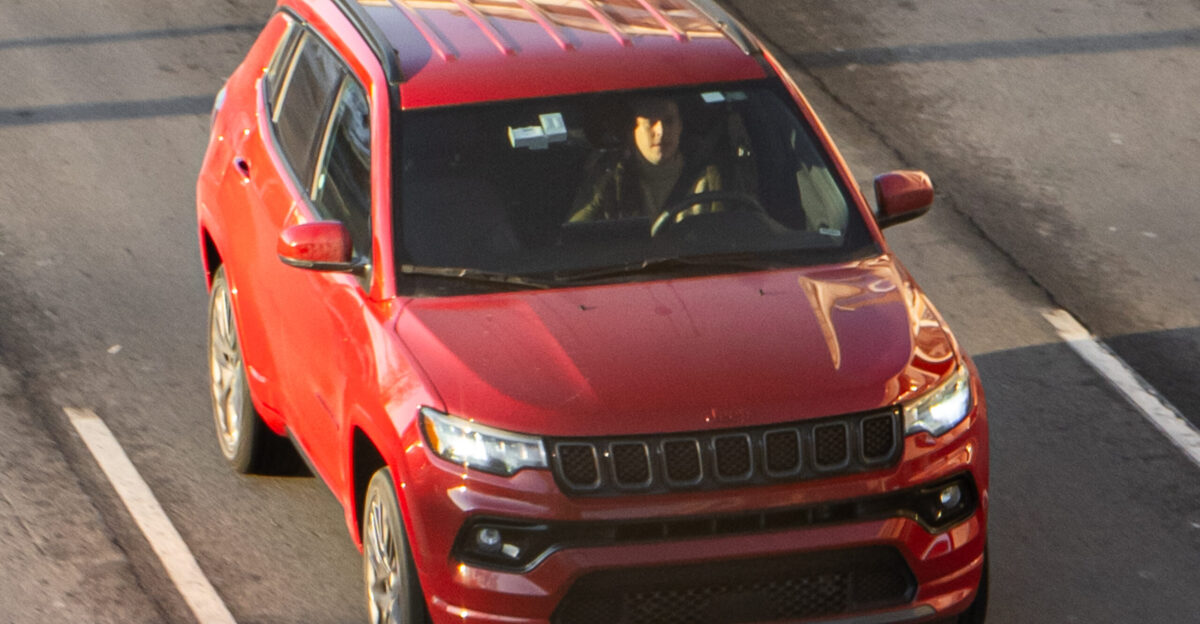
The Jeep Compass shares Dodge’s CVT issues, with worst failures in 2011 models. CVT overheating can disable the vehicle by 120,000 miles. Replacement costs around $3,500. NHTSA investigated 2019–2020 models for sudden shutdown affecting 228,971 vehicles. No recall issued. A 2022 class action was dismissed. Owners face unreliable vehicles. The Compass demonstrates how design flaws can multiply across model lines.
#4 — Nissan Juke (2010-2019)
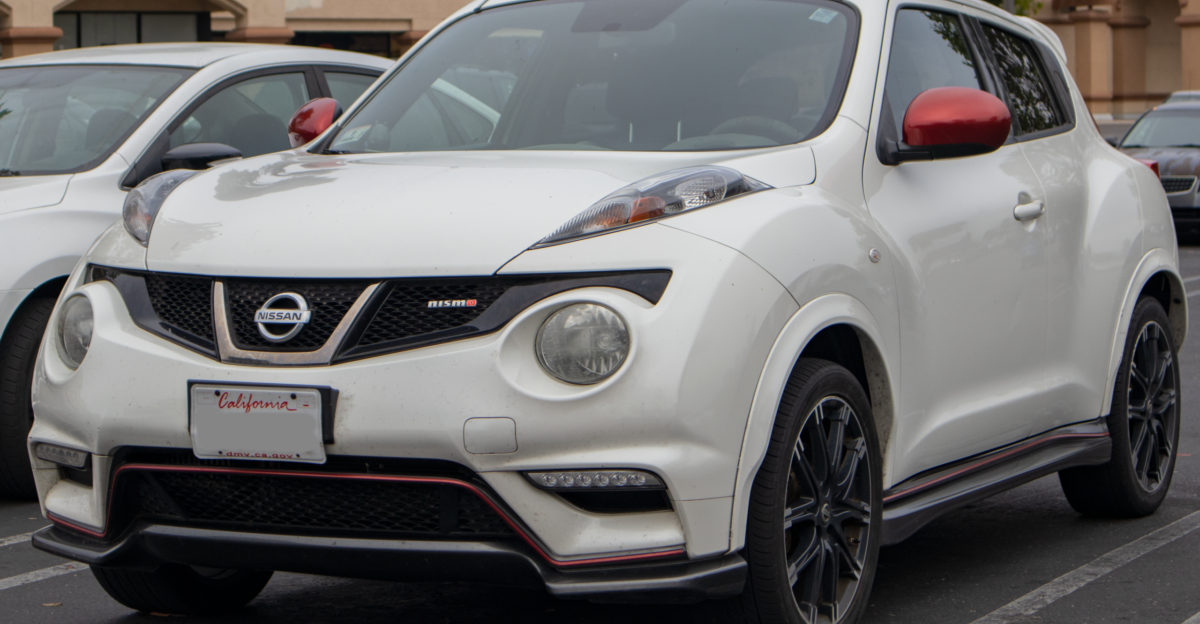
The Nissan Juke’s CVT suffers internal bearing collapse, starving components of lubrication. Failures occur at 35,000–120,000 miles. Replacement costs $5,800–$8,000. Owners report warranty denials and accusations of “fraud” even after dealer confirmation. Nissan admitted delays developing fixes. Buyers endured catastrophic failures while solutions lagged. The Juke proves that even trendy compacts can carry hidden financial and mechanical landmines.
#5 — Nissan Murano CrossCabriolet (2011-2014)
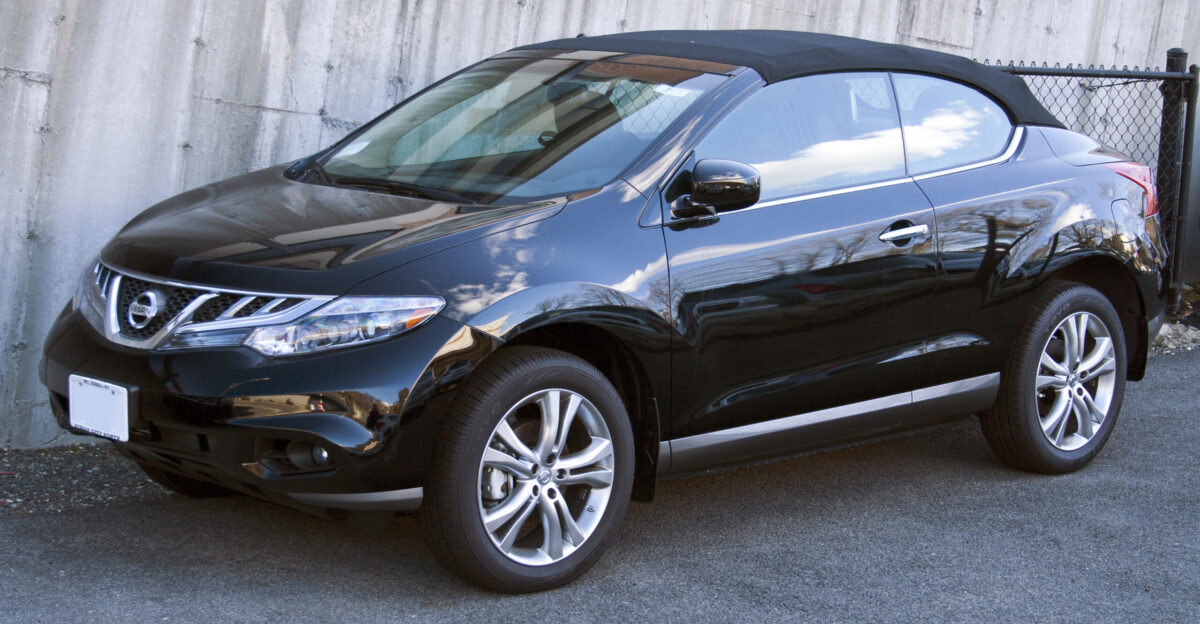
Nissan’s AWD crossover convertible sold only 6,000 units. Beyond shared CVT issues, the motorized roof fails frequently. Hydraulic, motor, and computer systems break, leaving roofs stuck permanently. Dealerships lack replacement parts. Owners catalogued “everything wrong” at 100,000 miles. CrossCabriolet buyers faced inoperable systems with no recourse. This rare model highlights how ambitious engineering without support can become permanent headaches for owners.
#6 — Pontiac Aztek (2001-2005)
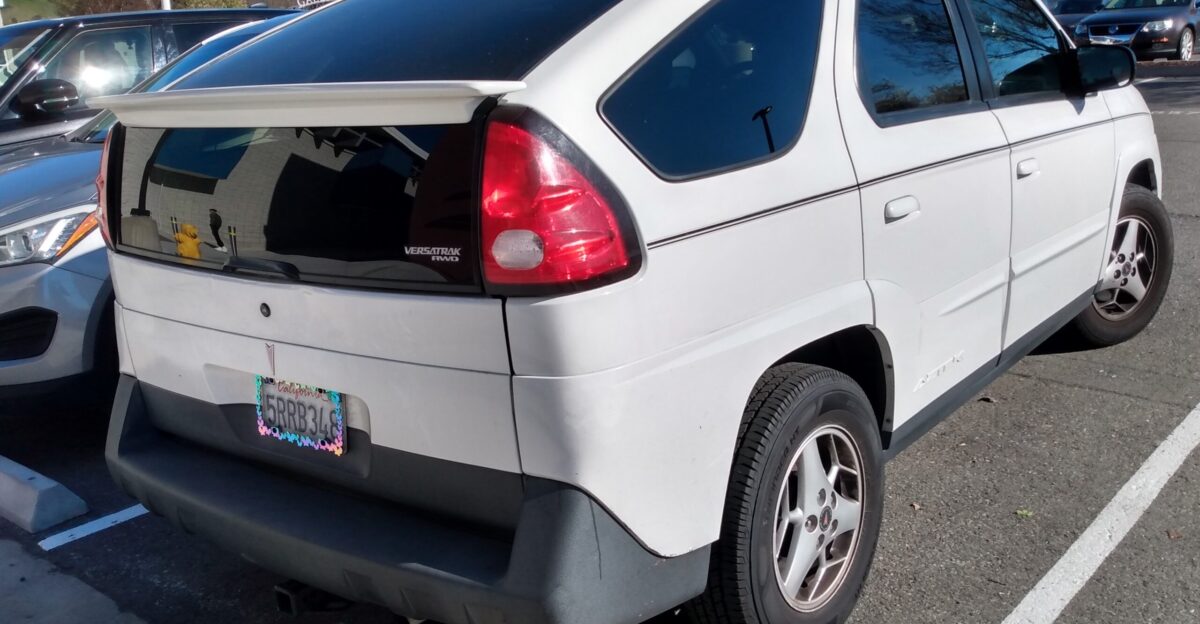
GM designed the Aztek to attract younger buyers, projecting 75,000 sales annually. Year one only sold 27,000, with final 2005 sales at 5,020 units. Neither true SUV nor truck, plastic replaced metal, and engines underperformed. Pontiac eventually vanished. Depreciated twenty-year-old Azteks are near scrap value. GM ignored early warning signs, cementing failure. Automotive missteps like this show how poor design can devastate a brand.
#7 — Ford Focus (2012-2018)
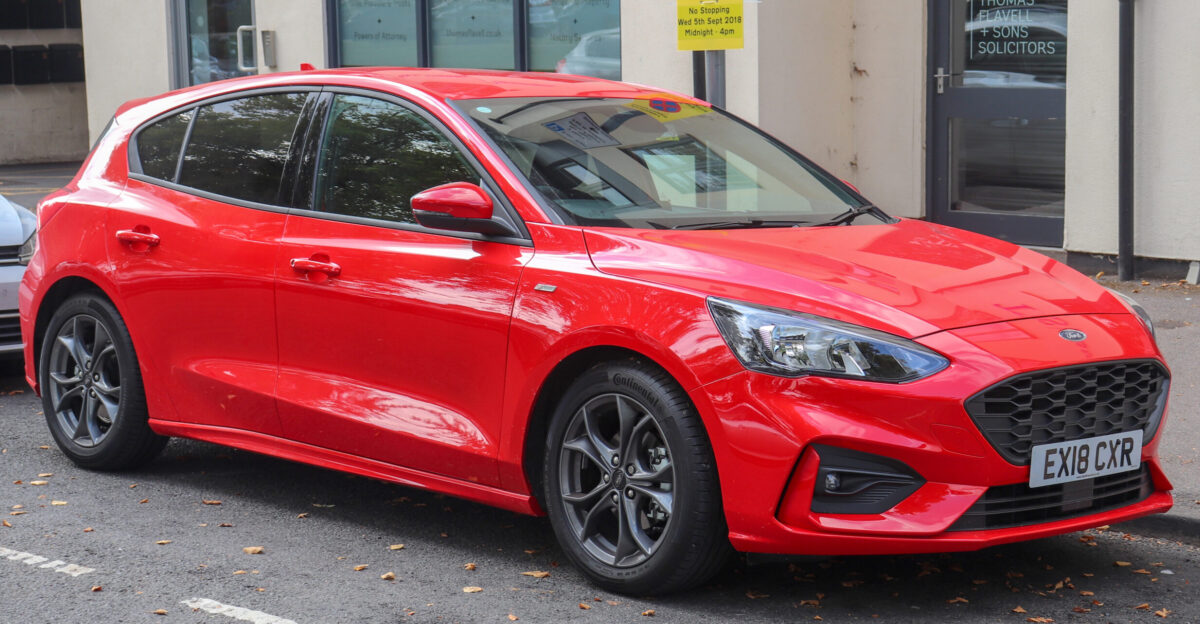
Ford’s dry-clutch dual-clutch transmission overheats, causing shuddering at low RPMs. Over 4,000 NHTSA complaints exist. Engineers admitted, “there’s no way you can software your way out of a physics problem.” No recall issued. Warranty coverage extended only after media pressure. Clutch replacements cost $800–$1,500; transmission modules $500–$1,500. Owners face repeated failures. This defect illustrates cost-cutting consequences in mass-market cars.
#8 — Mitsubishi Mirage (2013-Present)
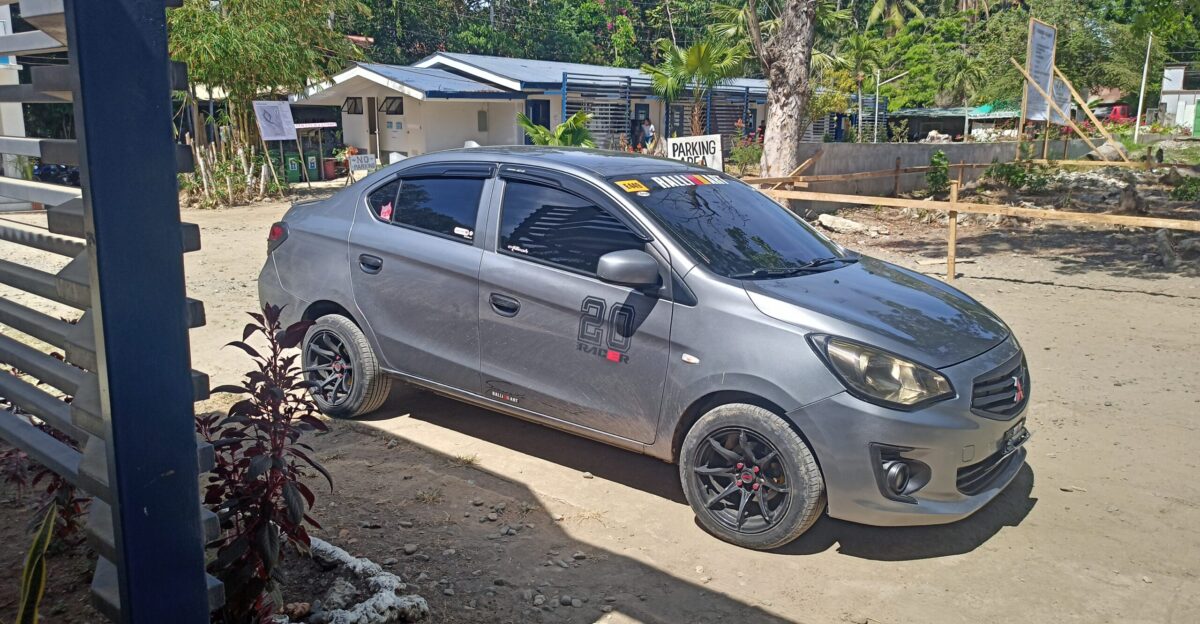
The Mitsubishi Mirage cuts corners: hard plastics, exposed screws, weak steering, poor acceleration. 2015 models reported brake failures, doors falling off, and engine catastrophes. Critics called it “the worst new car you can buy.” Despite defects, Mitsubishi continued sales. Budget buyers find emergency repairs far exceed savings. The Mirage shows cheapest does not equal safe, leaving owners with financial and mechanical surprises around every corner.
#9 — Chevrolet Cobalt (2005-2010)
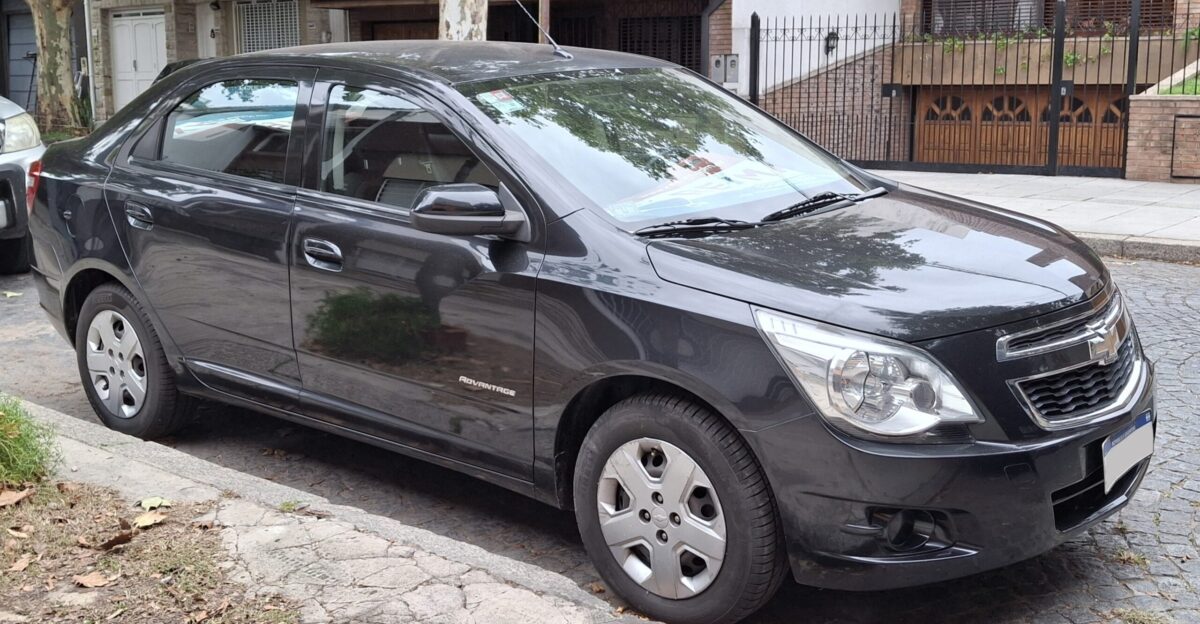
The Cobalt’s defective ignition switch could disable airbags, power steering, and stability control mid-drive. Thirteen deaths resulted. GM knew in 2004 but continued production six years. The 2014 recall became one of the largest ever. Many Cobalts still remain on used lots with potential hazards. This case demonstrates how delayed action can cost lives and why some bargain vehicles carry hidden mortal risks.
#10 — Hyundai Tiburon (2003-2008)
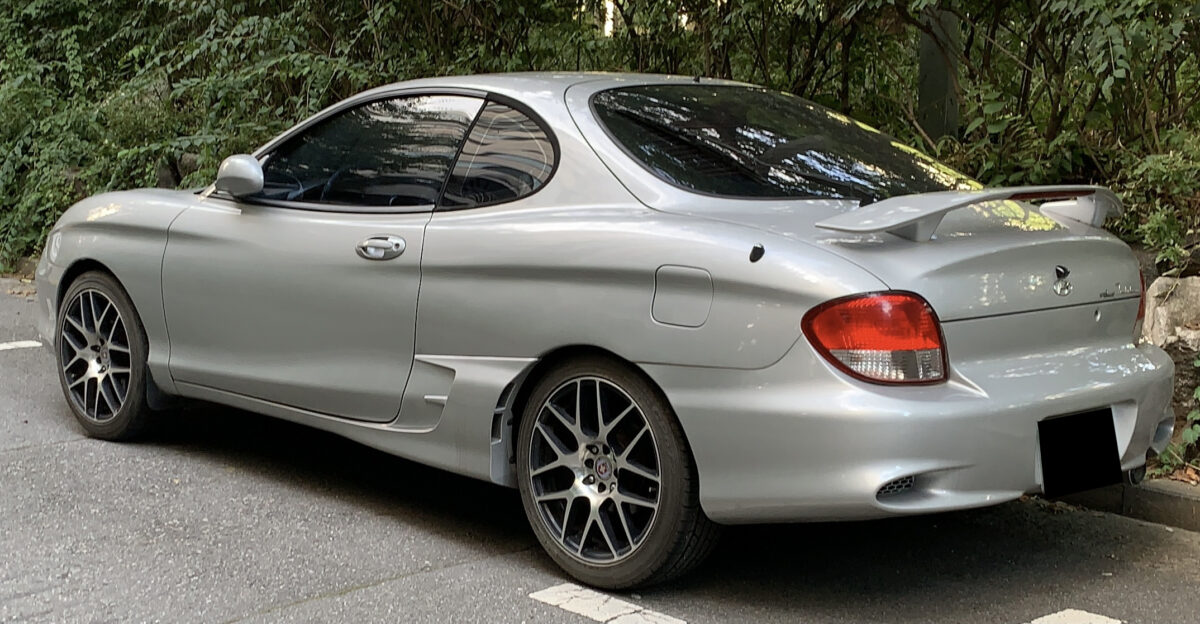
The Hyundai Tiburon’s engines seize without warning, sometimes at 60,000 miles. Premature valve wear, inadequate oil circulation, and metal debris cause sudden failures. Repair costs $2,500–$4,000. Drivers report violent grinding followed by full lockup on highways. This compact coupe’s financial risk was catastrophic, and the generation damaged Hyundai’s reliability image. Sudden mechanical failure warns buyers that sporty looks don’t ensure mechanical trustworthiness.
#11 — Honda Odyssey (2005-2010)
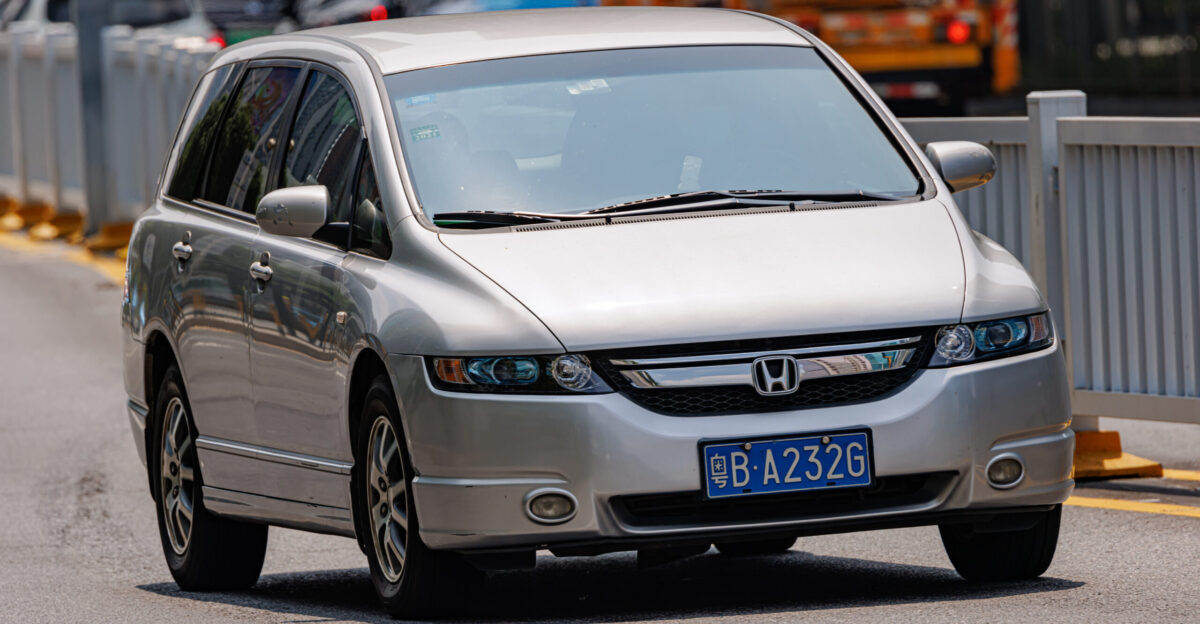
The Odyssey’s five-speed automatic suffered internal seal failures, leading to slipping, grinding, and power loss around 80,000 miles. Rebuilds cost $1,500–$3,500; replacement $4,000–$6,000. No recalls were issued, leaving families with shocking bills. This defect turned a trusted minivan into a financial burden, proving even family-friendly brands can conceal expensive surprises in widely used vehicles. Reliability claims can be misleading.
#12 — Kia Optima (2011-2019)
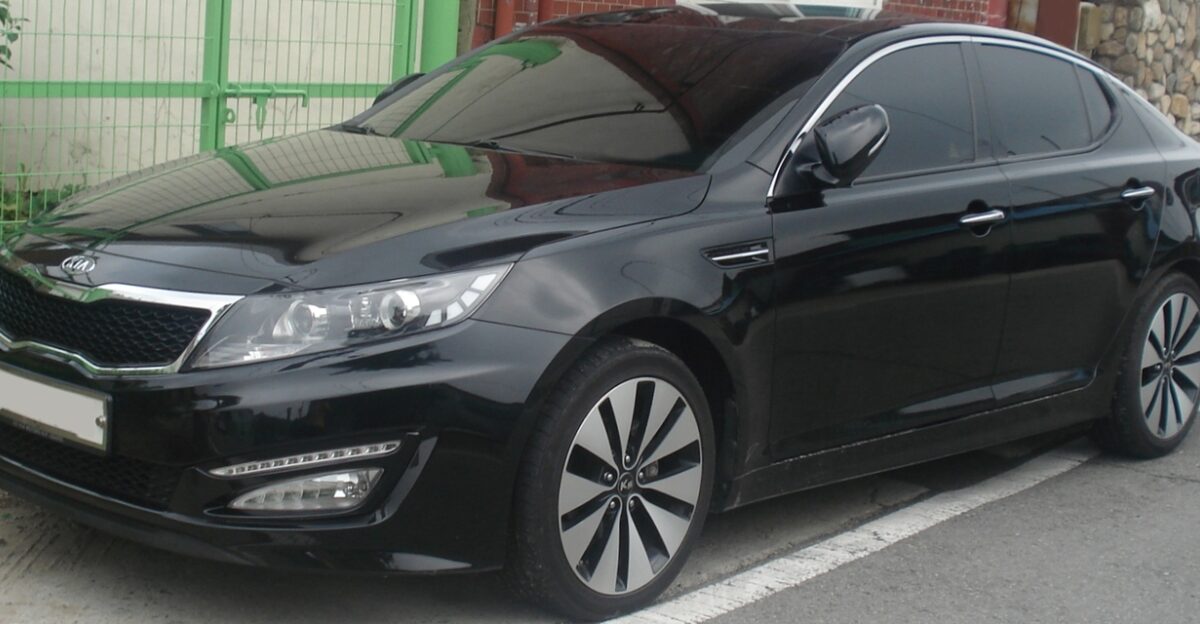
Kia’s Theta II engines died without warning, caused by metal debris degrading bearings. Failures occurred at 60,000–100,000 miles. Out-of-warranty replacement engines cost $3,000–$5,000. Hundreds of thousands affected. Kia extended warranties after the fact. Buyers faced sudden engine loss and steep repair bills. Delayed corporate response shows how mass-market sedans can conceal catastrophic mechanical failures beneath glossy styling.
#13 — Jeep Patriot (2007-2017)
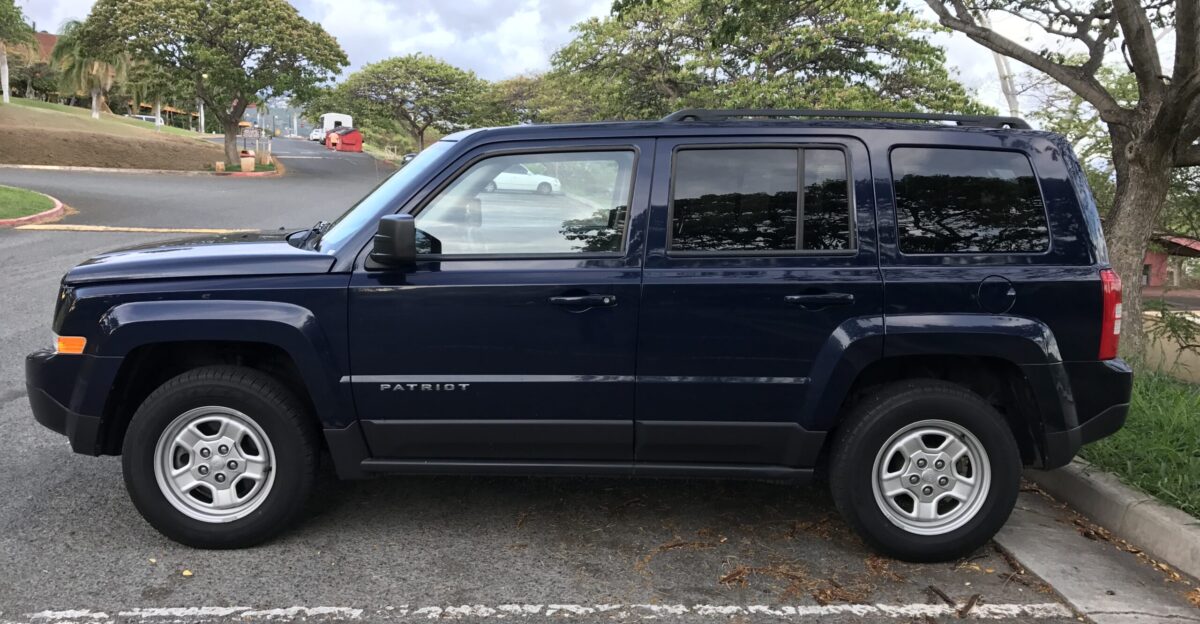
The Patriot combined CVT failures with electrical defects: flickering dashboards, inoperable windows, and faulty door locks. CVT replacements $3,000–$4,000; electrical $500–$2,000. 2007–2008 models were worst. Many owners hit six-figure repair bills before abandoning the vehicle. The Patriot demonstrates how compounding defects can make a car an expensive liability rather than transportation. Lessons extend to other budget SUVs with similar designs.
#14 — Subaru WRX (2002-2005)
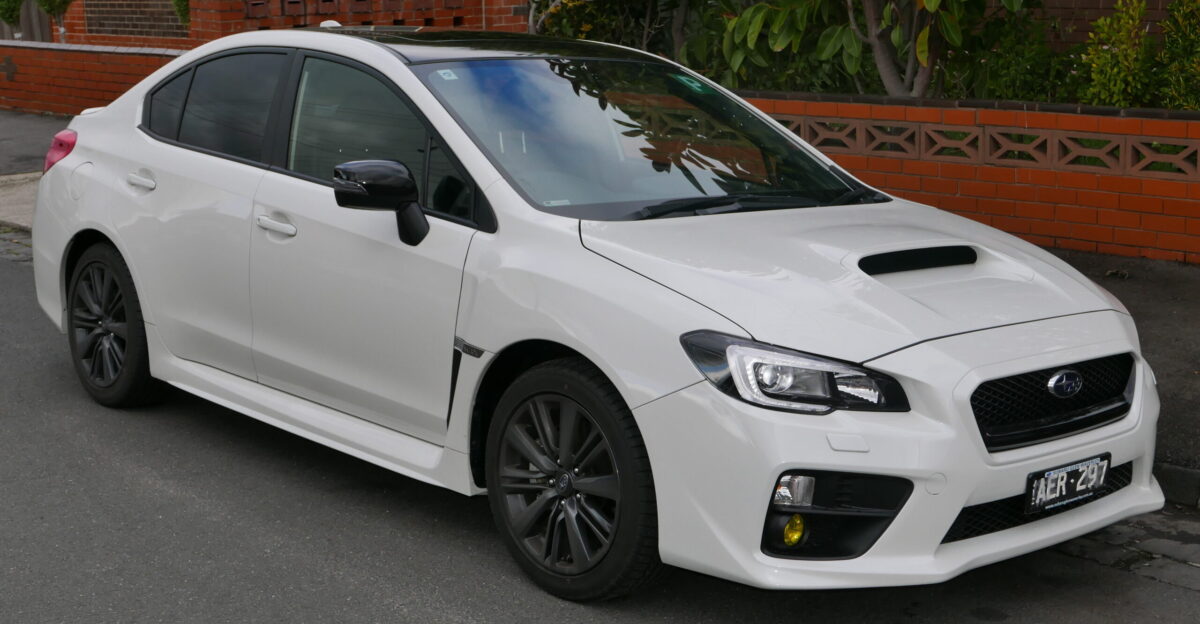
WRX horizontally-opposed engines faced premature head gasket failures. Coolant entered combustion chambers; oil contaminated coolant. Failures began around 60,000 miles. Replacement cost $1,500–$2,500. Owners report white smoke, rough idling, and catastrophic engine shutdowns. Performance enthusiasts felt betrayed by unexpected expenses. Early WRX reputation never fully recovered. These bargains come with financial and mechanical risks that buyers must carefully weigh.
#15 — Fiat 500 (2012-2014)
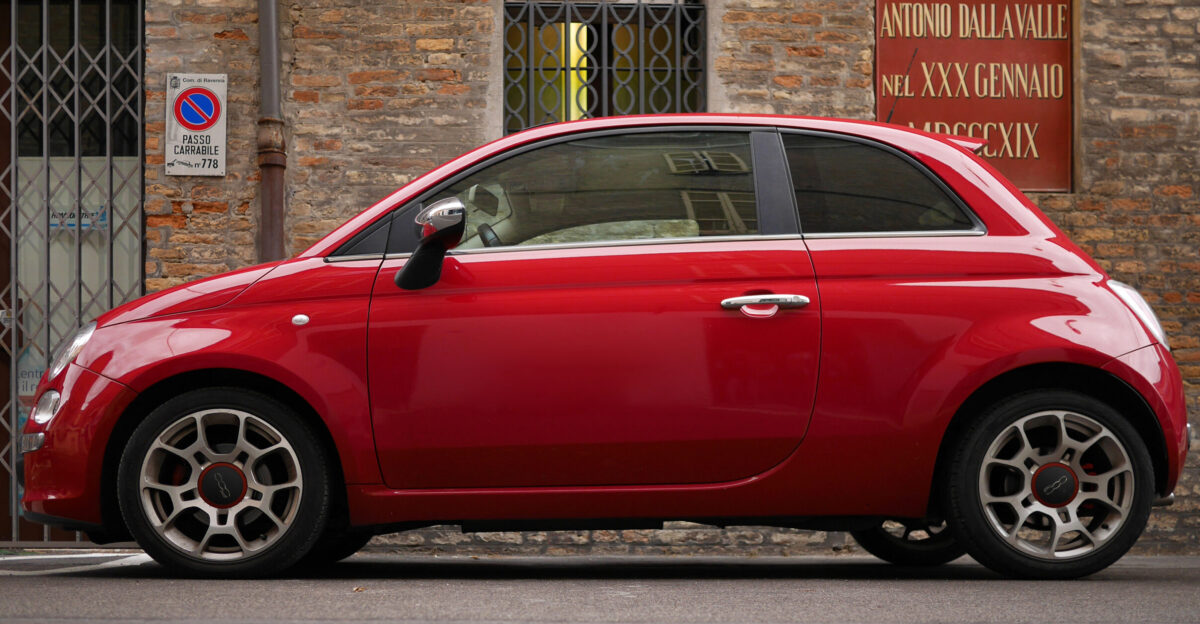
The Fiat 500 suffered electrical failures: dashboard lights flickering, dead instrument clusters, and door lock issues. Dual-clutch transmissions shuddered and slipped, worst in 2013–2014 models. Limited dealership support left owners stranded. Repairs often exceeded vehicle value. Despite styling appeal, reliability woes relegated the 500 to “fashion over function.” Today, used examples remain risky purchases for anyone seeking dependable, low-cost transportation.
Sources:
“Dodge Caliber Reliability and Common Problems,” CarParts.com, February 14, 2024
“Oil Sludge In Chrysler’s 2.7L Engine Is A Toxic Hell Stew,” ChryslerProblems.com, July 14, 2016
“Jeep Compass Reliability and Common Problems,” CarParts.com, June 21, 2024
“Report: Ford Knew About Problems With Its Dual-Clutch Transmission And Ignored Them,” AutoWeek, December 5, 2019
“Average Cost Of Car Repairs In The United States,” Endurance Warranty, July 2, 2025
“How The Pontiac Aztek Became The Biggest Flop In Automotive History,” Dive-Bomb, January 2, 2025