
On December 9, the final signature was inked, effectively ending a continuous 77-year run for a beloved Midwestern staple. In a single transaction, the fate of a decades-old business was sealed—not by bankruptcy, but by a strategic acquisition.
This moment marked the official conclusion of independent operations for a company that had weathered economic shifts since the post-war era, signaling the end of an era for local retail history.
A Sudden Market Shift

The deal impacts 27 bustling locations across Illinois and Florida, which were transferred overnight from family ownership to a corporate portfolio. While customers pumped gas and bought coffee as usual, the backend operations underwent a complete transformation.
This was not a distress sale caused by failure, but a calculated move that highlights how rapidly the convenience store landscape is shifting beneath the feet of consumers and employees alike.
Erasing the Brand
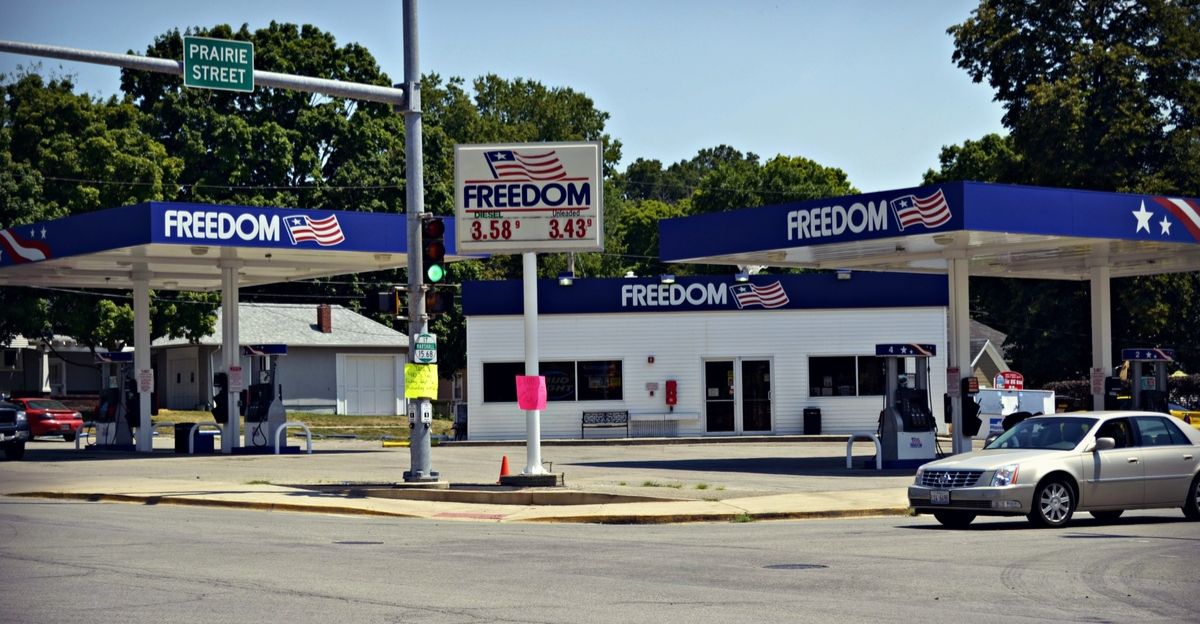
One of the most visible consequences of this acquisition is the scheduled removal of the Freedom Oil identity.
The red, white, and blue branding that has defined local street corners for nearly eight decades is now slated for erasure. Store signage, canopies, and uniforms will eventually be replaced, signaling a permanent visual shift in the neighborhoods that had grown accustomed to the familiar local logo.
A Generational Exit
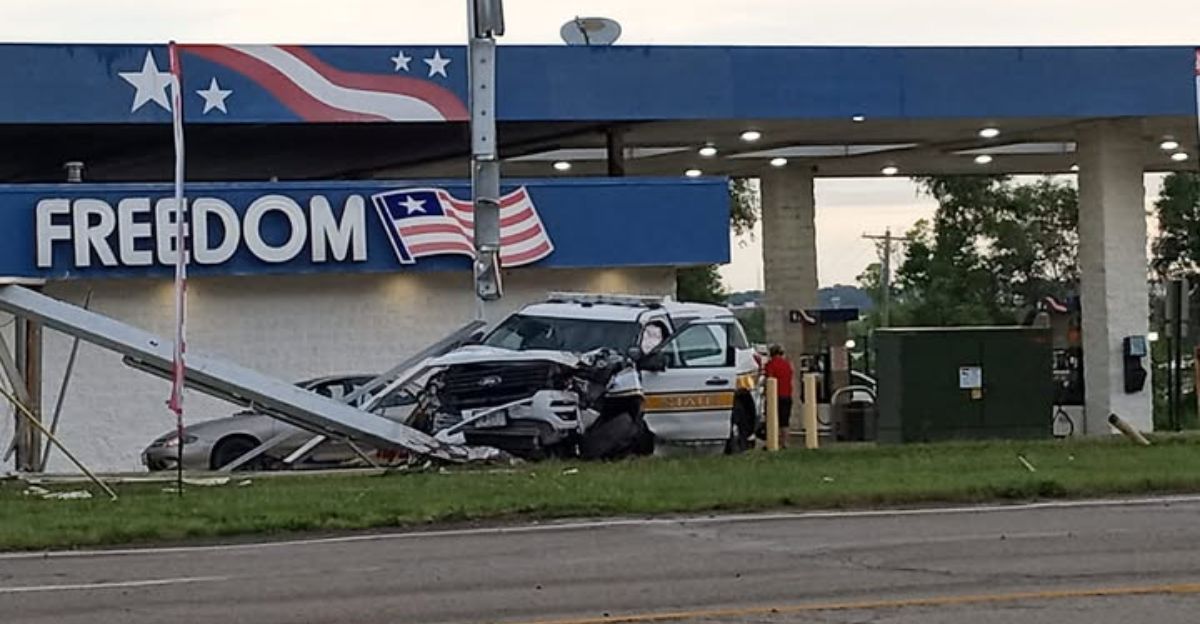
The decision to sell was made by the Owens family, who founded the company in 1948 and shepherded it through three generations of growth. From a few humble neighborhood shops to a multi-state network, the family built a legacy of community service and business acumen.
However, even deep-rooted family histories are finding it difficult to compete against the massive capital resources of modern corporate aggregators.
A Bittersweet Farewell

Third-generation leader Mike Owens publicly described the sale as a “bittersweet moment,” acknowledging the heavy emotional toll of the transaction. Exiting a business that has supported a family for decades is rarely a purely financial decision; it involves letting go of a lifetime of work and effort.
Yet, Owens framed the move as a timely strategic exit, allowing the family to leave on a high note rather than facing future decline.
Enter the New Owner

The buyer, Chicago-based Mizpah Ventures LLC, has now acquired all assets, including the real estate and operational control of the convenience stores. Mizpah is known as an aggressive player in the fuel wholesale and retail sector, with a growing footprint in Illinois and Wisconsin.
Their entry into the picture changes the dynamic from a family-run operation to a broader, growth-focused corporate strategy.
Immediate Scaling

This acquisition allows Mizpah Ventures to immediately scale its operations by absorbing a fully functional network of profitable locations. Instead of building new stores from the ground up—a costly and time-consuming process—they have purchased instant market share.
This strategy of “buying growth” is becoming the standard playbook for mid-sized operators looking to compete with national giants in the fuel sector.
The Consolidation Wave
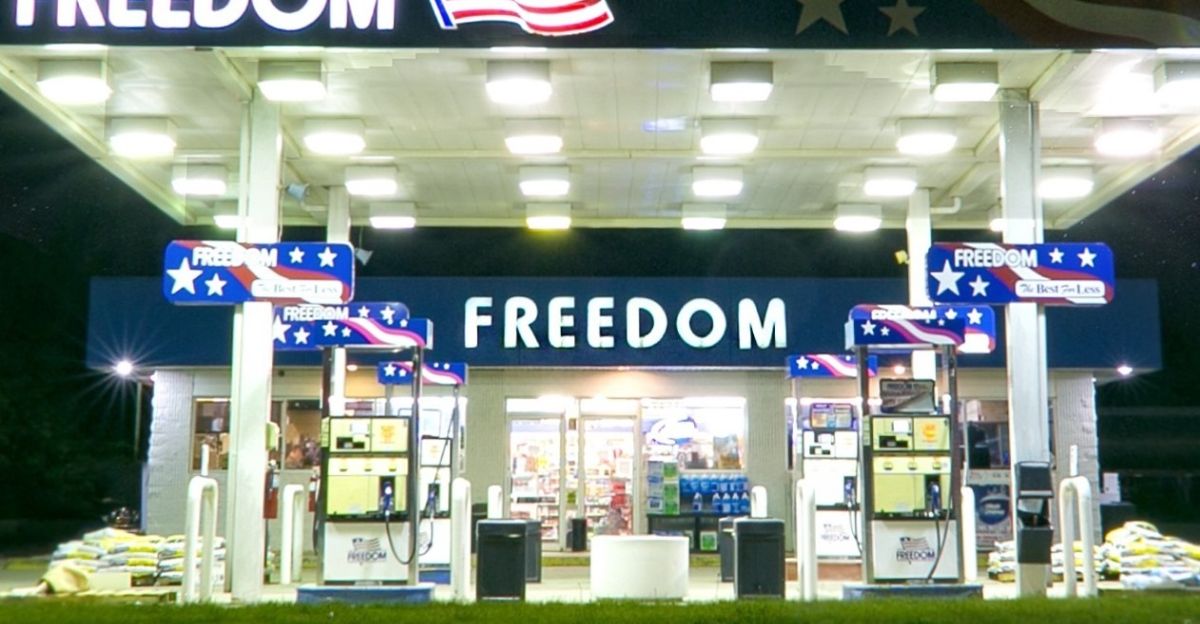
This transaction is a textbook example of the “retail consolidation” trend currently reshaping the American convenience store industry.
While Freedom Oil was a successful regional player, the market is increasingly favoring massive scale over local charm. In 2024, the divide between national giants like 7-Eleven or Wawa and smaller regional operators has widened significantly, making mid-sized chains prime targets for acquisition.
The Mid-Market Squeeze

Data from the National Association of Convenience Stores reveals that while over 63% of the U.S. market is composed of single-store operators, that number is dropping. Mid-tier chains with 20 to 50 locations—like Freedom Oil—are finding themselves in a “squeeze.”
They are too large to be managed simply like a mom-and-pop shop, yet too small to negotiate the massive volume discounts on fuel and merchandise enjoyed by national competitors.
Rising Capital Requirements

The driving force behind these sales is often the exploding cost of staying competitive in a modern retail environment. Today’s convenience stores require significant capital investment in digital loyalty apps, gourmet food service equipment, and upgraded fuel pumps with chip-card security.
For a family-owned business, funding these multi-million dollar upgrades across 27 stores can be a daunting financial prospect compared to selling at a peak valuation.
Operational Headwinds

Credit card “swipe fees” and persistent labor shortages further complicate the financial picture for independent owners. Larger conglomerates can absorb these rising operational costs through diversified revenue streams and centralized logistics.
In contrast, smaller chains feel every fluctuation in the labor market and every basis point increase in transaction fees. Selling to a larger entity often ensures the stores get the capital injection needed to survive.
Correcting the Tariff Record
While Freedom Oil’s sale was driven by industry consolidation and favorable market timing rather than tariffs specifically, the company’s exit reflects broader pressures facing mid-sized convenience store chains in 2024-2025.
Industry analysts note that tariff-driven cost increases for imported goods, combined with rising labor costs and swipe fees, have squeezed regional operators nationwide. For family-owned businesses like Freedom Oil, these compounding pressures make selling to larger consolidators an increasingly attractive exit strategy.
Strategic Timing

The Owens family’s exit aligns with a broader demographic shift where aging founders are choosing to cash out during a peak M&A cycle.
Valuations for well-run convenience store chains are currently very attractive, creating a “seller’s market.” For many families, the risk-reward calculation has shifted, making 2024 an optimal time to monetize their life’s work rather than risking it in an uncertain future economy.
Expert Market Perspectives

Advisors like Terry Monroe and Bill Fecht, who facilitated the Freedom Oil deal, emphasize that the market is ripe for transactions of this nature. “The pace of merger and acquisition activity is accelerating,” notes a recent report from CoBank.
These experts argue that consolidation is the natural maturation of the industry, where efficiency and scale are becoming the primary means of maintaining healthy profit margins.
Job Security Realities

From an employment perspective, this acquisition differs significantly from a retail bankruptcy or liquidation. Unlike a “going out of business” scenario where jobs vanish overnight, Mizpah Ventures intends to keep the stores open and operational.
Typically, in these asset transfers, frontline staff are retained because their local knowledge and customer relationships are vital for maintaining revenue during the rebranding transition.
Visual Changes Coming

Consumers will soon see the most immediate change on the exterior of the buildings. As the Freedom Oil name is retired, the stores will reopen under Mizpah’s preferred branding elements.
This loss of local identity can be jarring for communities that associate specific chains with local heritage, but the new ownership often brings enhanced inventory and modernized facilities that can actually improve the shopping experience.
A National Pattern
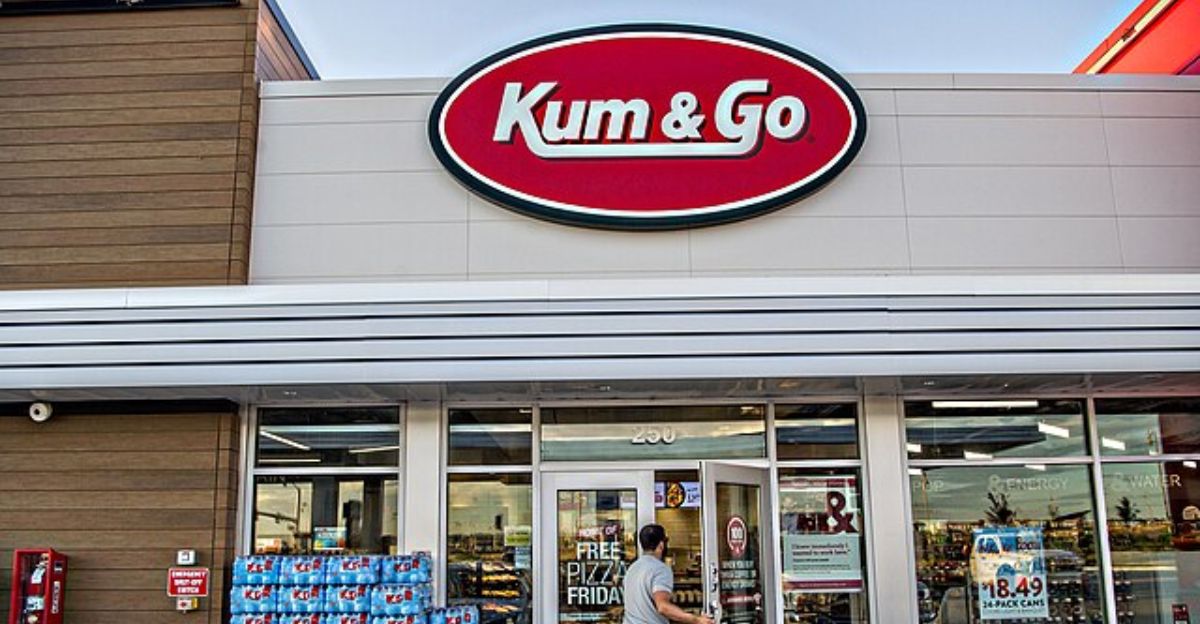
This trend of “flag-flipping” is happening nationwide and is not unique to Freedom Oil. Earlier this year, the iconic Kum & Go brand began disappearing after its sale to Maverik, illustrating that even large, recognizable names are not immune to erasure.
Freedom Oil is simply the latest regional domino to fall in a year characterized by aggressive portfolio shuffling among retail energy companies.
Looking Toward 2025

Looking ahead, analysts predict that the consolidation wave will only intensify throughout the coming year. With interest rates stabilizing, capital is becoming more accessible for buyers looking to expand their portfolios.
We can expect to see fewer “middle market” chains and a growing polarization between massive national brands and tiny, niche independent operators who focus on hyper-local goods.
The Technology Gap

The role of technology will also define the next phase of these acquired stores. New owners, such as Mizpah, are likely to implement advanced data analytics to optimize inventory, a capability that smaller chains often lack.
Furthermore, the integration of Electric Vehicle (EV) charging stations is a capital-intensive frontier that larger consolidated entities are better positioned to tackle than family-owned incumbents.
The New Normal

For the average customer, the Freedom Oil sale serves as a reminder that the humble “corner store” is actually big business. The friendly local stop is increasingly likely to be part of a complex corporate web rather than a neighbor’s retirement plan.
While the sign out front may change, the fundamental need for convenience remains, ensuring these locations will continue to serve their communities under a new identity.
Sources:
”77-year-old convenience store chain closing all its stores after sale.” TheStreet, 2024.
“Freedom Oil sells its 27 c-stores to Midwest competitor.” C-Store Dive, 2024.
“Freedom Oil Sells 27 Locations.” NACS Daily, 2024.
“Convenience store M&A activity suggests more consolidation is coming.” CoBank, 2025.
“American Business Brokers & Advisors Announces the Successful Sale of Freedom Oil Company.” American Business Brokers & Advisors, 2024.