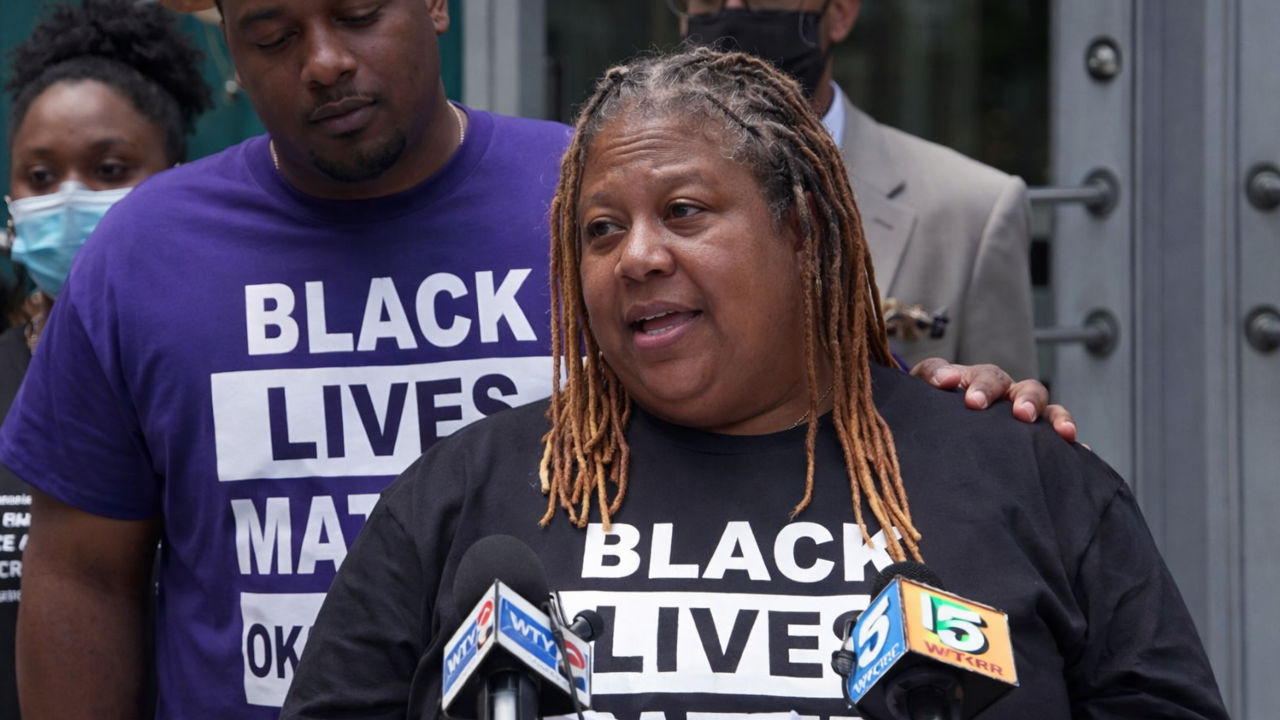
While protesters sat in Oklahoma County jail cells awaiting freedom, court checks totaling millions of dollars—money explicitly donated to secure their release—were quietly diverted into a private bank account.
Instead of replenishing the community bail fund as promised, the returned court money allegedly fueled a personal spending spree that included Caribbean vacations, a fleet of investment properties, and a luxury SUV, leaving the intended charitable mission behind.
The Indictment Unsealed
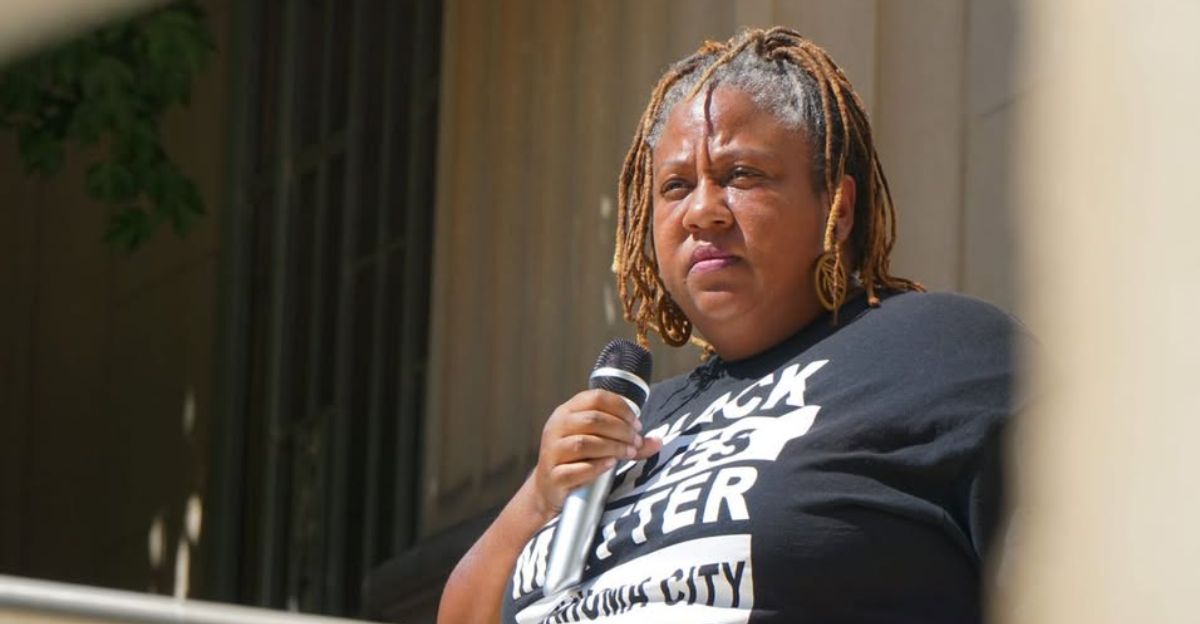
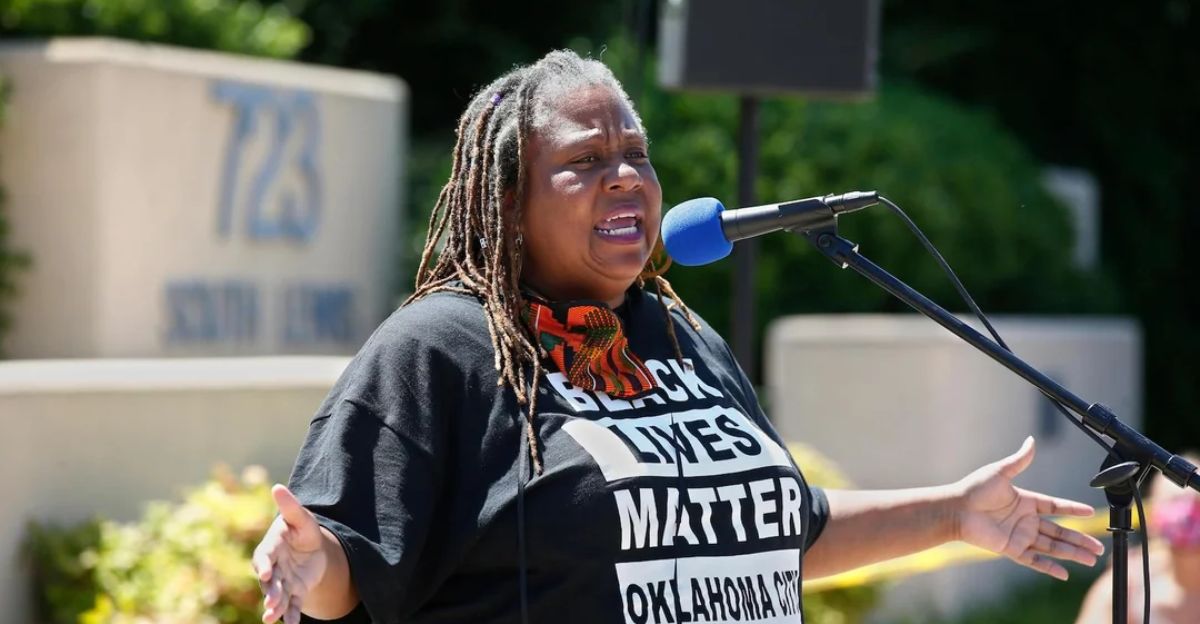
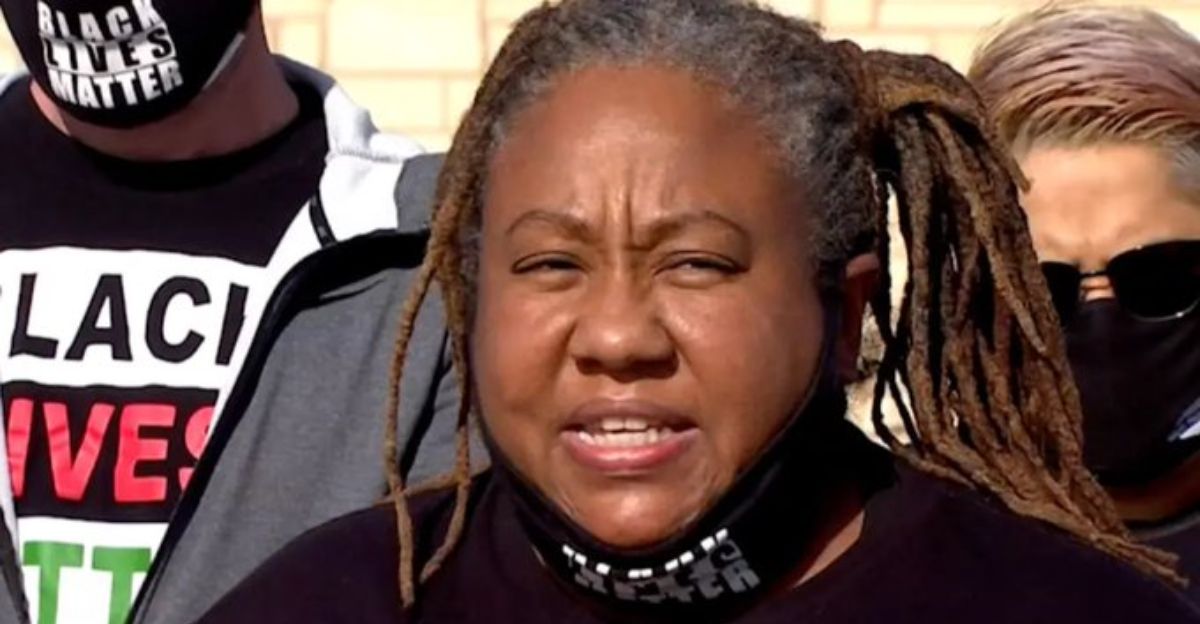
Federal prosecutors in Oklahoma City have unsealed a scathing 25-count indictment against Tashella Sheri Amore Dickerson, the 52-year-old executive director of Black Lives Matter Oklahoma City.
The charges, which include 20 counts of wire fraud and five counts of money laundering, allege a systematic scheme to siphon at least $3.15 million in charitable donations between 2020 and 2025, marking one of the most significant fraud cases involving social justice funds to date.
A Flood of Donations Diverted
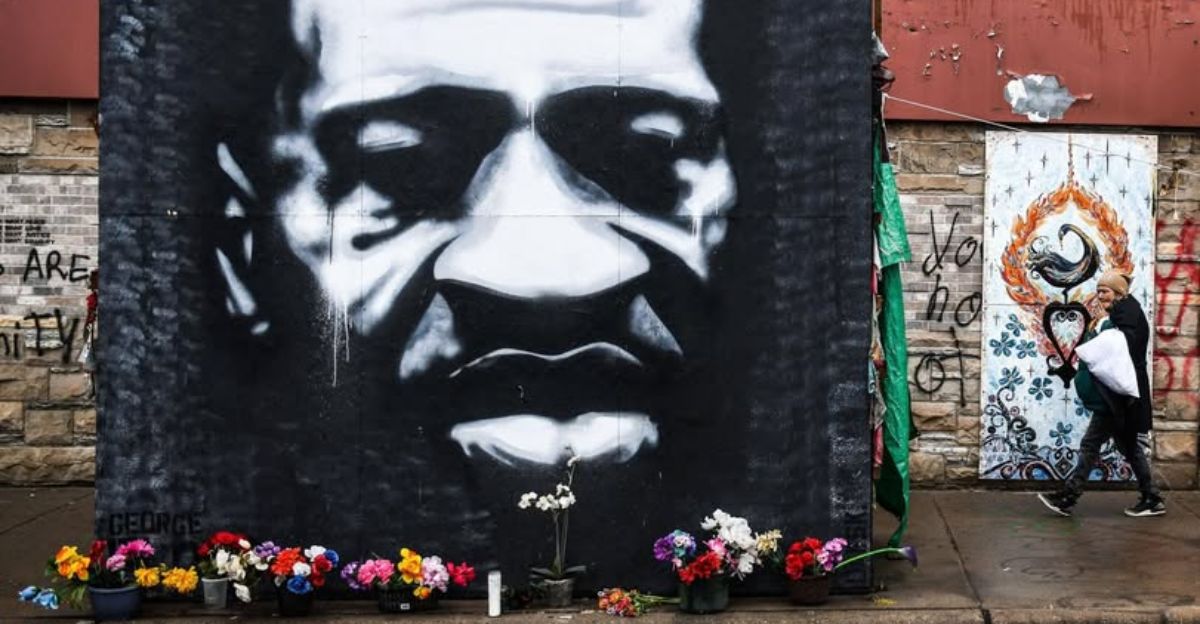
The alleged scheme targeted a massive windfall of donations that poured in following the murder of George Floyd in May 2020.
Major national organizations, including the Minnesota Freedom Fund and the Community Justice Exchange, granted millions to the Oklahoma City chapter specifically to post bail for arrested demonstrators. Prosecutors say Dickerson leveraged the urgency of the racial justice movement to accumulate a fortune intended for the public good.
The Mechanics of the Scheme
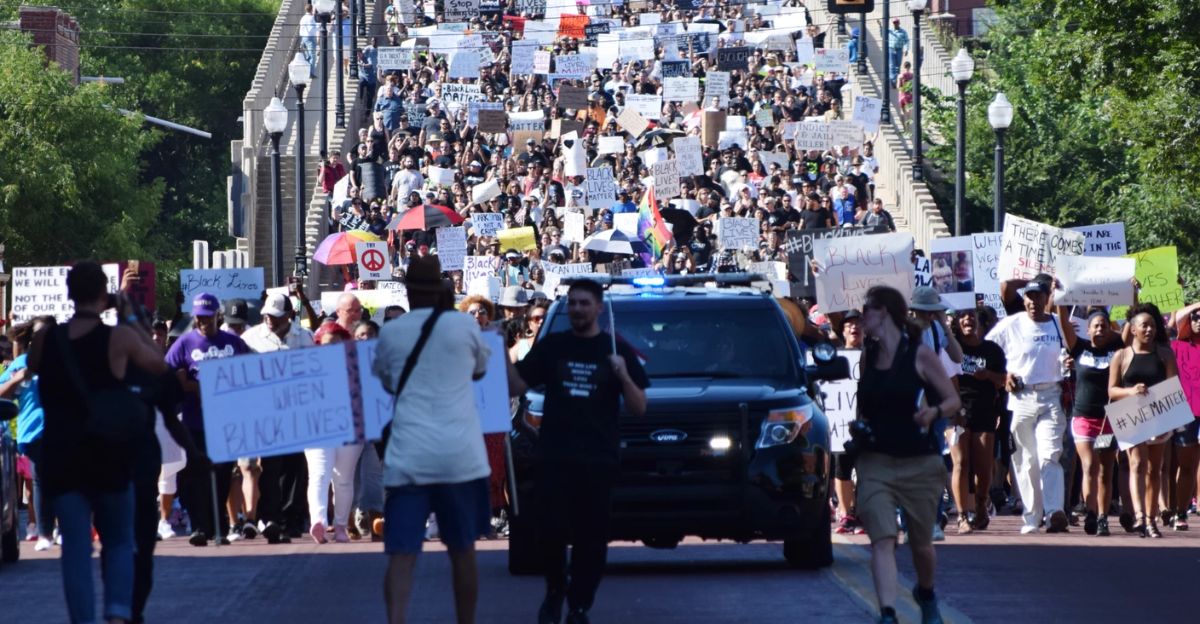
The fraud allegedly hinged on the cycle of the bail system itself. According to the indictment, BLM OKC posted approximately $4.5 million in bail for protesters in 2020. When those legal cases concluded, the courts returned the bail money via check.
Rather than depositing these returned funds back into the organization’s accounts to help future defendants, Dickerson is accused of depositing $3.15 million directly into her personal bank accounts.
From Bail Money to Real Estate

Court documents detail how the stolen funds were allegedly transformed into a personal real estate portfolio. Investigators tracked the purchase of six properties in the Oklahoma City area, totaling nearly $975,000.
Among these was a $278,000 building ostensibly purchased as a community church, which was instead titled in Dickerson’s own name, alongside several residential rental properties purchased through a shell company.
Luxury Travel and Lifestyle
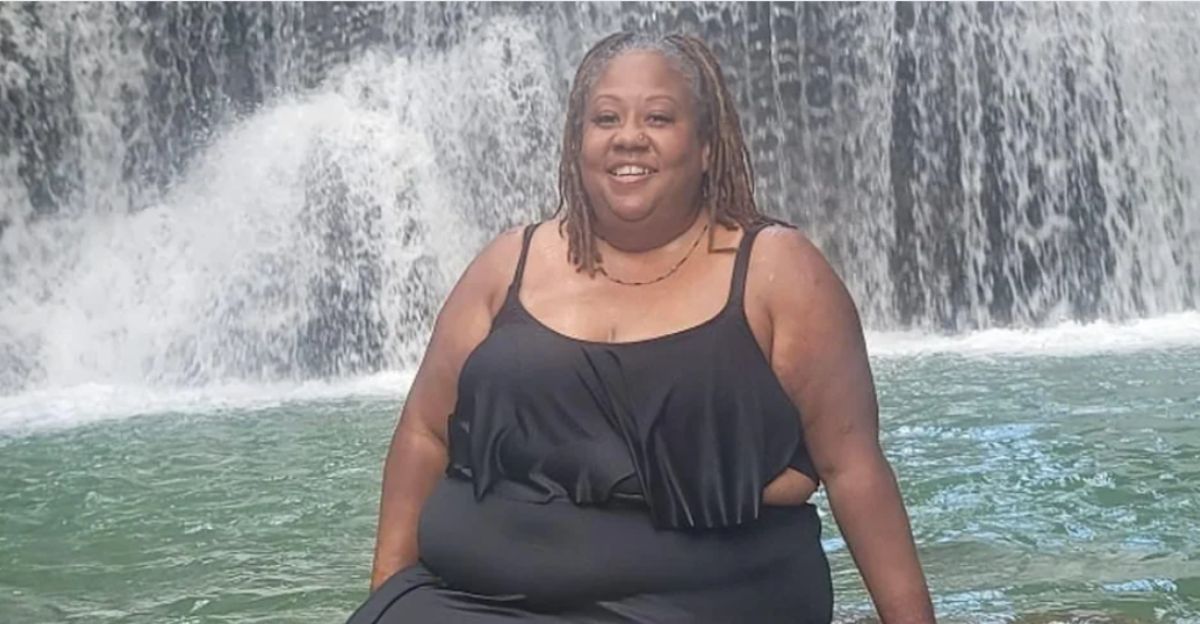
The indictment paints a picture of a lavish lifestyle funded by donors who believed they were supporting social equity. Prosecutors list specific expenditures, including recreational trips to Jamaica and the Dominican Republic for Dickerson and her associates.
The forensic accounting also uncovered a $41,749 purchase of a 2021 Hyundai Palisade and tens of thousands of dollars spent at high-end retailers, including Nordstrom and Macy’s.
The Grocery Bill
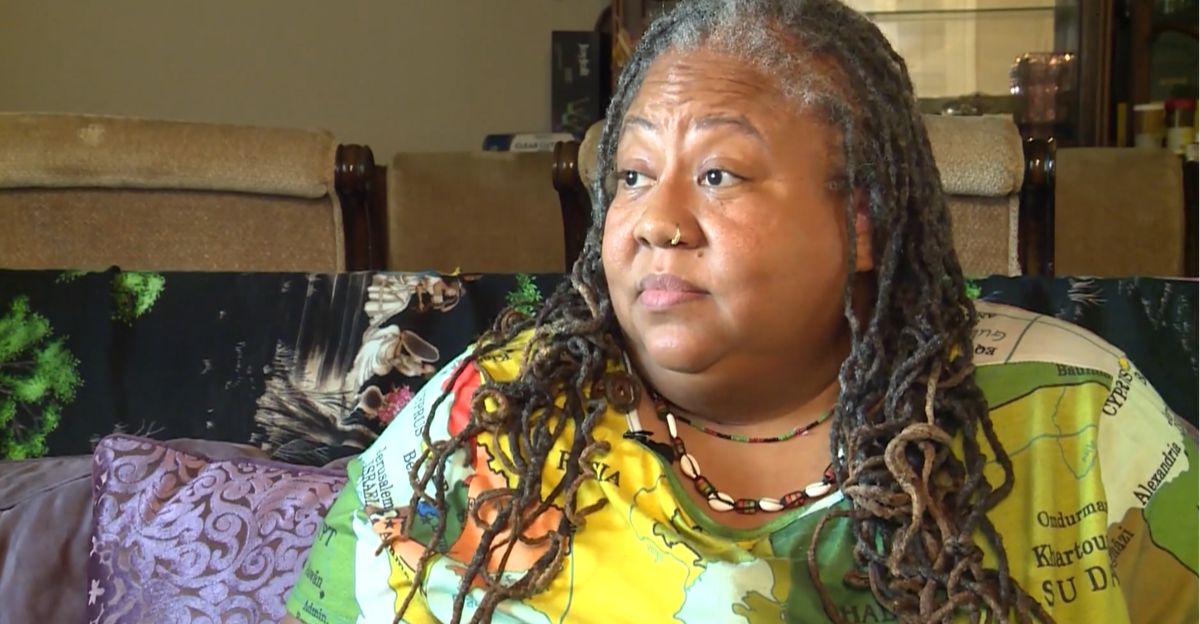
Perhaps the most striking detail in the forensic analysis was the volume of daily spending. The indictment alleges Dickerson spent at least $50,000 solely on food and grocery deliveries for herself and her family using the stolen funds.
These personal living expenses were paid while she reportedly represented herself to the public and her fiscal sponsors as an unpaid volunteer dedicated to the cause.
Violating Fiscal Trust
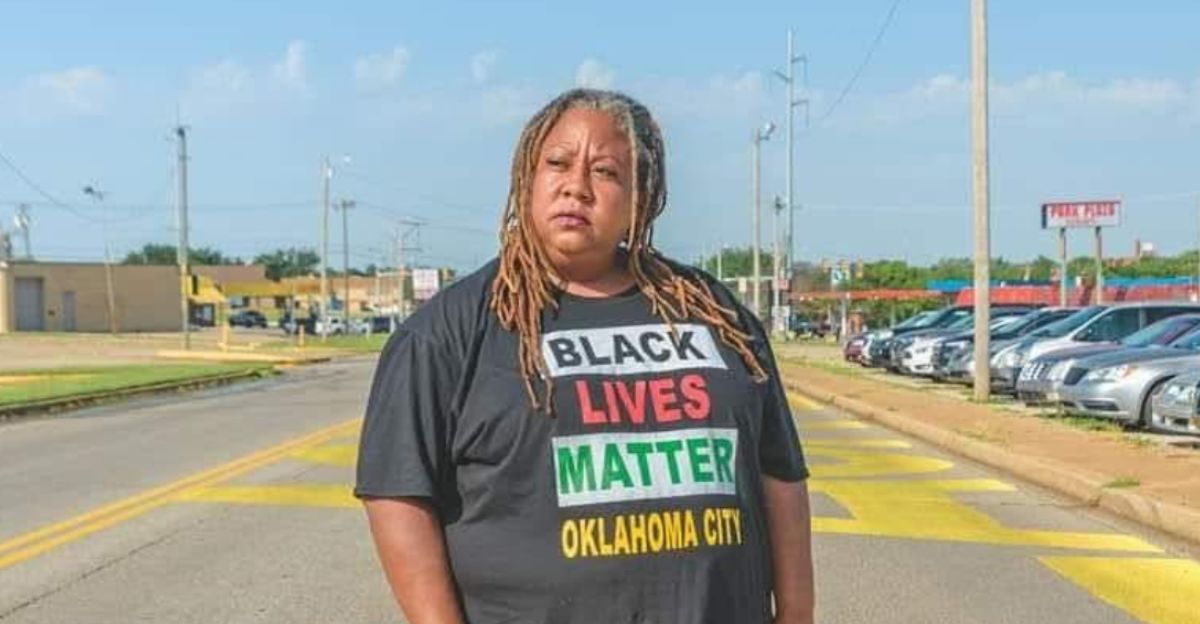
Because BLM OKC was not a registered 501(c)(3) nonprofit, it operated under the fiscal sponsorship of the Alliance for Global Justice, an Arizona-based charity. This arrangement allowed Dickerson to accept tax-deductible donations, provided that the funds were used for charitable purposes.
Prosecutors allege Dickerson submitted false annual reports to the sponsor, concealing the millions she had diverted for personal enrichment.
Dickerson’s Public Defense
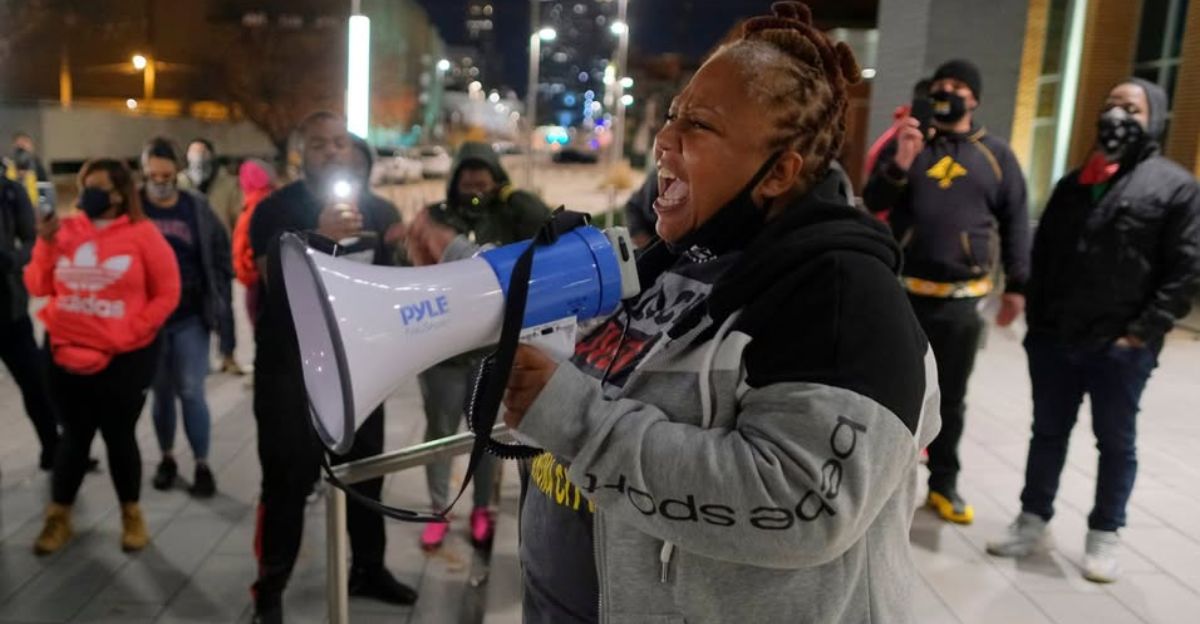
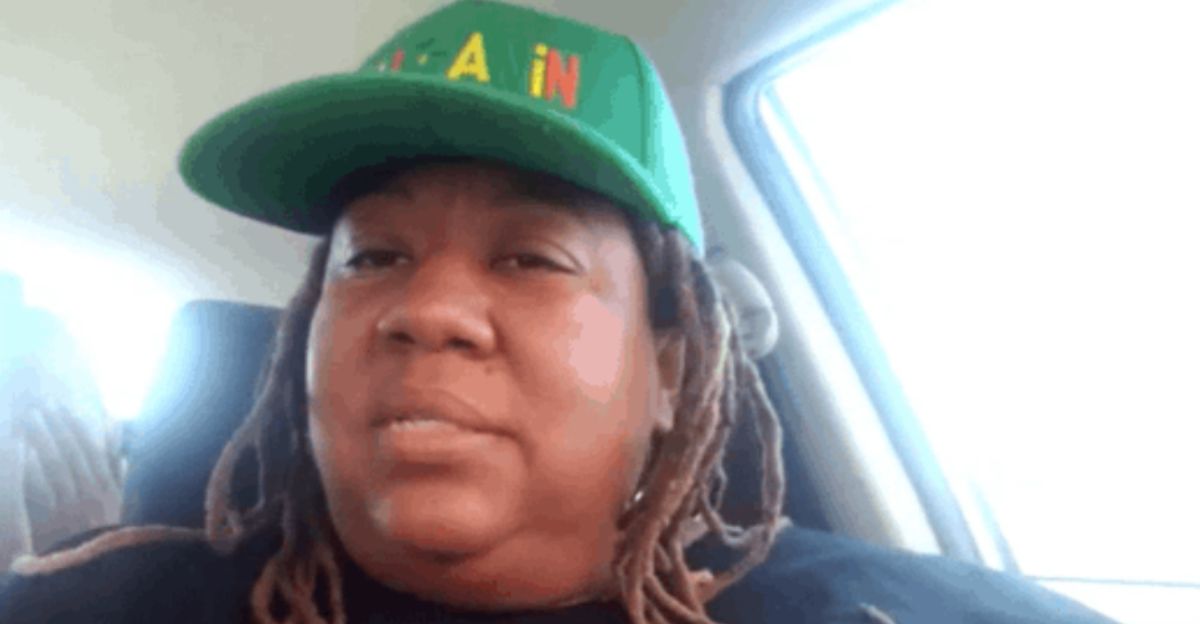
Following her release on bond, Dickerson took to Facebook Live to address her supporters directly. Avoiding specific details of the charges on the advice of counsel, she framed the indictment as an attack on her activism.
“A lot of times when people come at you with these types of things, it’s evidence that you are doing the work,” she stated, urging her followers to continue praying for her.
Legal Stakes and Consequences
The severity of the charges places Dickerson in significant legal peril. If convicted, she faces up to 20 years in federal prison for each of the 20 wire fraud counts and up to 10 years for each money laundering count.
Additionally, she could face fines totaling hundreds of thousands of dollars and the forfeiture of all assets and properties acquired through the alleged scheme.
Impact on Donor Confidence
Experts warn this indictment could have a chilling effect on donations to grassroots social justice organizations. The alleged misuse of funds strikes at the core of the “bail fund” model, which relies on the public’s trust that returned bail money will be recycled to help other defendants.
This case may force donors to demand more rigorous financial transparency from non-traditional charitable groups.
Broader Federal Scrutiny
This case does not exist in a vacuum. It comes amid a wider Department of Justice review of finances within the broader Black Lives Matter movement.
Reports from late 2025 indicate federal investigators are looking into potential fraud across several entities that received tens of millions of dollars in 2020, though authorities have not formally linked Dickerson’s specific case to the investigation of the national foundation.
Distancing the National Brand
The Black Lives Matter Global Network Foundation moved quickly to distance itself from the Oklahoma City chapter.
A spokesperson emphasized that local chapters often operate independently of the national foundation, stating they have no direct operational control over BLM OKC. The national organization reiterated its commitment to transparency, seeking to protect its reputation from the fallout of the local indictment.
The Challenge of Fiscal Sponsorship

The indictment reveals significant weaknesses in the “fiscal sponsorship” model employed by many activist groups. While sponsorship allows grassroots groups to receive grants quickly without their own nonprofit status, it relies heavily on the honesty of local leaders.
This case suggests that fiscal sponsors may need to implement more stringent auditing protocols to prevent millions of dollars from being diverted into personal accounts.
What This Means for the Industry
The revelation of such large-scale alleged fraud is likely to trigger a regulatory crackdown on how charitable bail funds operate.
State attorneys general and federal regulators may look to impose stricter reporting requirements on organizations that handle bail money, potentially treating them more like financial institutions than loose collectives of activists.
A Pattern of Accountability
The prosecution of Dickerson signals a shift in how authorities are approaching pandemic-era donations.
After years of focusing on PPP loan fraud, federal investigators are increasingly turning their attention to the charitable sector. The sheer scale of the wealth transfer in 2020—billions of dollars moved in months—created opportunities for fraud that are only now being fully unpacked by forensic accountants.
The Human Cost
Beyond the financial figures lies a tangible human cost. The $3.15 million allegedly embezzled represents hundreds of defendants who could have been released from pretrial detention but remained incarcerated because the revolving bail fund had been drained.
The betrayal is not just of the donors who gave the money, but of the community members the organization was chartered to protect.
What Happens Next
Dickerson remains free on conditions pending her trial, the date of which has not yet been set. The discovery phase of the trial is expected to yield further details about the flow of money and may implicate others who received transfers.
Legal analysts anticipate a complex defense that may hinge on the chaotic nature of the 2020 protests and the lack of formal accounting training among activists.
A Turning Point for Activism
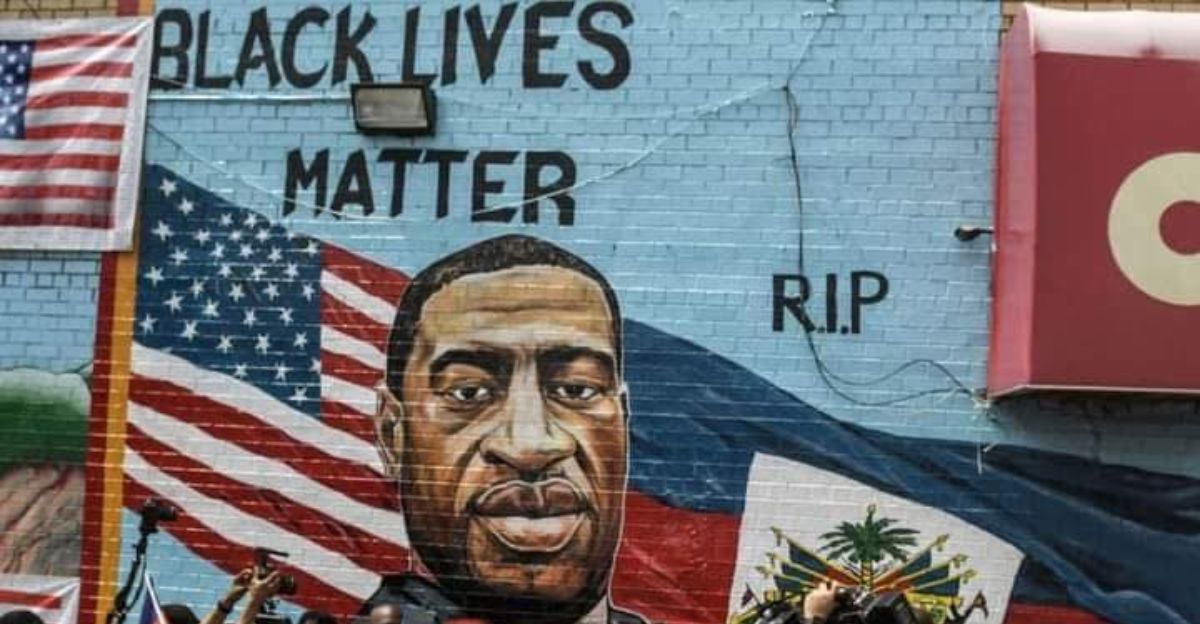
This scandal represents a critical maturity point for the modern social justice movement. It highlights the desperate need for professional infrastructure to match the fundraising power of viral social movements.
As the case proceeds, it will likely serve as a cautionary tale for organizers nationwide: passion for the cause does not exempt leaders from the strict laws governing charitable finance.
Restoring Public Faith
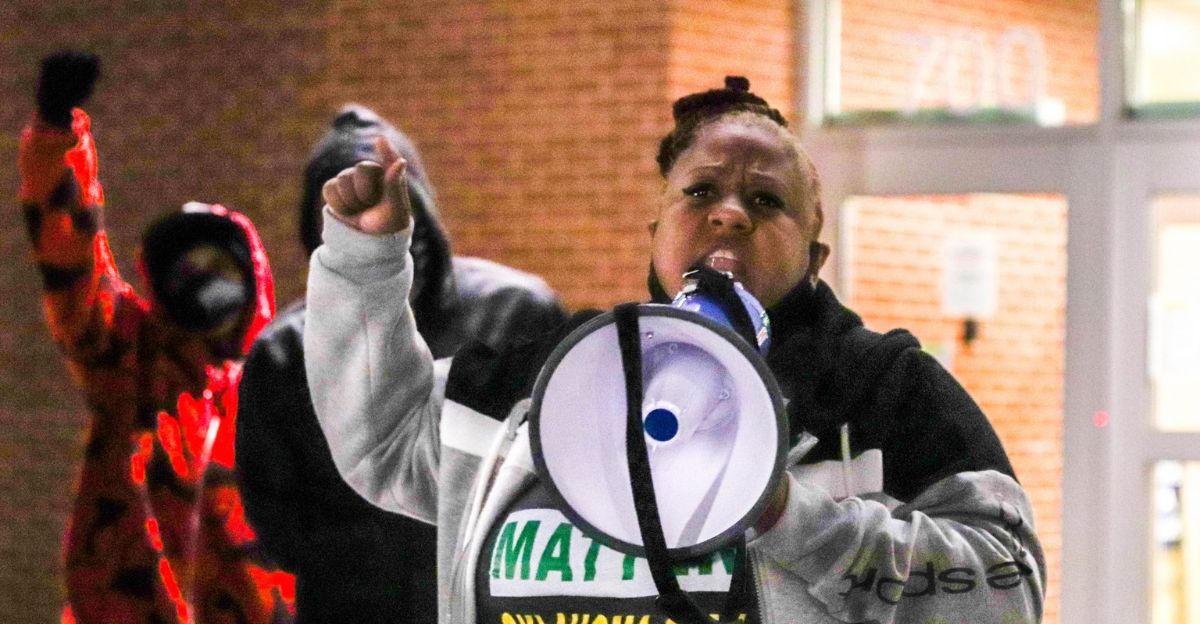
Ultimately, the alleged actions of a single leader have cast a long shadow over the genuine efforts of community organizers in Oklahoma. While the legal system determines Dickerson’s guilt, the community faces the challenging task of rebuilding trust in local activism.
The challenge now lies in rebuilding the shattered trust of donors who gave generously, believing their contributions would purchase freedom, not luxury.
Sources:
“Executive Director of Black Lives Matter OKC Charged with Wire Fraud and Money Laundering.” U.S. Attorney’s Office, Western District of Oklahoma, 11 Dec 2025.
“Oklahoma Black Lives Matter leader indicted for fraud, money laundering.” Associated Press, 11 Dec 2025.
“Black Lives Matter OKC leader charged with wire fraud, money laundering, alleged embezzlement scheme.” Fox News, 11 Dec 2025.
“Fiscal Sponsorship.” Alliance for Global Justice, 2023.