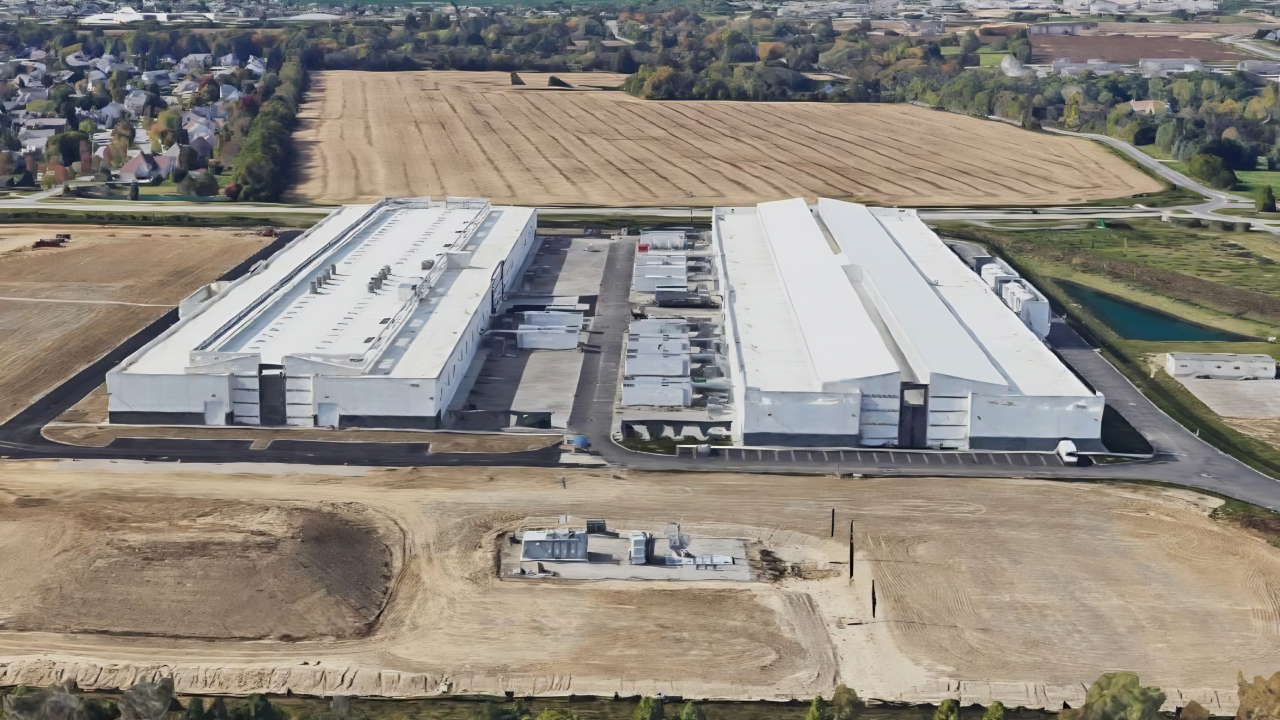
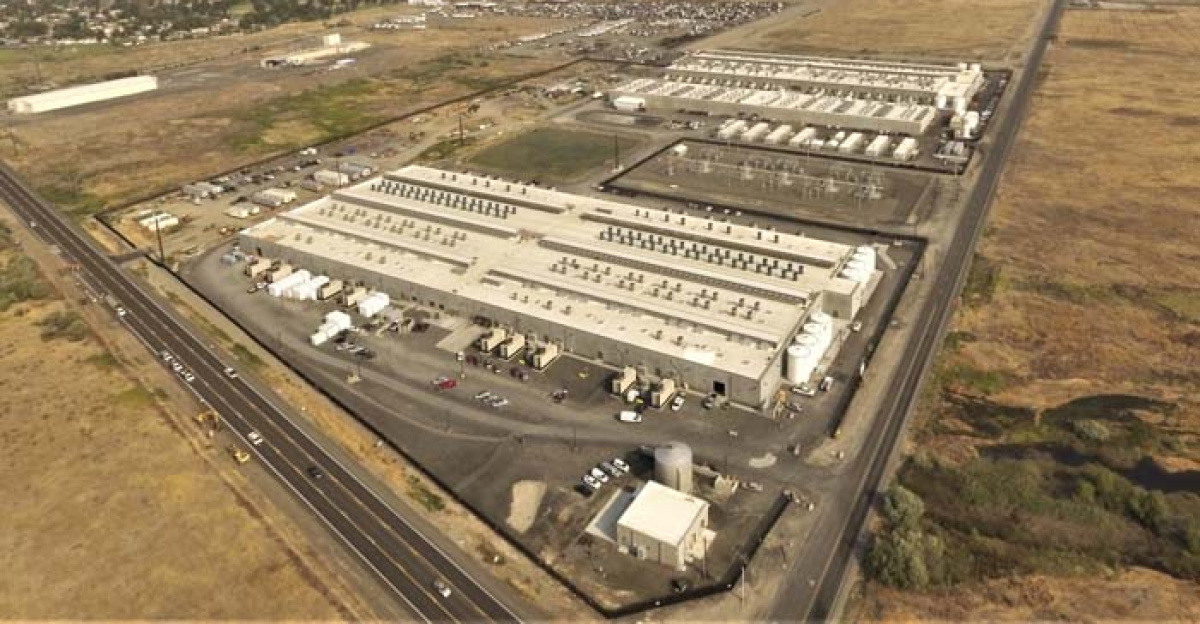
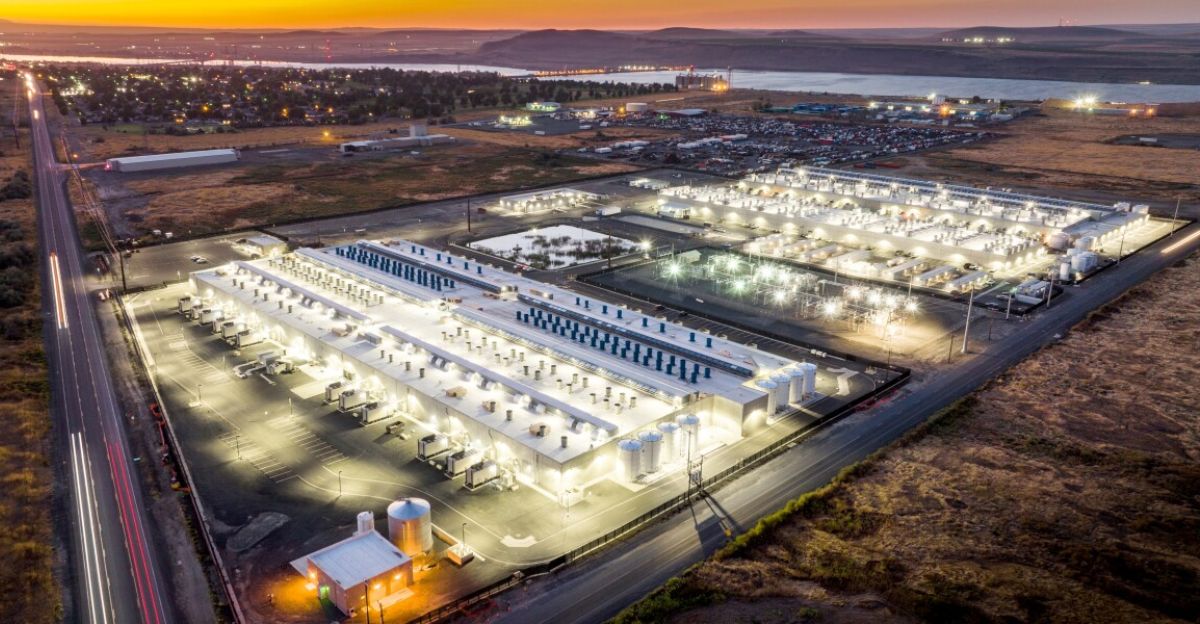
Industrial sprinklers hiss across the darkening fields of Morrow County, Oregon, misting the soil with wastewater concentrated at 56 parts per million of nitrates. This level is nearly six times the federal safety limit, yet the spraying continues relentlessly. Below the surface, this toxic runoff percolates into the aquifer, joining a plume of contamination that has turned the region’s tap water into a silent hazard.
For families living near these massive server farms, the cloud is not a digital abstraction; it is a physical force that concentrates pollutants in their backyard.
A Community at Risk

The contamination has transformed the Lower Umatilla Basin into a designated groundwater management area, but remediation efforts are failing to keep pace with the pollution. Residents describe water that smells foul and leaves residue, forcing many to rely on bottled water for cooking and drinking.
The agricultural heritage of the region is now at war with its own resources, as the water essential for farming becomes a vehicle for poisoning the population. What researchers discovered next suggests this rural nightmare is just the beginning of a nationwide emergency.
The $20 Billion Warning
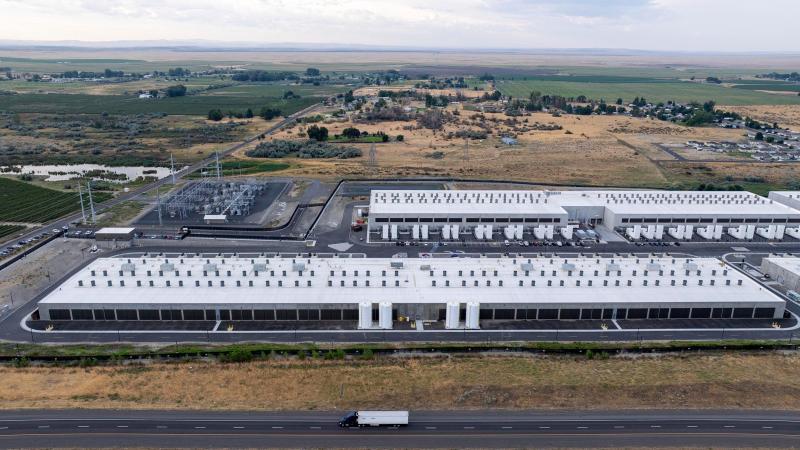
This localized environmental disaster has become the flashpoint for a global conversation about the physical toll of the internet. While Oregon residents battle contaminated wells, a bombshell report has linked the booming data center industry to a projected $20 billion annual public health crisis.
The investigation highlights two disturbing realities: the immediate contamination of groundwater in the Pacific Northwest and the long-term respiratory health issues caused by the industry’s insatiable appetite for power.
The AI Engine

At the center of the storm is Amazon Web Services (AWS), the dominant player in cloud computing. As the company races to build infrastructure for the artificial intelligence revolution, the environmental externalities are mounting.
From the risks of “blue baby syndrome” in Oregon to the smog-choked corridors of Northern Virginia, the infrastructure powering our digital lives is leaving a significant footprint on human health. The scale of the collateral damage has stunned regulators and residents alike.
Concentrating the Poison
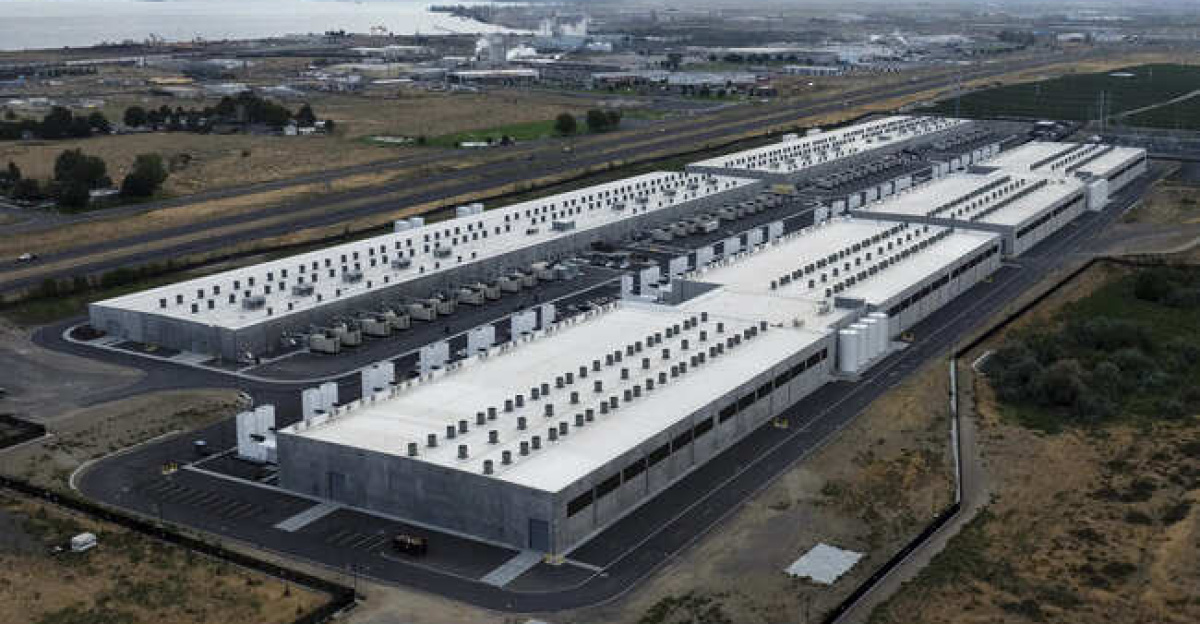
The mechanism driving the pollution in Oregon is brutally simple but devastatingly effective. Amazon’s data centers consume millions of gallons of water to cool their overheating servers.
As this water cycles through cooling towers, roughly half of it evaporates, dissipating heat into the atmosphere. However, the nitrates and minerals do not evaporate; they remain behind, creating a super-concentrated wastewater sludge that must be disposed of.
The Disposal Method
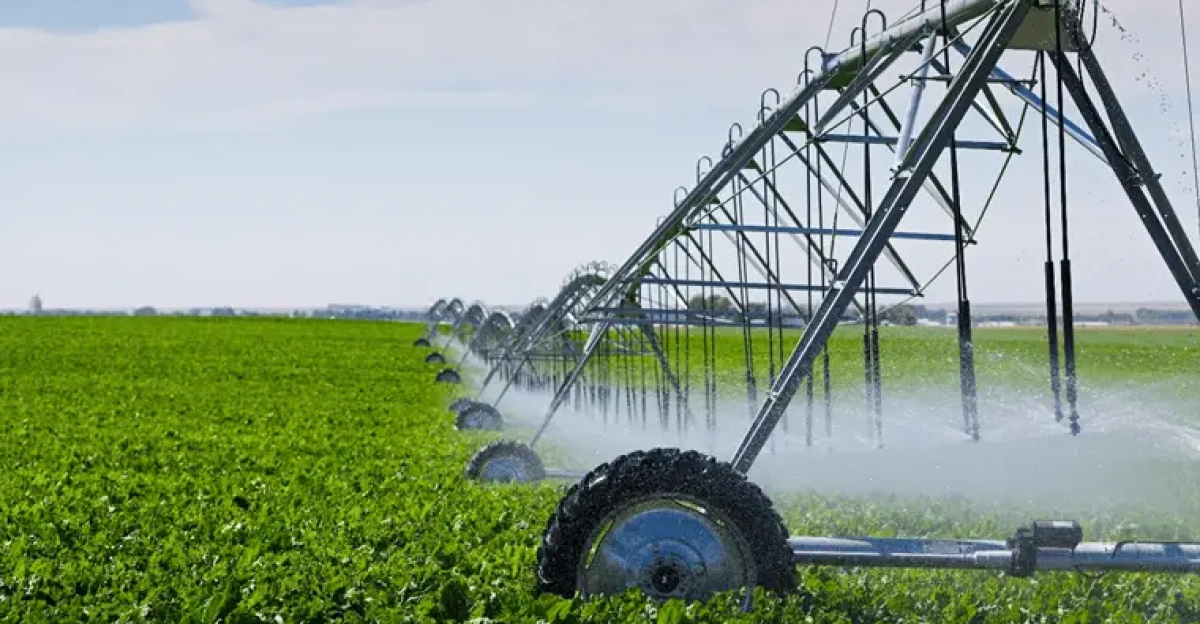
Instead of treating this hazardous byproduct, Amazon’s partners spray it onto nearby agricultural fields. This process, technically legal under outdated permits, overwhelms the soil’s ability to filter toxins, sending them straight into the drinking water supply.
The practice effectively recycles pollution, taking already contaminated groundwater, making it significantly more toxic, and reintroducing it into the environment where it can do the most harm to local residents.
Surveying the Damage

The health consequences for the local population have been immediate and devastating. In door-to-door surveys conducted by local officials, residents reported a terrifying cluster of medical anomalies that defy statistical probability.
Out of the first 30 homes visited near the contamination zone, families recounted 25 recent miscarriages. These numbers suggest a direct environmental trigger that is affecting the most vulnerable members of the community.
Medical Nightmares

Beyond reproductive health, the community is suffering from severe chronic conditions. Residents described rare cancers and kidney failures, painting a grim picture of a community under siege.
One former county commissioner met a 60-year-old man who had never smoked but was forced to have his voice box removed due to throat cancer. The water that sustains their farms is now viewed as a potential killer, creating a climate of fear.
The Air We Breathe

Nationwide, the threat shifts from water to air, posing a distinct and lethal risk. To guarantee 100% uptime for the AI economy, data centers rely on armies of diesel backup generators. In major data hubs, these “emergency” generators are run frequently for testing and demand response, effectively functioning as unregulated power plants.
The emissions from these clusters drift across state lines, affecting millions who may never use a cloud service.
Diesel Dependence
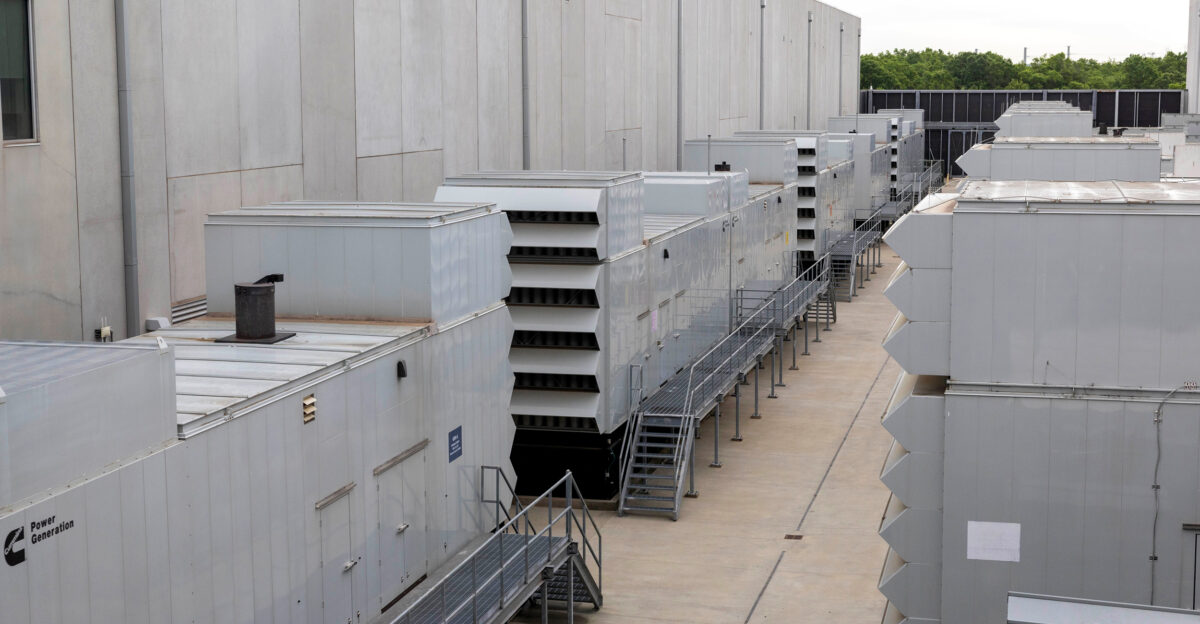
These machines, often the size of railcars, emit nitrogen oxides and fine particulate matter (PM2.5) that penetrate deeply into human lungs. In Northern Virginia alone, the concentration of data centers has created air quality issues that rival major industrial zones.
As the grid struggles to keep up with AI’s power demands, these dirty diesel generators are becoming a primary, rather than secondary, feature of the energy landscape.
Lethal Projections
New modeling by University of California, Riverside researcher Shaolei Ren puts a grim price tag on this pollution. His study projects that by 2030, the cumulative emissions from U.S. data centers will result in 1,300 premature deaths annually.
This stark calculation challenges the industry’s narrative of “clean cloud” computing, revealing a hidden mortality rate attached to every gigabyte of data processed and every AI query answered.
The Economic Toll

The financial burden of this pollution is equally staggering. The estimated $20 billion annual health cost includes hospitalizations for asthma, treatment for heart disease, and lost productivity. This figure rivals the entire environmental damage cost of California’s on-road vehicles.
Yet, unlike car exhausts, which are heavily regulated, the pollution from the digital infrastructure boom has largely escaped federal scrutiny, leaving local communities to foot the bill.
Echoes of Flint
“The precedent is Flint,” warned Kristin Ostrom, executive director of Oregon Rural Action, drawing a chilling parallel to the Michigan water crisis. Her statement highlights the systemic nature of the problem: a massive, wealthy entity externalizing its costs onto a politically marginalized community.
The slow response from state agencies and the denial from corporate actors follow a script that environmental advocates know all too well.
Systemic Inequity
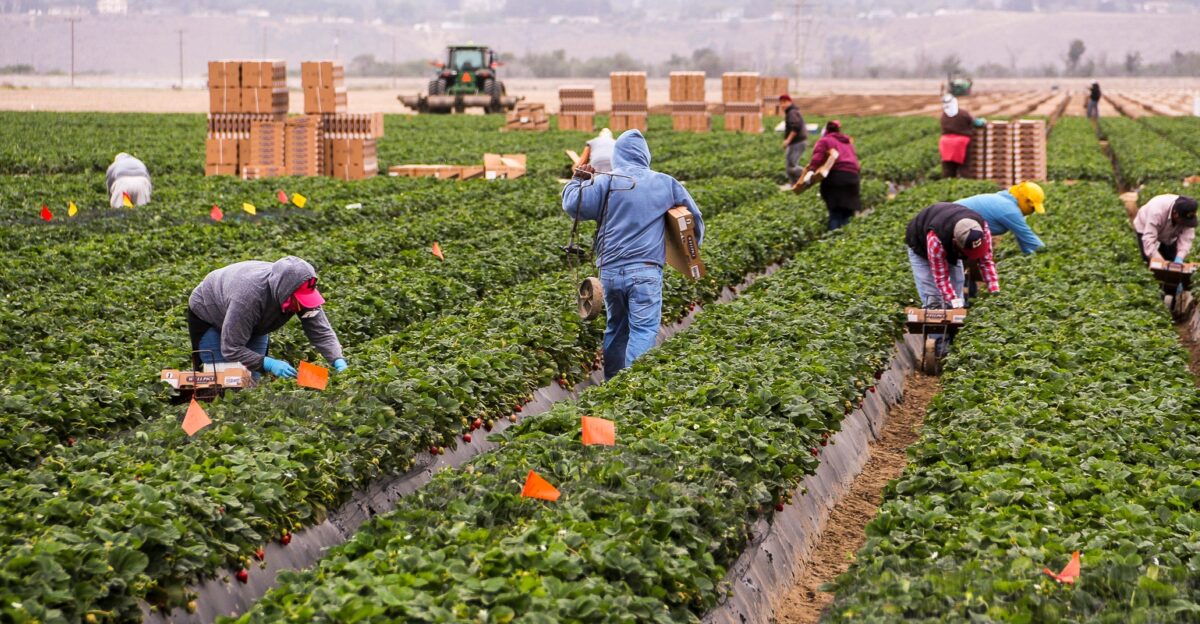
For the Latino farmworkers and low-income families of Morrow County, the fight is not just about environmental policy, but about basic human dignity. Research indicates that data centers are disproportionately sited in areas with lower land costs and fewer regulatory hurdles, often placing the health burden on lower-income populations.
The “digital divide” is evolving into a “pollution divide,” where the benefits of AI are privatized while the costs are socialized.
Legal Retaliation

Legal heavyweights are entering the fray to amplify these voices. Steve Berman, the attorney famous for securing the largest settlement in history against Big Tobacco, has filed a class-action lawsuit.
“They are treating this community like a dumping ground,” Berman’s team argues, seeking to hold the industrial operators accountable for remediation. The lawsuit represents a pivotal moment, signaling that the tech industry’s immunity to environmental liability may be coming to an end.
Corporate Denial
Amazon has pushed back against these allegations with corporate force. Spokesperson Lisa Levandowski stated that the company’s water usage is “only a very small fraction” of the region’s total and insisted that nitrates are not used in their data centers.
The company attributes the crisis to decades of agricultural mismanagement that predates their arrival, arguing they are being unfairly scapegoated for a regional problem.
Internal Calculations

However, internal documents have complicated Amazon’s defense. Emails obtained by investigators reveal executives debating whether contributing to clean water efforts would be interpreted as an admission of guilt.
In other exchanges, the company appeared to leverage the crisis in negotiations, tying potential aid to tax incentives. These revelations have fueled a sense of betrayal, suggesting that the company prioritized its bottom line over safety.
Exponential Demand

The trajectory of the artificial intelligence boom suggests these conflicts will only intensify. Industry analysts predict that data center power demand in the United States will double by 2030.
As tech giants race to build larger campuses to support generative AI models, the pressure on local resources—water aquifers and air sheds—will reach breaking points in communities from Arizona to Virginia.
Regulatory Awakening

Regulators are finally scrambling to catch up with the technology’s physical reality. In Virginia, officials are debating tighter controls on the use of diesel generators, while Oregon lawmakers face pressure to cap the generous tax breaks that have attracted these facilities.
The era of the “invisible” cloud is coming to an end; future data centers will likely face stringent environmental impact assessments that account for cumulative health risks before construction begins.
The Final Choice
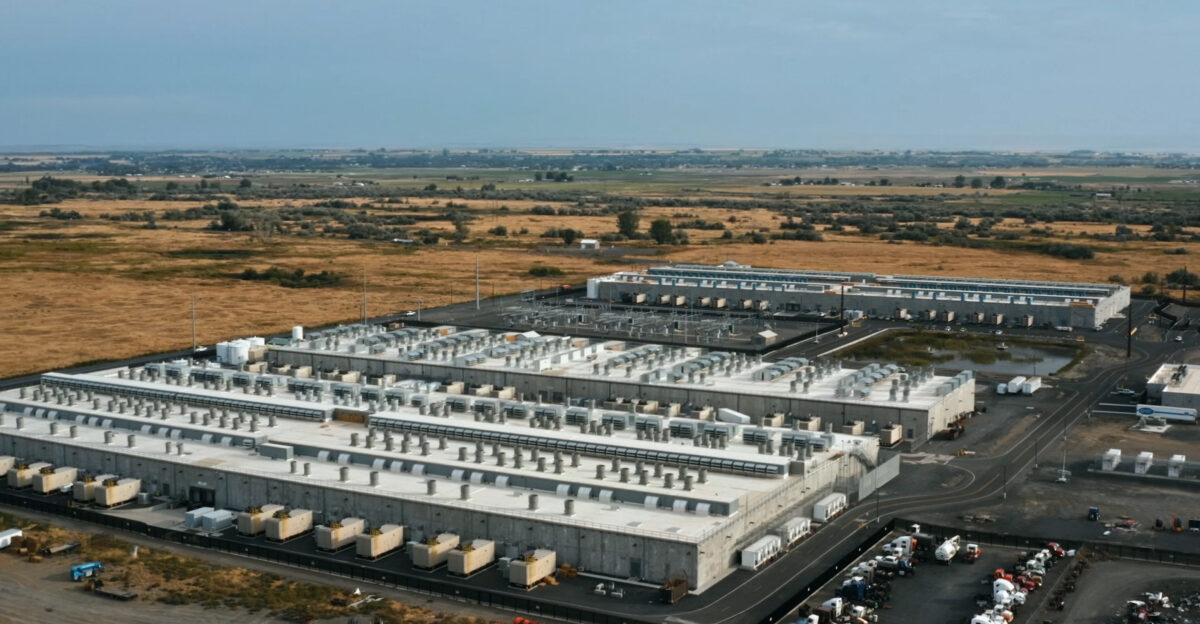
Ultimately, the crisis in Oregon serves as a grim warning for the rest of the nation. It demonstrates that the digital world is inextricably tethered to the physical one.
As we embrace the conveniences of AI and cloud computing, we must decide if we are willing to accept “sacrifice zones” as the price of progress. The technology may be virtual, but the consequences for human life are undeniably real.
Sources:
“Amazon Data Center Linked to Cluster of Rare Cancers.” Yahoo News / Rolling Stone, Nov 2025.
“Quantifying the Public Health Impact of AI.” University of California, Riverside, 2024.
“Data centers in Oregon might be helping to drive an environmental crisis.” The Verge, Nov 2025.
“Oregon Lawsuit Alleging Nitrate-Polluted Groundwater Filed Against Port of Morrow, Three-Mile Canyon Farms, Lamb Weston and Amazon.” Hagens Berman, Dec 2025.