
Your shopping cart can reveal more about your financial situation than a bank statement. Lower-middle-class families often treat certain grocery items as luxuries, splurging on convenience and emotional comfort.
These same products are typically skipped by wealthier shoppers who have access to better alternatives. The gap isn’t just about affordability—it’s about what different income groups are willing to pay premiums for. Let’s explore these “splurge” items that tell a deeper story about class.
1 Pre-Marinated Meats: Paying for Convenience, Not Quality
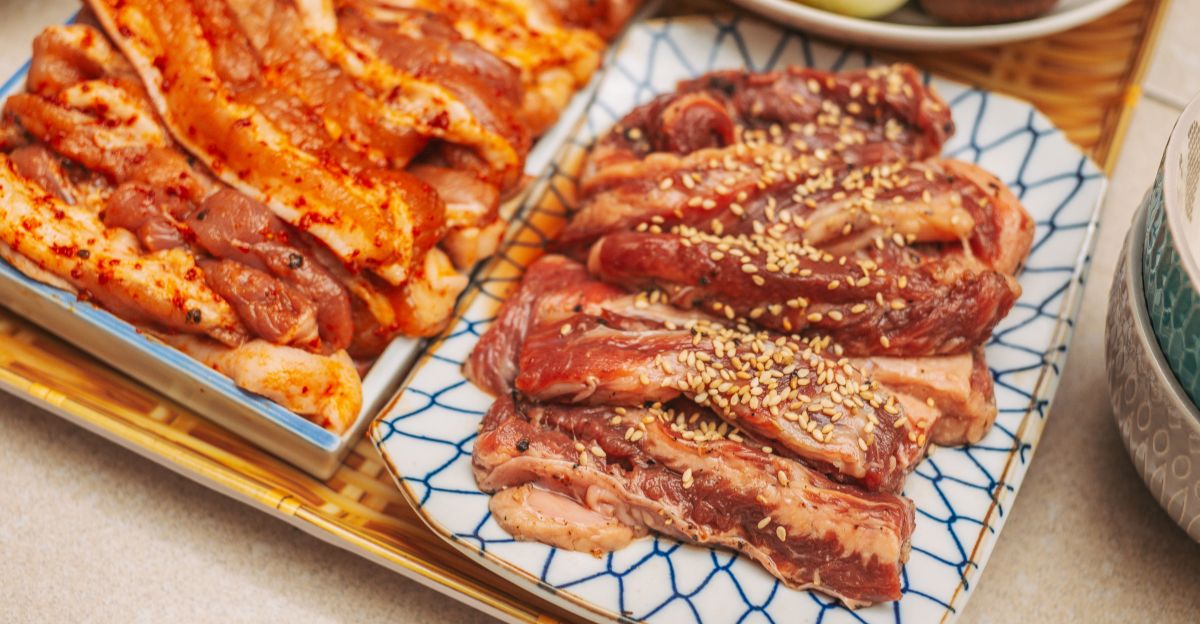
Pre-marinated meats, like chicken breasts and pork chops, offer a quick and flavorful dinner with minimal effort. For busy families, this convenience feels like a small victory in the face of daily exhaustion. But the cost per pound can be double that of plain cuts.
Wealthier shoppers avoid these items, opting for fresh, unseasoned cuts where they can control quality. The price of convenience comes at an emotional premium, and it adds up over time.
The Price of Pre-Marinated Meats
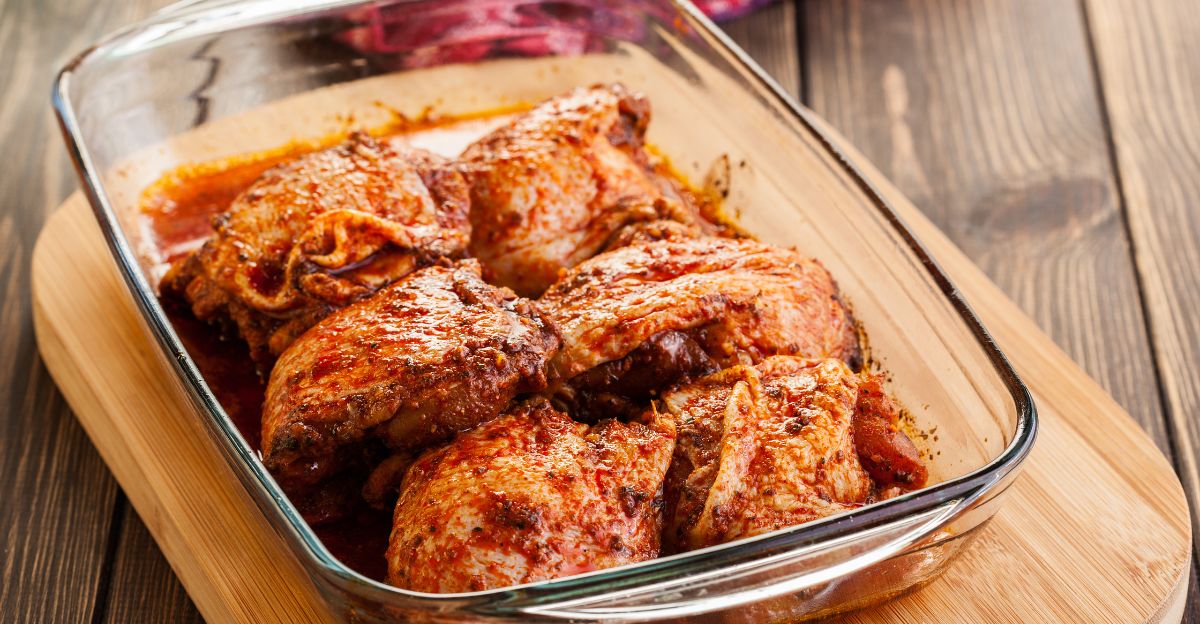
A USDA report from August 2024 showed that a bagged fryer chicken costs $1.56 per pound, while marinated chicken breasts can go for $2.91 per pound. That’s not just about the meat—it’s the cost of labor, packaging, and convenience.
For lower-middle-class families, paying a little extra for ease feels worthwhile. But for those with higher incomes, plain cuts are the obvious choice, avoiding the emotional cost of “time savings.”
2. Name Brand Cereal: A Special Occasion Treat
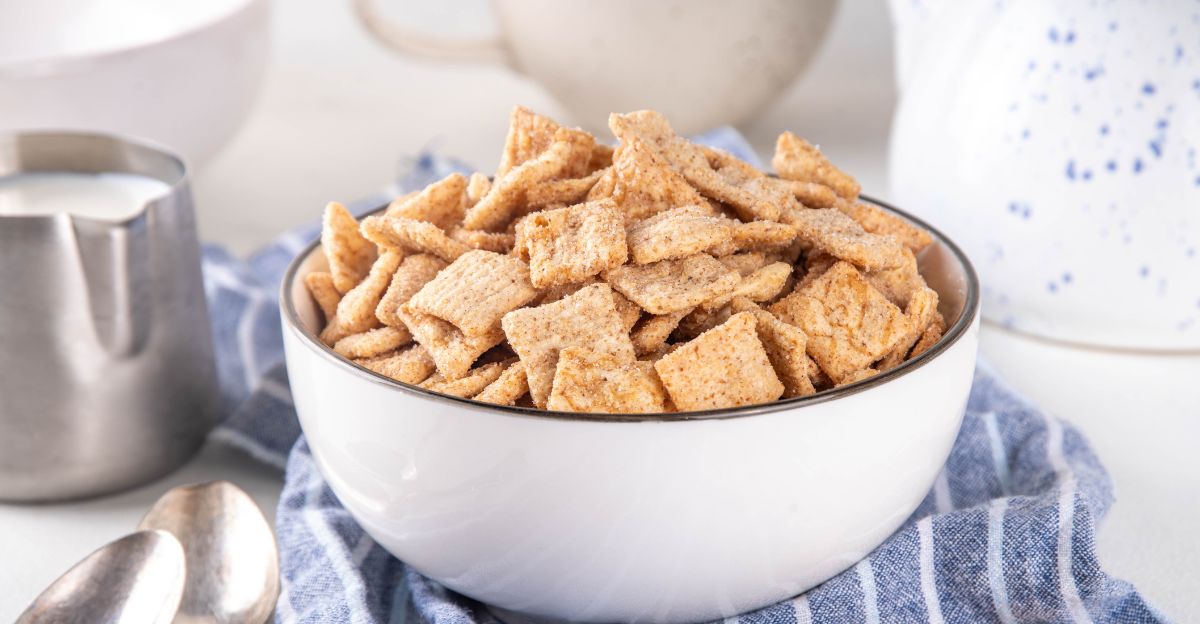
Frosted Flakes, Lucky Charms, Cinnamon Toast Crunch—these sugary cereals are seen as treats in lower-middle-class households. They’re not everyday items; they’re reserved for special occasions like weekends or rewards. For many families, these cereals represent affordable joy.
In contrast, wealthier shoppers skip the sugary boxes and opt for organic granola or other healthy alternatives. The price difference isn’t just about health—it’s about perceptions of value and indulgence.
Why Wealthy Shoppers Skip the Cereal Aisle
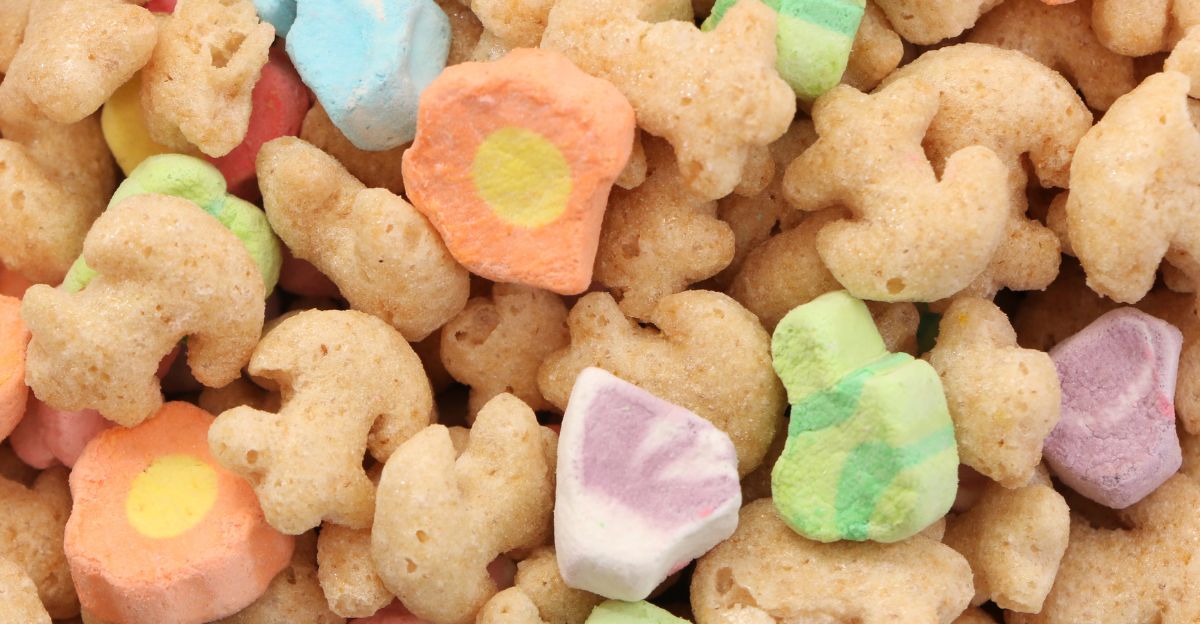
Name brand cereals are expensive due to higher marketing costs and branding. A packaging worker revealed that generic cereals are often identical to their branded counterparts.
Despite the price premium, many lower-middle-class families still see these cereals as a worthy splurge. Wealthier households, however, avoid them altogether, opting for bulk, organic alternatives or skipping cereal entirely for healthier breakfast options.
3. Flavored Coffee Creamers: A $5 Morning Indulgence
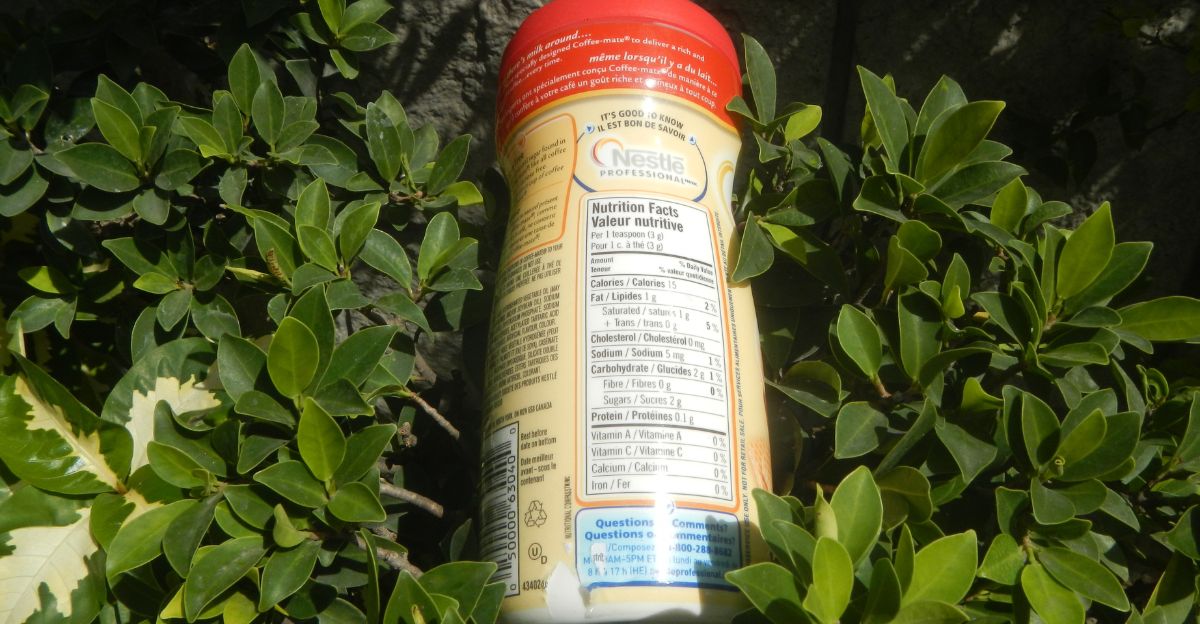
Flavored coffee creamers—French vanilla, hazelnut, pumpkin spice—transform a regular cup of coffee into an affordable luxury. At $4 to $5 per bottle, they’re seen as a cost-effective alternative to coffee shop lattes.
For families on a budget, they provide a small indulgence in an otherwise stressful day. Wealthy shoppers, however, avoid these products, either drinking black coffee or investing in higher-quality coffee beans.
The Annual Cost of Flavored Creamers

One bottle of flavored creamer each week costs around $260 annually. Wealthier shoppers typically bypass this cost, either switching to black coffee or investing in expensive beans that don’t need creamers.
For lower-middle-class families, these splurges feel like essential comfort, a way to enjoy a café experience at home. But the emotional value comes with a price tag that adds up over the year.
4. Frozen Appetizers: The $7 Convenience Snack
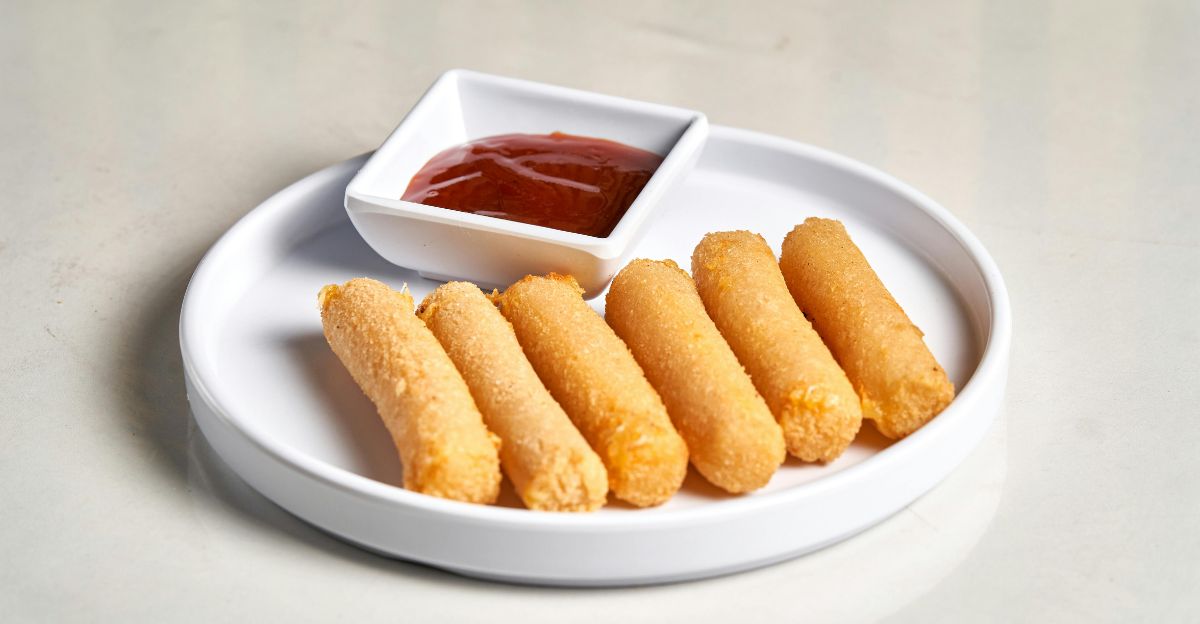
Frozen appetizers like mozzarella sticks, jalapeño poppers, and mini egg rolls are often seen as affordable luxuries. Priced around $6 to $7 per box, they promise quick, restaurant-quality snacks.
For families hosting gatherings or treating their kids, these appetizers represent accessible luxury. But wealthy shoppers avoid these, either opting for fresh, homemade snacks or catering options, making these frozen items an economic and class symbol.
Why Frozen Appetizers Aren’t Worth the Price
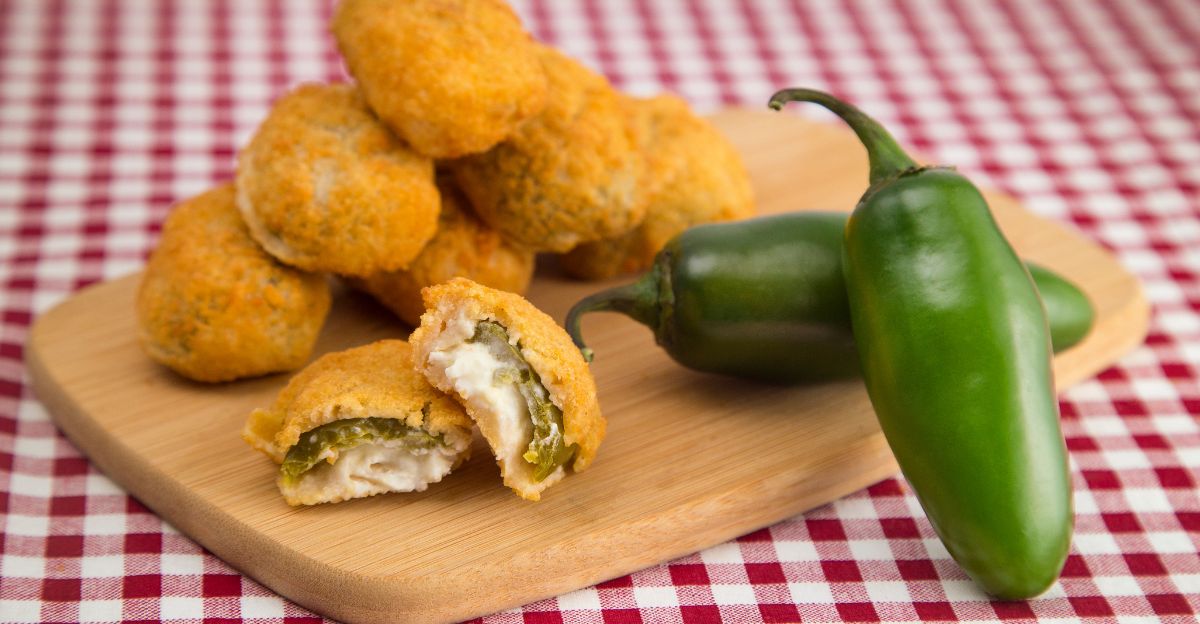
The cost of frozen appetizers is high—$7 for 12 pieces of mozzarella sticks, for example. If you bought ingredients and made them from scratch, you’d spend a fraction of the price and have far more.
But the time and effort required to cook them from scratch are often seen as too much of a burden for families already stretched thin. Wealthier households, with more time and resources, don’t pay these premiums.
5. Premium Ice Cream Pints: $6 of Emotional Comfort
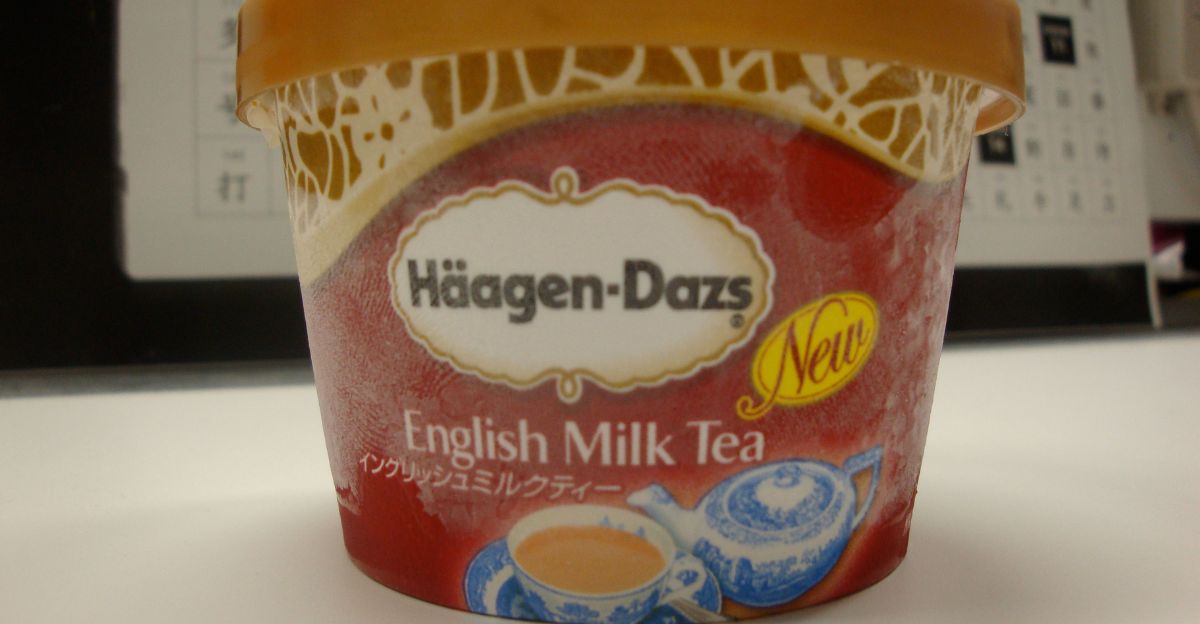
Ben & Jerry’s, Häagen-Dazs, Talenti—premium ice cream brands offer a comforting indulgence. At $5 to $8 per pint, these represent a small luxury, often marking celebrations or comforting rough days. But for wealthier shoppers, this is an unnecessary expense.
They either make homemade ice cream or indulge in higher-quality experiences at local parlors. For lower-middle-class families, these pints feel like an emotional investment in survival and comfort.
How Premium Ice Cream Adds Up
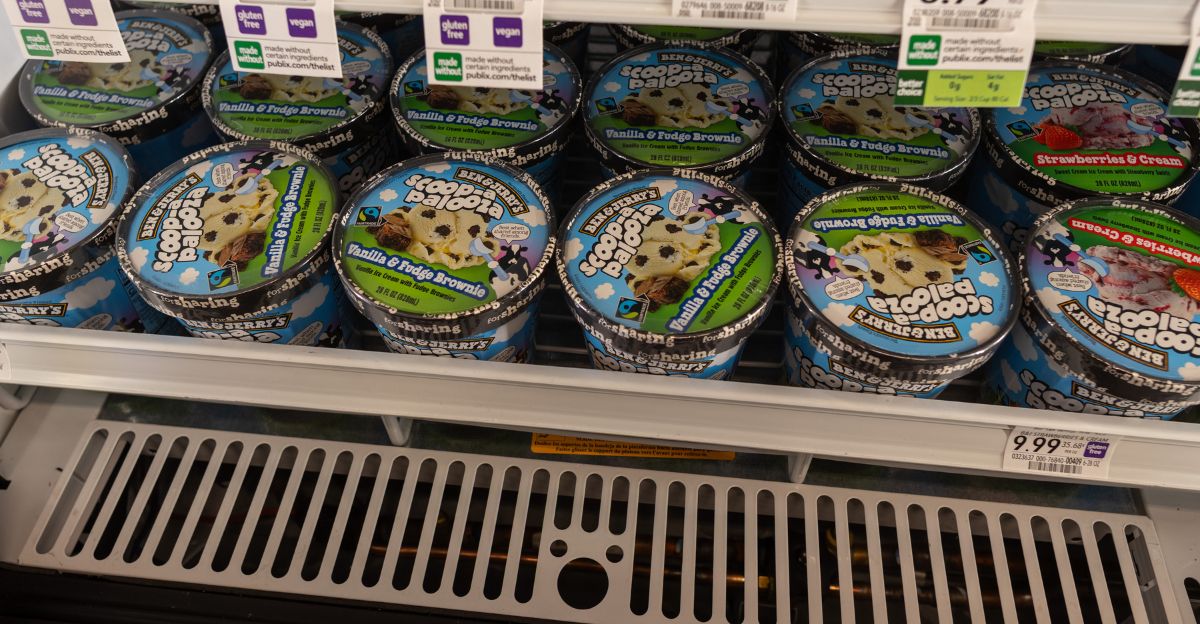
Buying a $6 pint of ice cream every week adds up to $312 annually. Wealthy families often skip grocery store ice cream, preferring artisan shops or homemade treats.
The emotional value of a pint of premium ice cream is real, but the financial impact compounds year after year. Wealthier households often find other ways to indulge in dessert without spending the same amount.
6. Individual Juice Boxes and Pouches: Convenience in a Box
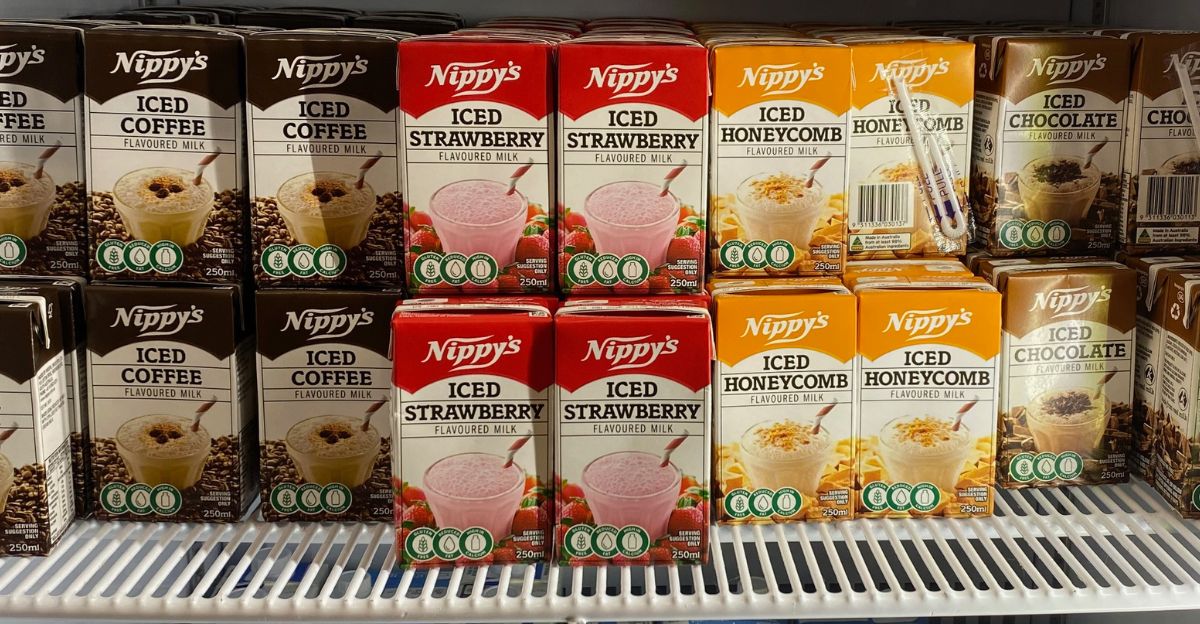
Juice boxes and pouches are marketed as healthy and convenient options for kids, yet they come with a hefty price tag. At $1 to $2 per box, these items represent an expensive and unnecessary convenience.
For wealthier families, juice is bought in bulk, often fresh or served in reusable containers. The premium on single-serve packaging is steep, and it’s a cost that adds up over the course of the year.
The Price of Portion Control

Juice boxes are significantly more expensive per ounce than buying juice in bulk. While marketing convinces parents they’re making a healthy choice, many of these drinks are loaded with sugar.
Wealthier families bypass the single-serve packaging and opt for alternatives like fresh juice or water. The price tag for convenience—especially for something that isn’t as healthy as advertised—becomes harder to justify.
7. Pre-Shredded Cheese: The $2-Minute Tax
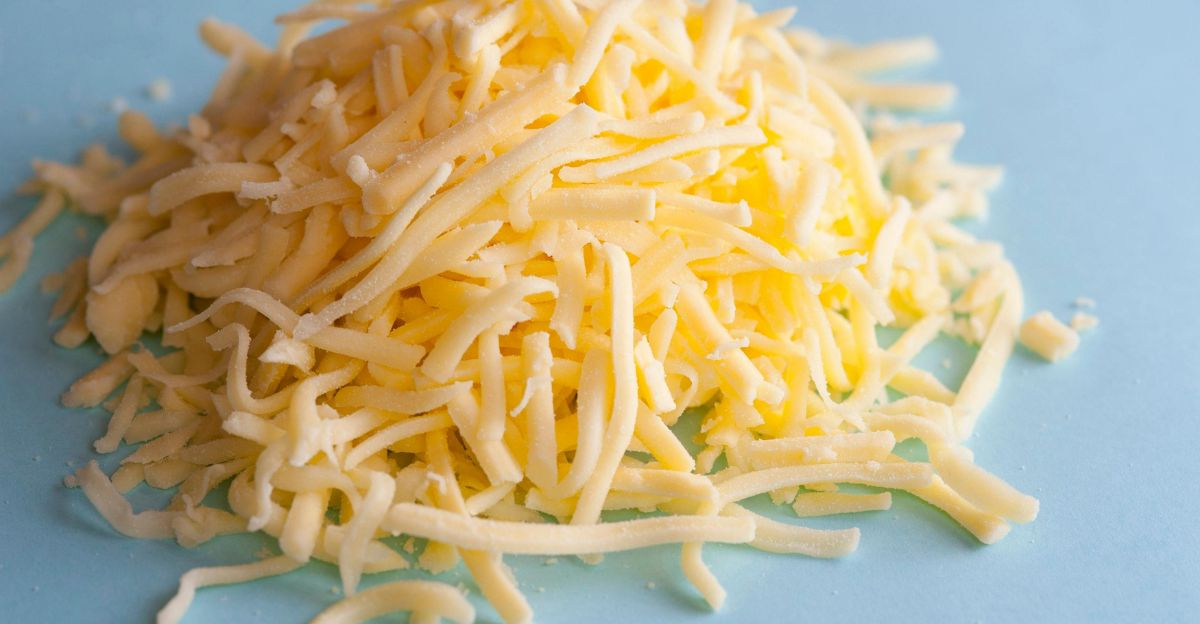
Pre-shredded cheese offers convenience—no grating required. But it comes at a cost: sometimes double the price of block cheese. For busy families, those extra few minutes saved in the kitchen are worth the price.
However, wealthy shoppers avoid pre-shredded cheese, opting for fresh blocks of cheese, which are cheaper and melt better. This is another example of how convenience can have a class-based price premium.
Why Wealthy Shoppers Skip Pre-Shredded Cheese
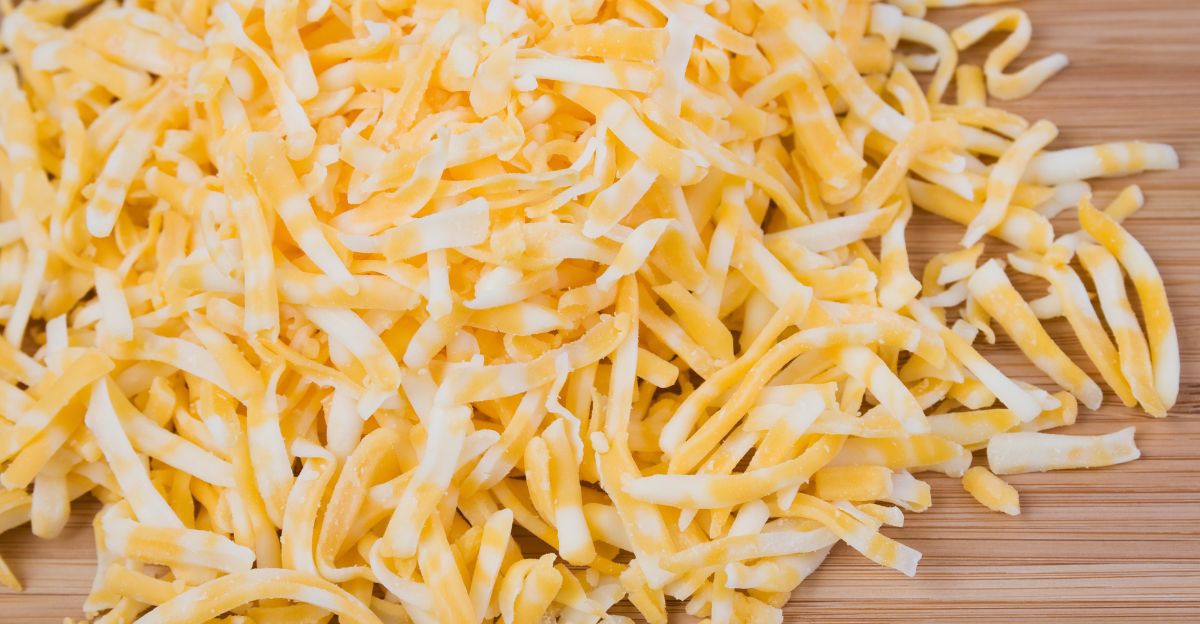
Pre-shredded cheese might seem like a time-saver, but the additives that prevent clumping compromise quality. Block cheese, while requiring more effort, offers better texture and flavor.
Wealthier households avoid the premium price for pre-shredded cheese, opting instead for fresh blocks or using food processors to save time. The cost savings are clear, but time-strapped families still pay the convenience premium.
8. Flavored Sparkling Water: The $5 Carbonated Air

Flavored sparkling water has become a cultural phenomenon, but it comes with a hefty price tag—$4 to $6 per case. While marketed as a healthier alternative to soda, these drinks are essentially carbonated water with flavoring, and wealthy households often skip this expense entirely.
Instead, they invest in home carbonation systems or simply drink plain water. The premium for flavored sparkling water represents a lifestyle choice more than a necessity.
The Home Carbonation Solution
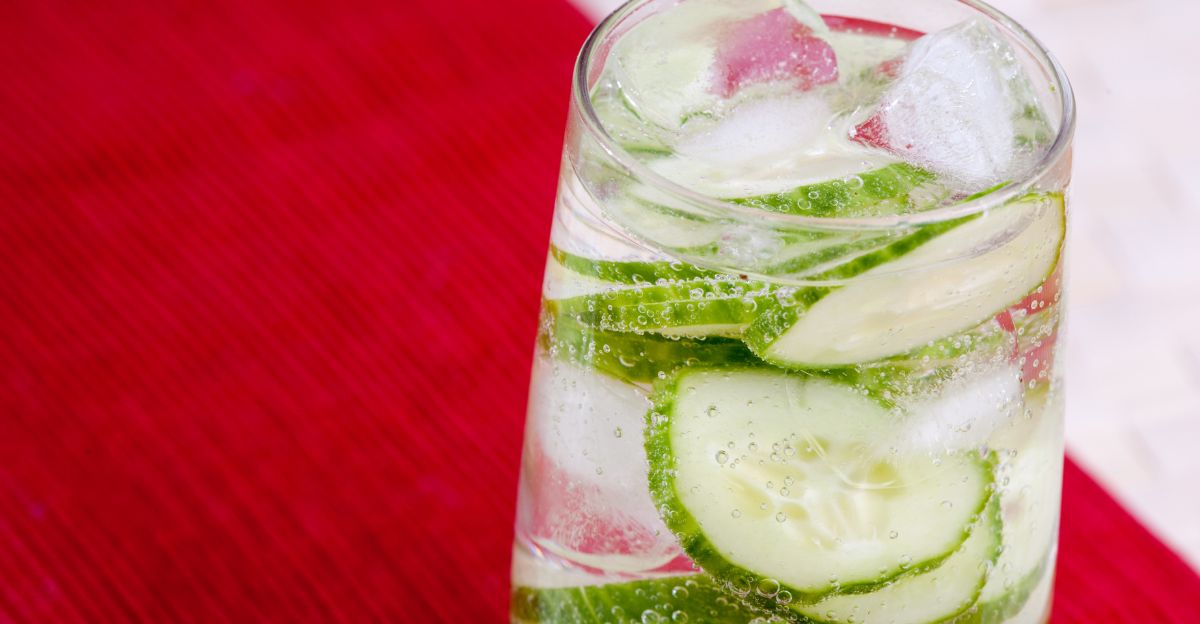
For wealthy families, home carbonation systems like SodaStream offer a more cost-effective alternative to buying flavored sparkling water. After the initial investment, the cost of carbonation is mere pennies per liter.
This provides a clear class divide: one group spends hundreds annually on single-use packaging, while the other invests in reusable systems. Both groups enjoy the same drink—one simply pays far less for it.
9. Frozen Skillet Meal Kits: The $12 Dinner Solution
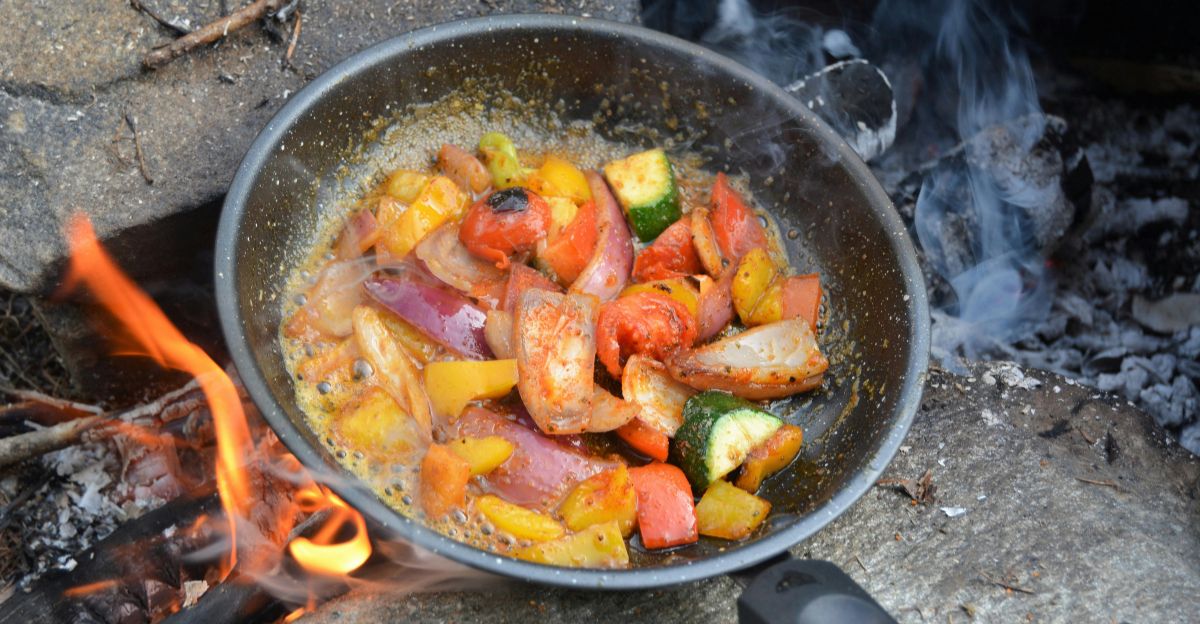
Frozen skillet meal kits offer a quick dinner solution, with protein, veggies, and sauce all in one bag. For families struggling with time poverty, these $8 to $12 kits seem like a godsend.
However, when you compare the price to the cost of raw ingredients, it becomes clear that these are expensive convenience items. Wealthy households typically avoid these, opting for fresh ingredients or meal delivery services instead.
The Hidden Cost of Frozen Meal Kits
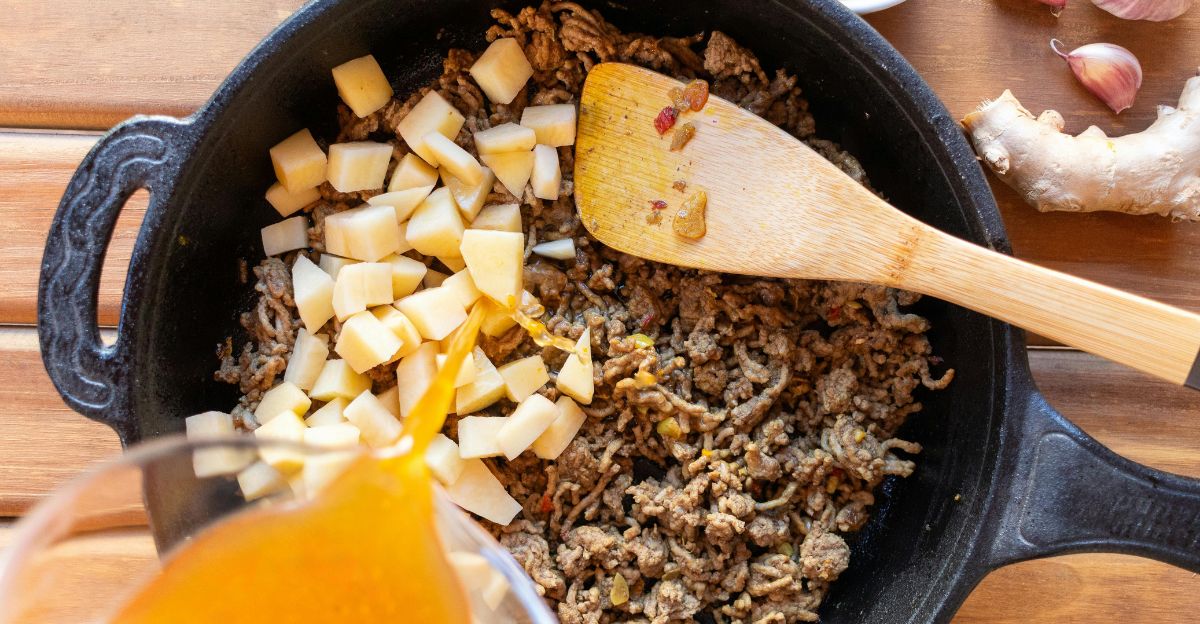
Frozen meal kits might seem affordable, but the price per serving is high—$12 for a 3-person meal. If families used the same money to buy raw ingredients, they could prepare multiple meals instead.
However, the time saved in preparation justifies the cost for many lower-middle-class families. Wealthier households, with more resources and time, avoid these kits altogether.
The Grocery Cart Mirror: Convenience is Class-Coded
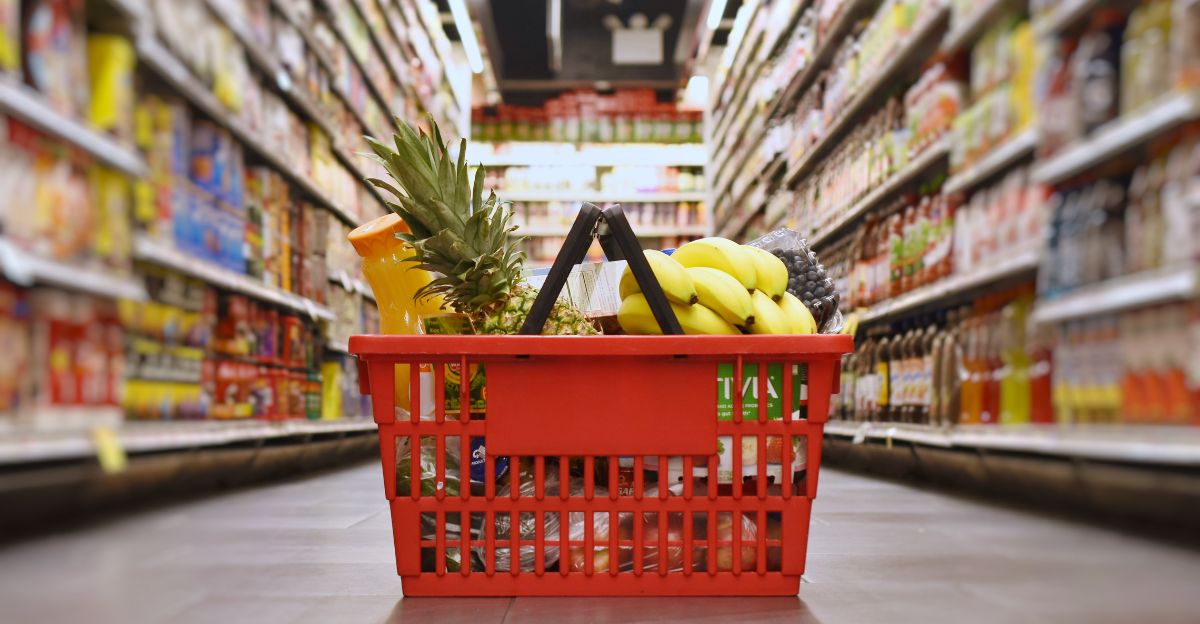
The grocery items we splurge on reveal more than just our spending habits—they reflect our class status. For lower-middle-class families, convenience comes at a high price.
From pre-marinated meats to flavored sparkling water, these items carry premiums that wealthy shoppers simply don’t pay. Convenience isn’t neutral—it’s class-coded, and understanding these distinctions can help families make more informed decisions about their spending.