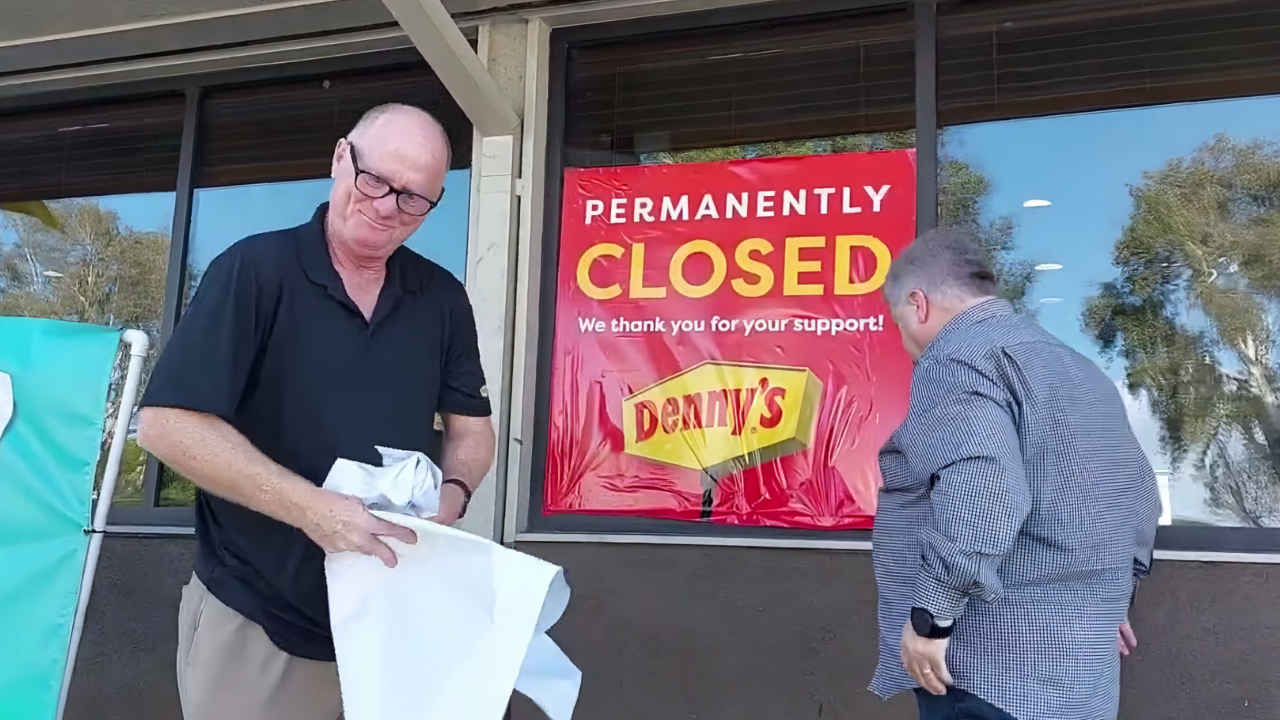
Once synonymous with “always open,” Denny’s is shuttering 150 locations—12% of its footprint—by year-end. Coupled with a $620 million buyout and significant menu cuts, this marks a dramatic shift in the casual dining industry. Two Texas diners have already closed, but the majority of closures remain undisclosed. What’s driving this upheaval, and how will workers and communities nationwide cope? Here’s what’s going on.
The Foundation—What’s Really Happening
Denny’s is executing its largest closure wave in recent history. From 2023 through the end of the year, 150 underperforming restaurants will permanently close. The first 88 shuttered last year; 70–90 more are now being phased out. CEO Kelli Valade said on December 4, “Rationalizing the portfolio was the right thing to do, and we’re seeing the results that we wanted and expected from this process.”
Only 2 Texas Denny’s Confirmed So Far
Texas has roughly 185 Denny’s locations, yet only two closures have been confirmed: Lubbock at 601 Avenue. Q and New Braunfels at 1348 I-35 N. Frontage Road. Less than 1% of the state’s diners are affected, but the company refuses to release the full list. Communities and franchisees remain anxious, uncertain which locations might be shuttered next, and speculation is growing.
24/7 Hours Are Becoming Relics of the Past
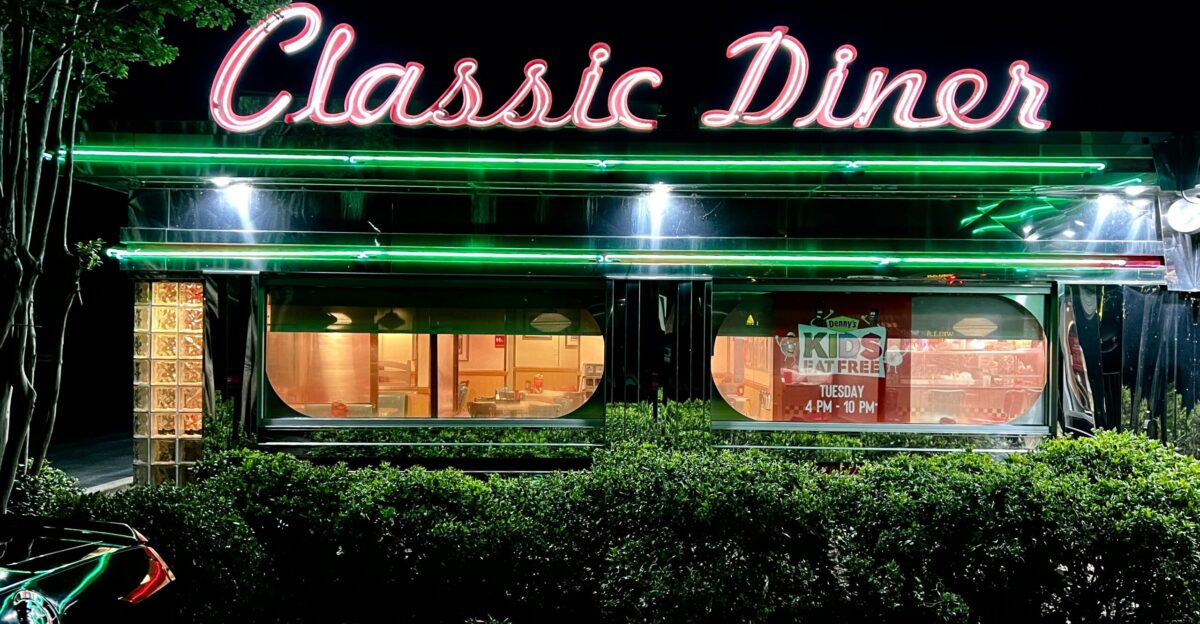
Denny’s built its identity on being open around the clock. “The diner that never closes” was more than a slogan—it was a promise. Last October, many locations ended this practice. Operating 24/7 “didn’t make sense” in low-traffic areas, according to Fast Company. Late-night diners are losing a familiar refuge, leaving cultural traditions quietly disappearing.
Denny’s Is Shrinking What Made It Famous
The menu is being cut from 97 items to just 46, a 53% reduction. Data analytics highlighted a “9% menu optimization” opportunity to improve speed and reduce waste. Grand Slam and chicken-fried steak remain, but specialty pancakes and some Build Your Own options are gone. When a diner stops being a diner, communities notice.
Same-Store Sales Fell 2.9% in Q3
Denny’s same-store sales declined 2.9% in Q3 2025, as reported by Market Realist on December 8. Rising food costs (+7.2%) and labor costs (+5.6%) squeezed margins, forcing the closure of underperforming units. This financial crunch made the wave inevitable. Yet, behind the numbers are human stories often overlooked: employees losing their jobs and diners losing their local gathering spots, raising questions about the cost of corporate survival.
TGI Fridays’ Bankrupt Parent Acquires Denny’s
A consortium announced a $620 million all-cash buyout in November, expected to close Q1 2026. Buyers include TriArtisan Capital Advisors, Treville Capital Group, and Yadav Enterprises. Yadav already runs roughly 550 restaurants nationwide. Managing one struggling brand while acquiring another shows risk. Will Yadav succeed, or is this a consolidation of casual dining’s failing players?
“Closures Aren’t Because of the Acquisition”
Denny’s insists closures predate the buyout. The chain is opening 25–40 new locations in 2025, including Keke’s Cafes, which were acquired in 2022. Yet, the closure plan, initiated in 2023, accelerated as the sale drew near. Shuttering 150 units during an acquisition seems coordinated. Even if executives deny intent, timing raises questions about the true relationship between corporate strategy and store closures.
Invisible Workers Face Uncertain Futures
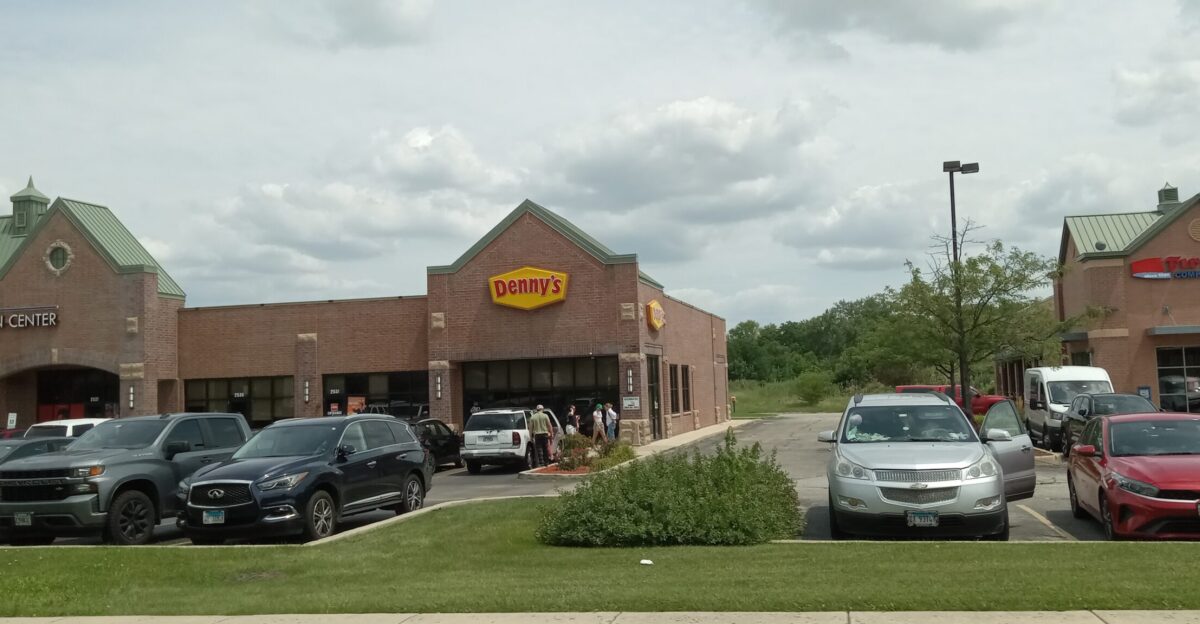
Estimated layoffs range from 2,250 to 3,750, based on 15 to 25 staff members per location. Denny’s employees include immigrants, teens, and working parents in low-wage roles. Dishwashers, servers, cooks, and managers face unemployment with limited alternatives nearby. Benefits may be temporary, but permanent job displacement is a looming concern. The financial ripple extends into communities where Denny’s provided a reliable source of work.
1.5 to 2.5 Million Americans Lose Local Diner Access
Beyond employees, communities are affected. Each location serves roughly 10,000–17,000 residents, putting 1.5–2.5 million people at risk of losing nearby diners. Small-town hubs vanish—truckers, shift workers, teens, and seniors lose social spaces. Closures aren’t just financial—they’re cultural. As Denny’s exits neighborhoods, it erodes a familiar rhythm of everyday life. The broader impact may surprise many.
14+ Confirmed Closures Span 7 States
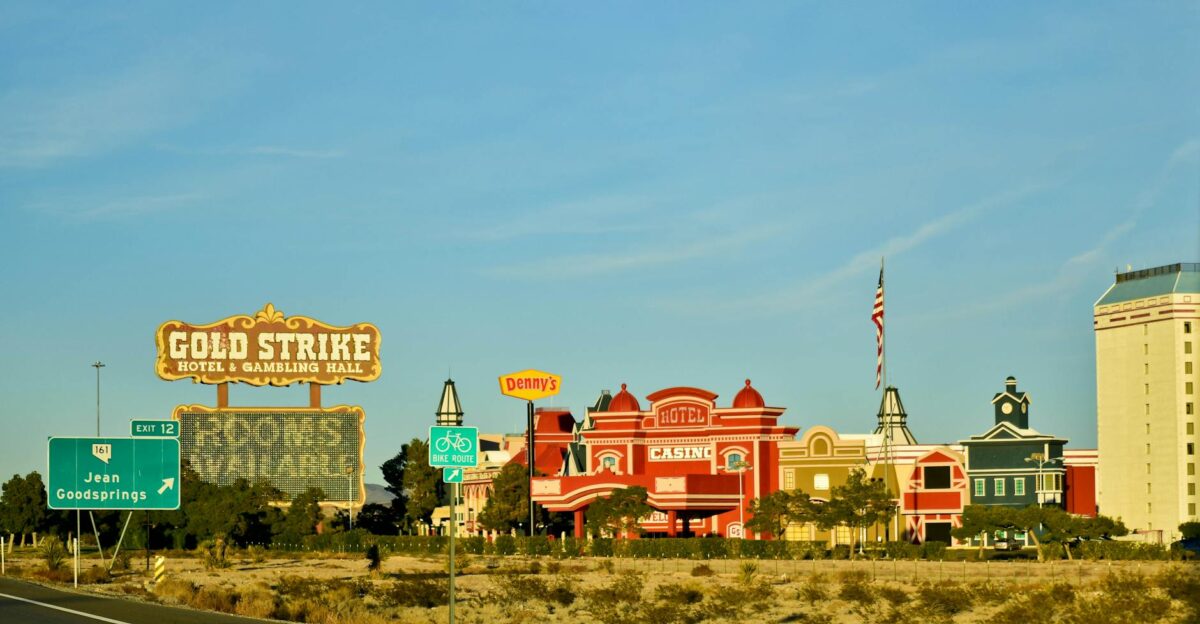
California leads with five confirmed closings, followed by Idaho, Ohio, Massachusetts, Oregon, Pennsylvania, and Texas. Each shutdown removes jobs and economic activity. Denny’s refuses to share the full 150-location list, keeping franchisees and communities in suspense. This opacity fuels concern and hints at larger accountability questions. Nationwide, the closures illustrate that Denny’s retrenchment isn’t regional—it’s systematic.
Denny’s Partners With ArrowStream to Cut Costs
To protect remaining units, Denny’s partnered with ArrowStream in September 2025. Data analytics aim to reduce procurement costs and improve franchise sustainability. Supply-chain inefficiencies drove some closures, highlighting long-standing operational gaps. The move raises the question: if cost optimization is effective, why wasn’t it implemented earlier? This suggests structural inertia may have accelerated the wave.
The Franchise System Is Under Severe Stress
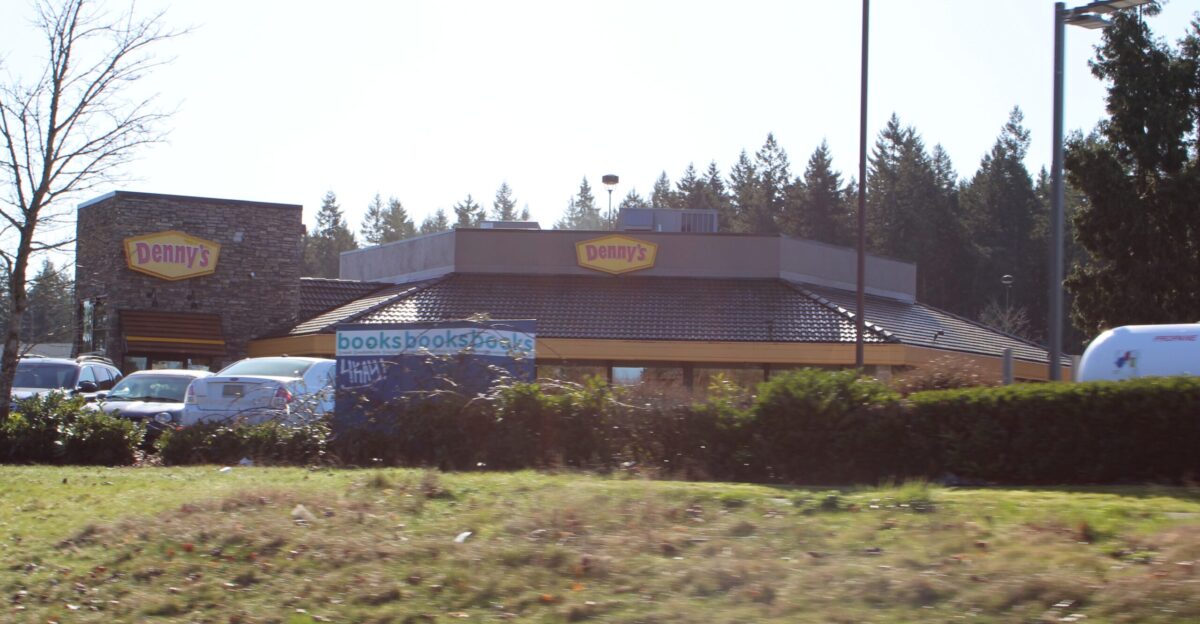
Corporate calls it “optimizing and enhancing the overall health of the franchise system,” but this masks reality. Franchisees invested life savings and now bear losses when units underperform. Closures are more about franchisee survival than corporate mismanagement. Bankruptcy filings are rising among independent operators, showing that the chain’s health may come at the expense of individual entrepreneurs.
Rising Food and Labor Costs Left No Room to Maneuver

Inflation drove food costs up 7.2% and labor costs up 5.6%. With slim 3–5% margins, small increases become unsustainable. A simple breakfast now costs more to produce. Raising prices further risked alienating customers. Ultimately, closures were the only viable lever. Economic pressure, not desire, dictated which diners survived.
Many Locations Were “Too Old to Remodel”
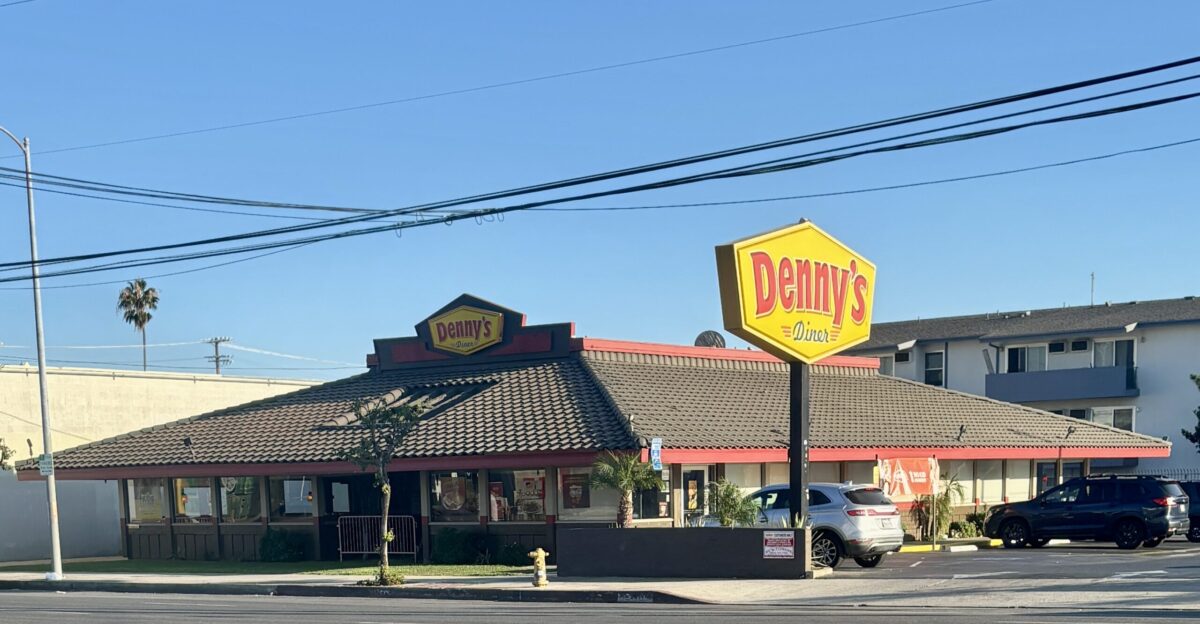
Aging locations were too expensive to modernize. Renovation costs of $500,000–$750,000 exceeded the revenue potential of $1 million to $ 2 million annually. Closing older diners lets Yadav focus on prototypes and digital upgrades. Ironically, the closures leave loyal communities behind. Corporate strategy favors modernization over tradition, reshaping the diner landscape and leaving longtime patrons without familiar gathering places.
Inflation-Weary Diners Are Pulling Back
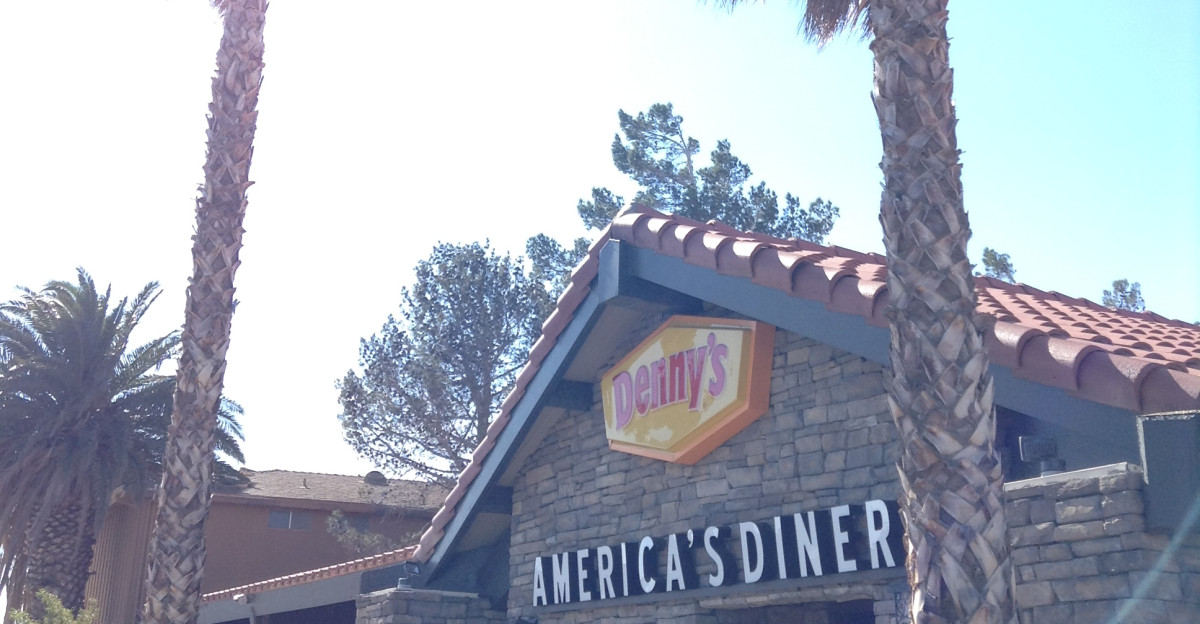
Executives cite “uncertainty” in consumer behavior, SoYummy, October 13 2025. Middle-income Americans are cutting discretionary spending. Family breakfasts that cost $45 now exceed $65. Younger consumers prefer fast-casual or home meals. The classic diner experience has become unaffordable for its core demographic. Denny’s closures reflect not only operational strain but a fundamental change in how Americans eat.
Calculated Exits Timed to Lease Expiration
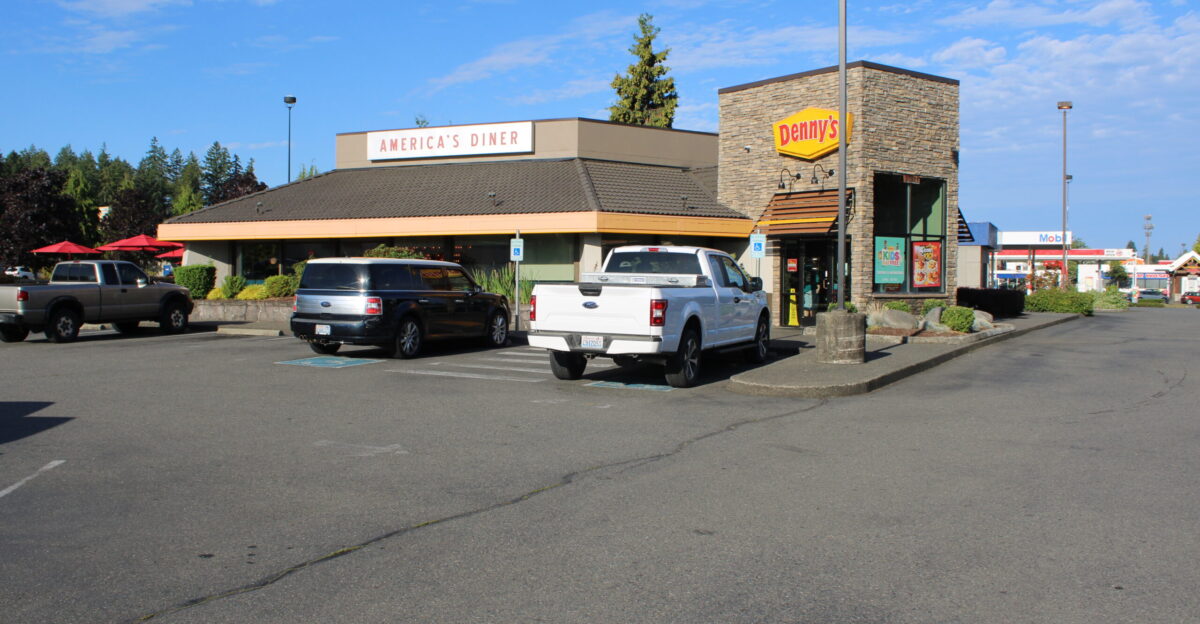
Denny’s calls the process “surgical and methodical.” Closures align with expiring leases or voluntary franchise exits. This minimizes penalties and avoids legal complications. Far from chaotic, the strategy was carefully planned months in advance. Information asymmetry benefits executives while employees, franchisees, and shareholders remain partially in the dark. Strategic planning masks the human toll.
Denny’s Isn’t Alone—It’s Part of a Broader Collapse
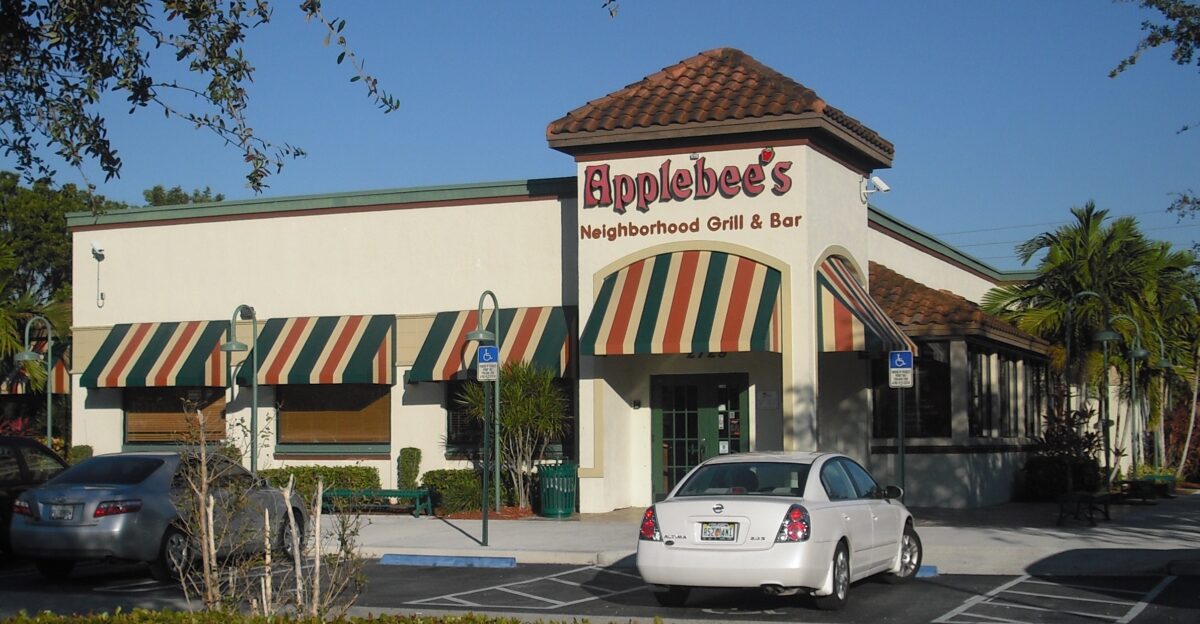
Other casual dining chains are shrinking: IHOP, Applebee’s, Cracker Barrel, and Bob Evans. Fast-casual chains and delivery apps siphon diners. Boomers, once loyal to Denny’s, are aging out. This isn’t a single-chain issue—it’s a systemic contraction. Yadav’s acquisition is a consolidation, not a rescue. Denny’s is attempting to survive in a market where the traditional diner concept faces deep structural challenges.
The Company Has Set a Line in the Sand
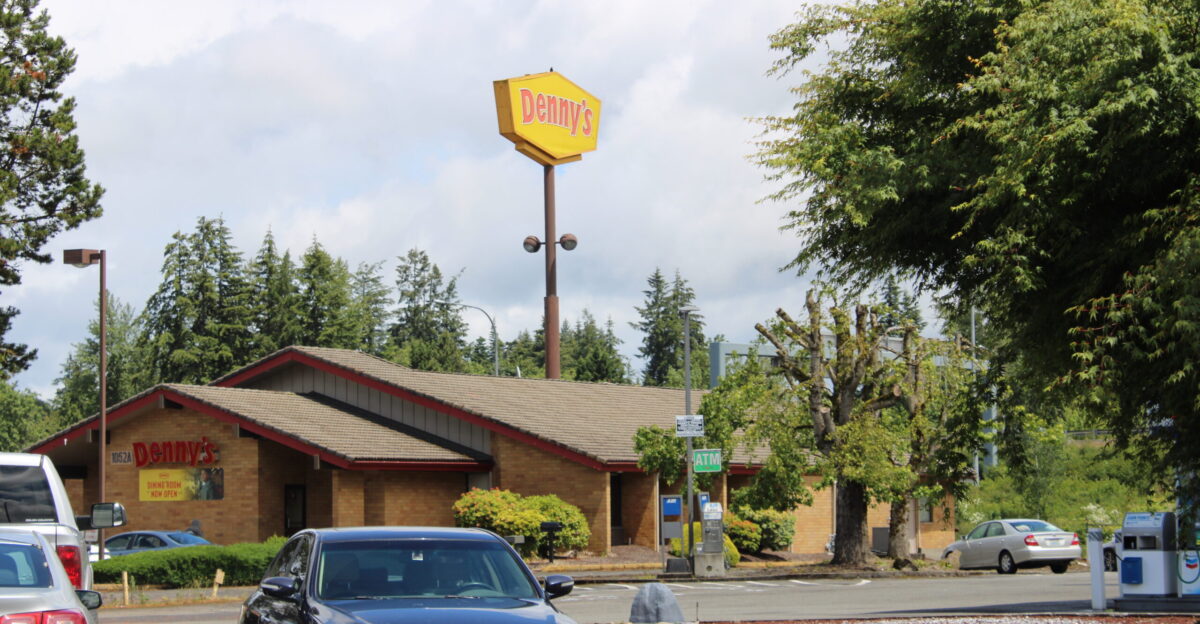
Denny’s aims for “net flat to positive growth by 2026.” The target is ambitious and shapes future decisions. If closures, menu cuts, and operational fixes fail, further downsizing is likely. Franchisees and employees feel immediate pressure to perform. The 2026 benchmark transforms current restructuring from a temporary adjustment to a long-term survival test. Stakes couldn’t be higher for a struggling icon.
Denny’s Future Depends on Yadav’s Execution
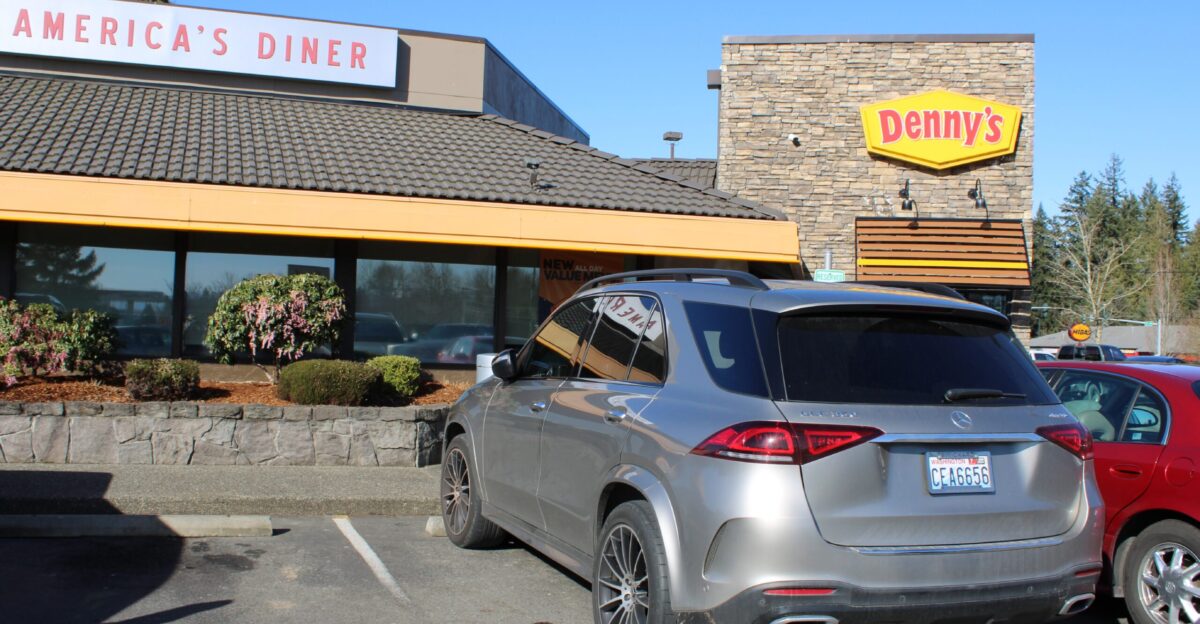
By year-end, the 150 closures will be complete. In Q1 2026, Yadav Enterprises takes control, inheriting a smaller, streamlined system. Digital ordering, delivery partnerships, and menu simplification are planned. Success depends on execution against structural headwinds. Communities remain uncertain which locations will survive. The question looms: can a 24/7 institution adapt to a 9-to-5 world and thrive, or will American diners face permanent change?
Sources:
“Denny’s Is Closing 150 Restaurants — See Which Texas 24/7 Hotspots Made the List.” Yahoo Finance, December 8 2025.
“Major Restaurant Chain Closing Locations Amid $620 Million Buyout.” Syracuse.com, December 3 2025.
“Denny’s Closes Underperforming Restaurants Amid $620 Million Acquisition.” People Magazine, December 2 2025.
“Major Diner Chain Closing 150 Restaurants Nationwide After Going Private.” NJ.com, December 4 2025.