
During the pandemic, federal funds rapidly flowed into state agencies to help feed hungry children. A Minnesota nonprofit, Feeding Our Future, became a key gatekeeper, approving meal sites and verifying claims. Few questioned their operations, which ultimately led to one of America’s largest fraud conspiracies.
Inside this scheme, an intricate web of volunteers, businesses, and shell companies converged to defraud programs aimed at supporting vulnerable, underserved children. As the investigation unraveled, it revealed not only a breach of trust but also an astonishing betrayal of the very communities designed to benefit from these resources.
Scale of the Fraud

The extent of the fraudulent activities became evident as over fifty individuals were convicted. Federal prosecutors allege a staggering $1 billion fraud that spread across various Minnesota programs, including child nutrition, housing aid, and autism therapy, all centered around Feeding Our Future.
The nonprofit’s founder, Aimee Bock, faced conviction in March 2025 on charges of wire fraud and bribery. The scope of the investigations continues to expand, revealing layers of deception as many of those who participated funneled stolen funds overseas, leaving uncertainty about the full extent of the fraudulent operations.
Pandemic Generosity, Vulnerable Oversight

During COVID-19, the USDA’s Child Nutrition Program reduced oversight requirements to expedite aid distribution. Typically, programs require meal service verification and site inspections, but pandemic relief measures waived these requirements. This loosening of regulations led to a massive influx of funds, making Minnesota an increasingly attractive target for fraud.
The trust placed in nonprofit intermediaries blurred accountability lines, compromising scrutiny. Sadly, the very generosity intended to protect vulnerable children became a vulnerability exploited by those with nefarious intentions, demonstrating how well-meaning policies can sometimes yield catastrophic consequences.
Ignored Warning Signs

By 2021, audits had raised red flags about Feeding Our Future’s operations, noting inflated meal counts and rosters that featured names untraceable to real individuals. Furthermore, meal sites were reportedly serving from cars and hotels rather than approved facilities.
The nonprofit’s mandate to monitor these discrepancies faltered under Bock’s leadership, with individuals allegedly burying evidence of fraudulent activity. Instead of alerting state regulators, they approved non-existent meal sites while soliciting bribes from operators, allowing deceitful claims to flourish unchallenged, which fueled the extensive fraud scheme.
The Big Reveal: $250M from One Program

In a shocking revelation, Aimee Bock was convicted in March 2025 of siphoning an astounding $240 million from the Federal Child Nutrition Program alone. Acting U.S. Attorney Lisa Kirkpatrick stated: “The defendants falsely claimed to have served 91 million meals, for which they fraudulently received nearly $250 million in federal funds.” The fraud was disarmingly straightforward: invent meals, fabricate children, and cash checks.
Fraud indicators became painfully apparent, yet the scheme persisted, resulting in severe consequences for the entire community as resources intended for nourishing children were misappropriated.
Money Flowing Overseas

One of the convicted co-conspirators, Abdiaziz Shafii Farah, received a 28-year sentence in August 2025 after it was discovered that he had funneled over $700,000 of fraudulently acquired funds to Kenya and Somalia. Investigators tracked wire transfers, real estate purchases, and shell company registrations, indicating that stolen money didn’t just disappear; it was moved abroad, into jurisdictions beyond the reach of U.S.
law enforcement. This element of the case showcased the international implications of the fraud. They raised concerns about how funds could intersect with entities like Al-Shabaab, as suggested in ongoing Treasury investigations.
The Human Impact

The fallout from this fraud primarily affects the Somali-American and East African communities in Minnesota, which are disproportionately represented among defendants and operators. As legitimate community members now face suspicion from regulators, media, and their neighbors, the reputational damage goes beyond individuals implicated in the fraud.
Representative Ilhan Omar voiced concerns about the stigmatization of her community, pushing back against unfair generalizations. She stated that fraudsters do not accurately represent the broader immigrant community, emphasizing the need for understanding and compassion in the midst of this crisis.
Federal Oversight Failures
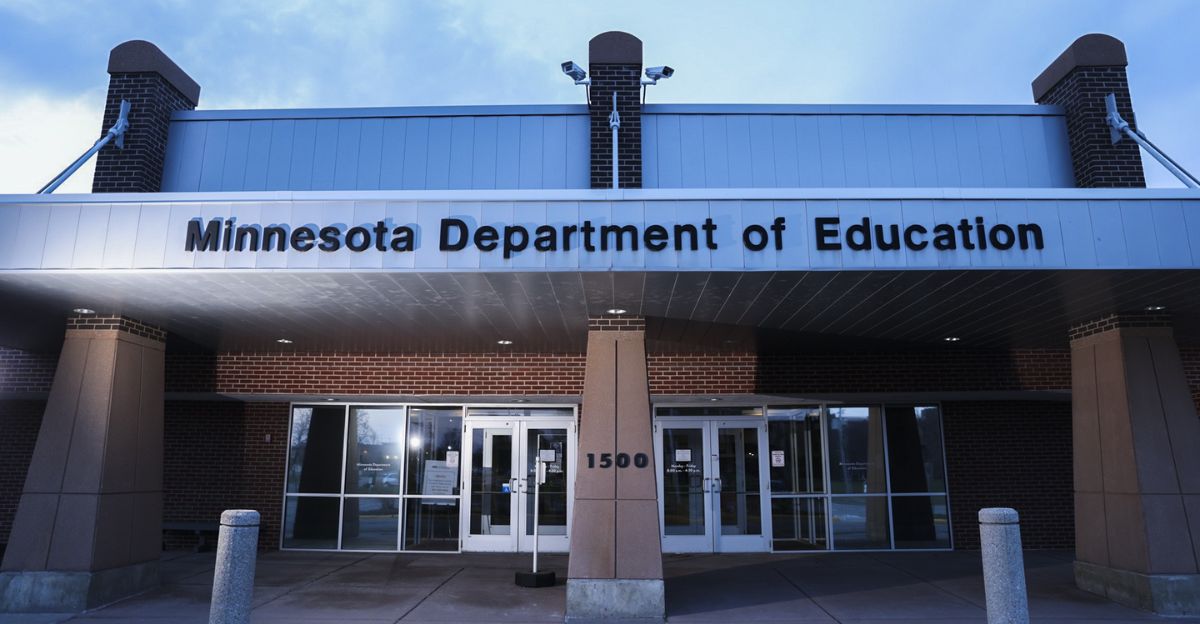
Both the USDA and the Minnesota Department of Education bear responsibility for the oversight failures that allowed this scandal to unfold. Federal audits highlighted minimal state-level monitoring during the pandemic, resulting in the approval of Feeding Our Future as a sponsor without thorough due diligence. Governor Tim Walz later admitted that the agency had significant oversight gaps.
Treasury Secretary Scott Bessent criticized the state’s “feckless mismanagement,” and congressional Republicans have called for accountability measures, revealing systemic vulnerabilities in pandemic-era grant administration that need immediate reform.
Community Guarding Against Stigmatization

In the aftermath, Somali-American communities have emphasized the importance of distinguishing between criminal activity and cultural identity. As honest members of these communities navigate heightened scrutiny, outreach efforts aim to rebuild trust with regulators and neighbors alike.
Minnesota’s Somali community leaders have reiterated that they do not condone the perpetration of fraud and seek to position themselves as partners in rectifying the situation. This collective approach exemplifies resilience even in the face of adversity, underscoring the importance of community integrity amidst widespread skepticism.
Legislative Follow-Up Actions
In response to the scandal, lawmakers are advocating for more stringent measures to prevent future fraud. New proposals aim to enhance the monitoring and management of federal funds distributed to nonprofits, emphasizing the necessity of tracing financial flows and enforcing accountability.
Additionally, advocates are calling for community engagement in oversight processes to ensure that local voices are heard in safeguarding resources intended for children. The scandal has sparked broader conversations about trust in social service funding and ignited calls for preventive reforms within the funding systems.
Bridging Crisis and Reform
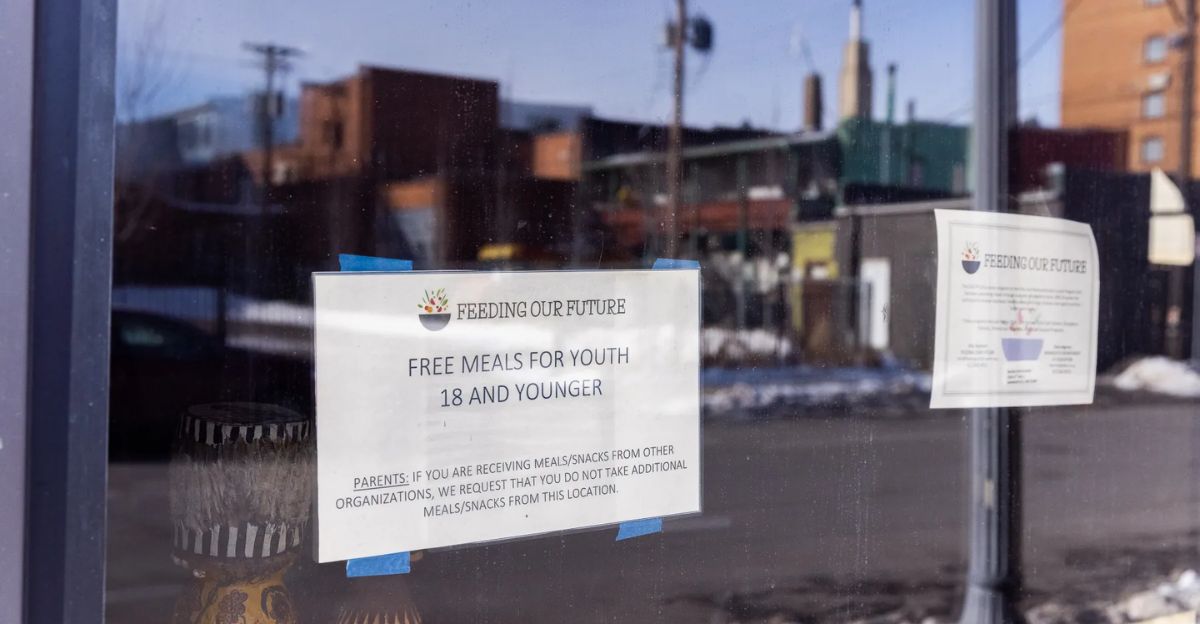
As the investigations continue, the ongoing scrutiny of state agencies and nonprofits has sparked discussions about the potential for reform. Advocates argue that steps must be taken to reestablish public trust in programs designed to aid vulnerable populations.
This includes a comprehensive review of regulatory practices, improvement of reporting standards, and collaboration with community organizations. Making these systems more robust and transparent could make it more challenging for fraudulent claims to go unchecked, ensuring that initiatives genuinely support those in need rather than exploiting their circumstances.
The Role of Accountability
Accountability in grant management has never been more crucial, as evidenced by this scandal. The collaboration between federal and state entities must be strengthened to guarantee accuracy in reported meals and services. This new framework should prioritize both efficiency and integrity, allowing for rapid response mechanisms when anomalies are detected.
Community partners must work closely with regulators to ensure that aid reaches the intended beneficiaries directly, safeguarding against future instances of misuse and reinforcing the social fabric that binds communities together.
Public Awareness Campaigns

A targeted public awareness campaign is necessary to educate communities about reporting suspicious activities related to the distribution of federal funds. By empowering individuals with knowledge, communities can become crucial assets in identifying potential fraud.
Workshops, seminars, and online resources can equip community members with tools to recognize red flags. Additionally, highlighting positive stories of organizations that operate with integrity can foster community pride and encourage collaborative efforts to sustain aid efforts directed at vulnerable populations, ensuring trust remains pivotal in the programs serving children.
Investigation Insights: Lessons Learned

As investigations conclude, a wealth of insights is being unearthed about systemic weaknesses within the funding distribution process. Authorities are reviewing past funding protocols to identify shortcomings that may have allowed the Feeding Our Future scandal to thrive unchecked.
This analysis could lead to recommendations for more rigorous qualifications for sponsors, a reevaluation of grant applications, and the implementation of advanced technological tools for tracking expenditures. Learning from these lessons will be crucial in erecting barriers against future fraud and promoting transparency within social programs.
The Economic Ripple Effect
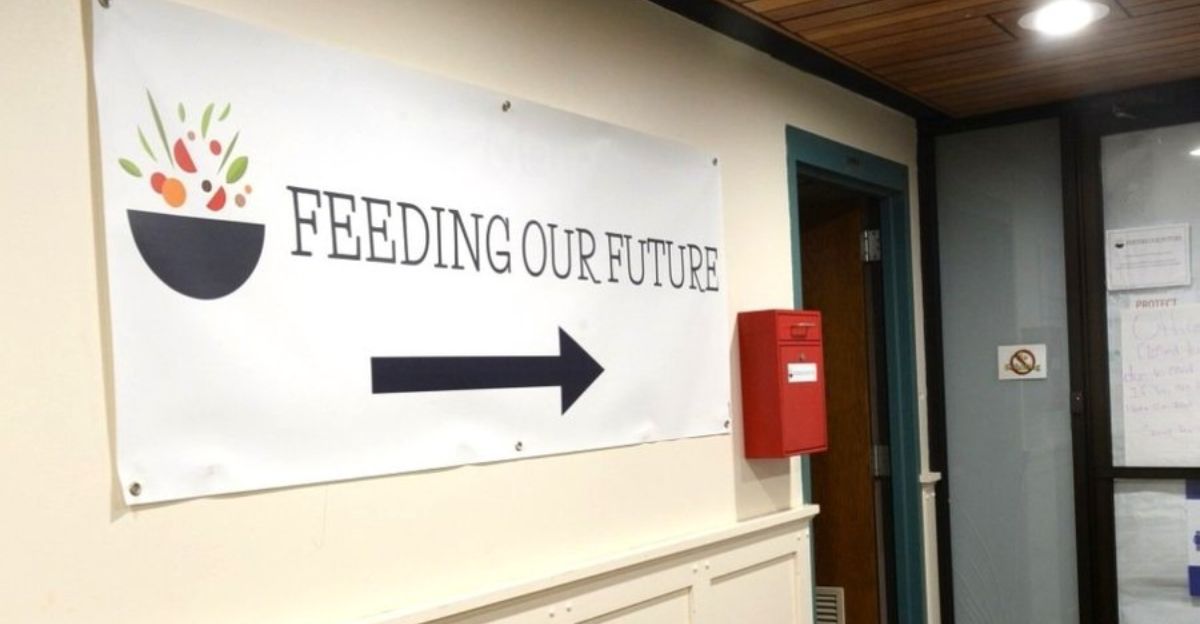
The economic impact of this fraud scandal extends beyond immediate monetary losses. Communities dependent on consistent federal aid for nutrition programs now face uncertainty about future funding. Local businesses that may have relied on partnerships with nonprofits for revenue are similarly affected.
Policymakers must recognize that restoring both funding integrity and community trust is essential for rejuvenating economic stability in affected regions. The ramifications of this scandal create a need not only to rectify past mistakes but also to forge partnerships that enhance stability in the long term.
Moving Forward: Strategies for Change

Looking ahead, establishing a more resilient social services system requires strategic collaboration among various stakeholders. By integrating comprehensive data sharing across agencies and involving community members in oversight, a framework can be established to serve vulnerable populations better.
Additionally, investing in technology that enables real-time tracking of fund distribution can significantly minimize risks associated with inefficiency and fraud. Building this collaborative culture could create an environment where oversight becomes integral to the operation and accountability of nonprofit entities.
Call for Legislative Action
Ensuring that fraud never again runs rampant in programs designed to help children calls for robust legislative action. Lawmakers must prioritize the development of policies that enhance transparency and accountability within funding streams.
This includes strict penalties for fraud, alongside incentives for nonprofits that demonstrate compliance and integrity in their operations. A strong legislative framework would serve as both a deterrent against fraud and a safeguard for future generations, ensuring that programs established for children’s welfare operate to their highest potential.
The Role of Community Trust

In the face of adversity, rebuilding community trust will be essential for the successful rehabilitation of social services. Creating spaces for dialogue enables community leaders, stakeholders, and residents to express their concerns and collaborate on developing actionable solutions.
Fostering community-led initiatives can empower residents to reclaim their narratives and regain control over the discourse surrounding aid programs. Trust can be revitalized through consistent engagement and open communication, ultimately creating a more empathetic and responsive system that aligns with community needs.
Learning from Crisis
The Feeding Our Future scandal starkly illustrates the vulnerabilities in the social services program during extraordinary times. By learning from these failures, there lies an opportunity for significant transformational reform, re-energizing the commitment to serving the most vulnerable with integrity and respect.
It’s time to come together and advocate for systemic changes that not only prevent fraud but also enhance the effectiveness of programs designed to benefit communities in need. All stakeholders must remain vigilant as we aim to protect the intentions of social programs moving forward.
A Shared Responsibility
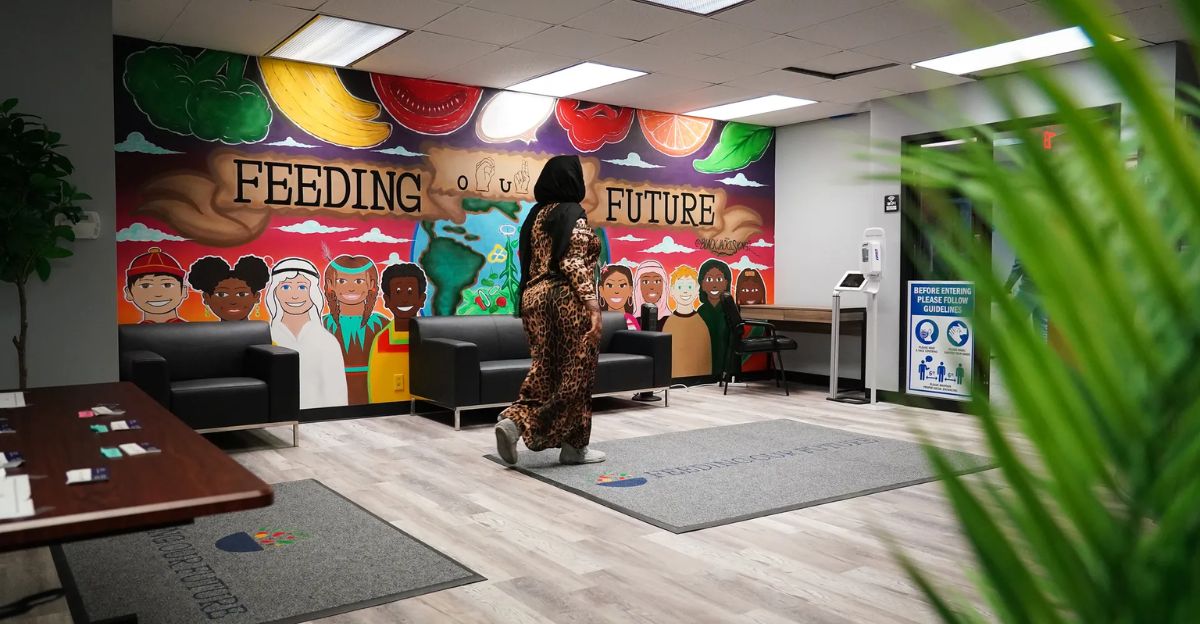
We must recognize that ensuring the integrity of fraud prevention strategies is a shared responsibility among community members, nonprofits, and government agencies alike. The tragic derailment of resources that should have benefited children emphasizes the ever-pressing need for vigilance, accountability, and community engagement.
As we move towards healing and reform, it is essential to embrace a future where social services are safeguarded against exploitation, allowing authenticity and compassion to lead the path forward in serving children and communities.
SOURCES:
U.S. Department of Justice – Federal Jury Finds Feeding Our Future Mastermind and Co-Defendant Guilty of $250 Million Fraud
CBS Minnesota – Feeding Our Future founder Aimee Bock found guilty in federal fraud trial
KSTP News – Abdiaziz Farah sentenced to 28 years in Feeding Our Future case
New York Times – How Fraud Swamped Minnesota’s Social Services System
City Journal – Minnesota Welfare Fraud: Some Funds Went to Al-Shabaab
Treasury Department – Investigation scope and statements on Minnesota fraud and al-Shabaab connections