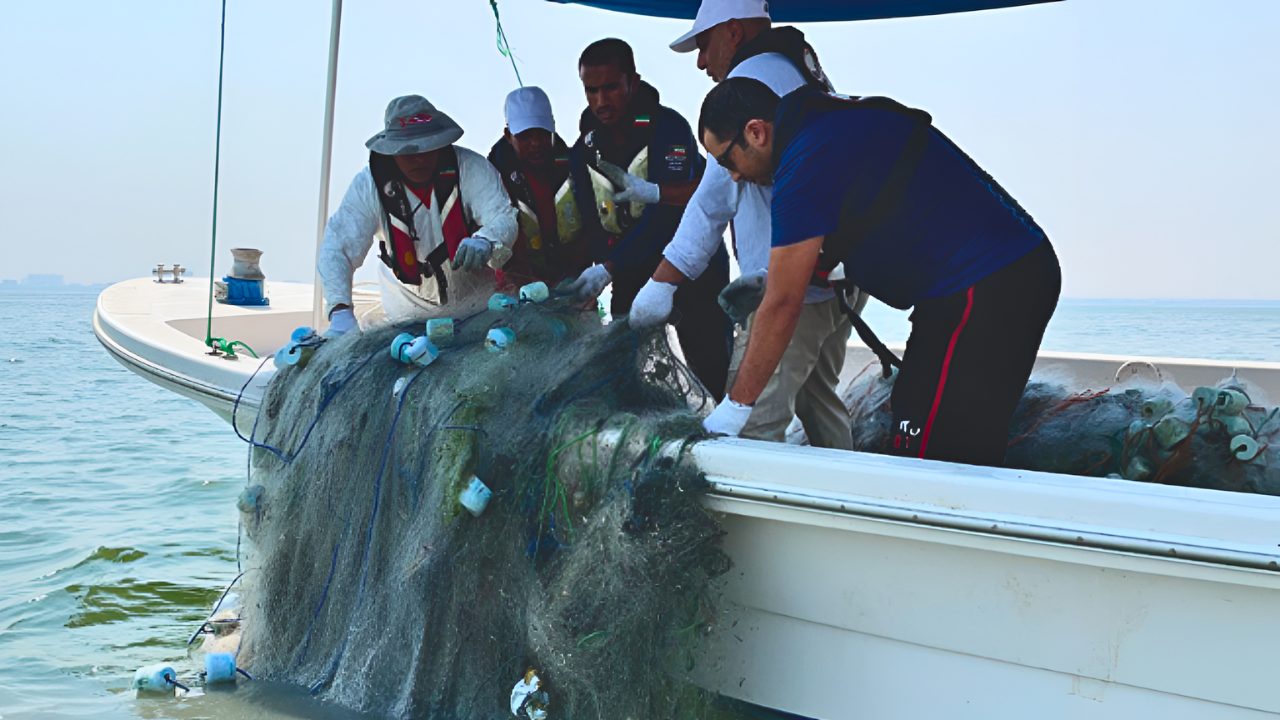
Earth has now breached seven of nine planetary boundaries, moving humanity beyond a safe operating space that supported civilization for nearly 10,000 years. These transgressions include climate change, biosphere integrity, land systems, freshwater use, biogeochemical flows, novel entities, and—most recently—ocean acidification. T
ogether, they increase the risk of irreversible Earth-system destabilization. Overfishing intensifies this crisis, undermining marine ecosystems that support global food systems and economies. Scientists warn these interconnected breaches amplify tipping points, accelerating ecological and economic instability worldwide.
History of Planetary Boundaries

The planetary boundaries framework was introduced in 2009 to define limits within which humanity can safely operate. Initially conceptual, the framework has since evolved with measurable indicators. By the early 2020s, six boundaries were already breached.
The most recent assessment elevated this to seven, reflecting worsening trends rather than sudden shocks. This mirrors historical resource overuse, where pressures accumulate gradually until thresholds are crossed. Past collapses—from fisheries to forests—demonstrate that exceeding natural limits consistently produces long-term social and economic consequences.
The Nine Boundaries Defined
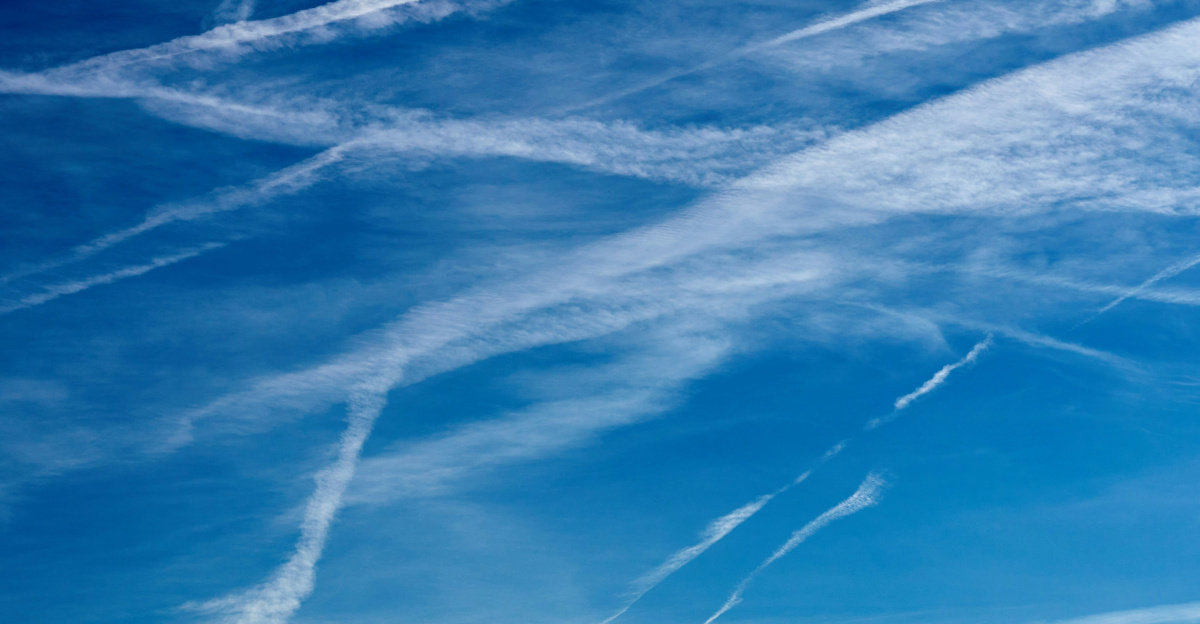
The nine planetary boundaries govern Earth’s stability: climate change, biosphere integrity, land-system change, freshwater change, biogeochemical flows, novel entities, ocean acidification, stratospheric ozone depletion, and atmospheric aerosol loading. These systems interact to maintain Holocene-like conditions favorable to human life.
Seven are now outside safe limits. Only ozone depletion and aerosol loading remain within defined boundaries. Breaching multiple limits simultaneously increases systemic risk, as stress in one system accelerates failure in others, reducing Earth’s overall resilience.
Fisheries’ Planetary Role
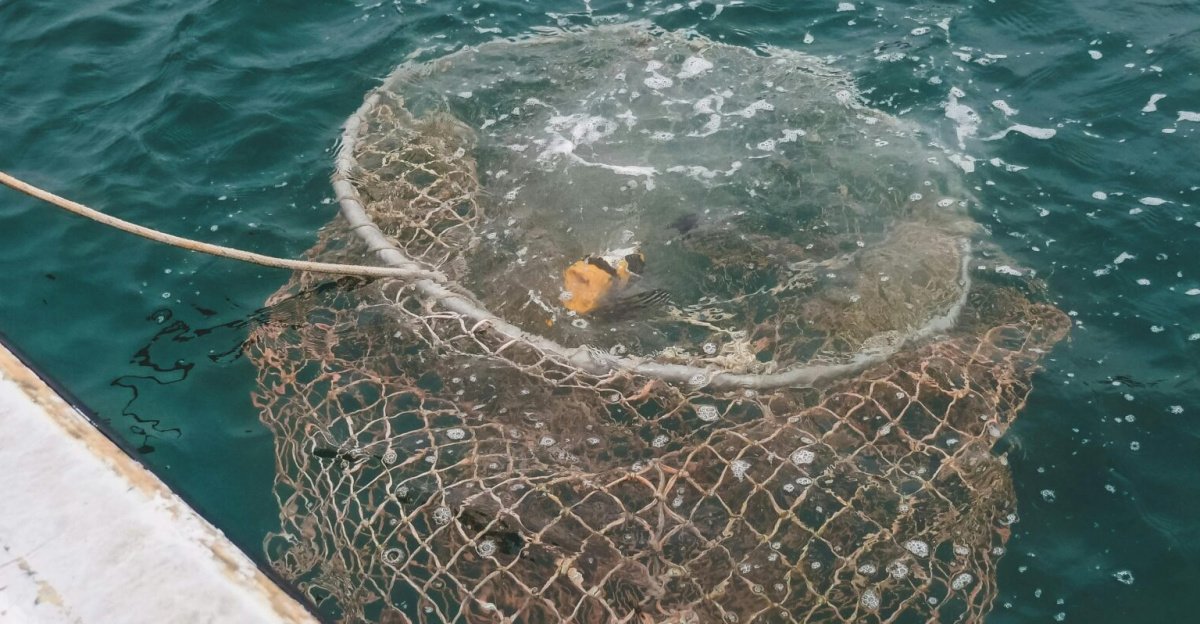
Marine fisheries sit at the intersection of multiple planetary boundaries. Overfishing directly erodes biosphere integrity by reducing species abundance and genetic diversity. It also weakens ocean resilience to warming and acidification.
Global capture fisheries remove roughly 90 million tonnes annually, disrupting food webs that stabilize marine ecosystems. While fisheries generate significant economic value, chronic overexploitation has pushed many systems into decline, transforming oceans from renewable food sources into destabilizing forces within the Earth system.
Current Trends in Breaches
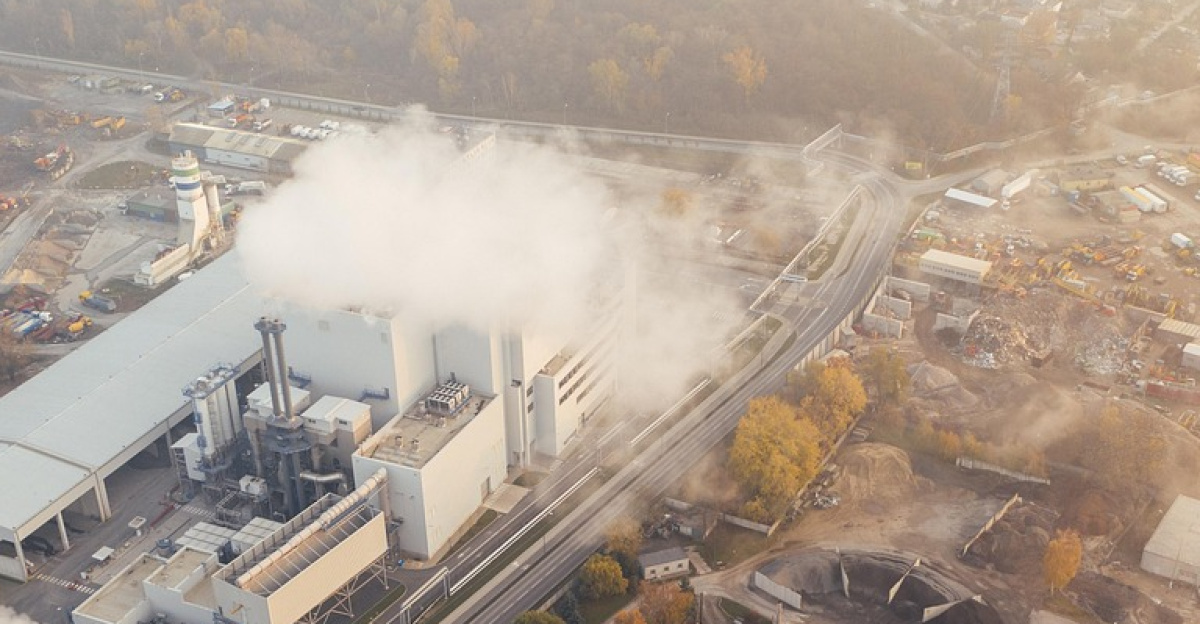
All seven breached planetary boundaries show worsening trajectories. Atmospheric carbon levels continue rising, biodiversity loss accelerates, and freshwater stress intensifies. In the oceans, acidification has crossed its boundary as carbon dioxide absorption alters seawater chemistry.
Fisheries data reflect this stress: wild capture has stagnated despite rising demand, while aquaculture growth masks underlying depletion. This imbalance creates the illusion of abundance while ecological foundations erode, setting the stage for abrupt and widespread collapse.
Overfishing’s Economic Toll
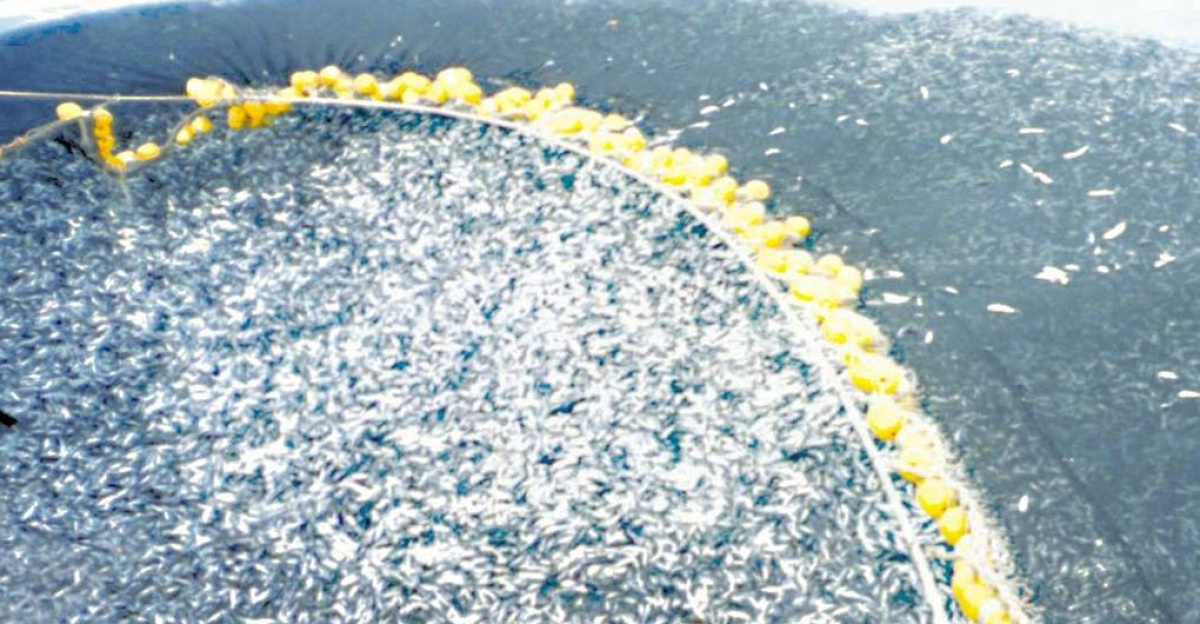
The economic consequences of overfishing extend far beyond declining catches. When stocks collapse, nations lose long-term income, employment, and food security. Global analyses show that mismanaged fisheries forgo hundreds of billions in potential economic value by preventing stock recovery.
Coastal communities are disproportionately affected, with livelihoods disappearing as ecosystems degrade. These losses compound over time, transforming short-term profits into long-term economic liabilities that ripple through national and global economies.
Challenges and Tipping Points
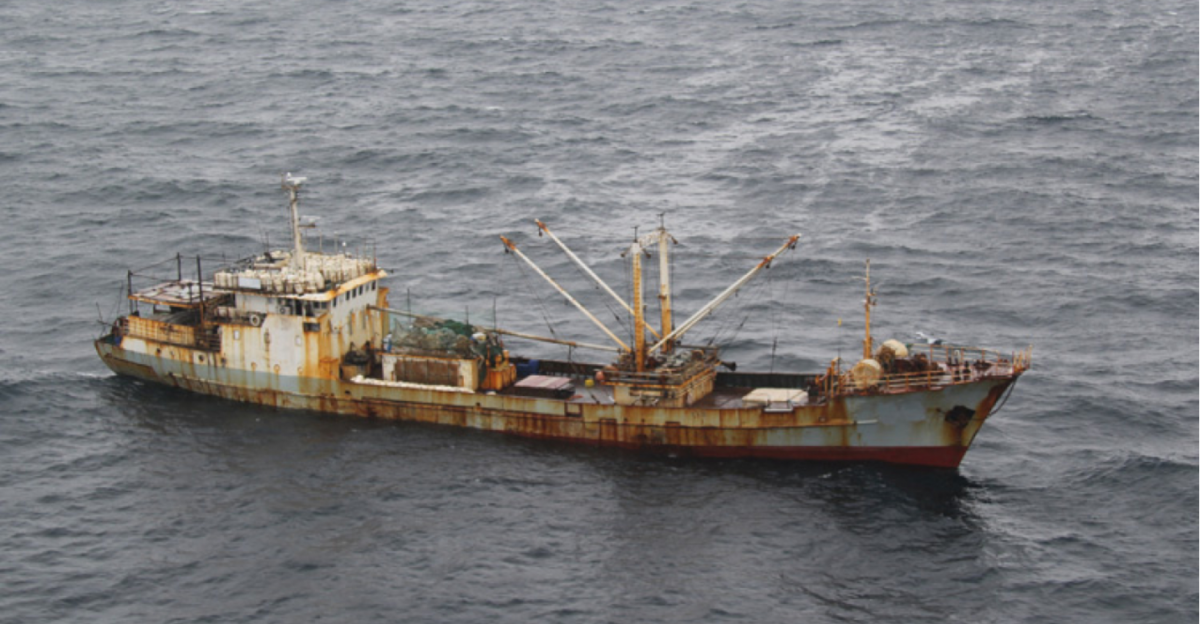
Planetary boundary breaches increase the likelihood of tipping points—thresholds beyond which systems shift abruptly and irreversibly. In marine environments, biodiversity loss can trigger cascading failures across entire ecosystems. Illegal fishing, harmful subsidies, and weak governance accelerate these risks by sustaining overcapacity.Even well-managed fisheries face uncertainty as climate change alters species distributions. Traditional management tools struggle under rapidly shifting conditions, raising concerns that existing safeguards may no longer prevent collapse.
Second-Order Effects Explored

Fisheries collapse generates second-order impacts that extend far beyond the oceans. As seafood supplies decline, food insecurity intensifies for populations that rely on fish as a primary protein source. Rising prices disproportionately affect low-income regions, increasing poverty and social tension. Health outcomes also worsen as nutritional deficiencies spread.These cascading effects demonstrate how environmental degradation translates directly into human vulnerability, reinforcing the planetary boundaries framework’s focus on systemic, not isolated, risks.
Third-Order Global Ramifications
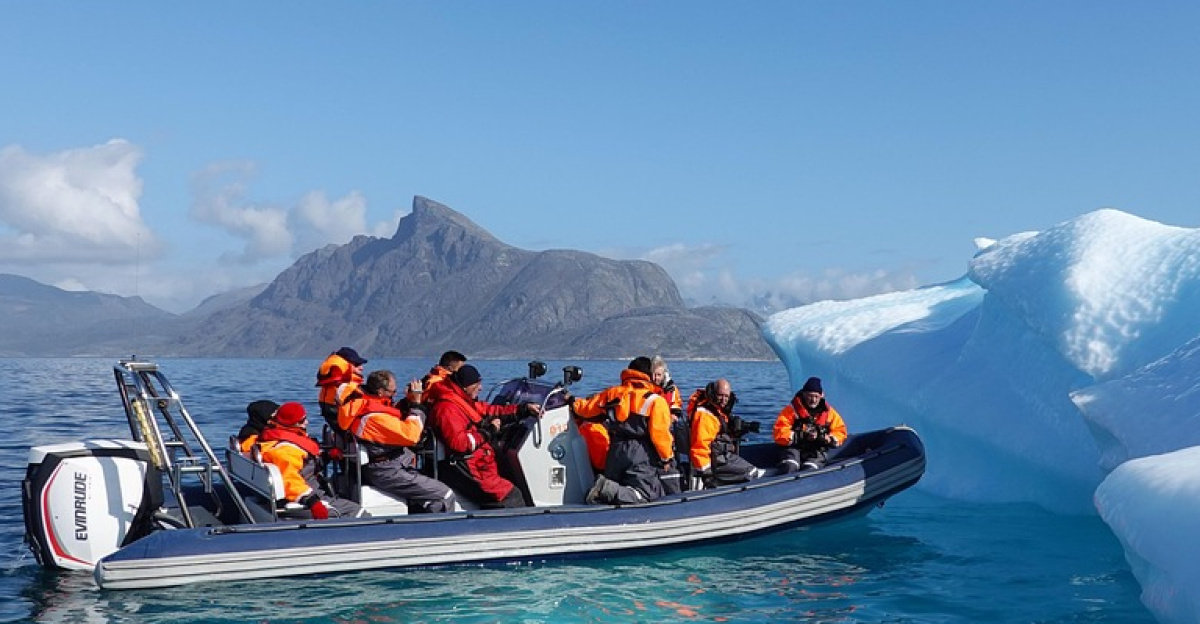
Third-order effects emerge when environmental and economic shocks reshape global systems. Declining fisheries can amplify migration pressures, intensify geopolitical disputes over maritime resources, and strain international relations.
Reduced ocean productivity also weakens the planet’s ability to regulate climate, feeding back into warming trends. These interactions highlight how boundary breaches reinforce one another, creating self-amplifying cycles that threaten global stability rather than isolated sectors or regions.
Verified Breach Metrics
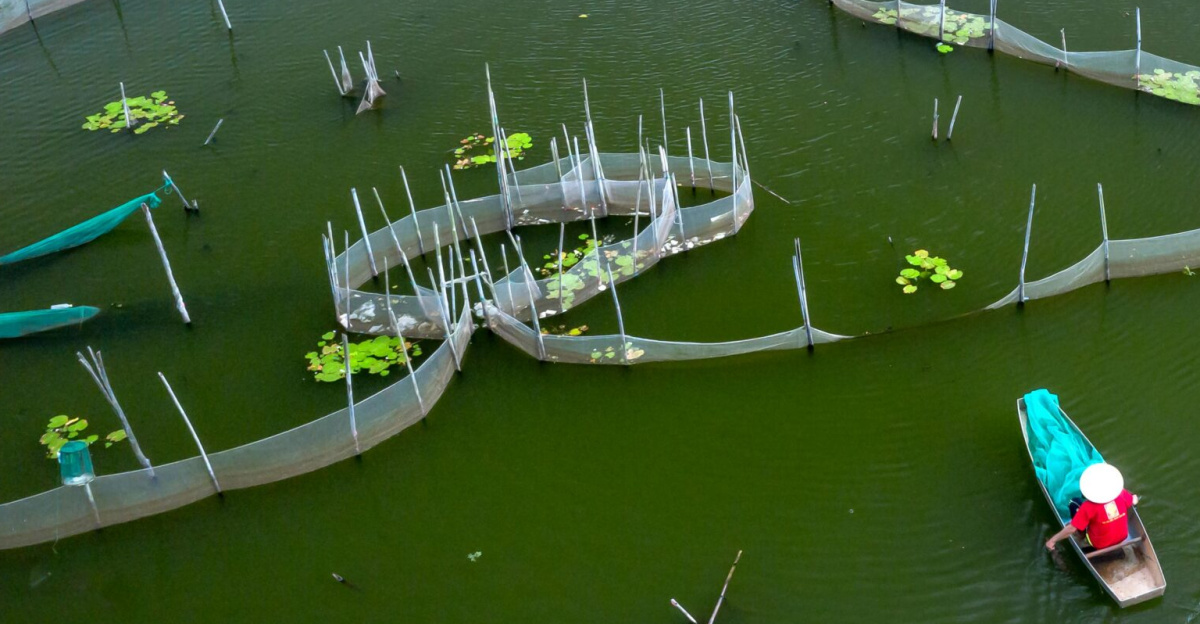
Recent planetary assessments confirm that climate, biodiversity, land use, freshwater, nutrient cycles, novel entities, and ocean chemistry all exceed safe thresholds. Carbon concentrations remain far above levels associated with stable climates. Biodiversity loss continues at multiples of natural background rates.
In fisheries, a significant share of assessed stocks remains overexploited, with biomass well below levels that could sustainably support long-term yields. These metrics underscore the scale and persistence of current overshoot.
Ocean Acidification Data
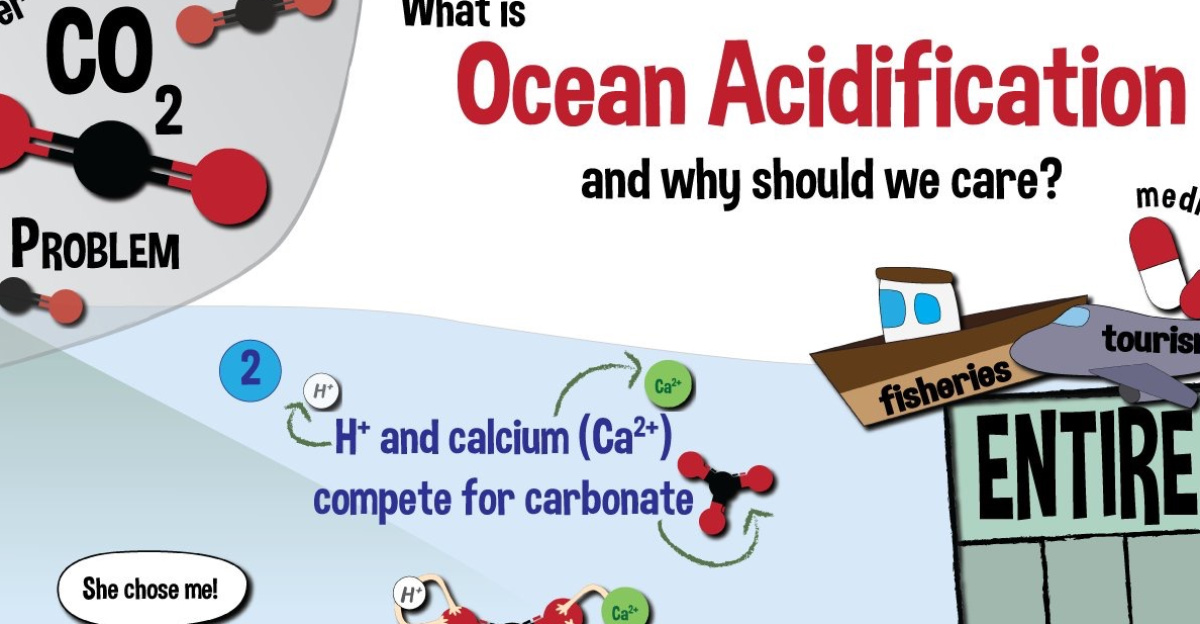
Ocean acidification has intensified as the seas absorb a substantial share of human carbon emissions. Since pre-industrial times, surface ocean pH has declined by about 0.1 units, representing a sharp increase in acidity.
This change reduces the availability of carbonate ions essential for shell-forming organisms. Fisheries dependent on shellfish and reef systems are particularly vulnerable, as weakened foundations propagate through entire marine food webs.
Biosphere Integrity Facts
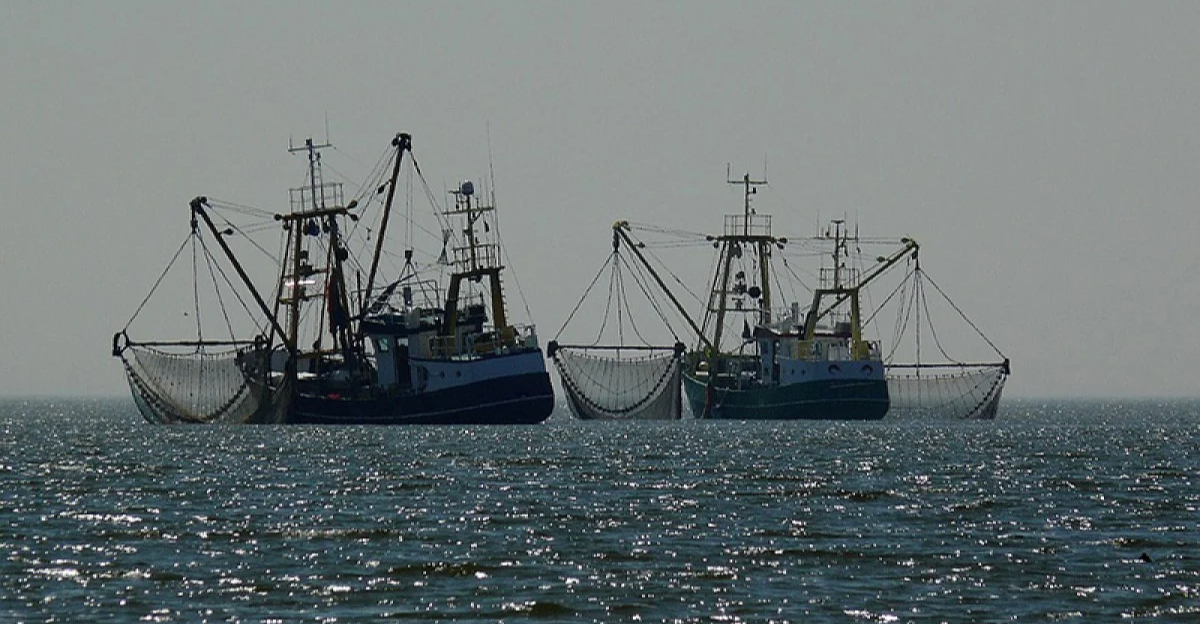
Marine biodiversity loss is a core driver of planetary instability. A large proportion of fish populations are fully exploited or overfished, reducing ecosystem complexity and resilience. Long-term studies show dramatic declines in large predatory fish, altering ocean dynamics.
Biodiversity loss also diminishes ecosystems’ capacity to recover from shocks, making collapses more frequent and severe. This erosion of living systems represents one of the most critical and difficult-to-reverse planetary boundary breaches.
Land and Freshwater Pressures
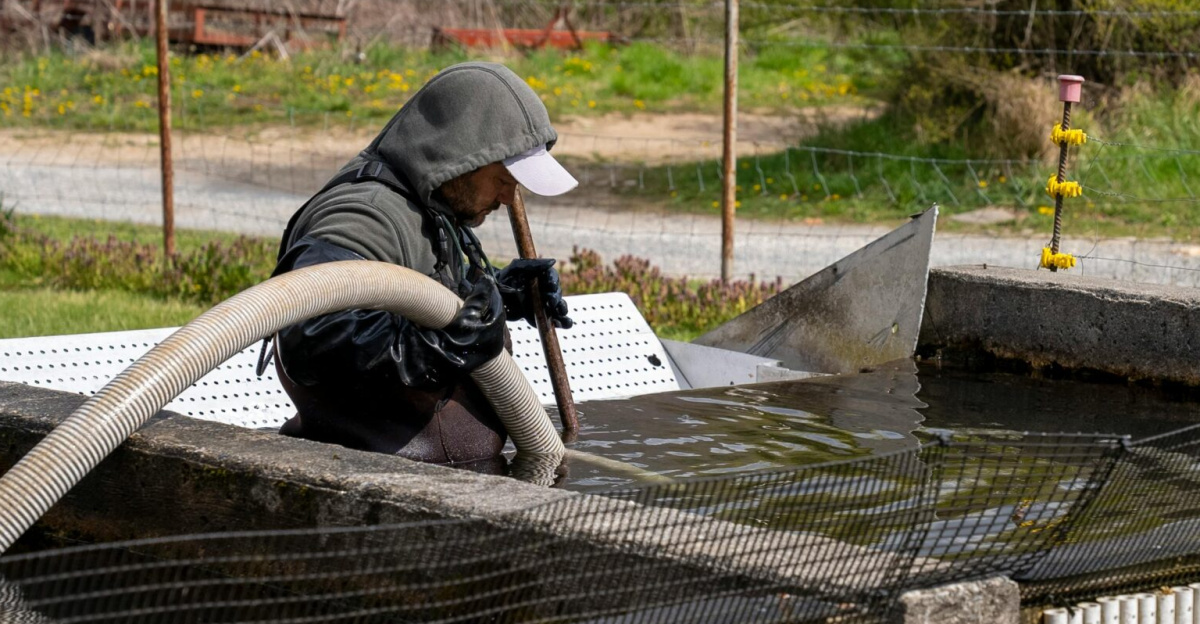
Land and freshwater boundaries intersect with fisheries through food production and habitat alteration. Expansion of agriculture and aquaculture infrastructure has converted wetlands and mangroves, critical nurseries for marine life.
Freshwater extraction and diversion reduce river flows that sustain coastal ecosystems. These pressures compound marine stress, demonstrating how terrestrial and aquatic systems are tightly coupled within the planetary boundaries framework.
Novel Entities Intrusion

Novel entities—synthetic chemicals, plastics, and persistent pollutants—now exceed safe planetary thresholds. In marine environments, plastic waste and lost fishing gear cause direct mortality and long-term contamination. Microplastics are widespread, entering food chains and accumulating in commercial species.
These substances interact with other stressors, weakening organisms already stressed by warming and acidification, and further undermining fisheries productivity and ecosystem health.
Fisheries Production Stats

Global seafood production approaches 200 million tonnes annually, but this headline figure conceals diverging trends. Wild capture fisheries have plateaued, while aquaculture supplies most growth.
However, many farmed species rely on wild fish for feed, transferring pressure rather than eliminating it. The result is a system that appears productive but remains dependent on increasingly fragile natural stocks, heightening vulnerability to systemic failure.
Economic Impact Figures

Millions of people depend directly or indirectly on fisheries for income. When stocks decline, employment losses spread through processing, transport, and trade sectors. Price volatility increases, disrupting global seafood markets.
Long-term analyses show that rebuilding depleted fisheries could generate substantial economic gains, while continued overexploitation locks in losses. The economic dimension reinforces that sustainability is not a constraint on growth but a prerequisite for it.
Historical Collapse Cases
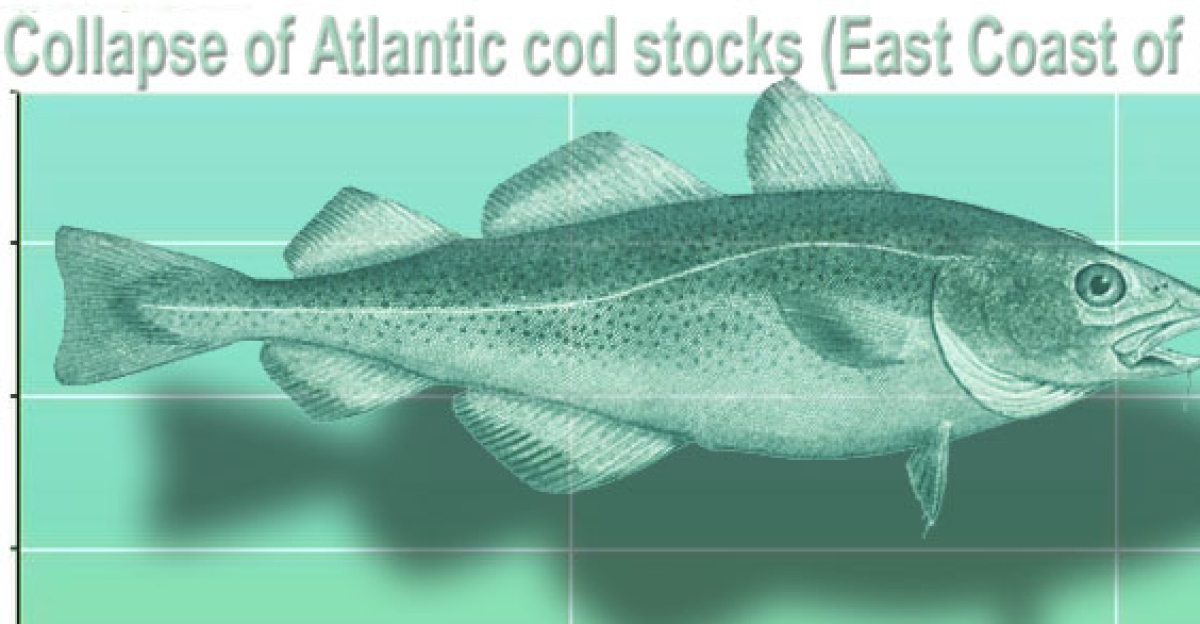
Historical fisheries collapses provide cautionary lessons. The Newfoundland cod collapse eliminated tens of thousands of jobs and permanently altered regional economies.
Similar boom-and-bust cycles have occurred worldwide, often following periods of rapid expansion and weak regulation. Recovery, when it occurs, typically takes decades and requires strict management. These cases illustrate that collapse is not hypothetical—it is a recurring outcome of exceeding ecological limits.
Climate–Fisheries Nexus

Climate change and fisheries decline are deeply intertwined. Warming oceans shift species ranges, disrupt spawning, and reduce maximum catch potential.
Overfished ecosystems lack the diversity needed to adapt to these changes. At the same time, degraded marine systems absorb less carbon and heat, weakening a critical planetary buffer. This feedback loop accelerates both climate and biodiversity boundary breaches, amplifying global risk.
Recovery Potential Evidence

Despite grim trends, recovery remains possible. The successful restoration of the ozone layer demonstrates that coordinated global action can reverse environmental damage. Fisheries rebuilding efforts have shown that depleted stocks can recover when pressure is reduced.
Recovered systems produce higher, more stable yields and support resilient ecosystems. These examples highlight that planetary boundaries are not doomsday predictions, but warnings paired with opportunities for course correction.
Path to Stability
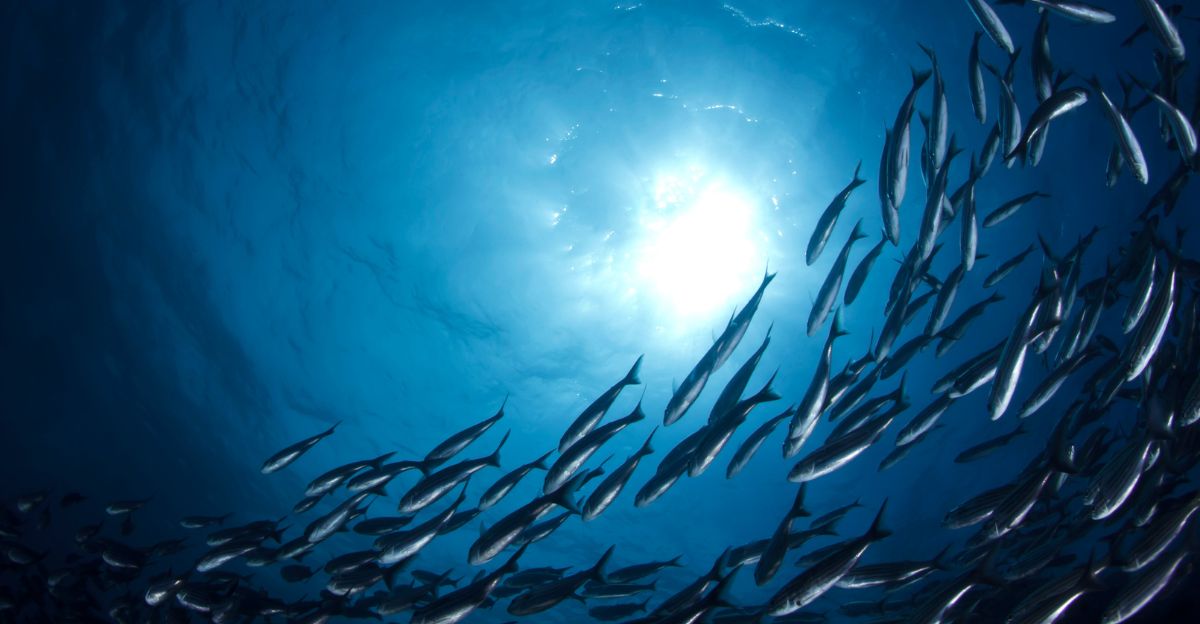
Crossing seven planetary boundaries signals an urgent global emergency, not an inevitable collapse. Rebuilding fisheries represents one of the most immediate and achievable interventions, restoring ecosystems while unlocking vast economic value.
Ending harmful subsidies, enforcing science-based limits, and aligning food systems with ecological realities can slow or reverse dangerous trends. The window for action is narrowing, but decisive choices now can stabilize Earth’s life-support systems and safeguard humanity’s future.
Sources:
“A safe operating space for humanity”Nature (2009) – Introduces the nine planetary boundaries.
“Planetary boundaries: Guiding human development on a changing planet”
Science (2015) – Updates the framework with indicators.
“Planetary boundaries during the Anthropocene”
Science Advances (2023) – Assesses seven breaches, including ocean acidification.
“State of World Fisheries and Aquaculture 2024”
Food and Agriculture Organization of the UN (FAO) – Covers overfishing stats and production trends.
“Tipping elements in the Arctic Marine Ecosystem”
Nature Climate Change (2019) – Discusses fisheries-climate nexus and tipping points.