
A hand-me-down couch. A dark-wood entertainment center, now a relic of a bygone era. Your parents’ old carpet, fraying at the edges, still covering the floors. As you settle in, you notice something: these seemingly outdated items aren’t just memories.
They’re silent markers of a financial journey. In homes where money was always tight, these objects weren’t just kept—they were protected, out of necessity. They served as both symbols of resilience and reminders of what could never be replaced.
As you take a seat, you realize that what surrounds you is more than just furniture. It’s the visual evidence of a lower-middle-class reality—where every decision, every item, has a deeper meaning.
What You’ll See (and Why It’s Useful)
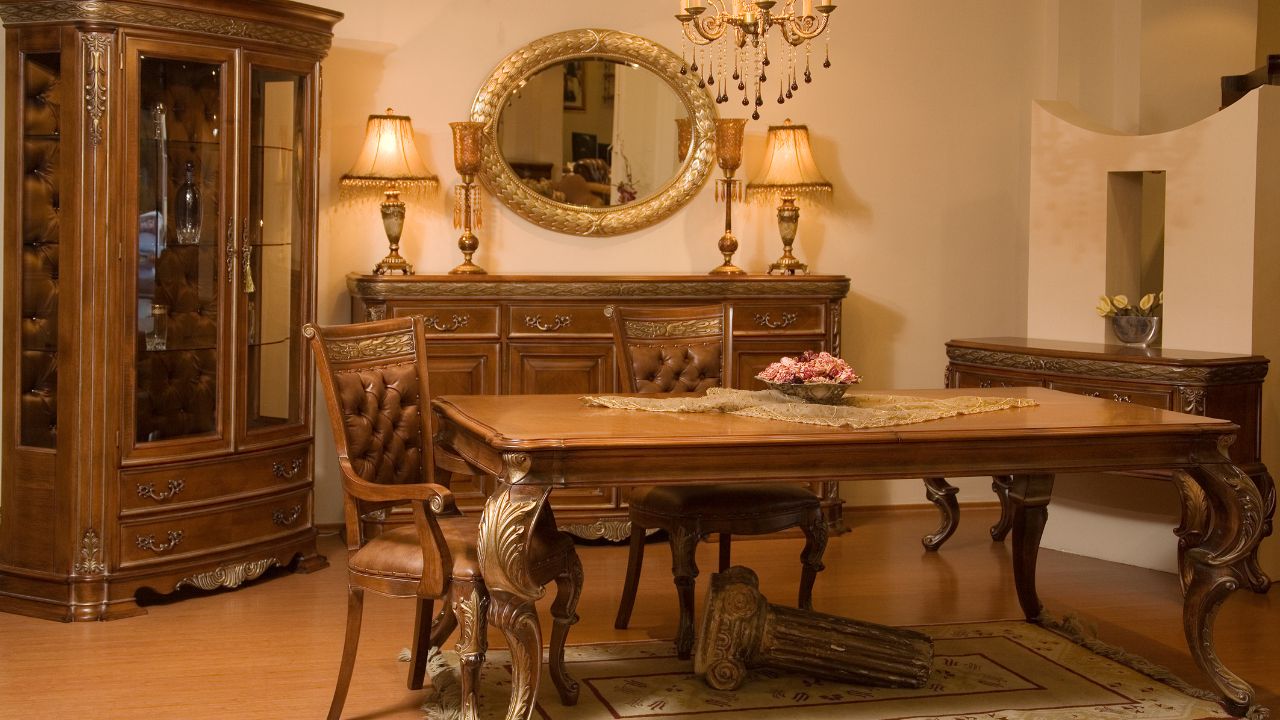
This guide to ten everyday household items offers more than nostalgia. From old carpets to glass cabinets, each piece reflects a family’s effort to make do with limited resources.
Instead of dismissing them as dated, you’ll see these objects as symbols of sound decision-making and overcoming hard times, showcasing how lower-middle-class families stretched every dollar and deferred replacements.
The Entertainment Center Time Capsule
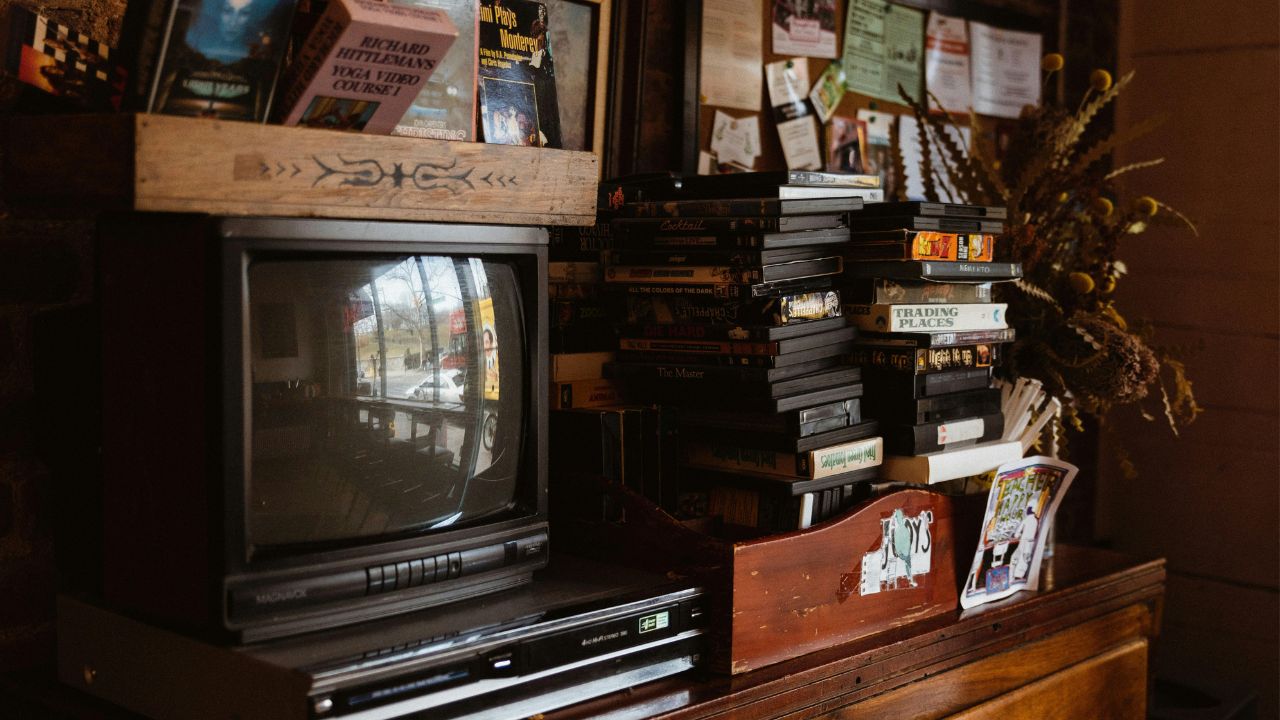
That bulky dark-wood entertainment center? It probably moved from your boomer parents’ house straight into your first apartment. Despite technology evolving, these cabinets still dominate many living rooms.
Why? Replacing them feels unnecessary when budgets are tight, and the unit still works perfectly fine—thanks to durability and practicality over time.
Old Carpet That Outlived Three Presidents

If your living room carpet has been around since the 80s, you’re not alone. For many lower-middle-class families, replacing carpet isn’t a priority.
With costs sometimes exceeding a month’s rent, these durable floorings stay in place—surviving decades as more pressing financial needs take precedence. Carpet replacement happens only when it literally begins to fall apart.
Glass Cabinets and “Good” Things You Don’t Use
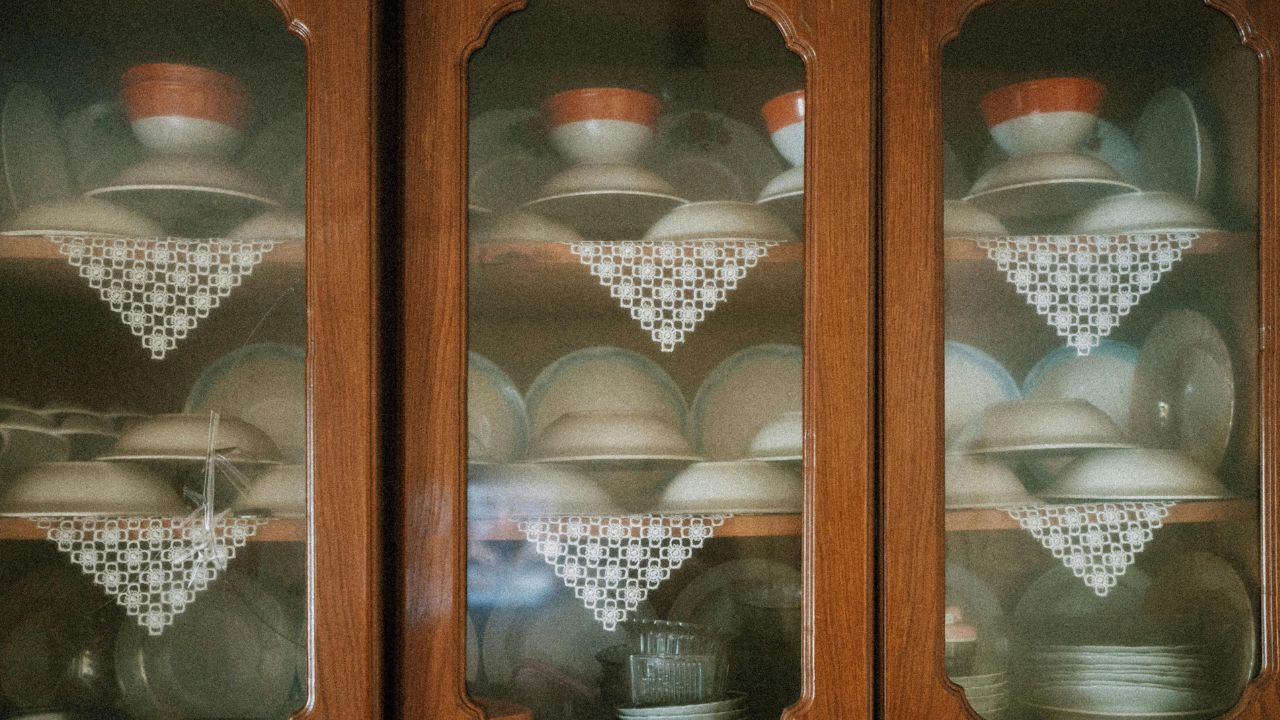
From unused wedding china to pristine crystal glasses, many homes have “good dishes” that are only for display. Behind glass, they serve a dual purpose: preserving a memory and preventing a loss.
Once labeled “special,” these items aren’t meant for everyday use. Behavioral economists point out that scarcity and loss aversion make it difficult to risk damage, especially when replacement isn’t an option.
Mismatched Furniture as a Financial Timeline
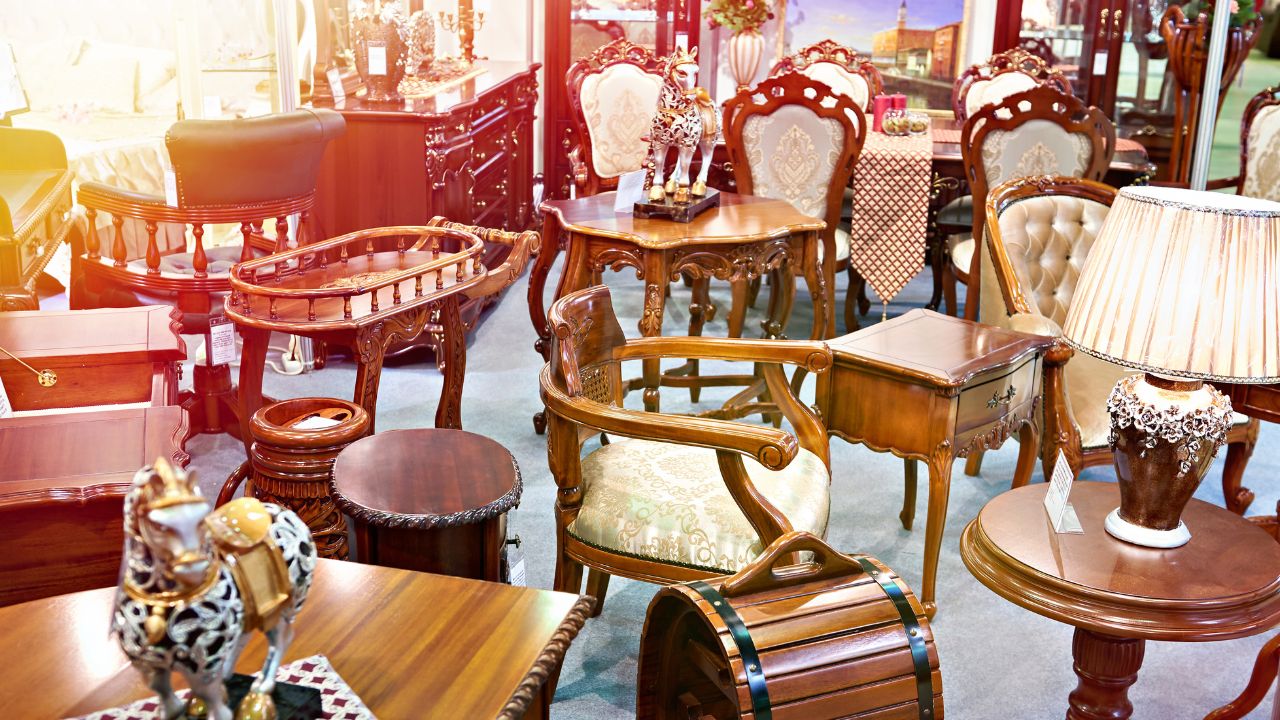
Take a look around: that hand-me-down couch, thrifted coffee table, and your first IKEA bookshelf. Many lower-middle-class homes evolve piece by piece, with items accumulated over decades.
Credit is limited, so families prioritize functionality over style. These mismatched pieces aren’t a failure—they’re a sign of careful spending decisions made over time.
Every Surface Covered in Family Photos

Family photos cover nearly every surface in the living room, from school portraits to graduation snaps. In homes without generational wealth, these images become more than memories—they’re social capital, signaling achievement and pride.
When material markers of success are out of reach, visible family milestones serve as emotional anchors, reinforcing identity and familial strength.
The “Good Dishes” That Almost Never See Dinner
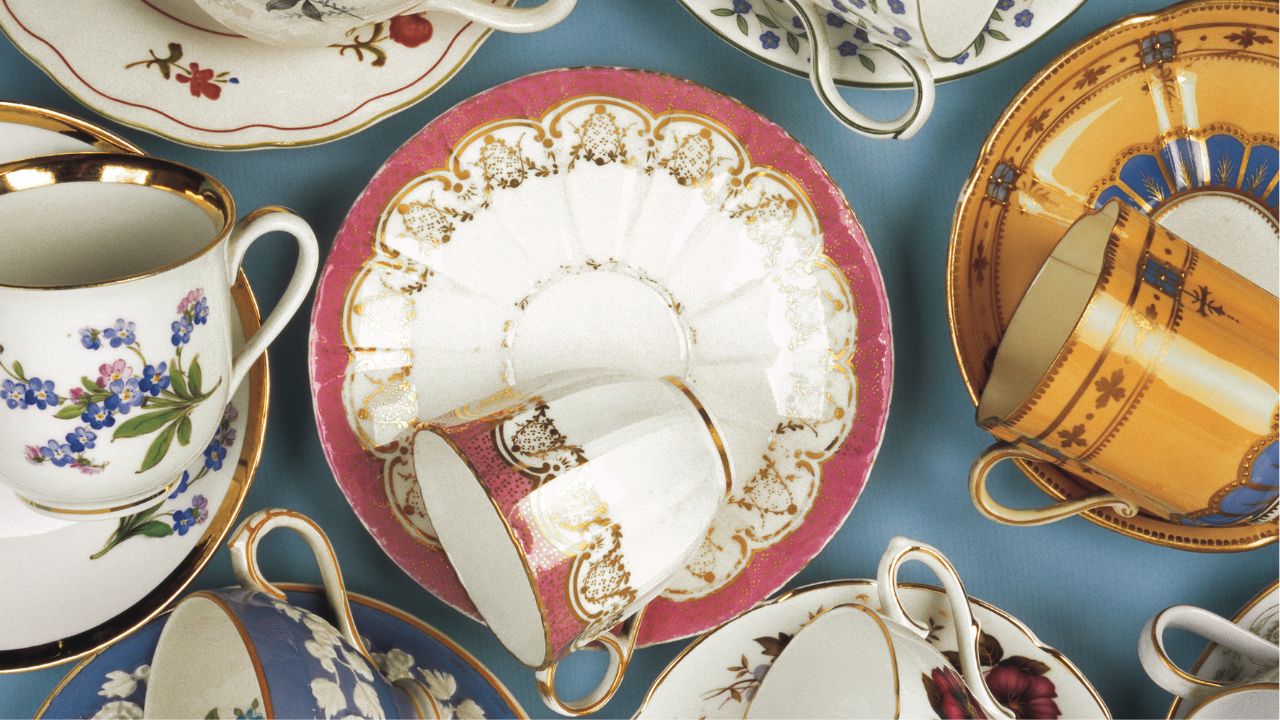
The “good” dishes, perhaps the wedding set from 1987, often remain locked away behind glass. This isn’t just tradition—it’s a safety net.
When financial uncertainty looms, people preserve high-value items, waiting for the right occasion that never seems to arrive. Behavioral science shows that scarcity drives us to protect cherished items, even if they never fulfill their intended purpose.
Plastic-Covered Furniture: Practical, Not Tacky
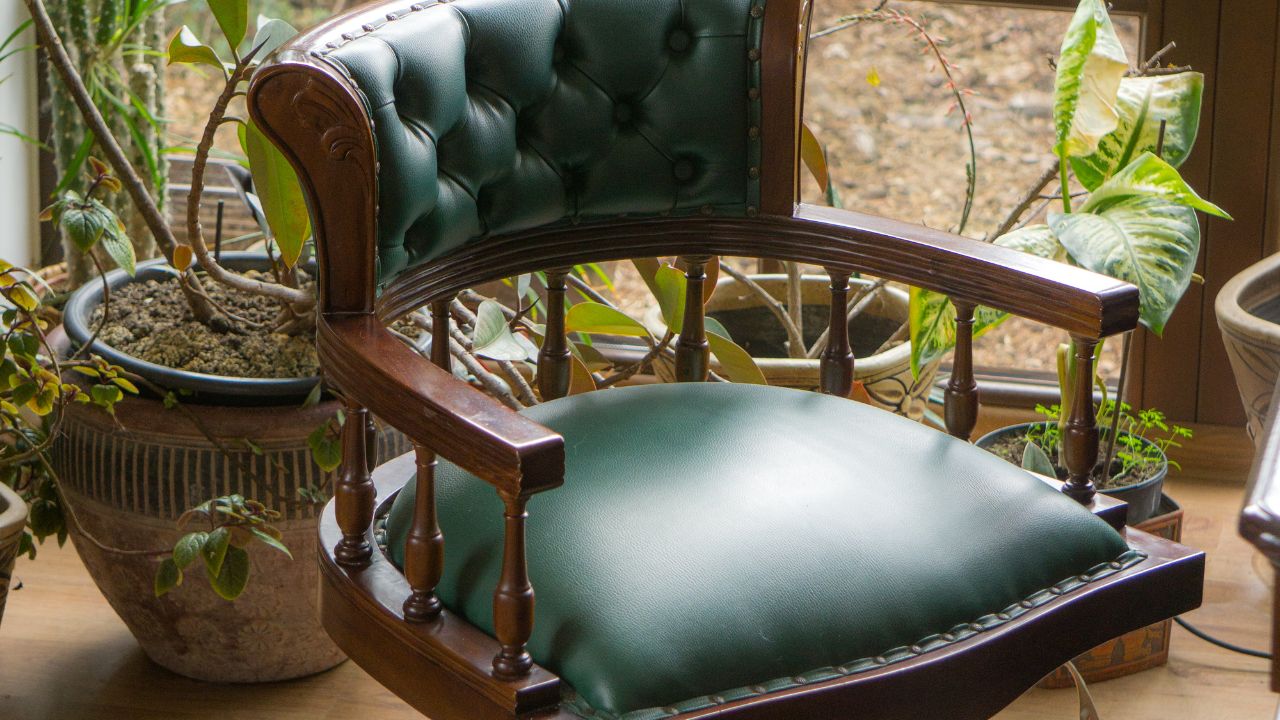
Plastic slipcovers are often mocked, but they serve a rational purpose in homes where replacing furniture isn’t affordable.
Behavioral economists describe this as managing risk: by preserving furniture with plastic, families avoid major financial setbacks that could occur if their sofa wore out prematurely. The slipcovers may not look luxurious, but they prevent a much more costly situation.
Bookshelves That Store Everything but Books
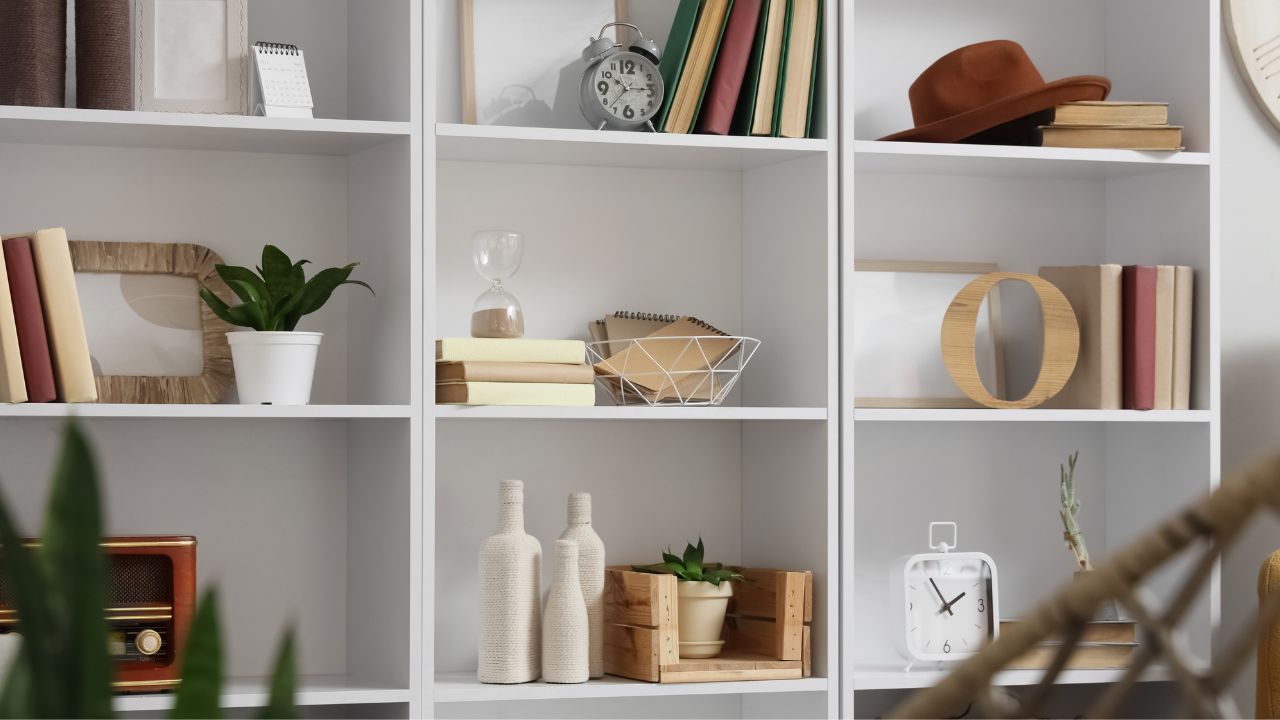
Bookshelves in lower-middle-class homes often serve as more than a place for books—they’re storage for bills, medicine, game controllers, and pantry items.
Research in household decision-making suggests that when space is limited, practicality wins. Families make the most of every available surface, prioritizing storage flexibility over minimalist aesthetics.
Religious and Cultural Symbols as Anchors
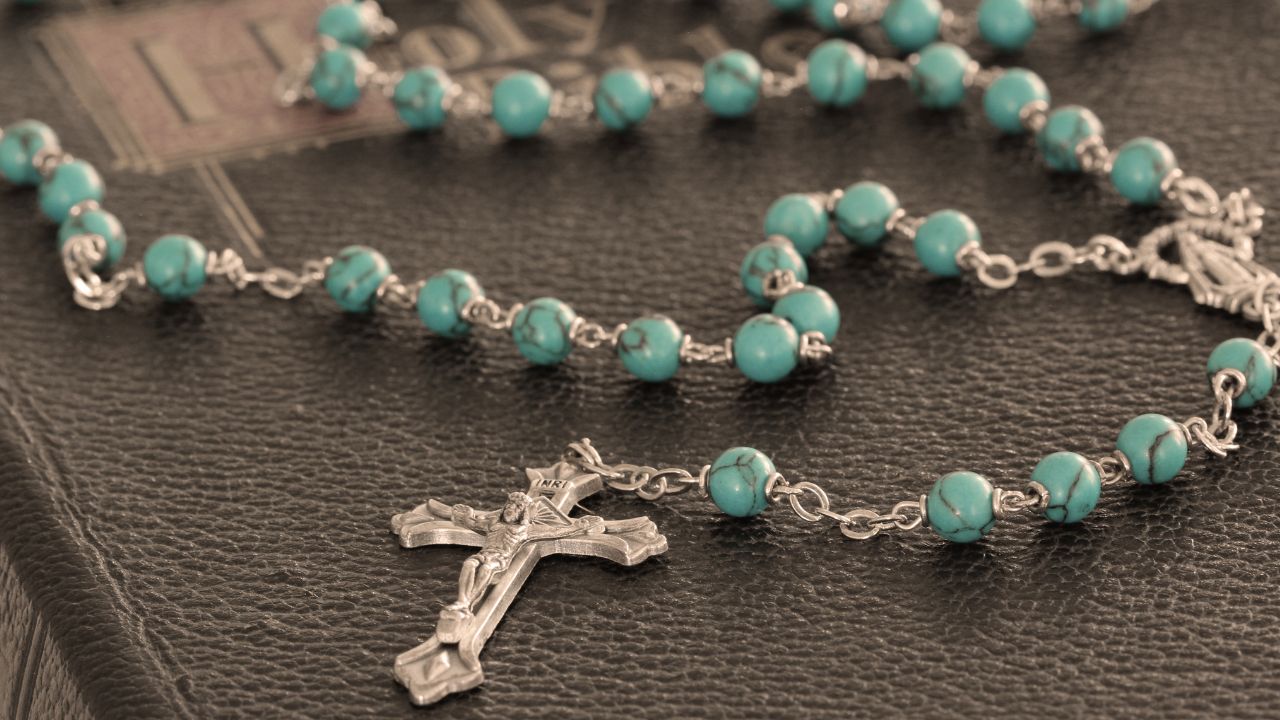
Religious icons, prayer candles, or family heirlooms often occupy central spots in these homes. These items act as anchors during times of economic strain, providing a sense of stability.
When financial pressures mount, identity markers like faith and culture become more than just symbols—they offer emotional security and a sense of control in an uncertain world.
Coffee Cans Full of Mysterious Hardware
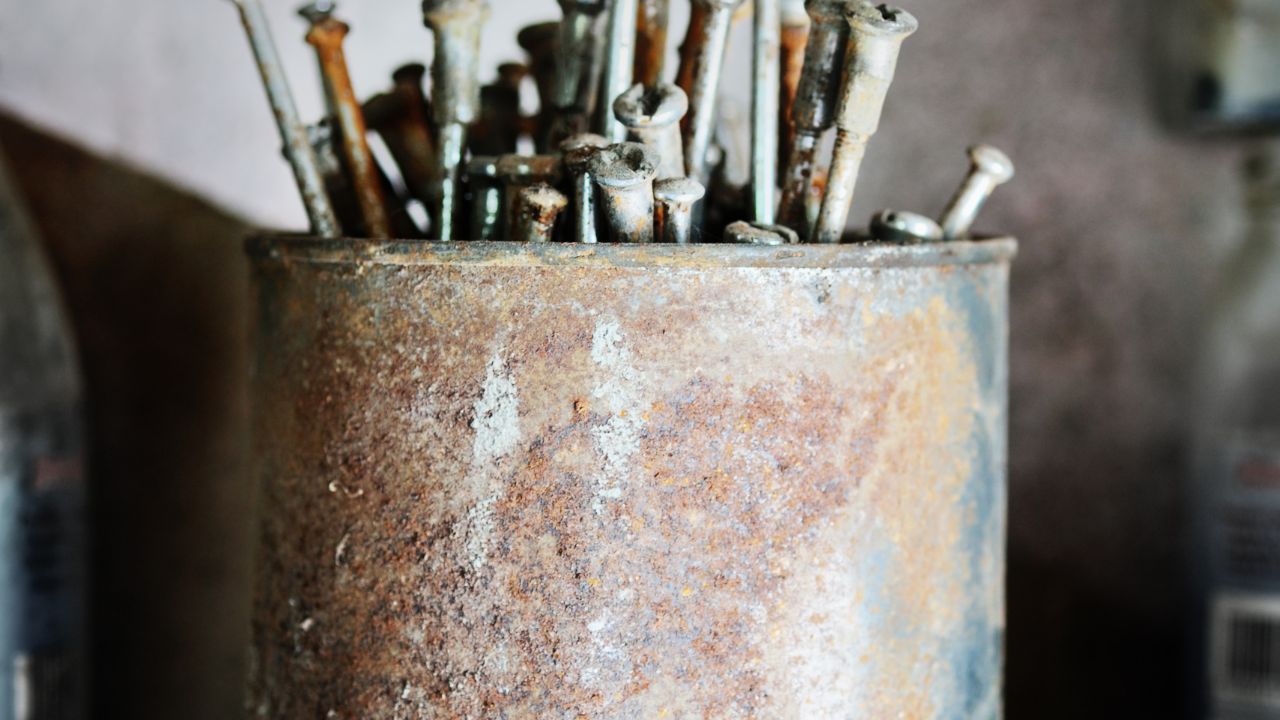
For many families, coffee cans filled with screws, nails, and other random items are a staple in the garage. This habit reflects the “just in case” mindset—an approach learned from boomer parents who grew up fixing things instead of replacing them.
This frugality passes down through generations, shaping adult children’s homes and their relationship with objects.
The Psychology Behind “It’s Solid Wood. Works Fine.”
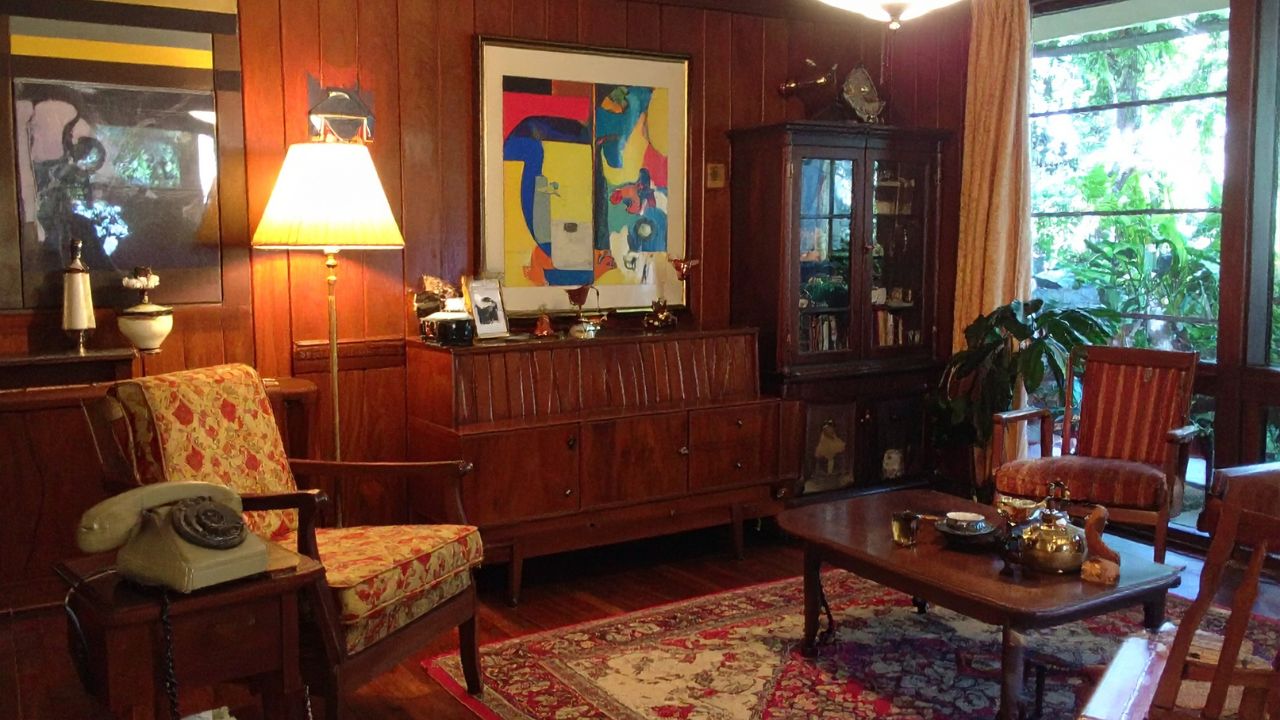
The phrase “It’s solid wood. Works fine” epitomizes status quo bias—the tendency to hold onto items, even when upgrading seems tempting.
Research shows that when disposable income is tight, people avoid risky purchases. Keeping items that still function is a safer choice, preventing costly mistakes that could arise from upgrading too soon.
How Scarcity Shapes Everyday Design Choices
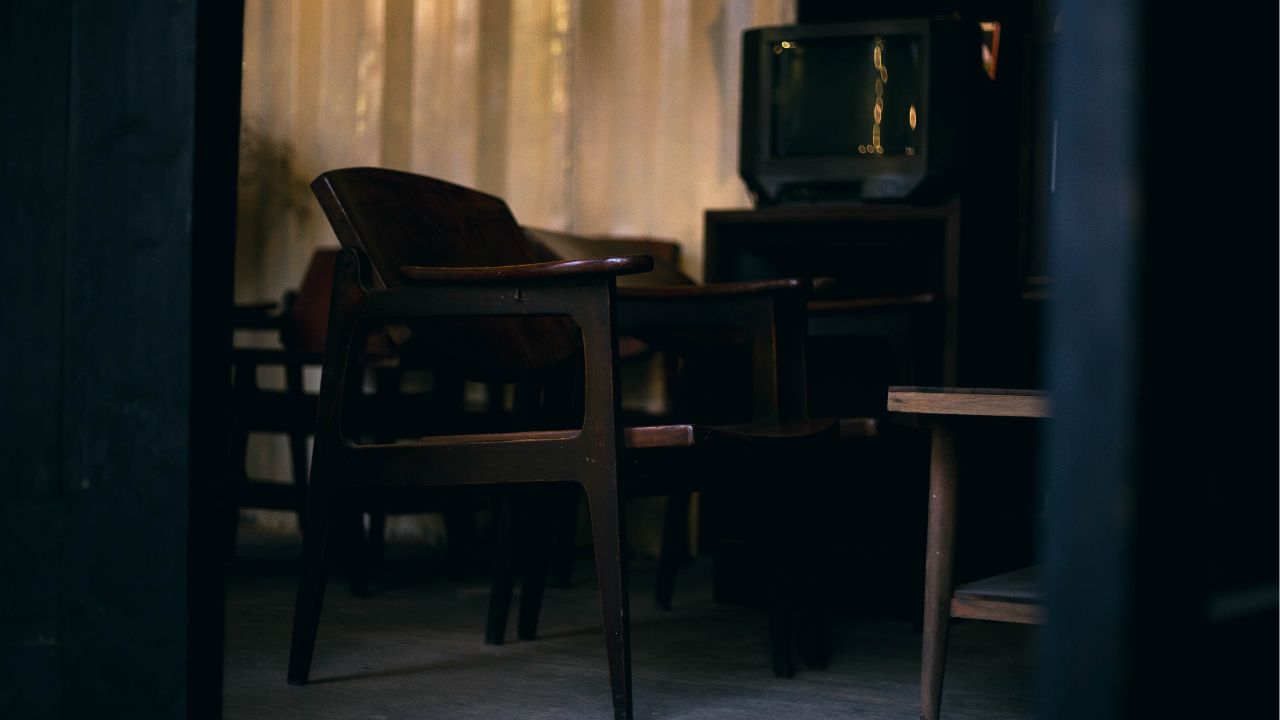
Household design choices are influenced not only by taste but by emotional factors like stress and fear of making mistakes. Scarcity pushes families to favor durable, multipurpose items, avoiding aesthetic upgrades that could drain limited resources.
Your living room becomes a visual map of these pressures, marking the intersection of financial constraints and personal choice.
Why “Lower-Middle-Class” Is About Constraints, Not Character

These items aren’t a reflection of bad taste or poor planning—they’re economic markers shaped by constraints. Lower-middle-class families usually navigate tight budgets.
They often rely on hand-me-downs and secondhand goods to make do. Rather than judging these items, behavioral economists encourage us to see them as evidence of smart survival tactics in a challenging economy.
From Boomer House to Your First Place
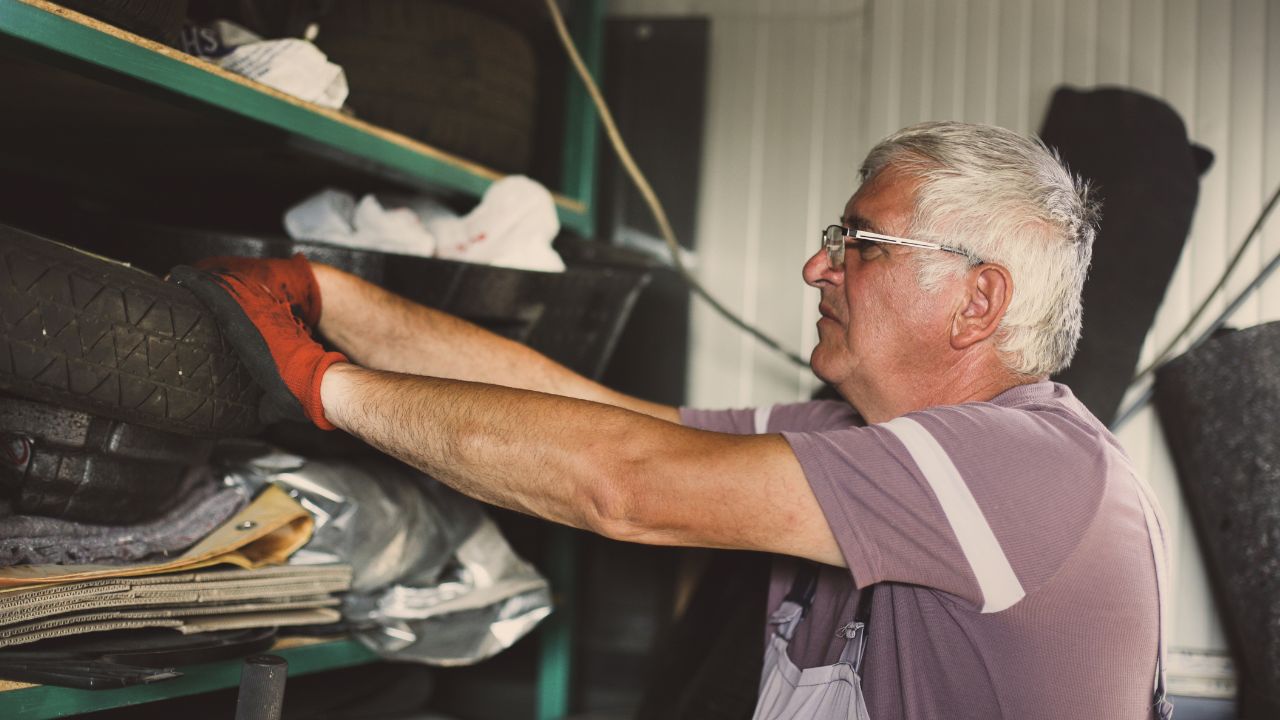
The items you inherited from your parents aren’t just practical—they represent a financial safety net and cultural tradition.
Passing down furniture is a way of helping adult children set up households without accumulating high-interest debt or buying expensive, disposable furniture. This transfer isn’t just about convenience; it’s a strategy for financial survival.
When “Clutter” Is Really Intergenerational Security
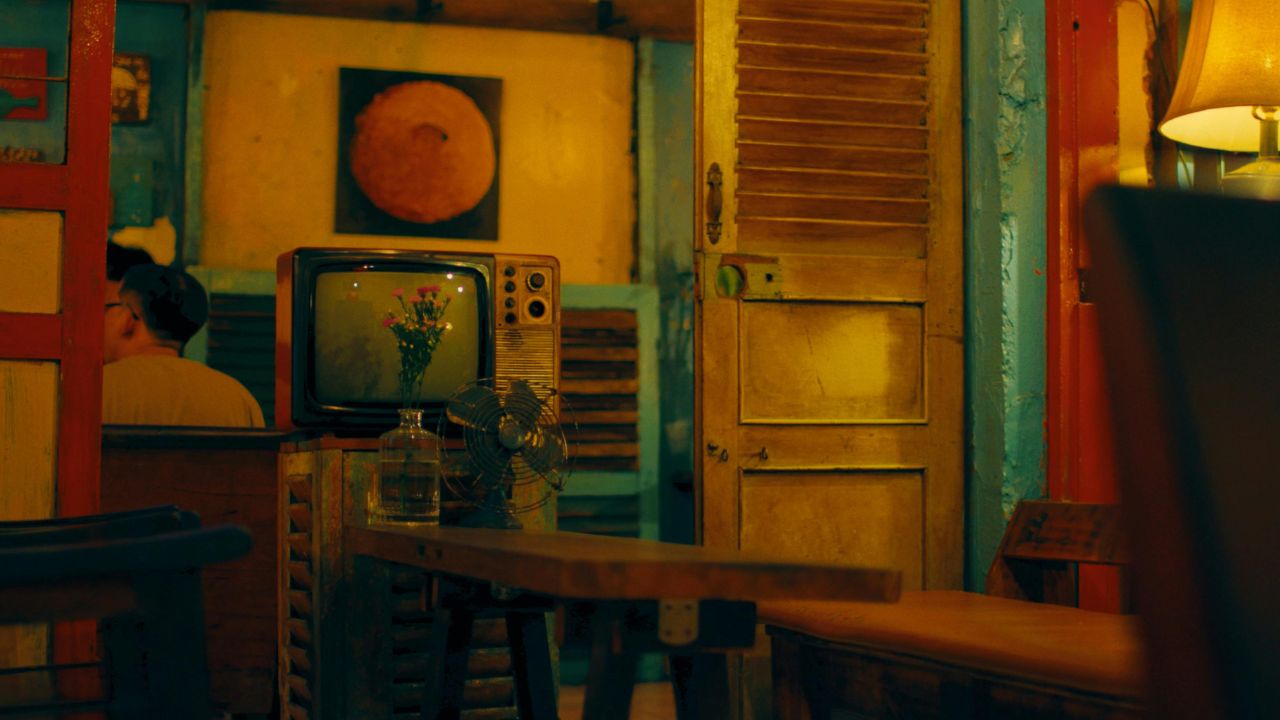
A crowded living room can signal a broader strategy. Boomers who lived through inflation, layoffs, and housing crises kept backups of essential items.
This mindset is passed down, leading their children to hold onto “working” items and avoid waste. It’s an intergenerational hedge against economic uncertainty, offering a sense of security in a volatile world.
Seeing Strength Instead of Shame
There’s no shame in having mismatched furniture or outdated décor. These items aren’t marks of failure; they’re evidence of resilience.
By understanding the behavioral logic behind these choices, you can embrace your family’s resourcefulness. Recognizing the survival tactics embedded in your home fosters a healthier relationship with your economic identity.
Updating Without Erasing Your Story
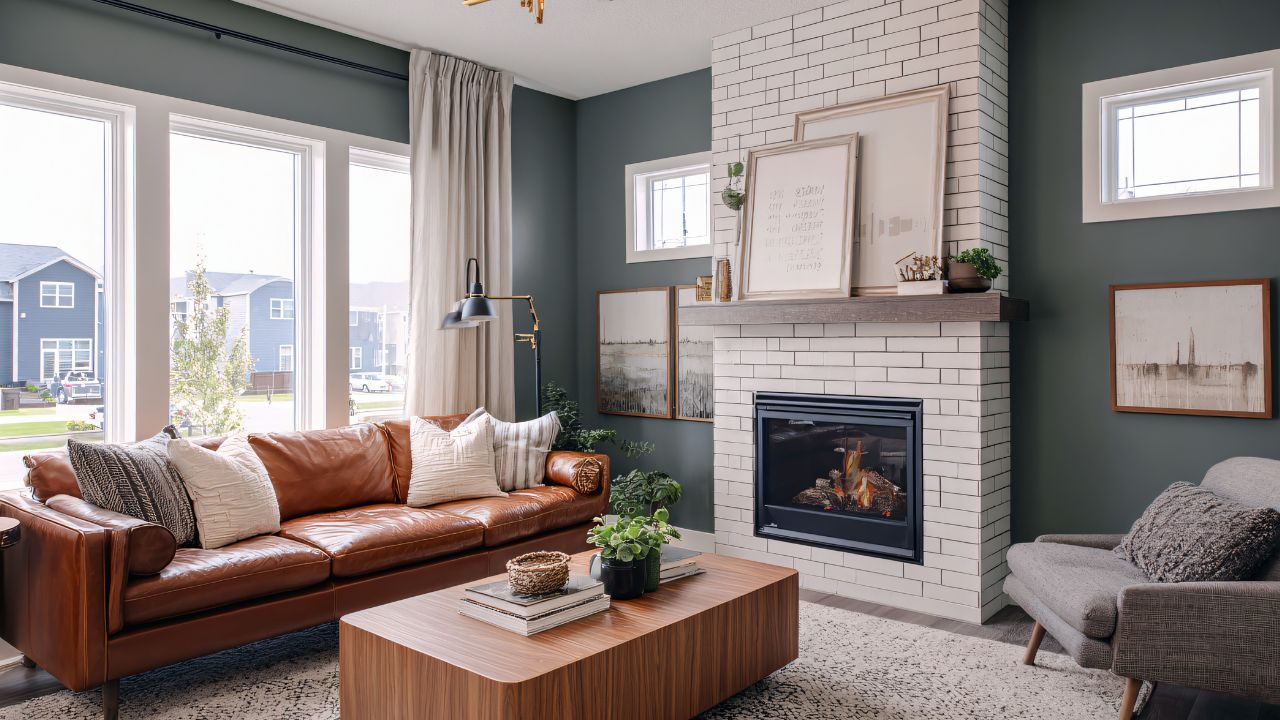
Replacing old carpet or retiring plastic covers doesn’t mean rejecting your past—it’s about making thoughtful changes. Behavioral “nudging” research shows that small, gradual updates are more sustainable than overhauls.
You can hold on to the items that still serve a purpose, while gently upgrading the rest, respecting your roots while writing the next chapter.
Your Living Room as a Badge of Resourcefulness
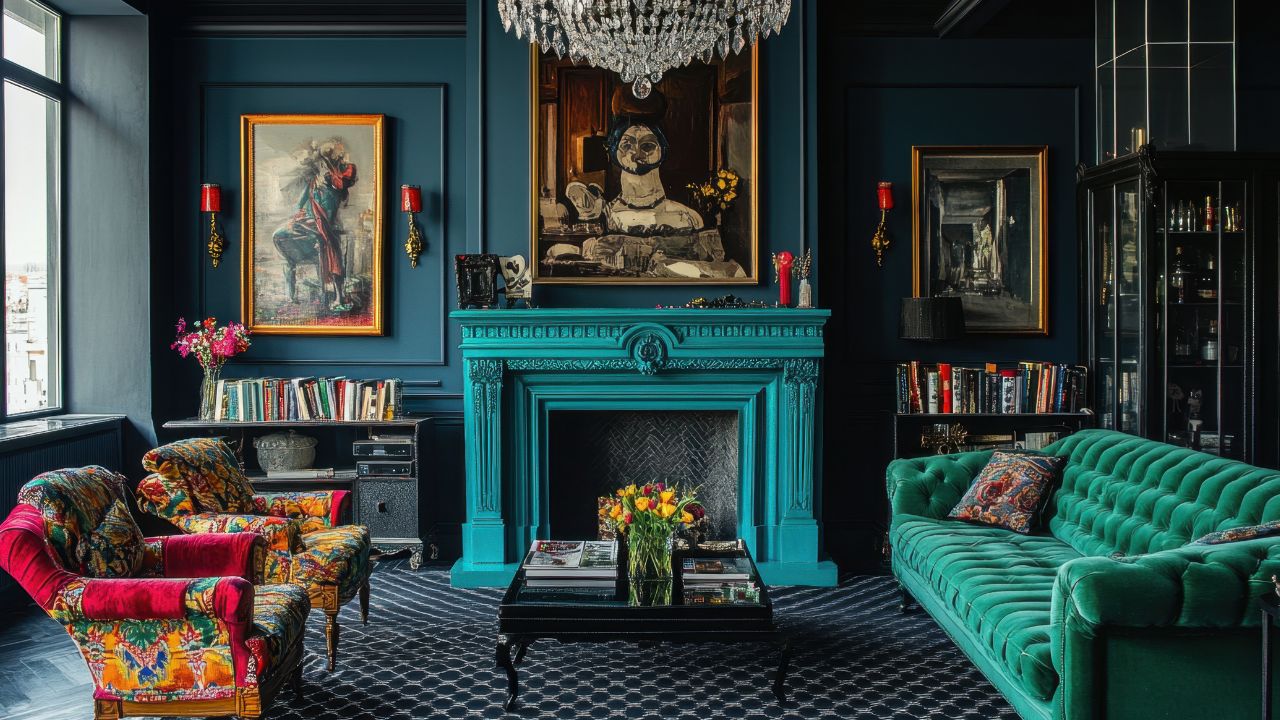
If you see any of these ten items in your living room, it’s a signal of your family’s journey, not their limitations. This article encourages you to view your space as proof of your resilience.
The pieces you’ve inherited tell a story of hard choices, loyalty, and care—each object a testament to navigating life’s challenges with resourcefulness.
Sources:
“Anomalies: The Endowment Effect, Loss Aversion, and Status Quo Bias.” Journal of Economic Perspectives, by Daniel Kahneman, Jack L. Knetsch, and Richard H. Thaler, Winter 1991.
“Advances in Prospect Theory: Cumulative Representation of Risk Preferences.” Journal of Risk and Uncertainty, by Amos Tversky and Daniel Kahneman, 1992.
“The Impact of Intergenerational Transfers on Household Wealth Outcomes.” National Bureau of Economic Research Working Paper No. 22687, by Yoshihiro Niimi, 2016.
“A Study on the Influence of Family Social Capital on Household Decision-Making and Adolescent Outcomes.” PLOS ONE, by W. Sui and colleagues, June 2025.