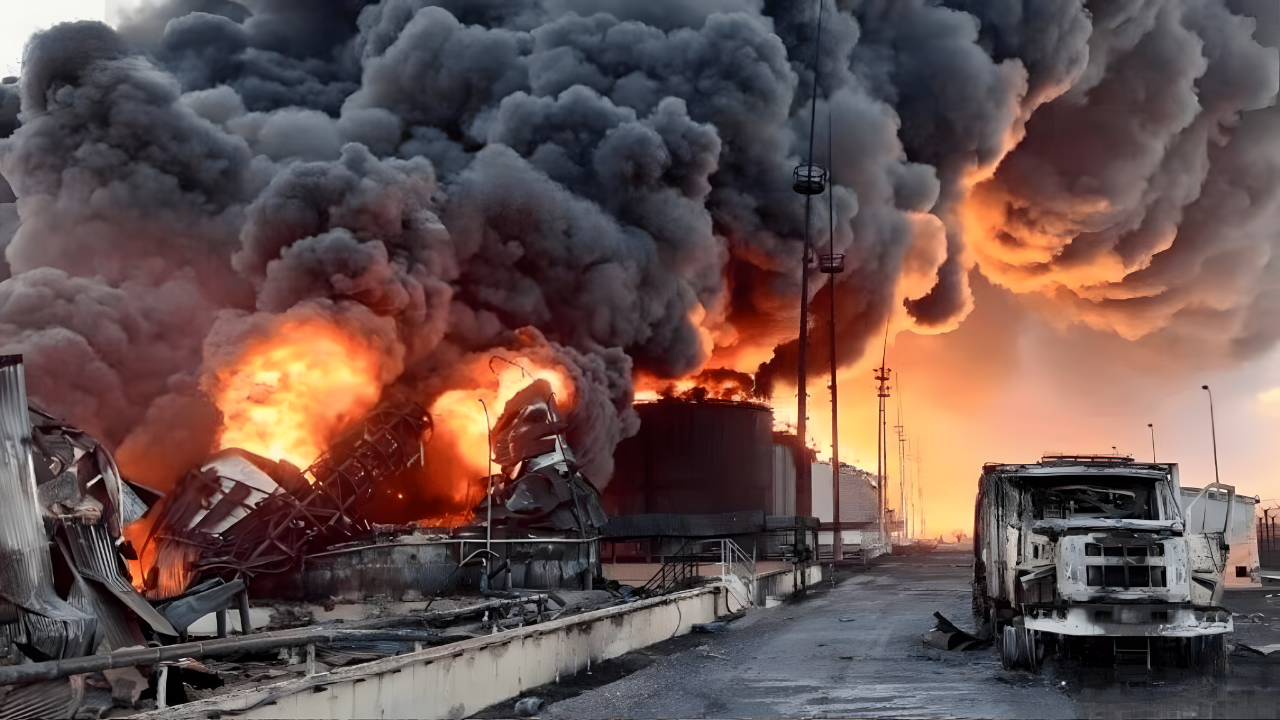
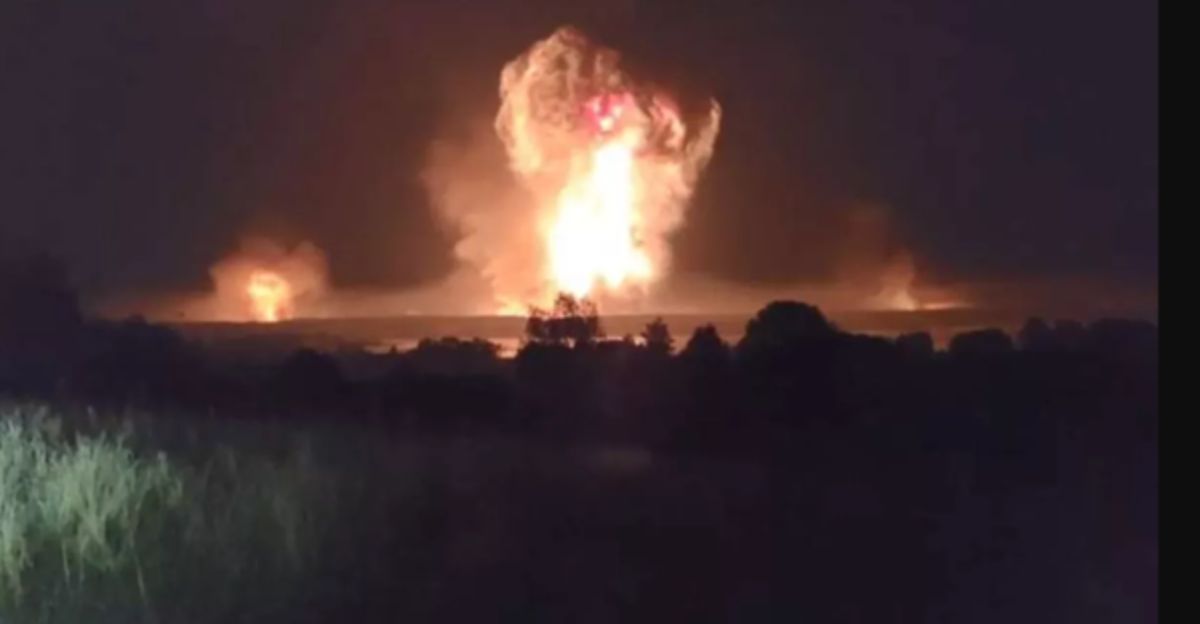
On the night of December 5, Ukrainian forces executed a precision drone strike on Russia’s Temryuk Seaport in Krasnodar Krai, destroying critical fuel storage infrastructure.
The attack targeted the Maktren-Nafta liquefied natural gas terminal, a major logistics hub serving Russian military supply chains. General Staff confirmed the destruction of approximately 70 percent of the facility’s fuel capacity, marking a significant blow to Russia’s southern front logistics.
Elite SBU Operations Unit Claims Responsibility
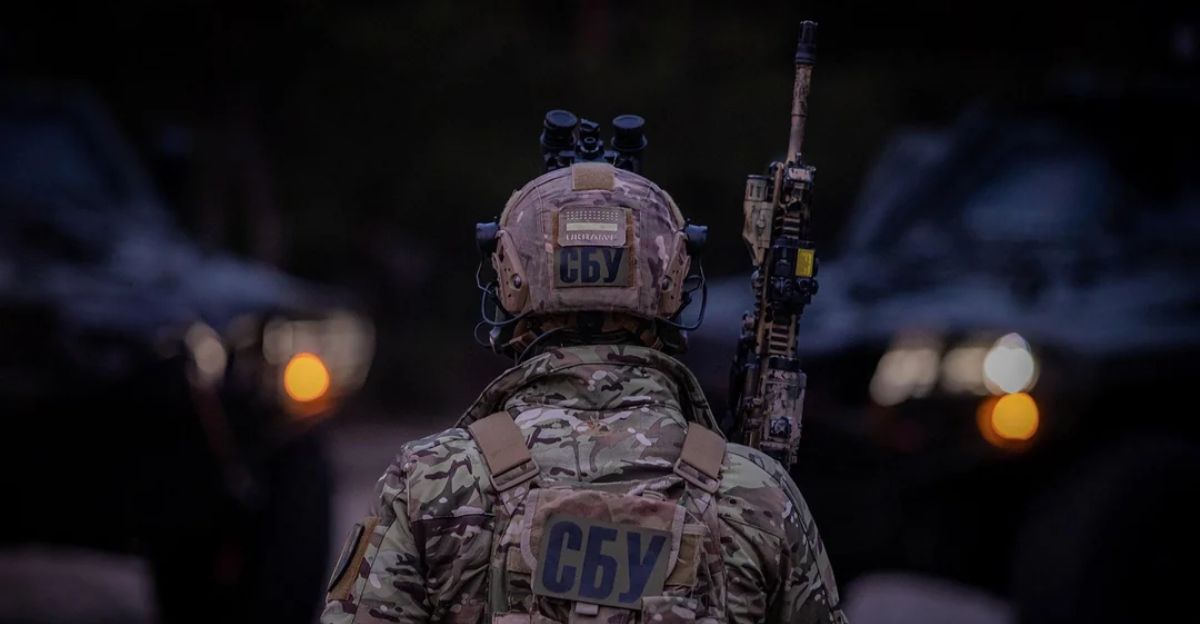
The Security Service of Ukraine’s elite Alpha special operations unit conducted the December 5 drone operation against the Maktren-Nafta terminal, according to SBU sources.
The operation represents part of Ukraine’s systematic campaign to degrade Russian oil and gas infrastructure, financing the war. SBU sources emphasized their intent to continue targeting rear-area facilities supporting Russian military operations through coordinated long-range drone strikes.
Massive Destruction of Tank Farm
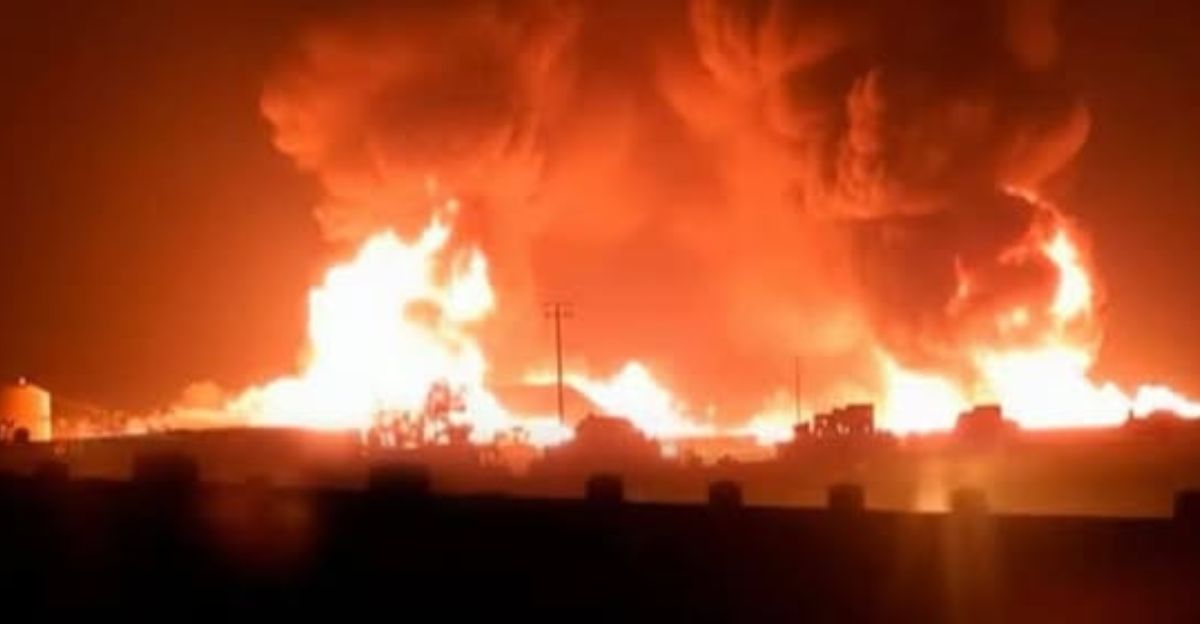
Ukrainian drones destroyed more than 20 of the 30 storage tanks at the Temryuk facility, each holding 200 cubic meters of liquefied natural gas. The strike also destroyed railway tankers, intermediate refueling containers, and loading and unloading infrastructure.
The resulting fire covered approximately 3,000 square meters, burning continuously for three days according to eyewitness accounts and official reports.
Three-Day Inferno Engulfs Facility
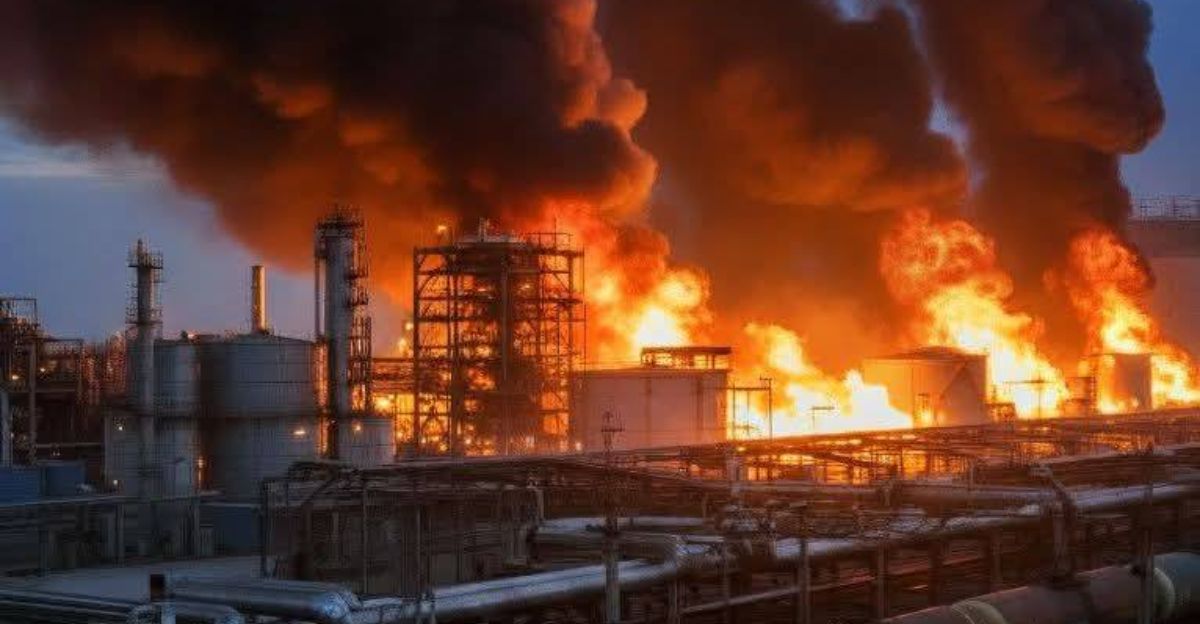
The drone strike ignited a massive fire that persisted for seventy-two hours at the liquefied gas loading rack. As of the evening of December 7, the blaze still covered nearly 1,000 square meters with approximately two dozen rail tank cars positioned nearby.
Russian emergency services deployed eight firefighting crews, acknowledging the scale of the conflagration triggered by Ukrainian drones.
Strategic Importance of Temryuk Port
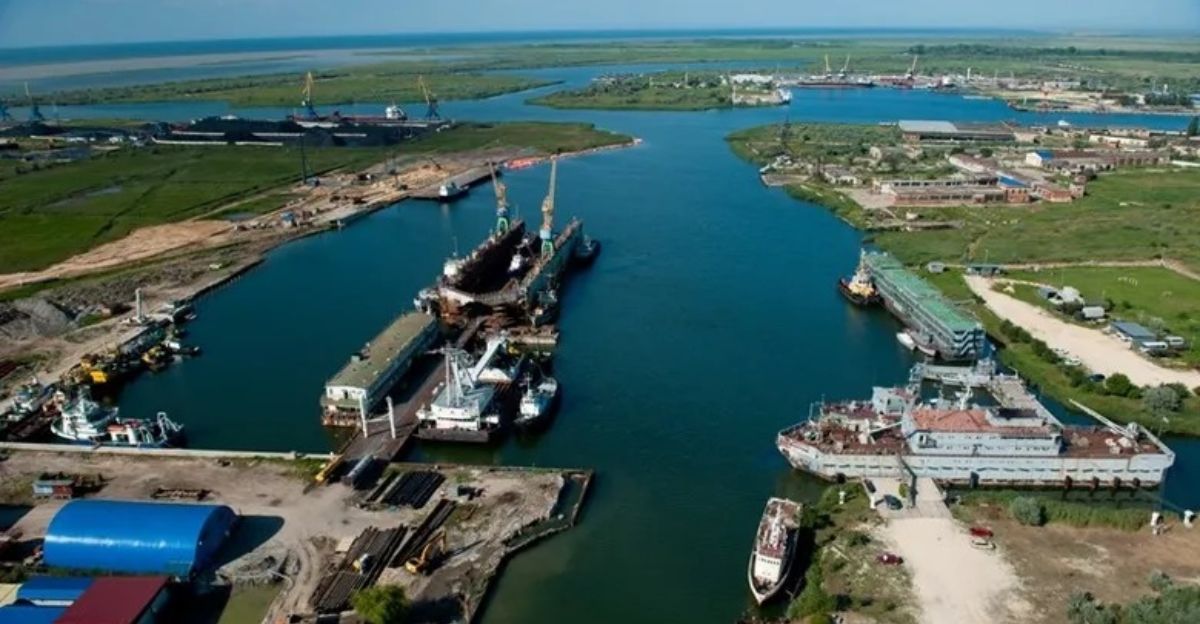
Temryuk Seaport sits on the Taman Peninsula in Krasnodar Krai, handling liquefied petroleum gas, oil products, and petrochemicals for Russian domestic and military consumption.
The facility serves as a critical export and logistics node linking Russia’s southern military supply chain through Black Sea and Azov Sea routes. Its destruction directly impacts fuel availability for Russian units fighting in southern Ukraine and the Donbas region.
Economic Toll Approaches $150 Million

Independent estimates place the value of destroyed fuel and structural infrastructure at approximately $150 million. Each tank holds around 200 cubic meters with direct replacement costs, and the facility also lost rail tankers, loading systems, and critical LNG handling equipment.
Beyond replacement expenses, Russia faces significant lost export revenues and increased logistics costs reconfiguring supply routes.
Part of Coordinated Campaign Strategy
The Temryuk attack coincided with Ukrainian strikes on multiple supporting infrastructure targets overnight December 8. Strikes hit ammunition depots near Chmyrivka in Luhansk Oblast, drone storage facilities in Donetsk city, fuel depots near Simeykyne, and a Pantsir-S1 air defense system.
This coordinated offensive suggests systematic efforts to simultaneously weaken Russian fuel stocks, munitions supply, and air defense capabilities.
Maktren-Nafta Terminal Operations Halted
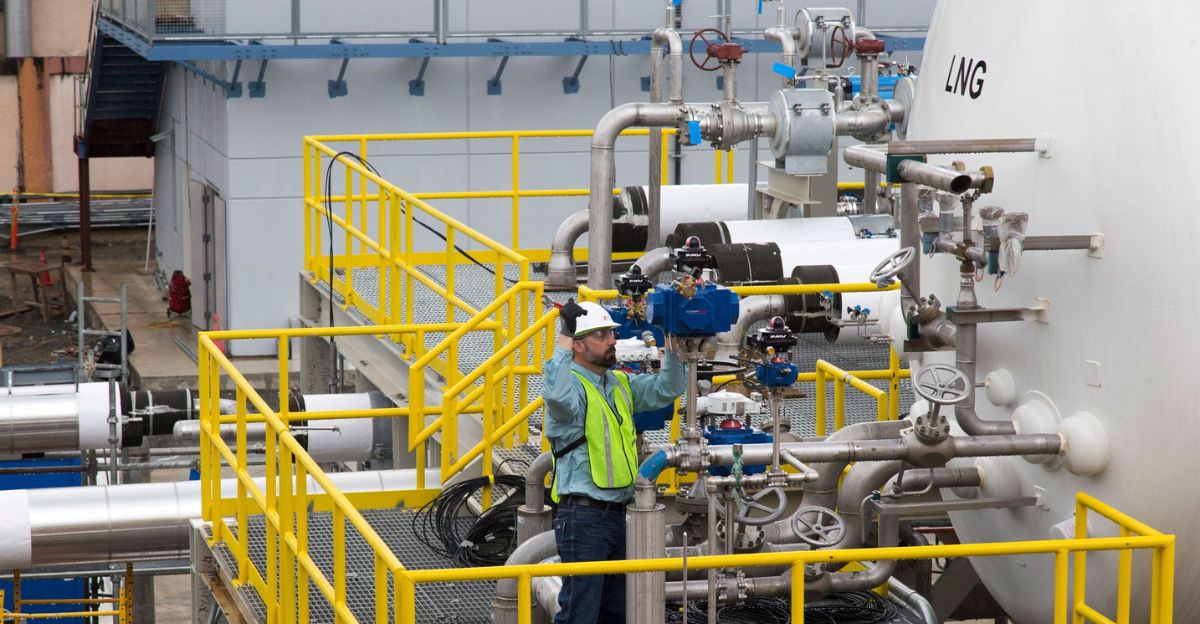
Maktren-Nafta LLC, established in 2008, designed transshipment capacity of 400,000 tons of liquefied natural gas annually. The terminal transferred LNG from railcars and tank containers to specialized gas carriers serving Russian exports.
In the first ten months of 2025, the terminal handled approximately 220,000 tons of LPG. The facility’s destruction severely disrupts Russian energy export operations.
Expanding Ukrainian Long-Range Strike Capability
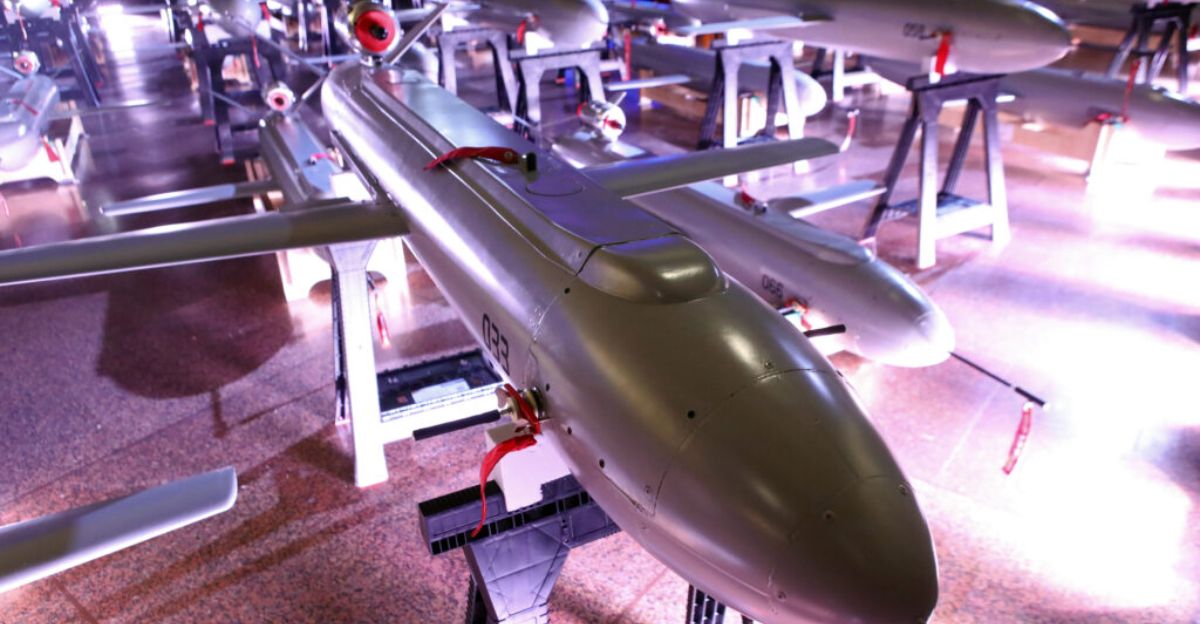
Since early 2025, Ukraine has steadily expanded deep-strike operations against refineries, depots, and export terminals across Russia. Previous strikes hit facilities in Ryazan, Saratov, Volgograd, and Novokuibyshevsk, temporarily removing portions of Russia’s refining capacity.
These sustained operations demonstrate Ukraine’s ability to project force deep into Russian territory, forcing Moscow to stretch air defenses over vast distances.
Disruption to Southern Front Supply Routes
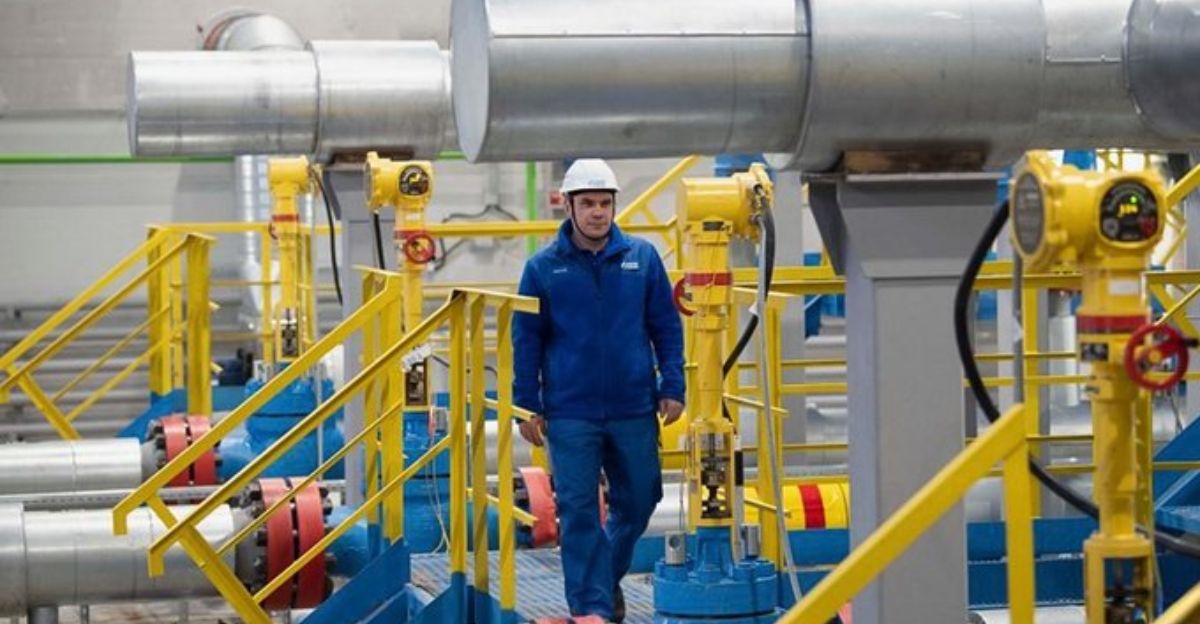
Ukraine’s military briefings frame the Temryuk strike as degrading fuel logistics supporting Russian southern and Donbas front operations. Destroying approximately 70 percent of the port’s storage capacity forces Russia to reroute supplies over longer, more vulnerable supply routes.
This strategy aims to identify new supply chain chokepoints that are vulnerable to follow-up Ukrainian strikes and attacks.
Retaliation Against Ukrainian Energy Infrastructure
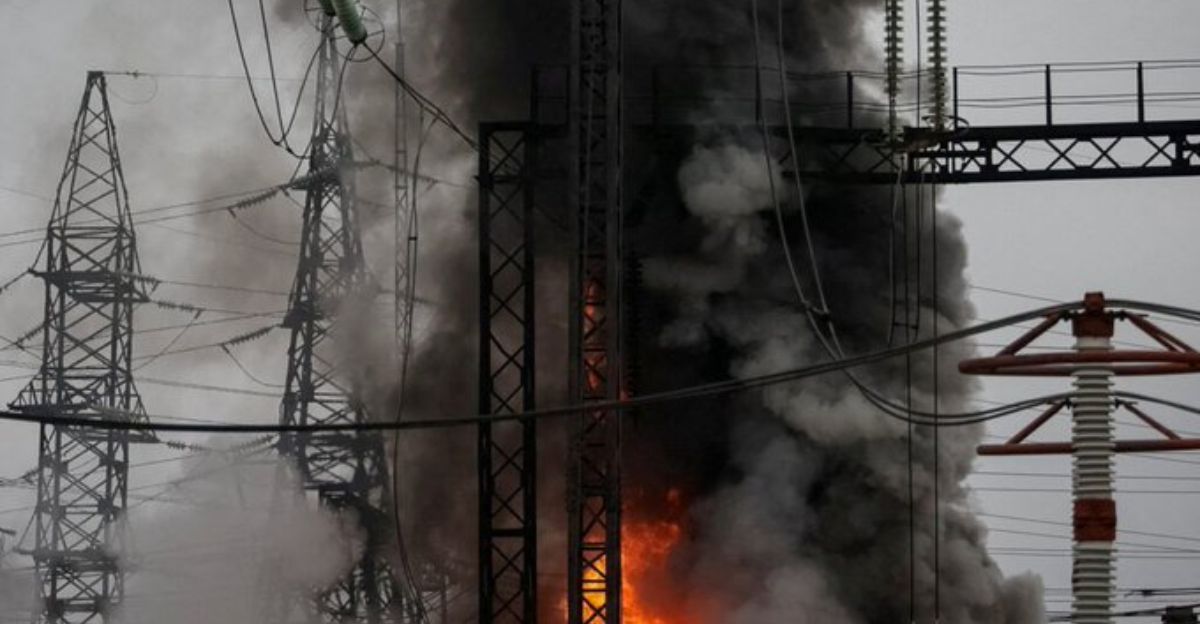
Russia responds to Ukrainian attacks on fuel facilities by escalating missile and drone strikes against Ukraine’s energy grid. These retaliatory campaigns leave Ukrainian civilians facing rolling blackouts and severe winter hardship as both nations employ infrastructure as strategic leverage.
The cycle of infrastructure targeting represents a grinding war of attrition with significant humanitarian consequences.
Recovery Challenges Amid Sanctions Constraints
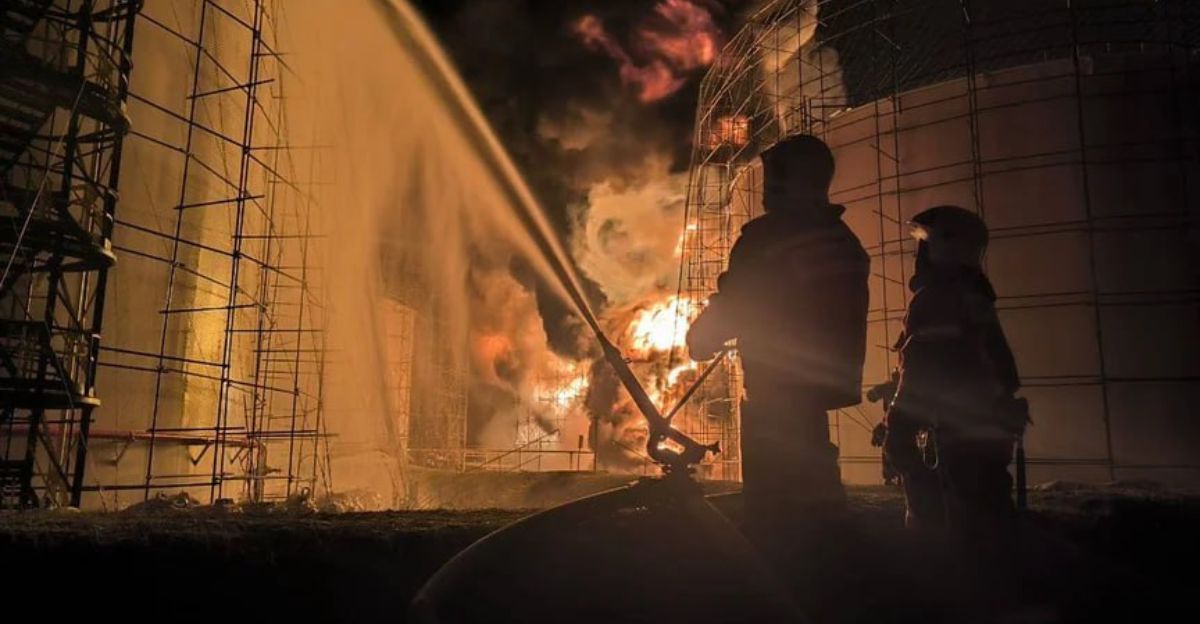
Russian operators demonstrated repair capabilities at other damaged facilities like Syzran and Novoressiysk, achieving restoration within weeks. However, repeated Ukrainian strikes increase downtime costs and force more frequent, expensive maintenance operations.
At Temryuk, full restoration requires rebuilding tank farms and sensitive LNG handling infrastructure while operating under international sanctions limiting access to replacement parts.
Previous Black Sea Strikes Establish Pattern
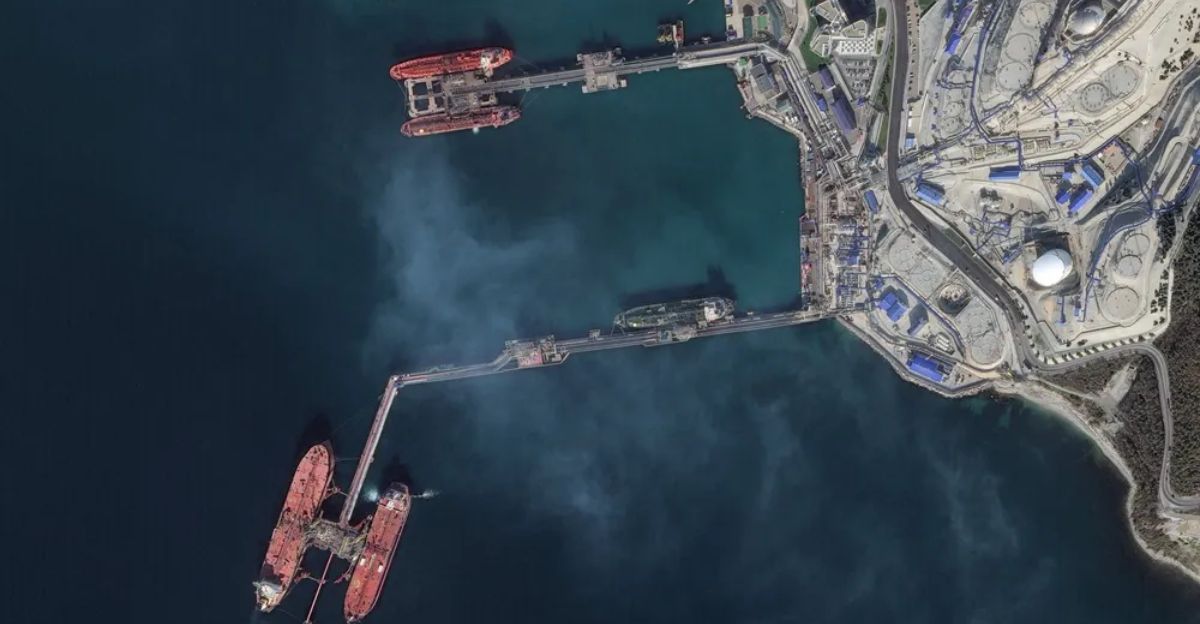
The Temryuk operation follows Ukraine’s November 29 attack on Russia’s Sheskharis oil terminal at Novorossiysk, one of Russia’s main Black Sea export points.
That strike forced the temporary suspension of oil loadings for two to three days under emergency procedures. Repeated outages across multiple facilities raise maintenance costs while sanctions complicate logistics by restricting access to advanced technology.
Strategic Recalculation Questions Loom
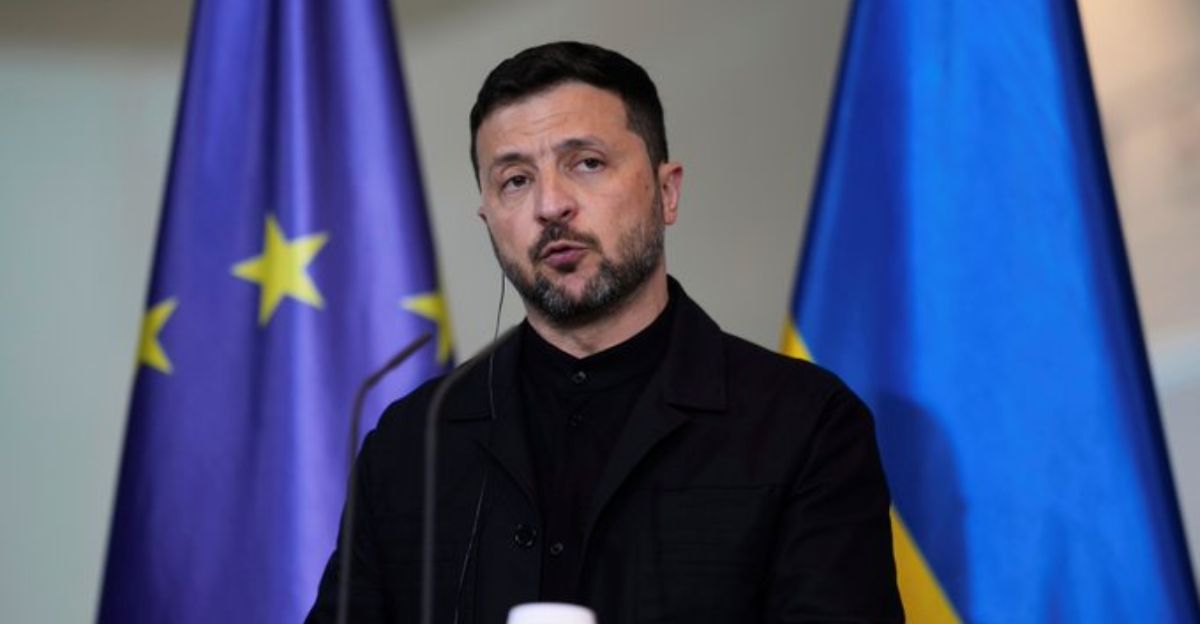
The Temryuk strike underscores how the conflict evolved into a long-range contest over fuel, infrastructure, and economic resilience. Ukraine signals determination to keep targeting facilities powering Russia’s military, while Moscow retaliates against Ukraine’s grid and industry.
With winter deepening and diplomacy stalled, the central question remains whether sustained infrastructure attacks will force strategic recalculations or deepen costly stalemate.
Targeting Financing Sources of War
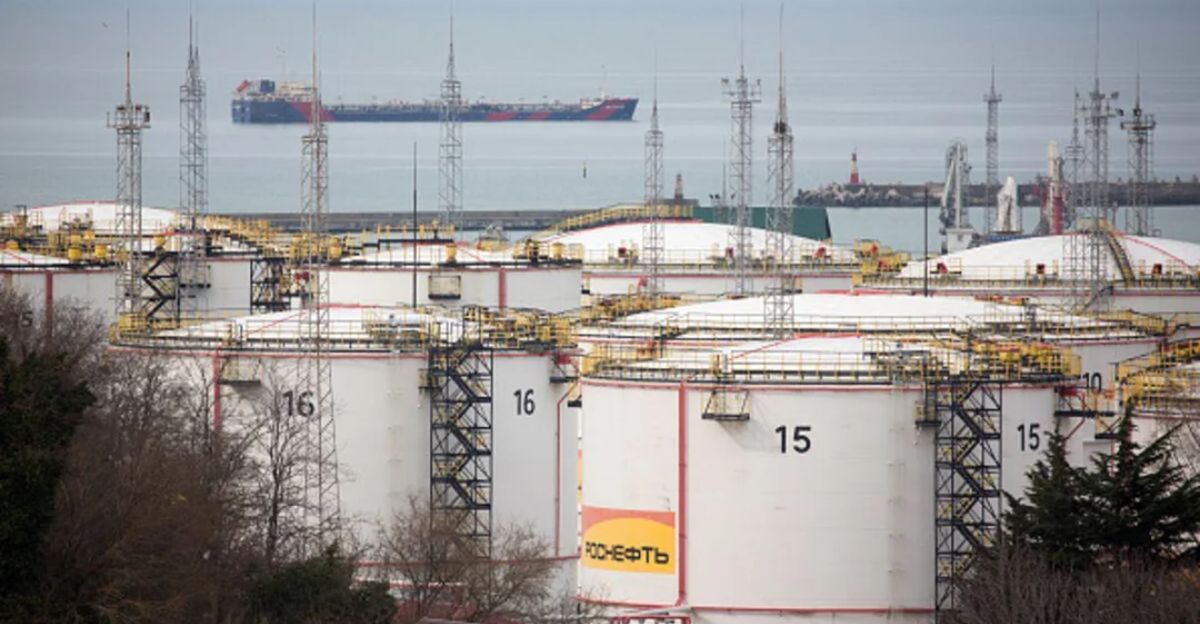
SBU sources emphasized that revenue from Russia’s oil and gas sectors directly finances Moscow’s war effort against Ukraine.
By systematically destroying export and domestic fuel infrastructure, Ukrainian operations aim to cut financial streams supporting military operations. The stated SBU strategy involves continuing systematic targeting of facilities supporting the Russian war effort throughout Russia’s rear areas.
Sources:
“Ukrainian Drones Destroy 70% of Fuel Tanks at Russia’s Temryuk Seaport, General Staff Says.” Kyiv Independent, December 8, 2025.
“SBU Drones Struck Liquefied Natural Gas Terminal in Russia’s Temryuk Port, Source Says.” Kyiv Independent, December 9, 2025.
“Fire Breaks Out at Russian LPG Export Terminal After Ukrainian Drone Attack.” Baird Maritime, December 4, 2025.
“Ukrainian Drones Blow Up Major Russian Gas Terminal in Temryuk.” RBC-Ukraine, December 8, 2025.