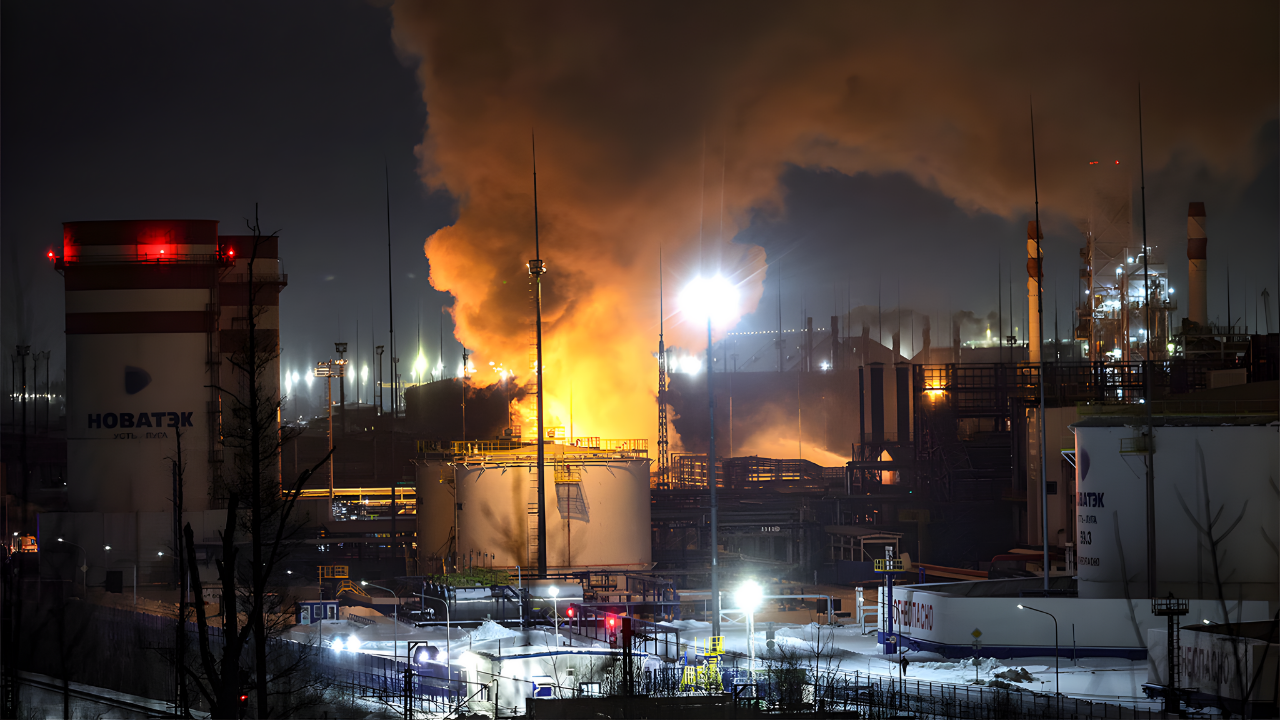
The horizon of Stavropol Krai ignited as a massive fireball consumed the storage tanks of Russia’s largest ammonia producer. Satellite feeds captured the intense heat signature of the $300 million inferno, visible from space against the dark winter landscape.
This wasn’t a random accident; it was a precision decapitation of a critical industrial artery. The sheer scale of the destruction signaled an immediate, devastating shift in the war’s trajectory.
The Target: Nevinnomyssk Azot
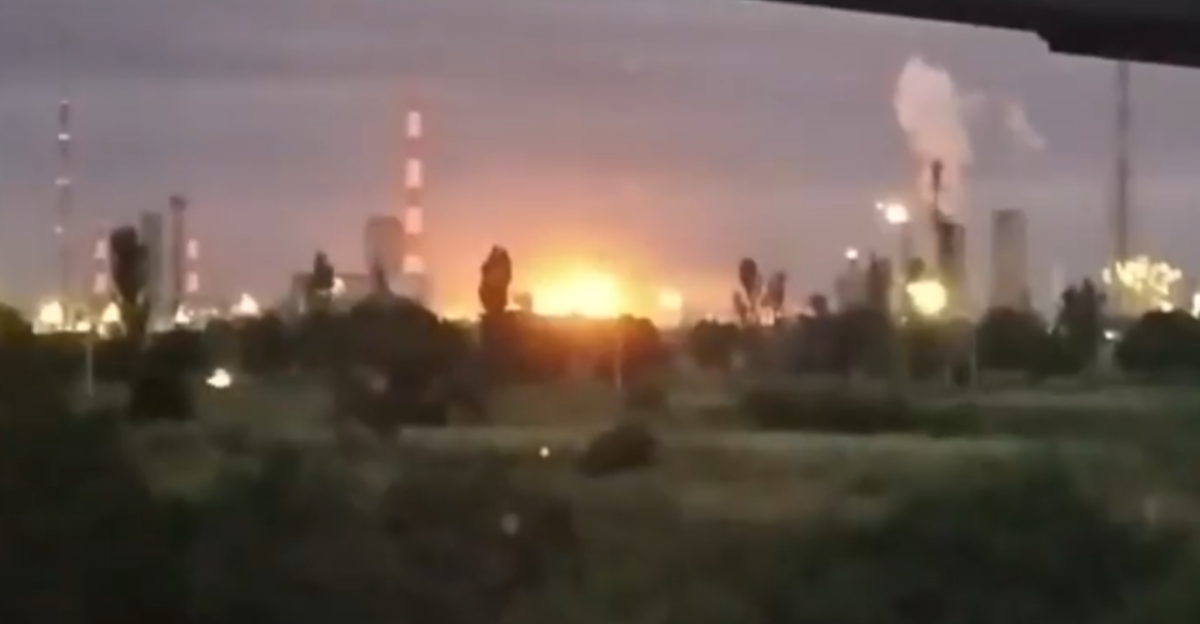
The target was Nevinnomyssk Azot, a sprawling chemical complex owned by EuroChem. While officially a civilian fertilizer hub, intelligence designates it a dual-use fortress essential to Moscow’s war effort.
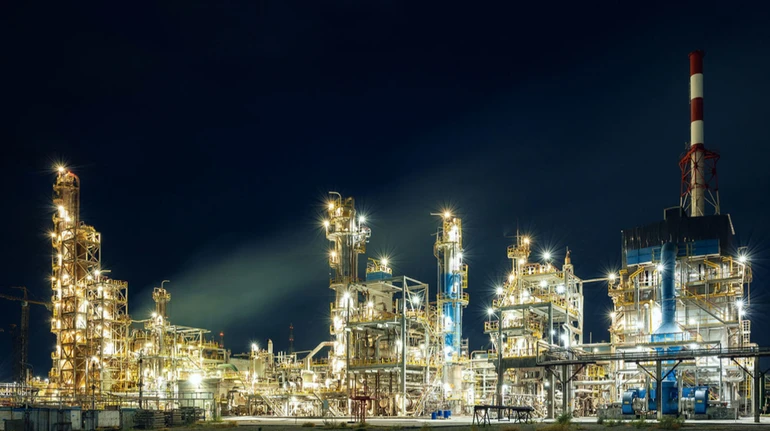
Located deep in the Russian rear, the facility’s towering processing units usually feed global agriculture. Now, they stand as charred skeletons, proving that even the most remote industrial giants are no longer safe from long-range aerial interdiction.
A $300 Million Calculation
Analysts estimate the direct financial loss at a staggering $300 million. This figure represents the incineration of vast stockpiles of ammonia and ammonium nitrate, essential commodities for both export revenue and domestic consumption.
The destruction of specialized storage infrastructure adds millions more to the bill. For an economy already squeezed by sanctions, watching hundreds of millions of dollars vanish in smoke is a catastrophic blow to fiscal stability.
The Artillery Precursor Connection
The strategic logic behind the strike targets “artillery chemistry.” The ammonium nitrate stored here is the primary precursor for high-explosive compounds like RDX and HMX.
By torching these specific inputs, Ukrainian forces are effectively destroying thousands of future artillery shells before they can ever be manufactured. It is a calculated move to starve the Russian guns that rely on mass fire superiority to hold the front lines.
Documented Supply Chains
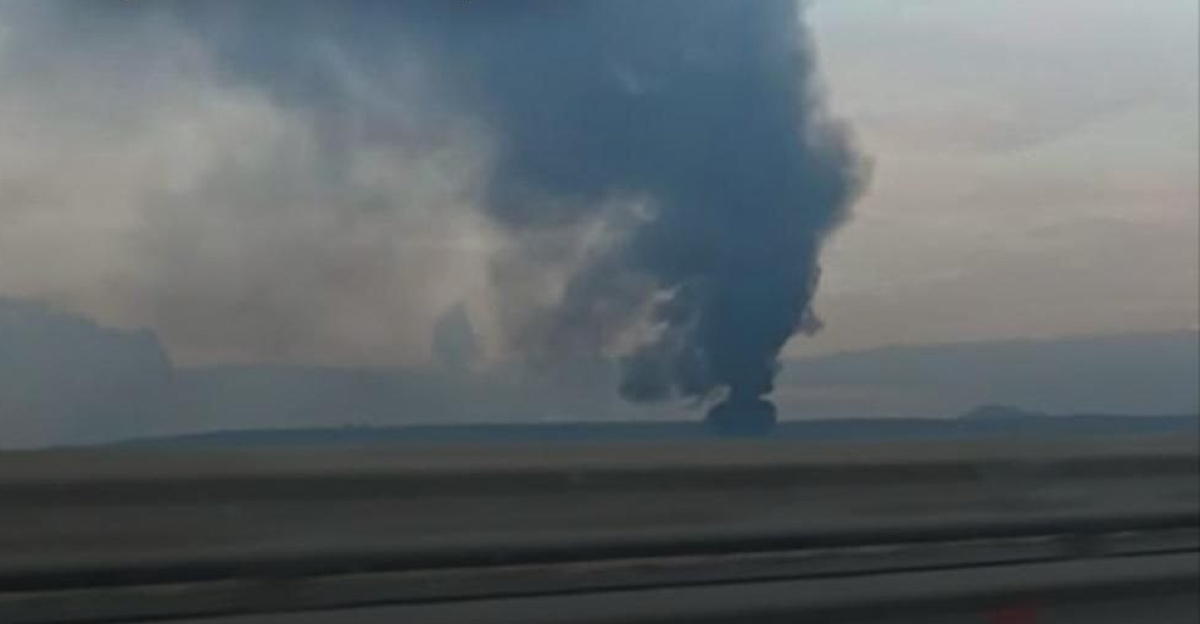
Investigative reports have firmly linked this specific plant to the Russian defense industry. Customs data tracks shipments of acids and nitrates from Nevinnomyssk directly to the Sverdlov munitions plant in Dzerzhinsk.
These documented supply lines strip away the facility’s civilian cover, revealing it as a dedicated military logistic node. The strike severed a verified pipeline that has been feeding the invasion’s demand for high-explosive warheads since 2022.
Timeline of Destruction

The attack unfolded overnight between December 3 and 4, 2025, catching defenders off guard. Multiple drones penetrated the airspace, slamming into key processing units and igniting the volatile chemicals instantly. Regional reports confirmed that production was immediately halted across the complex.
The timing was critical, disrupting operations just as winter logistical challenges were already straining the Russian transport network, maximizing the chaotic impact of the shutdown.
A Pattern of Persistence
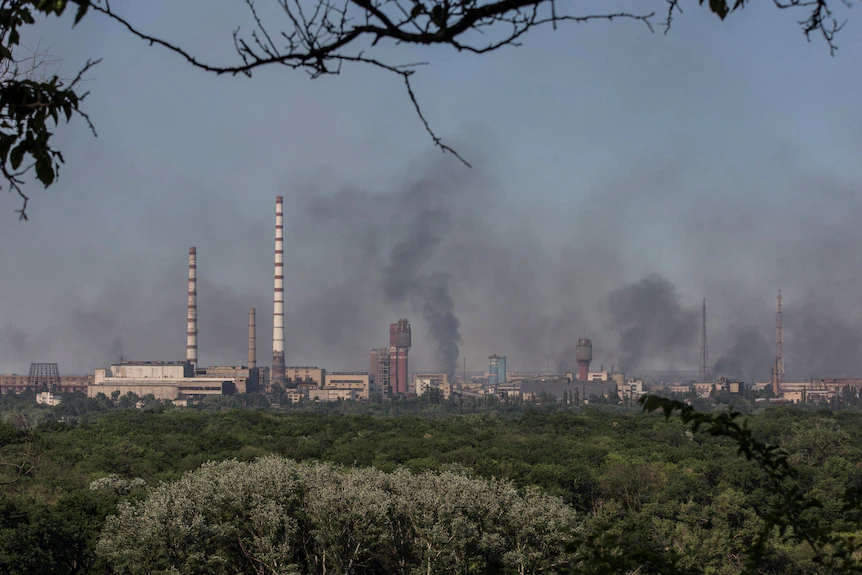
This was not an isolated incident but the culmination of a relentless campaign. Nevinnomyssk Azot has now been targeted three times in just six months, following earlier strikes in June and July.
This pattern reveals a deliberate Ukrainian strategy of attrition: repeatedly hammering the same critical node until it breaks. The persistence demonstrates that Kyiv views this facility not as a secondary target, but as a priority objective.
Workers in the Crossfire
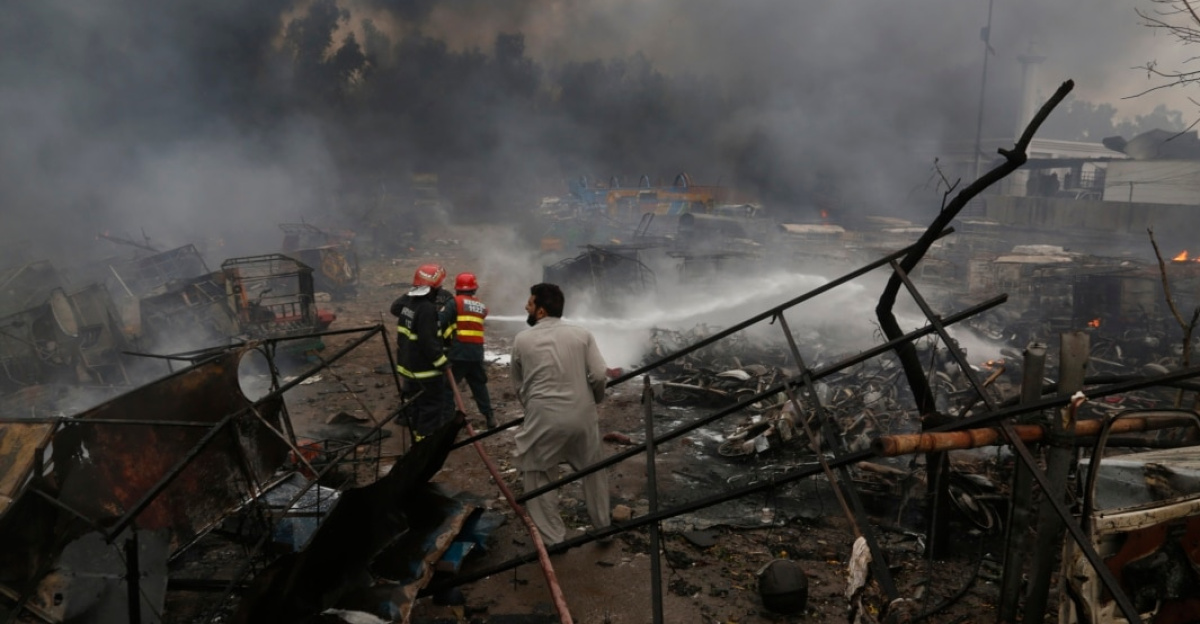
The human cost of the industrial war is mounting rapidly. During the repeated alarms, hundreds of plant employees were forced to flee into on-site bunkers, transforming a civilian workplace into a frontline shelter.
The psychological strain on the workforce is immense, as the daily commute now carries the risk of aerial bombardment. Labor stability is crumbling as the reality of the war reaches deep into the factory floor.
Repair Paralysis
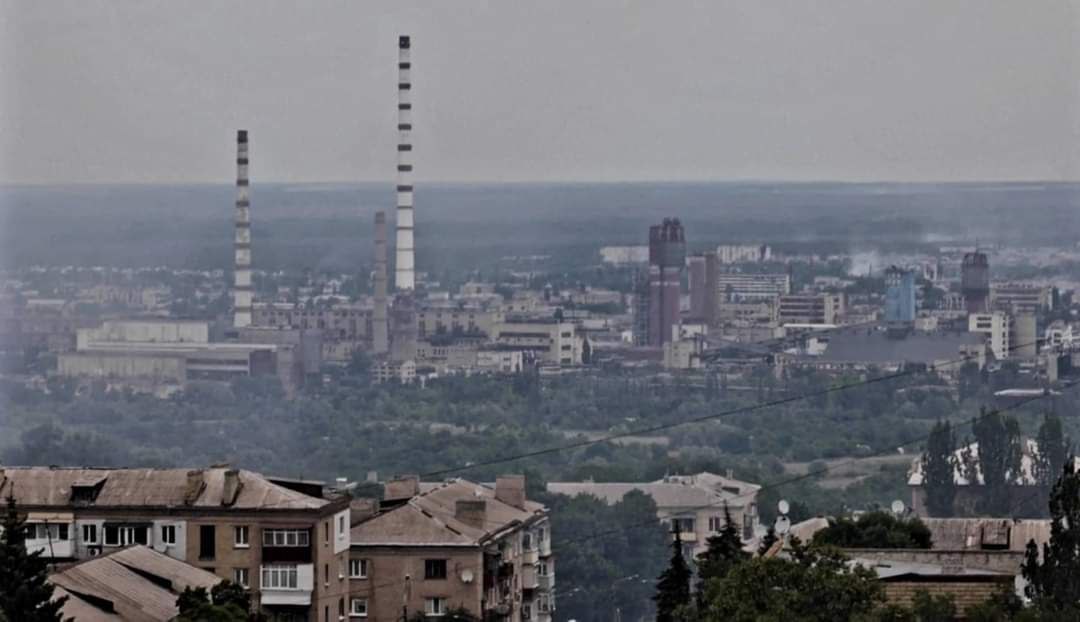
Engineering assessments indicate a bleak outlook for the facility. Repairing the complex chemical towers and pressurized storage tanks will take months, not weeks. The specialized nature of the equipment, combined with the need to decontaminate the site from toxic residue, ensures a long-term production gap.
This extended paralysis removes a significant percentage of Russia’s domestic ammonia capacity from the board for the foreseeable future.
Regional Shockwaves
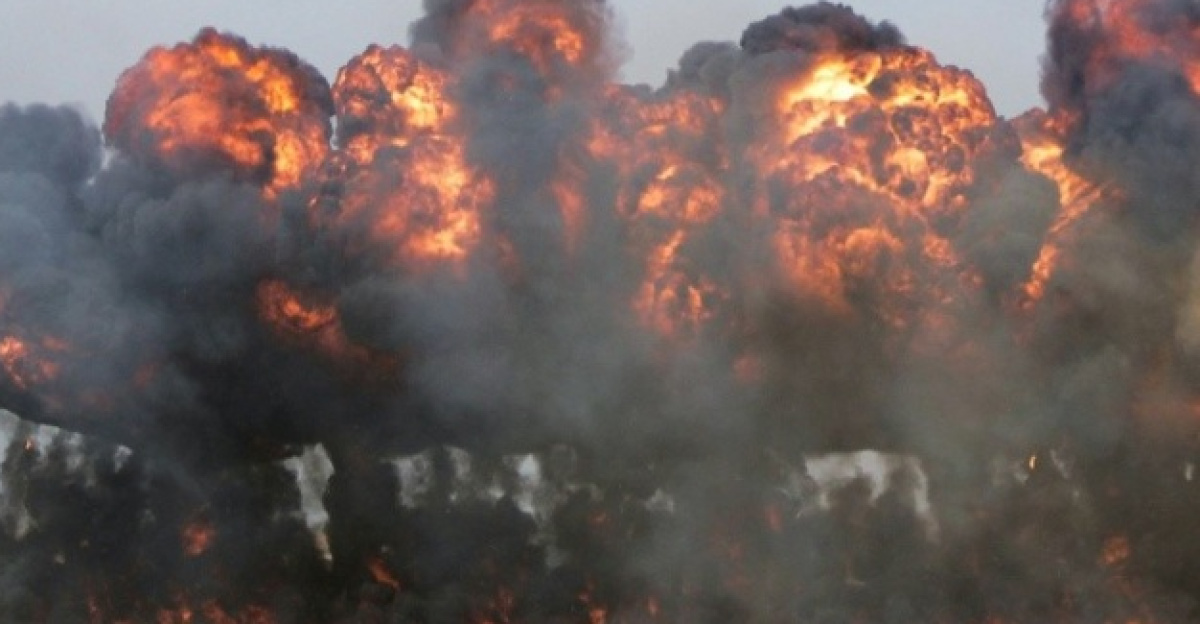
For the local population of Stavropol Krai, the illusion of safety has been shattered. The sight of their economic engine burning has sparked deep anxiety across the region.
Local media describes a tense atmosphere as residents realize their proximity to a military-industrial target puts them in the line of fire. The war is no longer a distant news story; it is a physical threat looming over their homes.
Environmental Toxicity
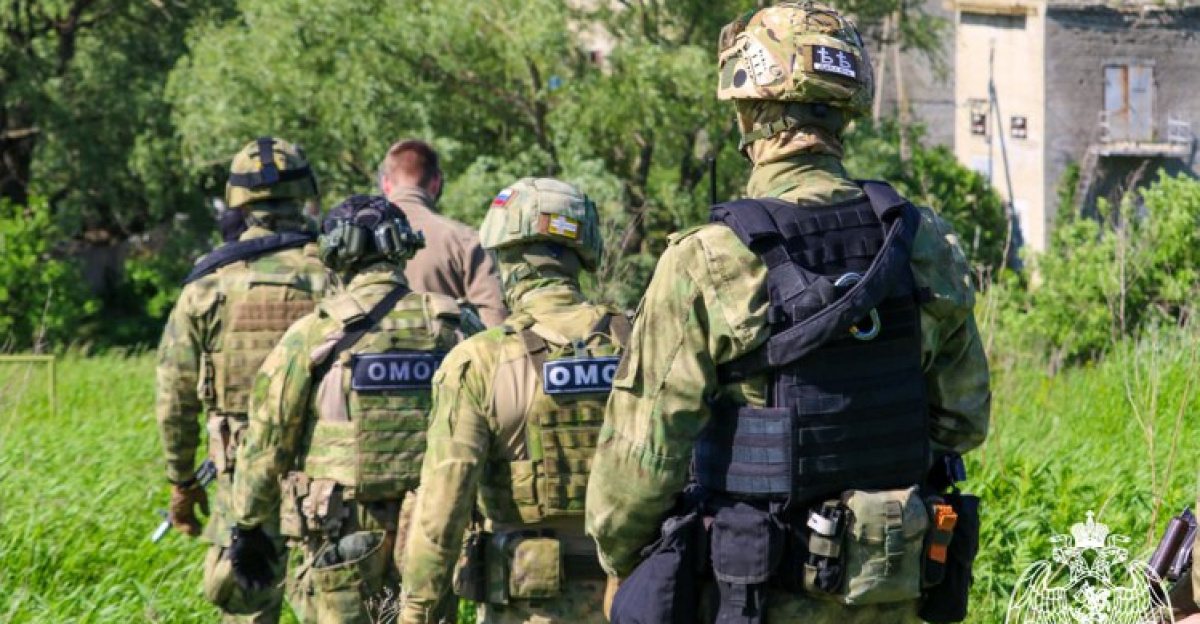
The destruction comes with a severe environmental price tag, alongside the military one. The combustion of massive quantities of ammonium nitrate releases toxic plumes that threaten air quality for miles.
Emergency responders are forced to manage a hazardous chemical event while navigating the risk of secondary explosions. This toxic fallout complicates recovery efforts and poses immediate health risks to the communities living in the shadow of the plant.
EuroChem’s Dilemma
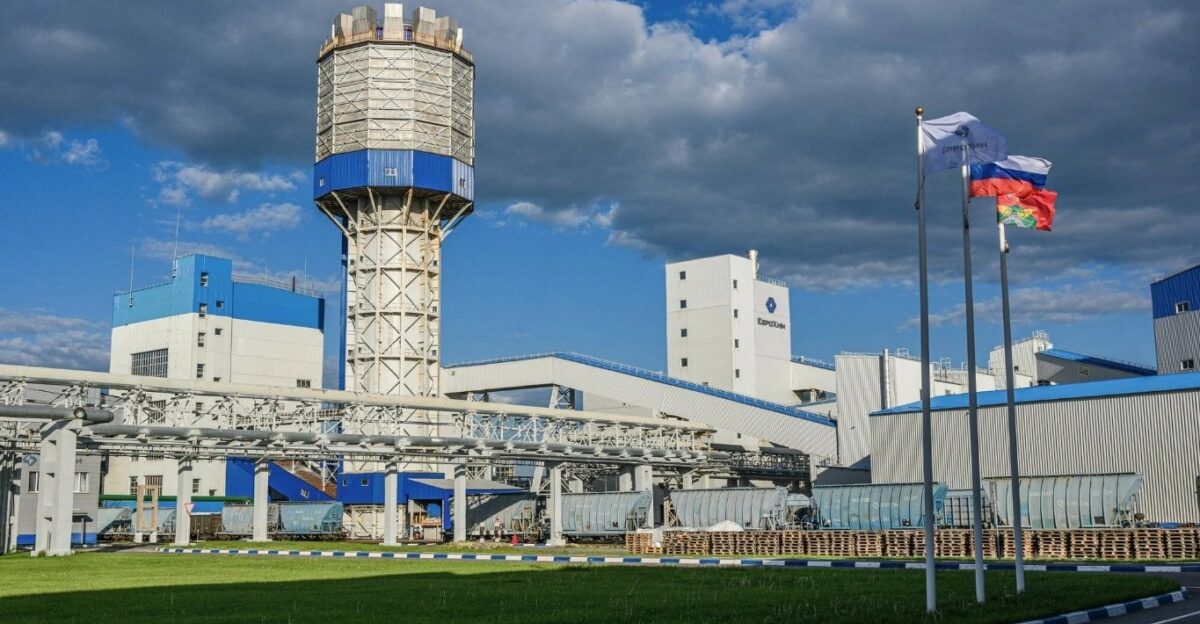
EuroChem now faces a crisis that transcends simple economics. As the owner of the battered facility, the corporate giant must navigate the loss of a flagship asset while managing global export commitments.
The strike jeopardizes their ability to fulfill contracts, potentially driving customers to competitors. It forces a civilian agribusiness conglomerate to operate under wartime conditions, where its assets are treated as legitimate military targets by an adversary.
Narrative Warfare

A clash of narratives has emerged in the aftermath of the explosions. Russian officials initially attempted to downplay the damage, emphasizing air defense successes. However, the overwhelming visual evidence of the fires has undercut these claims, creating a credibility gap.
The undeniable imagery of the burning plant serves as a potent psychological weapon, countering Moscow’s propaganda about the invulnerability of its rear-area infrastructure and industrial heartland.
Strategic Implications
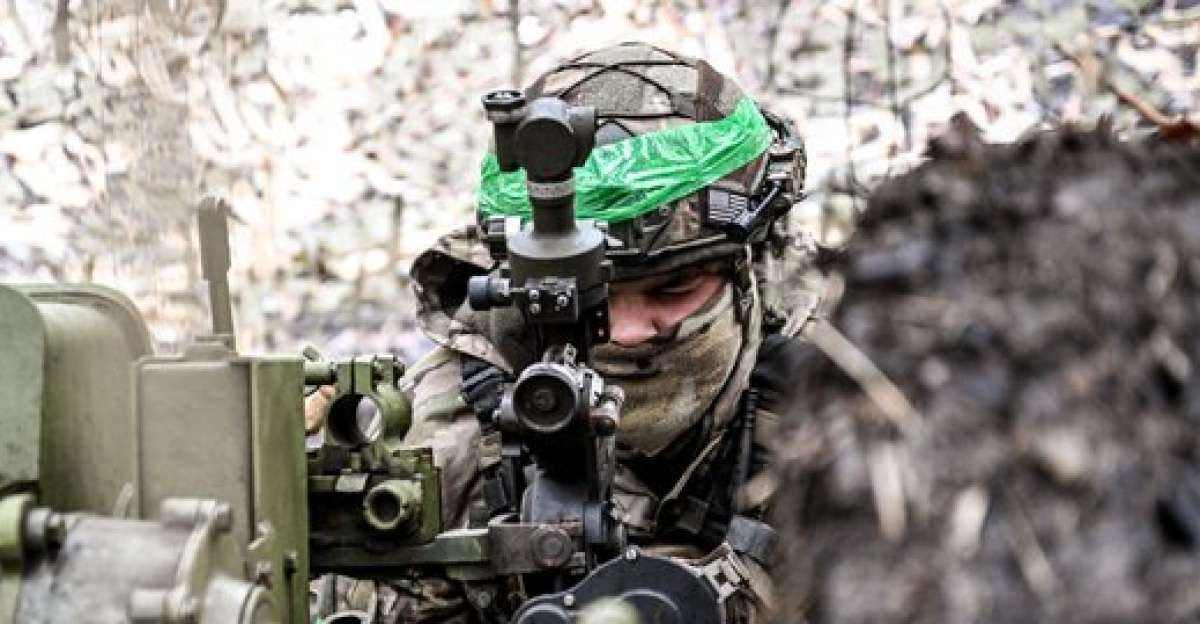
This strike represents a maturation of Ukraine’s deep-strike capabilities. By hitting a target over 400 kilometers from the border with such precision, Kyiv is demonstrating an ability to project power far beyond the frontline.
It forces Russian military planners to make impossible choices about resource allocation. Every air defense system moved to protect a factory in the rear is one less system protecting troops in the trenches.
The Future Outlook
The attack on Nevinnomyssk Azot sets a grim precedent for the remainder of the conflict. It signals that no component of the Russian war machine is safe, regardless of its distance from the fighting or its civilian disguise.
As drones grow more capable, the cost of the war for Russia will continue to rise, measured in burning factories and shattered supply chains, forcing a total strategic rethink.
Sources:
“Drone Attack Sparks Massive Fire at Russian Chemical Plant.” Caspian Post, 10 Dec 2025.
“General Staff reports strike on Nevinnomysskiy Azot, key explosives component facility.” Odessa Journal, 3 Dec 2025.
“Fertilizer Stocks Gain as Ukraine Hits Russian Plants.” Bloomberg, 11 Dec 2025.
“Ukraine military says it hit large chemical plant in southern Russia.” Reuters, 4 Dec 2025.
“Drone attack sparks major fire at chemical plant in Russia’s Stavropol Krai.” RBC Ukraine, 10 Dec 2025.