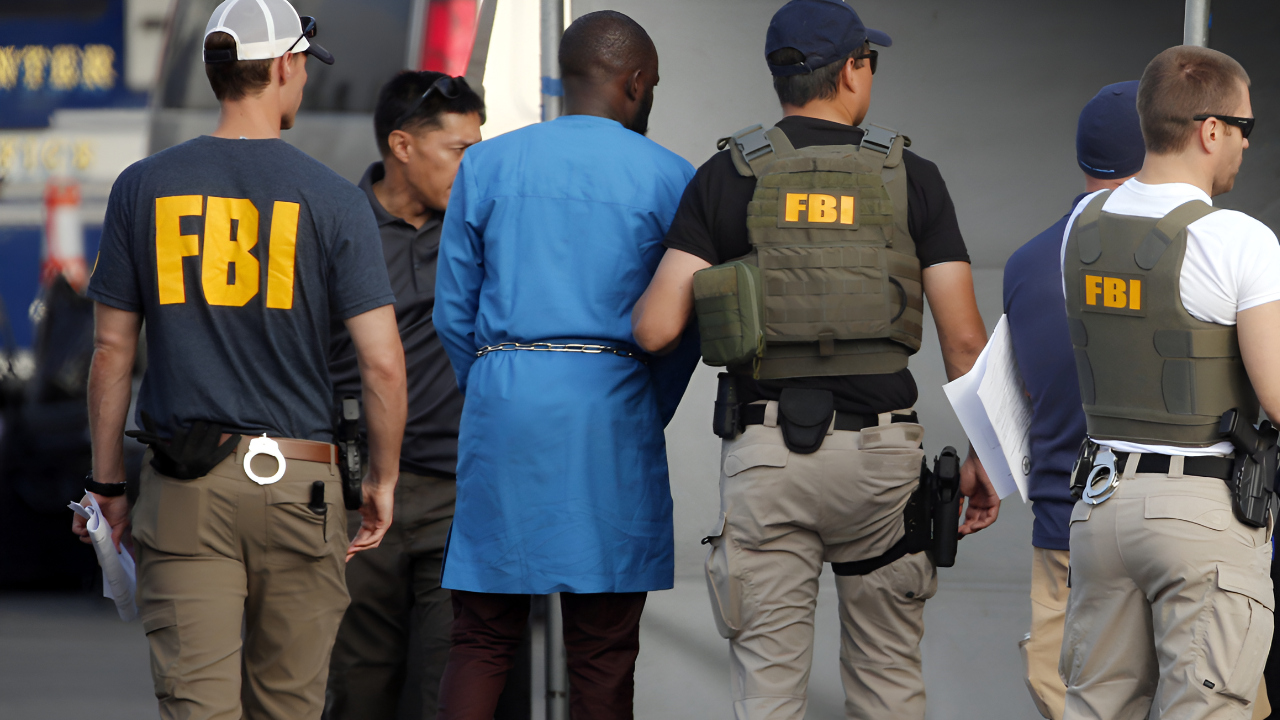
A Nigerian-born healthcare CEO, Cashmir Chinedu Luke, was arrested at San Francisco International Airport while boarding a flight to Nigeria, accused of stealing $7 million from aging veterans. He allegedly submitted 10,000 false claims over four years, billing for care weeks after deaths. The case exposes systemic failures protecting veterans. Here’s what’s going on.
A Predator With a 16-Year Criminal History

Luke, 66, was arrested on December 4, 2025, attempting to leave the U.S. He previously served 27 months in federal prison for identity fraud in Maryland in 2009, plus three years supervised release. His repeat offender status raises questions about how he could access vulnerable veterans again. What mechanisms allowed this loophole to persist?
Four Corners Health: Trusted Name, Fraudulent Operation

Luke ran Four Corners Health LLC from Fresno while living in Antioch, serving elderly VA beneficiaries across seven California counties. He controlled all finances personally. Despite his criminal past, oversight failed. Counties like Contra Costa and Fresno have tens of thousands of veterans. The business’s legitimate infrastructure masked its predatory intent, leaving federal monitoring insufficient and questionable.
$7 Million Extracted Through 10,000 False Claims

Between December 2019 and July 2024, Luke submitted roughly 10,000 false claims totaling over $7 million from the VA. This averages $700 per claim, generating about $1.56 million annually. The scale demonstrates a sophisticated, systematically executed operation. Yet the fraud remained undetected for years, raising deeper concerns about monitoring veteran benefits.
“Some Claims Listed Care Weeks After Death”

Luke submitted claims for veterans already deceased, according to federal prosecutors. Exploiting the deceased is particularly cruel, violating families and memory. Annually, around 800,000 deceased individuals fall victim to identity theft. Luke’s confidence in systemic failures or indifference to consequences allowed him to operate without concern, intensifying the betrayal. How did such blatant fraud continue unchecked?
How Luke Disguised Systematic Theft

Court documents reveal four fraudulent claim categories: hours never worked, days without caretakers, duplicate claims, and services never provided. Each method spread the deception, making detection difficult. This diversified approach indicates planning or prior guidance. The combination of tactics transformed isolated billing errors into large-scale fraud, suggesting a professional, deliberate scheme rather than opportunistic exploitation of federal funds.
$7 Million Moved Across Asia and Africa

Funds weren’t stored domestically; they moved across international accounts in Asia and Africa. This premeditated, coordinated transfer indicates Luke had a financial network abroad. Specific countries and accounts remain undisclosed, but evidence points to structured planning and potential accomplices. The international angle elevates the case from fraud to possible conspiracy and money laundering, complicating recovery of stolen assets.
Minimal Contractor Vetting Allowed Fraud

Despite a 2009 conviction, Luke passed federal vetting to serve vulnerable veterans. Post-2017 VA expansion paid $31 billion annually to over 218,000 providers, creating gaps exploited by fraudsters. The VA Office of Inspector General found 38% of providers engaged in fraudulent billing, with $39.1 million in improper payments in FY2020. How many similar predators remain undetected today?
Third-Party Administrators Failed Oversight

VA-contracted administrators, intended to prevent fraud, provided little oversight. No training on billing compliance existed for 218,000 providers. Luke actively deceived recovery efforts, submitting disputes and false documents. The Program Integrity Tool flagged issues post-payment, allowing immediate fund transfers abroad. Mechanisms meant to protect veterans became ineffective, illustrating how systemic negligence facilitated exploitation of both government funds and vulnerable citizens.
Elderly Veterans Denied Care

Luke’s scheme impacted elderly veterans needing daily assistance across seven counties. Many relied on exclusive in-person caregiving. Misappropriated VA funds delayed or reduced legitimate care, potentially affecting thousands. These were not abstract victims—they were aging Americans who served the nation. The fraudulent claims directly compromised care quality, demonstrating how predatory actions translate into real-world harm for vulnerable populations.
Families of Deceased Veterans Betrayed
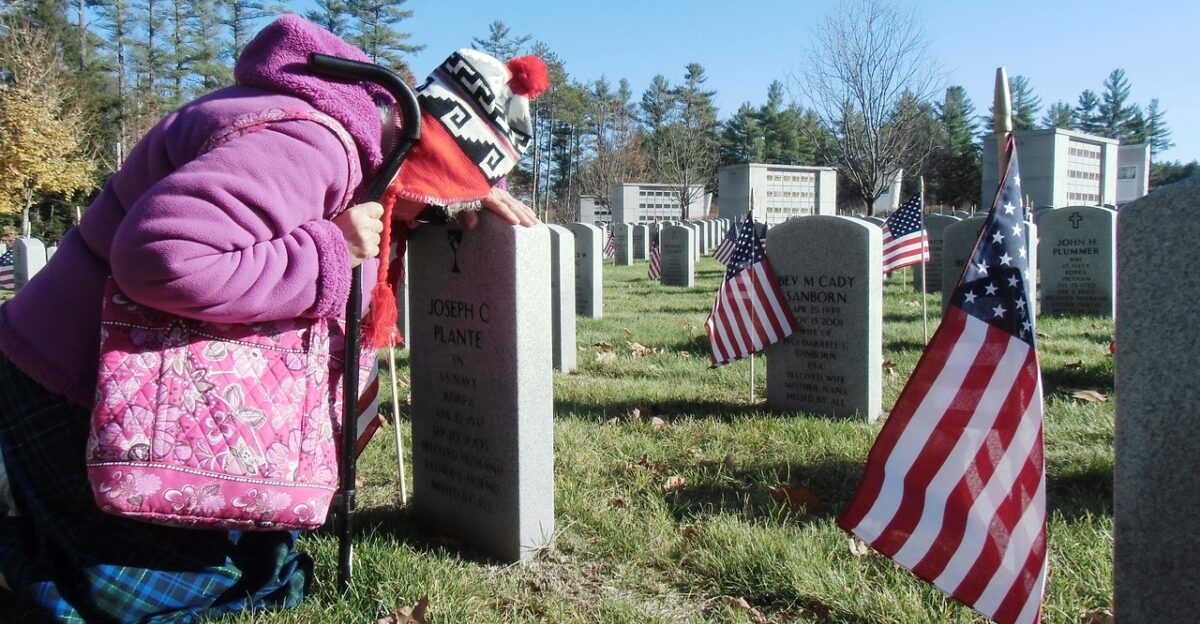
Luke exploited deceased veterans’ identities, compounding grief for families. Fraudulent claims added psychological trauma to estate settlements. Nationally, 800,000 deceased individuals are specifically targeted by identity theft annually. Families may remain unaware of the misuse, with transactions recorded long after death. The emotional toll illustrates that systemic failures extend beyond financial loss, violating trust and memory in deeply personal ways.
Caretakers Exploited as Accomplices

Home health workers earned about $33,860 annually yet were unwittingly part of fraud. Luke billed for actual and phantom services, diverting resources abroad. Some workers’ labor was overbilled, potentially implicating them indirectly. Their exploitation highlights another layer of victimization: legitimate caregivers trapped in a network designed to mask large-scale deception, illustrating how predatory schemes harm both beneficiaries and frontline workers.
2009 Crimes Foreshadowed Veteran Fraud

Luke’s 2009 Maryland conviction involved identity theft and perjury. He misused multiple identities, including deceased family members and patients. His criminal trajectory shows a persistent pattern targeting vulnerable populations. Fifteen years later, the pattern evolved to affect aging veterans, proving a continuity of predatory behavior. Past crimes illuminate systemic weaknesses that allowed escalation to a far larger, more sophisticated scheme.
VA Investigation Uncovers Industrial-Scale Fraud
The VA Office of Inspector General investigated Luke, flagging 10,000 false claims via the Program Integrity Tool. Detection required five months of forensic and international financial analysis. Arrest planning included anticipating Luke’s flight, with officers positioned at San Francisco Airport. The investigation demonstrates sophisticated intelligence work, but also highlights the systemic vulnerabilities that allowed 4.5 years of unchecked fraudulent activity.
Why Nigeria? Escape Planning Questions
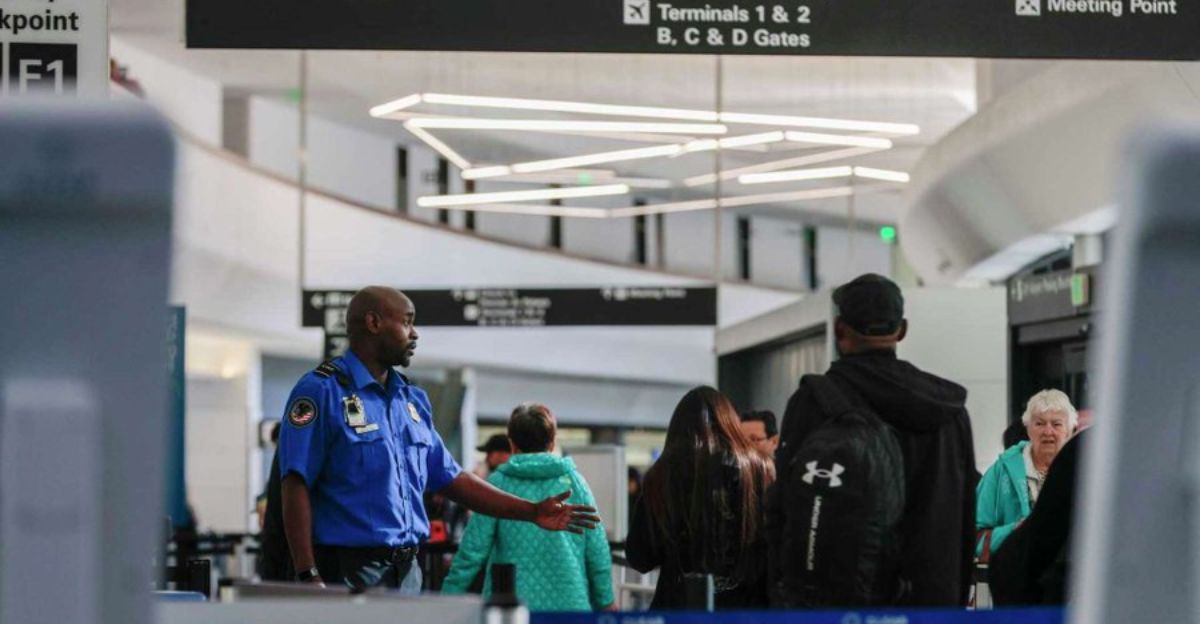
Luke’s attempted flight raises questions about his premeditation. Nigeria may have been chosen due to financial assets, family networks, or perceived weaker law enforcement. Transfers across Asia and Africa suggest a prepared escape infrastructure. Authorities intercepted him before departure, preventing access to international funds. How much of his network remains undiscovered, and who assisted in this coordinated scheme?
Facing 10 Years Prison and $250,000 Fine

If convicted, Luke could receive 10 years in federal prison, a $250,000 fine, and $7 million restitution. Prior convictions strengthen the likelihood of maximum sentencing. Assistant U.S. Attorney Calvin Lee will prosecute, proving intent, falsity, reliance, and damages. Additional charges may include conspiracy, money laundering, and aggravated identity theft, reflecting the multi-layered and international complexity of the fraudulent operation.
38% of VA Community Care Providers Committed Fraud

Luke’s case reflects systemic vulnerability. The VA paid $31 billion annually to 218,000 providers by 2024, with 38% engaged in fraud. His $7 million scheme represents 18% of improper payments detected in FY2020. Healthcare fraud nationally costs $300 billion, with provider schemes accounting for 60-70% of waste. Luke is not an outlier—he highlights widespread gaps threatening the system meant to protect veterans.
Luke’s Scheme Among Largest VA Frauds

At $7 million, Luke’s theft ranks among the largest single-provider VA frauds. Comparisons include $179.7 million TriWest Healthcare settlements and $20-29 million Medicare fraud cases. His operation’s efficiency—4.5 years, 10,000 claims, and $700 per claim—demonstrates calculated targeting of a vulnerable population. The case raises questions about detection mechanisms and whether similar patterns have persisted undetected.
Accountability and Reform in Question

Luke’s arrest spotlights broader accountability issues. Will the VA implement pre-payment verification, real-time fraud detection, and stricter vetting? U.S. Attorney Eric Grant noted: “Money intended for men and women who served this country was instead funnelled into a scheme built on lies.” Legislation exists, but gaps remain. Without reform, similar predatory schemes could exploit the system again.
From Fraud to Justice: Veterans Watching
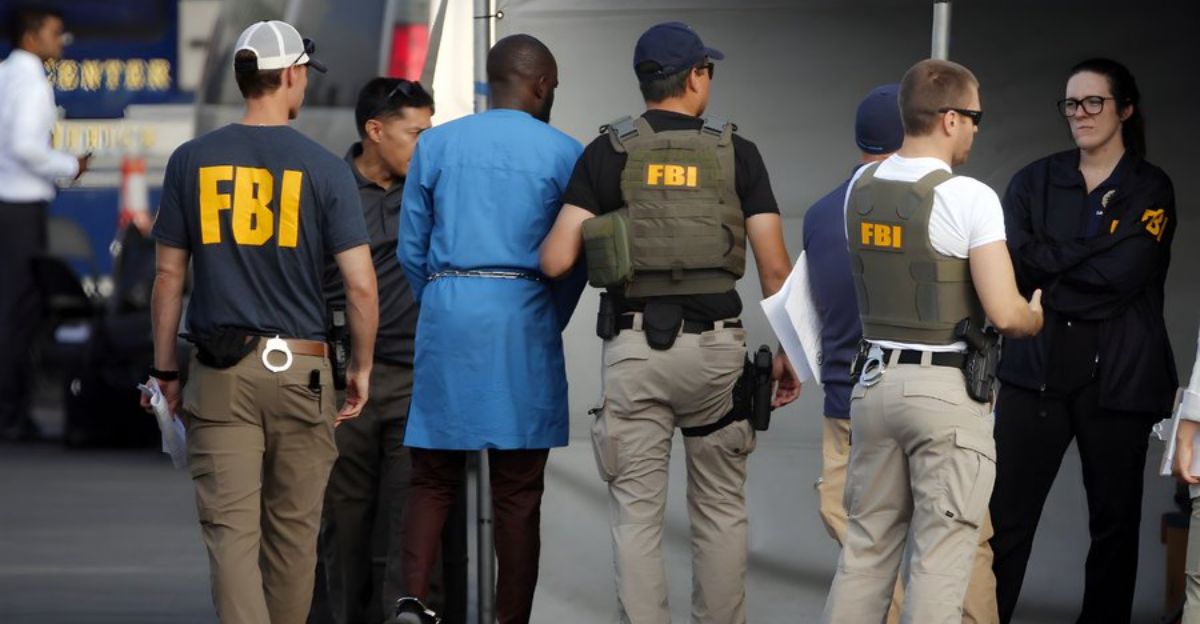
Luke’s arrest prevented his escape and potential loss of $7 million abroad. Conviction could mean 10 years prison, fines, and restitution. Yet the underlying vulnerabilities—poor vetting, minimal training, post-payment audits, and weak oversight—remain. Veterans’ trust has been violated. True justice requires system reform, ensuring safeguards prevent repeat exploitation, honoring the service of those who defended the nation.
SOURCES
“CEO of Fresno home health care firm arrested, accused of VA fraud,” The Business Journal, December 3, 2025
“California CEO accused of $7M fraud arrested at SFO,” San Francisco Chronicle, December 3, 2025
“Fresno CEO charged with defrauding VA of $7 million in care funds meant for veterans,” KMPH News, December 2, 2025
“CEO arrested at SFO before boarding international flight,” Yahoo News, December 4, 2025
“US arrests Nigerian CEO over $7 million Veterans Affairs fraud,” The Guardian, December 4, 2025