The numbers appeared on the screen, and the room went silent. One expert said they were physically stunned by the test results. Drinking water that had passed inspections for years now exceeded newly enforced federal limits.
Alerts began spreading across communities as utilities realized the same water flowing from kitchen taps moments earlier was suddenly classified as unsafe. What officials discovered next would trigger warnings for hundreds of thousands—and force a national reckoning.
EPA’s PFAS Rule: The Change That Triggered a National Reckoning
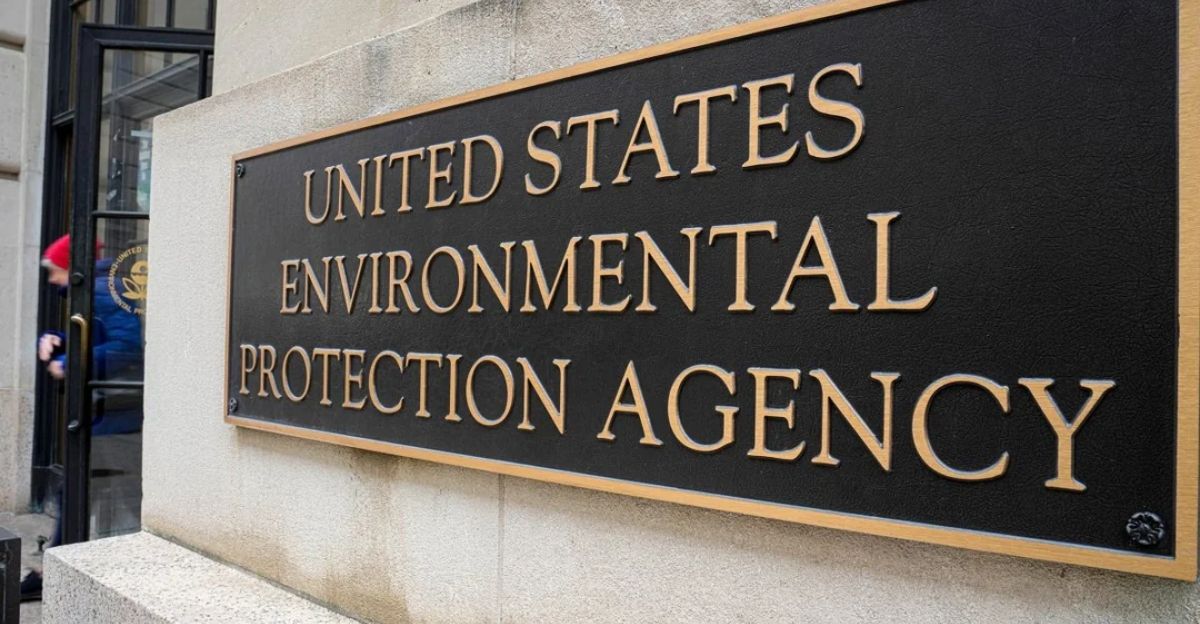
In April 2024, the EPA set enforceable national limits on PFAS for the first time. These “forever chemicals,” used for decades, do not break down in the environment.
When utilities applied the new standards, many immediately failed. The water hadn’t changed—only the rules had. Communities that once passed inspections now exceeded limits, revealing contamination that had quietly accumulated for generations.
Why “Safe” Water Suddenly Wasn’t
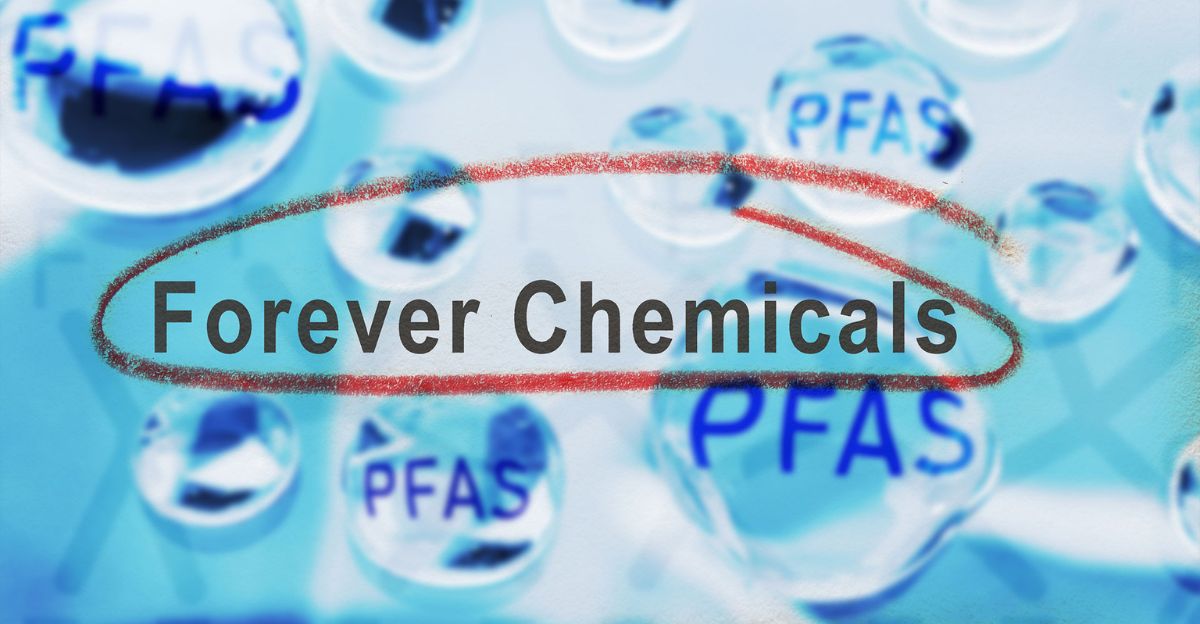
PFAS have been used since the mid-20th century in everyday products like nonstick cookware, stain-resistant fabrics, and firefighting foam.
Because testing wasn’t required until recently, contamination remained invisible. As expanded monitoring began, officials realized exposure had been ongoing for decades. The discovery raised a disturbing question: how many other substances remain undetected simply because no one is looking yet?
Consumers React First as Fear Spreads Faster Than Filtration

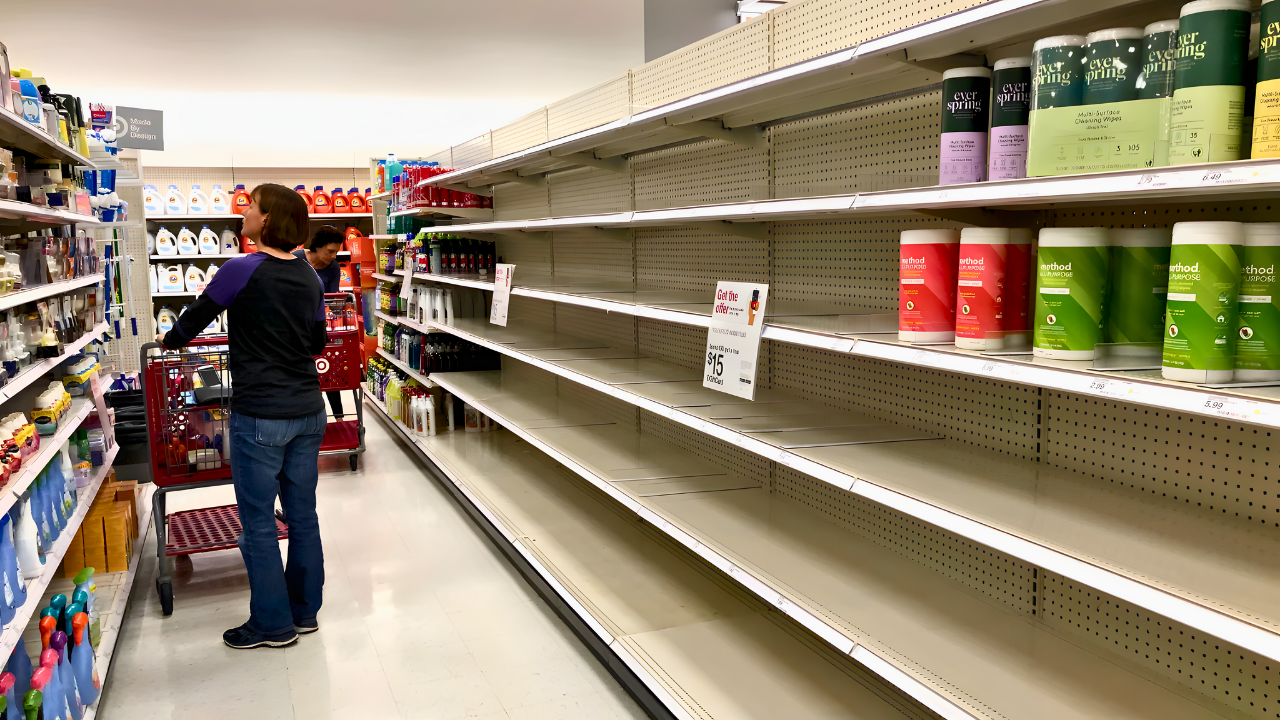
As warnings rolled out, families reacted immediately. Residents rushed to stores, questioning whether tap water—or even bottled water—was safe. Health agencies have linked PFAS exposure to immune system impacts, liver effects, and developmental concerns.
Panic wasn’t driven by speculation, but by official alerts. When drinking water becomes uncertain, every glass poured feels like a gamble.
Local Utilities Declare Emergencies Across Multiple States
In Illinois, Texas, Pennsylvania, and New Mexico, utilities reported exceedances under the new limits. Johnson County, Texas declared disaster status. A utility near Philadelphia serving approximately 10,000 people failed compliance.
In one region alone, over 400,000 residents were warned. For private well owners, especially in rural areas like Mora County, New Mexico, the news was devastating—their only water source was suddenly deemed unsafe.
The Hidden Cost of Cleaning Water at Home
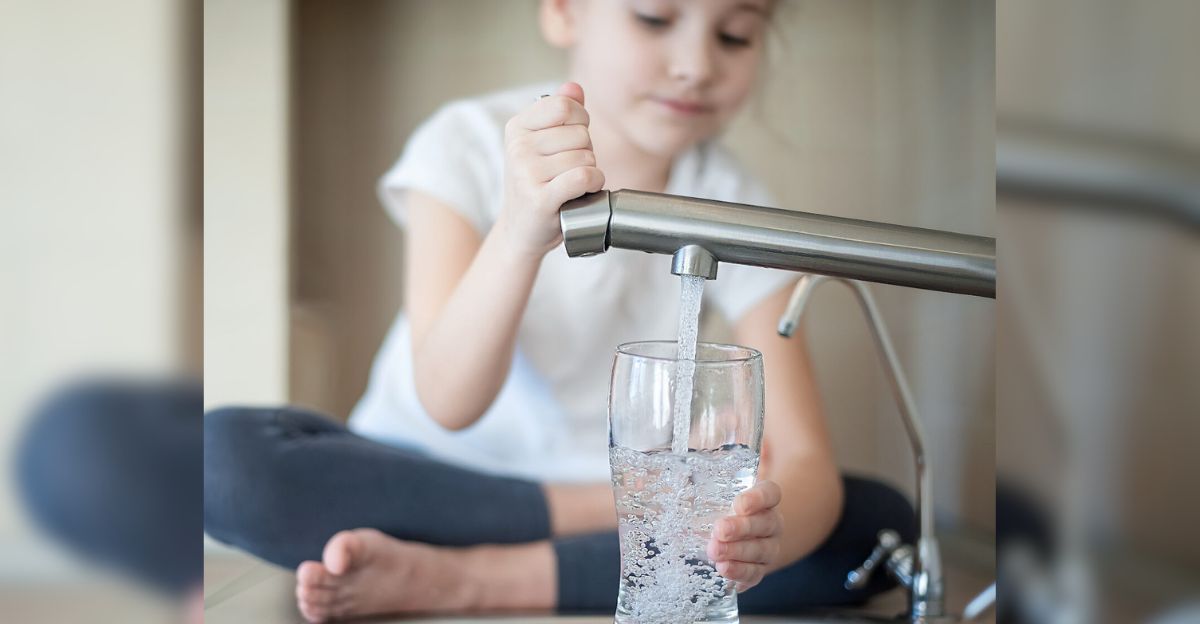
With trust eroding, many households turned to filtration. Certified PFAS systems typically cost hundreds to thousands per home. Scaled nationally, the potential financial burden reaches tens of billions of dollars.
For families already stretched thin, safety came with a steep price tag. Clean water, once assumed, became an expense—one unevenly affordable depending on income and location.
Bottled Water’s Promise of Safety Questioned
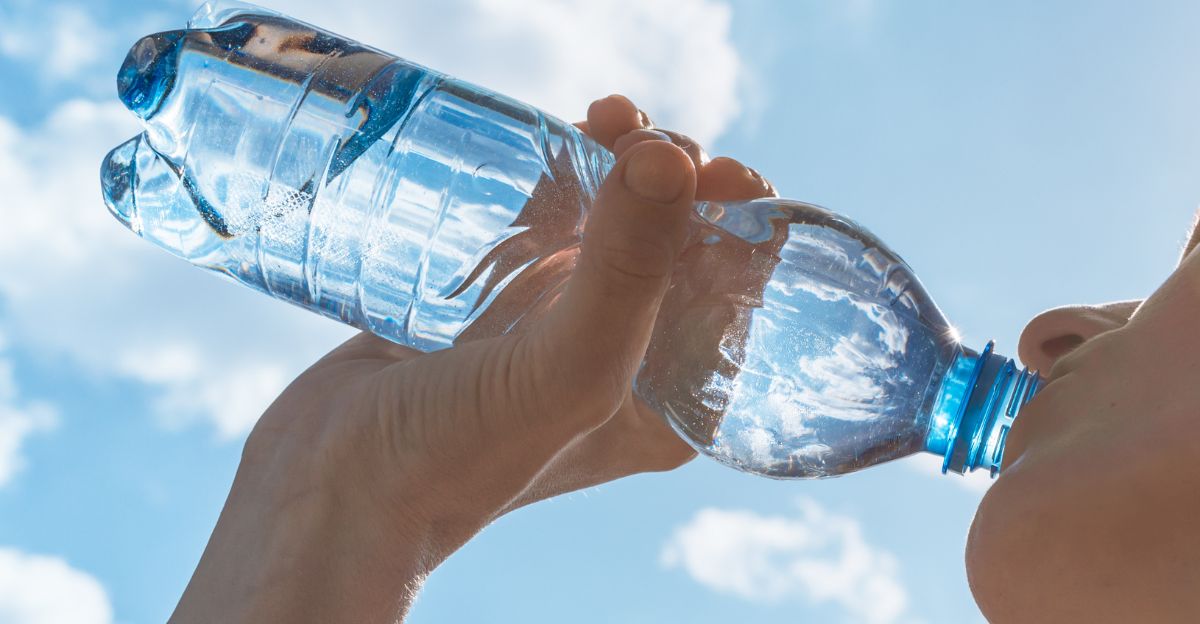
For years, bottled water was marketed as a safer alternative to tap water. Testing has revealed that PFAS contamination is not limited to municipal systems. Recent studies have detected PFAS in bottled water samples from multiple brands, demonstrating that no water source remains entirely protected from these persistent chemicals.
In Massachusetts, contamination concerns led one local bottled water company, Simpson Spring, to cease operations in 2024. For families trying to protect children or pregnant household members, the realization was sobering: there is no simple escape route from PFAS exposure.
Officials and Residents Describe the Moment Reality Set In
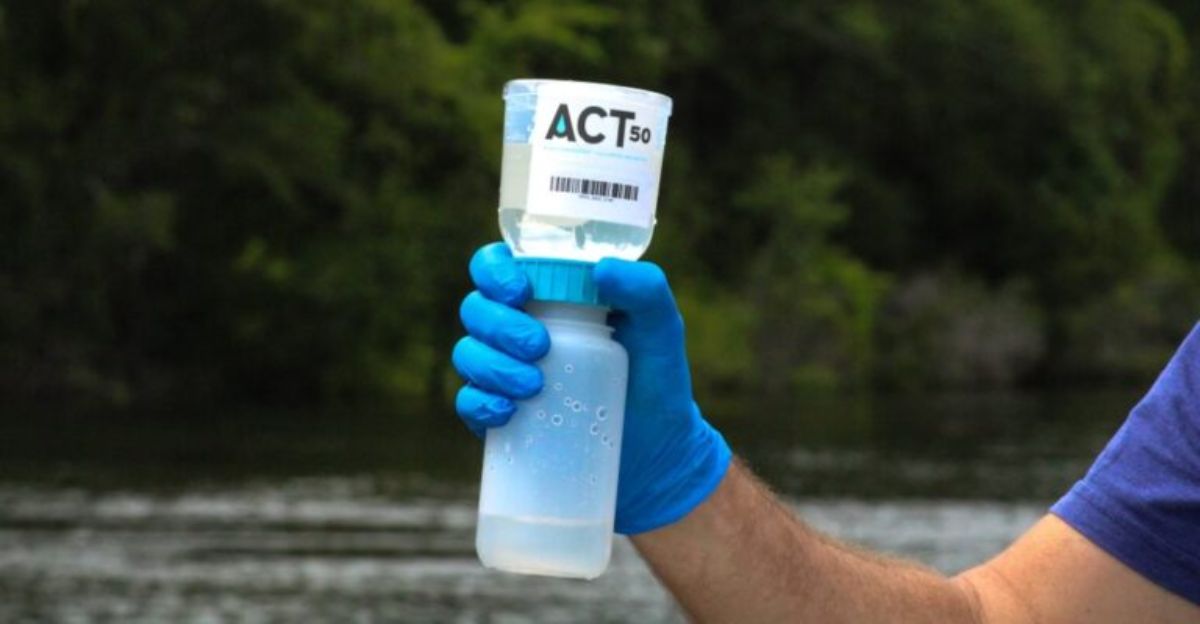
Water utility officials described being shocked by test results revealing PFAS contamination. Research scientists studying textile wastewater PFAS precursors reported being physically stunned, with one expert stating they “jumped out of my chair” upon seeing the dramatic test results. Residents echoed that shock.
In Texas town halls, people spoke of having “the wind taken out of them.” In New Mexico, well owners learned they could no longer safely drink, cook, or bathe as before. The contamination wasn’t abstract—it disrupted daily life in immediate, personal ways.
Why Millions Were Exposed Without Knowing
PFAS contamination wasn’t new—awareness was. Standards once considered protective are now viewed as insufficient. As limits tightened, exposure estimates revealed that more than 37 million Americans drinking water above federal safety thresholds.
This wasn’t a sudden disaster, but a delayed reckoning. Communities didn’t fail oversight—the system simply lagged decades behind the science.
The Health Stakes Driving Urgency
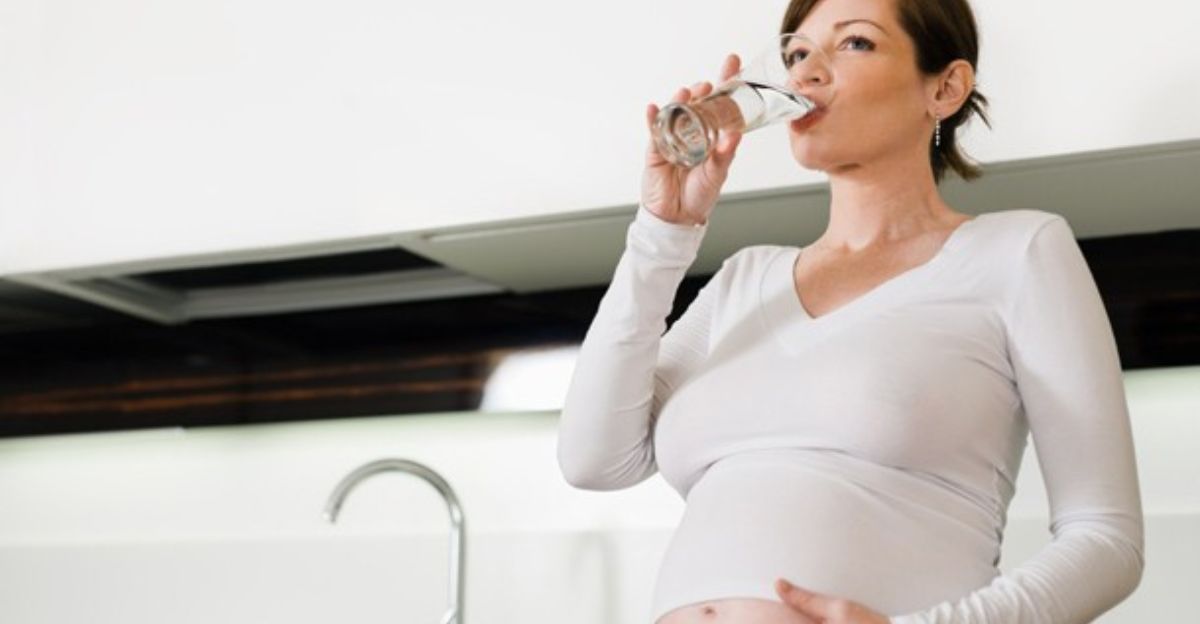
Public health agencies link PFAS exposure to immune suppression, reduced vaccine response, liver effects, and developmental risks. Infants, pregnant women, and immunocompromised individuals face heightened concern.
While research continues, uncertainty alone has reshaped behavior. Families now filter, test, and question water in ways previously reserved for disaster zones—not American suburbs.
Economic Pressure Mounts on Utilities and Communities
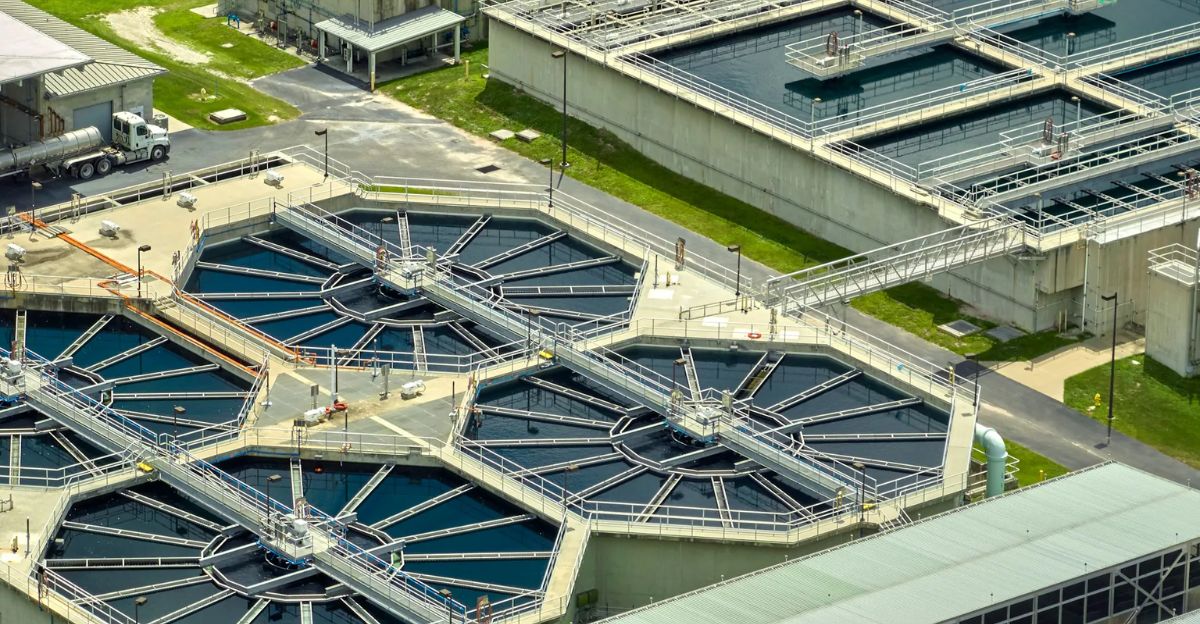
Upgrading treatment infrastructure is expensive, especially for small or rural systems. Nationwide compliance could require tens of billions of dollars. Water bills may rise. Smaller utilities face affordability crises, delaying fixes.
While deadlines have been extended, the financial strain remains unresolved—creating tension between public health urgency and economic reality.
Policy Adjustments Reveal the Scale of the Challenge

As backlash grew, regulators extended compliance timelines while keeping core PFAS limits intact. The move acknowledged logistical constraints without reversing health protections.
It also confirmed the scope of the problem: contamination is so widespread that immediate nationwide compliance simply isn’t feasible. Cleanup will take years—possibly decades.
Filtration Companies and Clean-Water Startups Surge
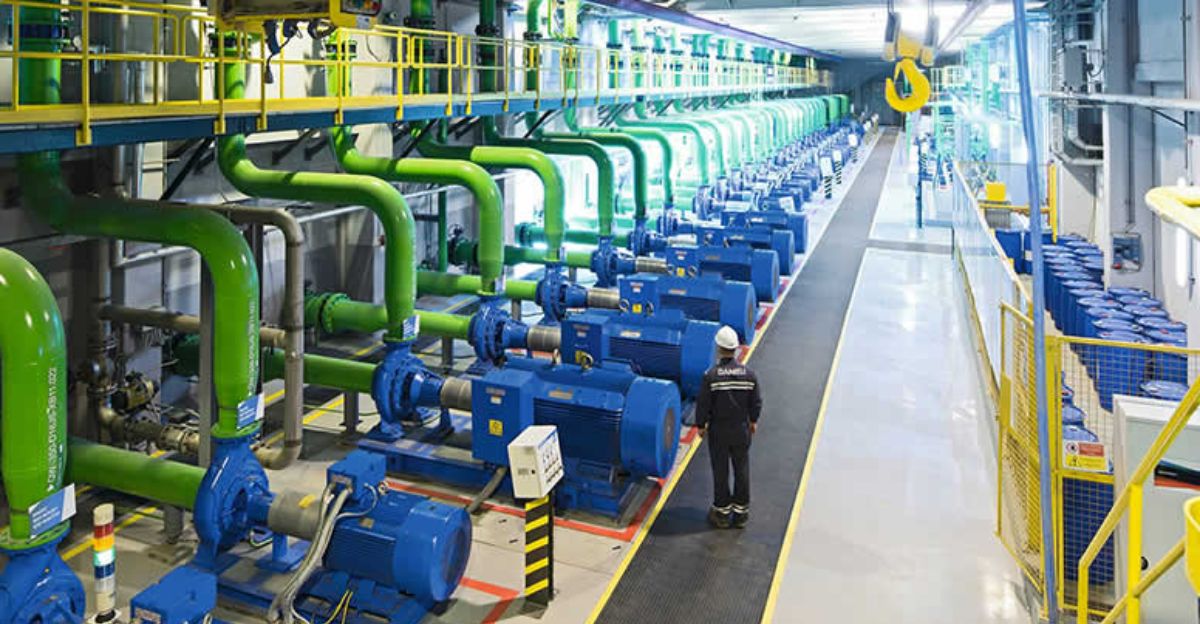
As trust in traditional systems erodes, filtration providers see explosive demand. Municipal contracts, home installations, and private well solutions are expanding rapidly. While polluters face scrutiny, clean-water startups thrive.
The market response underscores a sobering truth: consumers no longer assume water safety is guaranteed—they’re buying it themselves.
How Public Trust in Water Broke Down
The phrase “forever chemicals” entered everyday language, reshaping perception. Once-trusted infrastructure now inspires skepticism. Lawsuits mount.
Debates intensify over industrial responsibility and delayed regulation. For many Americans, this wasn’t just about chemistry—it was about betrayal. Safe water was supposed to be the baseline, not a privilege.
What Comes Next in the PFAS Fight
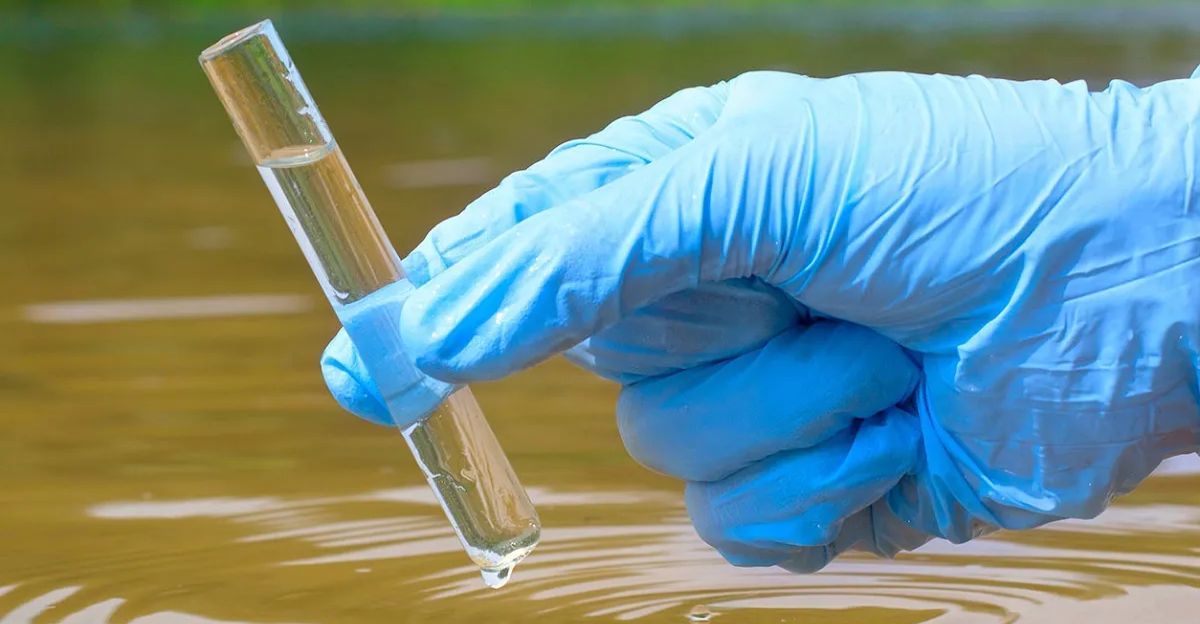
Regulators plan further action targeting wastewater, industrial discharge, and cleanup accountability. Communities are urged to test, monitor, and adapt.
Even with progress, PFAS won’t disappear quickly—they persist by design. The coming years will define whether the U.S. treats this as a temporary crisis or a generational public health priority.
Sources:
“Final PFAS National Primary Drinking Water Regulation.” U.S. Environmental Protection Agency, April 10, 2024.
“How PFAS Impacts Your Health.” Centers for Disease Control and Prevention/Agency for Toxic Substances and Disease Registry, updated July 2025.
“Are Forever Chemicals in Your Water? See the Latest Data.” USA Today, December 5, 2025.
“Simpson Spring Cease and Desist Order Due to PFAS Contamination.” Massachusetts Department of Public Health, March 2024.