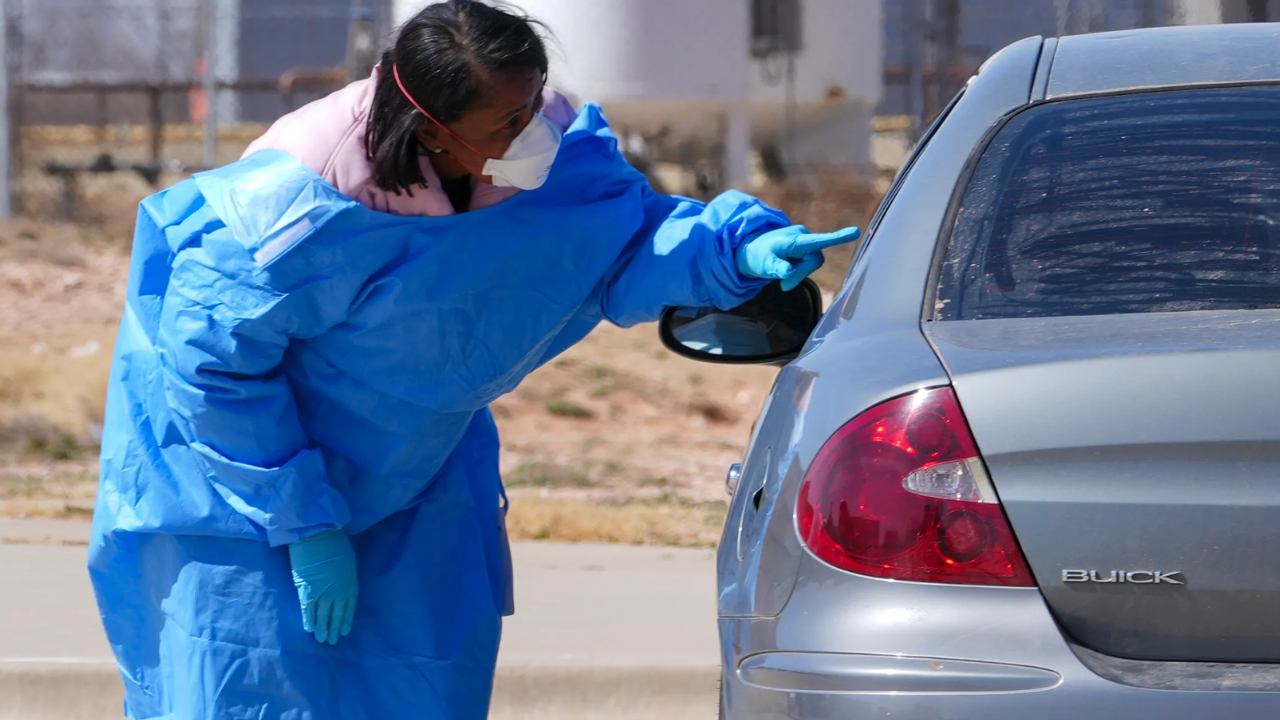
In just five days, a measles outbreak in South Carolina’s Upstate region grew by 27 cases—mostly among children—pushing the total to 126 infections and forcing more than 250 people, including entire classrooms, into 21-day quarantines. Empty seats at schools like Inman Intermediate and repeated isolation orders have turned what began as a local cluster into a community-wide emergency.
A Region on Edge

The outbreak is concentrated in Spartanburg County, where measles has spread through nine schools and several community gathering spots, including the Way of Truth Church. Health officials say these crowded indoor settings have accelerated transmission of the airborne virus, which can remain suspended in the air for hours after an infected person leaves.
By mid-December 2025, the scale of the outbreak had surpassed what state officials anticipated earlier in the year. The South Carolina Department of Public Health reports that hundreds of people with potential exposure are now under quarantine or active symptom monitoring, as authorities race to determine whether existing measures can prevent a further surge over the holidays.
State Epidemiologist Dr. Linda Bell has described the situation as “accelerating,” underscoring a shift from confidence in containment to concern about sustained regional spread. Holiday travel and family gatherings are looming as a critical test of whether the virus can be kept from reaching other low-immunity communities.
Vaccination Gaps and Community Risk

Analysis of the first 111 cases paints a stark picture of who is most at risk. Of those patients, 105 were unvaccinated. Three had received a single dose of the measles, mumps and rubella (MMR) vaccine, and only one person was fully vaccinated. That pattern closely aligns with longstanding evidence that two doses of MMR provide about 97% protection against measles.
Public health officials say the data show that the local “herd immunity” shield has broken down. While national goals call for at least 95% vaccination coverage to prevent sustained measles transmission, Spartanburg County’s overall childhood immunization rate is closer to 90%, with some affected schools falling even lower. A gap of 5% to 10% may look small on paper, but for a virus as infectious as measles, it is enough for rapid spread once the pathogen is introduced.
The consequences are especially severe for young children. In this outbreak, 20 cases involve children under age five, the group most likely to develop pneumonia and other life-threatening complications. Measles also weakens the immune system for weeks to months, increasing vulnerability to other infections well after the initial illness resolves. Local pediatric practices and hospitals are on alert for serious cases, even as they manage routine winter respiratory illnesses.
Schools, Families, and Strained Systems

The outbreak has deeply disrupted daily routines for families and schools. Measles requires a 21-day exclusion period for unvaccinated people who have been exposed, and each new exposure in a classroom or congregation restarts the quarantine timeline for that group. Some unvaccinated students have already endured multiple back-to-back quarantines since the start of the school year, missing significant time in the classroom.
School administrators find themselves enforcing health orders, managing anxious parents, and trying to maintain learning continuity for students who are home for weeks at a time. Educators and health officials warn that repeated absences could create academic gaps that take considerable time and resources to close.
On the public health side, the demands of intensive contact tracing, testing, and emergency vaccination clinics are stretching staff and budgets. Mobile vaccination units have been deployed to affected areas, but officials report that turnout has been modest, indicating that reluctance to vaccinate is limiting the impact of these interventions. Health authorities are working with faith leaders and other community figures, including those at the Way of Truth Church, to encourage immunization as a shared responsibility rather than an individual preference.
Doctors are also emphasizing that there are still options after exposure. The MMR vaccine can prevent measles if given within about 72 hours of contact with an infected person, and immune globulin can be used for high-risk individuals who cannot be vaccinated, such as some infants and people with weakened immune systems. These measures, however, are costly, labor-intensive, and less effective than preventing exposure through routine vaccination.
National Stakes and What Comes Next
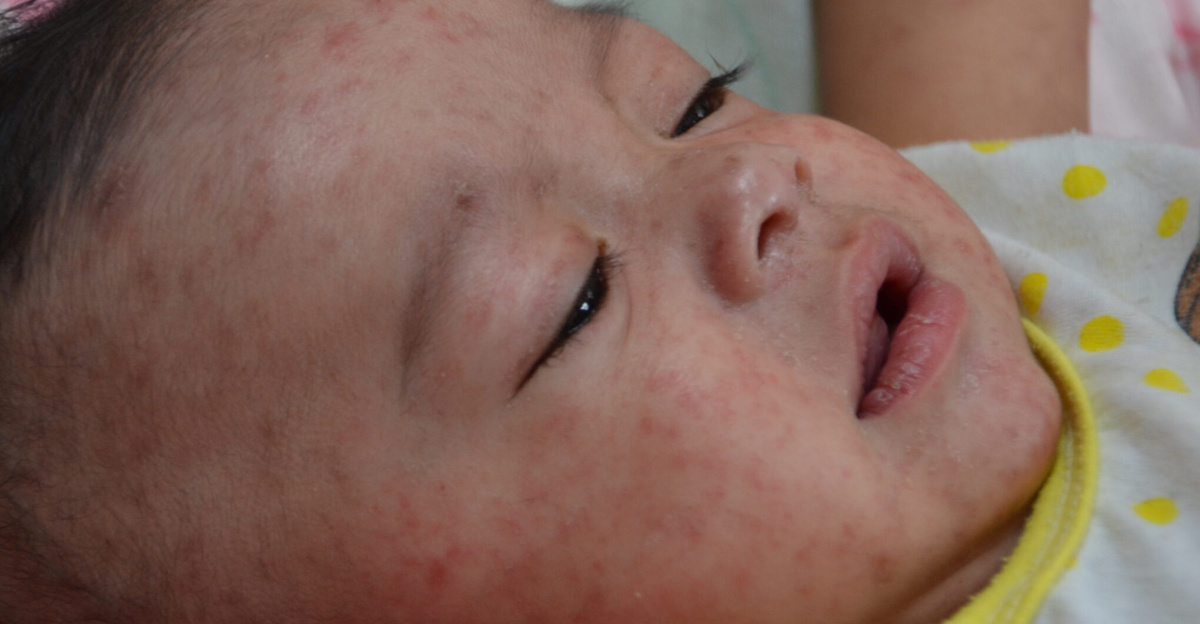
South Carolina’s crisis is unfolding against a worrisome national backdrop. The United States is experiencing its worst measles year since 1992, with more than 1,900 confirmed cases reported in 2025. The Spartanburg County outbreak is one of several large clusters that, taken together, have pushed the country to the brink of losing its measles “elimination” status, first achieved in 2000.
To maintain that designation, the U.S. must show that there has been no continuous transmission of measles for 12 months in any region. Ongoing spread that links multiple outbreaks could cause international health authorities to revoke that status as early as January 2026. Such a move would carry symbolic consequences—signaling erosion in what was once considered a major public health victory—and practical ones, potentially including more travel advisories and heightened concern from global health partners.
In South Carolina, the next few weeks are expected to be decisive. Health officials are urging residents to review their vaccination histories, with particular attention to adults who may be unsure of their status or who received only one MMR dose decades ago. At the same time, policymakers are beginning to confront harder questions about school entry requirements and exemption rules if voluntary vaccination remains insufficient to prevent repeated crises.
The outbreak has also become a test of public trust. Declining kindergarten vaccination rates over the past five years are now reflected in real-time consequences: quarantined classrooms, stressed hospitals, and renewed circulation of a virus once considered under control. State health leaders argue that rebuilding confidence in routine immunizations, and in the agencies that recommend them, will be critical to preventing similar events in the future.
As the holiday season approaches and families contemplate gatherings that could carry the virus far beyond Spartanburg County, the choices made by individuals and communities will help determine whether this surge recedes or becomes a turning point in how the state—and the nation—confronts vaccine-preventable disease.
Sources:
“2025 Measles Outbreak.” South Carolina Department of Public Health, Dec 2025.
“South Carolina measles outbreak is accelerating, driving hundreds into quarantine.” Reuters / MSN, 12 Dec 2025.
“South Carolina measles outbreak quarantines hundreds.” USA Today, 11 Dec 2025.
“Measles Cases and Outbreaks.” Centers for Disease Control and Prevention, Dec 2025.