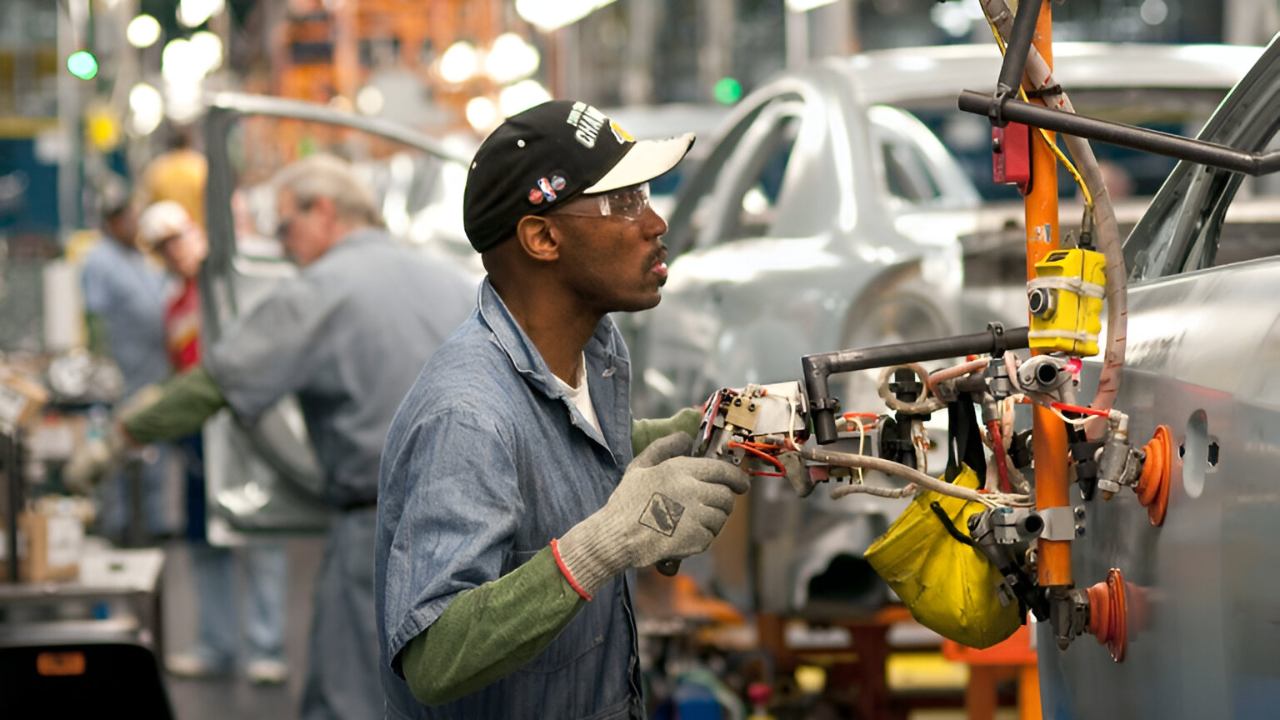
In mid-November 2025, workers at Bollinger Motors’ headquarters in Oak Park, Michigan, opened their banking apps and found nothing: paychecks that had always arrived on time simply stopped. Internal messages blamed delayed funding, but for employees suddenly scrambling to cover rent, groceries, and other essentials, the immediate reality was that the electric truck maker could no longer perform the most basic function of any employer: paying its staff.
A company once touted as a promising entrant in the commercial electric vehicle market had unraveled less than three years after being valued at about $148 million in a 2022 deal that gave Mullen Automotive majority control, later organized under Bollinger Innovations. By late 2025, Bollinger Motors was effectively dead, brought down by missed payrolls, supplier lawsuits, internal legal battles, and a chronic lack of capital.
Rise, Pivot, and Persistent Production Delays
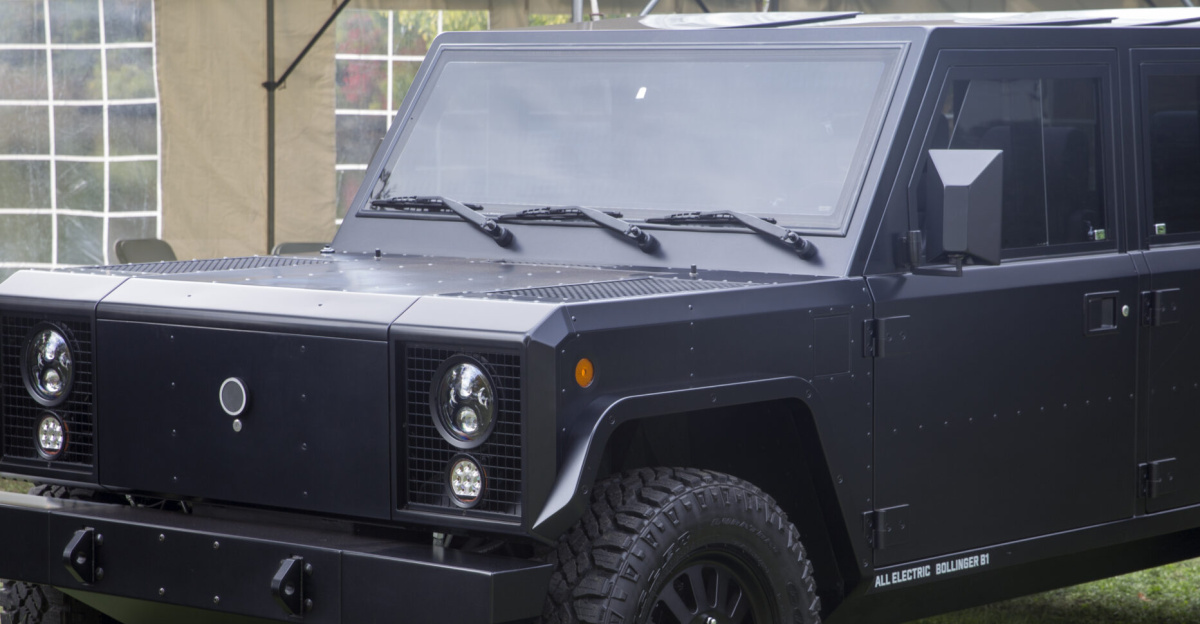
Bollinger Motors was founded in 2015 by industrial designer Robert Bollinger and quickly drew attention for its boxy, utilitarian B1 electric SUV and B2 pickup. Based near Detroit, the company worked with Roush Industries for early manufacturing support and presented itself as a premium electric work-vehicle builder that could stand alongside emerging rivals such as Rivian.
Despite a decade of prototypes, announcements, and design refinements, the company never transitioned a single consumer vehicle into full-scale production. The B1 and B2, each priced above $120,000, remained showpieces rather than revenue-generating products, as shifting strategies and funding gaps repeatedly pushed back launch timelines.
Under mounting pressure, Bollinger shelved its consumer lineup and pivoted to commercial platforms, focusing on Class 3–6 electric trucks. The B4 chassis cab became the centerpiece of this new strategy, aimed at fleet buyers looking to electrify delivery and work vehicles. But the move from prototypes to volume manufacturing demanded steady infusions of capital, reliable supplier relationships, and consistent backing from its parent company—conditions that eroded through 2024 and 2025.
Warnings Before the Shutdown
Inside the company, signs of crisis surfaced before the public collapse. Internal emails show employees were first warned on October 31, 2025, and again on November 6 that payroll could not be processed because there was no money available. Executives referred to “expected” funding that never came through. Despite repeated assurances that leadership was seeking solutions, at least two pay cycles were missed.
On November 21, 2025, Human Resources Director Helen Watson informed staff by email that Bollinger Motors would cease operations that day. The message confirmed what many had already feared: the company was closing abruptly, with no severance, no confirmed plan for back pay, and no clear indication of whether workers would ever recover unpaid wages.
The fallout spread quickly beyond the headquarters. Employees across engineering, production, and office roles lost jobs and final paychecks with little warning. Many had skills tailored specifically to electric vehicle development and now faced the task of finding new roles in a tightening industry just as the company’s legal and financial problems deepened.
Legal Battles, Unpaid Bills, and Receivership

By the time paychecks stopped, Bollinger’s financial distress had been developing for months. Several suppliers had already taken the company to court in 2025, seeking more than $5 million in unpaid invoices for parts, services, and contract manufacturing. Those lawsuits highlighted a cash crunch that made it increasingly difficult to maintain operations.
The turmoil extended to the founder himself. In October 2024, Robert Bollinger personally loaned the company $10 million in an attempt to stabilize it. When conditions continued to deteriorate, he sued Bollinger Motors in early 2025 to recover that loan and asked the court to place the business into receivership. A court-appointed receiver assumed control in May 2025, marking a formal acknowledgment of insolvency concerns.
Bollinger exited receivership in June 2025 after a settlement that consolidated authority under Mullen leadership. CEO David Michery took a more direct role and renewed public commitments to advancing the B4 commercial truck, signaling what was presented as a fresh start. Yet the cash relief and governance reset failed to solve the underlying funding shortfall. Within months, the same structural problems—rising costs, limited financing, and heavy competition—left the company unable to meet payroll.
Workers, Creditors, and the Missing Bankruptcy Case
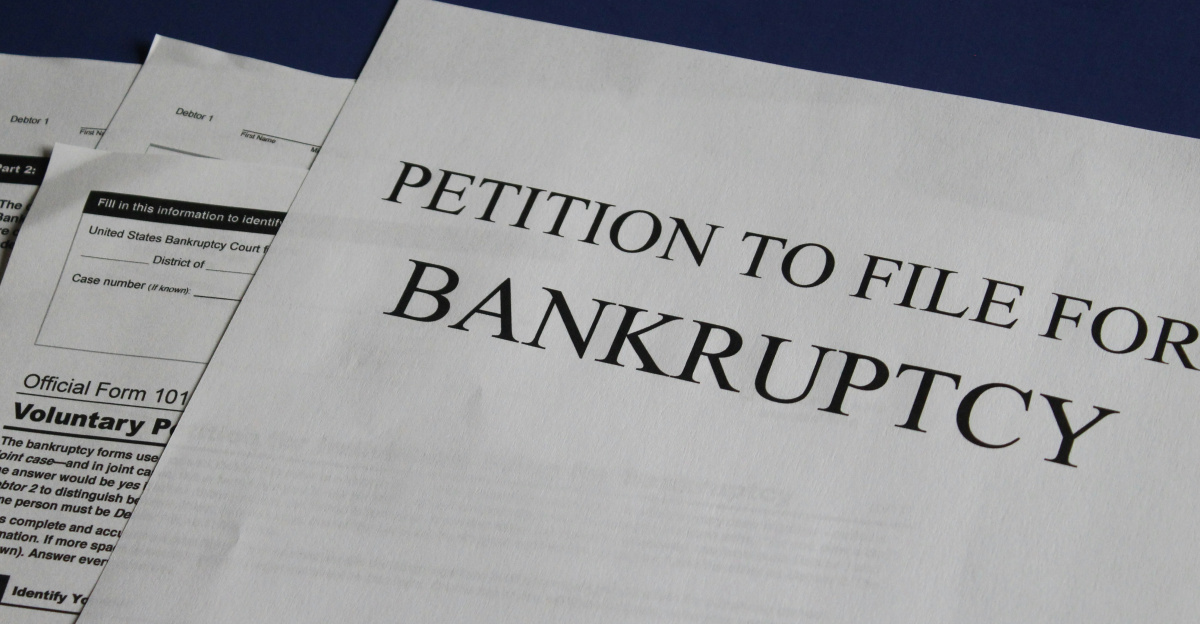
Following the November shutdown, employees turned to the state for help. By late November 2025, the Michigan Department of Labor and Economic Opportunity had received 59 formal wage claims from former Bollinger workers seeking unpaid earnings. These cases represent documented complaints, and officials note that the total number of affected employees could be higher.
As of the end of November, Bollinger Motors had not filed for bankruptcy protection. Without a bankruptcy case, there is no centralized court process to sort out debts, prioritize creditors, or oversee the sale of any remaining assets. Instead, workers and vendors must pursue individual claims through wage enforcement agencies and civil courts, a slower, more uncertain path with no guaranteed recovery.
Meanwhile, parent entity Bollinger Innovations moved ahead with its own cost-cutting. On the same day Bollinger Motors shut down, Bollinger Innovations filed a Form 8-K with federal regulators outlining measures such as closing its Troy, Michigan, office and implementing workforce reductions. Those steps did not revive the manufacturing unit, which has permanently ceased operations. Warranty and service support for the small number of pilot vehicles in the field were also discontinued, cutting off formal backing for customers and dealers.
Broader EV Shakeout and Future Questions
Bollinger’s collapse fits a wider trend among electric vehicle startups in the 2020s. Other younger manufacturers, including Lordstown Motors and Nikola, have undergone bankruptcy or deep restructuring after struggling with high capital demands, delayed adoption by fleet customers, supply-chain shocks, and intensifying competition from established automakers.
The failure also raises questions about public investments. State and federal authorities have committed substantial resources to fostering electric vehicle manufacturing through grants, tax credits, and other incentives. Bollinger’s swift shutdown, despite years of development and outside funding, has prompted renewed scrutiny over how these benefits are awarded and what protections exist for workers when highly promoted ventures fold suddenly.
Internationally, the case will be watched by global suppliers and automakers assessing whether to partner with smaller U.S. commercial EV firms. The disappearance of a once-visible startup underscores the advantage of larger European and Asian manufacturers that already dominate commercial truck production and can weather longer development cycles and market shifts.
Ultimately, Bollinger Motors’ end shows how even a company backed by a $148 million valuation, a decade of engineering work, and a multimillion-dollar founder loan can quickly unravel once access to capital dries up. The outcome of pending wage claims and supplier lawsuits will determine how long the economic shock lingers for former employees and creditors, and may influence how investors, policymakers, and industry leaders approach the next generation of electric vehicle startups.
Sources
FreightWaves, 22 Nov 2025
ACT News, 25 Nov 2025
TheStreet, 29 Nov 2025
Driving.ca, 24 Nov 2025
IndexBox summary of Free Press report, 2025
Crain’s Detroit Business via Free Press summary
Michigan Department of Labor and Economic Opportunity guidance, 2025