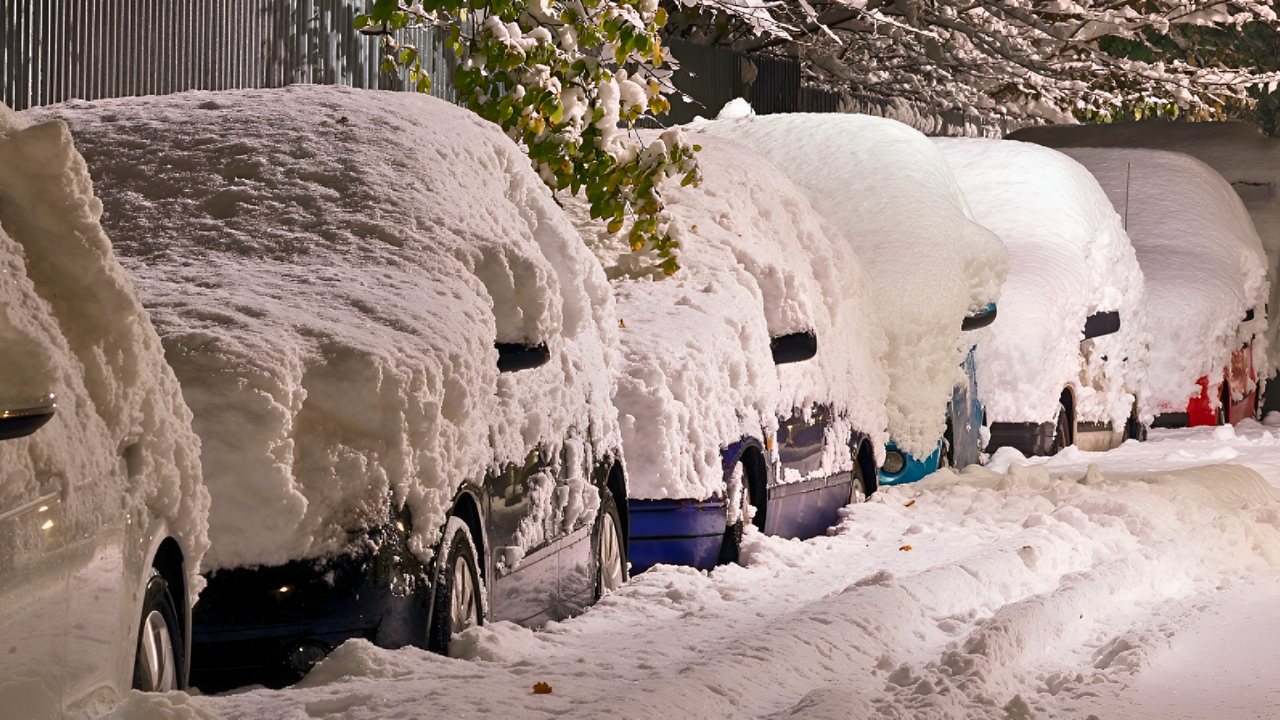
A potent blast of Arctic air has enveloped much of the central and eastern United States, bringing sub-freezing temperatures that are breaking daily cold records across the Midwest and Northeast as of early December. Reports indicate that cities like Spencer, Iowa, experienced temperatures plummeting to minus-19°F.
Meteorologists affirm this Arctic invasion is merely the beginning, with more severe conditions anticipated in mid-December. As snow and ice move eastward, residents brace themselves for an extreme winter scenario. This unusual seasonal pattern raises concerns about safety and preparedness as communities respond to these sudden, harsh conditions.
Eight States on Alert
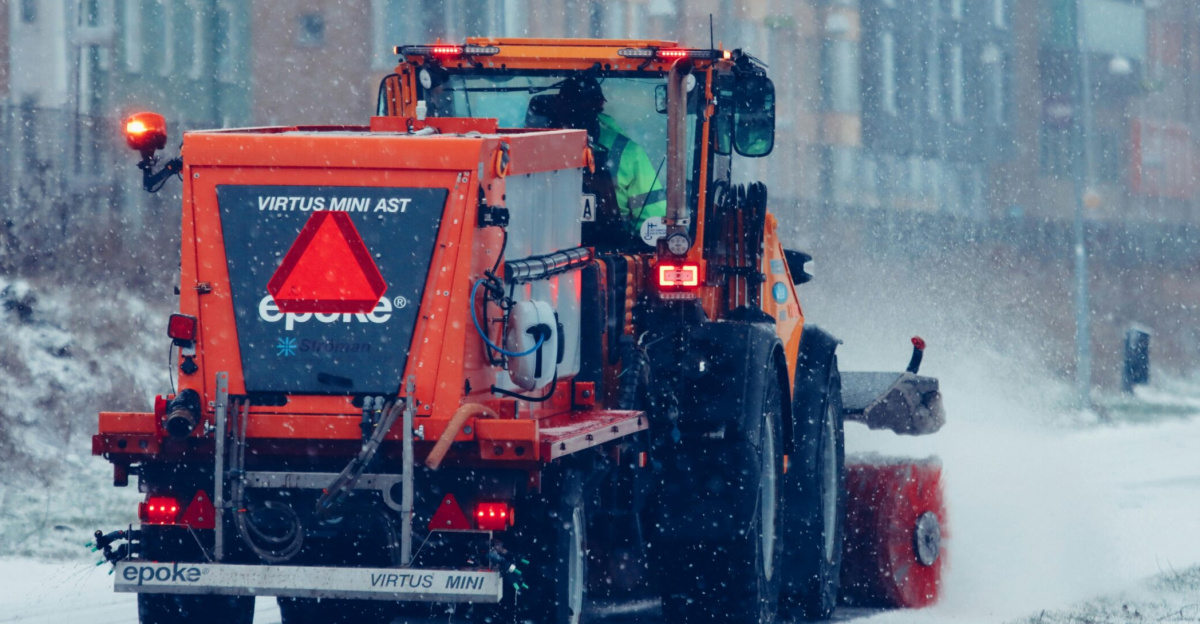
By Saturday, December 13, the National Weather Service issued winter storm and cold weather alerts across eight states, including North Dakota, Pennsylvania, and Virginia. Officials advised residents to brace for temperatures plummeting 20 to 30 degrees below normal, coupled with hazardous travel conditions as the Arctic air was set to push east.
The warnings have echoed in communities where snow and ice have the potential to significantly disrupt daily life. As families prepared to weather the storm, they were urged to stay informed and take necessary precautions against the extreme cold and icy conditions ahead.
Storm Pattern Builds
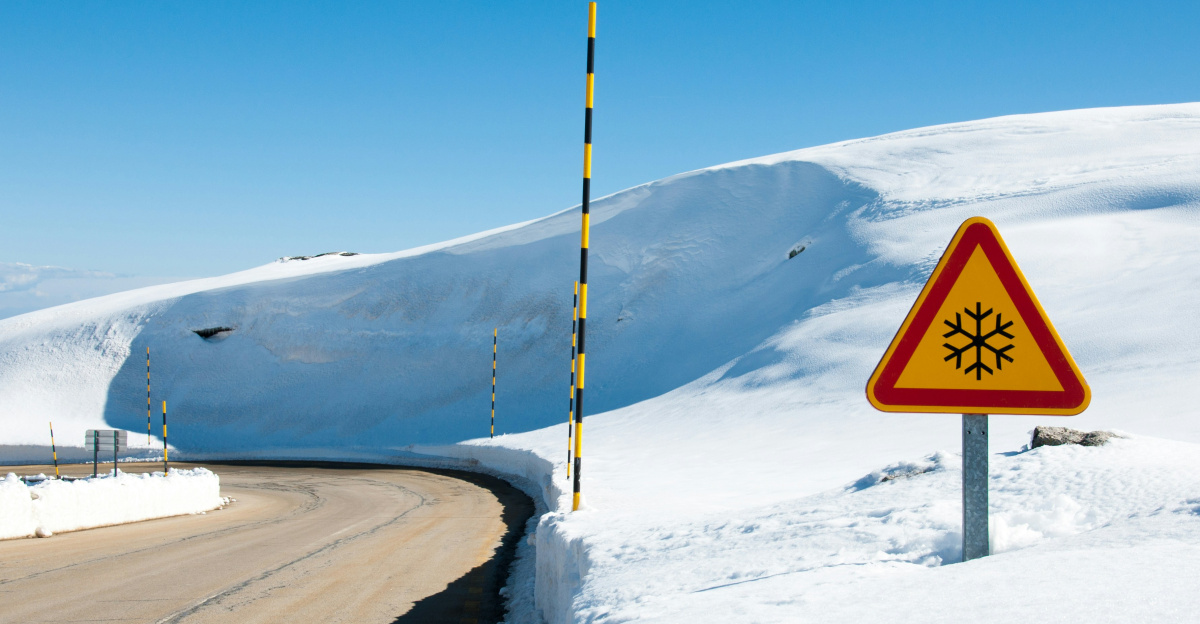
The mid-December storm emerges amid a series of earlier winter systems that have already affected the Midwest and Northeast. Meteorologists attribute this turbulent weather pattern to a disrupted polar vortex and altered jet stream dynamics, which are allowing Arctic air to spill south into populated regions.
These conditions not only impact day-to-day life but also complicate travel logistics as snow accumulates and roads become treacherous. Forecasters emphasize the seriousness of the situation, urging residents to remain vigilant and stay informed about changing weather forecasts over the coming days as the storm develops further.
Pressure Over the Northeast
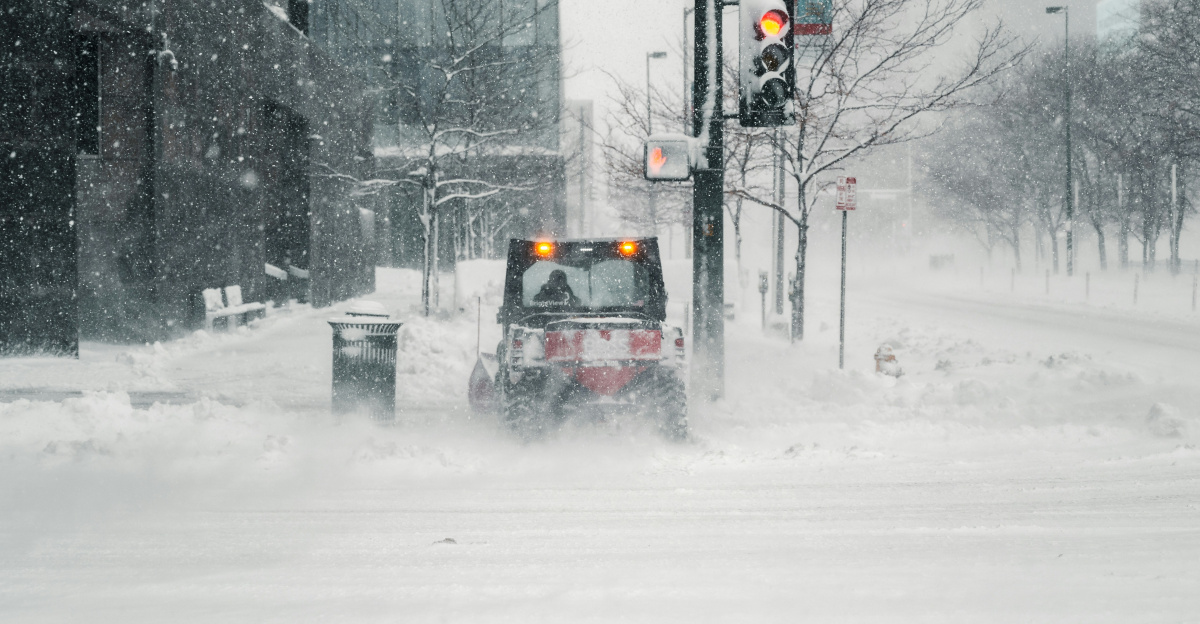
As the cold deepens, forecasts indicate the formation of a coastal low that will track along the Mid-Atlantic and New England coastlines. This low pressure is expected to draw Atlantic moisture into the frigid air mass, resulting in a swift yet disruptive snowstorm from Pennsylvania to New York.
Residents should prepare for slick roads and dangerously low temperatures, as forecasters estimate significant snowfall accumulation. Understanding the nature of the impending conditions allows individuals and families to take proactive measures for their safety and wellbeing during this critical weather event.
‘Stay Indoors’ Warnings
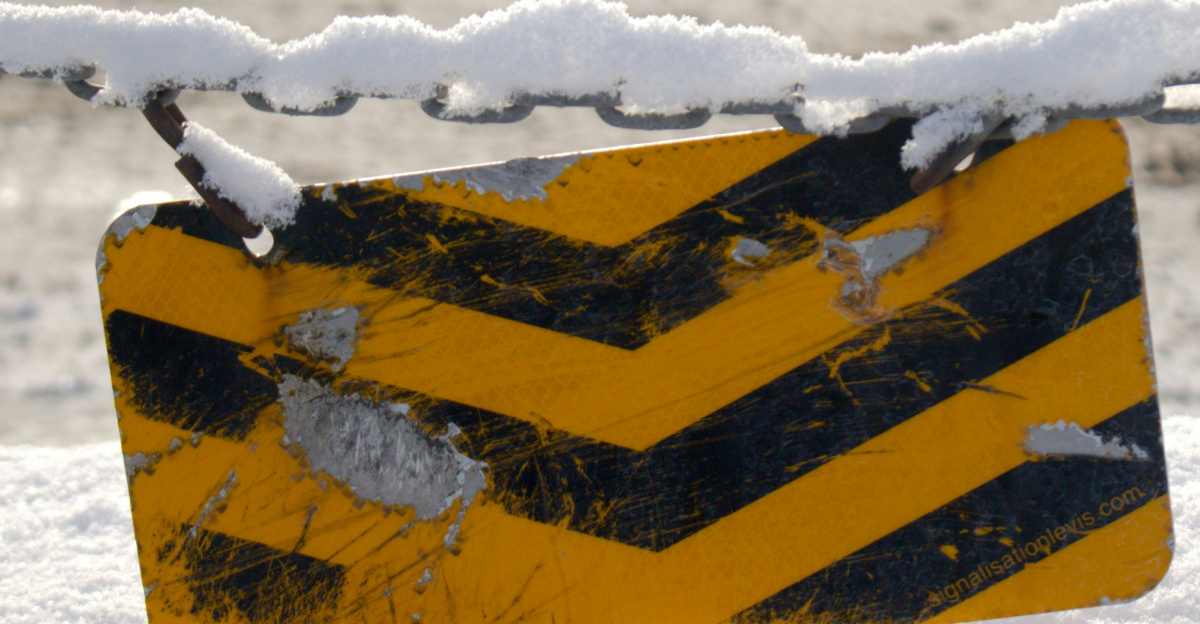
During the December 13–14 timeframe, the National Weather Service offices in Pittsburgh and northern West Virginia proactively urged residents to “stay indoors until conditions improve.” Heavy snowfall combined with sub-freezing temperatures and perilous wind chills fueled this advisory.
Similarly, New York City Emergency Management recommended that residents “stay indoors if possible” during the peak intensity of the storm. These warnings emphasized the severity of the cold snap and snowstorm, urging the implementation of public safety measures as harsh winter conditions descended upon the region.
Northeast Buried and Bitter
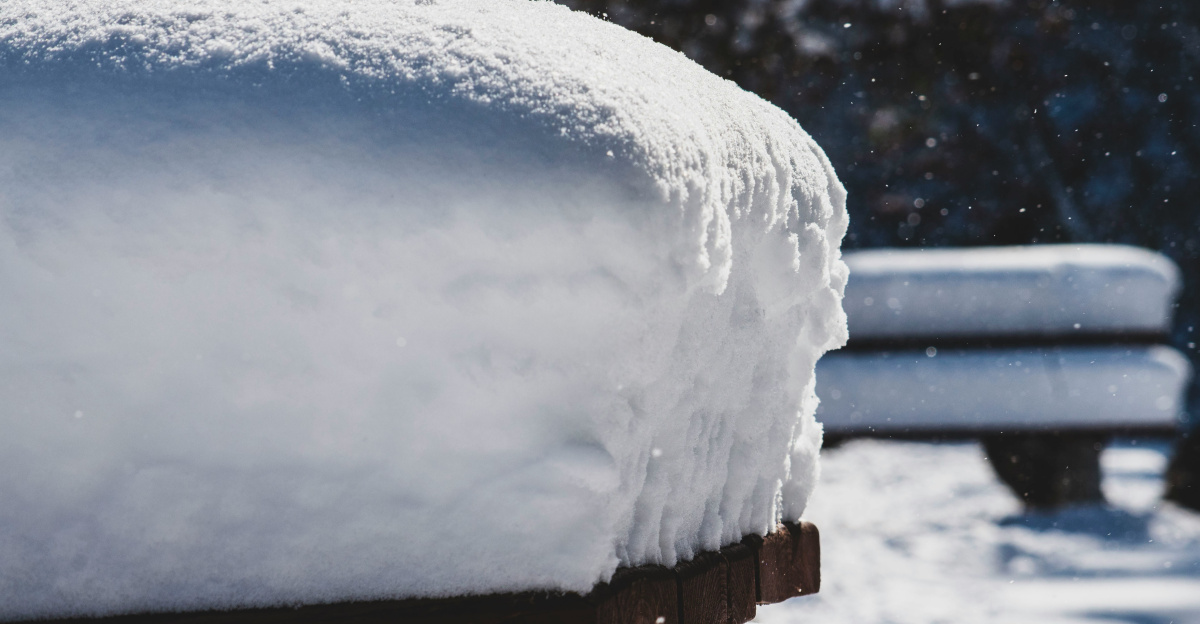
The fast-moving storm on December 13–14 delivered a staggering 6 to 12 inches of snow across Pennsylvania and New York, with some New Jersey neighborhoods reporting over 8 inches of snow. This significant snowfall was accompanied by wind gusts reaching 30-40 mph, generating wind chills that dropped to temperatures near zero.
The combination of rapid snow accumulation and icy conditions elevated black ice warnings and increased the risk of frostbite for anyone exposed to the harsh weather. Emergency services prepared for an increased call volume as residents faced challenging and potentially dangerous conditions outside their homes.
Lights Out in New Jersey
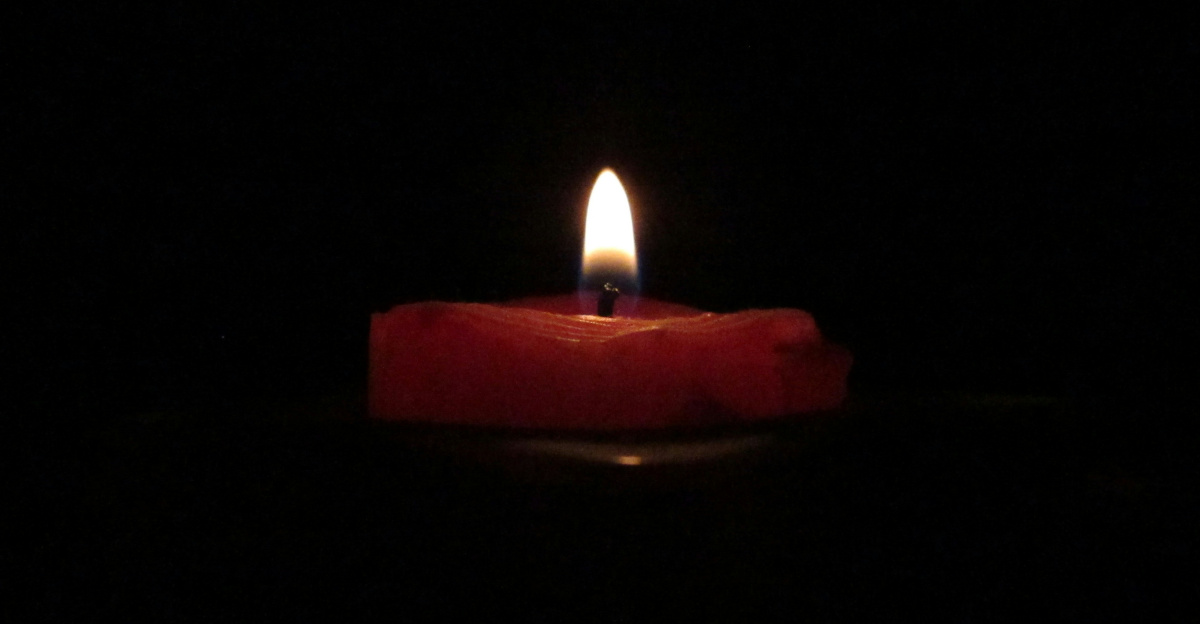
By the afternoon of December 14, over 19,000 electric customers in New Jersey were without power due to heavy, wet snow and strong winds toppling lines and tree limbs. Major utilities such as JCP&L, PSE&G, and Atlantic City Electric reported peak outages while crews mobilized to restore service.
This situation highlighted the importance of utility preparedness and response plans, as communities faced the possibility of prolonged outages throughout the winter season. Residents remained on high alert, as utility companies faced scrutiny over how they managed the unexpected storm’s impact on infrastructure.
Human Toll in the Dark
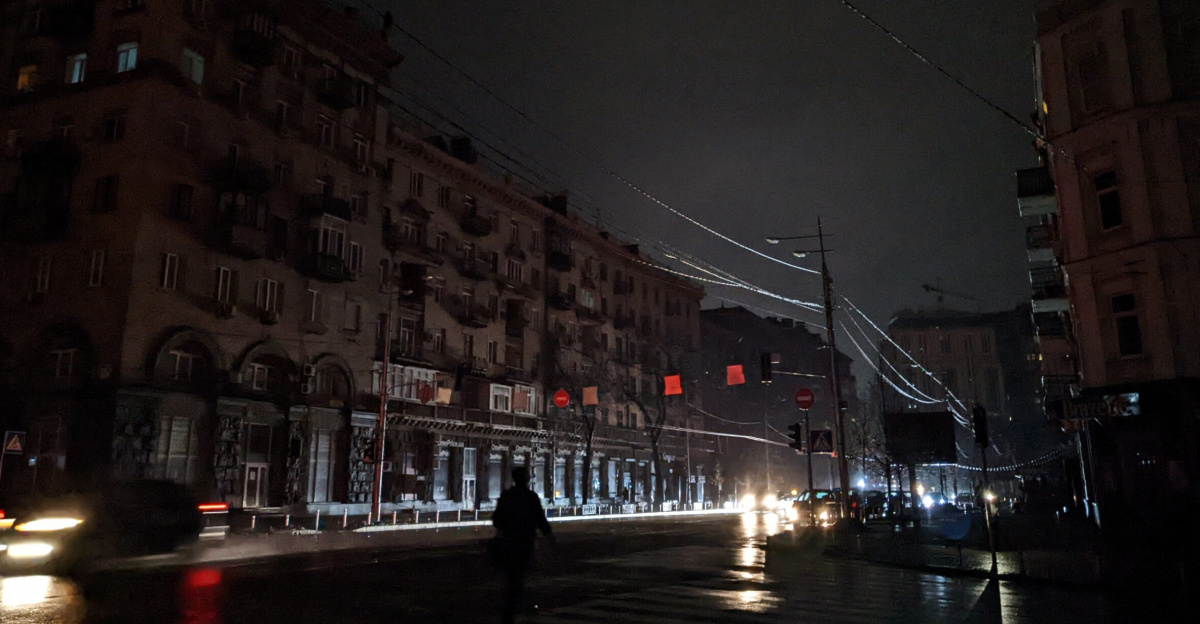
Many New Jersey families woke on December 14 to cold homes and dark streets, grappling with uncertainty over when power would be restored. With reports highlighting how residents bundled up in layers, checked on their elderly neighbors, and relied on battery-powered devices for updates, the human impact of the storm became starkly apparent.
One resident remarked, “I just hope the power comes back soon; it’s tough for everyone out here.” Emergency services encouraged community support as families navigated the challenges posed by both the cold and the ongoing power outages.
Airports and Highways Snarl
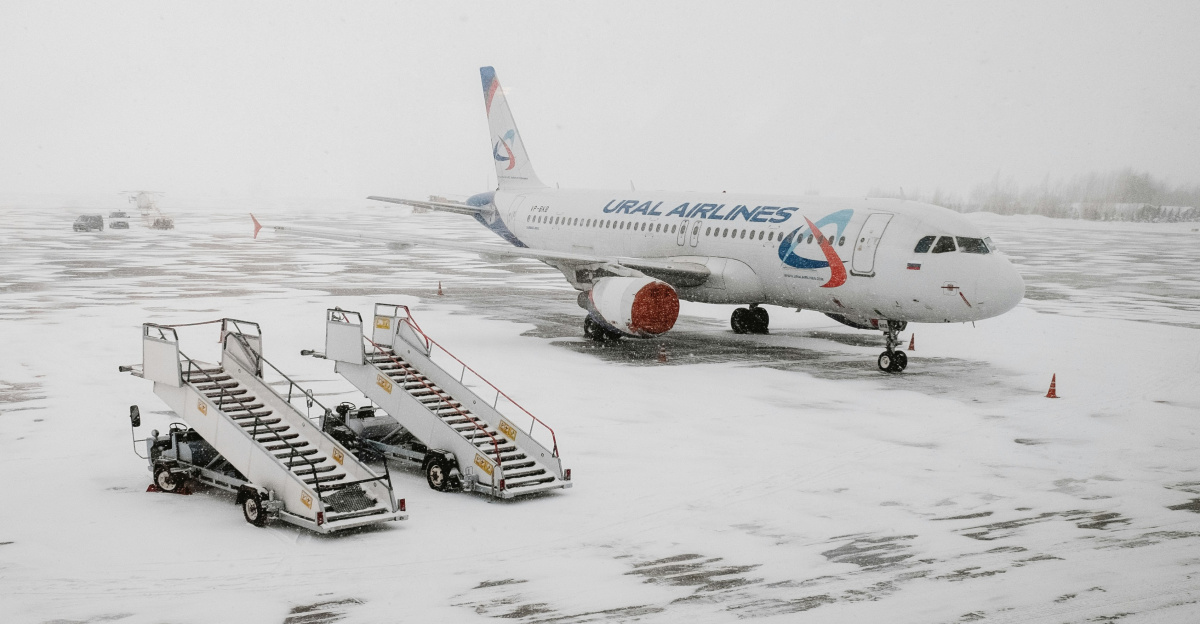
The snowstorm caused severe disruption in travel across the Northeast on December 14, with airports like Newark Liberty, JFK, and LaGuardia facing delays of two hours or more. Fox Weather reported significant outages not just in New Jersey, with over 14,700, but also across Pennsylvania and New York.
Major highways experienced spinouts and closures as plow operations struggled to keep up with the heavy snowfall. Numerous travelers were left stranded, raising concerns about safety amid ongoing winter storm conditions. This turmoil highlighted the broader impact of severe weather on mobility and access to emergency services.
Record Cold Hits Early
Before the severe winter storm hit in mid-December, record-low temperatures had already been reported in various states during the first week of December. Spencer, Iowa, plummeted to an astonishing minus-19°F, while Detroit set a new record at 5°F.
New York City airports reported record-breaking lows around 20°F, an unprecedented low for this early in the season. These temperature drops foreshadowed the harsh winters residents would need to endure. The severity of this early cold snap set the stage for the heightened winter challenges lying ahead across the region.
Utilities Under Pressure
In the wake of the storm, New Jersey utilities, including JCP&L, PSE&G, and Atlantic City Electric, received considerable scrutiny from concerned residents. Many questioned how such a relatively short storm could lead to power outages for over 19,000 customers. Utility companies attributed the outages primarily to fallen tree limbs, heavy snow, and sustained strong winds.
They urged customers to report any outages they encountered while emphasizing safety measures, including avoiding downed power lines. The storm highlighted vulnerabilities in infrastructure preparedness for unexpected severe weather events, drawing attention to the need for ongoing improvements.
Community Response and Resilience
As harsh winter conditions persisted, communities across the affected regions rallied together. Local organizations mobilized to provide support for families struggling with power loss and cold conditions. Shelters opened their doors, offering warmth and resources for those in need.
A nearby resident noted, “It’s heartwarming to see everyone coming together in a time of crisis.” This spirit of resilience underscored the ability of communities to face adversity head-on, demonstrating collective strength in challenging times.
Travel Chaos Continues
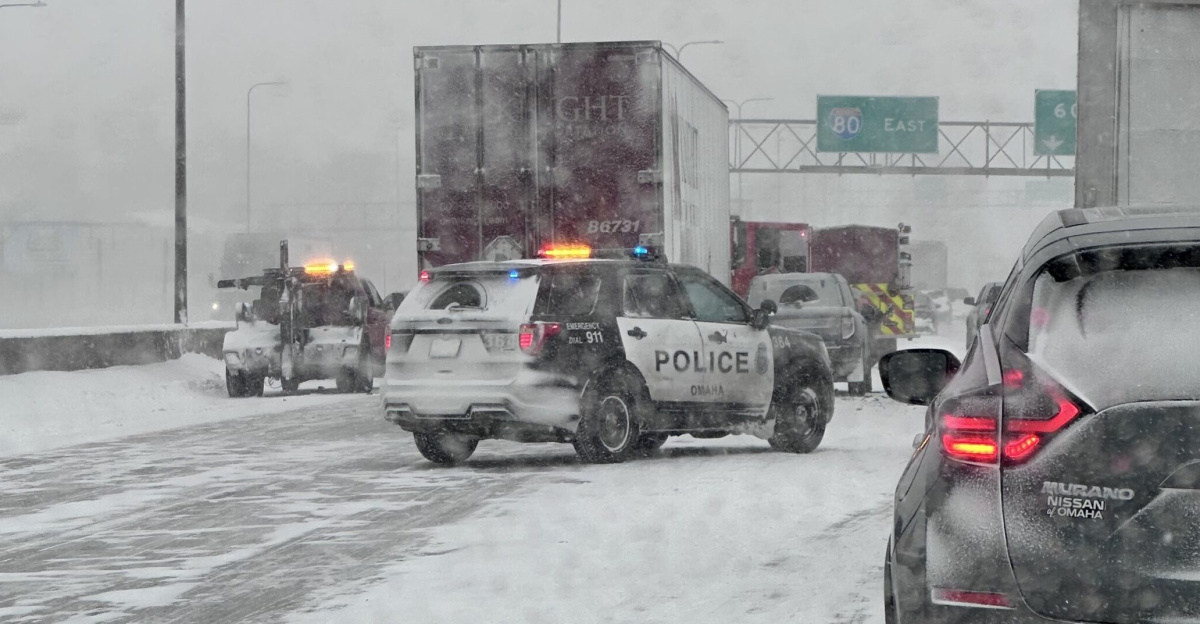
As the storm continued, travel chaos remained a significant concern. Major roads were treacherous, leading to numerous accidents and stranded vehicles. Transportation officials urged everyone to stay off the roads unless necessary.
One commuter shared their experience: “I got stuck on the highway for hours; it was frightening.” Authorities ramped up plow operations and maintenance efforts to restore normalcy and ensure the safety of residents. The ongoing weather challenges underscore the importance of traveling prepared for winter conditions, especially in adverse weather situations.
Recovery Efforts Underway
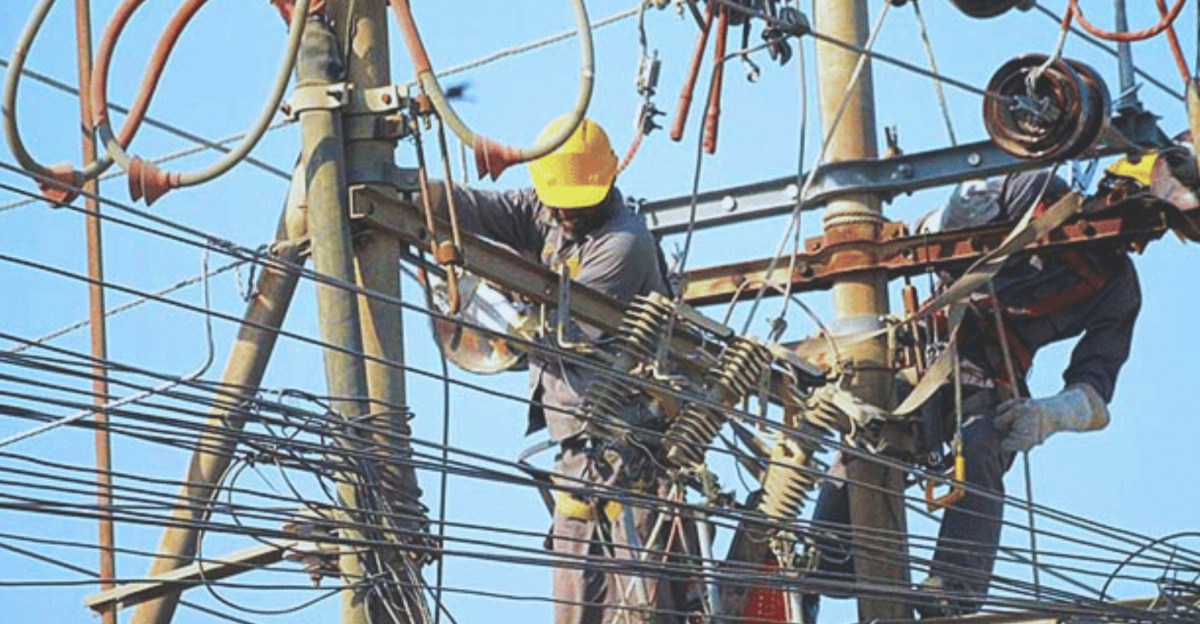
By December 15, utility restoration efforts were in full swing across New Jersey, with teams working tirelessly to restore power to the remaining customers without service. Many residents expressed appreciation for the hard work of linemen braving the cold and challenging conditions.
One family stated, “We’re thankful for the crews out there; it’s freezing, and they’re doing an incredible job under tough circumstances.” Emergency services remained vigilant as they coordinated local responses and analyzed the storm’s impacts to enhance disaster preparedness for future events.
Weather Trends Point to Future Challenges
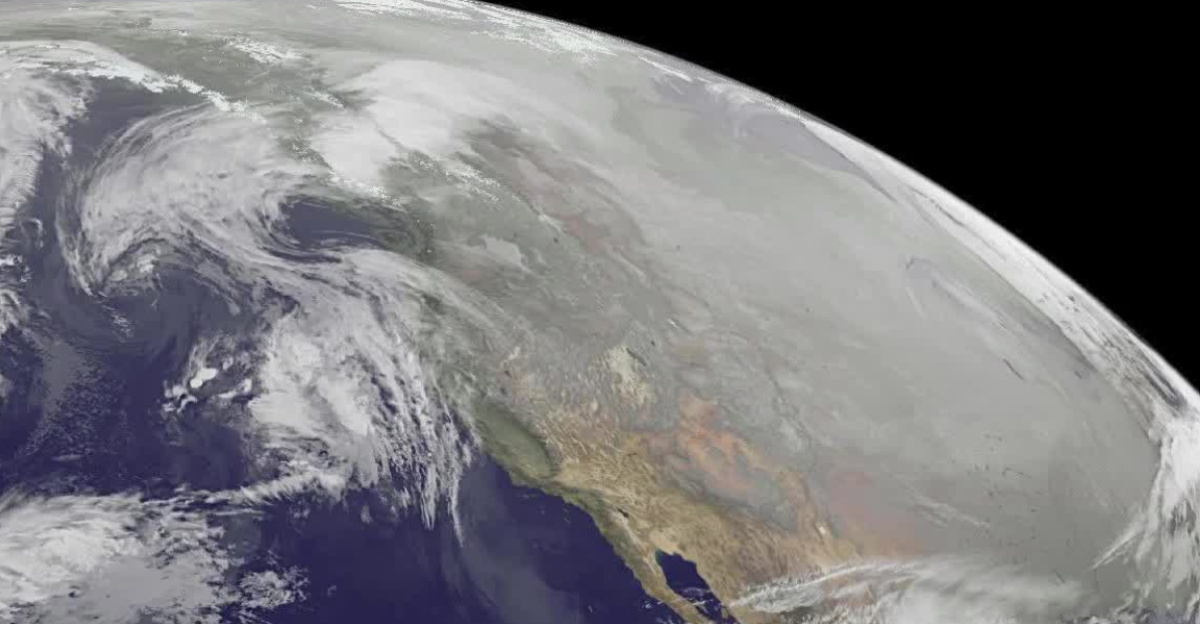
Meteorologists warn that the severe cold and storms currently affecting the Northeast could become more frequent due to climate factors, including changes in the polar vortex and atmospheric patterns. Researchers emphasize the need for communities to adapt to these shifting weather patterns to ensure safety and mitigate risks.
One climatologist remarked, “We need to prepare for the possibility of more severe winter weather, learning from each event.” Insights gained from this winter’s challenges will likely shape broader conversations around climate resilience and response strategies in the years to come.
The Economic Impact of Extreme Weather
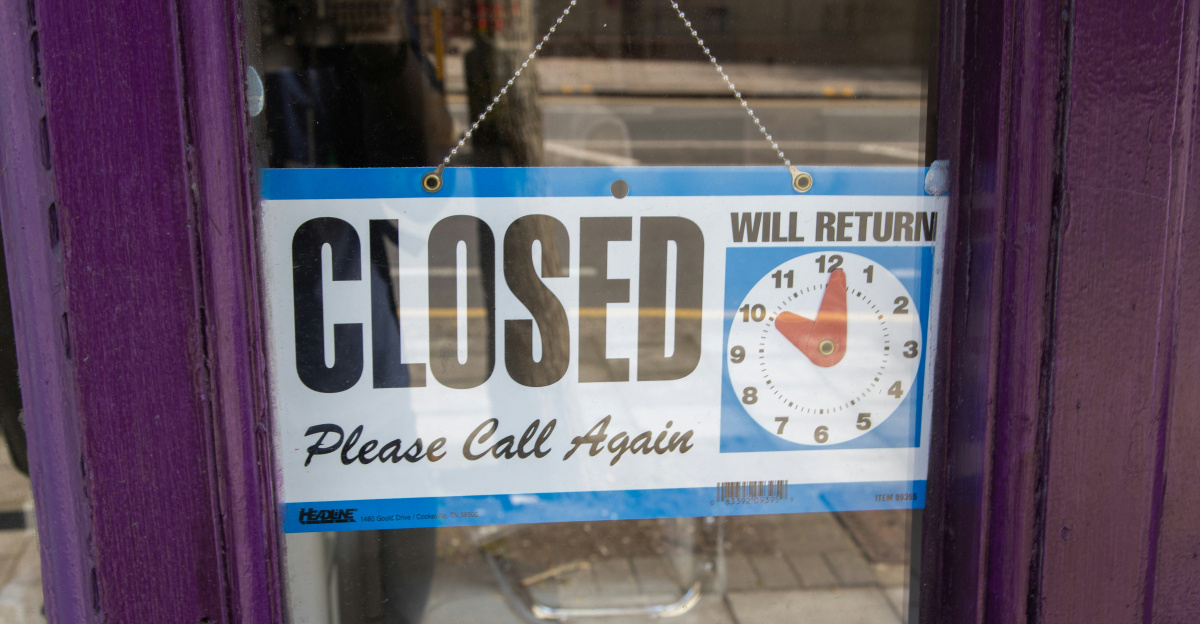
Beyond immediate safety concerns, extreme weather events like this winter storm often lead to economic disruptions. Businesses faced temporary closures, and supply chains experienced delays.
One small business owner lamented the storm’s impact, saying, “We had to close for two days, and that’s significant for our revenue.” Discussions around weather preparedness now extend to economic resilience, highlighting the interconnectedness of climate, community safety, and financial stability. As municipalities evaluate their response plans, many are looking at ways to strengthen local economies against future climate uncertainties.
Public Health Concerns During Cold Snap
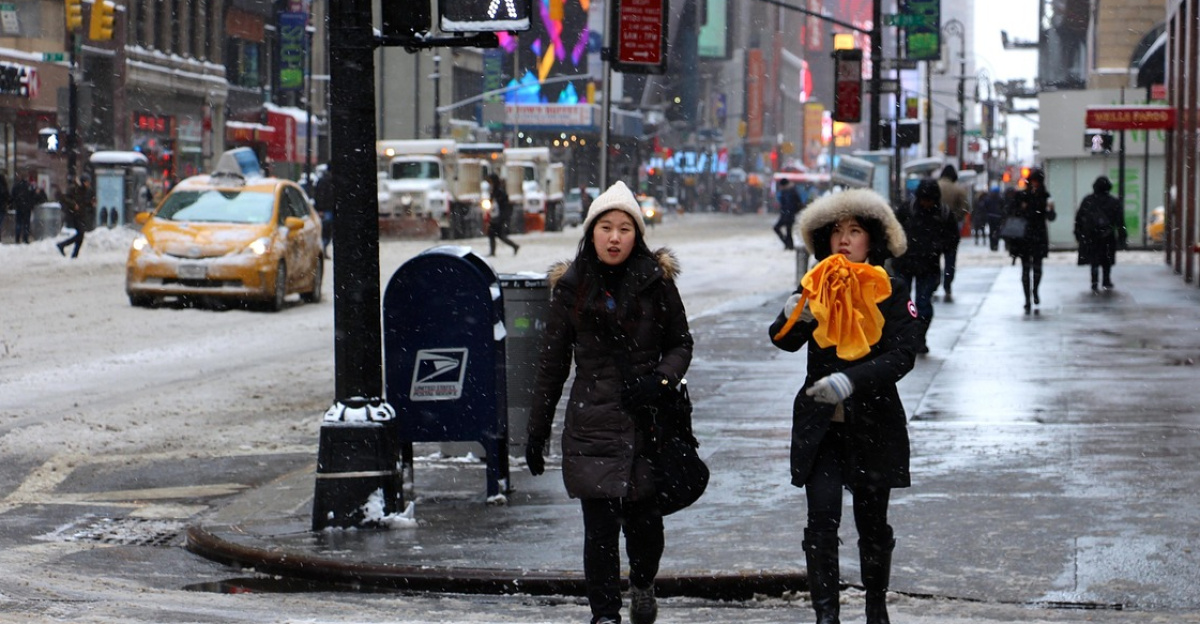
Extended periods of severe cold can lead to public health issues, particularly for vulnerable populations. It risks increased cases of hypothermia and frostbite as people engage in outdoor activities. Health officials recommend that residents dress appropriately and stay indoors during extreme weather.
A local health manager noted, “We are urging everyone, especially the elderly, to monitor their wellness and avoid exposure to the cold as much as possible.” Educating the public about the dangers of winter weather is an ongoing priority for local health departments as they strive to protect community members during harsh winters.
Lessons Learned for Future Preparedness
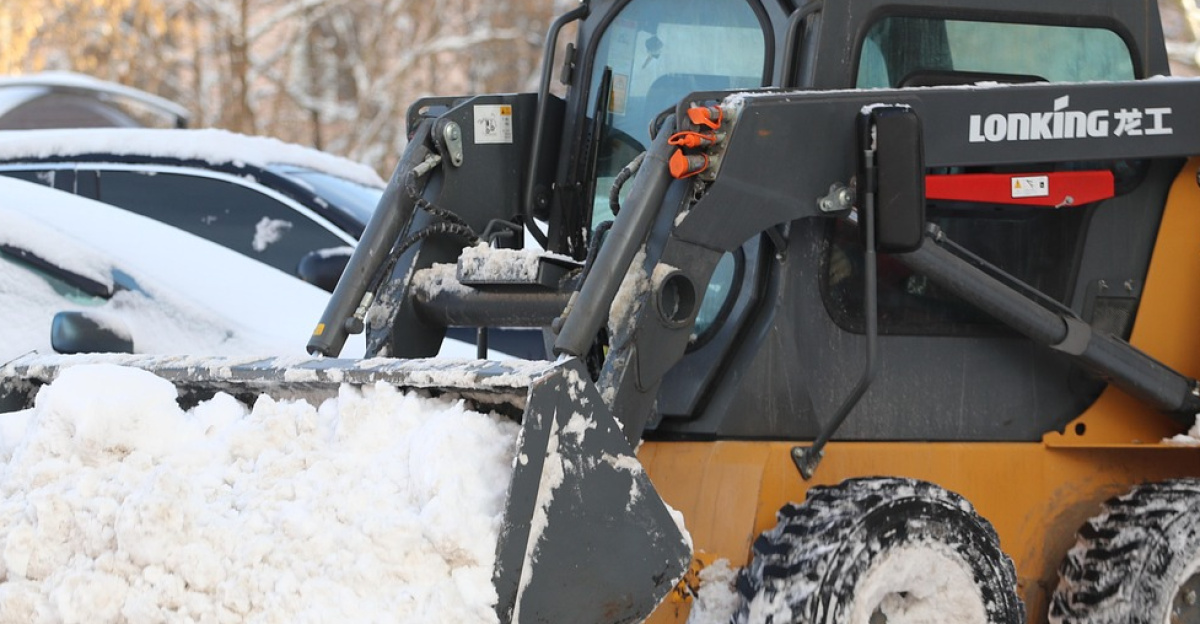
In reviewing the aftermath of this winter storm, local officials turn their attention to lessons learned and how to improve responses. Community feedback will play a critical role in shaping future preparedness plans, including enhancing infrastructure resilience. Municipalities are assessing everything from snow removal strategies to power restoration protocols to better address similar situations.
A city council member stated, “We need to be proactive, not reactive. This storm is a wake-up call for making our systems more resilient.” Community engagement and preparedness training efforts are likely to evolve in response to the ongoing challenges posed by winter weather patterns.
Partnering with Local Organizations

Partnerships with local organizations have become a fundamental part of the recovery process following the storm. Nonprofits and shelters partnered with government agencies to support families affected by power outages and severe weather. Volunteers stepped in to provide food, warmth, and assistance to those in need.
A local leader reflected, “These partnerships are crucial. We can only overcome challenges by standing together and supporting each other during times of crisis.” Collaborative efforts highlight the importance of community networks in ensuring safety amidst adverse conditions and fostering resilience within neighborhoods.
The Future of Winter Weather
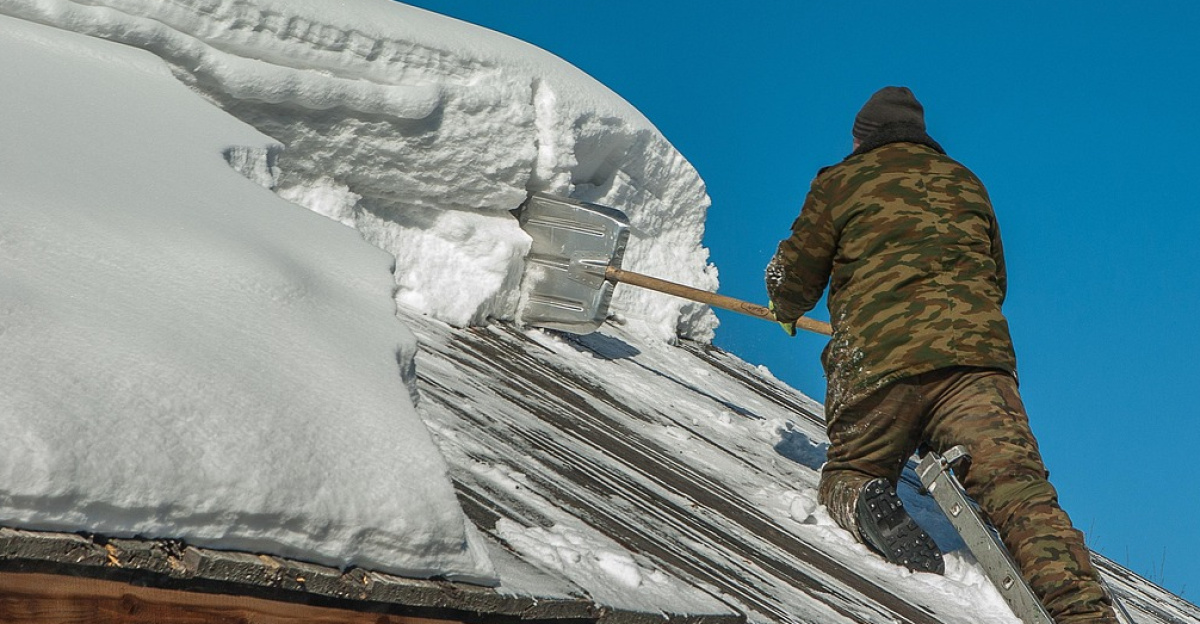
In conclusion, this Arctic blast has served as a stark reminder of the vulnerabilities communities face during extreme winter weather. The convergence of record lows, heavy snowfall, and power outages underscores the importance of preparation, resilience, and strong community ties.
As climate trends indicate more severe winters, proactive measures will become increasingly vital for safety and wellbeing. Individuals, families, and local authorities must unite in focusing on preparedness protocols to ensure they navigate future storms more effectively, thereby safeguarding both lives and livelihoods in the long run.
Sources
Yahoo News – Winter Storm Warnings Issued in 8 States Expecting Hazardous Weather
NJ.com – N.J. power outage update: Thousands without power as heavy snow hits the state
Reuters – Arctic blast grips central, northeastern US in sub-freezing cold
CNN – Millions wake up to extreme cold that’s breaking records as polar vortex keeps US in the freezer
Fox Weather – Travel nightmare: Winter snowstorm causes delays and power outages across the Northeast
Wikipedia – December 13–14, 2025 United States winter storm