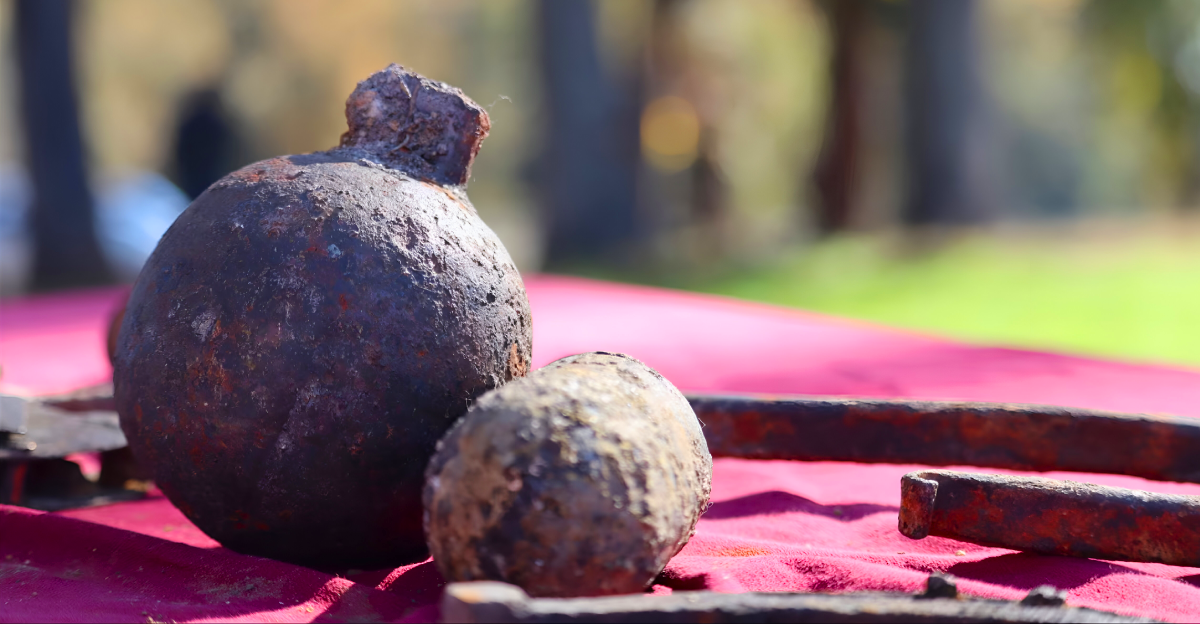
On a cool autumn morning, crews entered South Carolina’s Congaree River aimed at clearing pollutants but found something far more significant historical artifacts hidden beneath the surface. This unexpected discovery captivated historians and locals, hinting at a concealed chapter of Columbia’s past.
“When we first unearthed those artifacts, it felt like we were tapping into a historical vein,” said one of the archaeologists involved, conveying the excitement of unveiling buried stories that had long been forgotten. Yet, the details of these findings remained closely guarded, setting the stage for a riveting tale of history beneath the water’s surface.
Rising Tensions
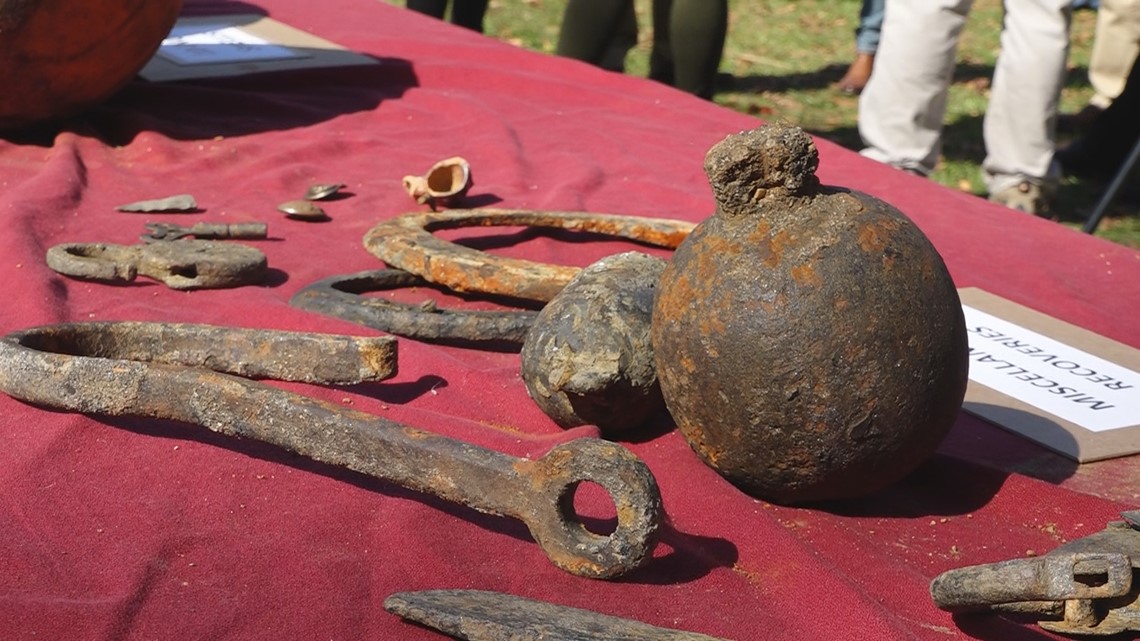
The Congaree cleanup transcended environmental concerns; it stirred anticipation about Columbia’s rich Civil War history. With the city being a critical crossroads during the war, every dig became a potential gateway to astonishing historical discoveries.
Local citizens, like historian Laura Jensen, felt the weight of the moment: “Every scoop of soil could unveil pieces of lives lived and lost.” The awareness of possible unearthing of artifacts amplified the tension and excitement among both archaeologists and residents, reminding everyone that Columbia’s past was intricately linked to their present, promising intriguing revelations at any moment during the excavation.
Civil War Legacy
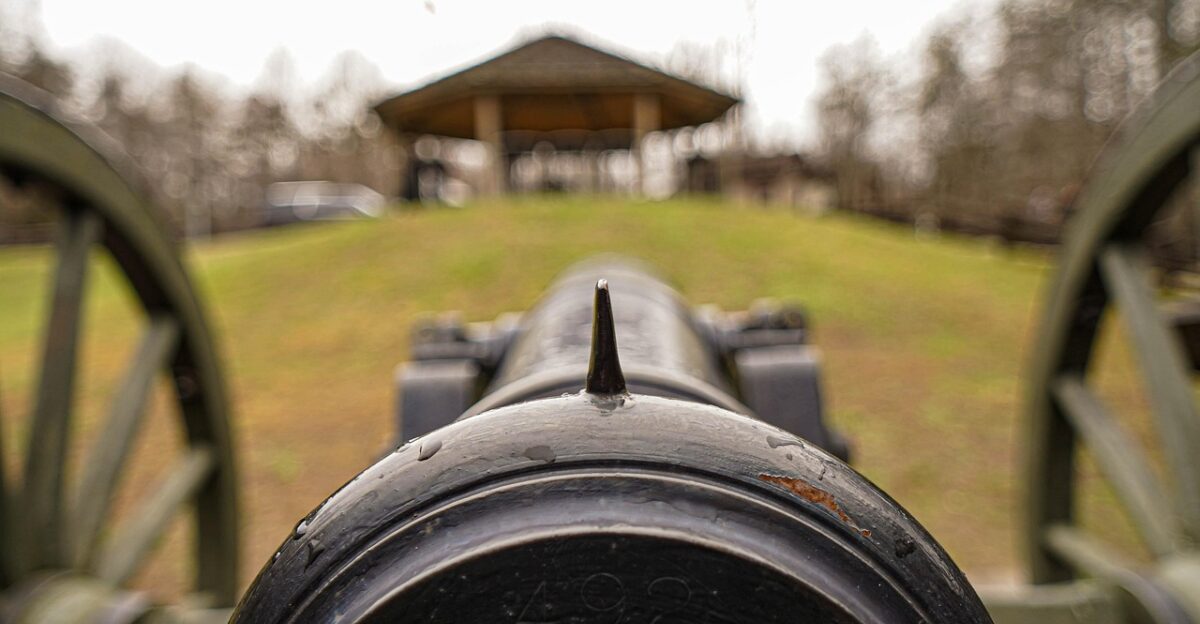
Columbia, South Carolina, served as a strategic stronghold during the US Civil War, witnessing intense battles and devastation. The city became a backdrop for violent confrontations between Union and Confederate troops. The remnants of these turbulent times, preserved in layers of silt and mud, tell stories almost forgotten yet hauntingly familiar.
“We’re not just digging through dirt; we’re sifting through the very essence of our history,” remarked local historian James Carter. Every piece recovered could serve as a testament to the sacrifices made and the lives intertwined in this historical narrative, offering an evocative glimpse into a time of conflict and change.
The Cleanup Challenge
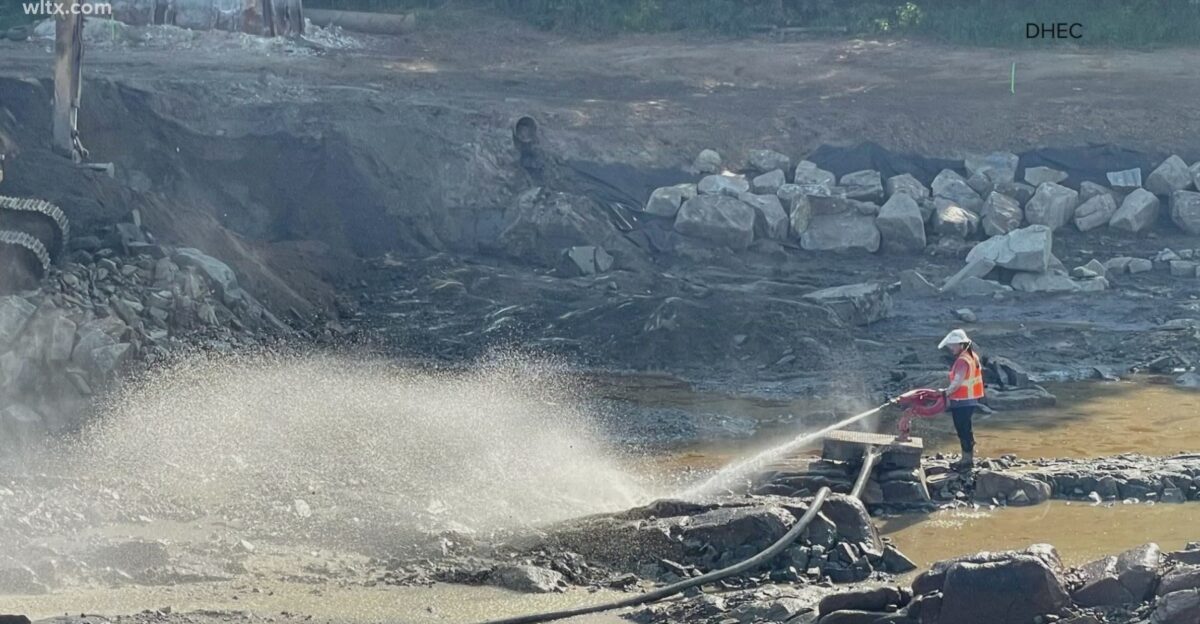
Environmental crews engaged in the daunting task of removing toxic coal tar from the riverbed, a relic of a gas plant long stranded in history. However, the cleanup posed significant challenges, as hidden dangers, including historic munitions and debris, lurked within the river’s depths. “We knew we were navigating a minefield both literally and metaphorically,” said cleanup supervisor Emily Wright.
The combination of ecological restoration and uncovering the past heightened the stakes. As the crew proceeded carefully, the prospect of significant discoveries kept history enthusiasts on edge, eager for a glimpse of Columbia’s remarkable heritage trapped underwater and in time.
Arsenal Uncovered
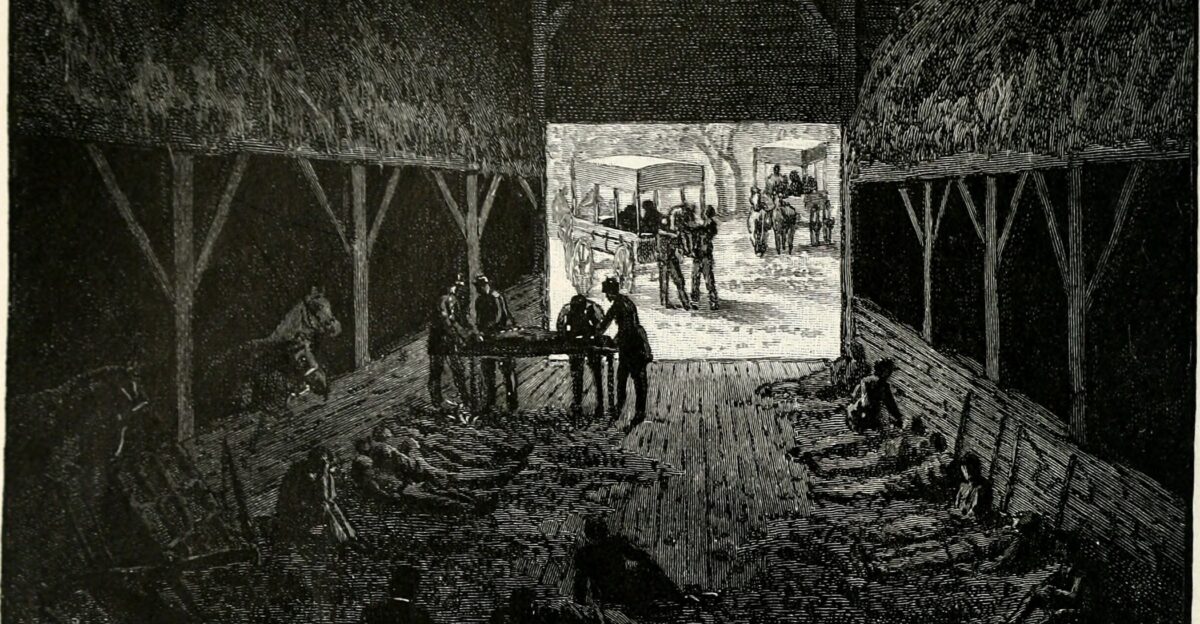
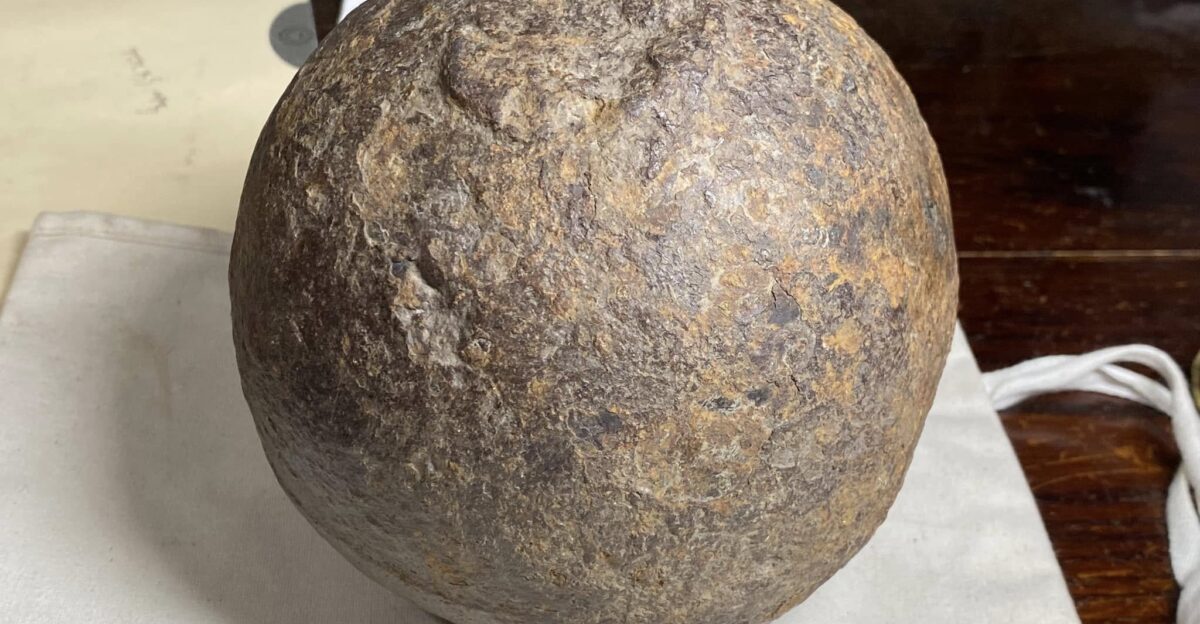
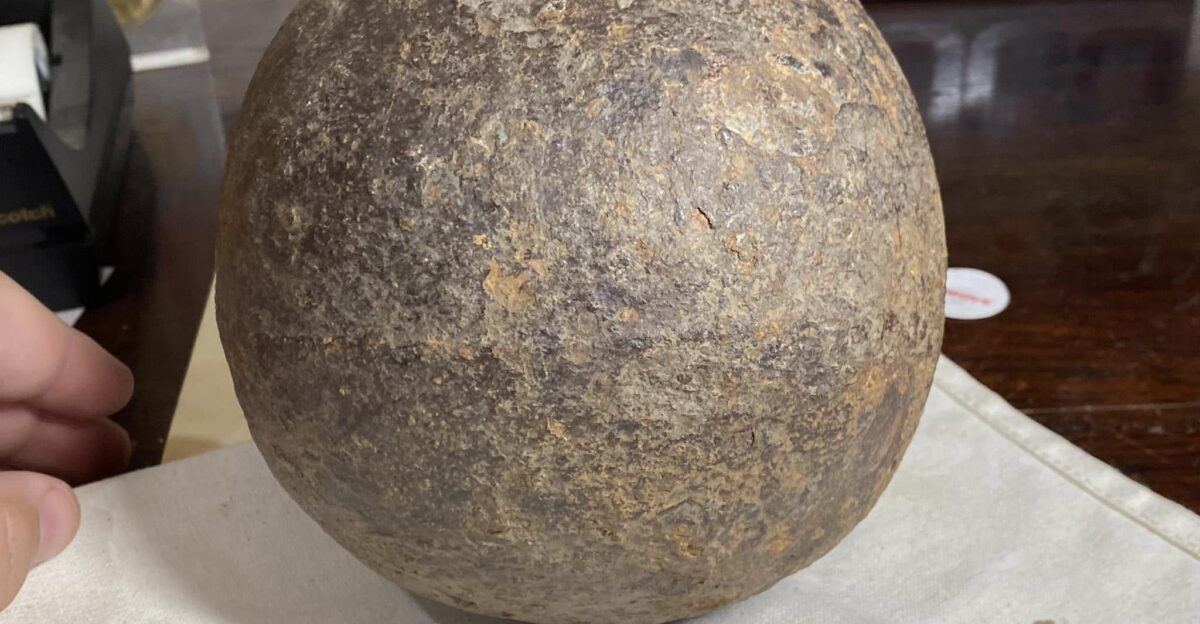
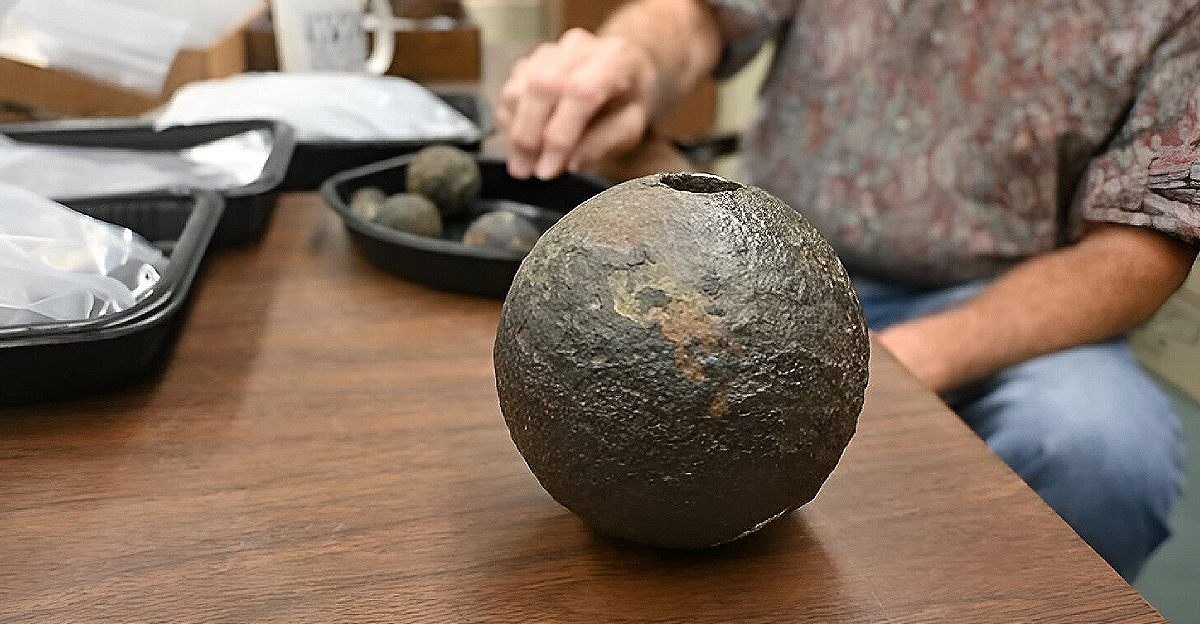
In a remarkable twist during the late stages of excavation, crews unearthed a long-lost Civil War arsenal buried beneath layers of sediment. The cache included cannonballs, artillery shells, swords, and even a wagon wheel, each artifact concealed for over 150 years. “Finding that arsenal was like stumbling into a time capsule,” exclaimed excavation team leader Brian Holt, capturing the sheer astonishment of uncovering such historically rich items.
The discovery reverberated through South Carolina, reigniting a passion for understanding the region’s tumultuous history and providing tangible connections to the past that had remained hidden just beneath the river’s murky surface.
Regional Impact
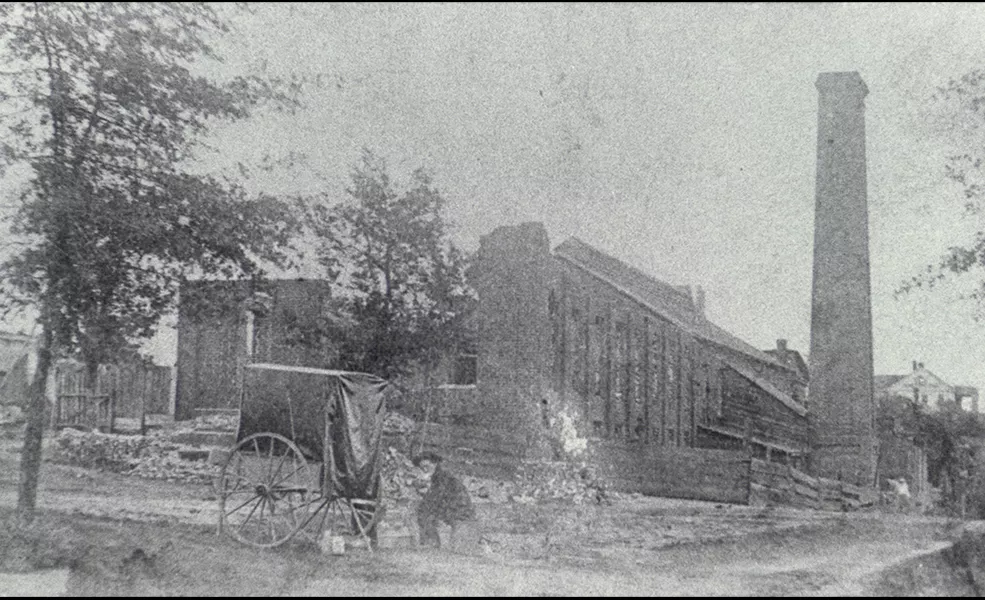
The unexpected discovery of the arsenal ignited conversations across South Carolina, where residents and local institutions rallied to reflect on Columbia’s rich yet violent past. Schools, museums, and cultural organizations understood the significance of these artifacts, as evoking a profound sense of heritage.
“This find represents a bridge between us and our ancestors,” commented local museum curator Daniel Finch. It became apparent that the unearthed items weren’t merely relics but vital links that connected contemporary society to historical narratives, prompting new reflections on identity, heritage, and the shared legacy of those who came before.
Personal Connections
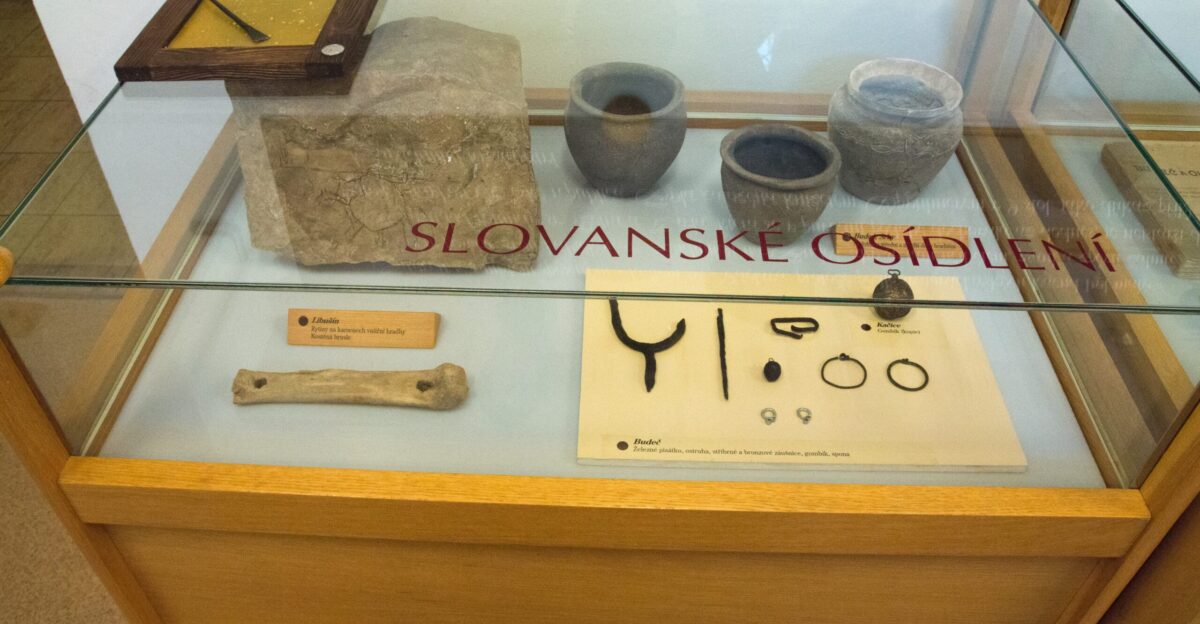
As artifacts made their way to local museums, citizens flocked to the riverbanks, eager to witness history firsthand. “For years, these stories were just words on a page,” remarked Sean Norris, the archaeological program manager. “Now, people are holding that history in their own hands.” Residents felt a raw connection to their past, a shared sentiment of pride and curiosity blooming in the community.
The very act of engaging with these relics transformed their understanding of the Civil War era, illustrating how history could transcend textbooks and emerge as tangible, personal experiences for all observing the resurgence of their legacy.
Artifact Stewardship
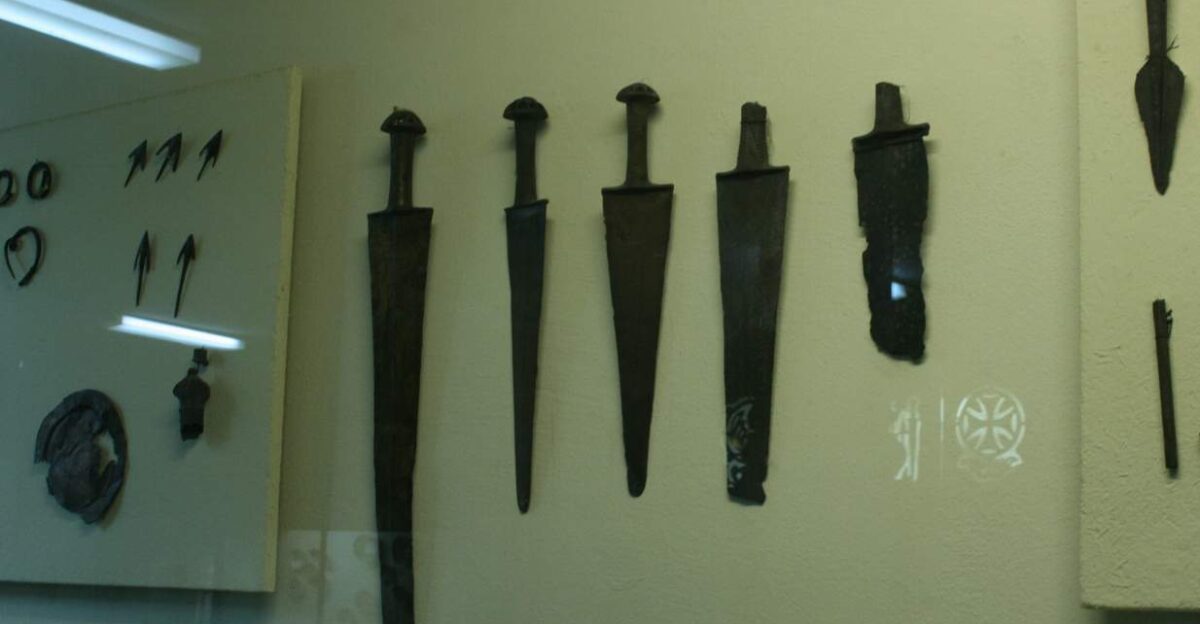
In the wake of the discovery, local museums acted swiftly to preserve and display the artifacts, ensuring they would be handled with the utmost care. Conservation experts warned that old munitions can be unstable, and safety protocols were paramount for both preservations and public interaction.
“We want to share these treasures with the public but must prioritize safety,” noted conservationist Rachel Game. The process of cataloging and securing the collection became a community effort, fostering a sense of responsibility and connection with the shared historical legacy while preparing to reveal these powerful narratives to the public.
Echoes Nationwide

The monumental findings in Columbia sparked a revitalized interest in Civil War routes across the United States. Historians urged for further underwater investigations, believing more hidden treasures may await discovery. “Columbia isn’t alone; it’s part of a larger tapestry of history tracing through this country,” asserted historian Mark Reed.
Several states began increasing funding for underwater archaeology projects, motivated by the success in South Carolina. This newfound enthusiasm not only aimed to unveil more of the country’s submerged military past but also encouraged communities to reconnect with their shared heritage long hidden beneath the waters.
Forgotten Munitions
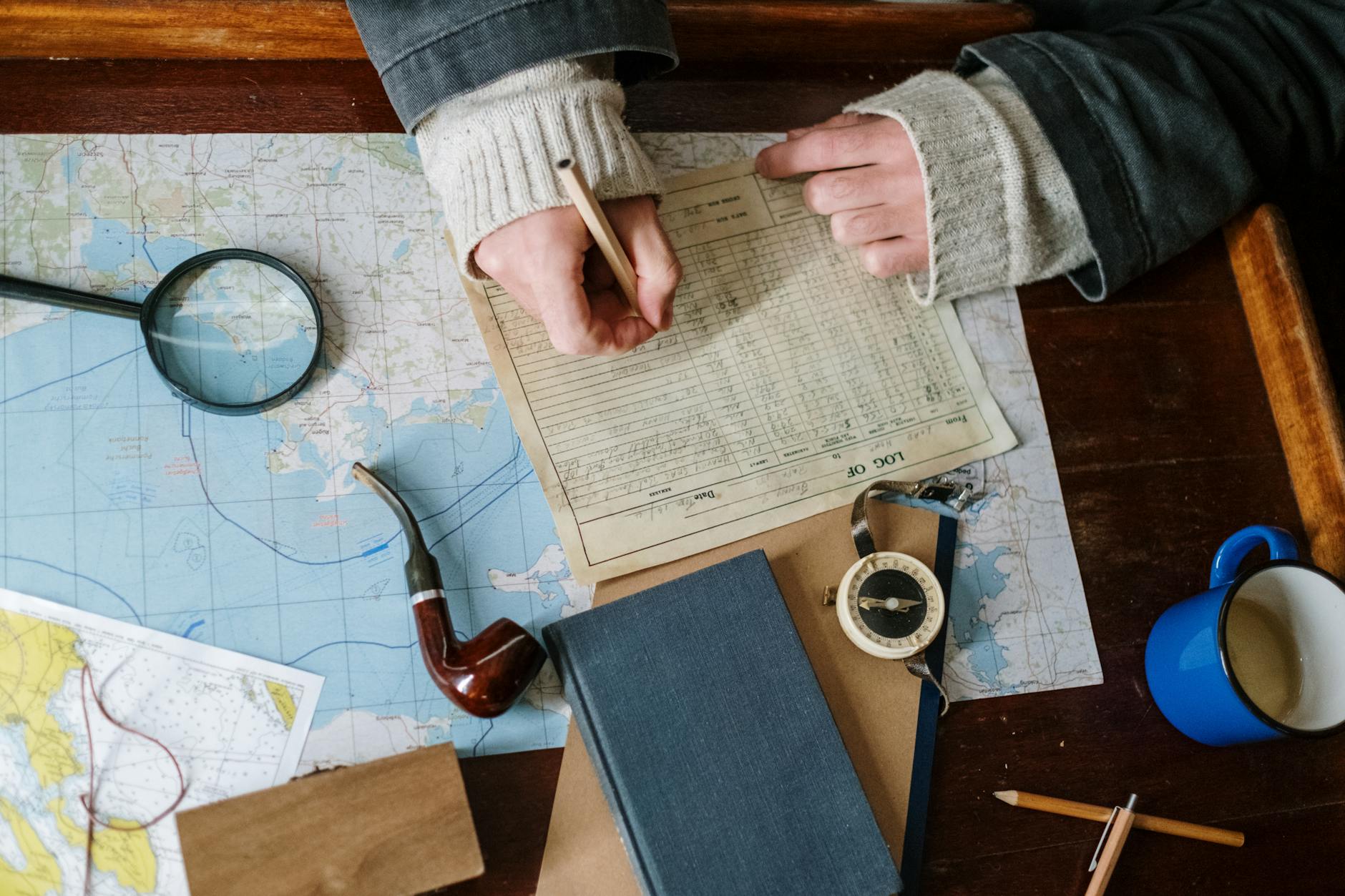
Historical records hinted at desperate measures taken during the Civil War, suggesting Union troops hurriedly disposed of Confederate munitions in the Congaree River to prevent them from falling into enemy hands. “It’s incredible to think these artifacts remained untouched for so long because of the chaos,” said historian Darlene Waters, illustrating the dramatic circumstances surrounding these relics.
The act of disposal by soldiers, intended to conceal their materials, has inadvertently preserved dangerous remnants of that era. Now, as these items resurface, they promise to shed light on the strategies and hardships faced during an intense and tumultuous period in American history.
Hidden Hazards

The cleanup teams not only dealt with environmental concerns but also faced internal tension regarding how to safely address the unexploded ordnance discovered along the riverbed. Collaboration between environmental engineers and bomb disposal units became critical, as ensuring public safety was paramount amid increasing excitement over the finds.
“The thrill of history unearthed has to be balanced with the very real risks we’re handling,” emphasized safety officer Brian Lee. This intersection of history and safety highlighted the complexities of urban archaeology, where each excavation could lead to unforeseen challenges amid the growing anticipation of what lay beneath.
Museum Ownership
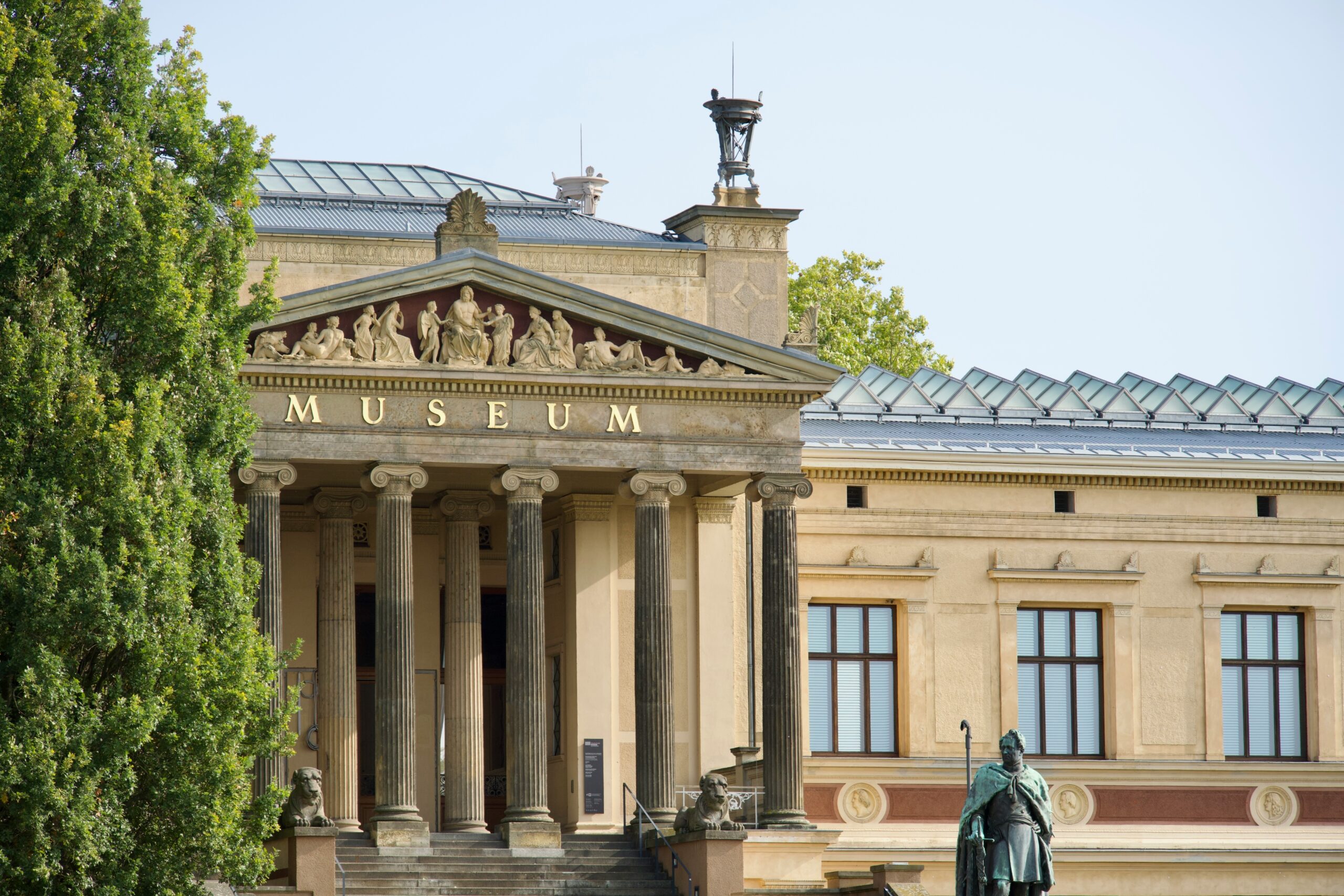
Ownership of the recovered arsenal now rests with the South Carolina Confederate Relic Room and Military Museum. This agency assumes the crucial responsibility of cataloging, securing, and showcasing these artifacts while prioritizing public access without sacrificing artifact safety. “We’re excited to be custodians of this remarkable history,” said museum director Alan Carter.
The artifacts’ new home promises to serve as a place where stories will be told and preserved, fostering education and appreciation for a past that resonates deeply with the local community and beyond, reinforcing the need to remember and respect historical narratives.
Restoration Efforts
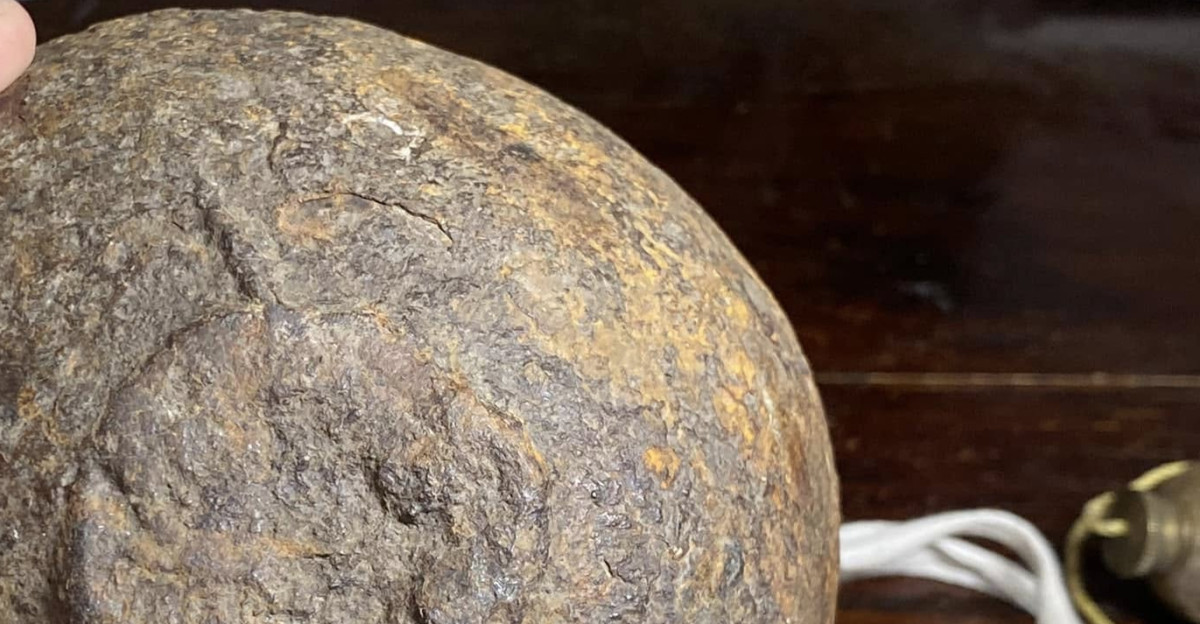
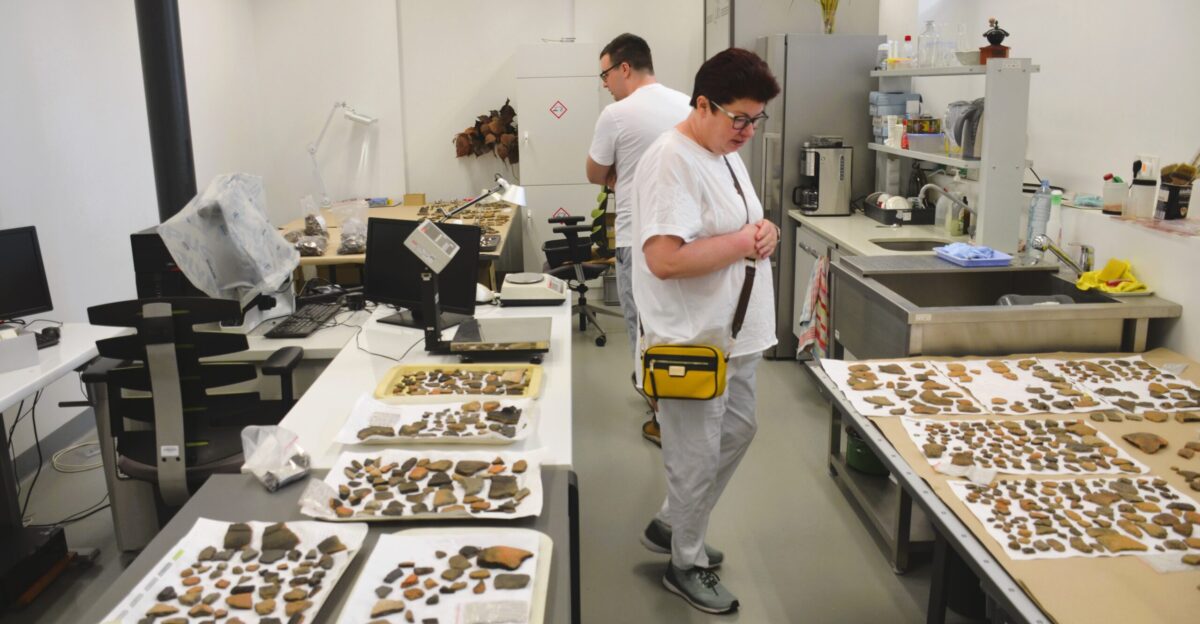
In response to the discovery, experts initiated comprehensive restoration plans aimed at gently cleaning and conserving individual items. The delicate nature of some of the pieces, including the wagon wheel and saber blades, required specialized techniques due to their fragile state after so many years submerged in waterlogged debris.
“Restoration is both an art and a science; it’s about balancing preservation with the desire to share these stories,” noted conservationist Laura Evans. Every step of this process reflects a commitment to honoring the past and ensuring these artifacts can be safely enjoyed by future generations.
Cautious Optimism
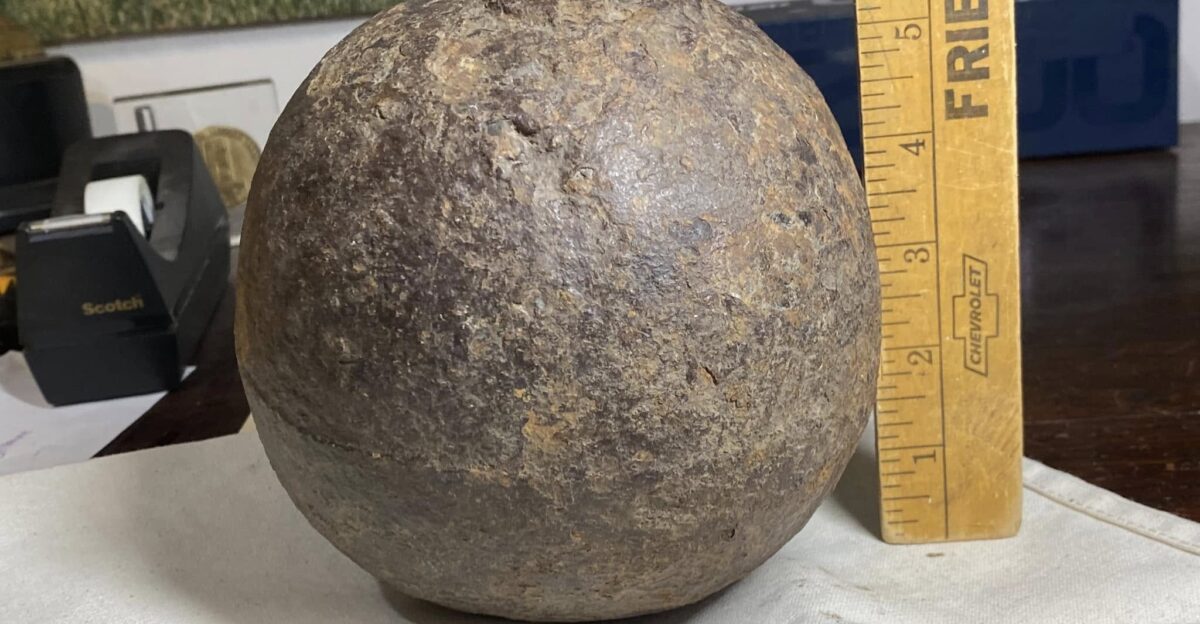
Despite the excitement surrounding the findings, not all curators felt confident about the potential hazards of handling such age-old munitions. “There’s always risk with munitions this old,” acknowledged Dr. Robert Johnson, an archivist with years of experience in military history.
Yet, he expressed optimism that these artifacts could unlock new insights into the complexities surrounding the Civil War. “This discovery challenges us to reconsider our understanding of that era, and what we can learn from it.” The balance of hope and caution underscores the careful approach necessary in the face of potential historical revelations.
Looking Ahead
The successful uncovering of Columbia’s Civil War arsenal raises a compelling question: will more hidden arsenals emerge from waterways as expansion efforts continue across the Southeast? Archaeologists predict it is likely, asserting that each environmental cleanup could uncover not only remnants of the past but also enhance local ecosystems.
“Every project holds the promise of double discovery a healthier environment and history unearthed,” remarked archaeologist Emma Ross. With heightened interest and an achieved synergy between conservation and historical inquiry, communities may continue to find value in their natural and cultural landscapes intertwined.
Policy Implications
The astonishing finds in Columbia have reignited critical discussions surrounding the protection of archaeological sites during urban development. Local activists are advocating for policies to safeguard such hidden treasures amid construction. “We need to strike a balance between growth and preservation,” stated local community leader Sarah Mills.
Heightened awareness around the intersection of urbanization and historical preservation urges policymakers to consider stringent measures to prevent history from being overlooked amid development, fostering collaboration between city planners, archaeologists, and the community to ensure that the past informs the future effectively.
Educational Opportunities

This discovery presents a unique chance for educational programs and community engagement in Columbia. Schools have begun integrating these findings into curricula, sparking discussions about local history and the Civil War’s impact on modern society.
“Kids are excited to learn about history in a tangible way,” noted history teacher Jennifer Green. By examining actual artifacts collected from their own backyard, students perceive the relevance of history more vividly, fostering a generation that values heritage and champions ongoing exploration and learning around stories of the past and their connection to identity.
Community Involvement

The community’s response to the discoveries has catalyzed a series of town hall meetings, where locals gather to discuss the implications of their findings. “This is more than just history; it’s about our identity,” expressed longtime resident Tom Bowers. Local residents have taken an active role in advocating for ongoing archaeological efforts and protecting sites of historical significance.
As conversations flourished, more citizens began volunteering for community projects focused on preserving local heritage, fostering a collective resolve that history is best appreciated when shared and maintained as a living narrative woven into their community fabric.
Future Discoveries
Eager anticipation builds around the potential for future archaeological discoveries in the region. As conversations about the interconnectedness of environmental restoration and uncovering hidden history expand, experts speculate about what more might lie beneath other waterways. “Each project could potentially craft a new narrative,” said archaeologist Rebecca Holden.
Therefore, ongoing funding and community support for environmental and archaeological initiatives will be essential. With curiosity driving the next chapter in this unfolding story, Columbia might witness more moments of excitement as history continues to resurface in the most unexpected places.
A Legacy Renewed
In the wake of these discoveries, Columbia finds itself at a crossroads of history and progress. The unearthed artifacts not only bridge the gap between past and present but also illuminate the ongoing dialogue about heritage in an evolving society. “We’ve opened a door to our past, and we must walk through it with responsibility and reverence,” said community historian Anna Lee.
The commitment to understanding and celebrating the complexities of local history now stands at the forefront, inspiring future generations to cherish the rich tapestry of their shared legacy and remain vigilant in preserving and uplifting their unique historical narratives.