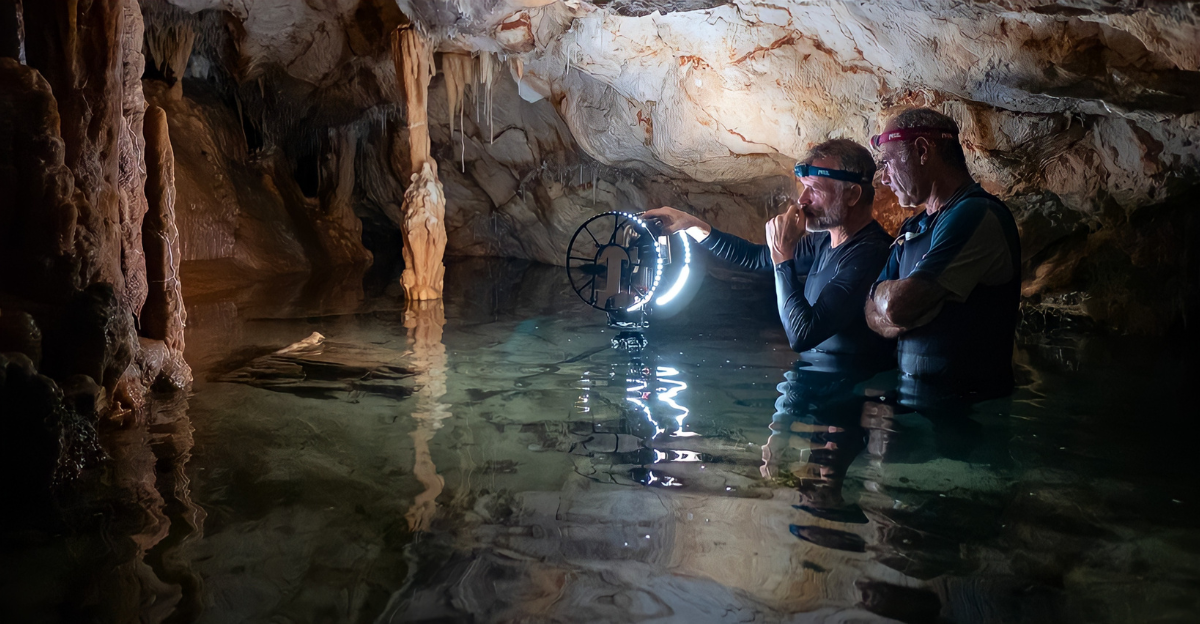
Hidden in northeastern Alabama is a cave that holds one of the most detailed records of human life that has ever been found in North America. At first, Russell Cave looks like just another stony overhang, but if you take a closer look inside, it tells a story going back over 8,700 years.
Archaeologists have exposed layer after layer of proof demonstrating how people lived, cooked, hunted, and even adapted to changing climates over thousands of years. This cave is a natural archive preserved in ash, stone, and bone, and one of the continent’s earliest examples of human life.
A Quiet Entrance Hides a Massive Discovery
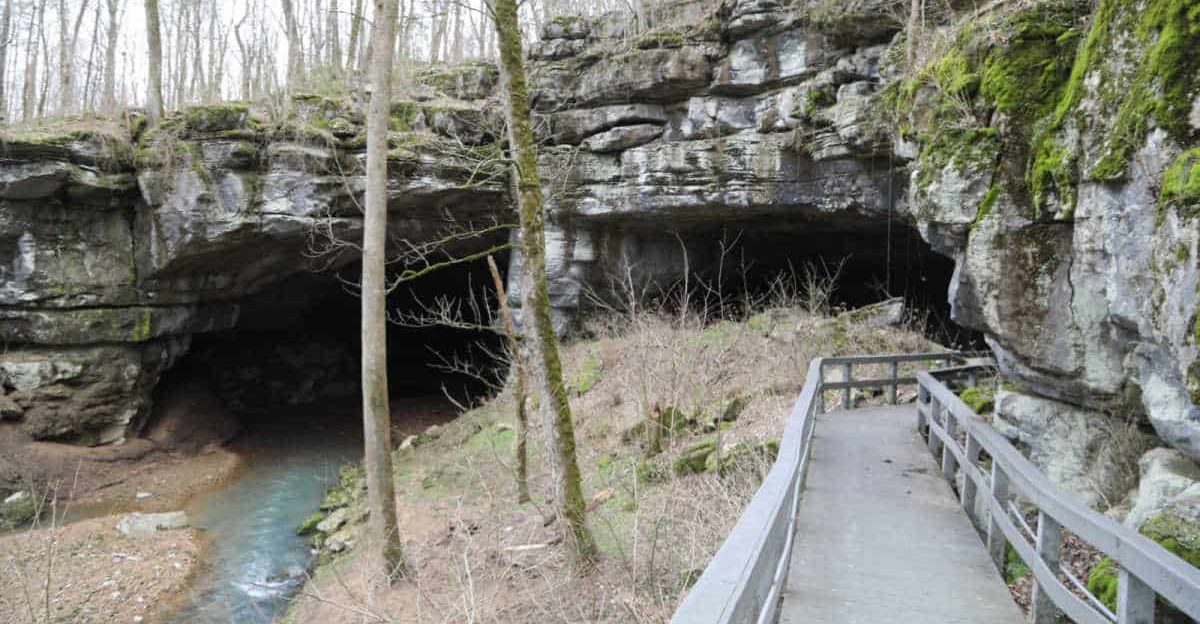
To most people, Russell Cave might look like nothing special. It looks like a simple, shallow opening in a hillside encircled by trees. But this entrance leads to a system that stretches over 7 miles underground. What makes the cave unique isn’t just its size, but also what was left behind inside it.
Why This Cave Was So Perfect for Survival
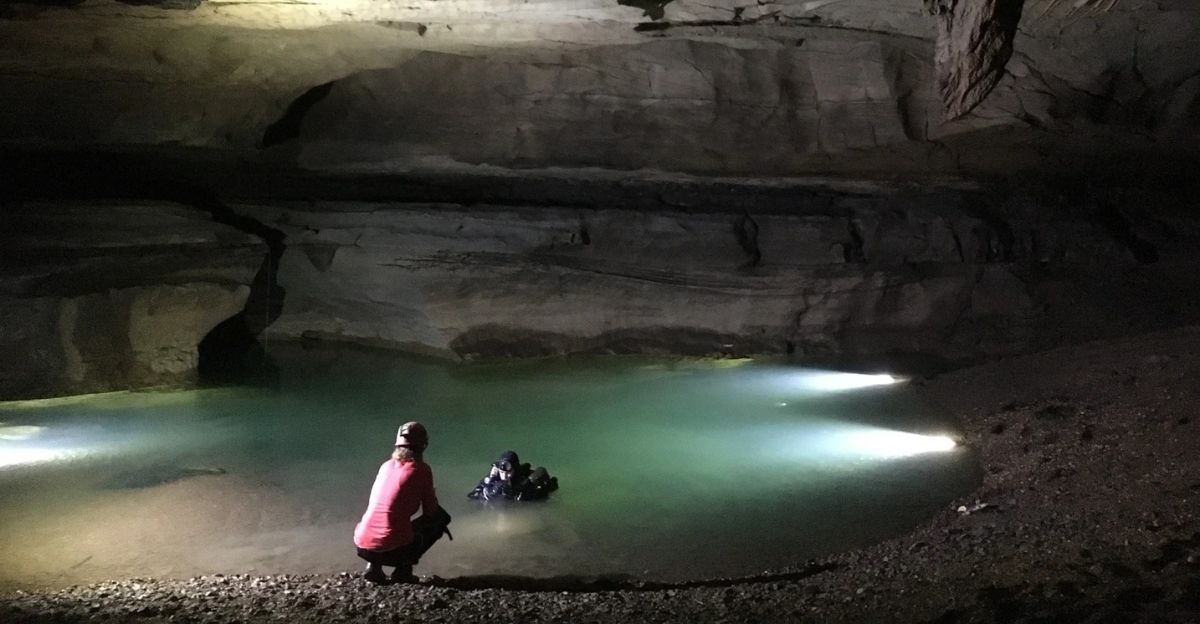
Thanks to an underground spring, Russell Cave offered stable year-round temperatures and a constant water source.
These features made it ideal for early humans, who had to live through harsh seasonal changes outside. Over time, it became a reliable shelter and, ultimately, a home.
The Daylight Fell In
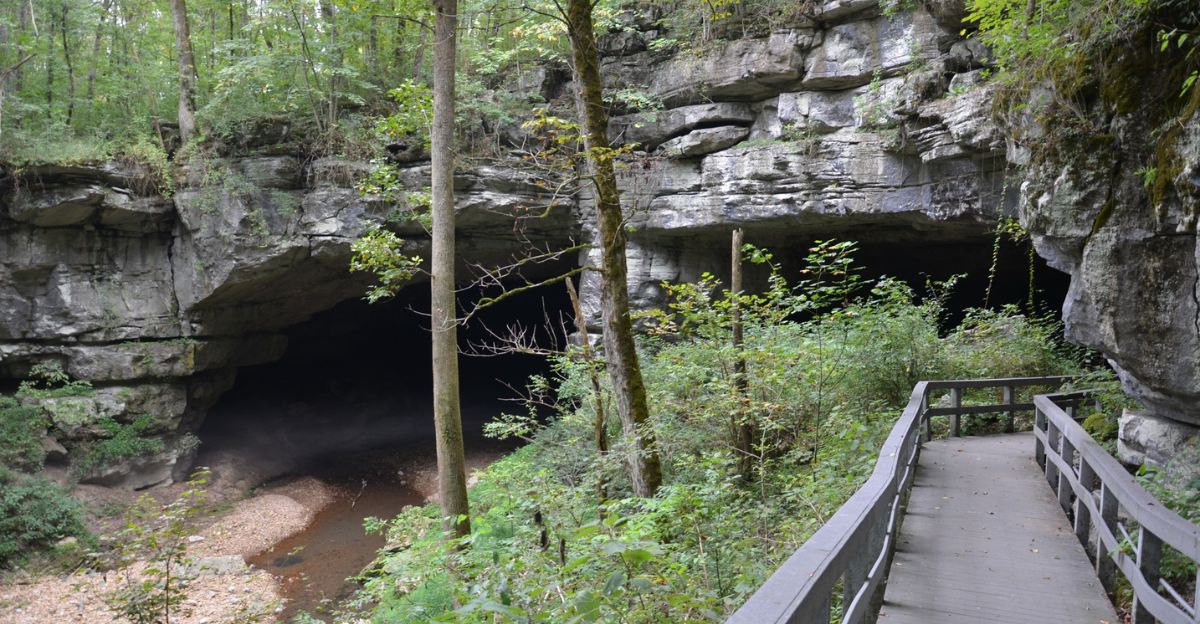
But over time, parts of the cave’s ceiling collapsed. This formed the entrance we see today and made the cave more accessible to the outside world. Once it had opened, it became a popular and long-term stop for generations.
Evidence of the First Inhabitants
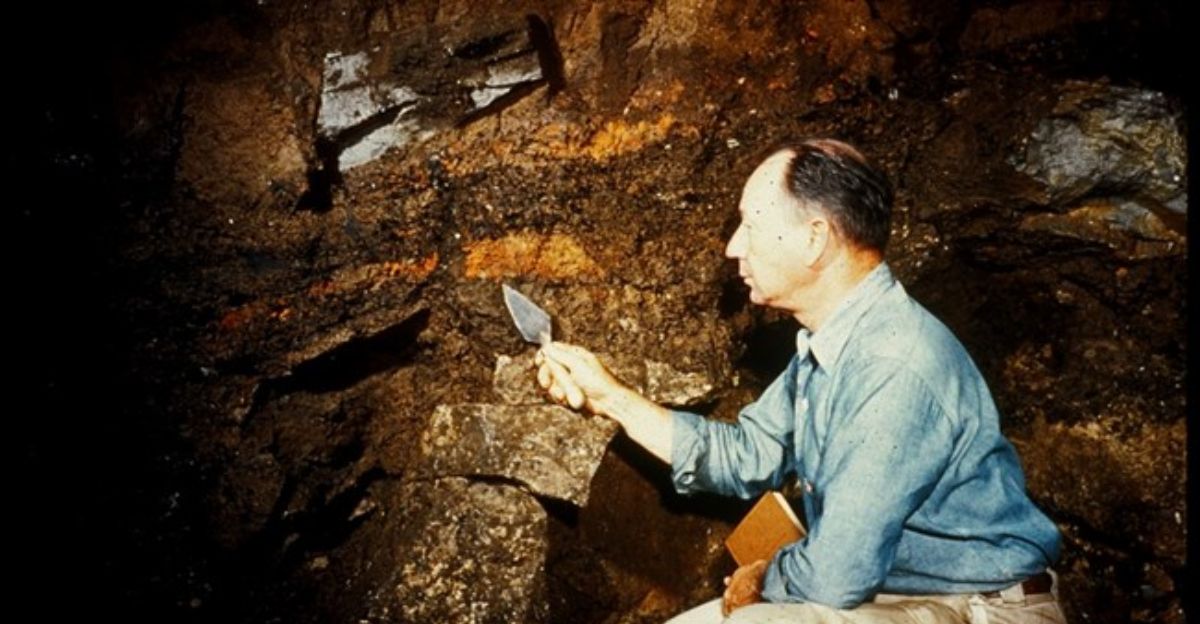
Carbon-dated charcoal from early fireplaces suggests that people began living in the cave between 6550 and 6145 BCE.
These early inhabitants lived during the Archaic period and presumably traveled in small groups, gathering and hunting along river valleys.
Hunting Tools Left Behind
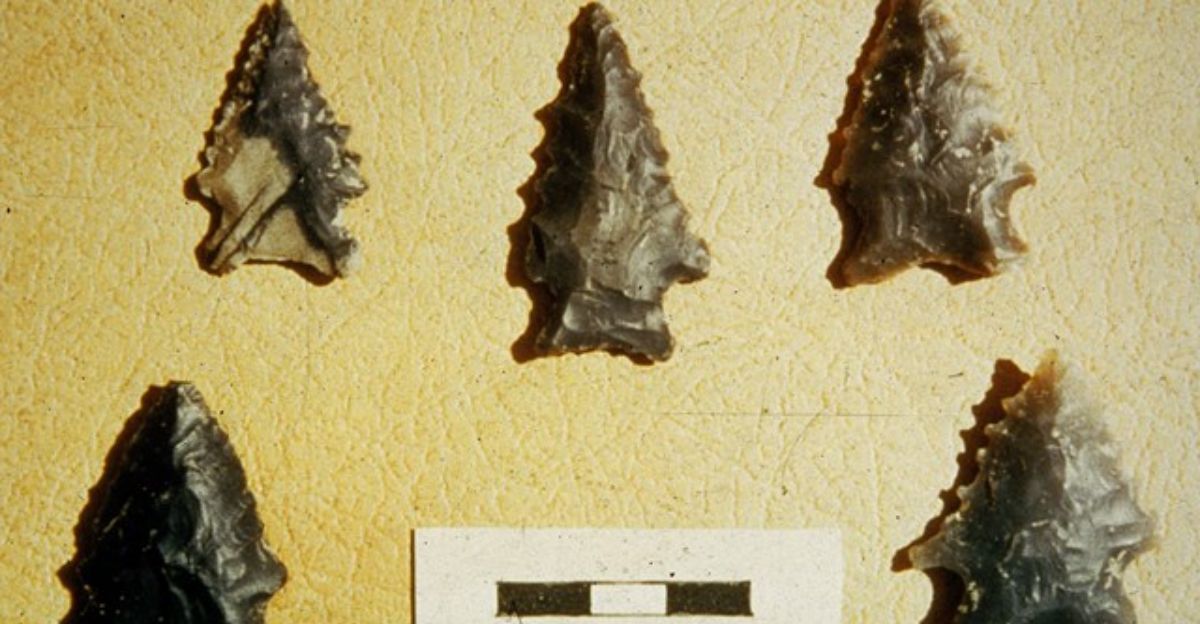
Stone spear points and atlatls, which are throwing sticks that enabled spears to be thrown farther, were discovered in the cave’s lowest levels.
These tools reveal that early cave dwellers were experienced hunters who made the most of local materials like chert in nearby limestone.
The Wildlife of Ancient Alabama
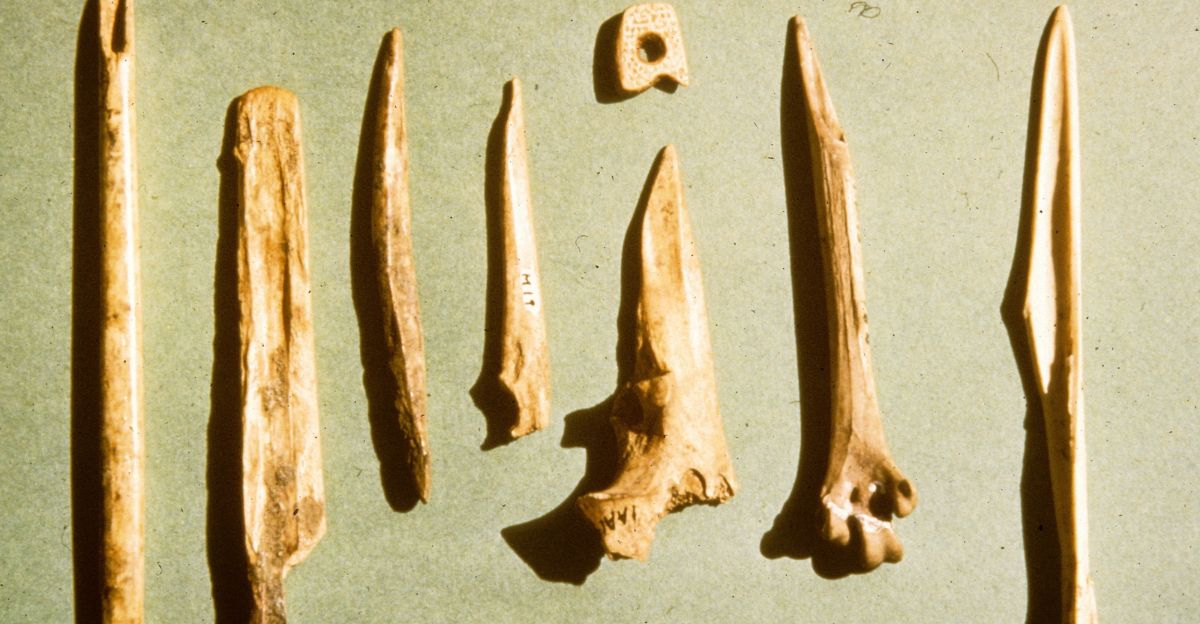
Bones of deer, turkey, and squirrel were found in the cave. However, extinct species like giant armadillos and peccaries also once roamed here, representing a broader glimpse of prehistoric biodiversity.
A Shift in Culture and Tools
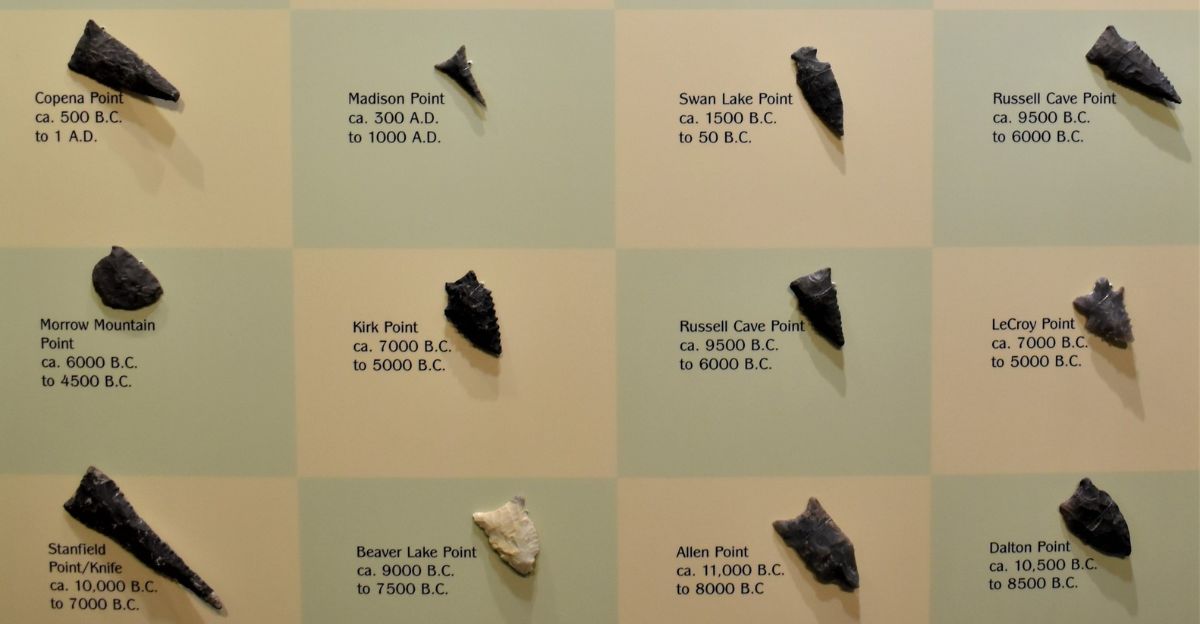
Pottery began to appear around 500 BCE. This marks the Woodland period, when life at the cave started evolving. Cooking and stowing food became possible, and a lot changed with the arrival of the bow and arrow.
More Than Just Food: Early Plant Cultivation
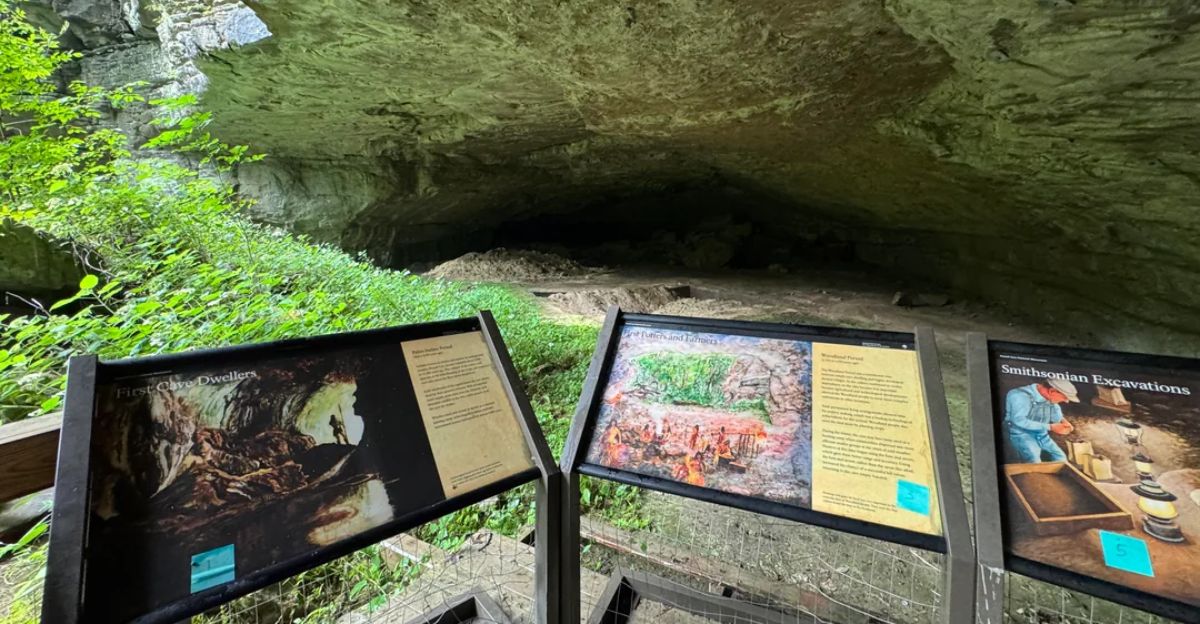
Archaeological evidence indicates that early inhabitants experimented with cultivating plants for food, which was an essential step toward agriculture that transpired long before maize farming evolved in other regions.
From Hunters to Gardeners
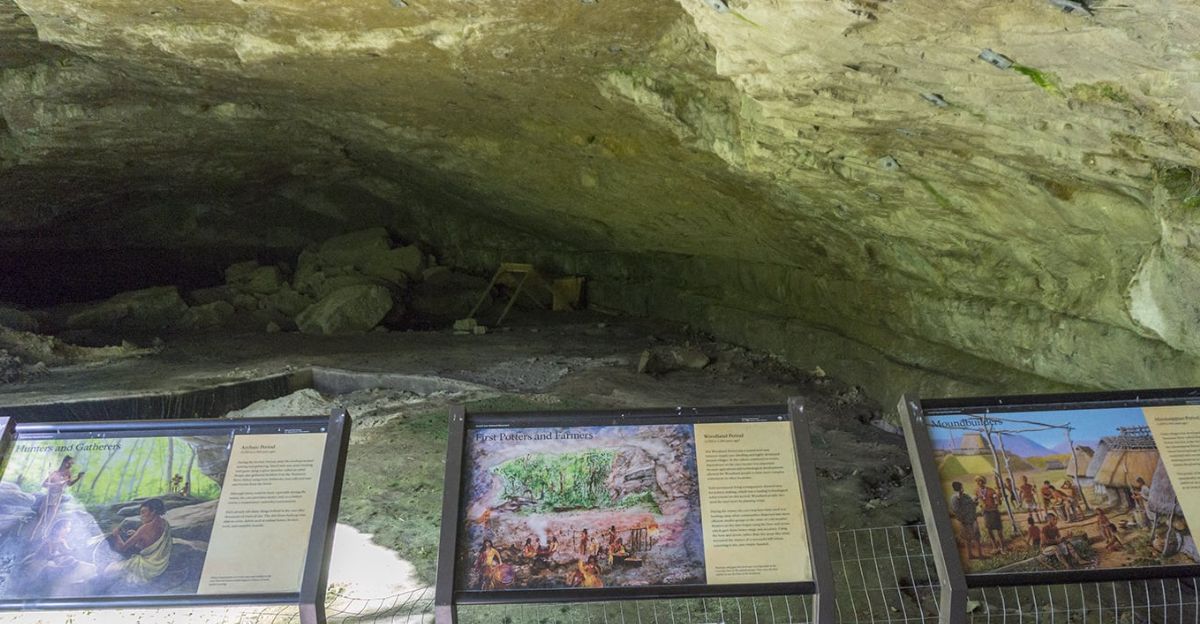
These early domesticated plants symbolise a shift from pure hunting and gathering to planned cultivation.
While farming wasn’t yet prevalent, it was beginning, offering new food sources and altering how people lived and worked.
The Mississippian Era and Changing Patterns
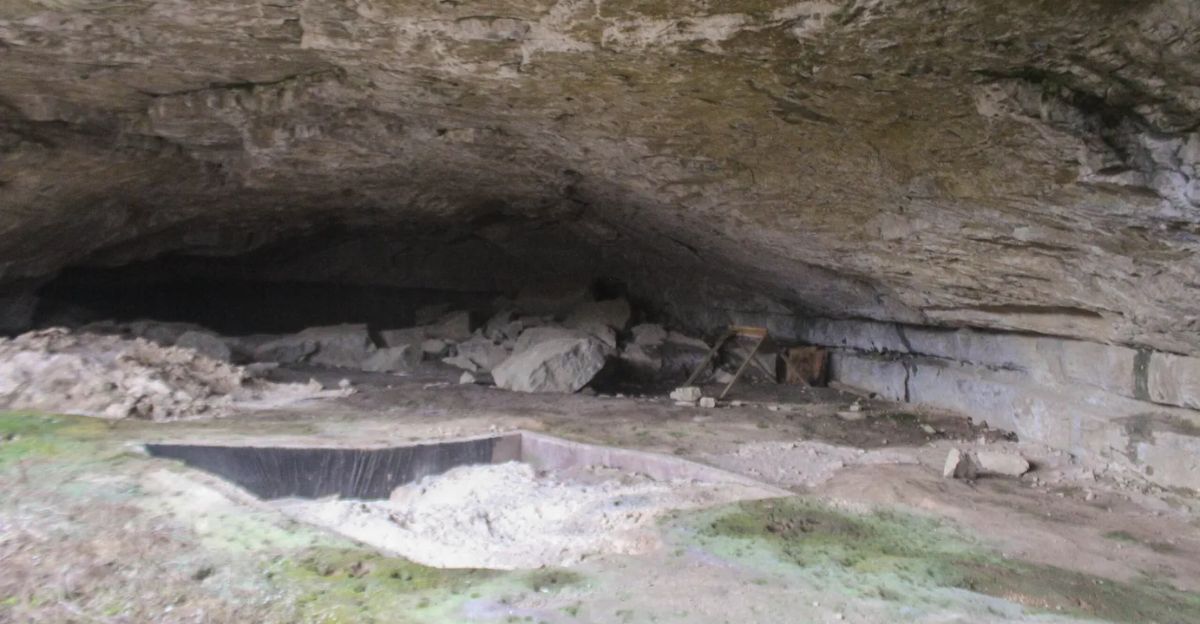
By 1000 CE, the Mississippian culture began to monopolize the region. With more extensive villages originating along rivers and more developed farming practices, people started utilizing the cave differently.
Instead of being completely abandoned, the site witnessed changing patterns of use that persisted through the Mississippian period (1000-1600 CE).
Mississippian Culture in Full Swing
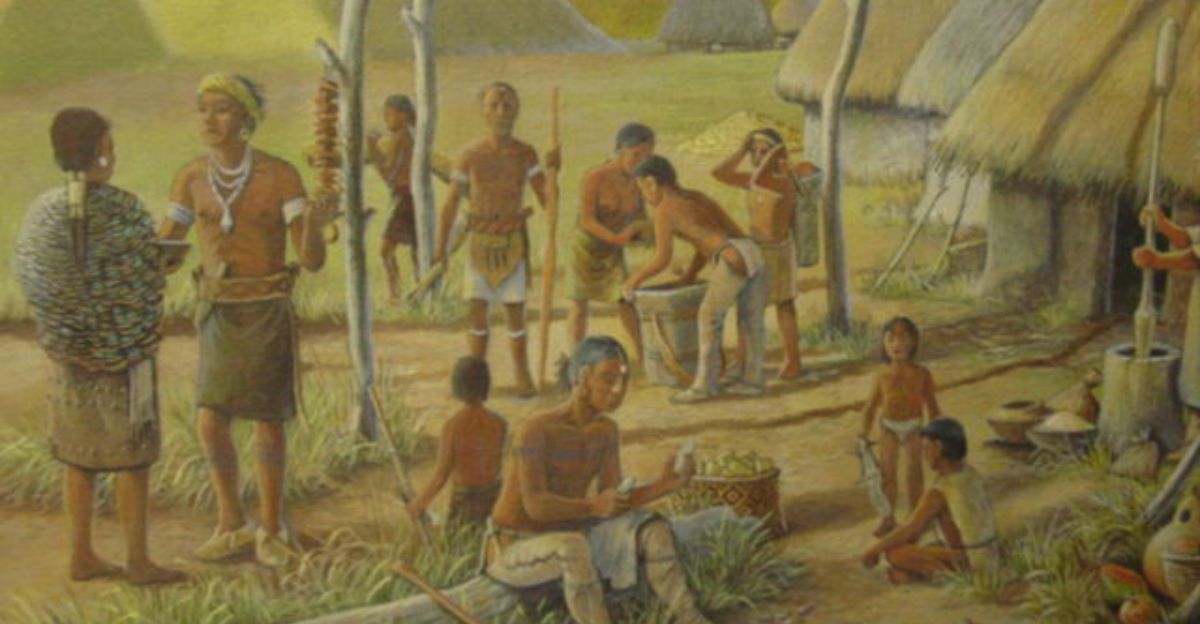
Mississippian communities constructed large settlements with permanent homes and ceremonial structures.
They formed organized communities, intensive farming systems, and trade, going further than the small groups who once used the cave.
The End of an Era
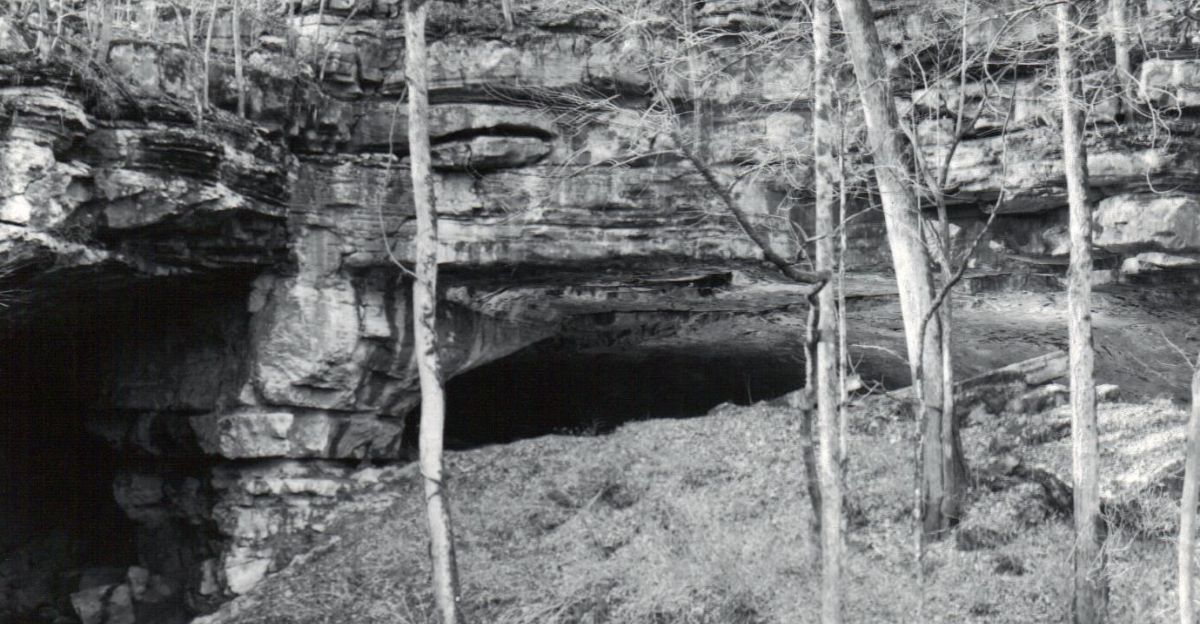
By around 1650 CE, soon after European contact, the cave was no longer used. Cultural changes, disease, and shifting land use patterns led to the decline of numerous Native societies in the region, and the cave’s long era ended.
How the Cave Was Rediscovered
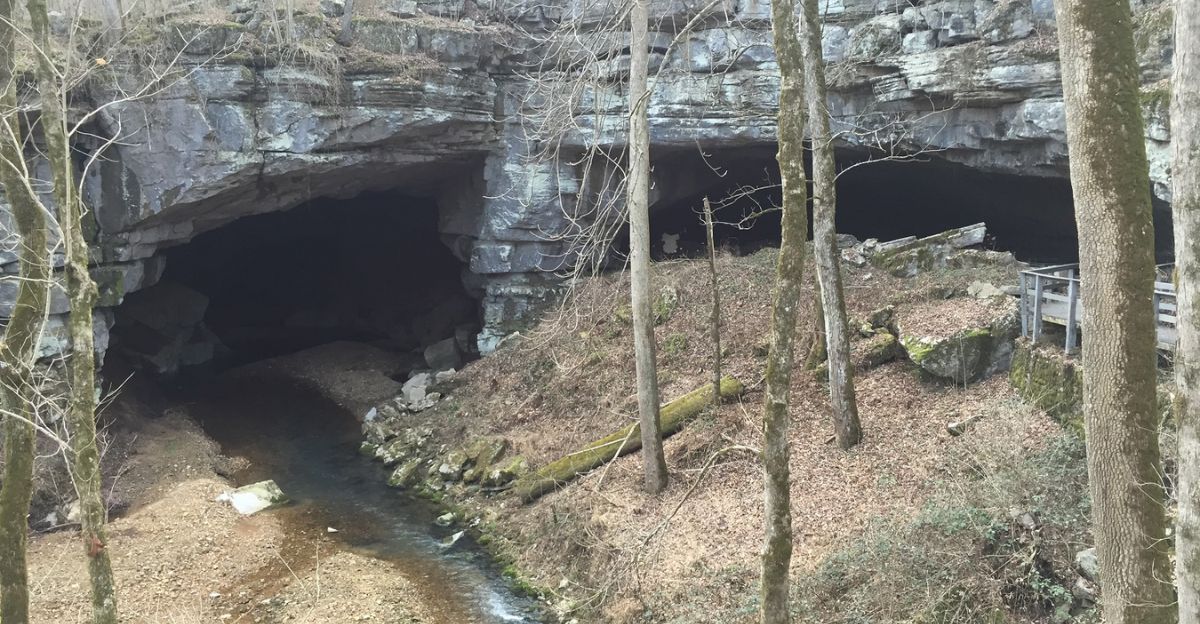
Though locals knew about the cave for generations, its archaeological value wasn’t fully understood until the 1950s.
Excavations commenced in earnest, and scientists soon realized the site contained an almost unbroken timeline of prehistoric life spanning around 8,700 years.
A Layer Cake of History
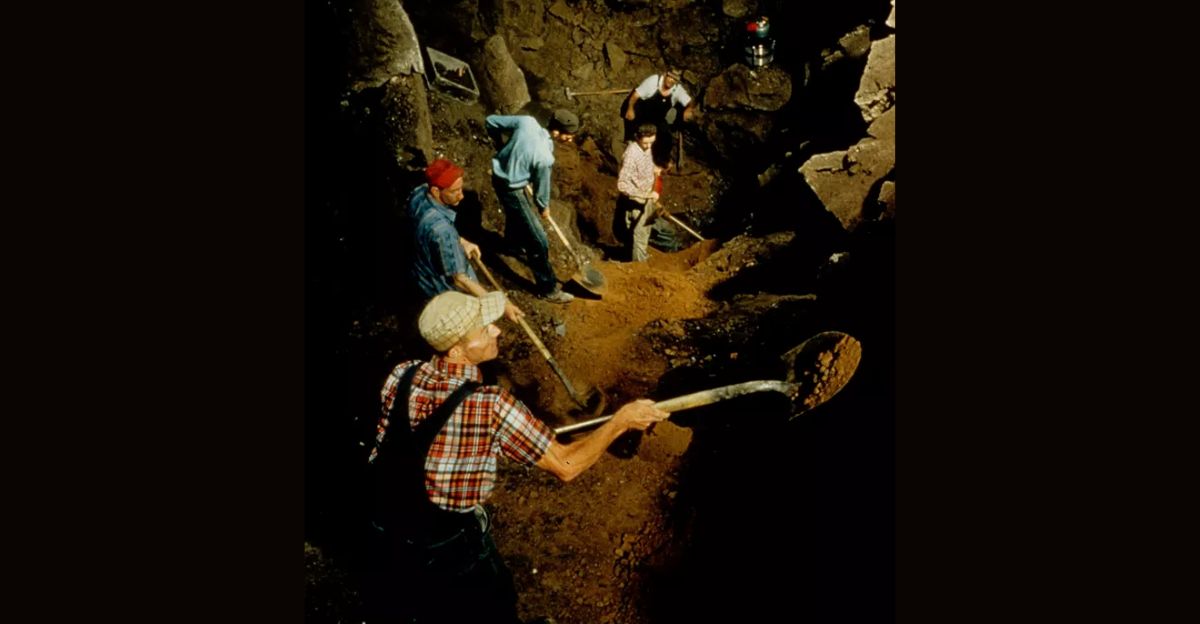
Archaeologists dug through separate layers, each illustrating different periods and lifestyles. Tools, food remains, ashes, and other debris built up over time, forming a clear record of how life developed in the region.
Why Russell Cave Matters Today
This site is unique because it contains so much information in a single place. Most ancient sites offer only glimpses of life.
Russell Cave provides an evolving story of thousands of years, making it a goldmine for researchers investigating early North America.
A National Monument Worth Visiting
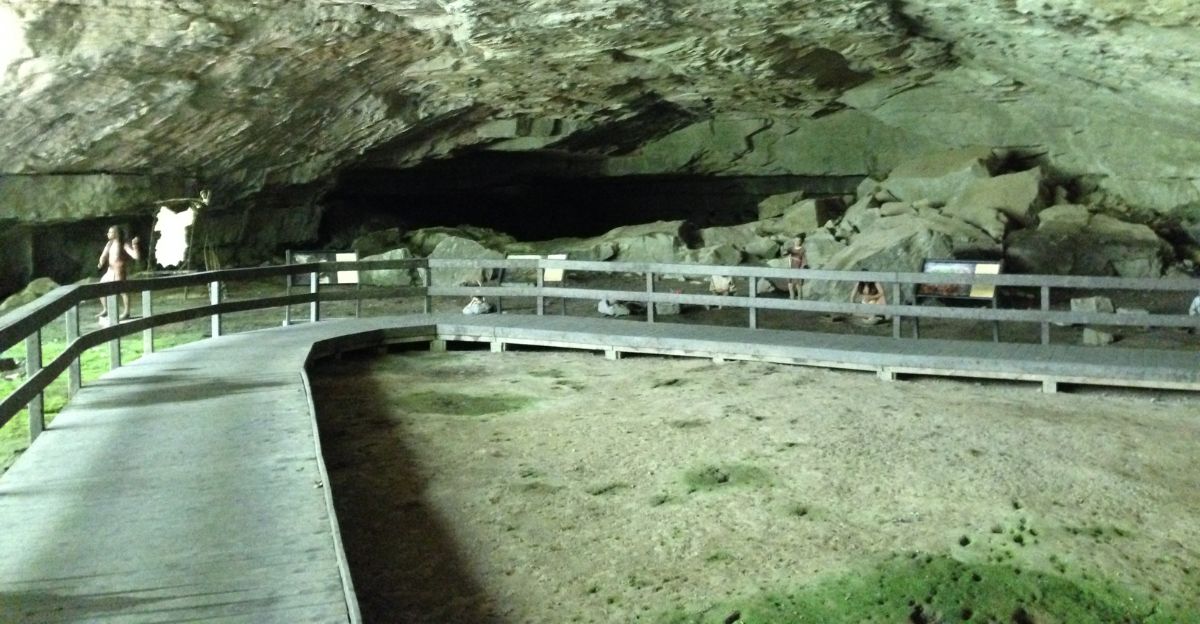
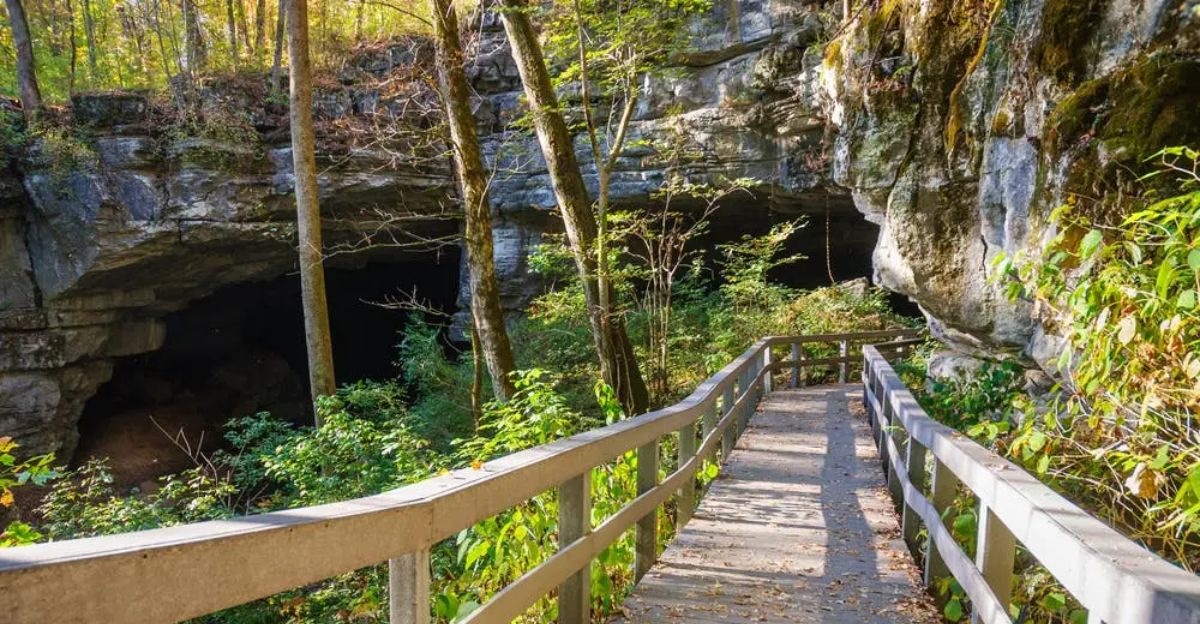
In 1961, Russell Cave was established a National Monument. Now, visitors can walk a raised boardwalk to view the cave shelter, investigate a small museum, and see replicas of the instruments and relics unearthed from inside the cave.
Living Traditions, Living History
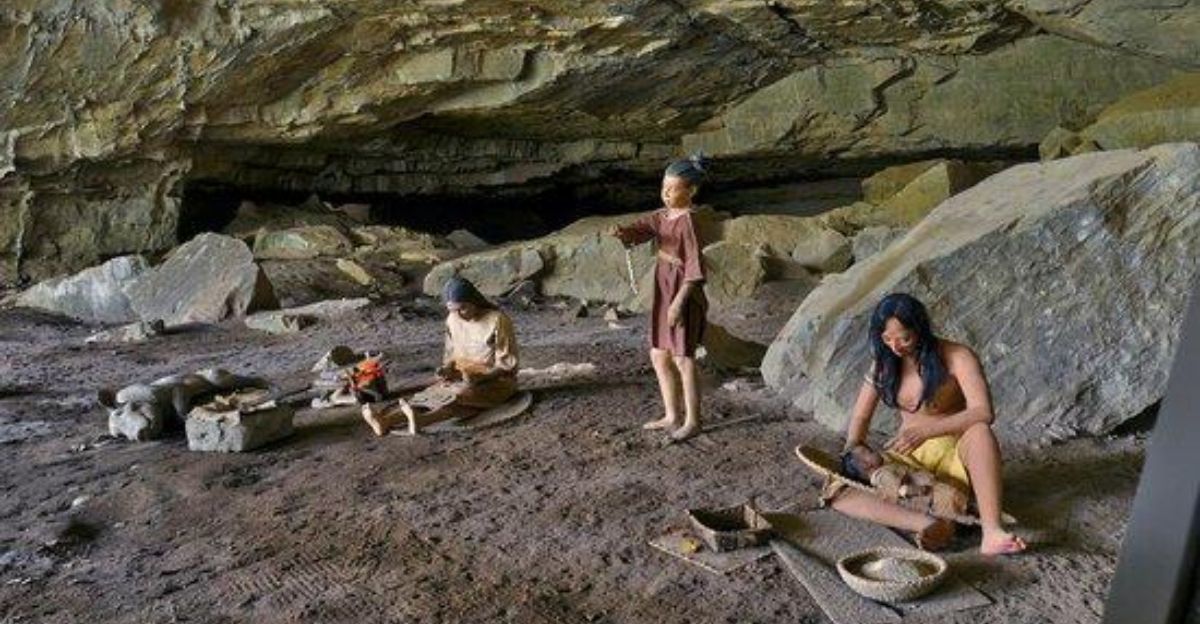
The site hosts events that connect visitors to the region’s Native American heritage, including demonstrations of traditional crafts and ways of life.
These circumstances connect the past to the present and celebrate the people who once called the cave home.
What We Still Don’t Know
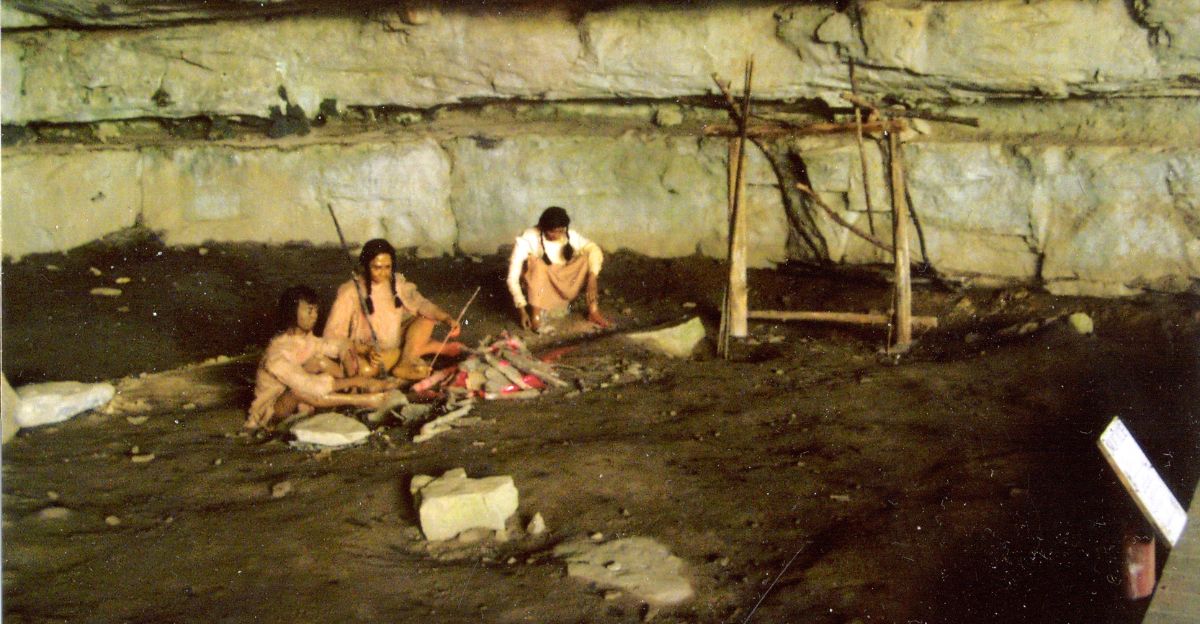
However, despite decades of research, many questions remain. Who were the earliest families to use the cave?
How did their way of life change across millennia? Every new discovery at Russell Cave adds an extra piece to America’s human history puzzle.
A Hidden Time Capsule Beneath Our Feet
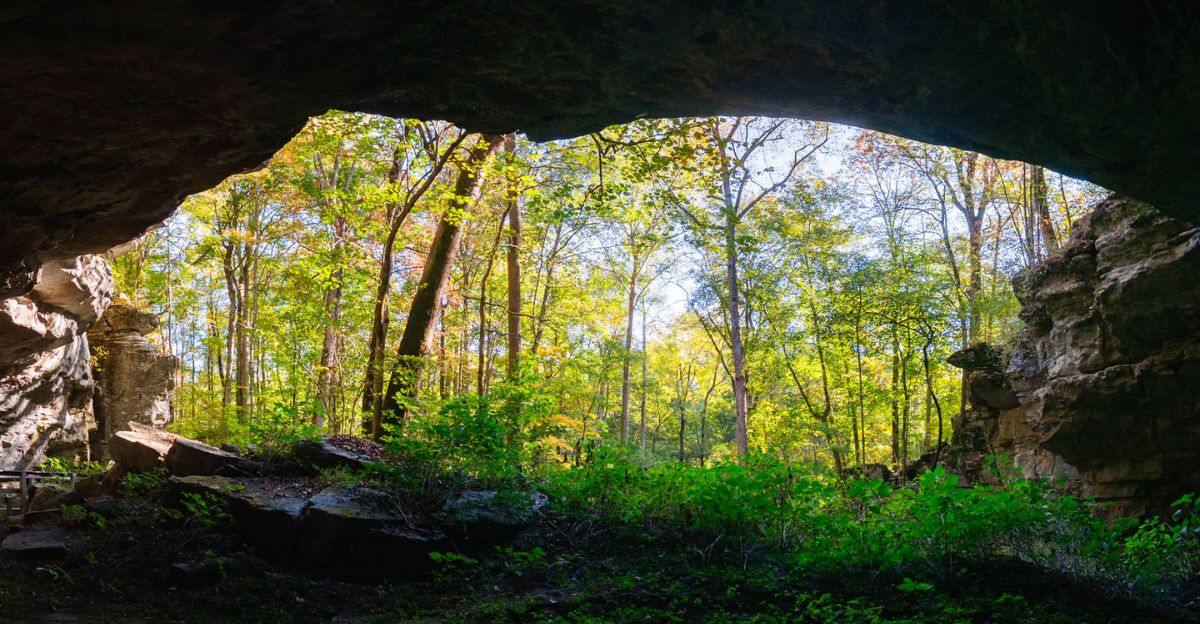
Russell Cave isn’t flashy or well-known. It may, however, be one of the most significant archaeological locations in the United States.
Quietly, patiently, it has preserved a story of survival, adaptation, and human strength for almost 9,000 years.
Sources:
“Prehistoric Cultures.” National Park Service, Russell Cave National Monument, 2015.
“Investigations in Russell Cave: Russell Cave National Monument, Alabama.” John W. Griffin, Publications in Archeology Series No. 13, National Park Service, 1974.
“Russell Cave.” Encyclopedia of Alabama, 2023.