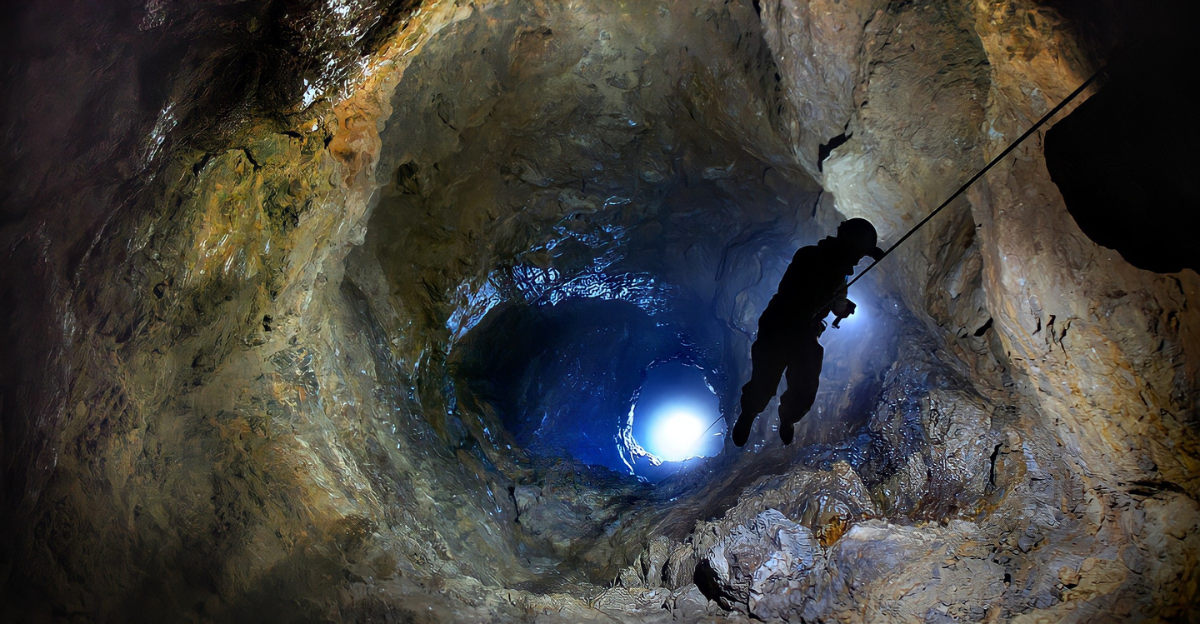
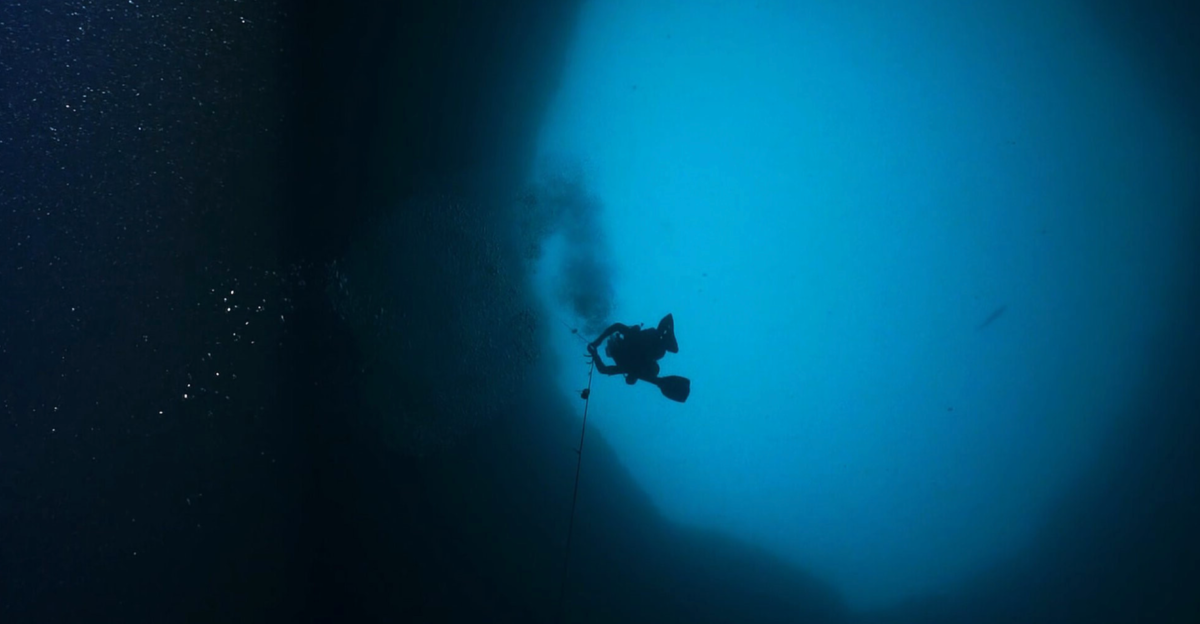
The boundaries of geological and oceanographic knowledge are redefined by the discovery of a deep blue hole inside a massive 500-foot cave. Vertical, water-filled sinkholes known as “blue holes” are uncommon, harsh environments created when limestone dissolved during previous ice ages and later filled with seawater as sea levels rose.
This “abyss within an abyss” is especially noteworthy because it challenges scientific models of the formation and evolution of subterranean terrain and points to a cave system that is deeper and more complex than previously thought. The finding highlights the intricacy of underwater karst systems and their possible impact on global geochemical cycles, opening new avenues for our understanding of subterranean landscapes.
Origins in Geology
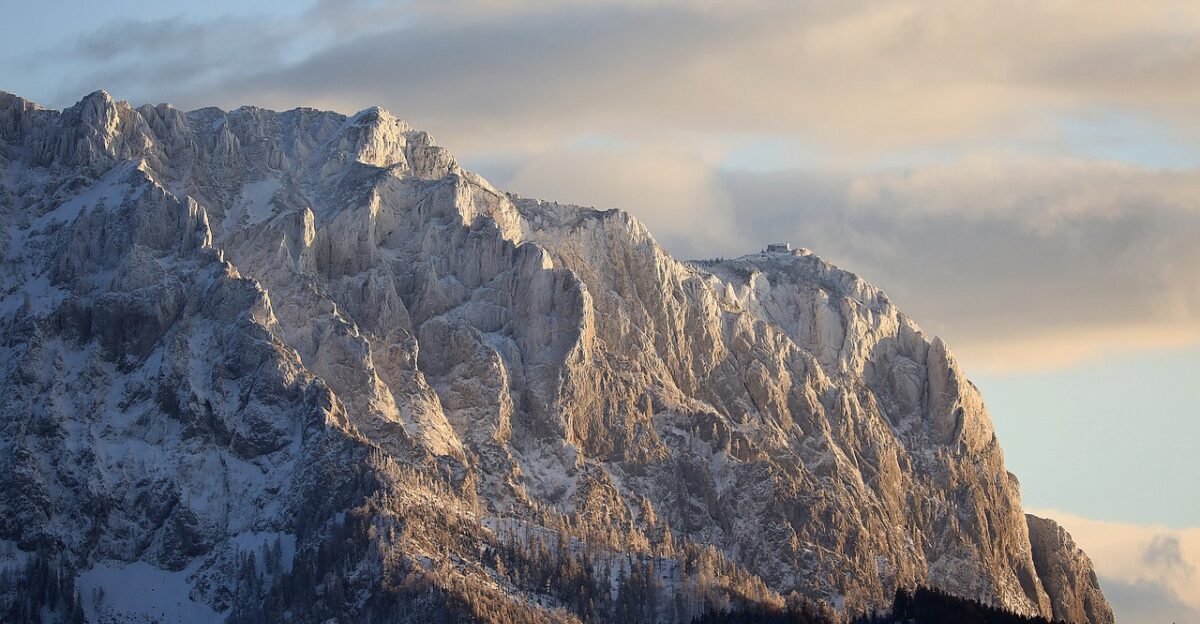
As limestone bedrock was eroded by groundwater tens of thousands of years ago, blue holes started to form. Massive vertical shafts were formed when the roof collapsed later. Each new discovery has the potential to be a Rosetta Stone for paleoclimatology and geophysics because these caverns, which were exposed when sea levels were lower and filled with water as ocean levels rose, preserved an uninterrupted record of Earth’s climate and geological history.
Their stratified sedimentary deposits offer priceless archives of sediment transport mechanisms, sea level fluctuations, and glacial cycles. Comprehending these sources facilitates the prediction of geological development and the management of groundwater resources in karst regions, which are highly susceptible to human and climatic impacts.
An In-Depth New Benchmark
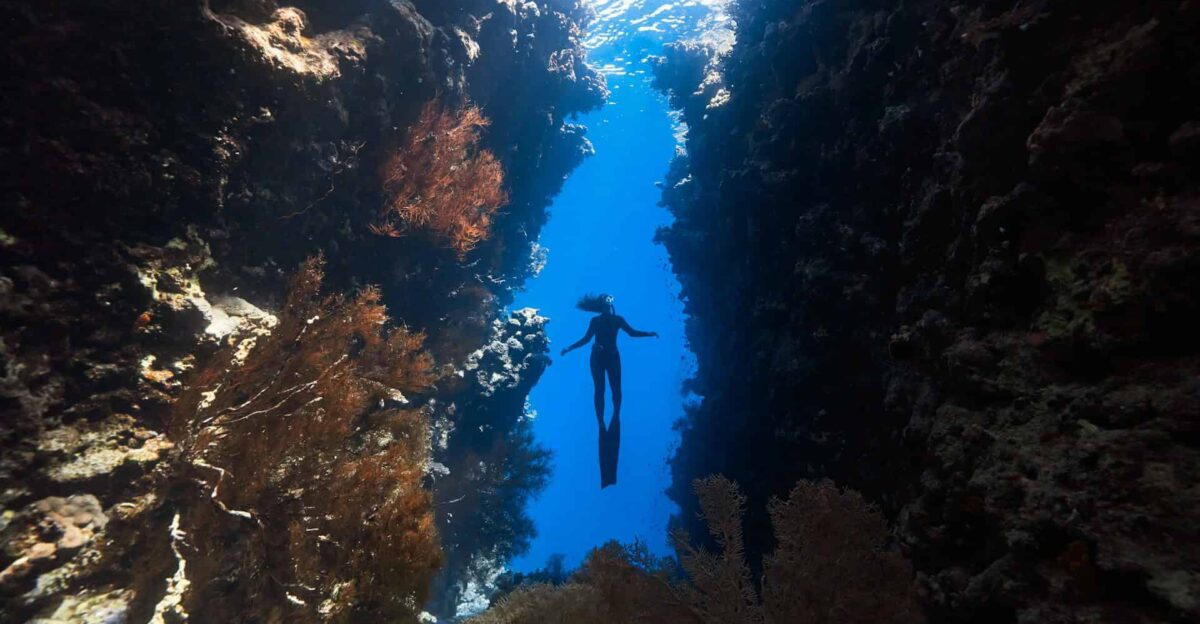
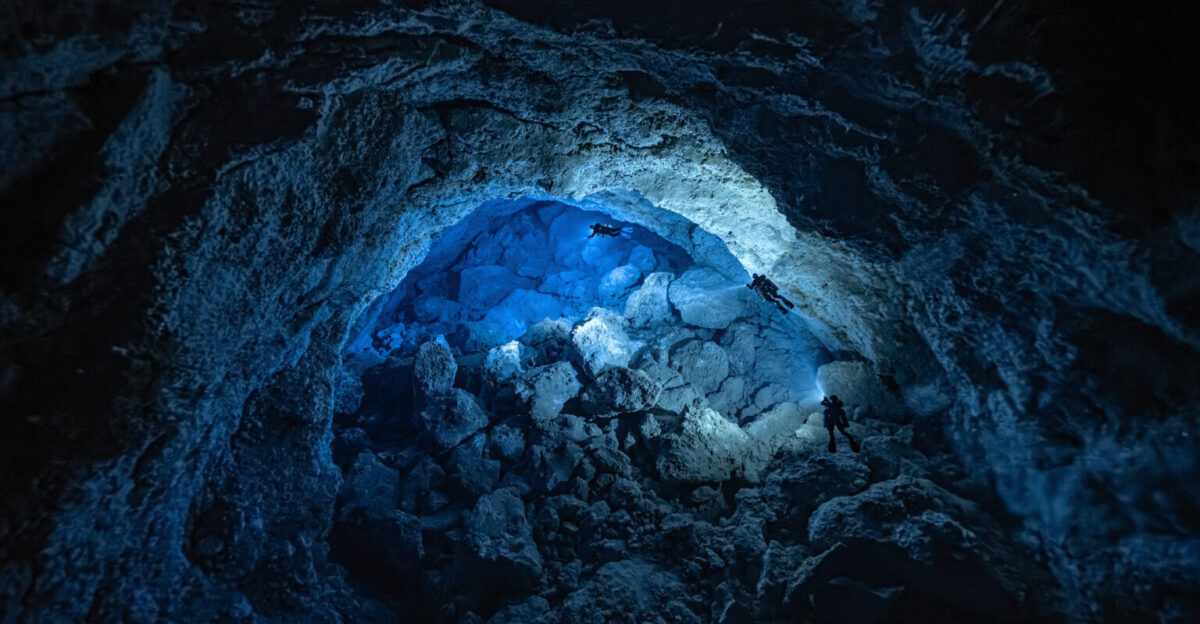
Recently found in Mexico, the Taam Ja’ Blue Hole plunges to a minimum depth of 1,380 feet (420 meters), making it the deepest in the world. This blue hole features a mouth opening more than 500 feet wide (151.8 meters), in contrast to typical marine sinkholes. By multiplying the amount of information on the interactions between erosive processes and sea-level fluctuations over geologic time, such massive structures increase their scientific value
This finding calls into question previously held beliefs about the depth of blue holes and encourages a reevaluation of other sizable cave systems across the globe. The size of these formations can affect groundwater exchanges in the ocean and contain distinct ecosystems that have not yet been thoroughly studied.
The Historical Importance of Blue Hole Findings
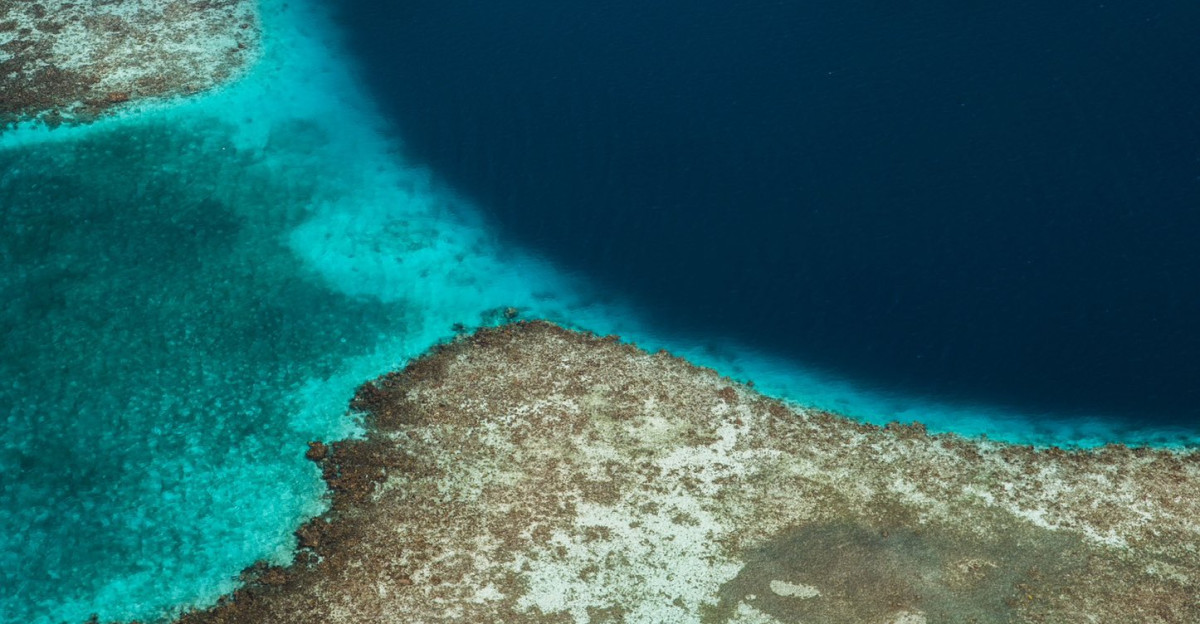
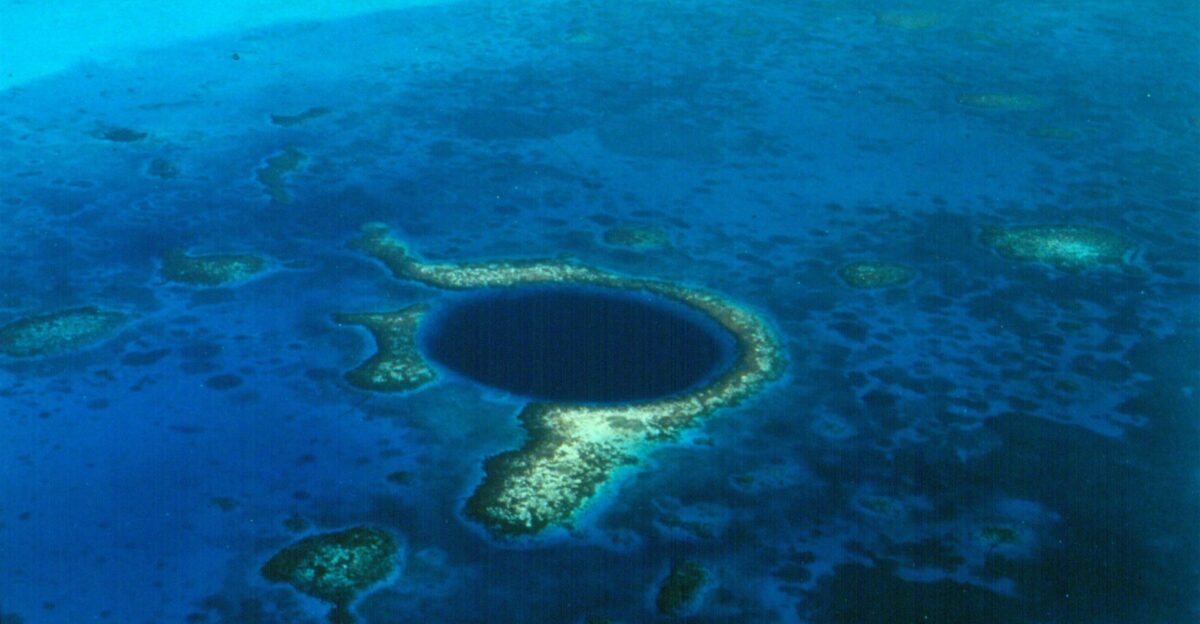
Blue holes document the evolution of human curiosity and inventiveness, from the well-known Great Blue Hole of Belize, which was first made famous by Jacques Cousteau in 1971, to more recent discoveries in the Bahamas and Mexico. In the past, expeditions used antiquated scuba and sonar equipment.
These technological advancements have transformed blue hole exploration from an adventure to a comprehensive scientific investigation, providing previously unattainable insights into Earth’s geological past, marine biodiversity, and climate variability. This development revolutionizes our knowledge of Earth’s underwater environments and represents a significant breakthrough in underwater sciences.
Hidden Biodiversity
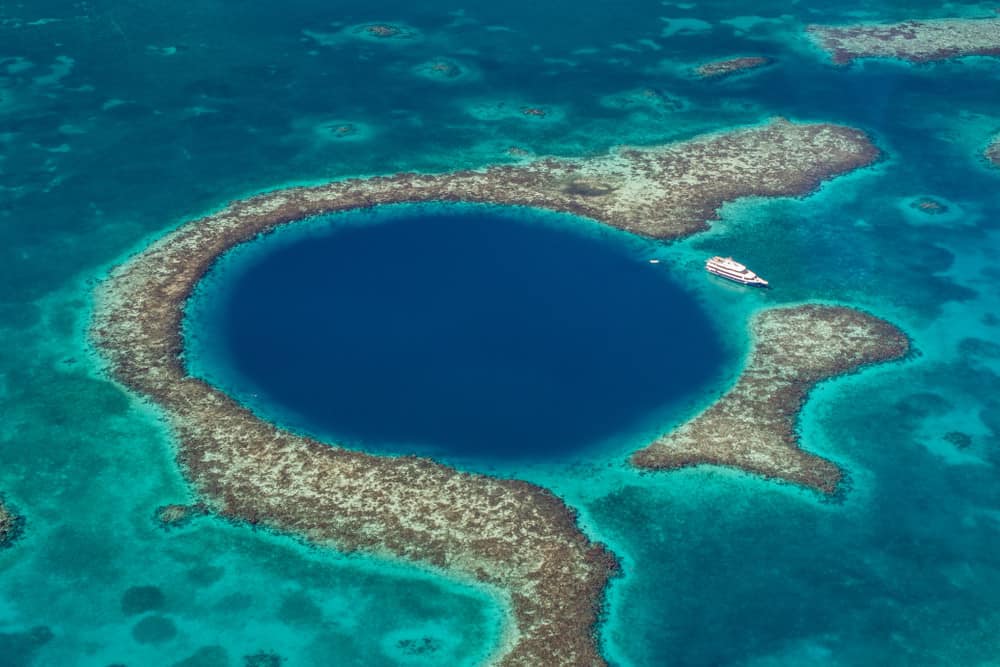
Blue holes are hotspots for biodiversity. Unique habitats are frequently teeming with previously unidentified microbes and extremophiles due to the distinct chemical layers and oxygen-deprived zones. Biotechnology can benefit greatly from these organisms’ unique adaptations, which could lead to the development of industrial enzymes, antibiotics, or climate-resilient crops. But the majority are still unknown, hiding in the shadows but unrecorded.
Understanding life under stress and isolation is expanded by studying these ecosystems, which is beneficial for ecological conservation and biomedical research. Blue holes’ biological singularity highlights their significance as “natural laboratories” for environmental and evolutionary research in harsh settings.
Indications of the Origin of Earth and Life
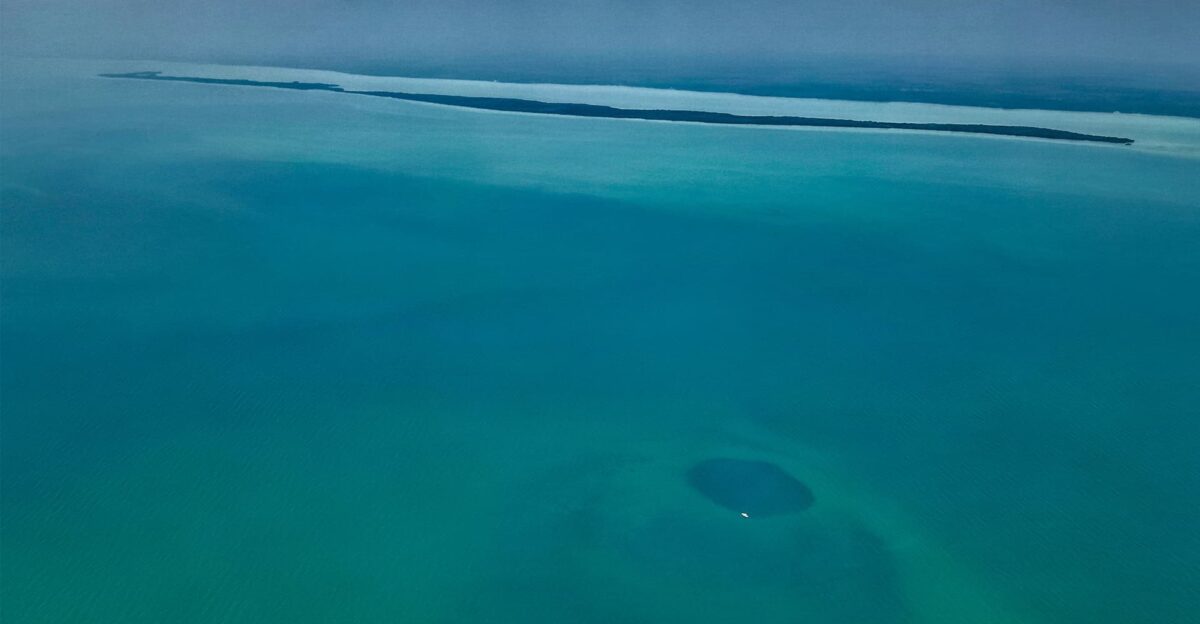
Blue hole-trapped biological and geological records are unparalleled. Ancient plant and animal remains, undisturbed sediments, and remnants of long-gone climates are all preserved by stratified layers. These layers are now analyzed by scientists to reconstruct sea level changes and hurricane histories, providing vital information for climate modeling and disaster preparedness.
Both coastal communities and the larger scientific understanding of the dynamics of the Earth system over millennia depend on these insights. These records are valuable because they provide insight into how natural occurrences and ecosystem responses interact over time.
The Difficulties of Exploring Deep Caves
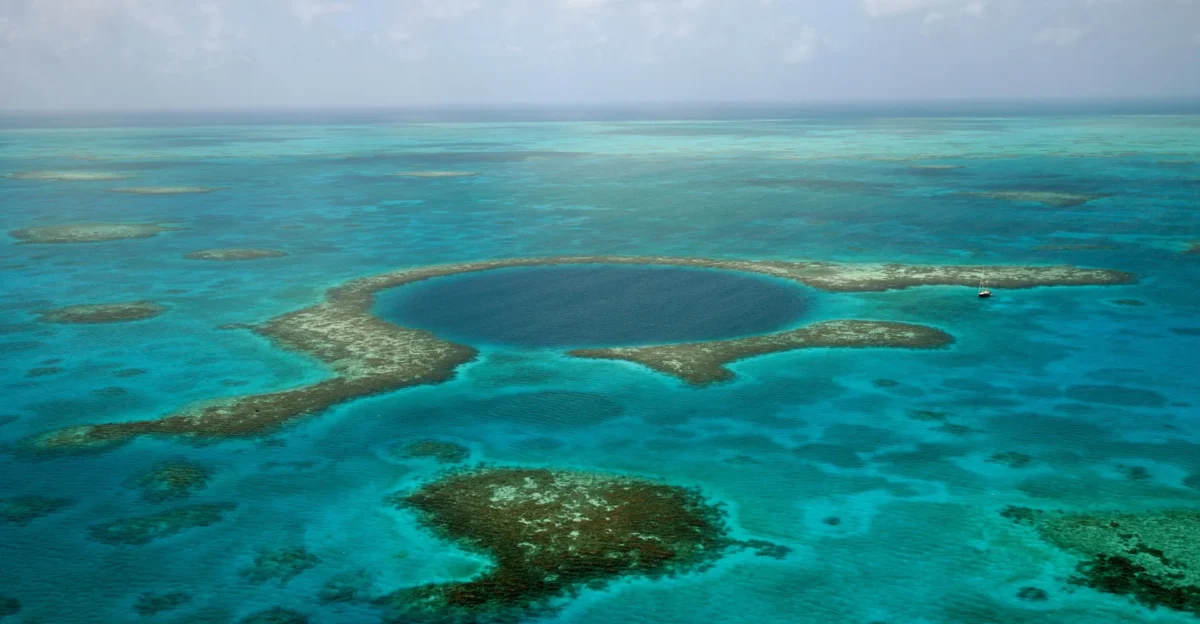
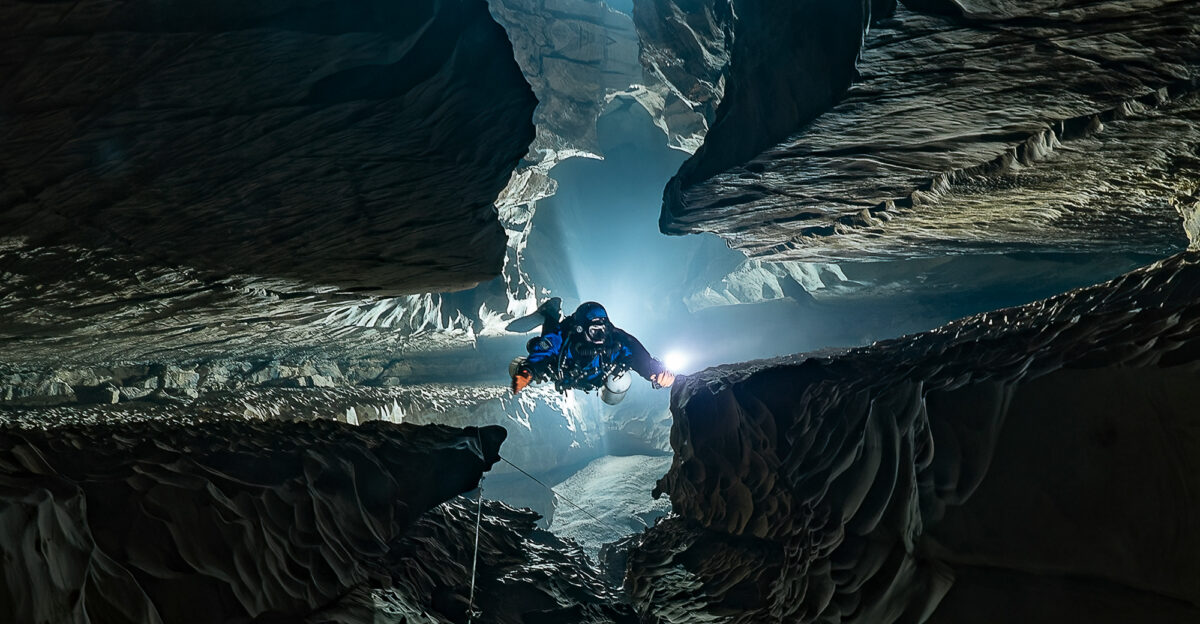
One of the riskiest activities in the world is cave diving in these kinds of settings. The hazards include sudden silt-outs, equipment malfunctions, and potentially fatal alterations in water chemistry. Despite using advanced equipment like closed-circuit rebreathers and digital sonar mapping to navigate in completely dark labyrinths with no visibility, tragedy is always a possibility due to the unpredictable nature of the environment.
Such missions are only carried out by highly skilled and knowledgeable cave divers under stringent safety regulations. In order to overcome human limitations and improve data yield and diver safety, remote robotic technology development is becoming crucial.
Technological Developments in Exploration
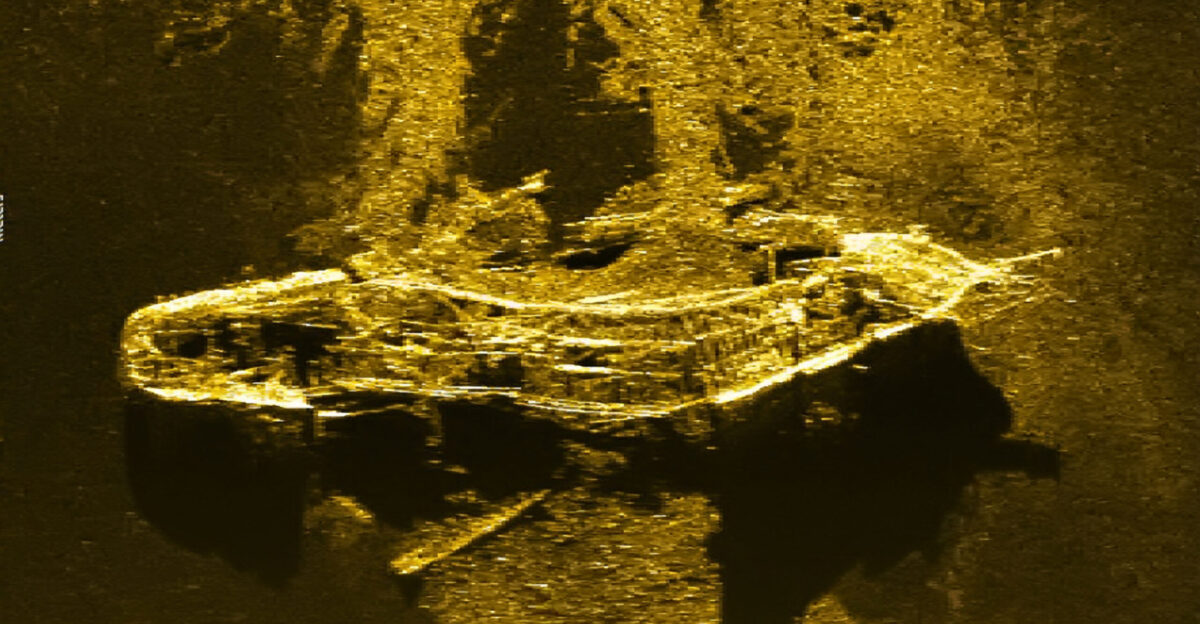
High-resolution sonar, autonomous underwater vehicles, and advanced robotics are all used in contemporary blue hole exploration. Submersibles and inertial navigation sensors were combined during the December 2018 Aquatica Submarines expedition to Belize’s Great Blue Hole to produce the most precise 3D maps ever made, which is essential for both scientific and public safety.
New technologies like long-endurance drones and AI-powered exploration tools have the potential to completely change the way we investigate deep underwater caverns and make previously unreachable depths more accessible. Such advancements are essential to safely and effectively solving more profound mysteries.
Implications for the Environment and Conservation
Blue holes are vulnerable and in danger. Coral bleaching, shifting water chemistry, and human overuse could permanently upset these fragile systems, which have already been damaged by pollution, waste disposal, and climate change. Blue hole preservation is now given priority by international conservation programs and tourism restrictions in recognition of these threats, striking a balance between the urgent need for scientific stewardship and public fascination.
Preserving these ecosystems guarantees the survival of rare species and ongoing access for research. To preserve these natural treasures for future generations, sustainable management frameworks call for international collaboration and community involvement.
An Uncharted Chemical Laboratory in Nature

Outside of this context, it is uncommon to find the chemical gradients found inside blue holes, such as complete anoxia, rich layers of hydrogen sulfide, or abrupt changes from salt to freshwater. These areas serve as experimental test sites for comprehending carbon cycling and biogeochemistry at the limits of life, supporting chemical processes that are not found anywhere else.
Scientists can better understand the chemical pathways that supported the genesis of life by using these environments, which offer analogs for early Earth conditions. Investigating these areas presents exciting opportunities for climate mitigation research, such as deep carbon storage and cutting-edge bioengineering uses.
Perspectives on Space Travel

Unexpectedly, blue holes could help with the hunt for extraterrestrial life. The icy moons of Jupiter and Saturn have analogs created by the interaction of darkness, pressure, and extreme isolation. These Earth-like environments have been used by NASA and ESA as test sites for robotic missions aimed at Europa, Enceladus, and other planets.
Space mission designs and astrobiological research are strengthened by the study of extremophiles and geochemical processes in blue holes, which aid in the development of the instruments and theories required to detect life or habitable conditions beyond Earth. These Earth-based models assistance in bridging the gap between interplanetary exploration and terrestrial biology.
Extremes in Evolution and Adaptation
Specialized metabolic pathways, protective biofilms, and exceptional resistance to toxins are just a few examples of the distinctive evolutionary adaptations frequently seen in organisms recovered from blue holes. In addition to pushing the limits of current biology, these living experiments offer potential alternative strategies for life elsewhere in the universe or in future terrestrial climates.
They offer hints regarding resistance to environmental stress and may disclose evolutionary processes that stimulate new developments in biotechnology and medicine. Evolutionary theories are challenged and enhanced by an understanding of these biological extremes. Such research affects the preservation of biodiversity in the face of climate change.
Is the Abyss Being Overhyped?
Extreme exploration, according to critics, can divert valuable resources from more “practical” environmental work. Evidence, however, indicates that the blue hole’s exceptional value for climate research, conservation, and technology transfer surpasses other, less impactful goals and provides disproportionate scientific returns for every dollar invested.
Investments in exploration projects are warranted since they advance interdisciplinary science and increase public awareness of delicate ecosystems. Allocating resources in a balanced manner guarantees both comprehensive environmental objectives and in-depth research into the planet’s most mysterious areas.
Human Psyche, Myth, and Art
For thousands of years, stories about blue holes and deep caverns have been used to describe entrances to the underworld and sacred sites. These locations attract both writers and artists, which reflects people’s psychic interest in the unknown. For the human mind, the metaphor of the abyss within an abyss, layered mystery, hidden knowledge, has a strong resonance that inspires both artistic and scientific endeavors.
By fusing science and religion, these stories enhance cultural heritage and have an impact on how societies view and approach environmental stewardship and exploration. This dichotomy upholds both rigorous science and poetic inspiration.
Severe Success and Failure Case Studies

Both triumph and tragedy abound in the history of exploration. Accounts of lost explorers coexist with the mapping of previously undiscovered networks and the discovery of new species. An ethical requirement is created by this duality: adventure must be balanced with responsibility, as well as with appropriate risk and environmental management.
In order to protect human life and delicate ecosystems during future expeditions, safer protocols and policies are developed with the aid of lessons learned from previous expeditions, both successful and fatal. These teachings also influence the moral standards that direct exploration efforts around the globe.
The Frontier of Economics

Unexpected sources of economic opportunity include biotech spinoffs and upscale adventure travel. If rights, ethics, and benefits are fairly managed, bioprospecting could support the next generation of pharmaceuticals, and well-run expedition programs can boost local economies.
There is hope for balanced growth that respects indigenous rights and conservation imperatives as more and more sustainable ecotourism models show how to generate economic value without harming these delicate ecosystems. Future success will depend on open governance and equitable benefit distribution.
Taking Stock of Our Own Depths

A metaphor for self-discovery and facing the unknown, exploring the abyss within an abyss is more than just a scientific endeavor. Humanity’s inner quests for transcendence, identity, and resilience are mirrored in the journey into darkness, where existential risk is faced while seeking meaning.
Together with the empirical study of nature, this dual narrative offers a unique perspective on human behavior and motivation by fusing hard science with deep psychological understanding. It advances a comprehensive knowledge of how people interact with nature.
Shifting Cultural Storylines
Global environmental discourse will change as a result of the ongoing investigation and defense of blue hole research, moving it in the direction of appreciating the unknown and conserving the enigmatic. Blue holes require new models of planetary stewardship because they challenge conventional wisdom regarding connectivity, resilience, and fragility.
These changes may have an impact on public opinion, education, and policy regarding science’s contribution to protecting Earth’s intricate systems, fostering a greater understanding of the planet’s hidden spaces and processes. This shift in viewpoint could encourage more group accountability.
The Hidden Connections Hypothesis

Major blue holes may be connected by extensive, uncharted networks that may span continents, according to some research. If verified, these winding caverns might be the last great earthbound mystery in the world—a naturally occurring network of subterranean rivers that, if verified, could fundamentally alter geology, hydrology, and resource management.
By demonstrating the interdependence and fragility of the world’s subterranean ecosystems, these connections have the potential to revolutionize environmental preservation and freshwater resource management.
The Significance of the Abyss Within an Abyss
Not only is the finding of a deep blue hole beneath a huge cave fascinating, but it also represents a paradigm shift. It forces us to reevaluate our conceptions of the world, ourselves, and the boundaries of knowledge. Practically speaking, it leads to previously unheard-of scientific discoveries.
In terms of psychology and culture, it restores humanity’s respect for uncharted territory, confirming that the infinite, multi-layered unknown is still our best teacher. This significant finding encourages humility and a pressing commitment to the meticulous investigation, study, and preservation of the planet’s most enigmatic regions.
Sources:
Woods Hole Oceanographic Institution. “How blue holes are formed.” WHOI Ocean Learning Hub, December 2, 2024.
Alcérreca-Huerta, Juan Carlos, et al. “Recent records of thermohaline profiles and water depth in Taam Ja’ Blue Hole, the deepest known underwater sinkhole.” Frontiers in Marine Science, April 29, 2024.
Sánchez-García, Erika, et al. “First insights into an exceptionally deep blue hole in the western Caribbean: The Taam Ja’ Blue Hole.” Frontiers in Marine Science, February 22, 2023.
Gelles-Watnick, Rafi. “Belize’s Great Blue Hole: Expedition learns what’s below.” CNN Travel, February 15, 2019.
Sánchez-García, Erika, et al. “Diversity hotspot and unique community structure of foraminifera in Cenote Aktun Ha (Carwash), Mexico.” Nature Scientific Reports, June 23, 2020.
Zhao, Rui, et al. “The diversity, community dynamics, and interactions of the bacterioplankton and virioplankton in a deep oligotrophic blue hole.” Microbiology Spectrum, December 11, 2023.