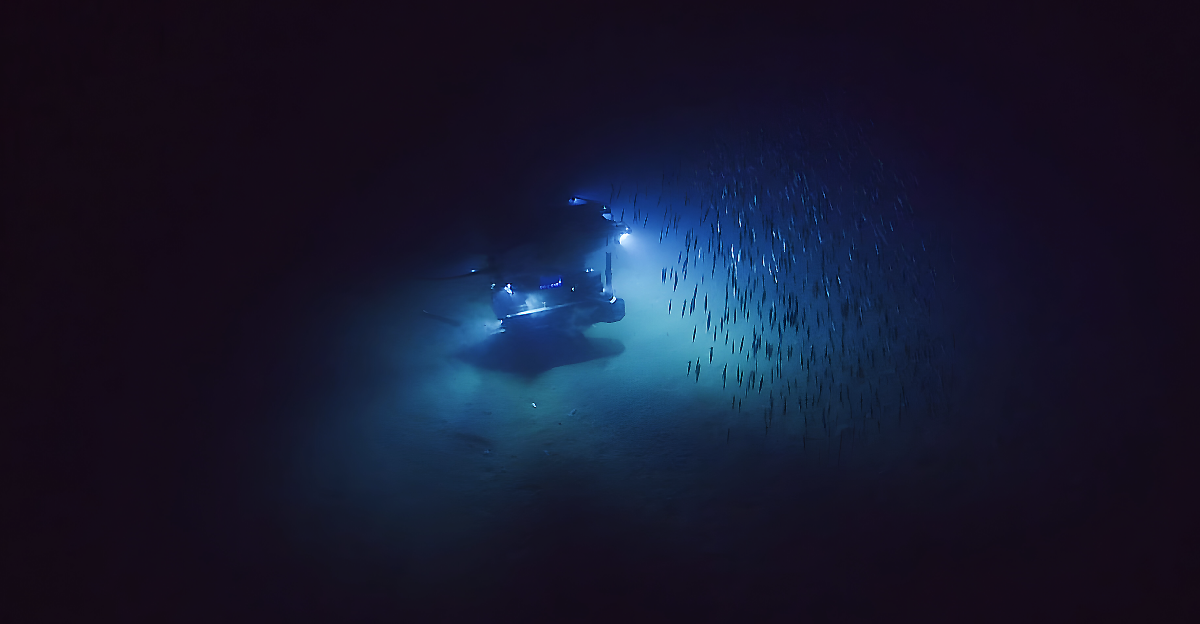
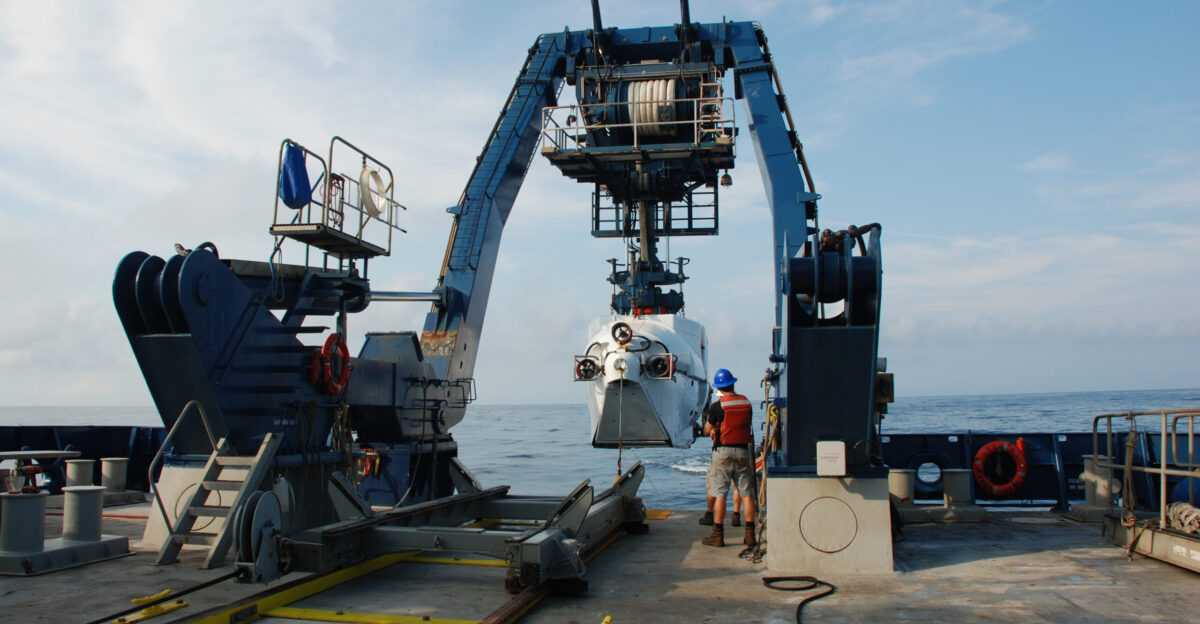
The ocean’s most mysterious corners are finally opening up, as scientists have dived over 31,000 feet into the Pacific using the Fendouzhe submersible.
According to BBC News, this international team uncovered life forms thriving in conditions long thought impossible.
Dr. Xiaotong Peng, expedition leader, described the experience as “astounding and exhilarating” for even the most seasoned researchers.
Breaking Barriers
Previously, the idea that complex life could flourish in total darkness and crushing pressure was dismissed by experts. The Fendouzhe dives, as reported by Reuters, challenged these beliefs, mapping out intricate ecosystems stretching for miles. ‘
Dr. Peng adds, “Discovering such vast communities at these depths expands the limits of what we thought life could endure.”
Decades in the Making
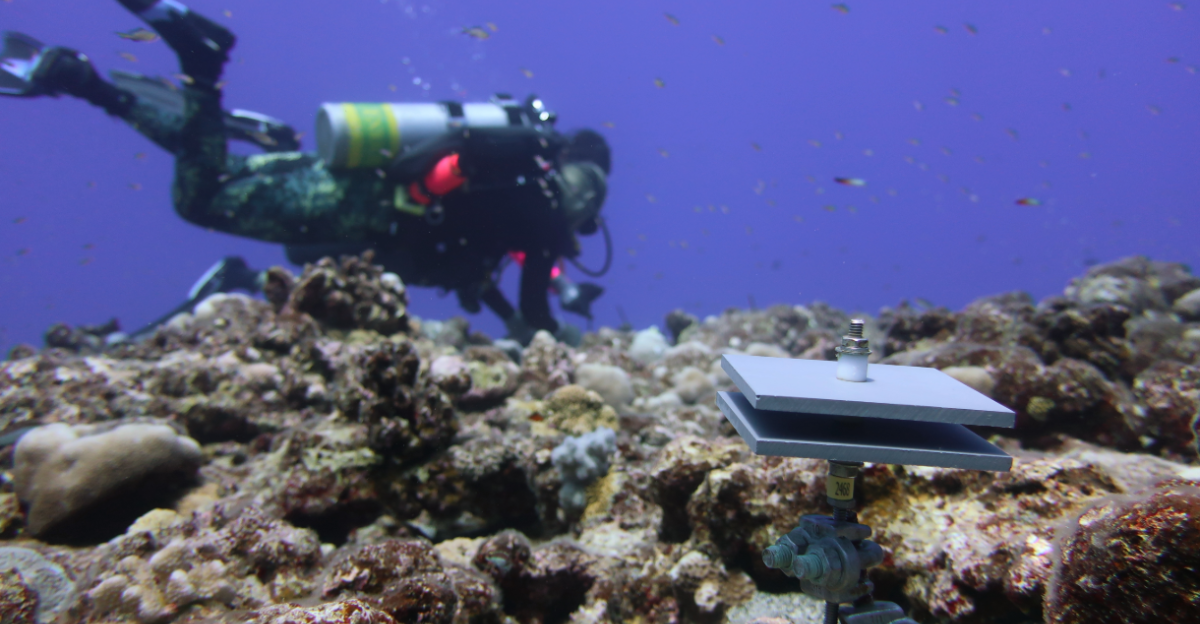
For generations, marine scientists speculated about life in the ocean’s hadal zone, but only microbes had been found below 20,000 feet.
According to BBC News, the Fendouzhe mission marks the first time large, thriving animal communities have been directly observed at such depths, ending decades of scientific debate.
Technological Race
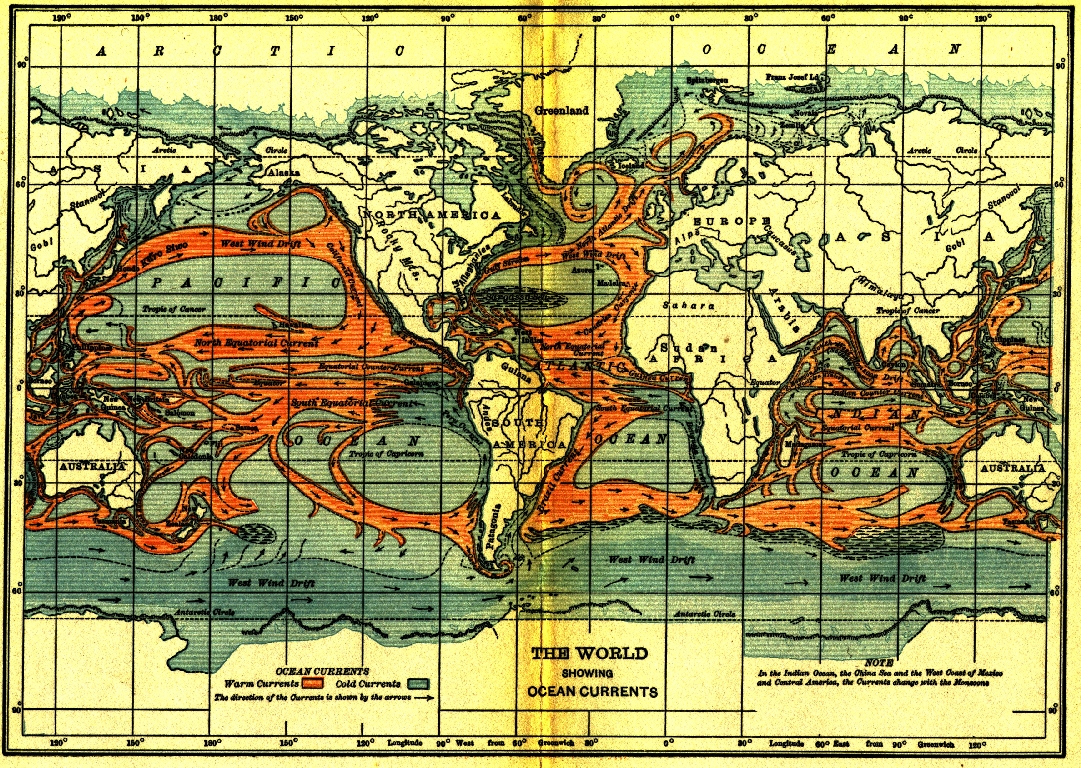
Recent advances in deep-sea technology have allowed submersibles like Fendouzhe to explore previously unreachable trenches.
As detailed in Reuters, these missions are not just about discovery—they spark global competition among countries and industries seeking new resources and knowledge in these uncharted realms.
Discovery at 31,000 Feet
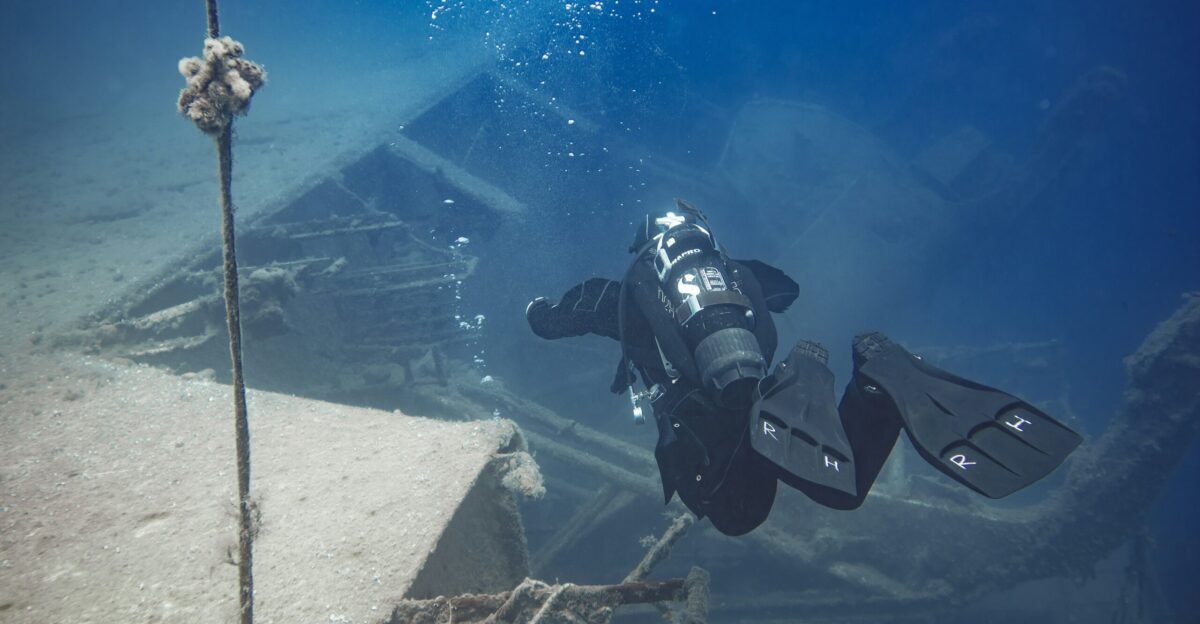
In July 2024, Fendouzhe reached 31,000 feet below the Pacific, finding the world’s deepest and most extensive community of tube worms, mollusks, and bizarre “alien-like” animals. According to Nature, it is the largest chemosynthetic ecosystem ever documented.
The Trenches’ Unique World
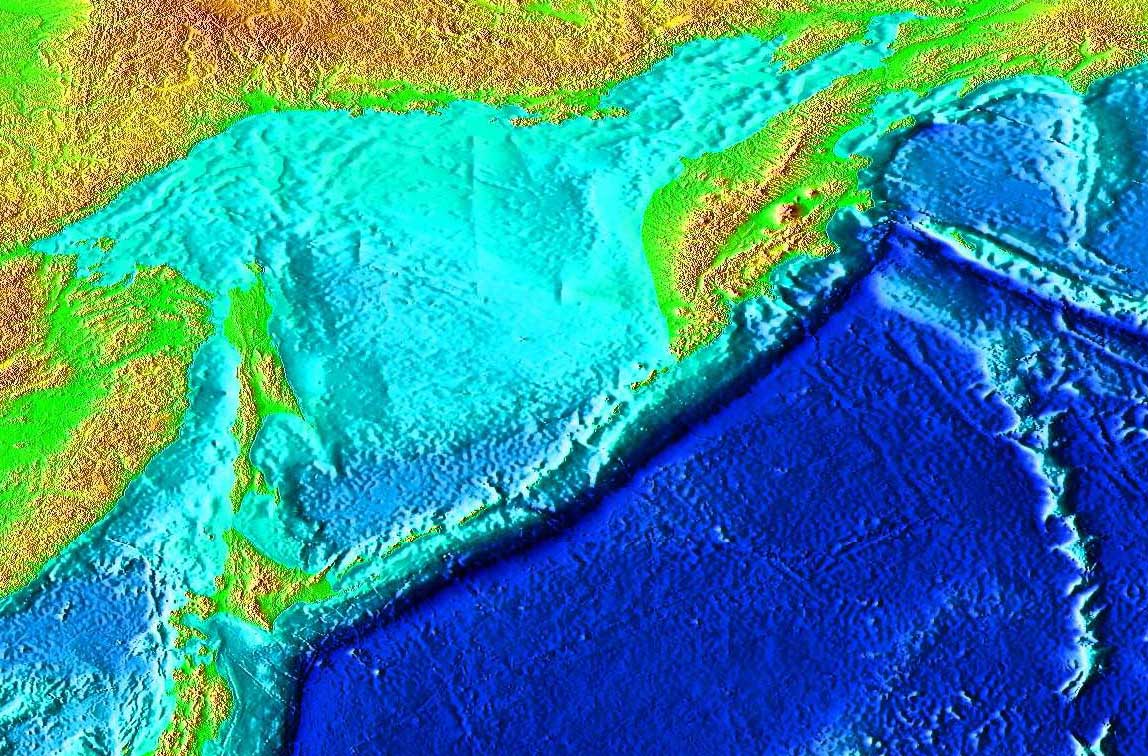
The Kuril-Kamchatka and Aleutian trenches, explored during the mission, are home to geological turmoil and chemical seepage.
These extreme settings, as BBC News reports, foster ecosystems powered by chemical energy rather than sunlight—completely changing our perception of the ocean’s potential.
Awe from the Experts
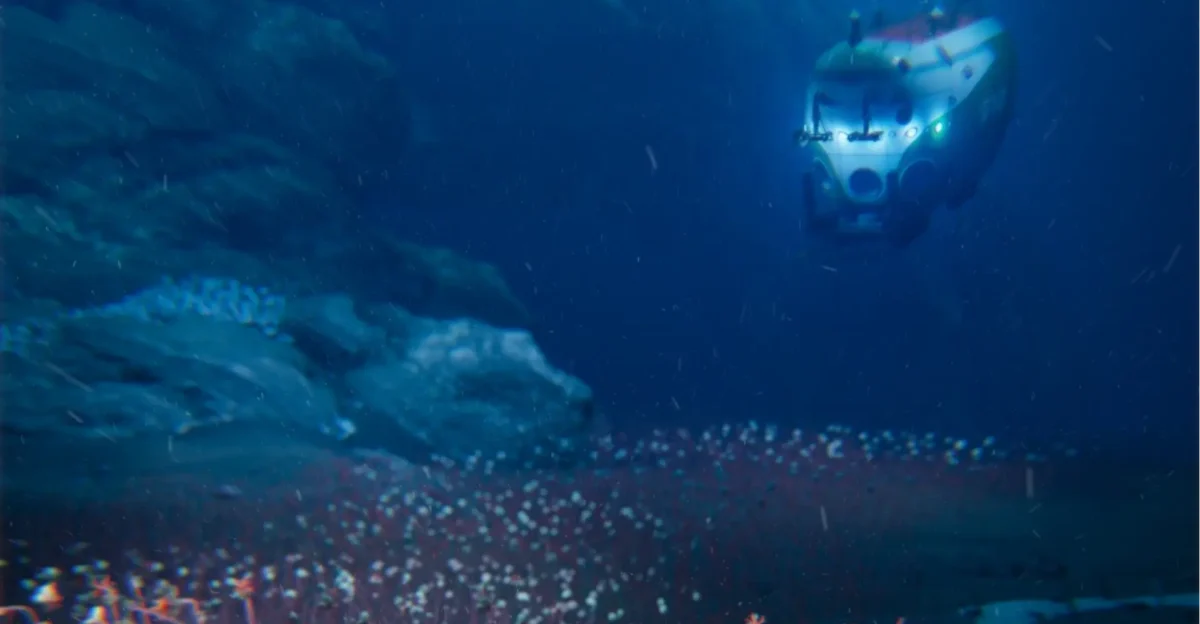
Lead scientist Dr. Xiaotong Peng told BBC News, “Seeing so many creatures living at such immense depths was truly amazing.”
The sheer abundance and diversity shattered expectations, highlighting nature’s resilience in the harshest conditions ever directly studied.
Worldwide Scientific Rush

Following these findings, research teams from the United States, Japan, and New Zealand have begun planning similar expeditions.
According to Reuters, the race is intensifying as nations seek to understand—and potentially protect—the secrets of the deep sea before industrial impacts occur.
Rethinking Life’s Limits
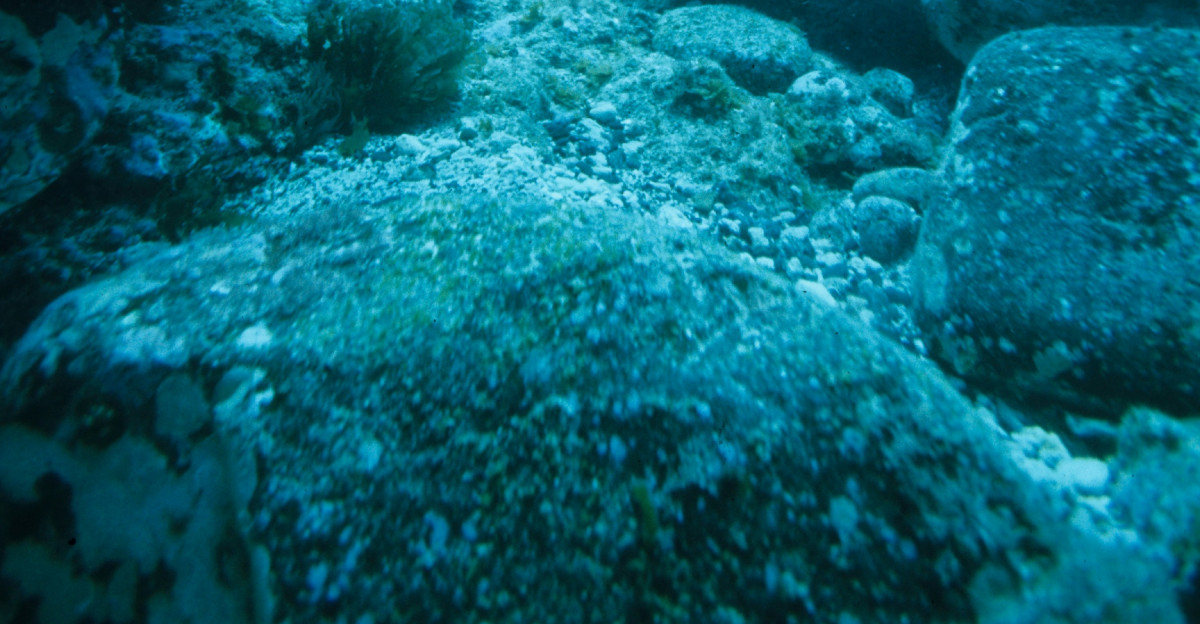
The newly observed communities reveal how evolution enables survival against all odds. Marine biologist Douglas Bartlett, quoted by Science, calls the Fendouzhe expedition “an engineering and scientific milestone” that will shape future studies on extreme adaptation.
Methane: Life’s Fuel
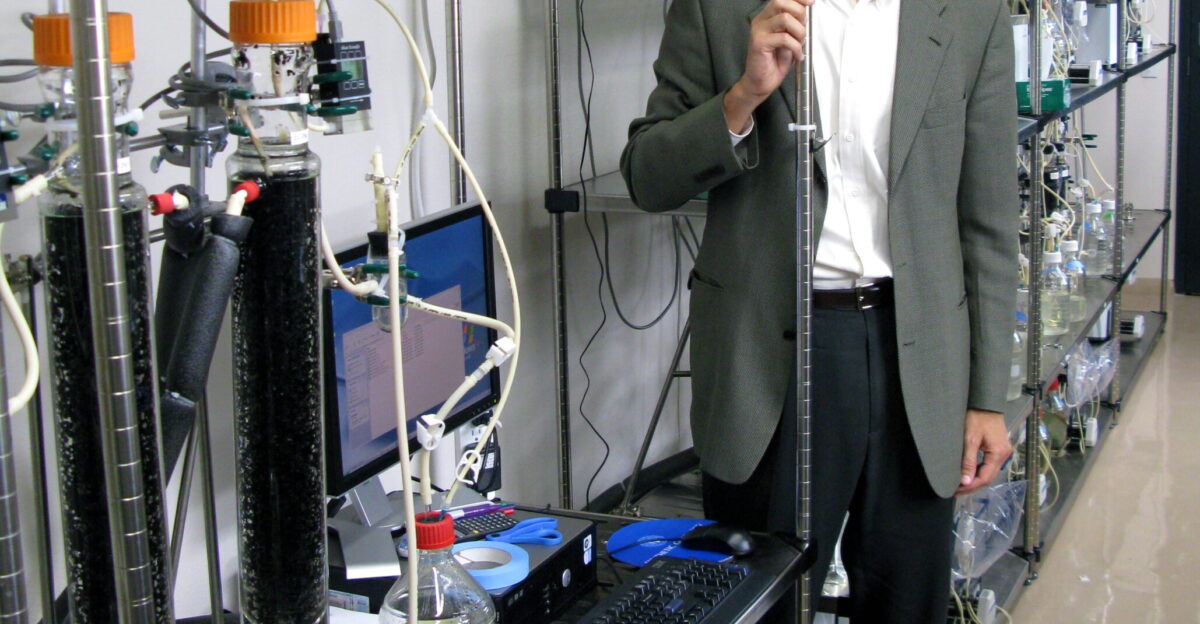
One surprising find is that life at these depths relies entirely on chemosynthesis—organisms convert seafloor methane into energy.
According to Nature, microbial mats act as chemical factories, allowing entire ecosystems to thrive in perpetual darkness.
Sharing or Shielding?
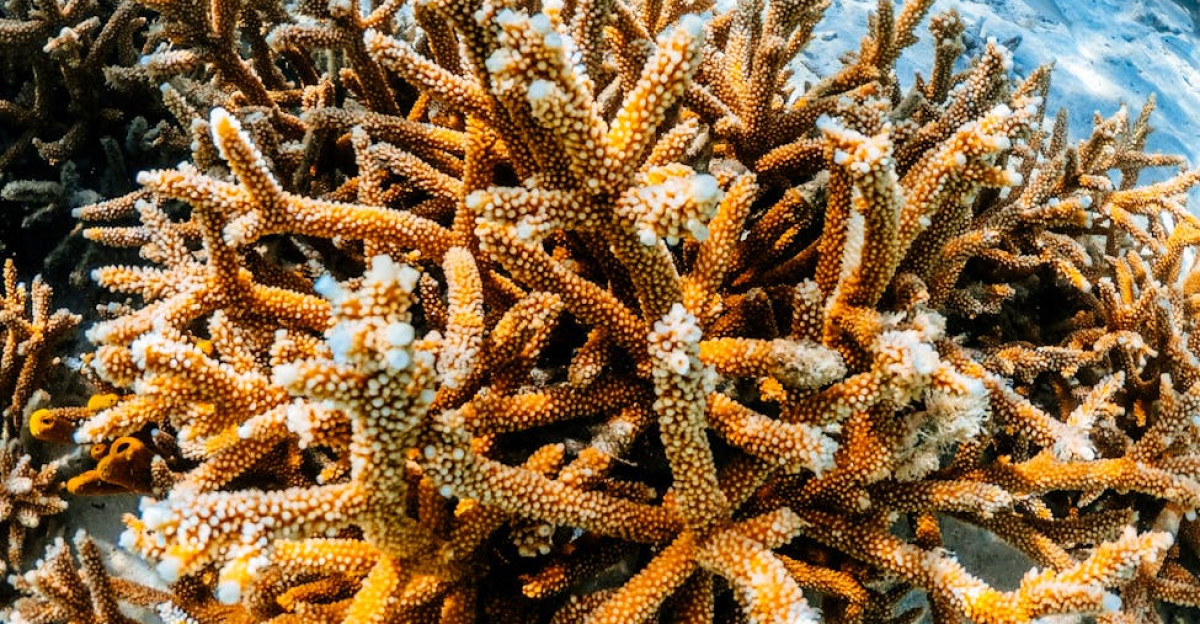
Experts are debating whether to share detailed maps of these fragile ecosystems. Dr. Peng remarks that “openness must be balanced with protection,” as increased interest could mean new threats from resource extraction or souvenir collection.
Global Leadership
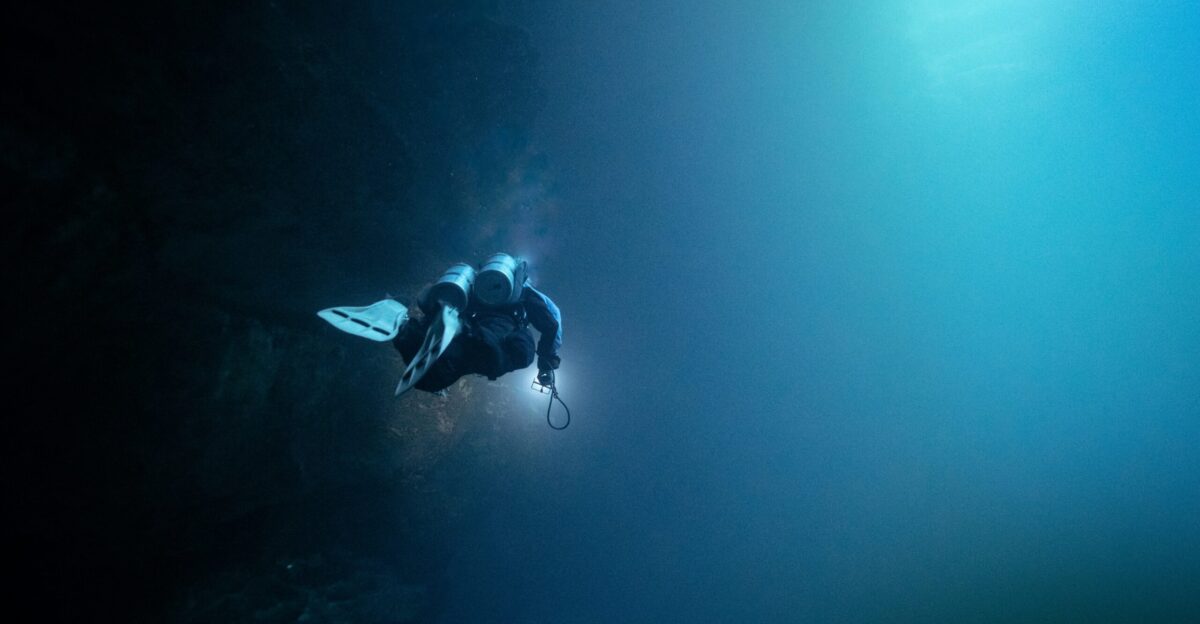
Fendouzhe’s record-breaking dives set a new international standard for human-deep-sea exploration. Chinese Academy of Sciences officials assert the submersible’s technology “marks a leap forward,” making previously impossible studies routine.
Protecting Fragile Habitats
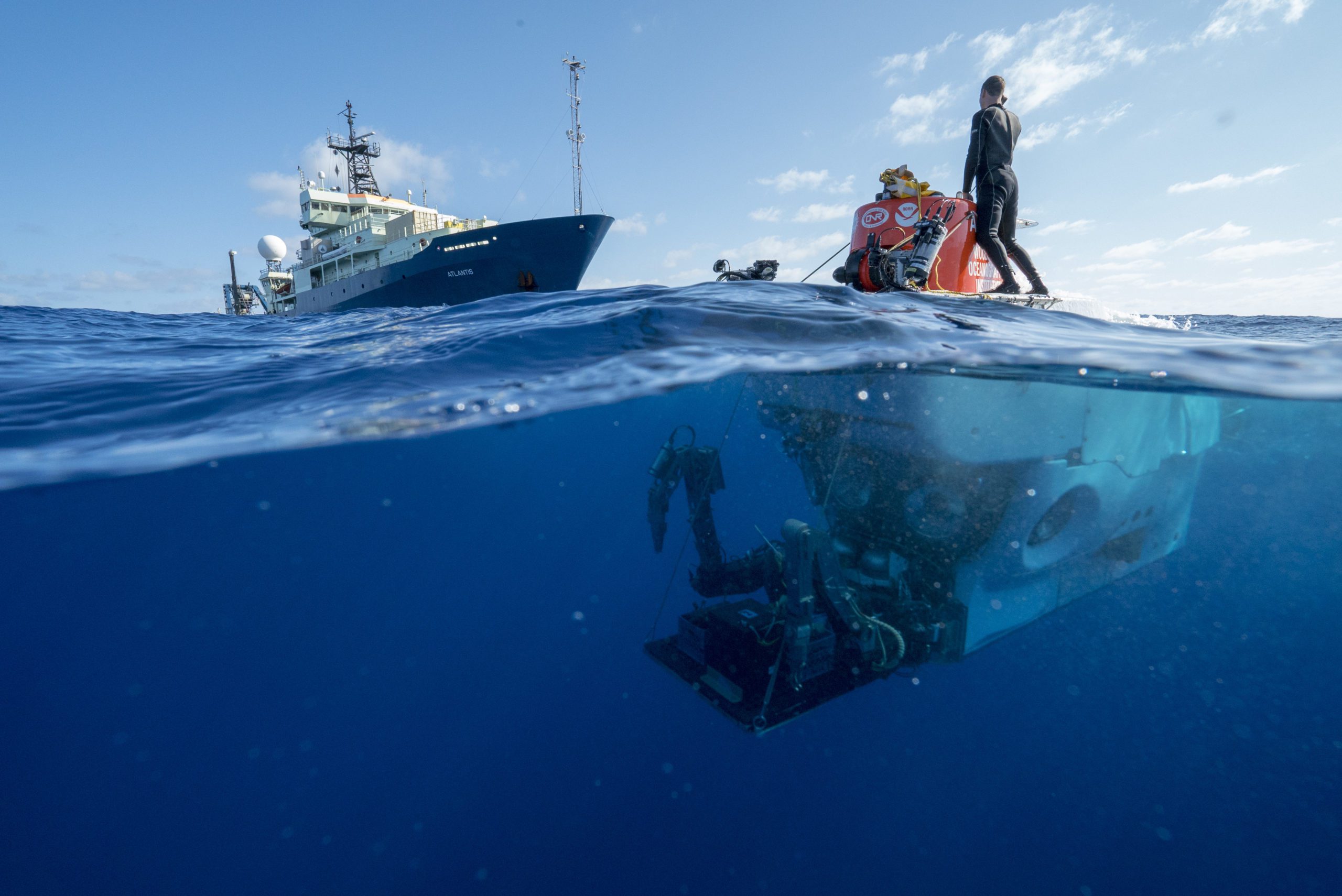
The research team limited disturbance by minimizing sampling and prioritizing high-resolution video documentation.
Nature emphasizes that future expeditions must “observe, not disturb,” reflecting a new era of environmental sensitivity in deep-ocean science.
Environmental Concerns
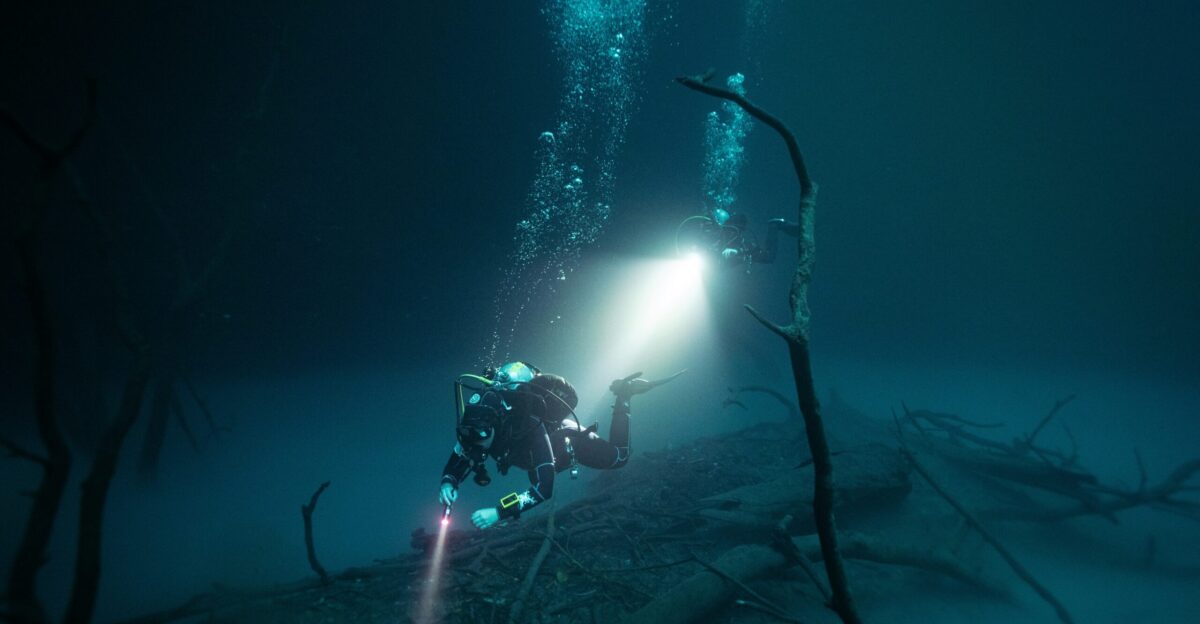
Marine conservationists warn that even limited deep-sea research, if not carefully regulated, might inadvertently harm rare species.
Leading expert Dr. Daniel Leduc cautions, “Our interventions must be measured; the margin for error is tiny in such delicate settings.”
What Else Awaits?
Scientists now believe similar “alien-like” communities may exist in other trenches. Fendouzhe’s mission has triggered new projects targeting unexplored Pacific and Indian Ocean valleys in hopes of revealing more extraordinary worlds.
Policy Dilemmas
The International Seabed Authority is under pressure to set strong rules before mining or further exploration proceeds.
According to Reuters, more than 30 nations have proposed strict moratoriums until adequate protections ensure survival of these vulnerable ecosystems.
International Disputes

The global race for trench access has sparked diplomatic standoffs as nations debate exclusive rights to seabed resources.
The BBC highlights how these discoveries may redefine “ownership” of oceanic frontiers, complicating geopolitics and science alike.
Legal and Environmental Stakes

As more discoveries surface, experts call for robust, enforceable frameworks that require companies and countries to prioritize biodiversity before profit.
“Our priority must be long-term protection, not short-term gain,” urges a policy expert interviewed by Reuters.
Cultures and Ethics

Cultural leaders and indigenous communities urge that stewardship models for the deep must include traditional respect for nature. BBC News reports a growing consensus: the rights to explore must come with responsibilities to conserve.
A Living Frontier
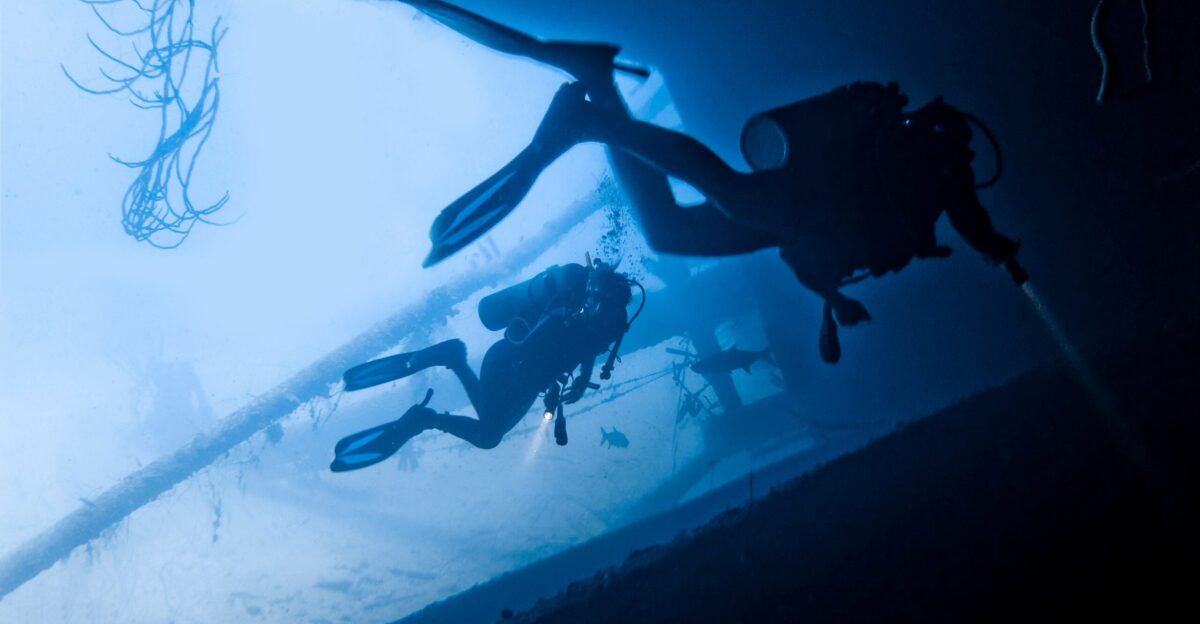
This historic find upends our understanding of life’s resilience, posing new ethical and scientific questions for the future.
Experts agree: the oceans’ deepest secrets prove Earth’s adaptability and demand greater responsibility from all who seek to explore it.