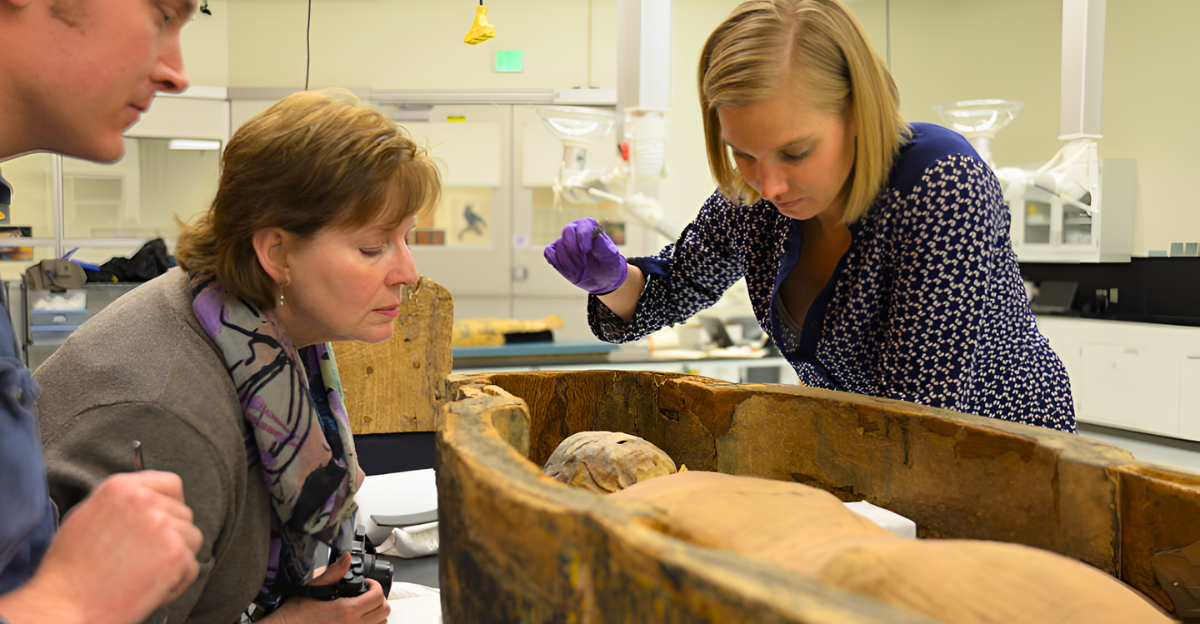
Humans have been decorating their bodies with tattoos for more than 5,000 years. Long after death, tattoos usually disappear as bodies decay. However, bodies become staggeringly well preserved in frozen graves in the remote regions of the Siberian mountains.
This has preserved not only the bodies but also the tattoos on the kin, which give scientists a window into ancient artists and cultures.
Frozen Preservation
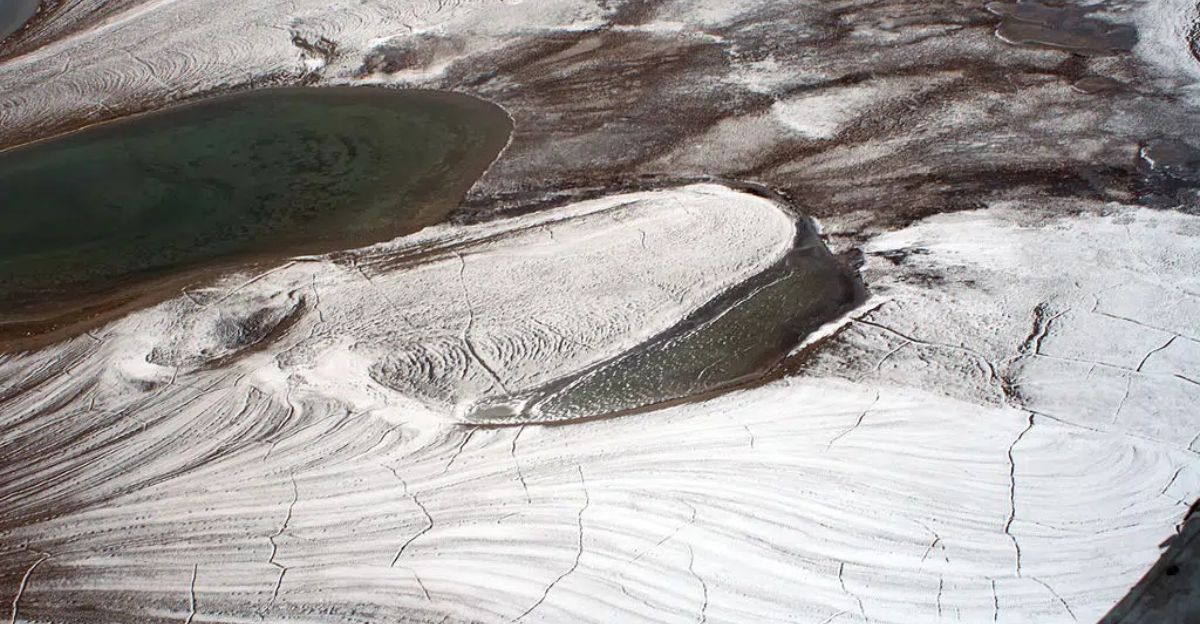
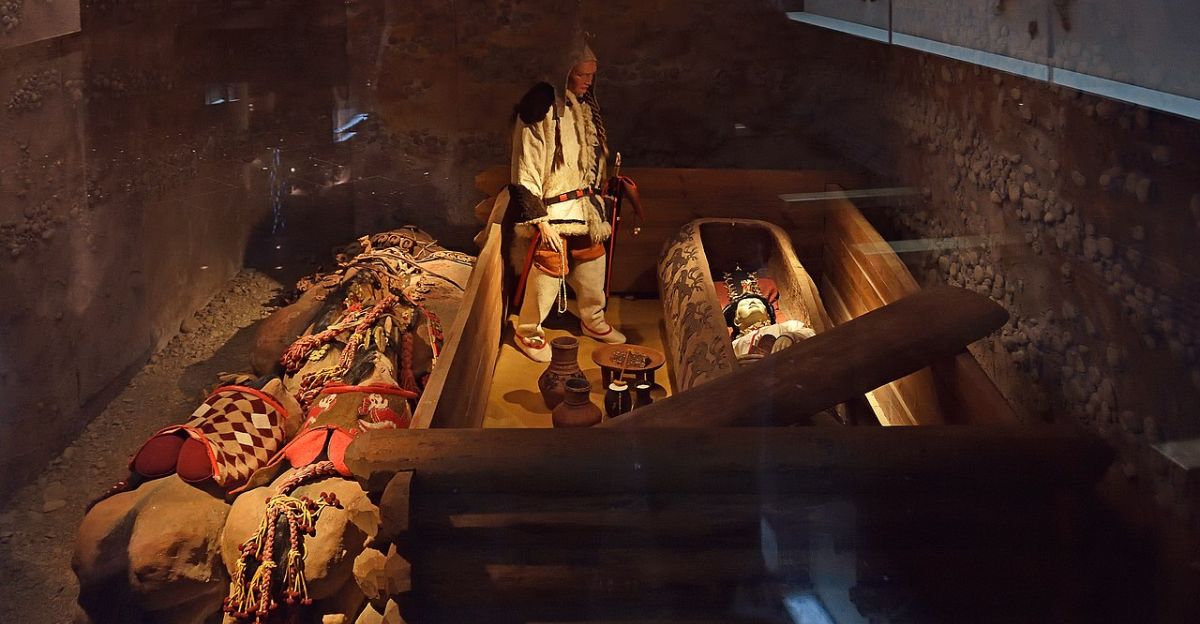
Due to the freezing conditions, the permafrost in Siberia can preserve human remains for thousands of years.
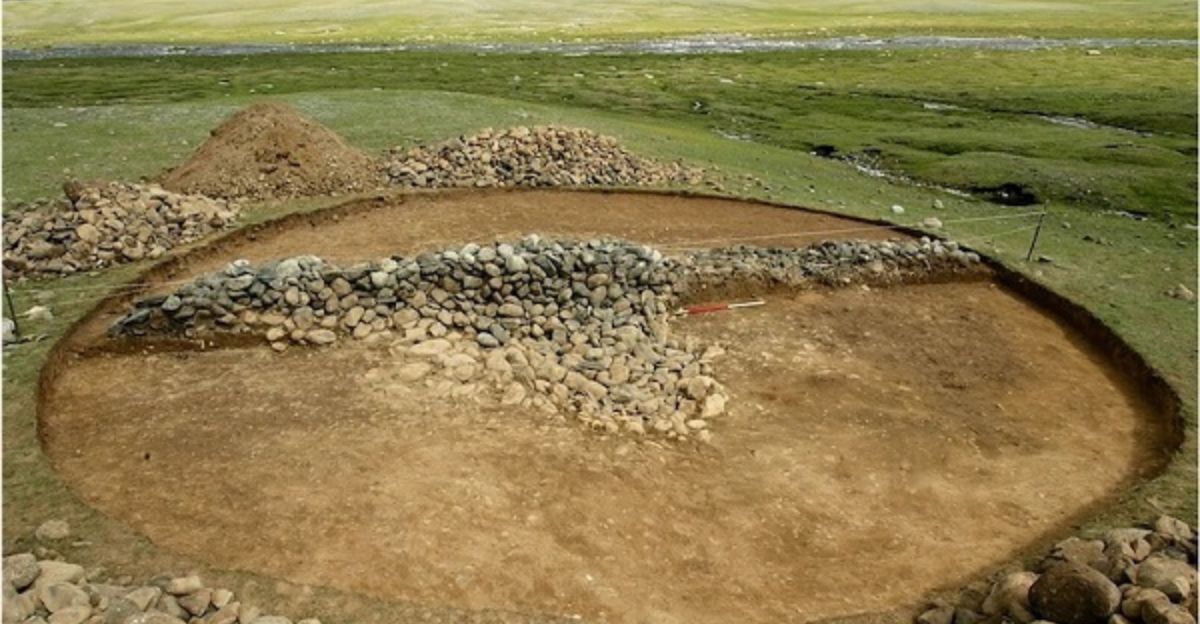
According to researchers, when the Pazyryk burial chambers in the Altai Mountains flood and freeze rapidly, skin and tattoos remain intact where they would normally decay within decades.
Nomadic Masters
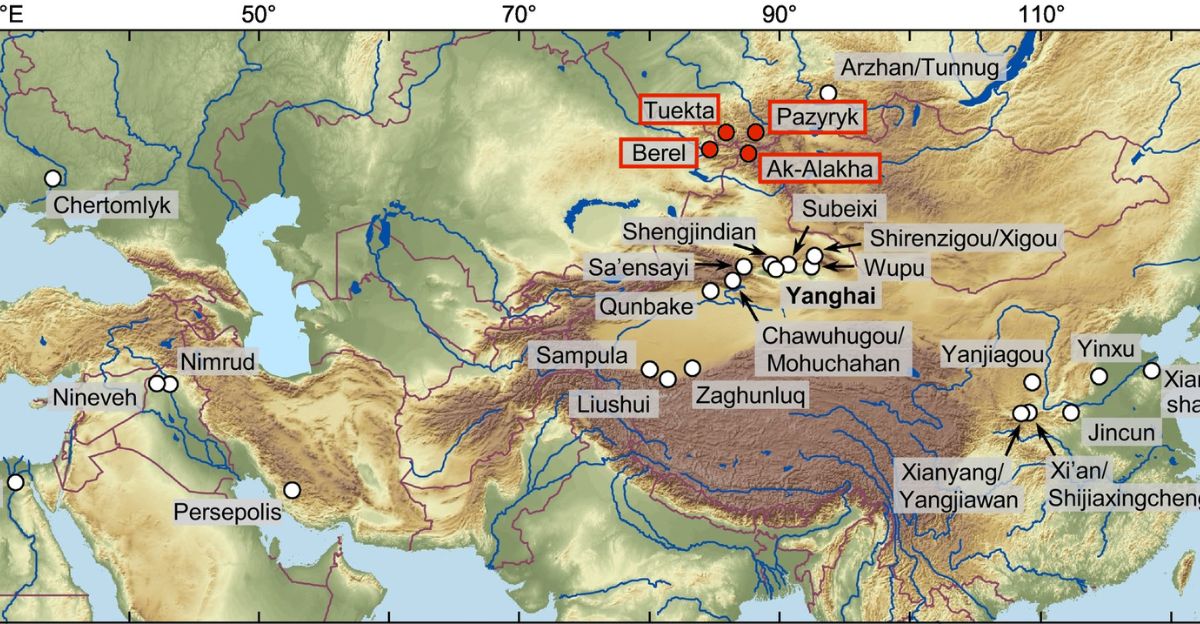
The Pazryk culture thrived in Central Asia’s vast steppes between 600 and 200 BCE. These horse-riding nomadic people controlled important trade routes through China and Europe.
Archaeological evidence shows they accumulated great wealth through commerce while developing sophisticated artistic traditions and elaborate burial practices.
Research Roadblocks

Scientists have been struggling for decades to research and study ancient tattoos, usually only found on mummified remains.
Research in the past has relied on basic hand-drawn sketches that missed a lacked details. Dr. Caspari explained, “These interpretations lacked clarity regarding the techniques and tools used.”
Breakthrough Moment
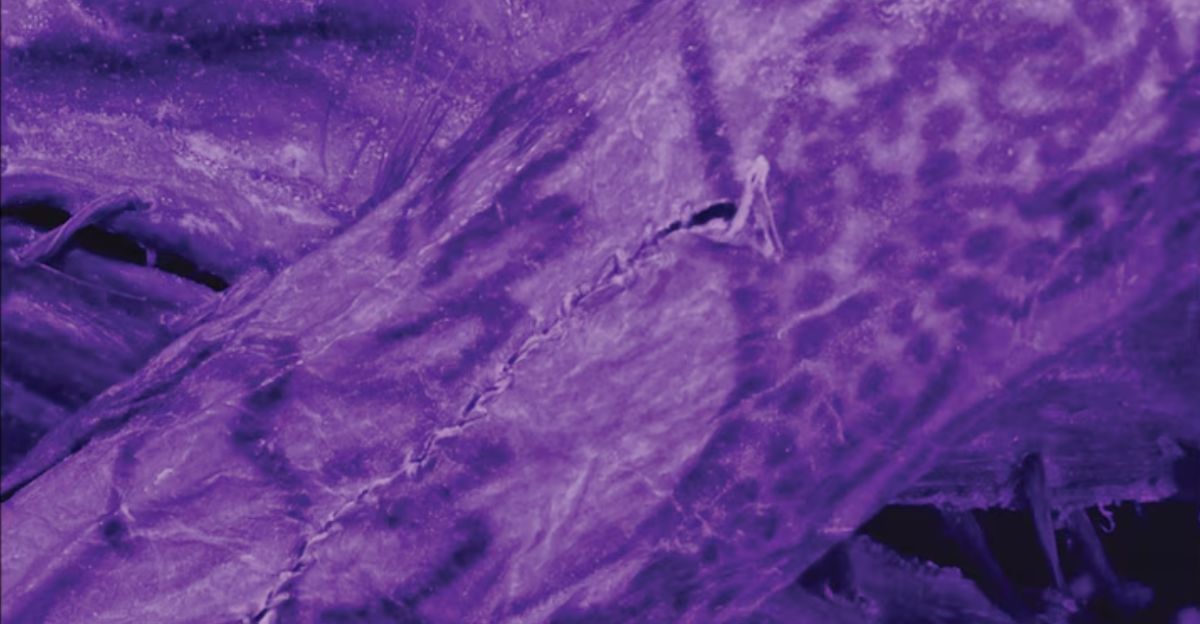
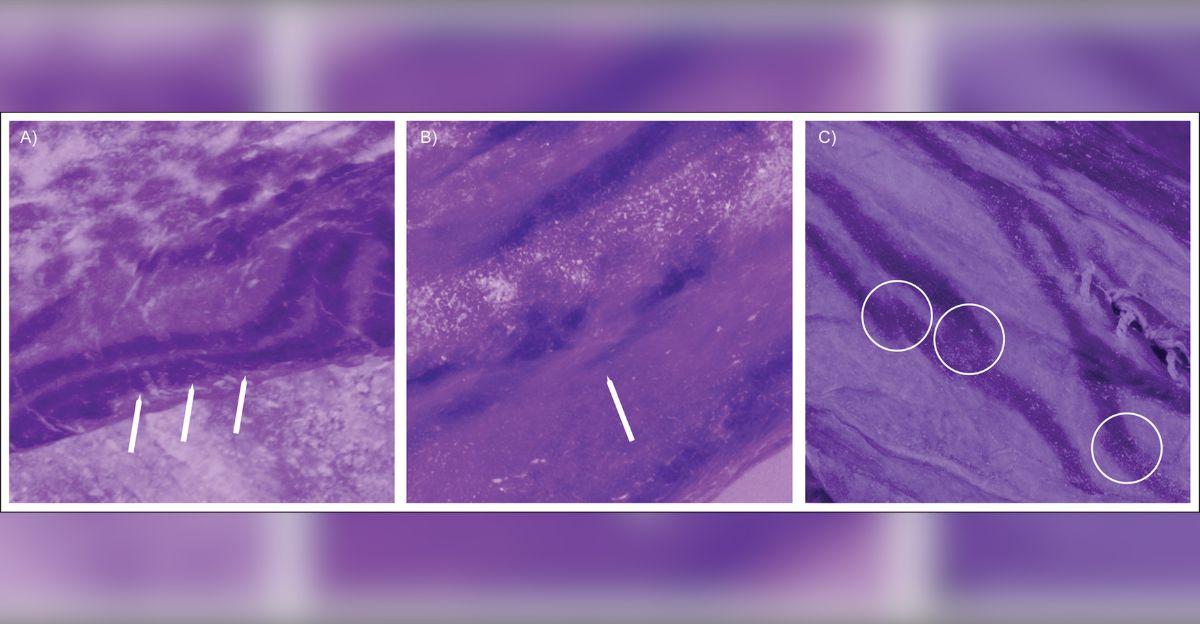
On July 31, 2025, researchers published groundbreaking findings using high-resolution near-infrared photography on a 2,000-year-old Siberian ice mummy.
The advanced technique revealed never-before-seen details, such as intricate animal tattoos featuring tigers, leopards, deer, roosters, and mythical creatures previously invisible to human eyes.
Mountain Discovery
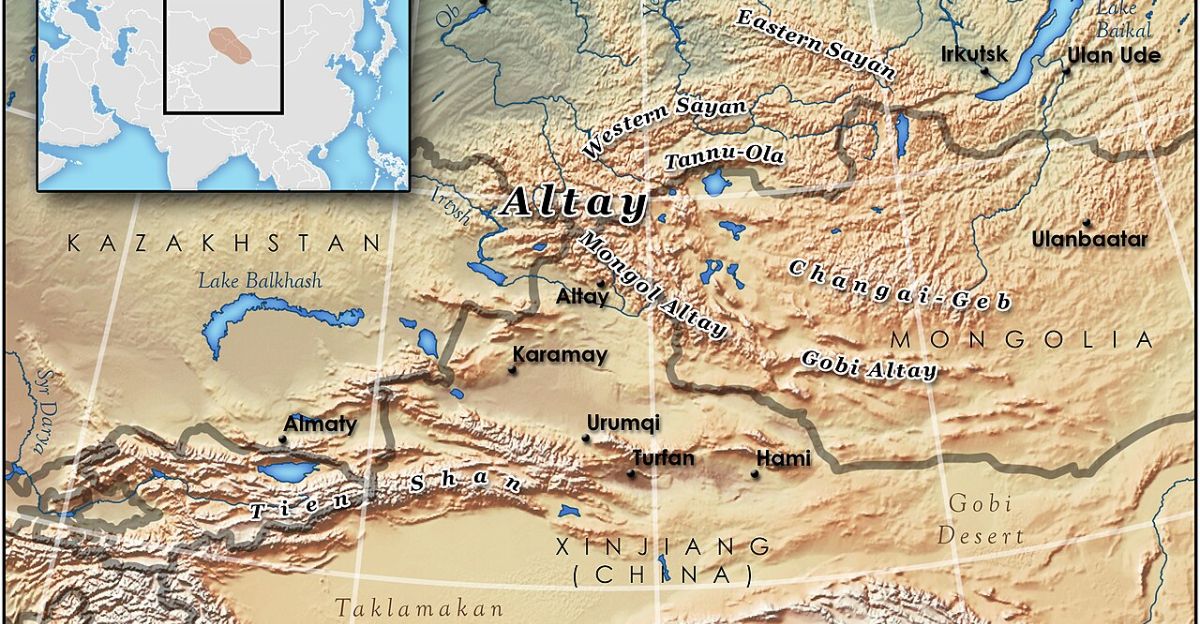
The tattooed mummy was discovered in Siberia’s Altai Mountains, near the borders with China, Kazakhstan, and Mongolia.
According to the BBC, the 50-year-old woman belonged to the nomadic Pazyryk culture whose frozen tombs were first unearthed during the 19th century.
Human Connection
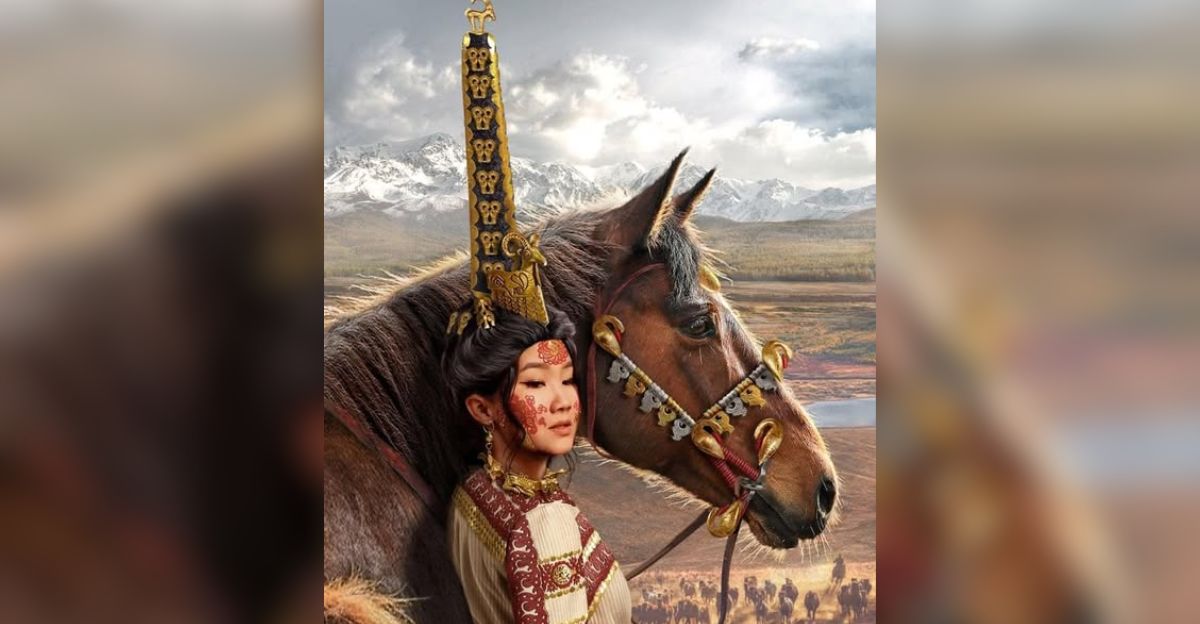
“This made me feel like we were much closer to seeing the people behind the art, how they worked and learned and made mistakes,” said lead researcher Dr. Gino Caspari from Max Planck Institute.
He added that “The images came alive” when viewed through the advanced technology.
Technical Mastery
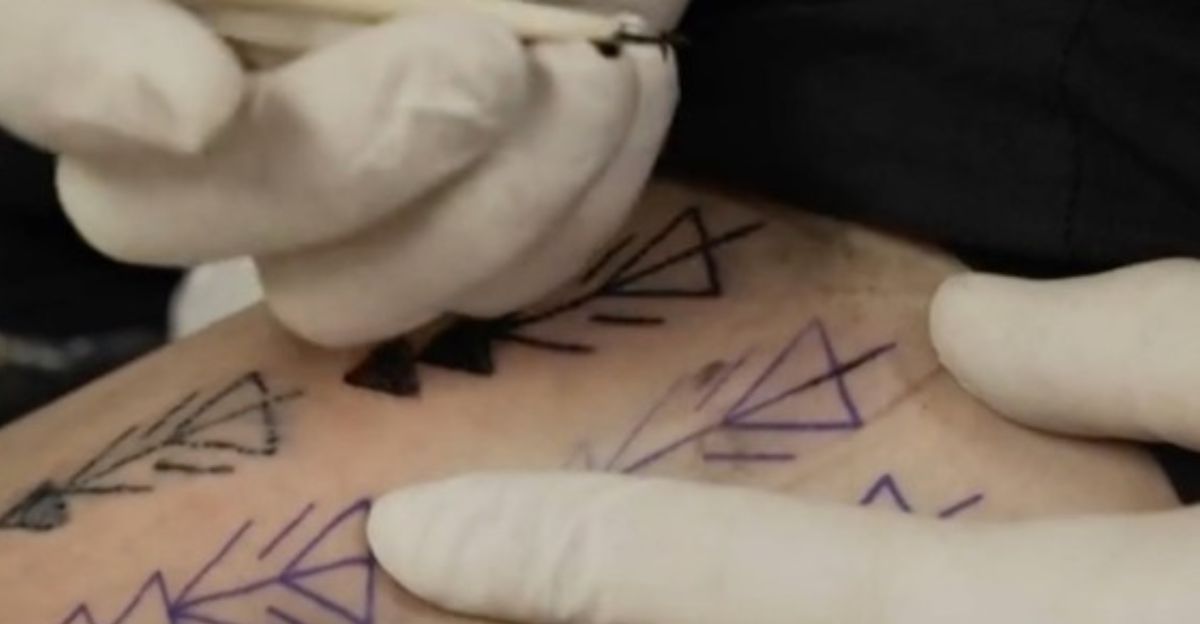
Modern tattoo artist Daniel Riday, who collaborated on the study, identified ancient hand-poking methods requiring multiple specialized tools and lengthy sessions.
BBC reports that the mummy’s right arm displayed master-level craftsmanship while her left showed simpler work, suggesting different skill levels.
Historical Context
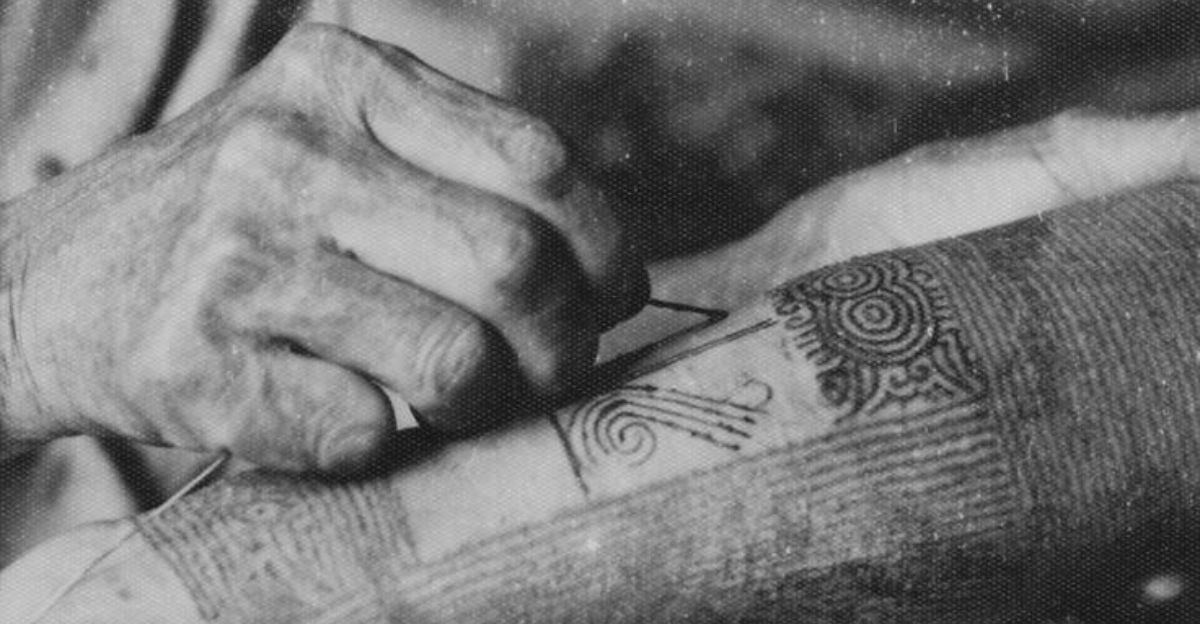
Ancient tattooing spans millennia globally, from Ötzi the Iceman’s therapeutic marks to Egyptian religious symbols.
Researchers say the Pazyryk tattoos represent one of the most sophisticated figural arts preserved in archaeological records, establishing Siberian cultures as artistic innovators.
Technology Revolution
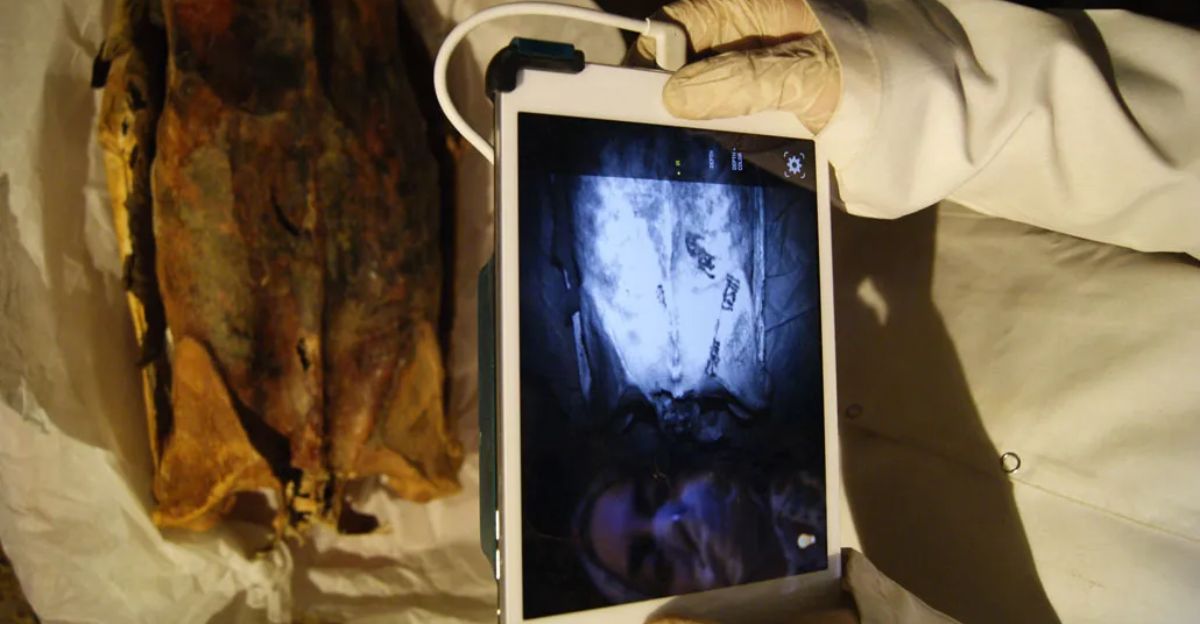
The 3D near-infrared scanning marks a paradigm shift in archaeological documentation methods.
Unlike previous attempts, this technology eliminates ink bleeding effects and reveals precise original designs. Researchers believe it could unlock thousands of previously unstudied tattooed remains worldwide.
Time Investment
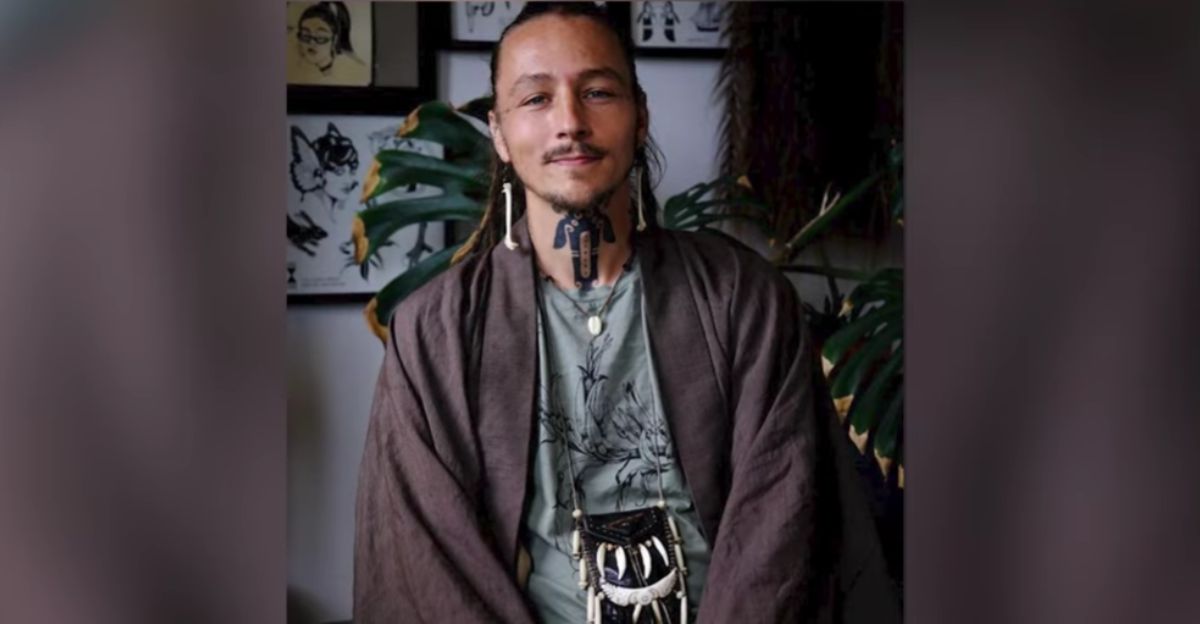
Daniel Riday estimated that the elaborate tattoos required a significant time commitment from both artist and recipient.
“If I was guessing, it was probably four and a half hours for the lower half of the right arm, and another five hours for the upper part,” he told BBC News.
Professional Standards
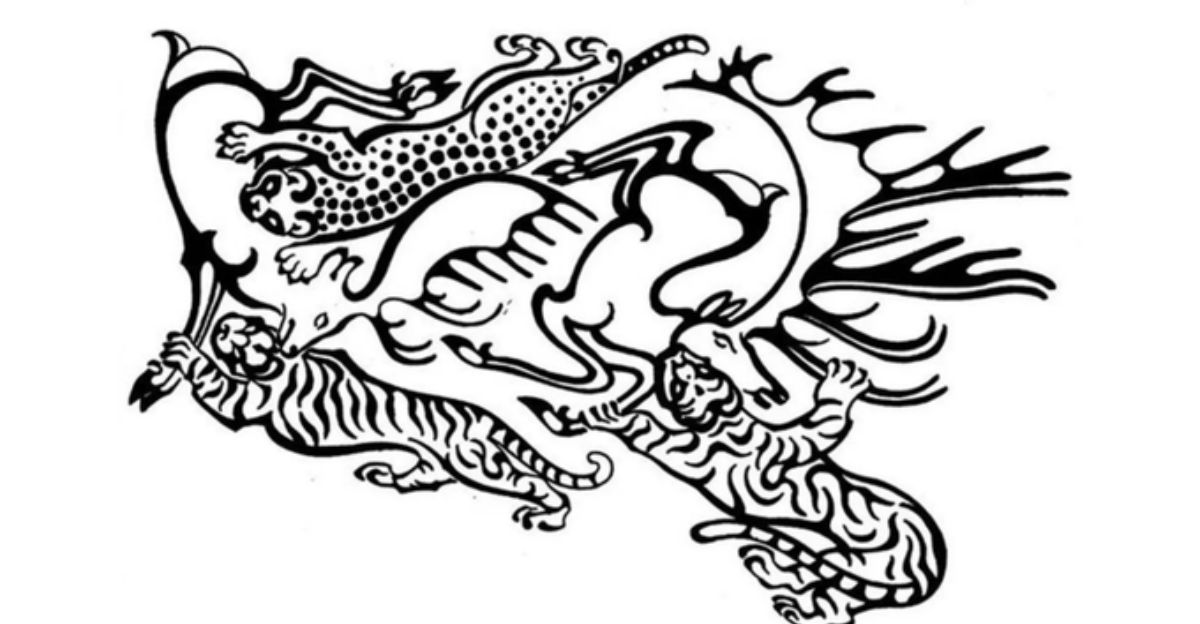
The tattoo work demonstrated professional-level expertise requiring formal training.
“It would need to be performed by a person who knows health and safety, who knows the risks of what happens when the skin is punctured,” explained Riday to BBC News.
Future Applications
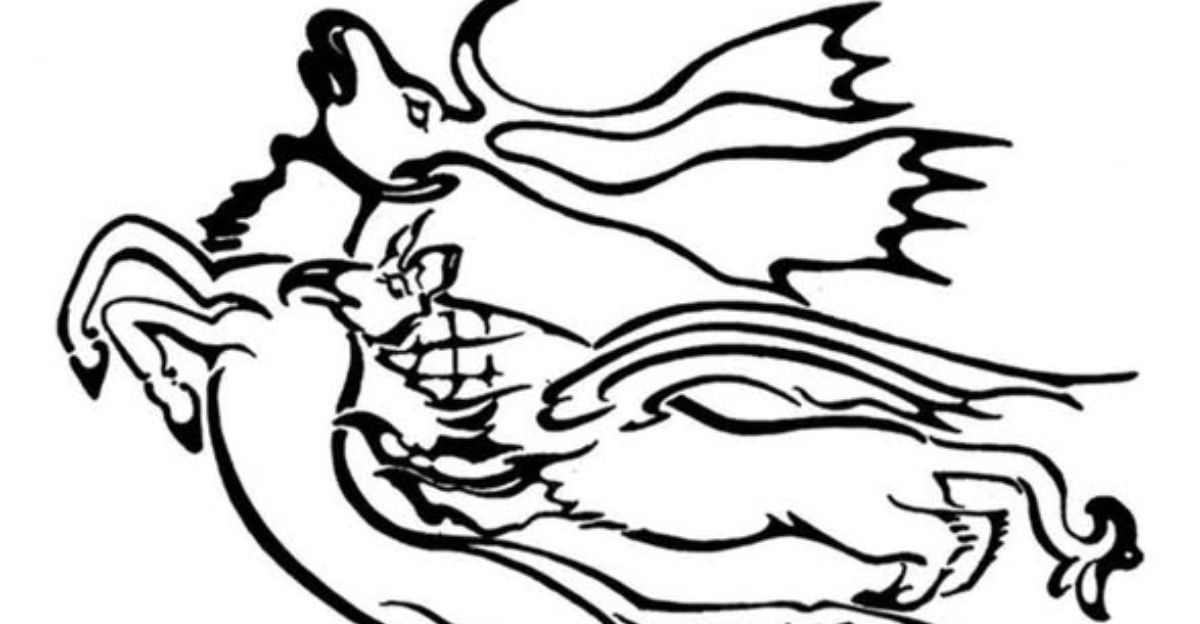
Researchers plan systematic surveys of Pazyryk burial sites using proven methodology.
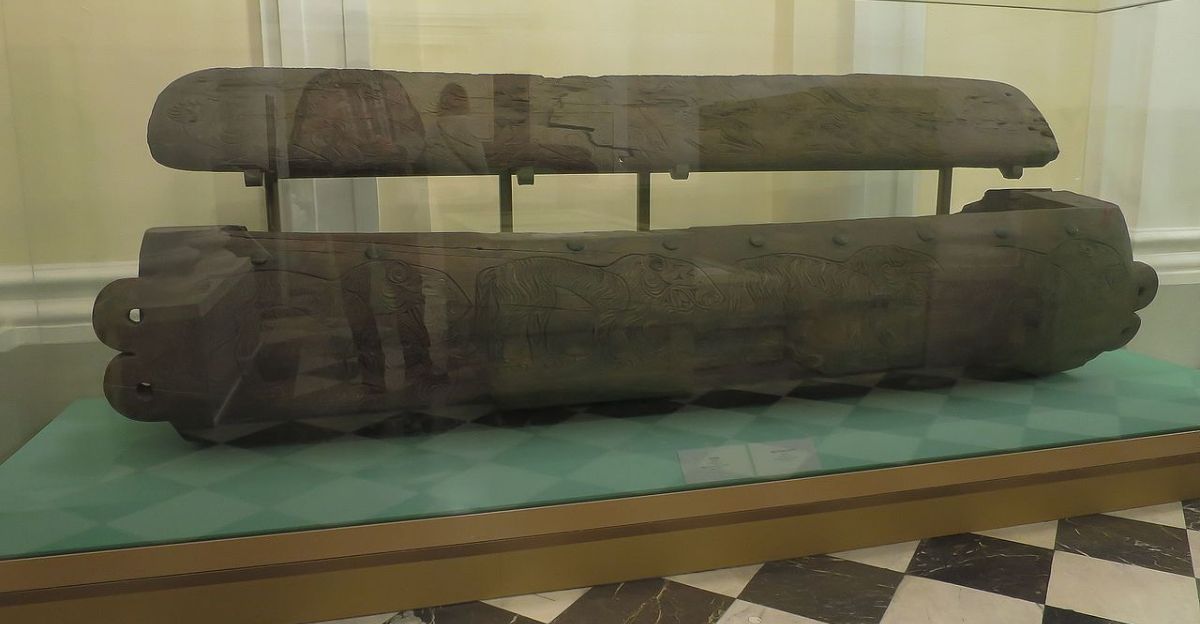
According to reports, six additional ice mummies await similar analysis at Russia’s State Hermitage Museum in St. Petersburg, where scientists expect to reveal hundreds of previously invisible designs.
Preservation Challenges
Conservation experts warn that increased attention might accelerate mummy deterioration from handling and environmental exposure. Museum storage conditions require careful monitoring to preserve irreplaceable artifacts.
Balancing research access with long-term preservation presents ongoing institutional challenges for archaeological collections.
Cultural Significance
The discovery reveals tattooing was “not merely as symbolic decoration but as a specialized craft—one that demanded technical skill, aesthetic sensitivity, and formal training or apprenticeship,” stated Dr. Caspari.
This challenges previous assumptions about ancient body modification practices.
Burial Practices
Some tattoos appear cut or damaged during burial preparation, suggesting different meanings for living versus dead.
“It suggests that tattoos were really something for the living with meaning during life, but that they actually didn’t really play much of a role in the afterlife,” Dr. Caspari explained.
Global Influence
Museums worldwide are reassessing tattooed collections using new technological standards.
The research demonstrates successful international cooperation, with German and Swiss institutions working with Russian museums to advance archaeological understanding despite current geopolitical tensions across Europe.
Individual Artistry
The findings emphasize personal agency in ancient body modification.
“The insights really drive home to me the point of how sophisticated these people were,” Dr. Caspari told AOL News, highlighting individual craftsmanship rather than just broad cultural symbolism patterns.
Modern Connections
Contemporary tattoo artists draw inspiration from ancient designs revealed through this research.
The sophisticated techniques used 2,000 years ago would challenge even modern professionals using advanced equipment, bridging ancient craftsmanship with current body art movements and cultural practices worldwide.
Future Understanding
These discoveries fundamentally challenge assumptions about prehistoric artistic capabilities and individual expression.
The research opens possibilities for understanding human creativity and personal identity across millennia. As Dr. Caspari concluded, the work helps us see “the people behind the art” in unprecedented detail.