
You just signed the paperwork. Your $70,000 luxury sedan smells like leather and promise. But the moment you drive off the lot, your car has already shed thousands in value. For some models, that number reaches $20,000 instantly.
A five-year iSeeCars analysis of 2020 models shows luxury and electric vehicles don’t just depreciate—they hemorrhage value immediately. Buyers face a financial shock the moment ownership transfers.
The Instant Depreciation Trap
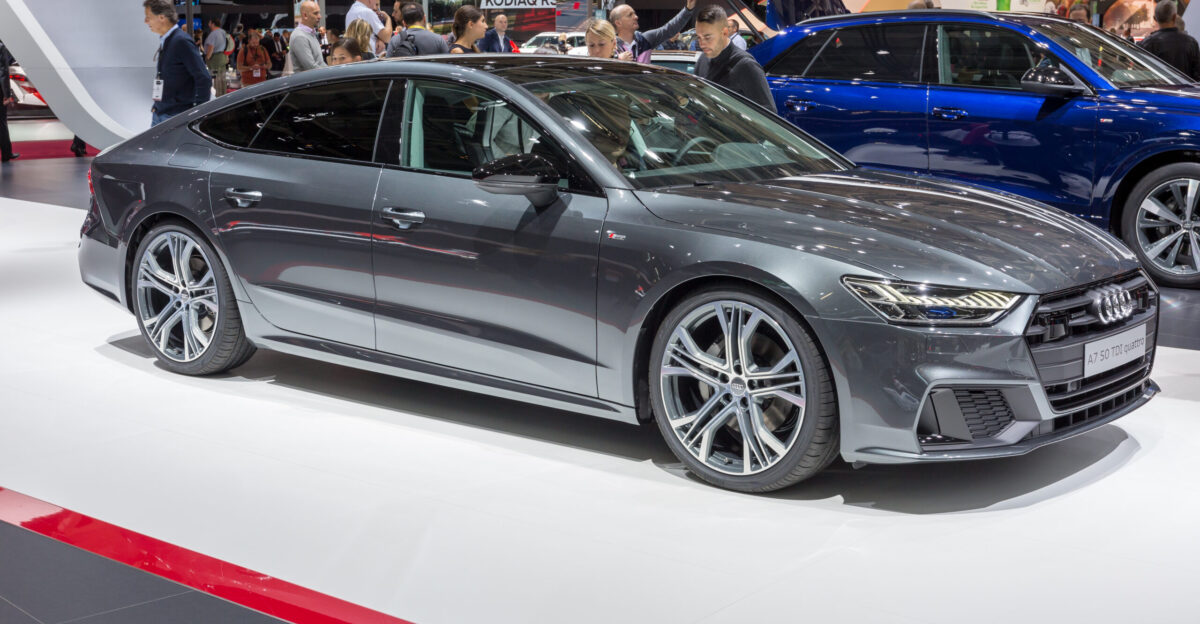
Every new car loses value the moment it leaves the dealership. Luxury vehicles are hit hardest, dropping 10-20% instantly compared with 10-15% for mainstream cars. A $70,000 sedan can lose $7,000-$14,000 before you even park at home.
Electric vehicles face extra pressure: the $7,500-$12,500 federal tax credit disappears for used buyers. Markups and brand premiums combine with this gap, creating immediate value destruction that hits owners like a financial slap. Some buyers barely notice until it’s too late.
Why Luxury Cars Bleed Value Faster
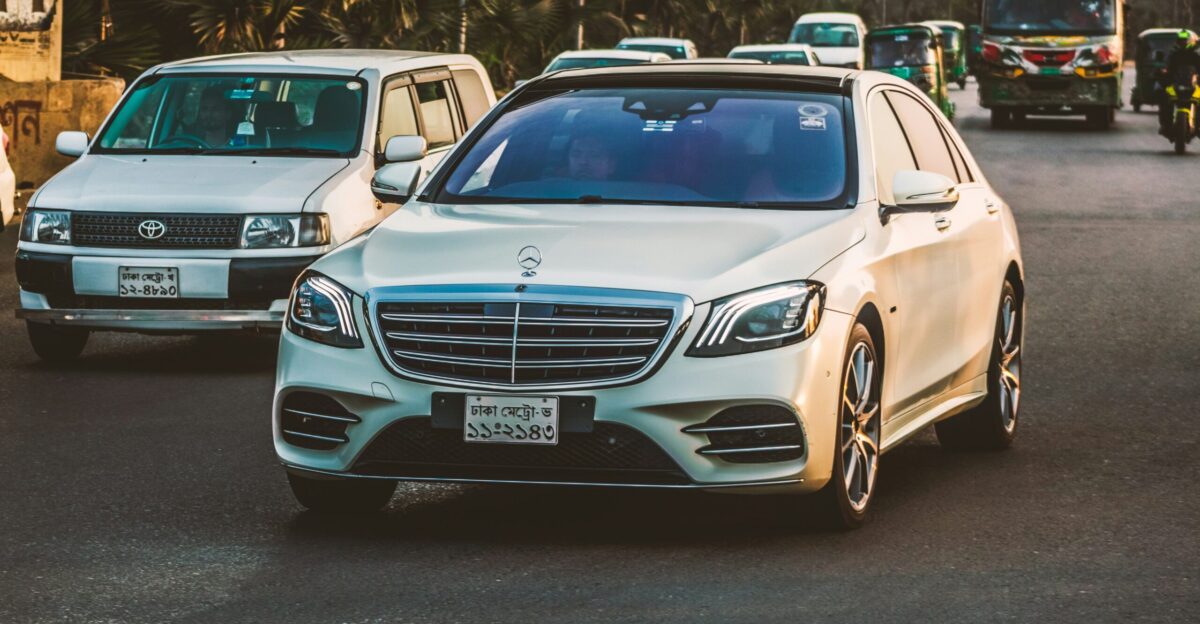
German luxury brands dominate depreciation. BMW, Audi, and Mercedes account for eight of the bottom 25. High MSRPs, expensive maintenance, and changing buyer perception make a new BMW 7 Series lose nearly $10,000 on paper instantly.
Psychology matters. Once a luxury car becomes “used,” it enters a smaller, cautious buyer pool. Service costs of $5,000-$10,000 scare potential buyers. Dealers factor this in, marking new vehicles 10-15% above true value, knowing it evaporates the moment ownership transfers.
The EV Depreciation Shock
Electric vehicles face an immediate disadvantage after the $7,500 federal tax credit expired on September 30, 2025. New EVs are now $7,500 more expensive than used models purchased before the deadline, creating an artificial price floor that depresses new EV sales and accelerates used EV value collapse.
Beyond the tax credit loss, depreciation pressures compound: battery anxiety, rapid tech obsolescence, and charging infrastructure concerns. A Tesla Model S purchased today loses value faster than before, as the safety net of federal incentives has vanished. The economics of EV ownership have fundamentally shifted.
The First-Year Catastrophe

Year one adds another 15-25% loss. A $70,000 luxury vehicle can drop $7,000-$20,000 instantly, then another $10,500-$17,500 in the first 12 months. Owners are underwater before the first anniversary.
By year five, the worst ones have lost 60-72% of their purchase price. That’s a $51,000-$56,000 loss on a $70,000 car, exceeding most Americans’ yearly income. Depreciation here isn’t gradual—it’s financial obliteration.
Meet The Worst Offenders
iSeeCars tracked 2020 models through February 2025 and found 12 vehicles that hemorrhage value faster than any others. Each loses more than 60% of its original value in five years.
Luxury brands, premium electric vehicles, and high-end SUVs dominate. Patterns are clear: if you’re buying new, these cars could destroy your financial peace. The countdown of the 12 worst starts now.
#12 – Cadillac Escalade ESV
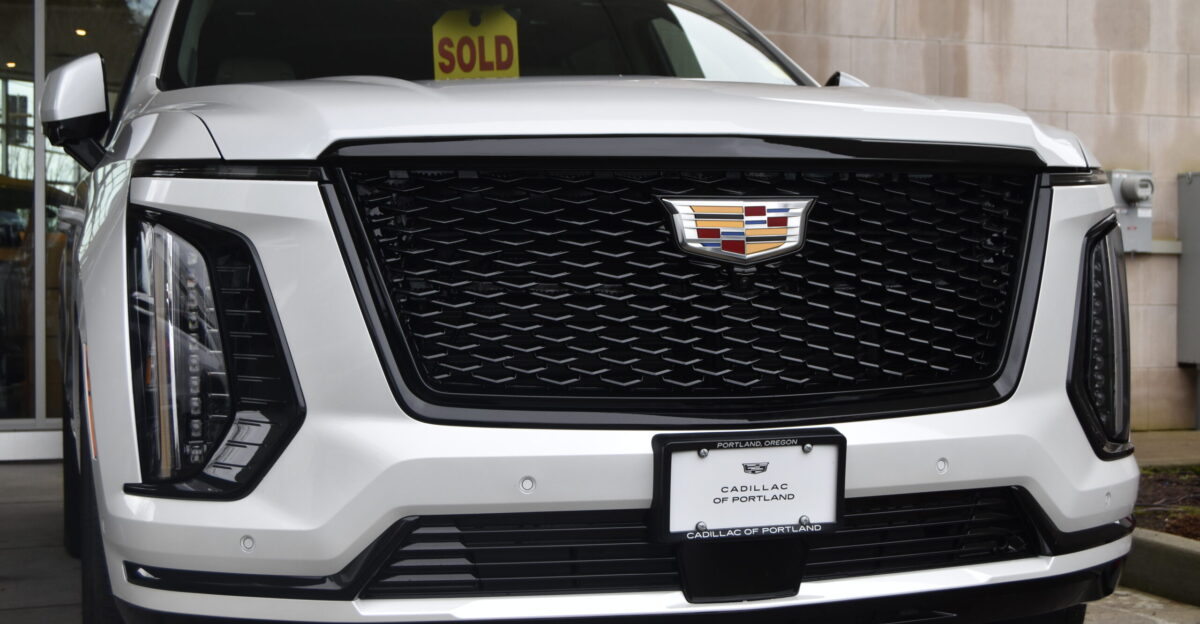
The Cadillac Escalade ESV loses 62.9% over five years, averaging $56,000 in value loss. New buyers spend $85,000-$90,000 and see ownership costs rival luxury sedans with none of the resale value.
Depreciation stems from high fuel consumption, reliability doubts, and fast-obsolete tech. Certified pre-owned Escalades save $15,000-$20,000 while avoiding the worst value cliff. The luxury SUV experience comes with a steep hidden price.
#11 – Ford Expedition MAX
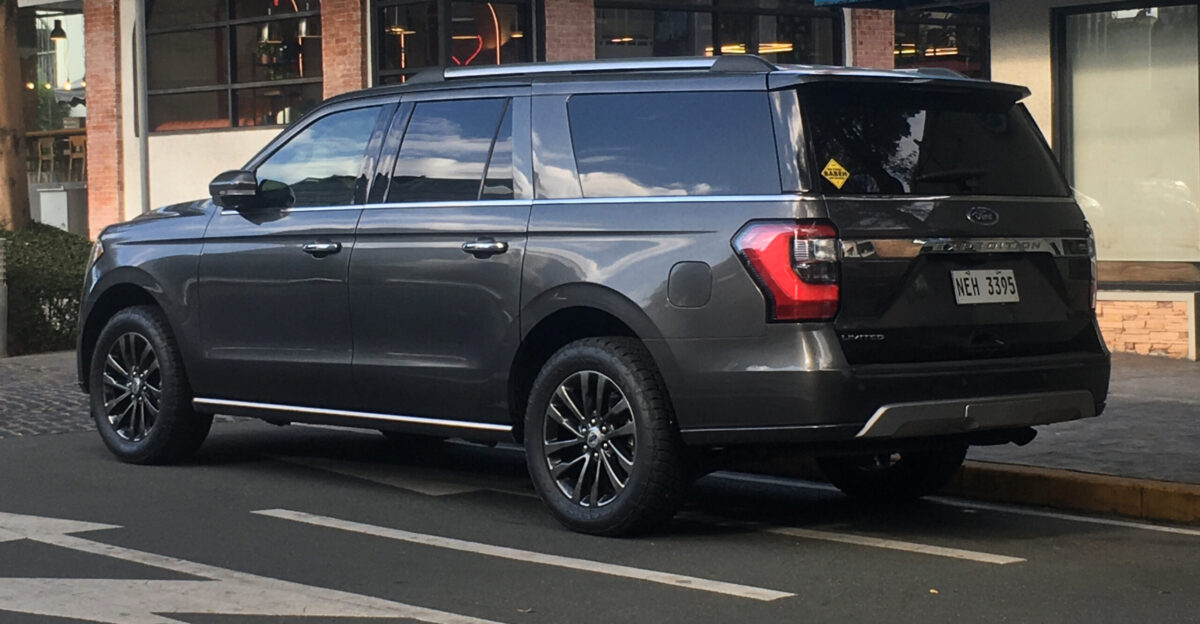
The Expedition MAX drops 60% over five years, losing $36,000-$39,000 from a $60,000-$65,000 starting price. Its mix of mainstream and luxury appeal limits resale market interest.
Fuel economy and reliability concerns hurt its used value. Buyers wanting space and capability are better off with a Toyota Sequoia or Lexus LX. The used market clearly favors Asian-brand SUVs with stronger retention.
#10 – Tesla Model Y
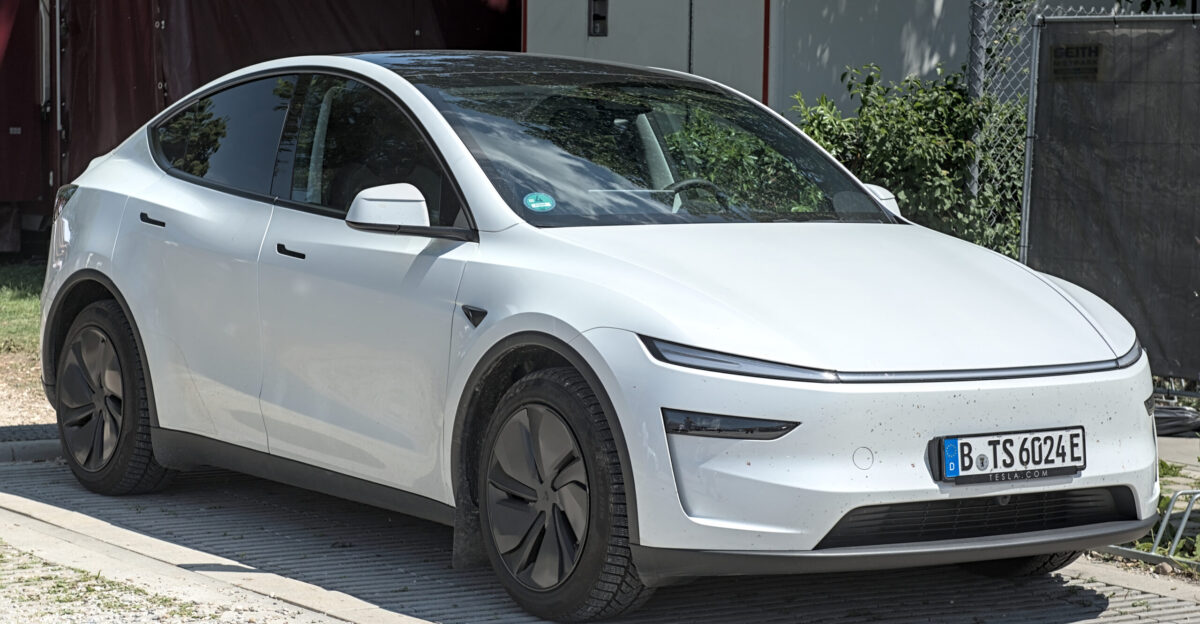
The Model Y loses 60.4% over five years—roughly $36,225—and depreciation worsened after the $7,500 federal tax credit expired on September 30. New buyers can no longer offset the EV depreciation crisis, making Tesla’s best-selling model an even poorer investment than just months ago.
Combined with Tesla’s pricing cuts and incentive programs, the credit expiration creates a perfect storm. A $65,000 Model Y now faces steeper resale collapse. Waiting 2-3 years for used models $15,000-$20,000 below new is the only financially rational choice in the post-credit era.
#9 – Maserati Levante
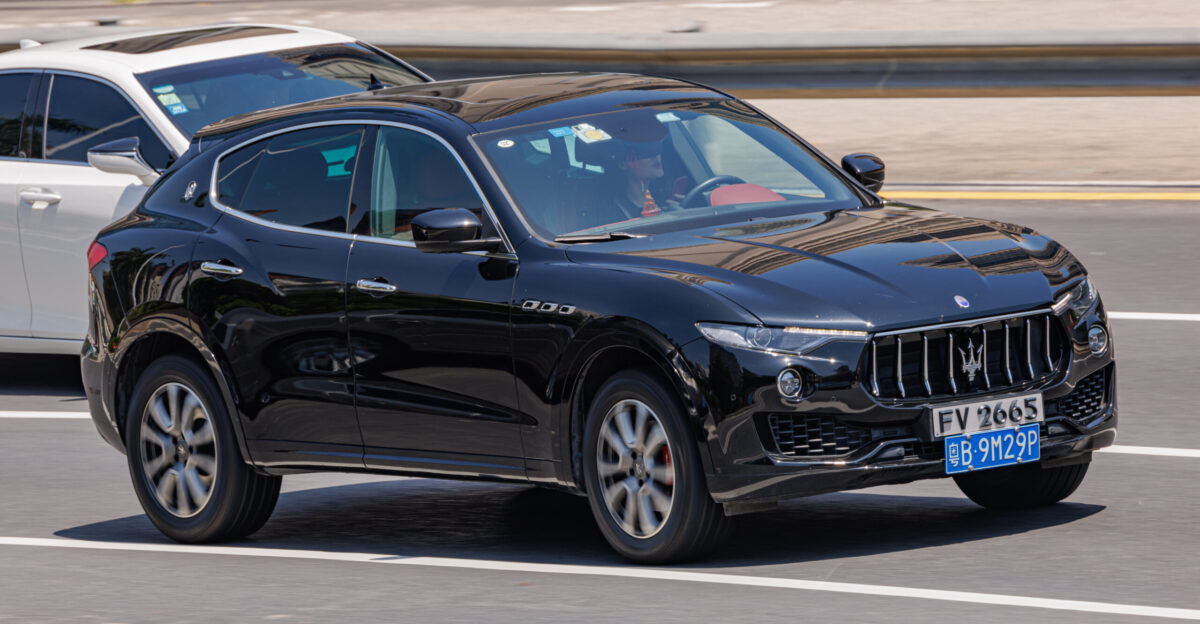
The Levante drops 63.7%, roughly $48,000 in losses on a $75,000-$80,000 SUV. Reliability concerns and extreme maintenance costs scare buyers immediately.
Annual service bills of $5,000-$10,000 post-warranty create a “lemon perception.” Maserati ownership is better short-term via lease than purchase. The Levante’s depreciation math simply doesn’t support long-term ownership.
#8 – Nissan Leaf
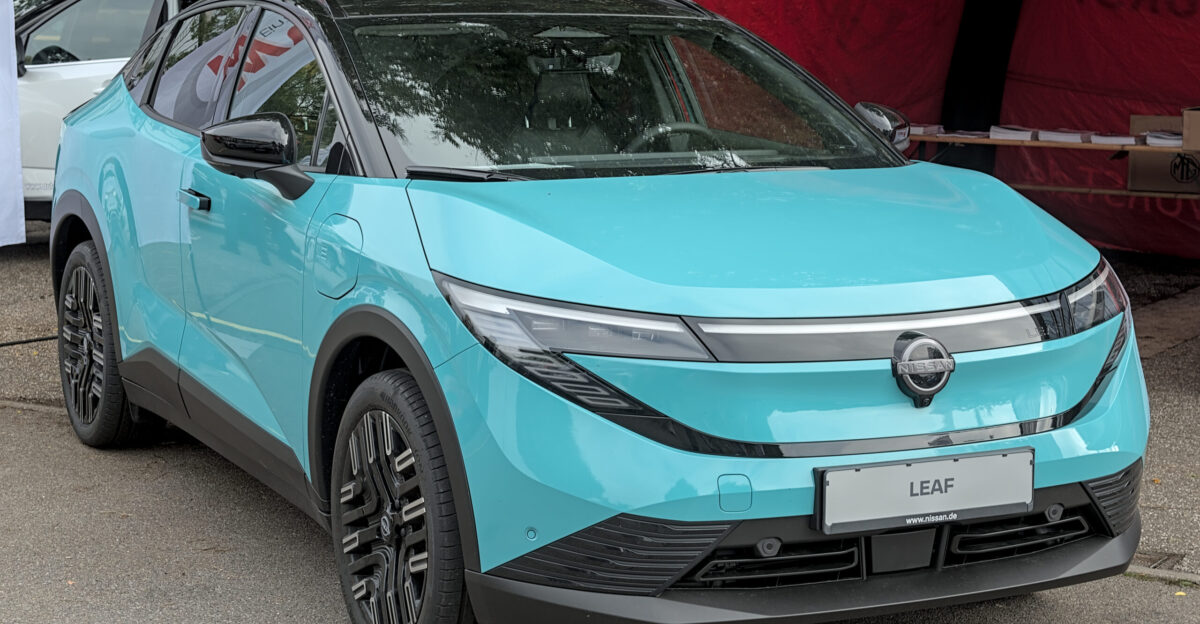
The Leaf loses 64.1%, over $32,000 from a $50,000 starting price. Early battery and charging tech now looks outdated, crushing resale appeal.
Range limitations and aging battery packs deter buyers. Older Leafs (2015-2019) never reached mainstream popularity, showing how first-gen EVs become obsolete faster than gasoline competitors. The lesson is harsh for EV shoppers.
#7 – Maserati Ghibli
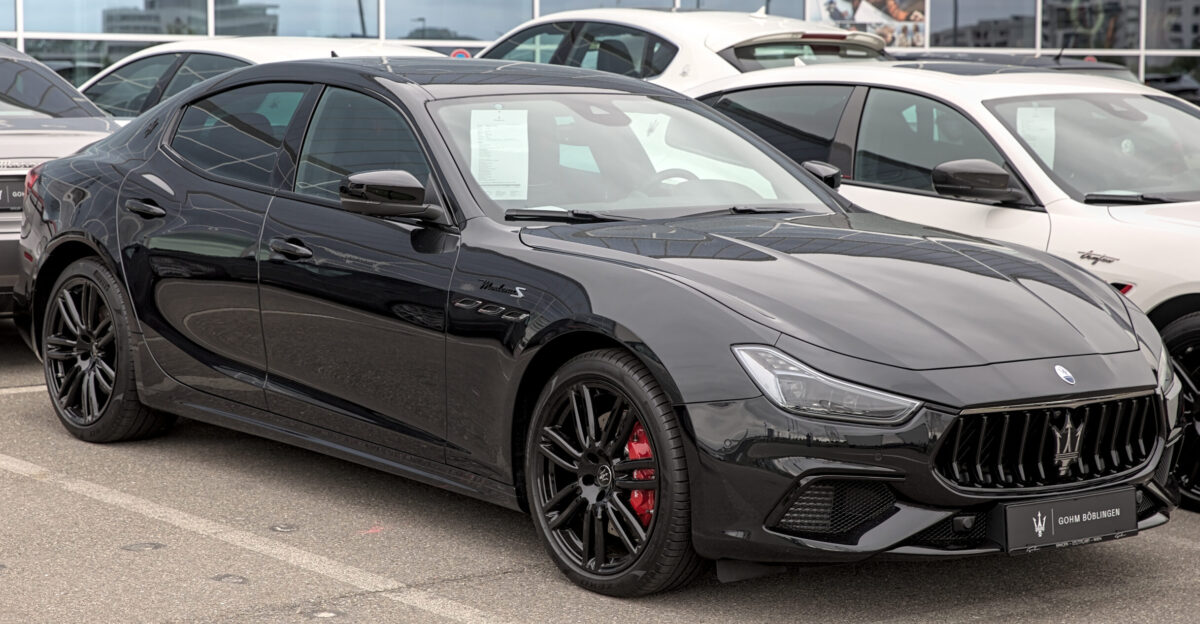
The Ghibli drops 64.7%, roughly $48,500 in losses from $75,000. High-performance luxury styling meets the reality of a maintenance nightmare in the used market.
Warranty expiration is a financial minefield. Italian prestige doesn’t translate to resale value, as buyers recognize high costs and low reliability. Luxury allure fails to protect long-term investment.
#6 – BMW 5 Series Hybrid
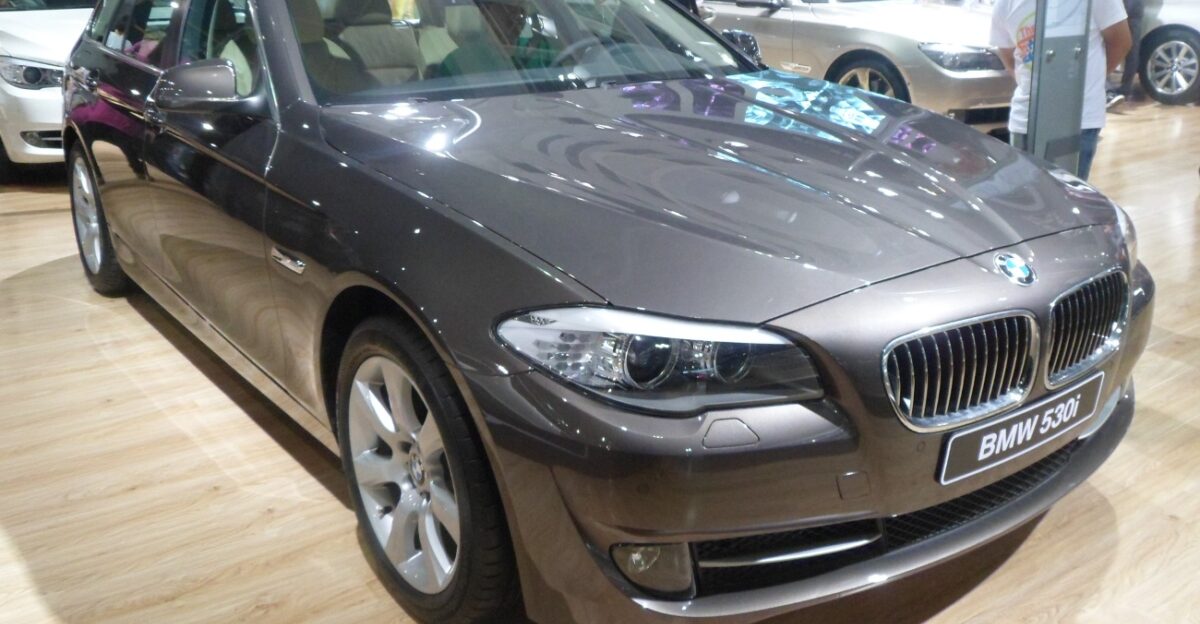
The 5 Series Hybrid loses 64.7%, mirroring luxury sedan depreciation with added hybrid uncertainty. Buyers face complexity without clear fuel savings, creating a worst-of-both-worlds scenario.
The hybrid badge does little for resale. BMW might benefit from marketing this variant as lease-only, as ownership economics make it a liability in secondary markets, not an asset.
#5 – Infiniti QX80
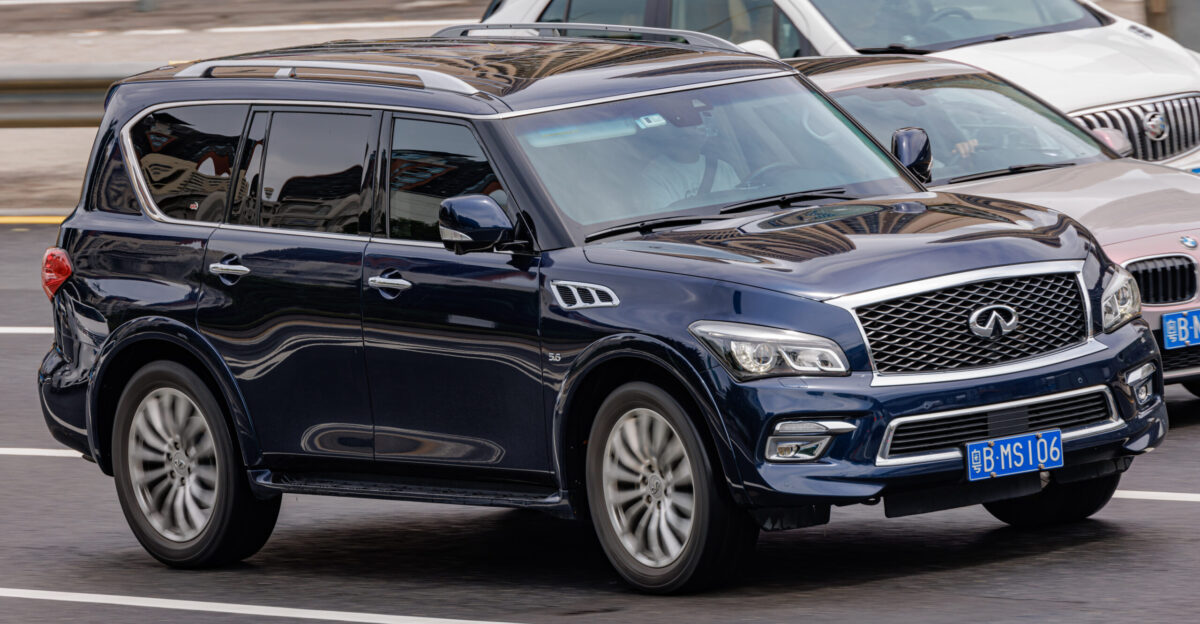
The QX80 loses 65%, over $52,000 from $80,000-$85,000 MSRP. Lexus LX and Range Rover outperform, leaving Infiniti premium pricing a liability in resale markets.
Brand perception hurts resale. Buyers want reliability and capability at lower cost, which Infiniti fails to deliver. Alternatives from Lexus and Toyota provide stronger ownership economics.
#4 – Tesla Model S
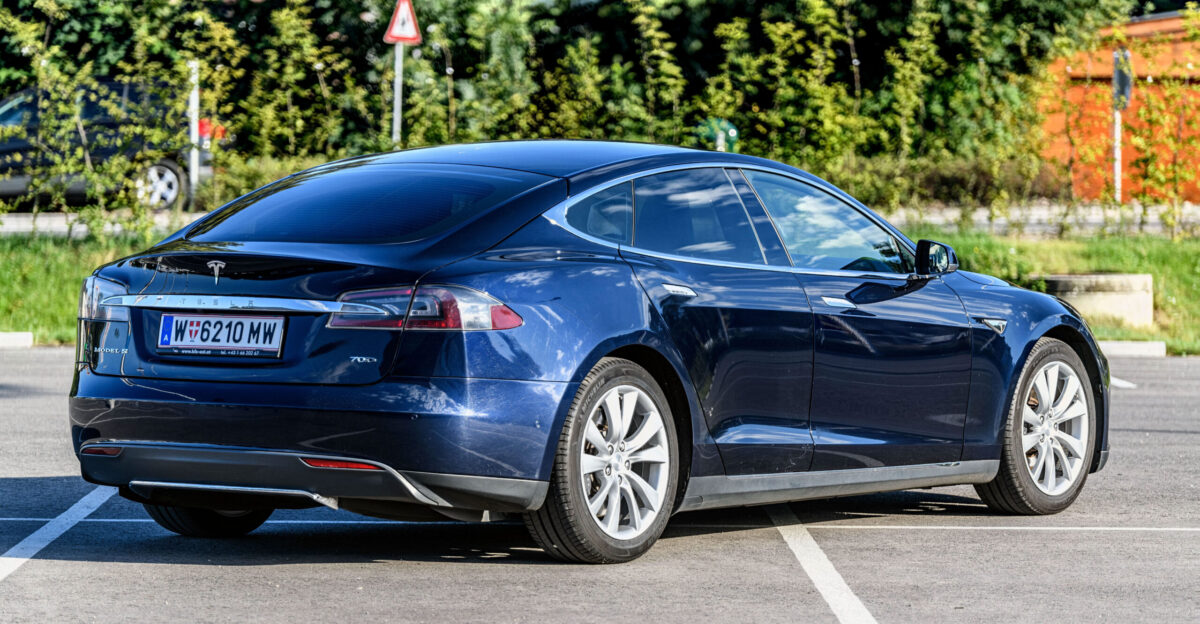
The Model S loses 65.2% of value over five years, approximately $52,165 on a $69,420 starting price. Depreciation worsened dramatically after September 30, when the $7,500 federal tax credit expired, removing the last cushion that made new EV purchases somewhat defensible.
Owners purchasing before the deadline captured the credit; post-expiration buyers face the full brunt of depreciation. Aggressive price cuts and lingering battery anxiety compound the problem. Waiting 2-3 years for used alternatives at 45%-50% discounts is now the smartest financial strategy.
#3 – Tesla Model X
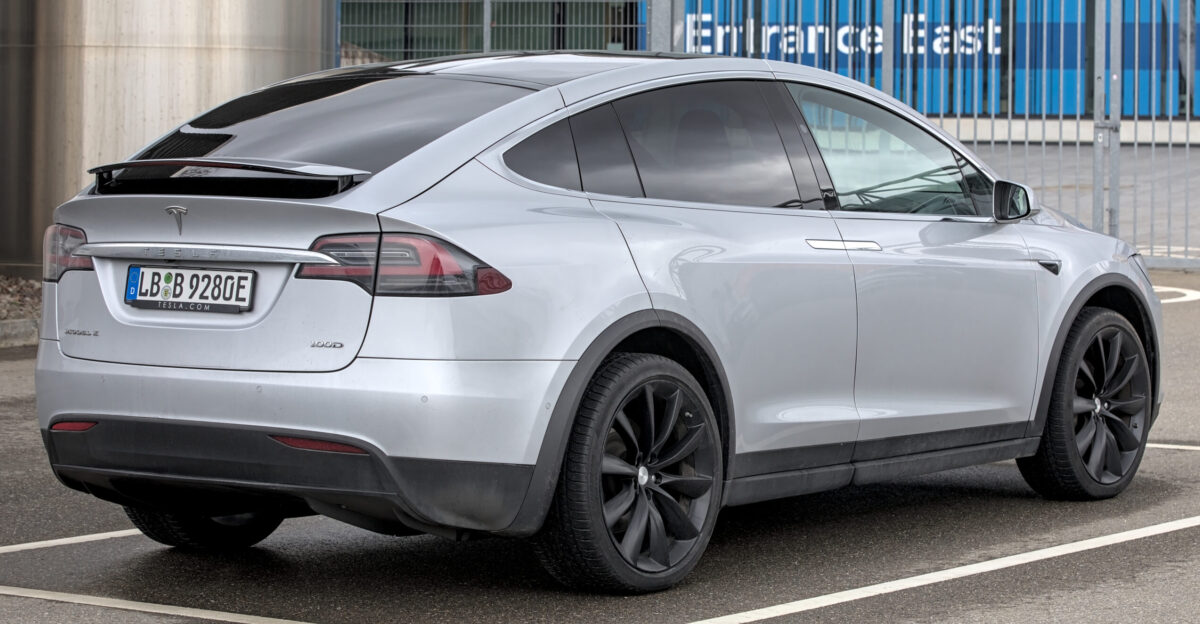
The Model X loses 63.4% over five years. The expiration of the $7,500 federal tax credit, intensified depreciation for new buyers, who now face $15,000-$20,000 losses immediately after purchase.
Falcon-wing doors add maintenance concerns, and with no federal incentive, used buyers see the Model X as an expensive luxury with hidden costs. Smart buyers now focus on 2-3 year-old leased returns at 40%-50% discounts—a strategy that became essential after the credit ended.
#2 – BMW 7 Series
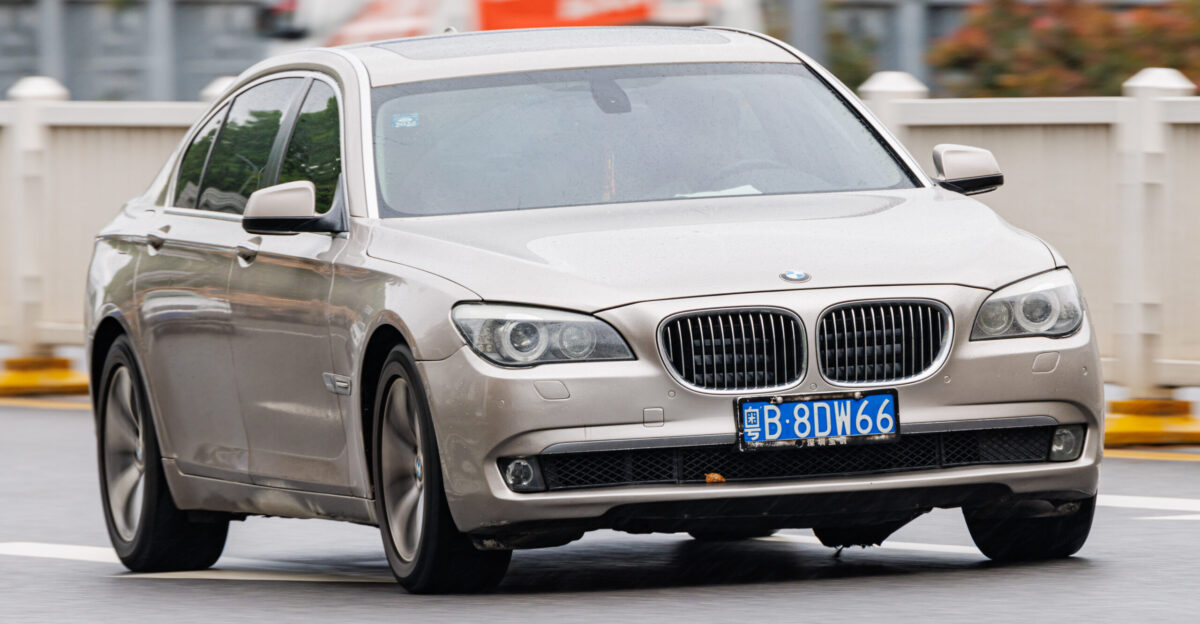
The 7 Series drops 67.1%, $65,249 on $86,450 starting price. Ultra-luxury tech ages fast, and high maintenance expectations erode resale compared to Mercedes S-Class.
Three-year-old used models capture most benefits at 40% lower cost. Depreciation patterns show that new ultra-luxury sedans are financial traps, while used vehicles provide far better value.
#1 – Jaguar I-Pace
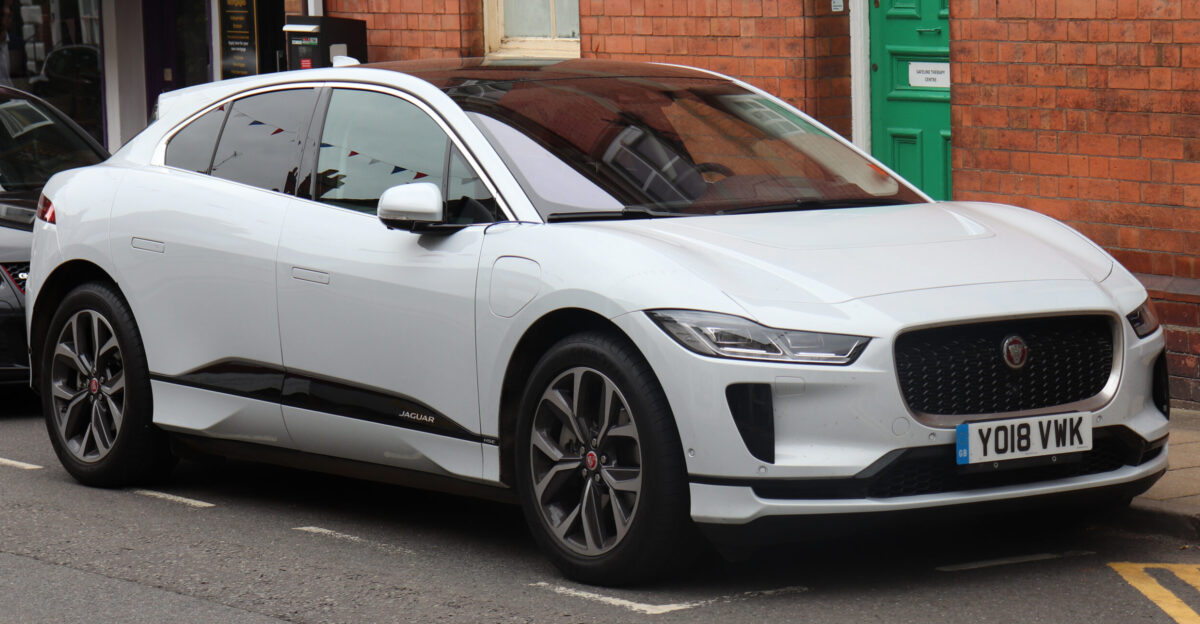
The I-Pace loses 72.2%, $51,953 from $69,850 MSRP, the worst in iSeeCars history. EV tech, luxury positioning, and brand instability combine for financial disaster.
Buyers should wait 2-3 years for $30,000-$35,000 used alternatives or consider used Tesla X models. The I-Pace demonstrates that premium branding offers no protection against rapid value destruction.
The Pattern Nobody Wants To See
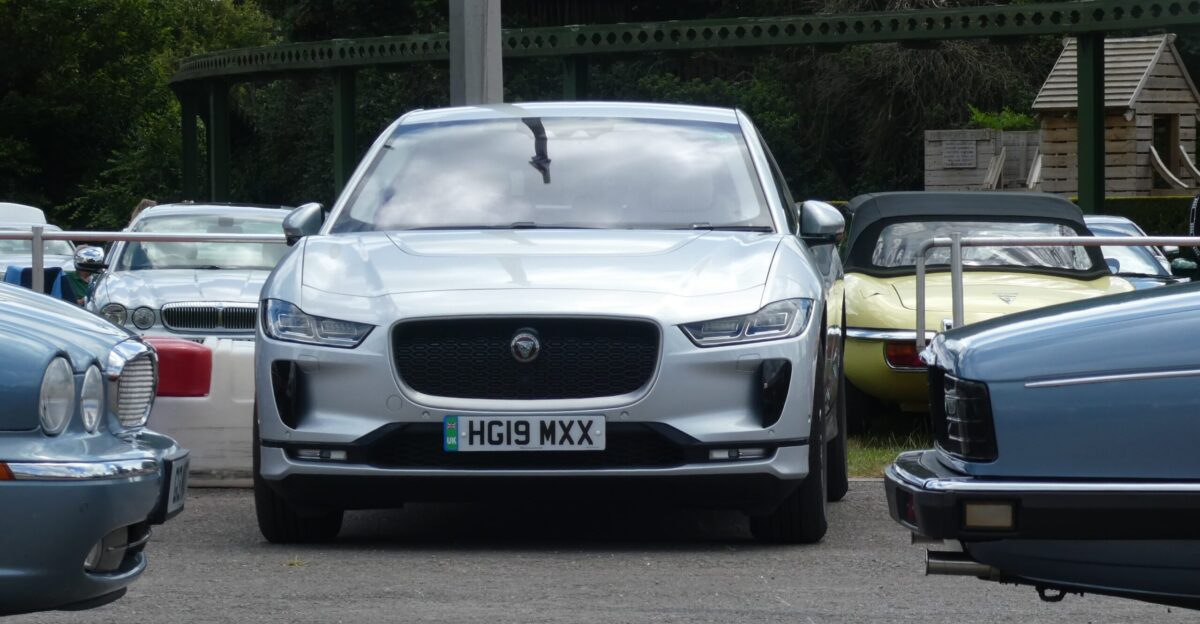
All 12 vehicles are luxury or electric. Premium positioning and advanced technology accelerate depreciation instead of protecting resale value. Buyers entering these markets are paying for a depreciating experience.
iSeeCars analyzed 2020 models through 2025, showing German luxury brands and EVs dominate the worst performers. Every model lost 60%+ of original value, revealing new-car purchases are a financial mistake.
The Smart Buyer’s Strategy
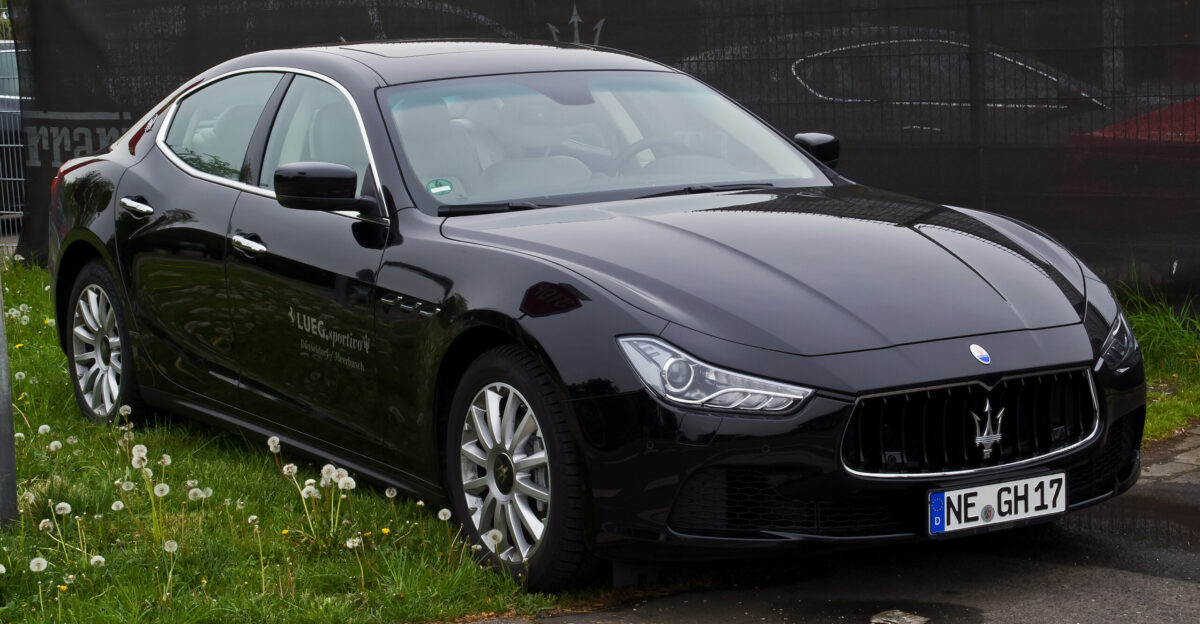
Certified pre-owned models 2-3 years old capture 40%-50% discounts, letting previous owners absorb steep losses. Leasing new luxury or EVs avoids owning rapidly depreciating assets entirely.
New-car buyers must negotiate aggressively to offset $7,000-$20,000 instant losses. Reliable used vehicles from Toyota, Lexus, Honda, or Acura offer far superior ownership economics for nearly every luxury or EV buyer.
SOURCES
“These Cars Lose The Most Resale Value Over Five Years, Data Shows.” Forbes, March 26, 2025.
“New Study Reveals Fastest and Slowest Depreciating 5-Year-Old Vehicles.” Guide Auto Web, March 25, 2025.
“Losing Value Fast! The Top 5 Fastest Depreciating Cars.” Motor Easy Magazine, December 6, 2025.
“The EV Depreciation Shock: Why Electric Vehicle Values Are Plummeting Faster Than Ever.” Auto Value Professionals, October 26, 2025.
“Luxury Car Depreciation: When to Sell Your Used Luxury Car.” Motozite, August 20, 2025.