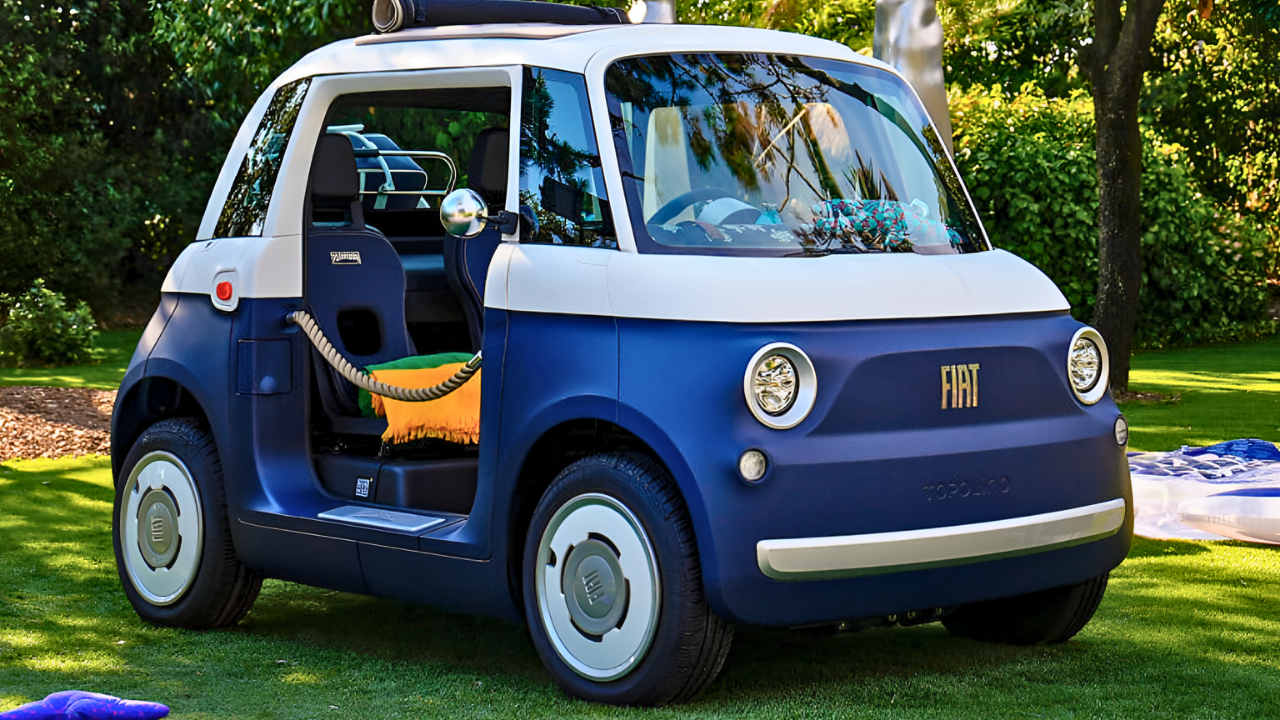
A tiny electric vehicle, no bigger than a golf cart, became America’s hottest automotive topic when President Donald Trump fell in love with Japanese cars during his recent trip to Asia. On December 4, 2025, Trump called Japan’s pint-sized kei cars “really cute” during a meeting at the White House.
He directed Transportation Secretary Sean Duffy to permit their production in America. Within days, Stellantis announced that it would bring the Fiat Topolino to US dealerships by 2026, marking one of the most significant automotive developments in decades.
The Car That Sparked a Presidential Crusade

The Fiat Topolino is a quadricycle, a vehicle classification that is barely recognized in American automotive consciousness. Stellantis CEO Antonio Filosa sat with Tesla’s Elon Musk, Ford’s Jim Farley, and GM’s Mary Barra when Trump expressed enthusiasm for microcars encountered during his Japan visit.
Transportation Secretary Sean Duffy acknowledged limitations, noting the vehicles won’t work on freeways. He emphasized affordability and urban potential. The regulatory directive represented unusual presidential intervention in automotive market structure, opening pathways for manufacturers worldwide to introduce ultra-compact vehicles.
Understanding the Topolino: Europe’s “Little Mouse”

The Fiat Topolino—Italian for “little mouse”—has been available in Europe since 2023. It features distinctive retro styling, practical urban functionality, and astonishing affordability. The vehicle features a 5.4-kilowatt-hour battery pack, delivering a range of 46.6 miles per charge.
It charges fully in four hours and operates with eight horsepower. Maximum speed is 28 miles per hour. European pricing of €9,890 (approximately $11,500) positioned it as an attainable vehicle for budget-conscious drivers seeking affordable urban transportation.
Why Stellantis Announced This Audacious Move Right Now
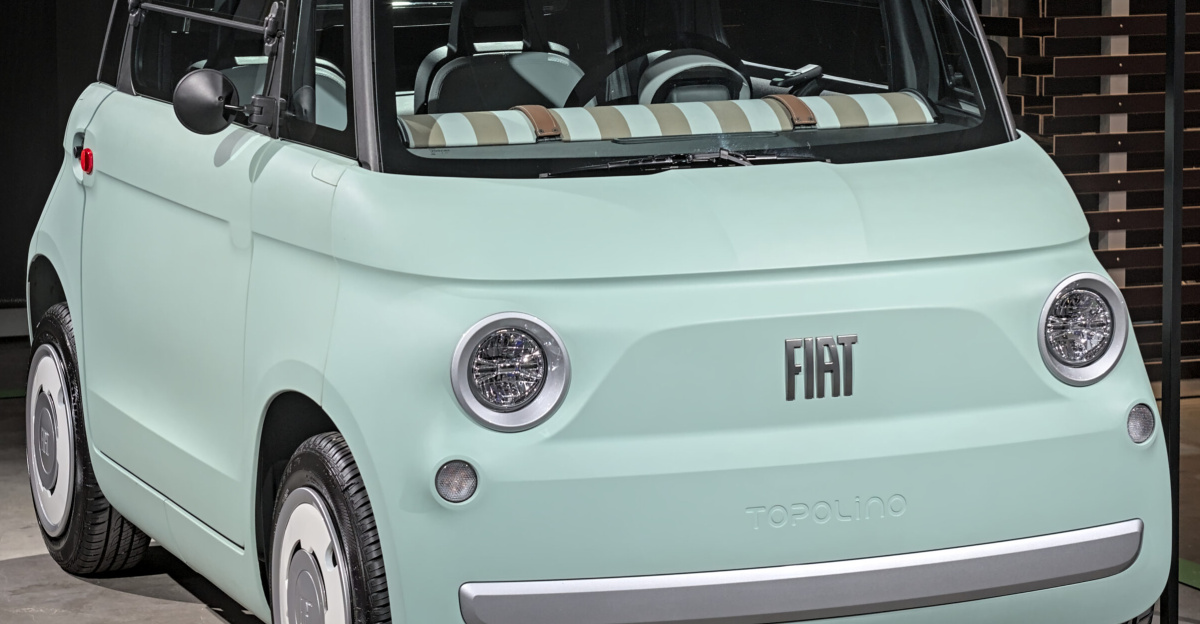
Fiat CEO Olivier François announced the US launch at Miami Art Week in December. Consumer enthusiasm at prestigious American auto shows demonstrated unexpected demand. The 2025 New York Auto Show, Los Angeles Auto Show, and Greenwich Concours d’Elegance generated significant interest.
Stellantis maintained that announcement timing remained independent of Trump’s microcar comments. Company executives had been assessing American consumer interest for months before the White House meeting.
A Desperate Company Gambling on Unconventional Solutions

Stellantis faces an existential crisis in the United States making the Topolino announcement less surprising. Fiat brand sales plummeted from 44,000 vehicles annually in 2012 to 1,528 units in 2024—a devastating 96.5% decline.
The sole remaining Fiat offering, the Fiat 500e priced at $34,683, became the second-slowest-selling vehicle in America. Only 470 units sold in the first half of 2024. Broader Stellantis US market share collapsed from 12.6% in 2018 to 9.6% by 2024.
The 500e Failure: Why Current Strategy Collapsed

The electric Fiat 500e was supposed to revitalize the brand by meeting genuine American demand. Instead, it became a cautionary case study in spectacular failure. Priced at $34,683, the 500e couldn’t compete with the Nissan Leaf, Hyundai Kona Electric, or Tesla Model 3.
Analysts attributed the disaster to limited practicality, inadequate driving range, and premium pricing contradicting affordability claims. Observers called it “a perfect storm of market rejection.” The vehicle’s failure accelerated Fiat’s American collapse and justified searching for unconventional market segments.
Regulatory Hurdles: The Complex Path to Viability

The Topolino doesn’t meet federal motor vehicle safety standards for conventional automobiles and requires alternative regulatory classification for legal US road operation. Potential classifications include Neighborhood Electric Vehicles (NEVs) restricted to 25-mile-per-hour maximum speeds and roads under 35 miles per hour.
The Topolino’s 28-mile-per-hour capability slightly exceeds federal NEV limits, creating regulatory complications. Stellantis will need speed governors or alternative pathways through federal transportation agencies. Complex federal and state frameworks require careful navigation, which can substantially increase manufacturing costs.
Limited Road Access: Geography Determines Viability

The Topolino would be road-legal only on surface streets with specified speed limits. American highways, freeways, and roads exceeding 35 miles per hour become prohibited zones. Topolino usage would be confined to densely populated urban areas with extensive surface-street networks.
Geographic limitations restrict the addressable market to major metropolitan areas, such as New York, Los Angeles, Chicago, and San Francisco. These restrictions fundamentally undermine commercial viability in a nation where cross-state highway driving represents a cultural cornerstone and lifestyle expectation.
What Pricing Will Tell Us About Viability

The critical factor determining Topolino’s viability centers entirely on final US pricing. The European €9,890 baseline ($11,500) represents potentially disruptive affordability compared to established budget options.
American safety requirements, crash testing, emission certifications, and regulatory compliance modifications could substantially increase manufacturing costs. US pricing could exceed $15,000, thereby eliminating the primary affordability advantage that has driven European success. Stellantis faces an uncomfortable dilemma: maintain aggressive pricing to maximize appeal or charge premium prices that reflect actual manufacturing costs, thereby limiting the addressable market.
Market Skepticism: Why Experts Doubt Success

Industry analysts remain deeply skeptical about Topolino’s prospects in the American market. Telemetry’s Sam Abuelsamid estimates that a minimum of 200,000 units is required for annual sales to achieve profitability. The best year for American microcar sales was 2014, with a total of 114,000 units sold across all manufacturers.
Small cars have consistently underperformed in the American market. Previous initiatives, such as Fiat’s 2009 introduction, failed as fuel prices declined and consumer preferences shifted. Industry observers point to these historical patterns as evidence that the Topolino faces formidable market headwinds regardless of Trump’s endorsement.
Historical Lessons: Why Fiat’s 2011 American Dream Failed
Fiat entered the American market in 2011 as part of Chrysler’s post-bankruptcy restructuring. The company designed an entry to introduce small, fuel-efficient vehicles matching global automotive trends. The initiative generated optimism about changing American preferences toward European-style compact cars.
Market realities proved disappointing as consumers favored larger vehicles. When fuel prices stabilized after 2008 and economic conditions improved, American consumers shifted away from small cars. This demonstrated fundamental cultural preferences for vehicle size transcend economics and environmental considerations entirely.
Trump’s Unexpected Environmental Position: A Surprising Pivot
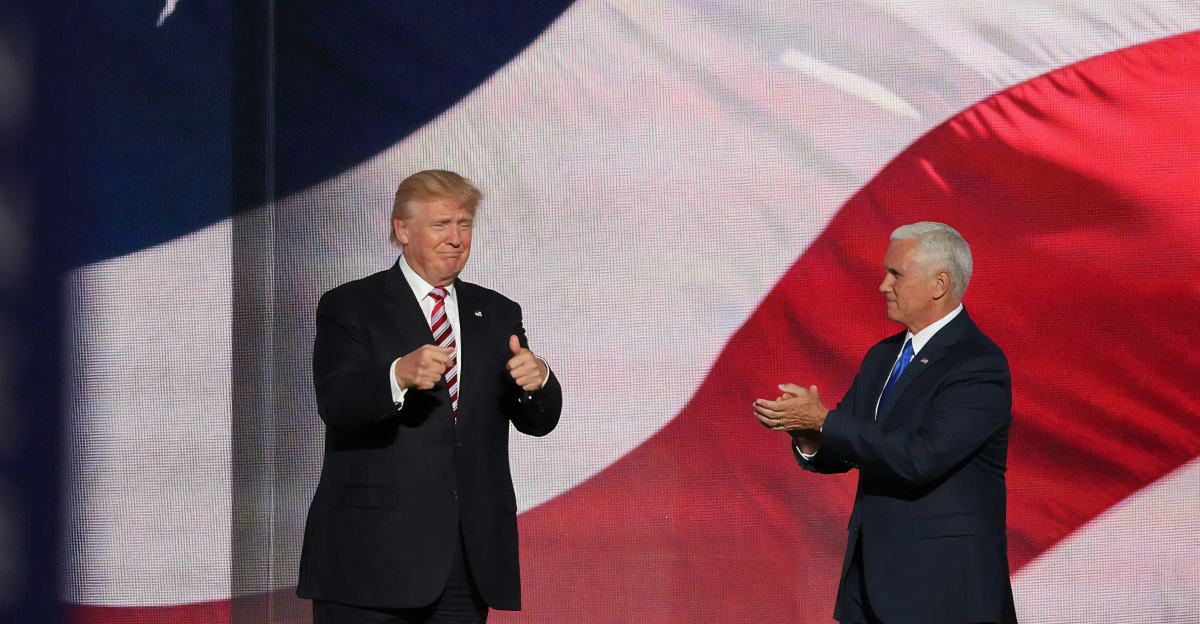
Trump’s enthusiasm for Japanese kei cars represents a surprising departure from traditional Republican automotive policy, which has prioritized American-made, larger vehicles since the Reagan era. During the White House meeting, Trump directed Sean Duffy to facilitate microcar regulations, describing the vehicles as “beautiful” and questioning American assumptions about vehicle size.
Duffy acknowledged practical limitations while endorsing the benefits of affordability. This unexpected presidential support signals potential policy shifts that could permit previously excluded vehicle categories to enter the American automotive market.
The Affordability Crisis Driving Interest in Ultra-Compact Vehicles

American new vehicle prices have skyrocketed, making them unaffordable for the average consumer. The median new car price exceeded $47,000 in 2024, making the Topolino’s potential price genuinely disruptive. Generation Z and millennials face unprecedented barriers to owning a vehicle. Monthly payments, insurance, and fuel costs increasingly represent a significant portion of household budgets.
The Topolino addresses genuine consumer demand for affordable urban transportation. Traditional automakers abandoned this segment, pursuing higher-margin SUVs and luxury vehicles. This affordability gap represents the most compelling argument for Topolino success.
Niche Market Opportunities Beyond Traditional Retail
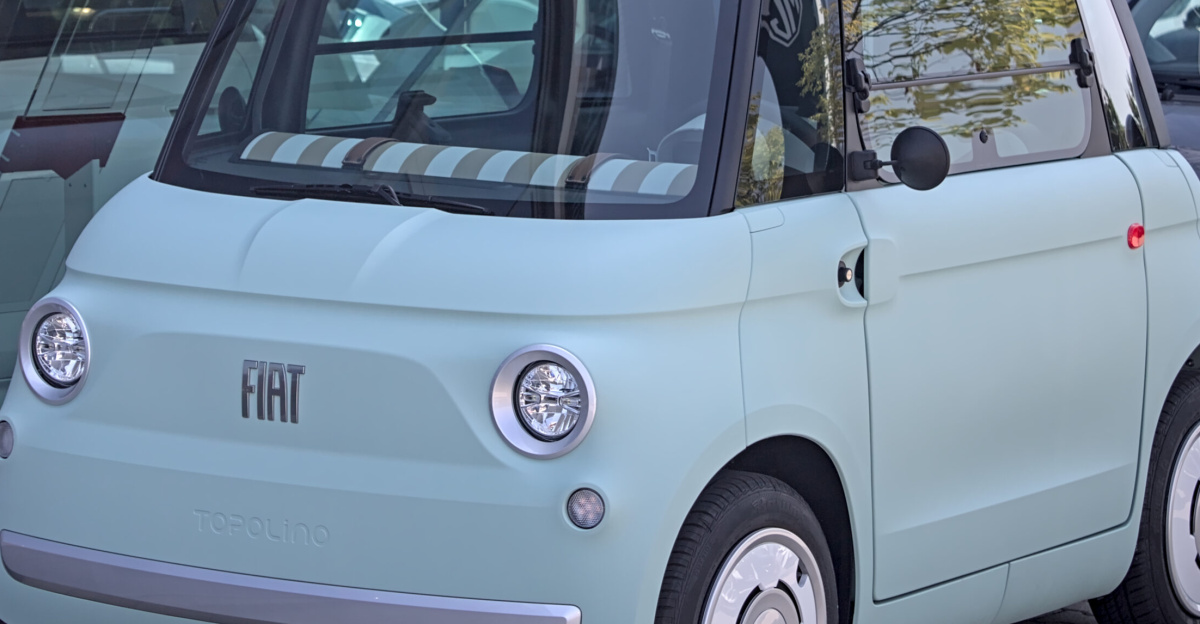
Despite skepticism, the Topolino could succeed in specific urban niches. Ultra-dense metropolitan areas with severe parking constraints represent potential markets. Second-household situations, campus mobility solutions, and early-adopters seeking novelty could drive demand.
Real estate developers might subsidize Topolino purchases for residents, creating fleet opportunities beyond retail channels. The vehicle’s distinctive retro styling and ultra-low operating costs appeal to environmentally conscious affluent consumers. However, this remains an unproven hypothesis requiring actual market testing in genuine American conditions.
2026 Will Reveal Whether American Automotive Culture Can Transform

Stellantis plans to share detailed Topolino specifications, American pricing, and availability timelines during 2026. This provides information about regulatory classification and commercial positioning. The announcement generated substantial media attention and consumer curiosity, creating momentum before formal introduction. However, commercial success depends on actual consumer purchase behavior in genuine market conditions.
Supply chain execution and regulatory approval prove critical. The key question remains whether American preferences for ultra-compact vehicles prove genuine or merely novelty-driven enthusiasm susceptible to fading.
Broader Implications: Is American Automotive Culture Finally Shifting?
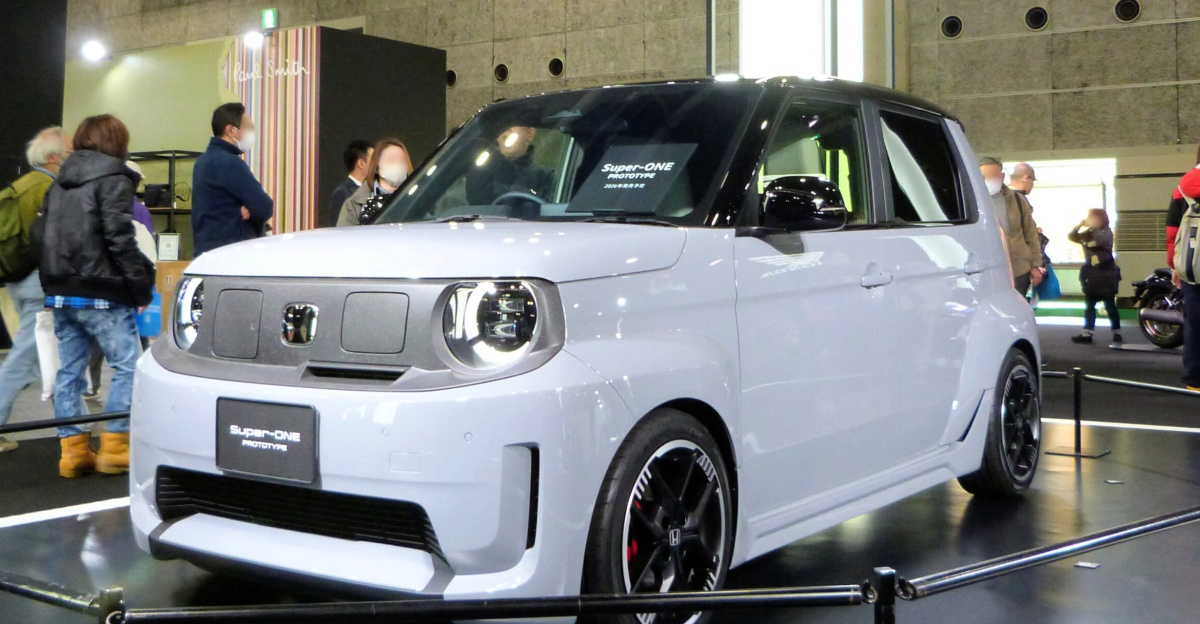
Trump’s unexpected enthusiasm for Japanese kei cars signals broader recognition of necessary diversification. American vehicle preferences require fundamental change addressing affordability crises and urban congestion. The regulatory initiative directing Sean Duffy to permit micro cars represents unusual presidential intervention.
This opens pathways for manufacturers worldwide introducing ultra-compact vehicles. However, transforming American automotive culture remains extraordinarily challenging. Multi-generational preferences, infrastructure assumptions, and psychological associations between vehicle size and success run deep. Even presidential support may prove insufficient for meaningful transformation.
Competing Visions: What Would Success Actually Look Like?

Industry observers remain divided about “success” for the Topolino in American markets. Optimists imagine 50,000-100,000 annual units while pessimists predict fewer than 5,000 units annually. Some suggest success as fleet sales to ride-sharing companies, corporate campuses, or municipal governments for last-mile solutions.
Others argue that genuine success requires a regulatory transformation, fundamentally changing the assumptions underlying American transportation infrastructure. Whatever metric applies, the Topolino provides valuable data on whether endorsement and affordability can overcome traditional automotive market trends.
The Topolino Represents Unconventional Hope for Stellantis
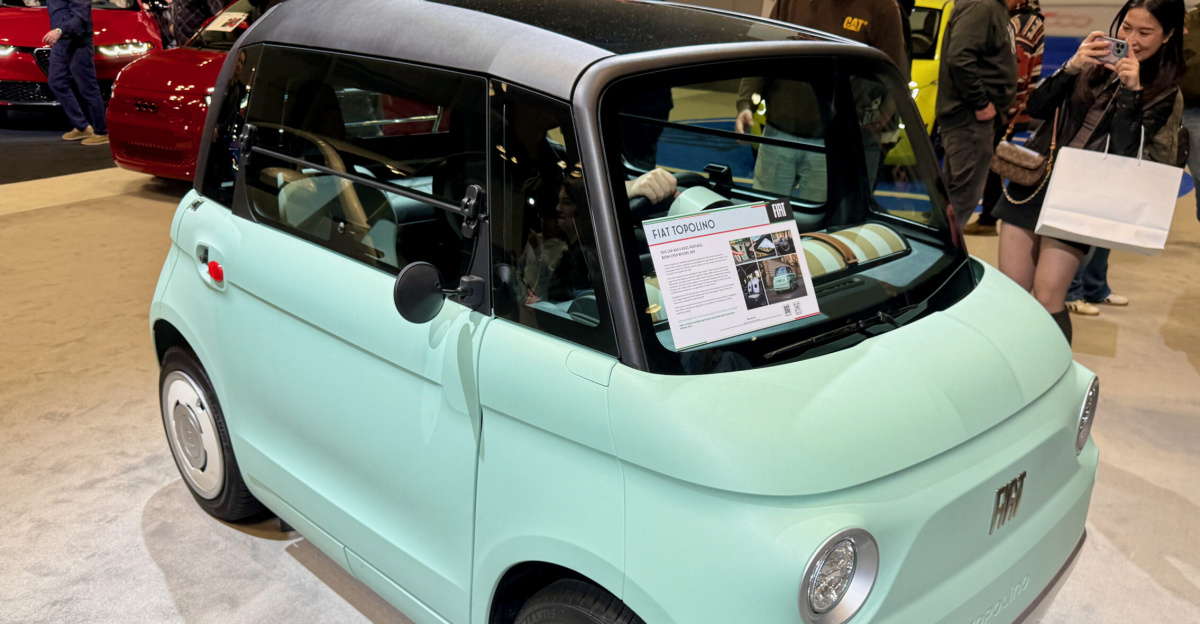
The Fiat Topolino announcement represents Stellantis recognizing that conventional automotive strategies failed catastrophically in America. Radical diversification into impossible market segments became necessary. Bringing a 28-mile-per-hour quadricycle demonstrates a sense of desperation, ambition, and a willingness to challenge fundamental assumptions.
The gamble reflects either visionary recognition of emerging trends or desperation, watching market share evaporate. Whether this audacious strategy will resurrect Fiat will become apparent in 2026. Outcomes provide insights into regulatory evolution and whether Trump’s enthusiasm generates transformative market effects or merely amusing automotive industry theater.
What This Means for the Broader Automotive Industry

The Topolino announcement signals a potential inflection point in the American automotive market structure. Decades of SUV and truck dominance might finally face genuine competitive pressure. Other international automakers, including Honda, Daihatsu, Suzuki, and Chinese manufacturers, have expressed interest in the American kei car market opportunities.
Industry observers expect 2026 announcements from competing manufacturers testing the American consumer’s appetite. This potentially creates entirely new market segments. The Topolino’s success or failure determines whether other manufacturers invest in American microcar development.
Industry Reactions: Skepticism Mixed With Cautious Optimism

Reactions in the automotive industry ranged from skeptical amusement to cautious optimism about emerging market opportunities. Traditional Detroit automakers largely dismissed the announcement as niche market experimentation. Executives acknowledged potential for fleet customers and urban mobility solutions.
European manufacturers, including Renault, Citroën, and Volkswagen, closely monitored American reception, planning potential kei car entries. Japanese manufacturers remained conspicuously quiet. However, insiders suggest that Honda and Daihatsu conduct market research on the American consumer’s appetite for ultra-compact vehicles.
Sources:
“Stellantis to bring tiny Fiat car to U.S. following Trump remarks,” CNBC, December 8, 2025.
“Stellantis Brings Tiny Cars to the US After Trump Said He Wanted Them,” Business Insider, December 9, 2025.
“Fiat Will Sell Tiny EV in the U.S. With a 28 MPH Top Speed,” Gizmodo, December 9, 2025.
“The Fiat 500e Is The Second Slowest-Selling Vehicle In The U.S.,” Mopar Insiders, August 1, 2024.
“Trump wants Asia’s pint-sized kei cars to be made and sold in U.S.,” Los Angeles Times, December 4, 2025.
“Could President Trump Bring Japan’s Tiny Cars to America? Not so fast,” The New York Times, December 6, 2025.