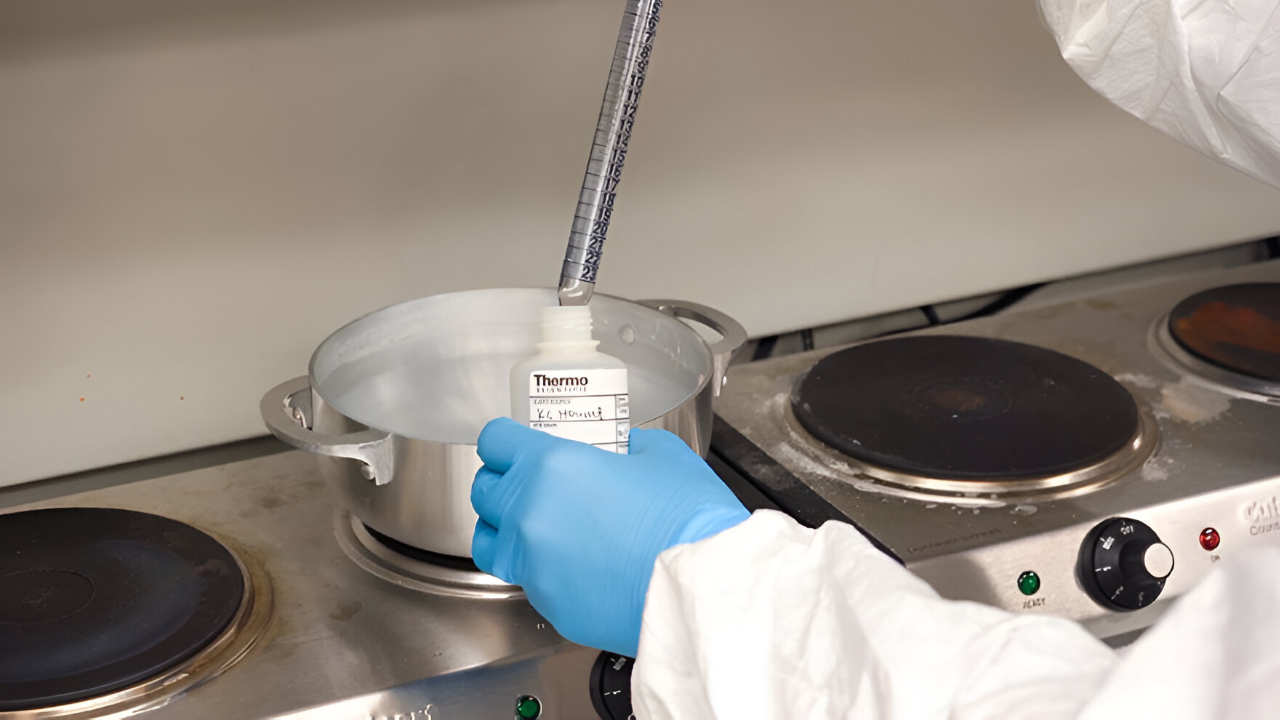
In just four months, the FDA’s cookware warning exploded from a handful of flagged pots to 19 products nationwide. Lead exposure carries no safe threshold, yet families were unknowingly serving neurotoxins at the dinner table.
Aluminum, brass, and traditional alloys from India and Pakistan turned everyday cooking into a hazard. On November 24, the FDA added nine more pans, confirming the problem was far larger than anyone realized.
What Triggered the FDA Alarm
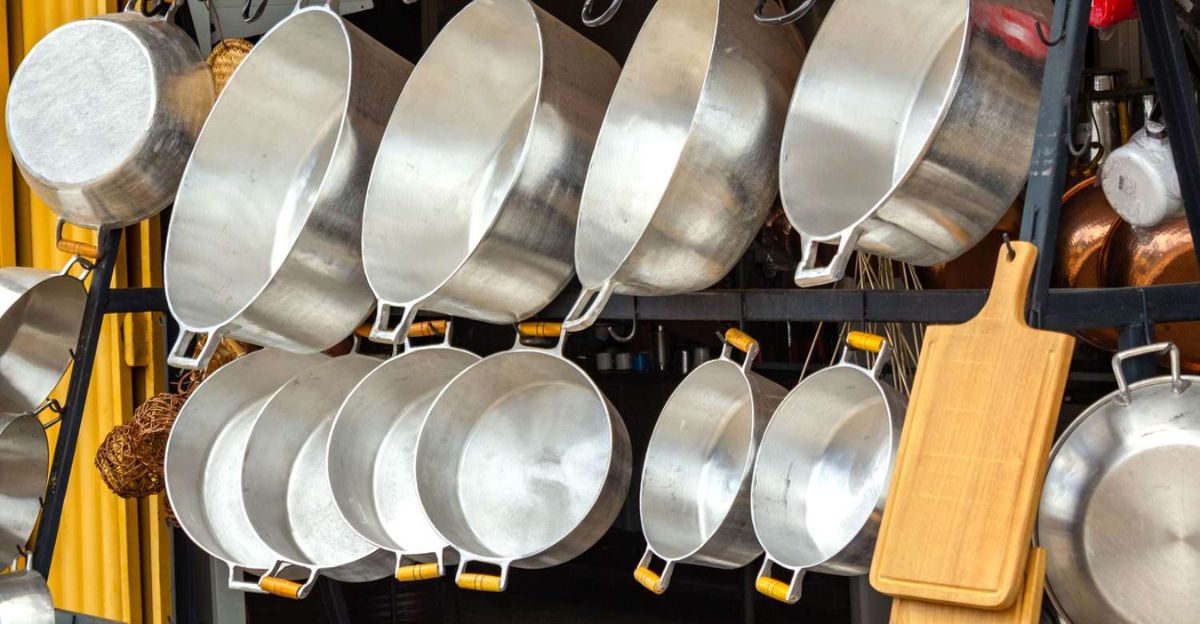
The FDA’s cookware contamination crisis began on August 13, when initial testing revealed dangerous lead-leaching levels in imported aluminum and brass cookware sold at South Asian grocery stores. Initial alerts focused on Saraswati Strips Pvt. Ltd., whose Tiger White brand kadais tested positive. Laboratory tests simulated typical cooking conditions, confirming the migration of the substance into food.
One manufacturer’s contaminated products triggered a multi-state investigation, uncovering systemic supply-chain problems across multiple distributors and manufacturers.
The Initial Recalled Products
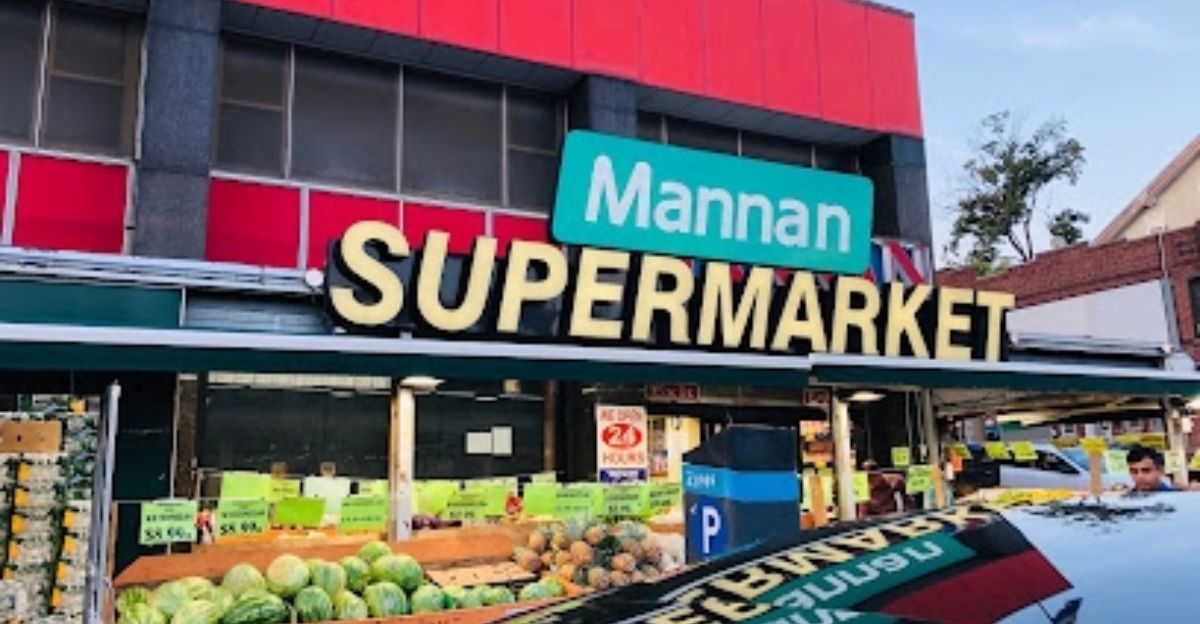
The August 13 alert centered on Tiger White kadais from Saraswati Strips Pvt. Ltd., sold at Mannan Supermarket in Jamaica, New York. FDA testing confirmed that unsafe lead leaching occurs under normal cooking conditions. Kadais are essential in South Asian cuisine—used daily for curries, rice, and family meals.
Weeks of continued consumer use preceded the public warning. This first product line signaled a sprawling contamination problem that would eventually include 19 flagged items.
September & October Expansions — More Products Emerge
After August, FDA testing identified additional contaminated cookware in September and October. September added 2–3 products, and October added 5–6 more. Products came from Indian Cookware & Appliance, Town Food Service, New Reliance Traders, Santos Agency, and others across California, New York, New Jersey, Maryland, Illinois, and Washington, D.C.
Expanded testing revealed contamination far beyond initial discovery, showing systemic supply-chain failures rather than isolated incidents. Multiple manufacturer appearances indicated repeated quality-control problems.
November’s Massive Expansion — The Turning Point
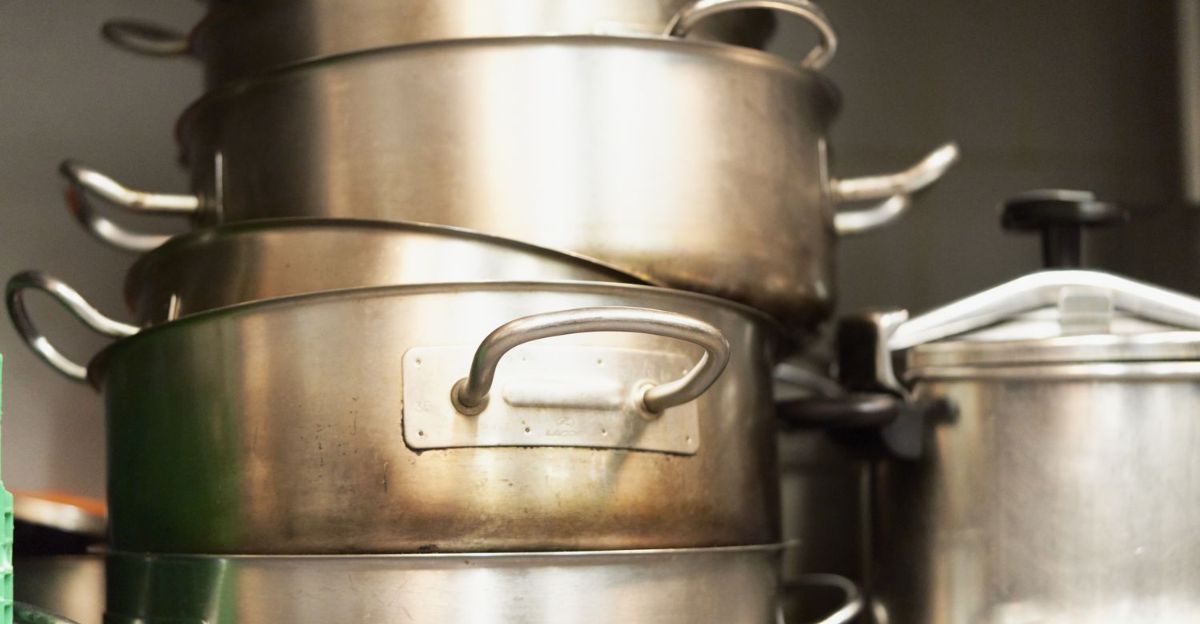
On November 24, the FDA added 9 products at once—the most significant single expansion. Included were three Silver Horse items, two JSM Foods products, and others. This clustering highlighted systemic manufacturing failures, material sourcing issues, or design flaws affecting entire product lines. Retail hotspots included Fremont, Rosedale, and Sacramento.
Nine products in a single update revealed deeper contamination patterns than initially detected, signaling the crisis had escalated dramatically.
#1 Sonex Aluminum Pot
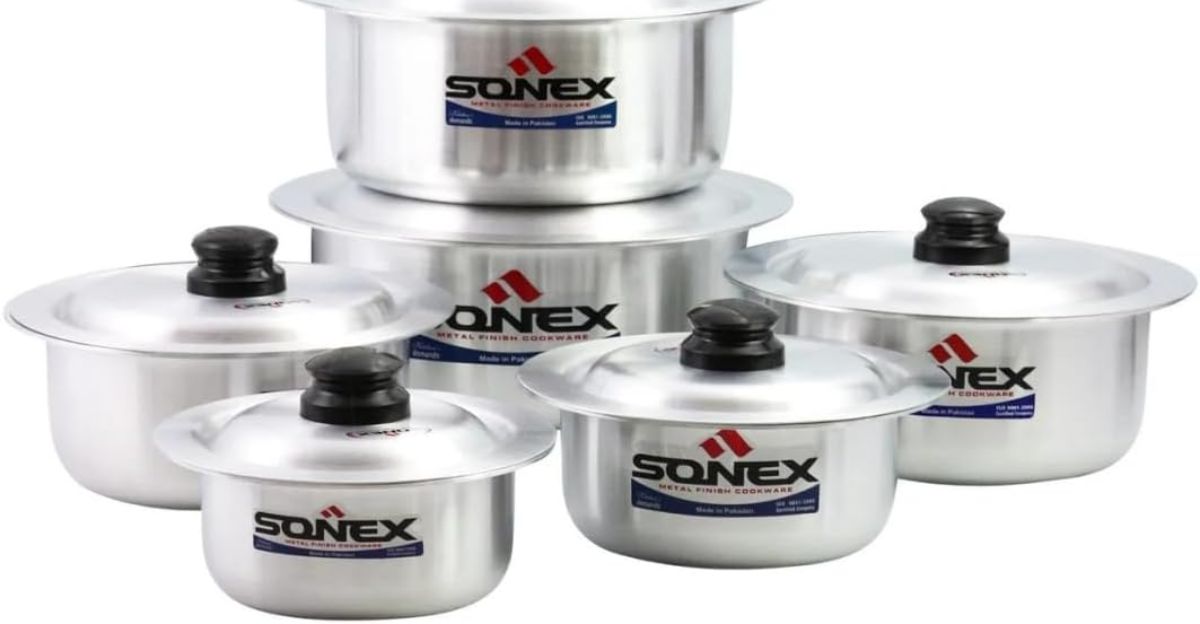
Sonex Cookware’s aluminum pot was added on November 24, marking the start of November’s expansion. Sold at Alanwar Food Corp in Brooklyn, New York, FDA testing confirmed dangerous lead leaching during normal cooking. The manufacturer initiated a recall on November 18; however, many units had already been in consumer kitchens.
Brooklyn’s large South Asian population meant widespread distribution. This pot represented the opening wave of November’s alarming cookware warnings.
#2 IKM Aluminum Saucepan, Size 2
JSM Foods manufactures the IKM aluminum saucepan, size 2, distributed through Lotus Mom Corporation. Found at India Metro Hypermarket in Fremont, California, it was flagged on November 24. FDA testing confirmed lead leaching under typical cooking conditions. The distributor recalled units on November 19, 2025, but many remained in homes.
Daily use for boiling, soups, and sauces amplified cumulative exposure in affected families. Fremont’s South Asian communities faced concentrated risk.
#3 Brass Tope (Kraftwares)
Kraftwares India Ltd. manufactured the brass tope, a traditional South Asian pot, added November 24. Sold at India Metro Hypermarket in Fremont, California, FDA testing confirmed lead leaching at unsafe levels. Brass provided no safety advantage over aluminum. The manufacturer recalled units on November 19.
Topes’ daily use for rice, milk, and traditional dishes magnified exposure. Cultural significance masked modern toxicity risks to households.
#4 IKM 4 Quart Brass Pot
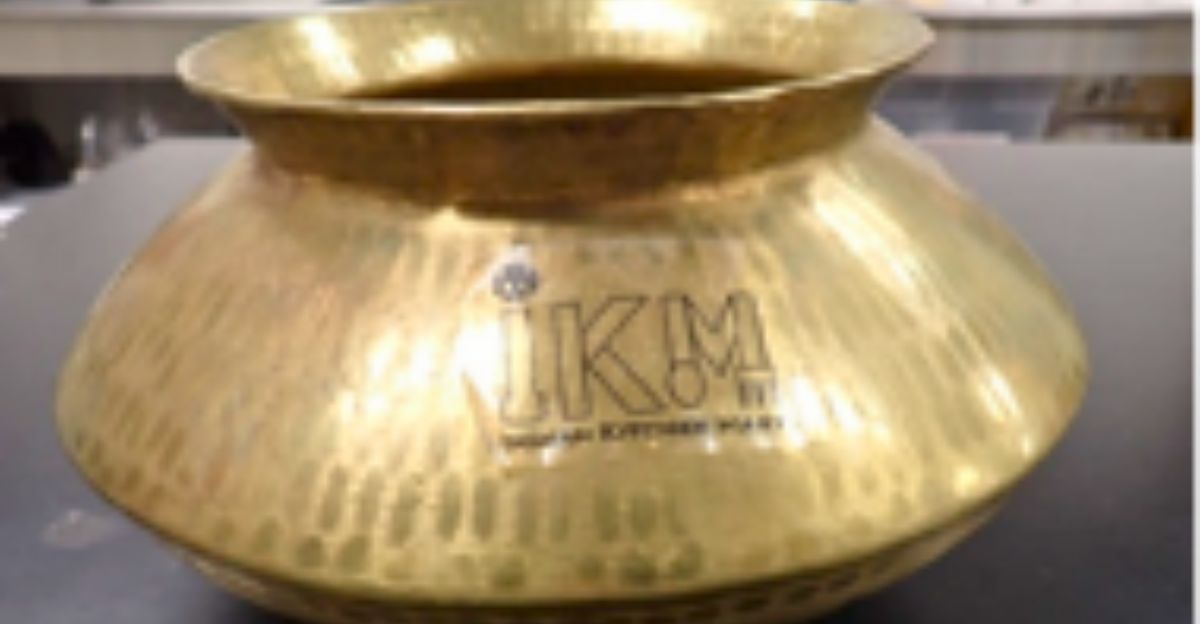
JSM Foods’ IKM 4-quart brass pot was added on November 24 and sold at India Cash and Carry in Fremont, California. FDA testing confirmed that lead leaching is identical to that of aluminum variants. The 4-quart capacity allowed for larger meals per cooking session, thereby increasing exposure. CBS News reported on December 2, “Multiple products from the same manufacturers were identified as problematic.”
Larger pot size increased risk per meal, affecting multiple South Asian communities served by the retailer.
#5 Silver Horse Aluminum Caldero 28
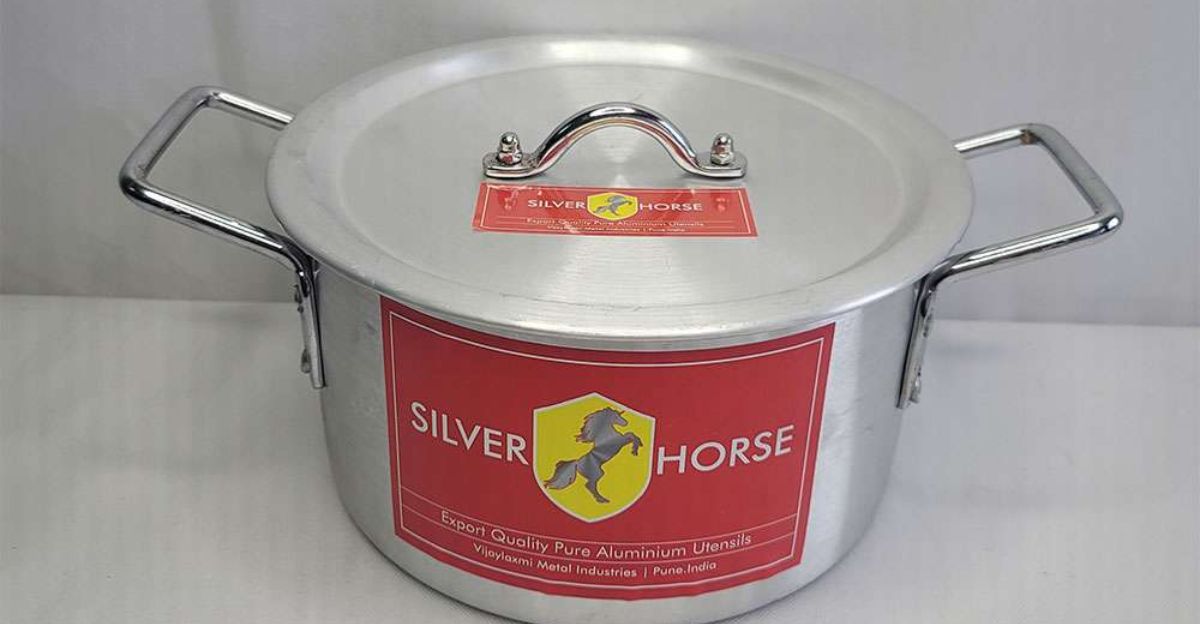
Silver Horse’s aluminum caldero size 28 was added on November 24, sold at Punjab Supermarket & Halal Meats in Rosedale, Maryland. FDA testing confirmed lead leaching during typical cooking. Calderos are used frequently for curries, rice, and family meals. Silver Horse appeared multiple times on the warning list, suggesting systemic quality-control issues.
One manufacturer’s multiple products revealed deeper supply-chain contamination patterns in affected communities.
#6 Silver Horse Aluminum Degda 24
Silver Horse’s aluminum degda size 24, flagged on November 24, 2025, is a rice-cooking pot used multiple times a week. Maryland Health Department testing confirmed unsafe lead levels. Sold at Punjab Supermarket in Rosedale, this degda’s frequent use amplified cumulative household exposure. Women’s Health Magazine reported on December 2, “Young children, women of child-bearing age, and those who are breastfeeding may be at higher risk.”
Degda pots’ central role in daily rice preparation magnifies exposure to contamination.
#7 Silver Horse Aluminum Degda 20
A second Silver Horse degda, size 20, was added to the warning list on November 24. FDA testing confirmed lead leaching exceeding safe levels. Sold at Punjab Supermarket, the smaller variant posed identical risks, with multiple product variants increasing household exposure. Both sizes originated from the same manufacturer, highlighting systemic quality control failures.
Multiple variants in one retailer magnified contamination risk across family kitchens.
#8 Chef Milk Pan, 24 Centimeters
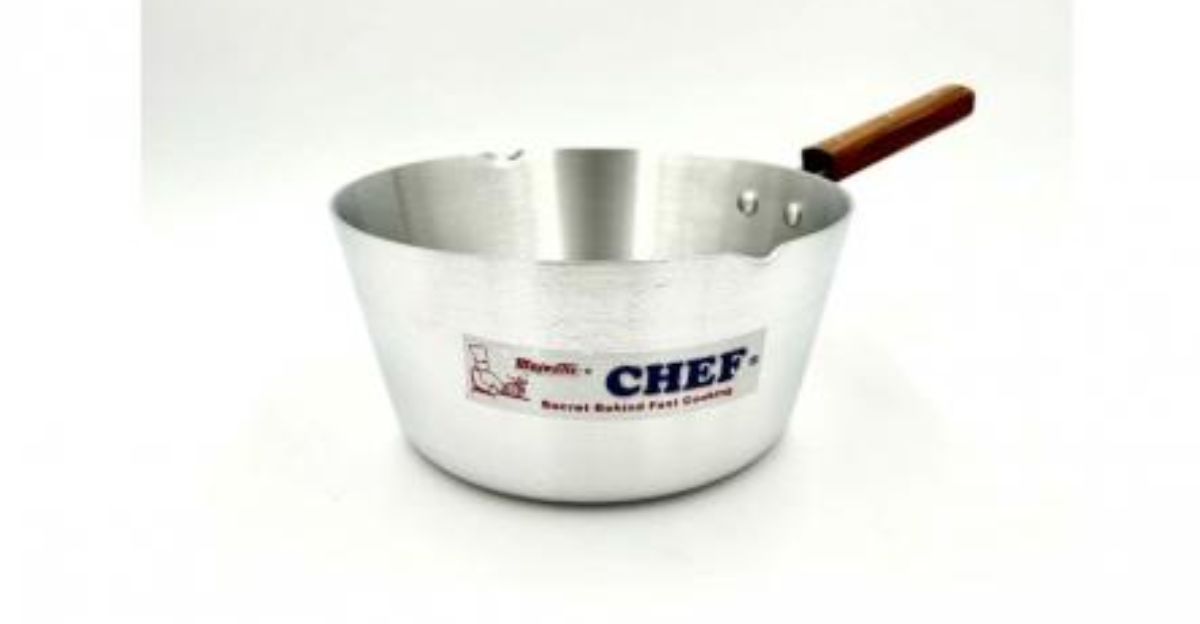
Shata Traders’ Chef milk pan, 24 centimeters, added November 24, 2025, was sold at Punjab Supermarket in Maryland and Shata Traders’ Brooklyn location. FDA testing confirmed lead leaching into milk at unsafe levels. Recall was initiated on November 19. Dr. Kelly Johnson-Arbor warned December 3, “Heat associated with cooking processes will enhance the leaching of lead from the cookware into food”
Milk pans’ use for infant and child nutrition made them among the most dangerous flagged products.
#9 Aluminum Kadai Size 5 (Kraftwares)

Kraftwares India Ltd. produced an aluminum kadai size 5, added on November 24, 2025, and sold at the India Metro Hypermarket in Fremont, California. The FDA confirmed lead leaching during high-heat cooking. Kadais’ large surface area and frequent use increased exposure. CBS News reported on December 2, “A kadai is a type of wide pan used in South Asian cooking.”
Kadai cooking’s essential daily role in meal preparation amplifies contamination risk for households.
December’s Continuation — More Products, More Concern
Nine days later, on December 3, the FDA added 2 more products. These additions demonstrated ongoing testing identified contamination despite prior recalls.
December’s additions signal that the FDA’s investigation will continue, uncovering contaminated cookware, suggesting the problem may be even larger than currently known.
#1 3B Cookware Aluminum Deg Style Patila Number 4
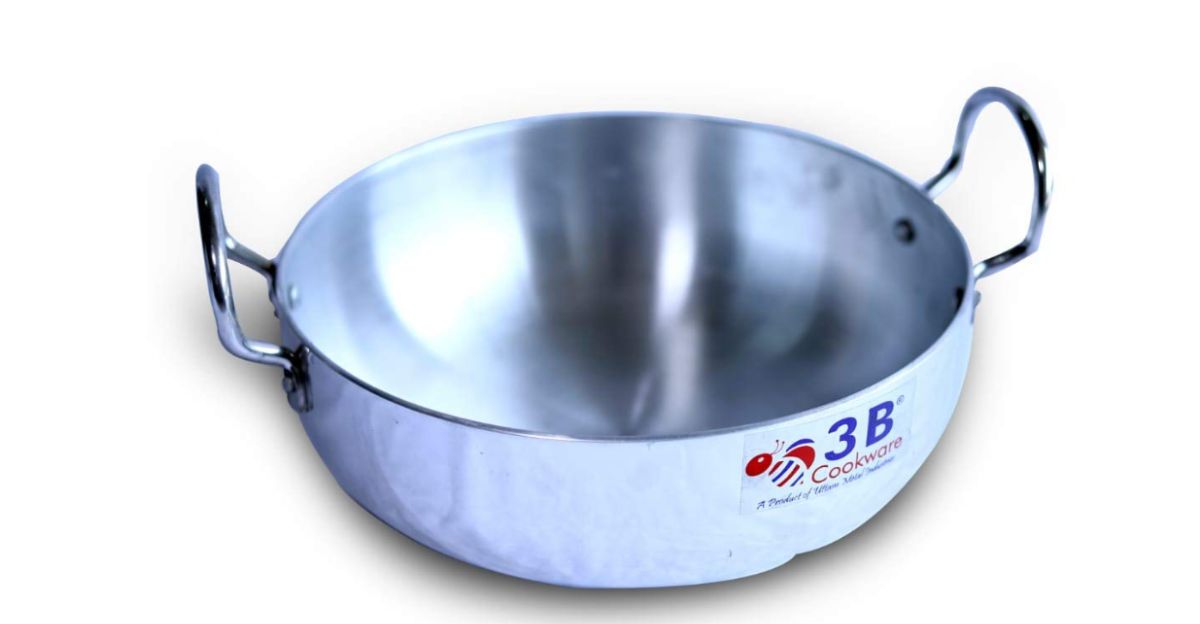
3B Cookware’s aluminum deg-style patila, number 4. A patila is a traditional South Asian cooking pot used for rice, lentils, and curries. This deg-style design supports high-volume family cooking, increasing exposure risk. FDA testing confirmed the presence of dangerous lead leaching under typical cooking conditions.
The product was sold at India’s Fine Foods, Inc. in West Sacramento, California. Although the manufacturer initiated recall efforts on October 28, the pan remained in commerce for weeks before the public alert. Its inclusion signals that FDA testing continues to uncover contaminated cookware.
#2 Handmade Brass Tope
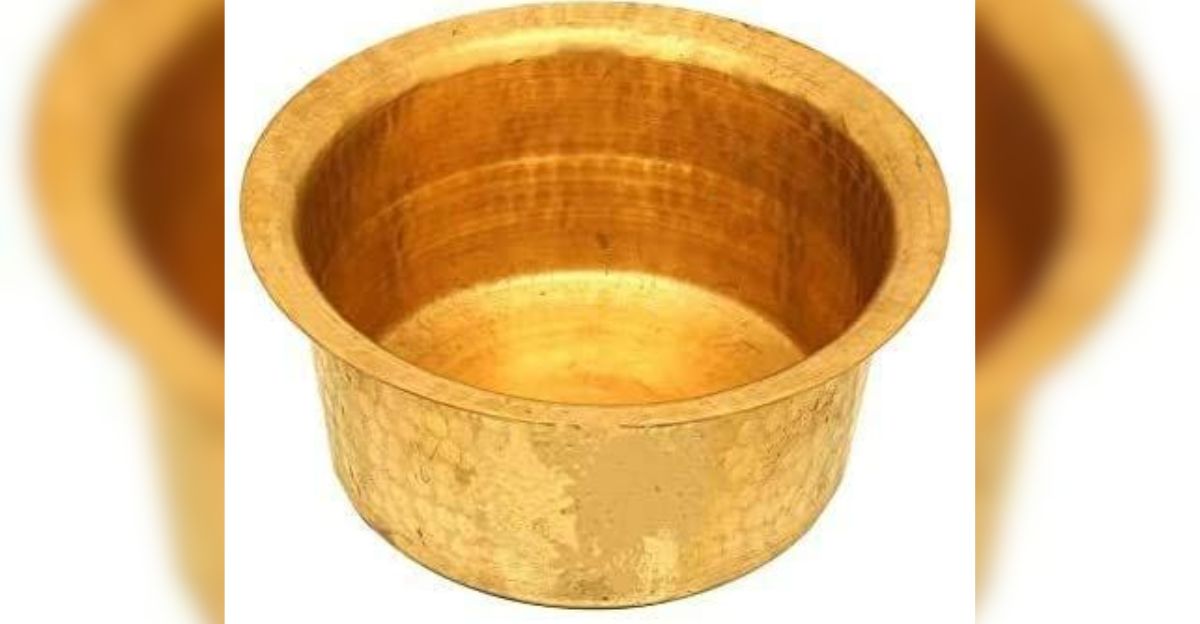
A handmade brass tope with no brand identification was added on December 3. It was sold through Al Mansoor Video Inc., doing business as Diya Handicrafts, in Chicago, Illinois. Without manufacturer information, the FDA could not initiate recalls or trace supply chains. Testing confirmed lead leaching consistent with other brass cookware.
Topes are commonly used for cooking rice, milk, and staple foods. Chicago’s large South Asian population faced concentrated exposure risk. The retailer discarded remaining inventory, but the product’s anonymity severely complicated accountability and consumer protection efforts.
The Updated Total — 19 Products and Counting
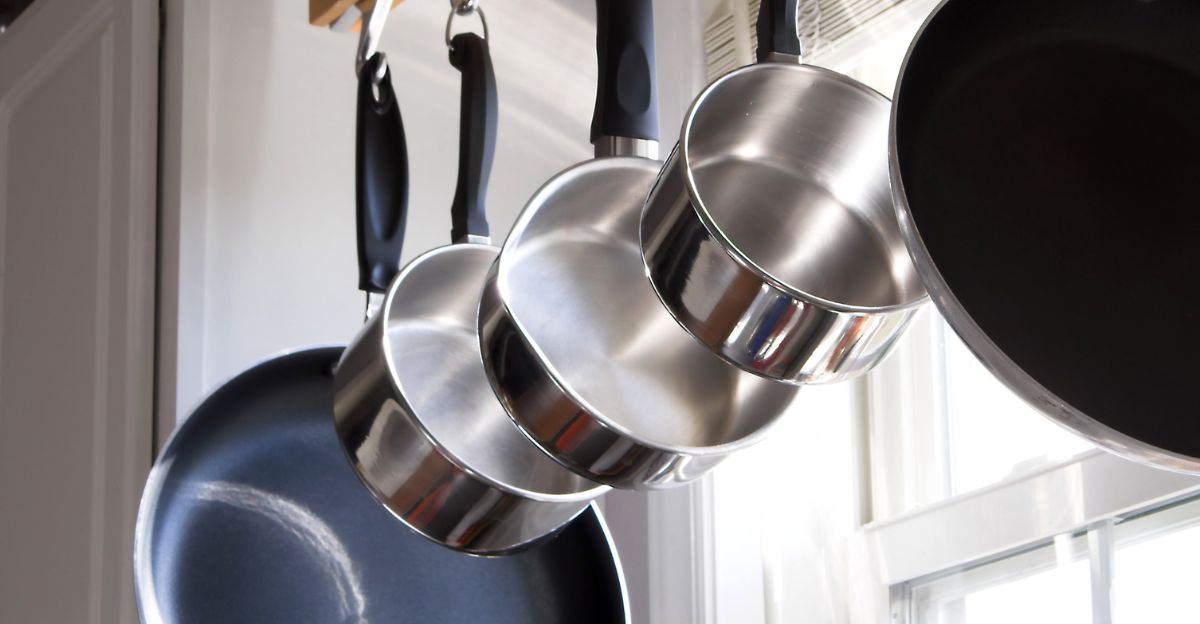
By December 13, the FDA’s warning list totaled 19 imported cookware products with dangerous lead levels. Spanning Saraswati Strips, JSM Foods, Indian Cookware & Appliance, Silver Horse, Kraftwares, Shata Traders, 3B Cookware, and others, the items included aluminum, brass, and traditional alloys. Distribution reached at least seven states: CA, NY, MD, IL, NJ, DC, and TX.
Nineteen products across multiple manufacturers reflect systemic supply-chain contamination, not isolated incidents, highlighting a broad, ongoing public health concern.
Heat Makes It Worse
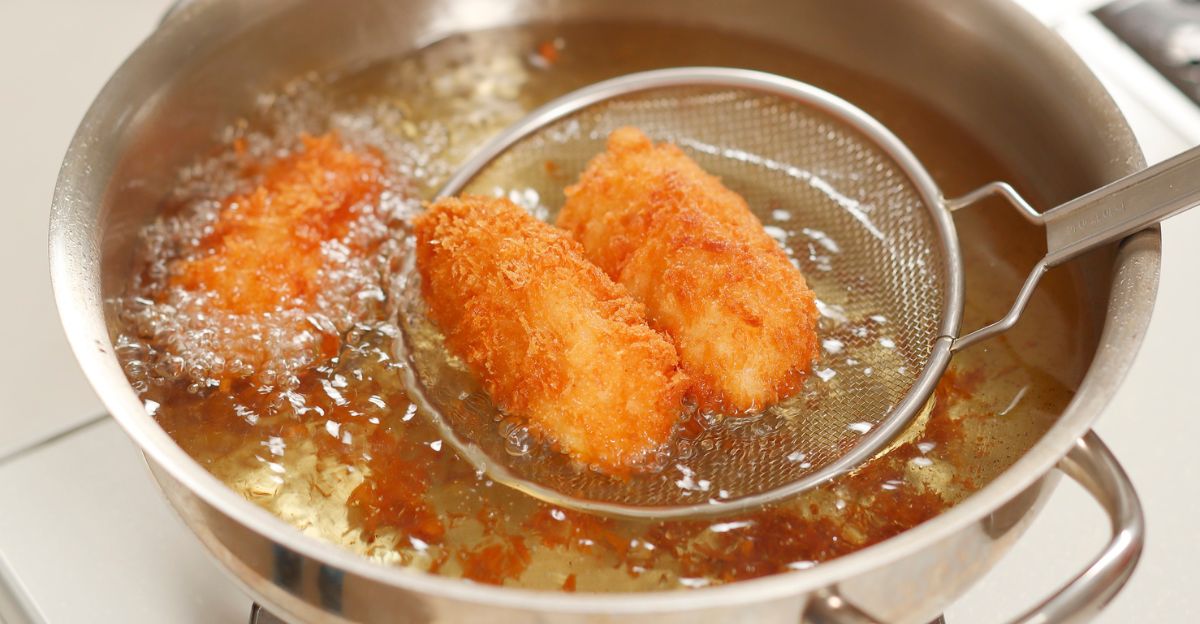
Dr. Kelly Johnson Arbor, toxicologist, MedStar Health, MedPage Today interview, December 3, 2025 stated, “Heat associated with cooking processes will enhance the leaching of lead from the cookware into food.” High temperature cooking accelerates lead transfer. Frying, boiling, and simmering intensify exposure during every meal.
Who Faces the Highest Risk
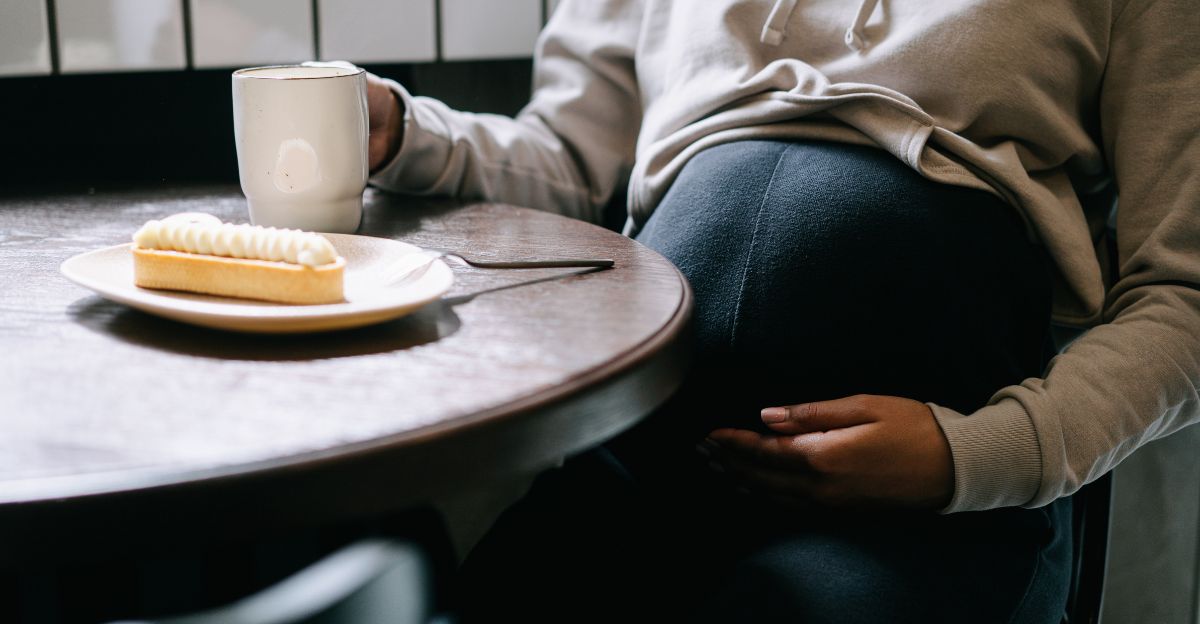
FDA identifies children, pregnant women, breastfeeding mothers, and women of childbearing age as highest risk. Lead harms developing brains permanently. It accumulates in bones and transfers during pregnancy and breastfeeding. Effects include reduced IQ, behavioral disorders, and learning disabilities. No treatment reverses neurological damage.
Permanent Damage Explained

Lead exposure reduces IQ by about 7 points per 10 micrograms per deciliter of blood. It causes ADHD, behavioral issues, kidney damage, hypertension, and reproductive harm. The FDA states, “There is no known safe level of lead exposure.” Every contaminated meal adds to lifelong toxic accumulation.
Recalls Were Inconsistent
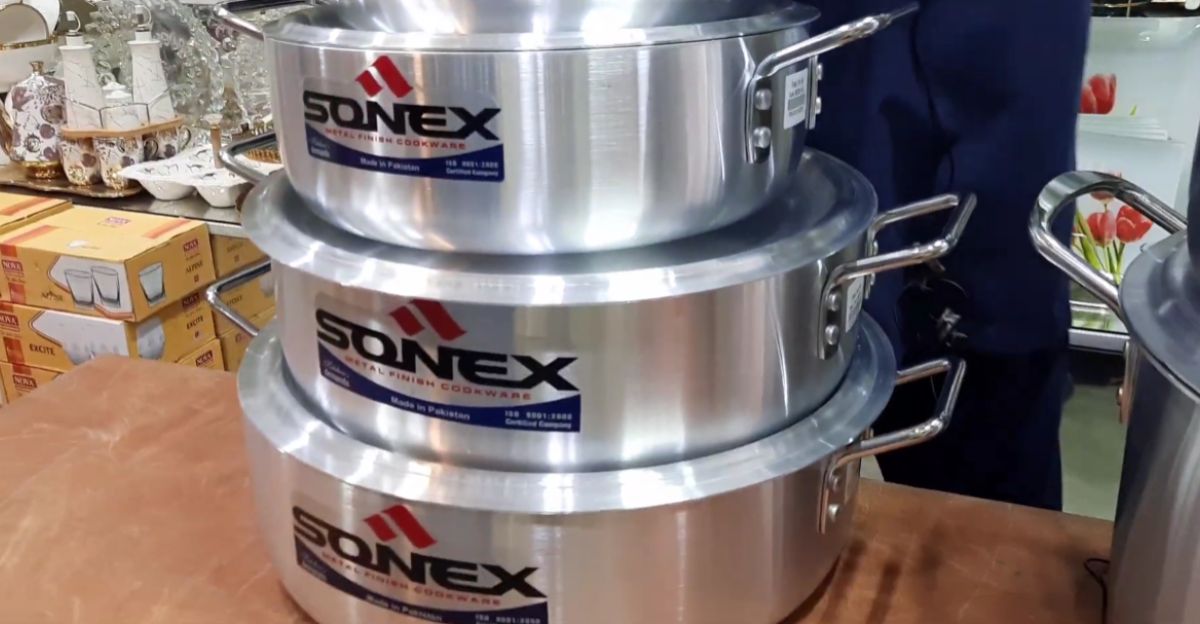
Some companies acted quickly. Sonex, JSM Foods, and Shata Traders initiated recalls within days. Others issued retailer notifications only. Unbranded items could not be recalled at all. FDA warnings did not guarantee removal from shelves, leaving contaminated pans in circulation longer than expected.
Zero Tolerance for Lead
FDA guidance from November and December 2025 repeatedly states there is no safe amount of lead. Unlike other contaminants, trace exposure is unacceptable. Even one meal cooked in contaminated cookware transfers lead. Because lead accumulates, repeated low doses cause irreversible harm over time.
What Families Must Do Now

Check your cookware against the FDA December 3, 2025, list. If matched, discard immediately. Do not donate or repair. Stop using at once. Families with more than 2 weeks of use should request blood lead testing for children and pregnant women. Monitor FDA updates regularly.
Why This Story Is Not Over
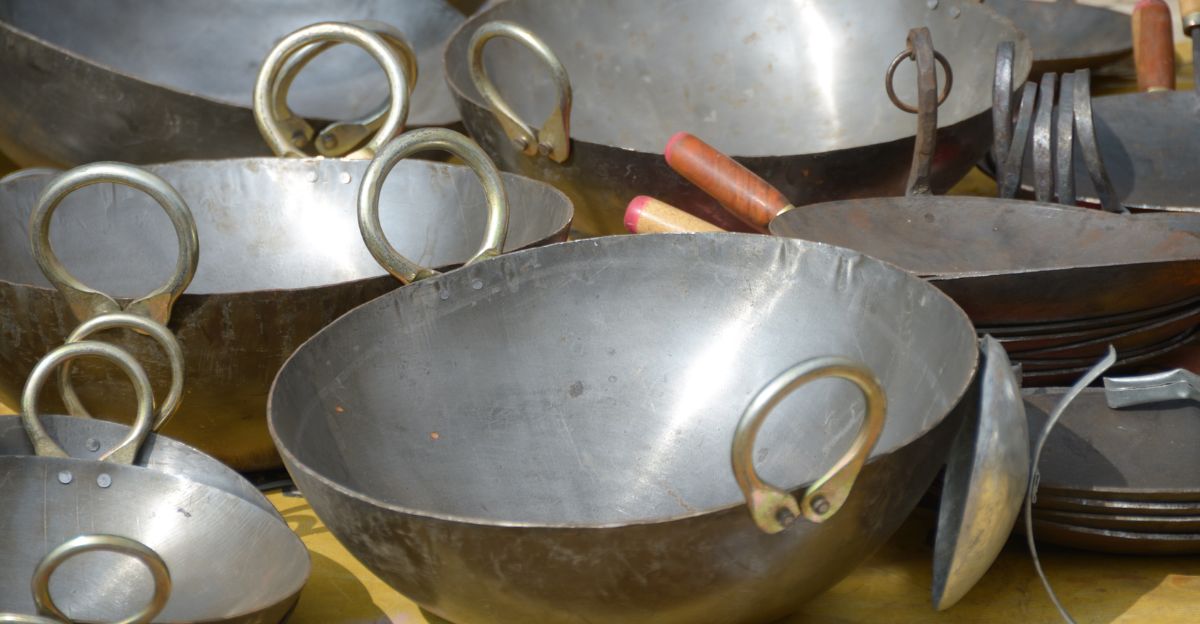
The December 3, 2025, additions confirm FDA testing continues. Regulators warn more products may be identified. From August to December, the list grew steadily. Either more contaminated cookware exists, or testing is catching up. Vigilance remains essential as this investigation unfolds further.
SOURCES:
FDA warning on imported cookware that may leach lead (updated November 24 and December 3, 2025)
FDA constituent updates and consumer guidance on lead in imported aluminum and brass cookware
Women’s Health Magazine reporting on FDA cookware warning (December 2, 2025)
USA Today analysis of FDA lead-contaminated cookware (December 2, 2025)
CBS News coverage of imported cookware lead contamination (December 2, 2025)
Newsweek reporting on lead-leaching cookware brands (December 2, 2025)
Dr. Kelly Johnson-Arbor statement on heat and lead leaching (December 3, 2025)