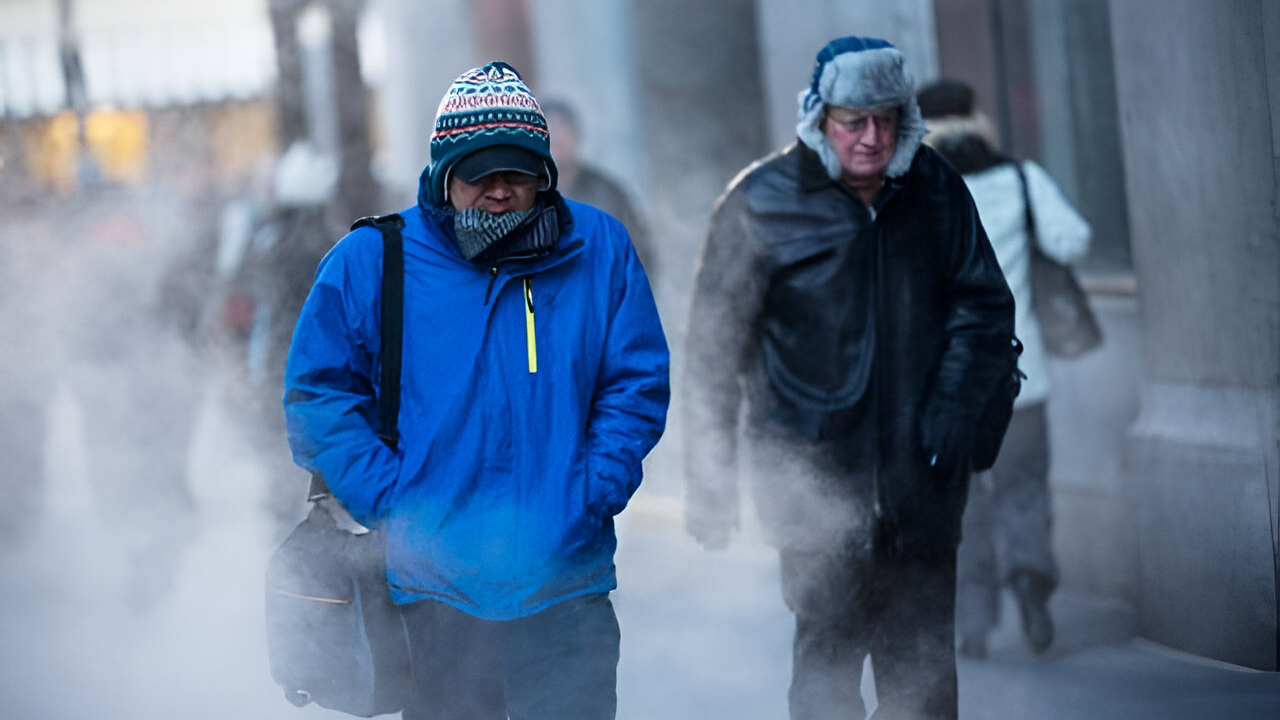
Parents across parts of Florida, Georgia, and Oregon woke up Friday to an unexpected warning: keep children indoors, limit activity, and wait for the air to clear. The directive didn’t come from a wildfire or chemical spill, but from a buildup of fine particulate pollution that pushed air quality into emergency levels across thousands of miles.
Emergency Alerts in Three States
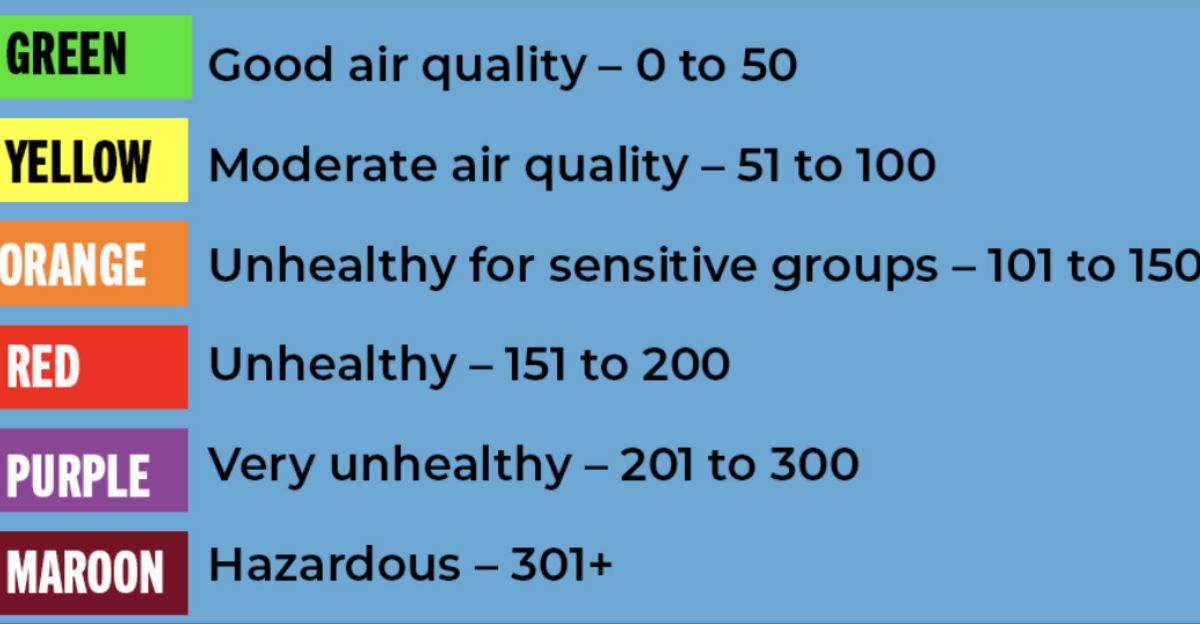
By early morning, the Environmental Protection Agency’s AirNow network detected dangerous spikes in PM2.5—fine particulate matter measuring 2.5 micrometers or smaller—over rural northern Florida and southeastern Georgia. Air Quality Index (AQI) readings surged into the “very unhealthy” category between 201 and 300, a range associated with serious health threats typically linked to major fires or industrial events.
At nearly the same time, communities in central Oregon, including areas south of Bend and near La Pine, received similar alerts. Conditions ranged from “unhealthy” to “very unhealthy,” prompting public health warnings and an air stagnation advisory.
The locations drew attention as much as the readings. Small towns such as Sanderson and Lake Butler in Florida, with fewer than 2,500 residents, are typically seen as safe havens from city smog. But by midmorning, they were under guidance usually aimed at large metro areas: avoid outdoor activity, especially for children, seniors, and people with heart or lung disease.
How the Atmosphere Trapped Pollution
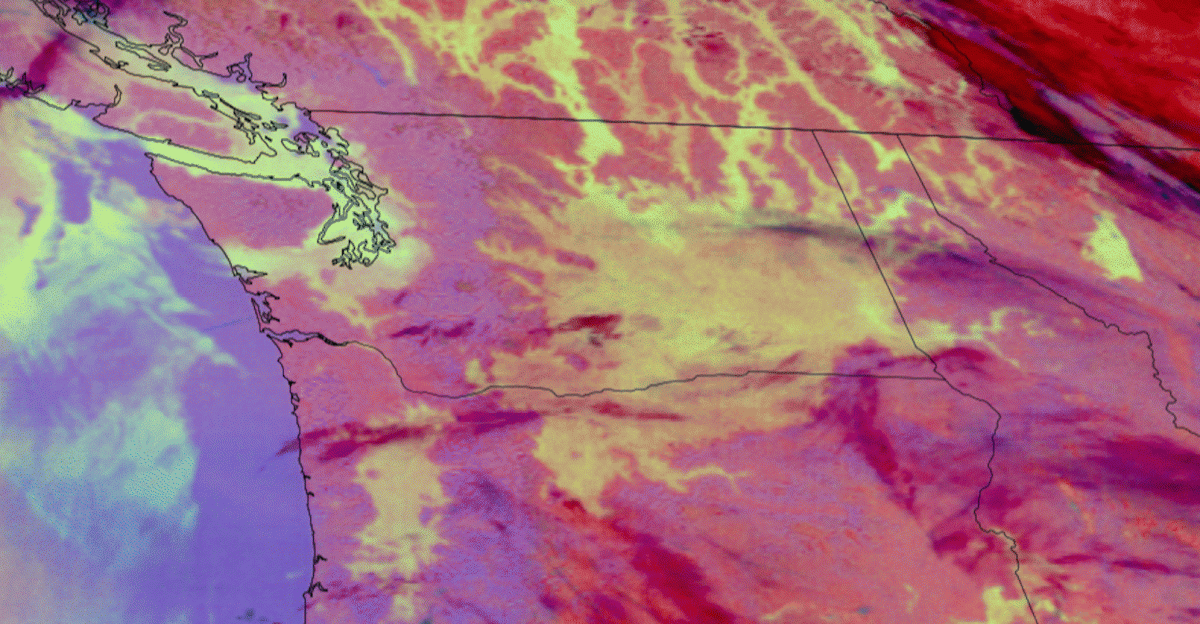
Meteorologists described the event as an atmospheric trap. Normally, winds and vertical mixing help disperse emissions from vehicles, industries, and other sources. On Friday, however, a temperature inversion—a layer of warmer air resting above a cooler surface layer—acted like a lid, preventing pollutants from escaping.
With wind speeds nearly calm, particles accumulated near the ground, right where people breathe. The same weather pattern developed independently in both the Southeast and Pacific Northwest, leading to similar hazards despite unrelated weather systems.
In Oregon, the National Weather Service issued an air stagnation advisory expected to last through early Monday. Forecasters said stronger winds and improved vertical mixing would be needed to clear the air later in the weekend.
The Health Risks of Invisible Particles

Unlike thick wildfire smoke, PM2.5 pollution often isn’t visible. These microscopic particles can bypass the body’s usual defenses, travel deep into the lungs, and reach the tiny air sacs—called alveoli—where oxygen enters the bloodstream.
Health experts warn that short-term exposure can cause coughing, wheezing, chest tightness, and difficulty breathing. For people with asthma, chronic obstructive pulmonary disease, or cardiovascular illness, “very unhealthy” concentrations may trigger severe flare-ups requiring medical care.
Public health agencies urged residents in the hardest-hit areas to stay indoors, close windows, and use air conditioners or filtration systems when possible. People with chronic conditions were advised to keep medications handy and seek help quickly if symptoms worsen.
Daily Life Put on Hold
The sudden drop in air quality disrupted schools and families across all three states. Administrators moved recesses and gym classes indoors, shifted outdoor activities into cafeterias or gyms, and instructed staff to keep children inside until conditions improved.
Parents took similar precautions at home. Many canceled park visits, sports practices, or errands, choosing to keep windows shut and run portable HEPA filters. Indoor activities—movies, reading, crafts, or board games—became the day’s default entertainment.
For residents with serious respiratory or cardiac conditions, the alerts raised tougher questions—whether to temporarily leave town or simply restrict outings to essential tasks like grocery runs or doctor visits. Many timed brief trips for afternoons, when AQI levels showed minor improvement.
Rethinking Who Is at Risk
Roughly 25,000 to 40,000 residents across the affected areas remain under some form of outdoor activity restriction. In Florida and Georgia’s “very unhealthy” zones, an estimated 10,000 to 20,000 people—mostly children and older adults—have been told to avoid all strenuous outdoor exertion.
The episode is prompting experts to reconsider long-held assumptions about where serious air quality threats occur. Although rural communities usually experience fewer pollution events than major cities, stagnant weather can trap emissions—such as vehicle exhaust, agricultural burning, or fireplace smoke—long enough to create highly hazardous conditions.
These incidents also underscore how local weather can turn small-scale emissions into regional health risks. “When air is trapped near the surface, even moderate pollution sources can push levels into dangerous territory,” said one meteorologist from the National Weather Service.
Waiting for Relief

Meteorologists and air quality specialists are closely monitoring the ongoing inversions. Forecast models suggest Oregon’s stagnant pattern may begin to break late Sunday or early Monday once stronger winds and mixing heights increase, dispersing accumulated pollutants.
In the Southeast, slightly more variable day-and-night temperature changes could bring temporary relief. Conditions may improve marginally during late afternoons, then deteriorate again overnight as cooler air settles near the ground and traps emissions anew.
Authorities across both regions continue to urge residents to track hourly updates using the EPA’s AirNow maps or local weather apps. Public health officials also recommend following tailored advice based on age, health, and location.
The Broader Significance
For communities accustomed to clean air and open landscapes, the sudden spike in pollution is a sobering reminder of how quickly conditions can shift. Air quality depends not only on emissions but also on atmospheric circulation—something even remote areas are not immune to when weather patterns stagnate.
Officials stress that these events, though temporary, reveal broader vulnerabilities. Fine particulate matter remains a pervasive threat in the U.S., accounting for thousands of premature deaths and hospital visits each year. While long-term exposure has been widely studied, short-term episodes like this one highlight how sudden spikes can upend daily life within hours.
Environmental scientists say these alerts point to the importance of continued monitoring, even in regions far from heavy industry. With climate-related shifts altering patterns of smoke, dust, and temperature inversions, communities once thought immune may face new air quality challenges in the years ahead.
For now, residents in Florida, Georgia, and Oregon wait for the atmosphere to reset. Once winds return and the inversions lift, daily routines are expected to resume quickly. But for families adjusting school schedules and sealing windows this weekend, the lesson is lasting: even in places chosen for their clear skies, the safety of the air can change overnight.
Sources
Newsweek — “Thousands Advised To Remain Indoors In Florida, Georgia, and Oregon Air Pollution EPA” (December 12, 2025)
EPA AirNow — Real-time Air Quality Monitoring System and National Maps
National Weather Service — Air Stagnation Advisory (Northeast and Southeast Oregon, through 4 a.m. PST Monday)
American Lung Association — “State of the Air 2024” Report and PM2.5 Health Effects Guidance
U.S. Environmental Protection Agency — Air Quality Index (AQI) Categories and PM2.5 Health Risk Documentation