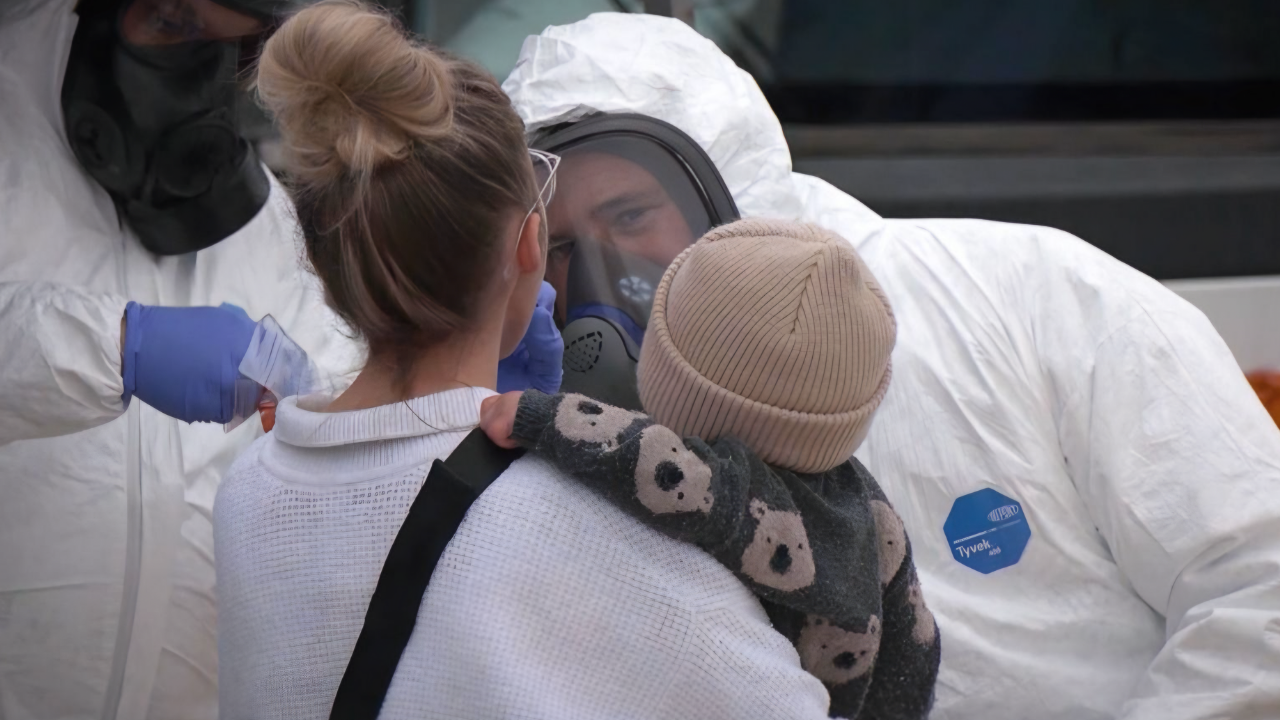
In a span of just 120 hours, twenty-seven new individuals—mostly children—fell ill with measles, a sudden escalation that instantly overwhelmed local containment efforts and drove the state’s quarantine roster well past the 250-person mark. This isn’t a slow trickle of infections; it is a rapid acceleration marked by empty desks at Inman Intermediate School and anxious families waiting out 21-day isolation orders.
The virus, finding ample fuel among the unvaccinated, has moved faster than contact tracers can encircle it, turning a localized cluster into a burgeoning regional crisis.
A Region on Edge

The outbreak is centered in Spartanburg County, where the highly contagious respiratory virus has established a firm foothold in the “Upstate” region. As of mid-December 2025, the total case count has climbed to 126, a number that seemed improbable just months ago. State health authorities have identified nine schools and specific community hubs, including the Way of Truth Church, as primary sites of exposure.
The speed of transmission is directly linked to these high-density social environments, where the airborne pathogen can linger for hours after an infected person leaves the room.
The 120-Hour Spike

The situation reached a fever pitch between December 5 and December 9, when the case count spiked dramatically. This specific window of transmission signaled that the virus had breached initial containment lines. State Epidemiologist Dr. Linda Bell confirmed the gravity of the situation, characterizing the outbreak as “accelerating.”
With over 300 individuals now monitoring for symptoms behind closed doors, the region is effectively holding its breath, waiting to see if the quarantine measures will hold or if the holiday season will trigger an exponential spread of the virus.
Anatomy of the Unvaccinated
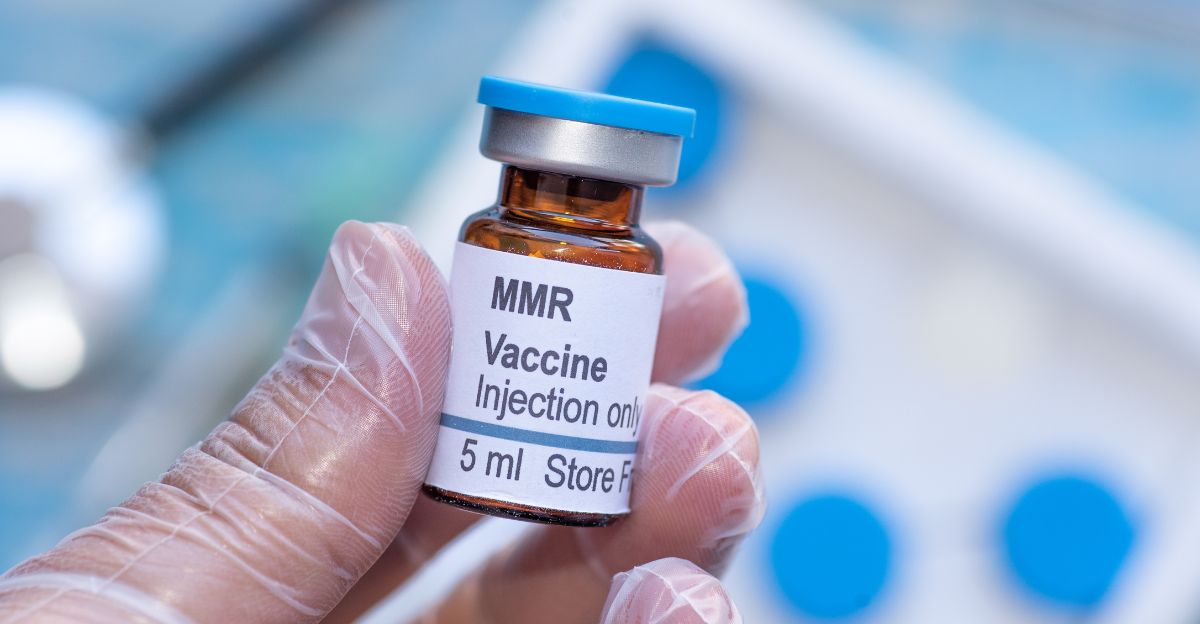
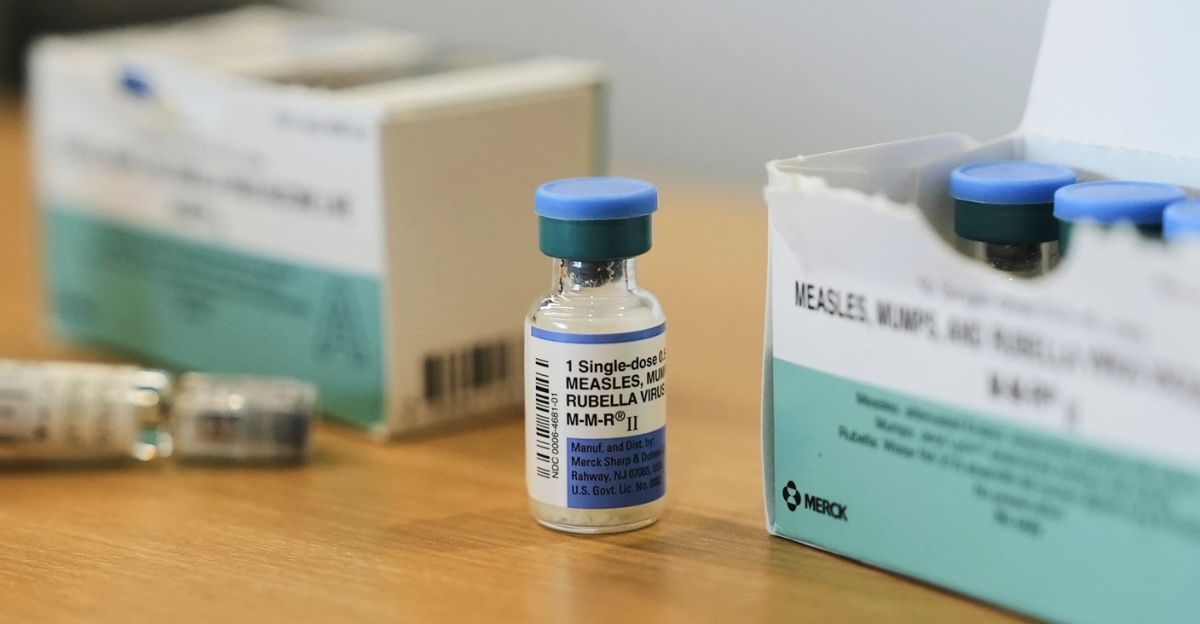
The driving force behind this resurgence is a critical gap in community immunity. Detailed analysis of the first 111 cases revealed a stark reality: 105 of the infected patients were completely unvaccinated. Only three had received a single dose of the MMR vaccine, and just one was fully vaccinated.
This data serves as undeniable proof that the protective “herd immunity” threshold—typically requiring 95% vaccination coverage—has effectively collapsed in these specific communities, leaving children dangerously exposed to a preventable disease.
Falling Below the Threshold
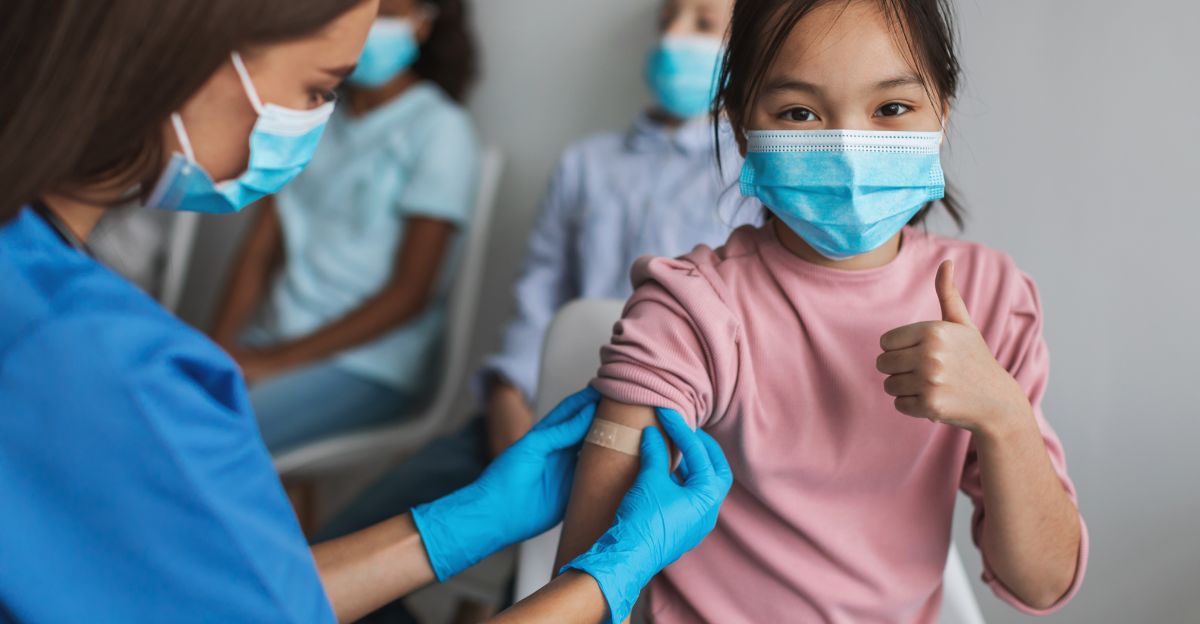
Spartanburg County has become a case study in what happens when vaccination rates dip below safety standards. While the national target remains 95%, local data indicates that only about 90% of students in the county have received their essential childhood immunizations. In several of the schools currently under quarantine protocols, the coverage rates are even lower.
This 5% to 10% gap might appear statistically minor, but epidemiologically, it represents a massive open door for a virus as infectious as measles.
High Stakes for Children
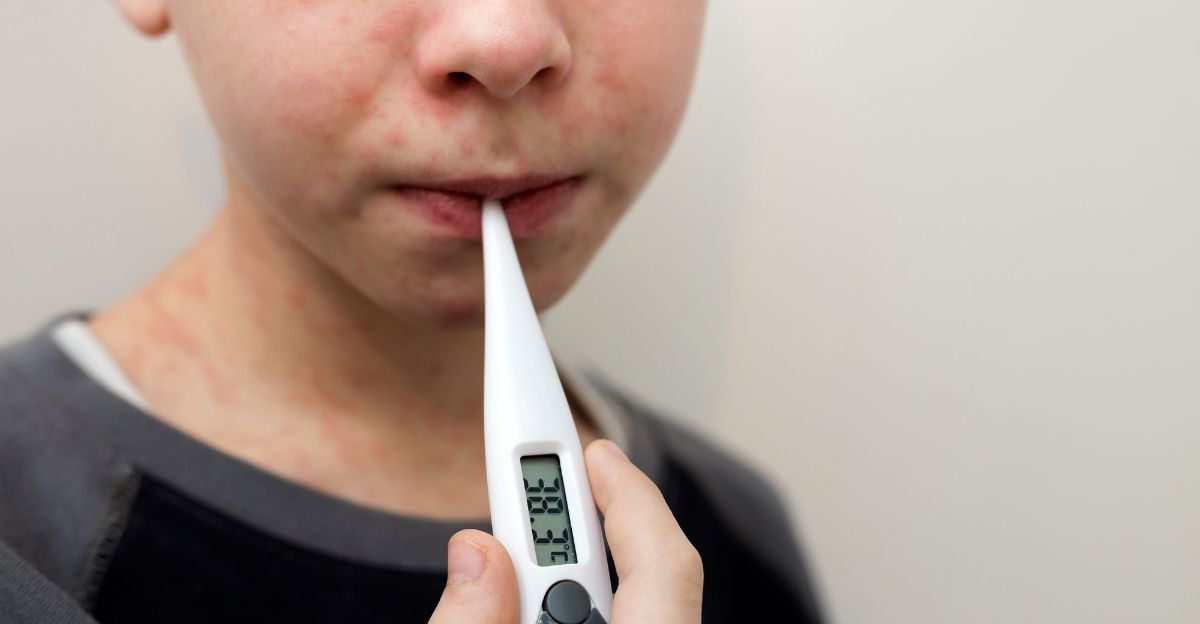
The medical stakes are far higher than a simple rash or fever. Measles is a severe systemic infection that suppresses the immune system and can lead to life-threatening complications. In this outbreak alone, 20 of the cases involve children under the age of five—the demographic most vulnerable to pneumonia, which remains the leading cause of measles-related death in young children.
The sheer volume of pediatric cases has local pediatricians and hospitals on high alert for these severe outcomes.
The Disruption of Daily Life

Beyond the immediate physical danger, the outbreak is inflicting chaos on daily life. The standard quarantine period for measles is 21 days, a grueling three-week disruption for working parents and students. Because the virus is so contagious, a single new exposure resets the clock for everyone in the affected group.
Some unvaccinated students in the region are now facing their second or third consecutive quarantine since the school year began, effectively missing months of in-person education.
Strained Resources

The financial and logistical burden is equally staggering. Public health resources are being drained by the need for extensive contact tracing and the establishment of mobile testing and vaccination clinics. However, despite these expensive efforts, turnout at mobile clinics has been dishearteningly low.
Dr. Bell noted that “a relatively low number of doses” were administered, suggesting that the ideological barriers to vaccination are proving as difficult to overcome as the biological spread of the virus itself.
Official Assessment

“Accelerating is an accurate term,” stated Dr. Linda Bell, emphasizing that the trajectory of the curve is now the primary concern. Her assessment reflects a shift from containment to mitigation. Health officials are no longer just trying to stop a spark; they are trying to contain a fire that has already jumped the firebreak.
The focus has shifted to pleading with community leaders, particularly within religious organizations like the Way of Truth Church, to advocate for vaccination as a matter of community safety.
A National Trend
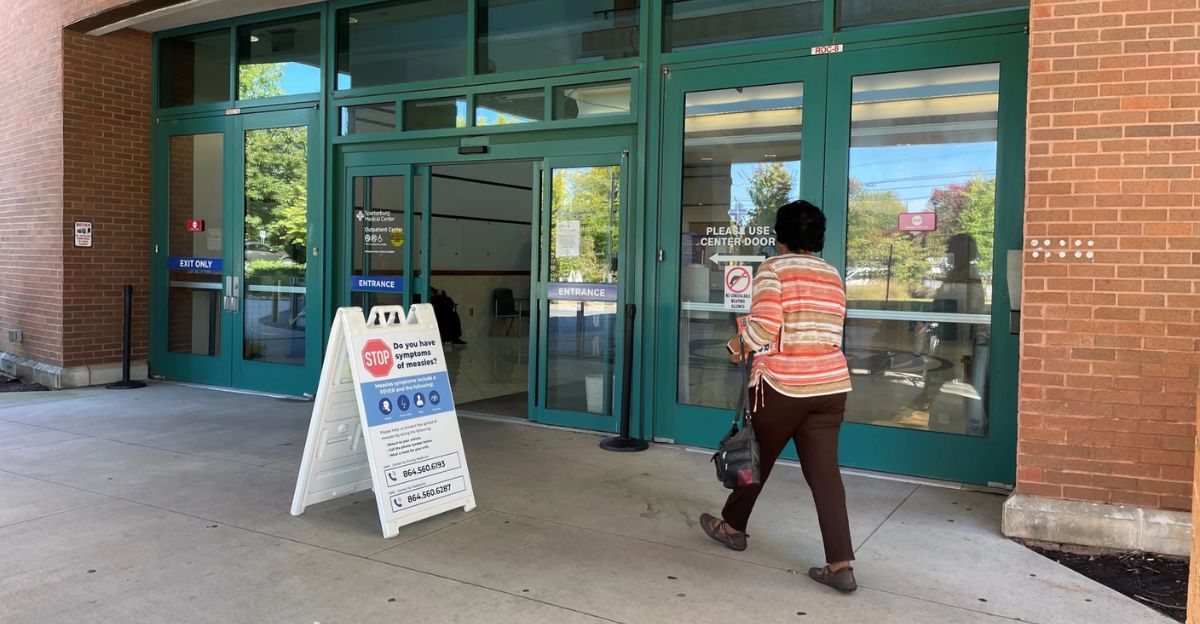
The resistance encountered by health officials highlights a growing national trend of vaccine fatigue and skepticism. This outbreak is not an isolated event but part of the worst measles year the United States has seen since 1992.
With over 1,900 confirmed cases nationwide in 2025, the South Carolina surge is a microcosm of a larger failure in public health communication. Experts argue that without a rapid change in public sentiment, outbreaks of this magnitude will become the new normal rather than the exception.
Losing Elimination Status
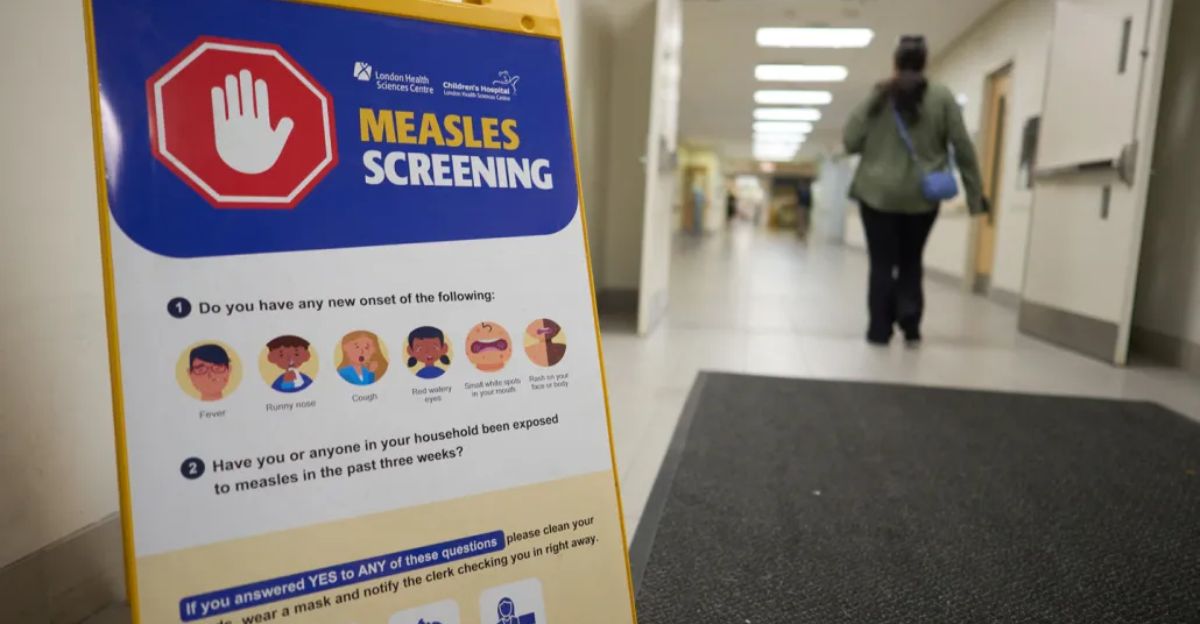
The implications of this specific cluster extend beyond state lines. The United States is on the verge of losing its “measles elimination status,” a designation it has maintained since 2000. To keep this status, the country must prove it has halted the continuous transmission of the virus for 12 months.
With outbreaks like the one in Spartanburg County linking up with others across the country, the U.S. is dangerously close to failing this global health benchmark in January 2026.
Educational Impact
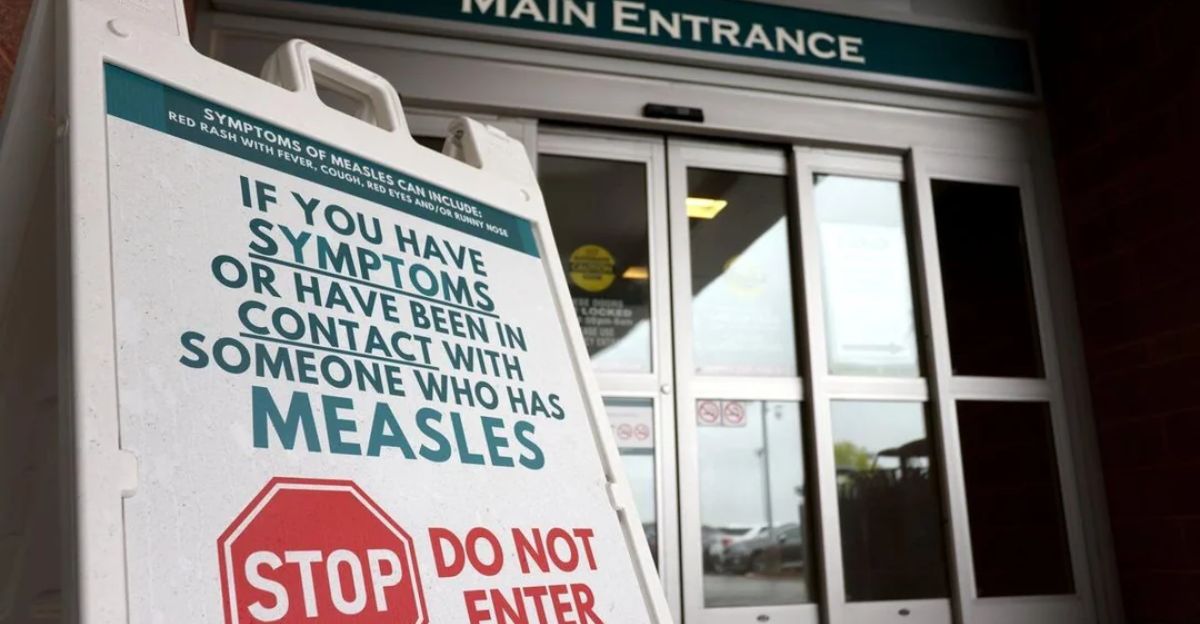
Stakeholders in the education sector are also sounding the alarm. School administrators are finding themselves on the front lines of a public health battle they are ill-equipped to fight. The repeated quarantines are creating significant learning gaps that may take years to close.
“We are seeing a disruption to education that is entirely preventable,” health officials noted, underscoring that the decision to forgo vaccination is no longer a personal choice but a community-wide liability affecting hundreds of other children.
Medical Realities
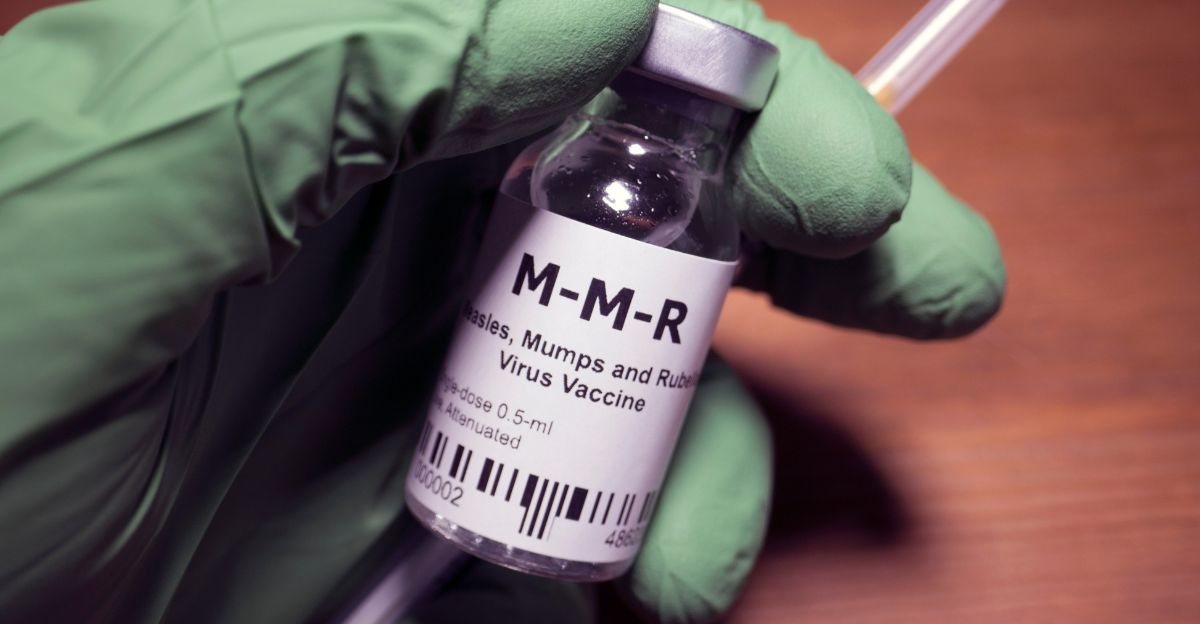
Medical professionals are also stressing the efficacy of post-exposure prophylaxis. The MMR vaccine can still prevent disease if administered within 72 hours of exposure, a critical window that is often missed due to hesitation. For those who cannot be vaccinated, immunoglobulin treatments are available; however, they are resource-intensive and expensive.
The medical consensus remains clear: prevention through routine immunization is the only sustainable path forward, yet it is the one path many in this community are refusing to take.
The Holiday Threat

But the challenges don’t stop there. As the holiday season approaches, the risk of exporting this outbreak grows exponentially. Families gathering for Christmas present the perfect mechanism for the virus to travel from Spartanburg to other low-vaccination pockets across the South.
Officials warn that if quarantine orders are ignored for the sake of holiday traditions, January 2026 could see case numbers double or triple, overwhelming regional pediatric units.
The Coming Weeks
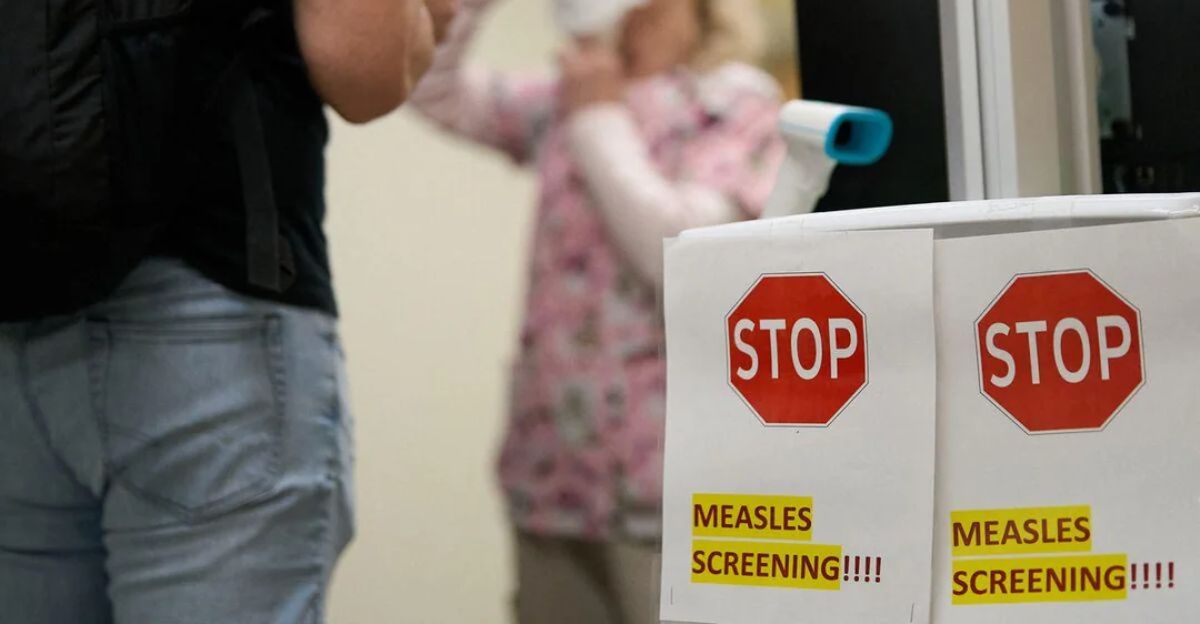
The coming weeks will be decisive for South Carolina. If the quarantine measures are strictly observed and vaccination rates tick upward, the curve may flatten. However, the current trajectory suggests weeks of continued spread are likely.
The Department of Public Health is urging residents to verify their vaccination status immediately, noting that adults vaccinated decades ago may need to check their records or consider a booster if they are in high-risk zones.
Fragile Achievements
Long-term, this outbreak serves as a grim warning about the fragility of public health achievements. The decline in kindergarten vaccination rates is a trend that has been building for five years, and the consequences are now manifesting in real-time.
Reversing this trend will require more than just emergency clinics; it will demand a concerted effort to rebuild trust in medical science and public institutions. Until that trust is restored, communities like Spartanburg will remain vulnerable to diseases once thought to be relics of the past.
Global Consequences

The possibility of the U.S. losing its elimination status carries symbolic and practical weight. It would signal to the world that the nation’s public health infrastructure has regressed. It would also likely lead to increased travel advisories and a shift in how international health bodies view American biosecurity.
The South Carolina outbreak is a key battleground in this larger war to preserve the health standards of the 21st century.
Policy Reconsiderations
What happens next could reshape the entire landscape of public health policy in the state. Lawmakers and health officials may soon be forced to reconsider exemption laws and school entry requirements. If voluntary compliance continues to fail, the debate over mandatory measures will inevitably intensify.
The outcome of the Spartanburg outbreak will likely inform how future public health emergencies are managed, for better or for worse.
A Call to Action
The path forward relies on individual responsibility meeting collective action. Health departments are expanding access, but they cannot force individuals to participate. The community must decide whether the disruption of mass quarantines and the risk of severe illness are acceptable prices to pay for vaccine skepticism.
For now, the virus is dictating the terms of engagement, and without a shift in strategy, it will continue to accelerate.
About the SC Department of Public Health
The South Carolina Department of Health and Environmental Control (DHEC) is the state’s leading agency for health promotion and disease prevention. Charged with protecting the health of the public and the environment, DPH manages disease surveillance, emergency response, and public health advisory services.
The agency operates county health departments and mobile clinics throughout the state, providing essential services including immunizations, vital records, and community health education to ensure a healthier future for all South Carolinians.
Sources:
“2025 Measles Outbreak.” South Carolina Department of Public Health, Dec 2025.
“South Carolina measles outbreak is accelerating, driving hundreds into quarantine.” Reuters / MSN, 12 Dec 2025.
“South Carolina measles outbreak quarantines hundreds.” USA Today, 11 Dec 2025.
“Measles Cases and Outbreaks.” Centers for Disease Control and Prevention, Dec 2025.