
A courtroom fight in Charlotte, North Carolina, is testing how much power NASCAR can wield over the teams that fill its starting grid. Michael Jordan’s 23XI Racing and Bob Jenkins’ Front Row Motorsports claim the series’ business model leaves race teams deeply underpaid and structurally insecure, even as drivers “risk their lives” across a 38-race schedule. Their federal antitrust case challenges the financial and governance system built around NASCAR’s charter model and asks jurors to decide whether the stock-car giant has turned its dominance into illegal control.
High-stakes clash over charters
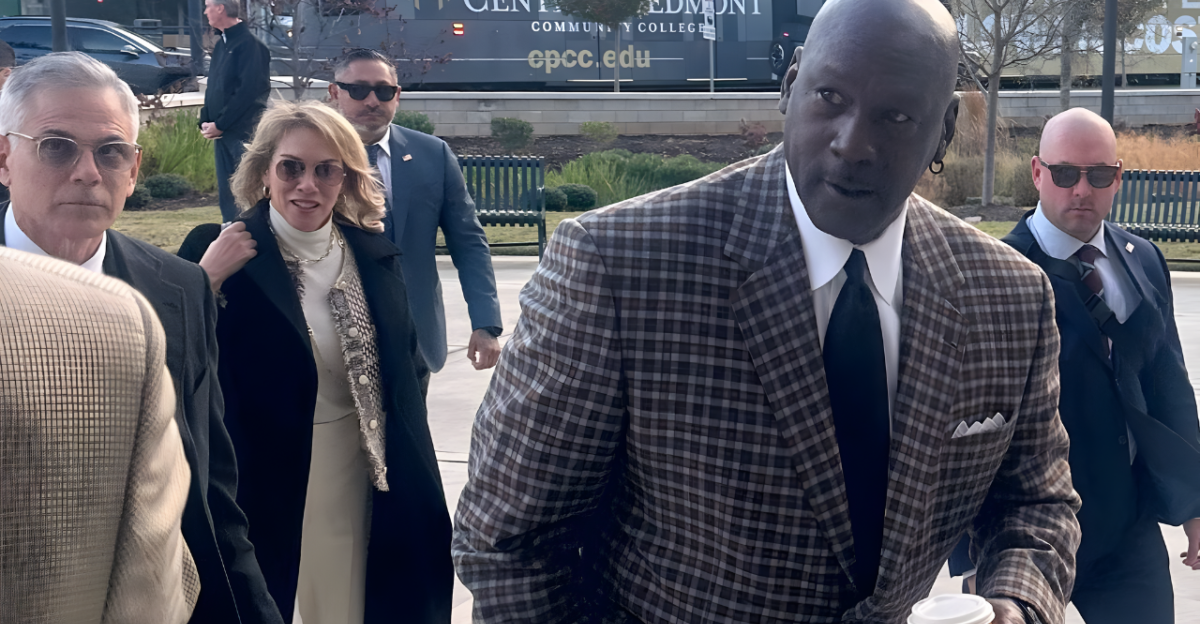
At the center of the dispute is NASCAR’s franchise-style “charter” system, introduced in 2016 after years of pressure from team owners who wanted predictable revenue and equity value. Charters guarantee entry and a share of Cup Series money to 36 teams spread across roughly 15 organizations. NASCAR points to sharply rising charter prices—from around $6 million in 2018 to about $40 million by 2023—as proof that the system has created valuable assets. Jordan’s 23XI Racing and Front Row Motorsports argue that the proposed 2025–2031 charter deal leaves teams unable to operate sustainably, even with those higher valuations. They say media rights income, team values, and hundreds of jobs depend on a more balanced agreement.
Tensions escalated in 2023 as negotiations over the long-term charter extension dragged past two years. Teams, with Jordan adviser Curtis Polk as a key voice, pushed for permanent “evergreen” charters, a larger share of league revenue, a cut of new income streams, and more influence over major decisions. NASCAR President Steve Phelps and Chairman Jim France resisted, citing uncertain future media revenues and rapid changes across the sports industry.
Ultimatum and economic strain
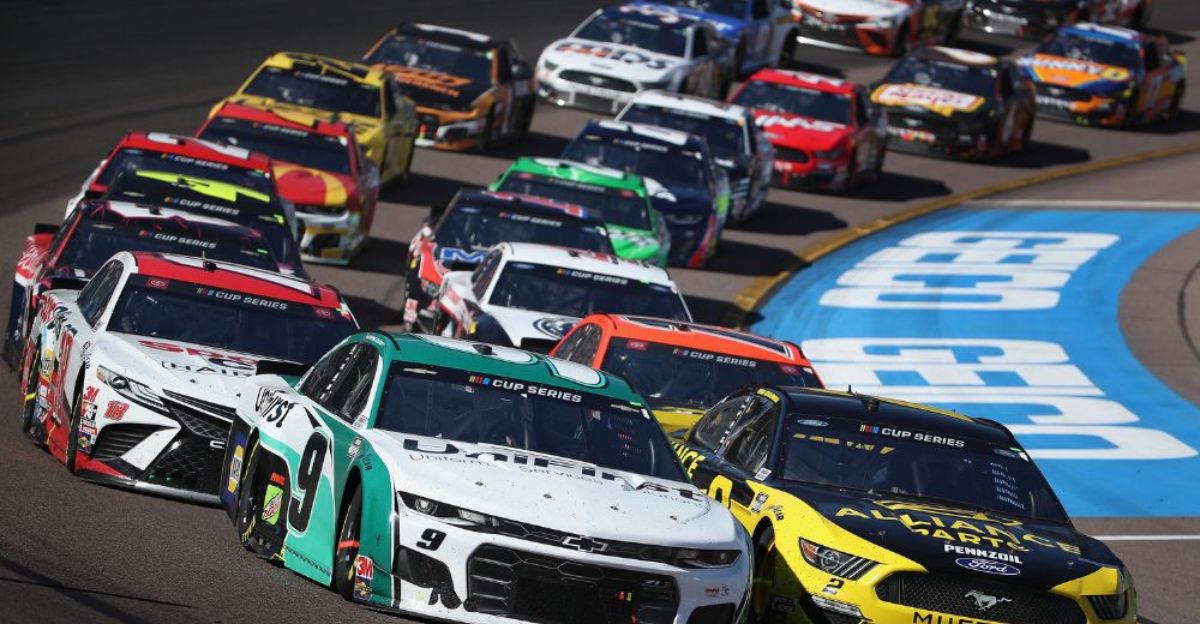
The flashpoint came in early September 2024 in Charlotte, when NASCAR issued a 112-page “final” charter proposal and gave teams six hours, from 6 p.m. to midnight, to sign or risk losing their charters. Joe Gibbs Racing executive Heather Gibbs later described the deadline as “like a gun to your head: if you don’t sign, you have nothing.” Jordan told jurors he viewed the move as an ultimatum that left him “no choice but to sue.” Thirteen organizations ultimately signed individually, leaving 23XI and Front Row as the only two holdouts among the 15 groups—and the only ones to sue.
Inside the courtroom, owners have detailed the financial pressures they face. Jordan testified he owns about 60 percent of 23XI and has invested between $35 million and $40 million since the team launched in 2021. Front Row’s Bob Jenkins said that despite competing since the early 2000s, he has “never turned a profit” and estimates cumulative losses of roughly $100 million. Both owners say that without more favorable terms, their operations—and hundreds of associated jobs—could disappear.
Monopoly findings and legal arguments
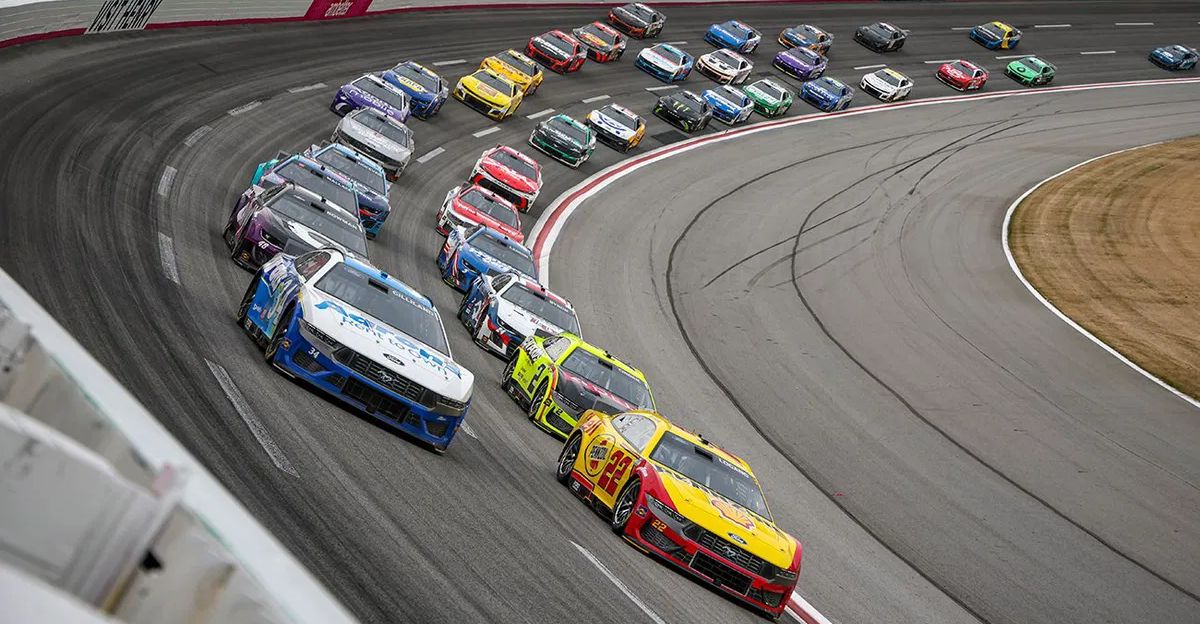
In October 2024, 23XI and Front Row filed a federal antitrust lawsuit in the Western District of North Carolina, accusing NASCAR of maintaining a monopoly over “premier stock-car racing team services.” Judge Kenneth Bell later issued a significant pretrial ruling defining the relevant market in the teams’ favor and concluding that NASCAR is a monopoly in that market as a matter of law. The jury’s task is now narrower: not whether NASCAR dominates, but whether it used that dominance in anti-competitive ways that harmed teams.
The plaintiffs argue NASCAR’s leverage stems from more than charters alone. The sanctioning body owns most Cup Series tracks and uses sanction agreements with independent venues that, according to the teams, restrict those tracks from hosting rival series without NASCAR’s blessing. An economist for the plaintiffs testified that this approach, combined with centralized control over the “Next Gen” car design, erects high barriers to entry for any competing top-level stock-car league. The same expert, Edward Snyder, a former U.S. Department of Justice antitrust economist, told jurors that teams have been paid below competitive-market levels, estimating underpayments of about $1.06 billion across chartered organizations from 2021 to 2024. He calculated alleged damages of roughly $215.8 million for 23XI and $148.9 million for Front Row alone. NASCAR’s experts are expected to attack his assumptions and label the totals inflated.
NASCAR’s defense and cultural divide
NASCAR executives have described charter talks with Polk and other team representatives as grueling. Phelps testified that Polk repeatedly returned to four nonnegotiable pillars: permanent charters, increased overall revenue, one-third of new revenue streams, and a stronger role in governance. NASCAR says it responded by improving financial terms in the 2025–2031 package, including boosting annual charter payments to roughly $12–13 million per car, but maintains that teams kept pushing for more concessions.
Jim France, NASCAR’s chairman and CEO, has been the defense’s central witness. On the stand, he reiterated his opposition to permanent charters, arguing that he does not want to bind future leaders to structures that may not fit a changing sport and media landscape. Team owners counter that perpetual charters are “absolutely vital” to attracting long-term investment and ensuring that value created by teams cannot be erased by a unilateral decision from NASCAR headquarters.
Jordan’s testimony highlighted a deeper cultural rift between NASCAR’s family-led leadership and newer investor-owners. He contrasted his NBA experience—where teams receive about half of league revenue—with what he characterized as a much smaller share for NASCAR teams. Emphasizing the risks drivers take, he said he “never saw Jim France drive a car” or “risk his life,” framing the case as a test of whether that imbalance is simply hard bargaining or a violation of antitrust law.
Uncertain future for NASCAR’s structure
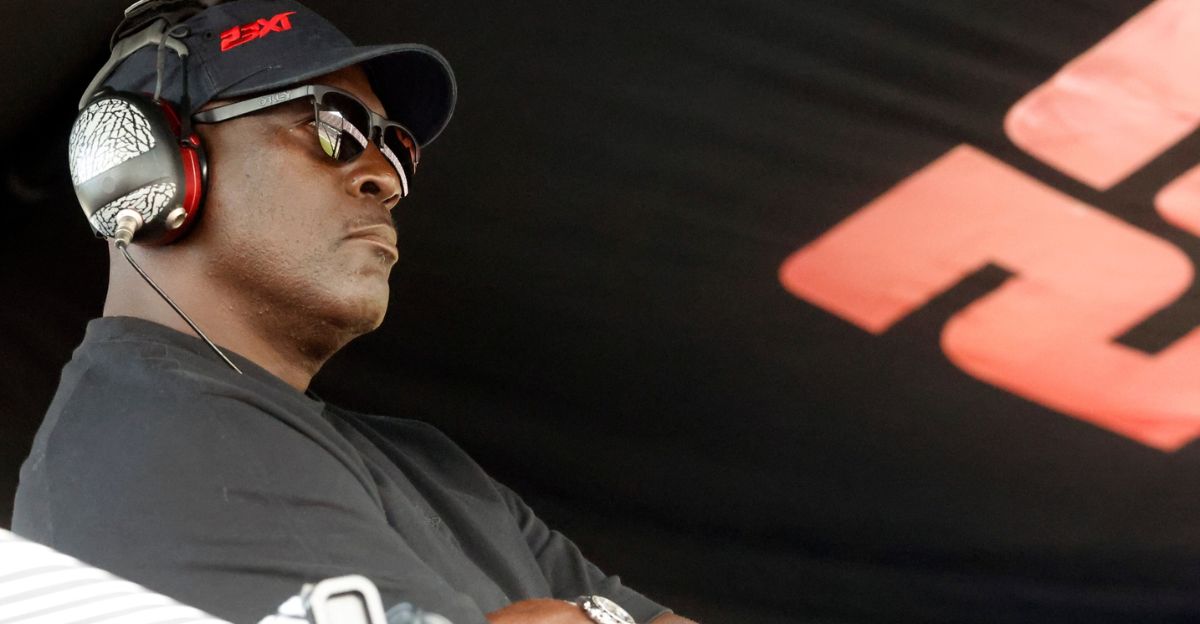
After refusing to sign the September 2024 proposal, 23XI and Front Row opened the 2025 season in the Cup Series without charters—racing without guaranteed starting positions or fixed charter payments, even as expenses for cars, personnel, and travel continue. Both warn that operating without long-term security is unsustainable and say court-ordered changes are their last safety net.
If jurors find that NASCAR used its monopoly power unlawfully, Judge Bell would then decide on remedies that could reshape American stock-car racing. Potential steps range from altering or removing charters to revising track-ownership patterns, loosening exclusivity clauses, or revisiting control over the Next Gen car. NASCAR argues that such changes could destabilize a model that team owners themselves once supported, while 23XI and Front Row say reforms are necessary for the sport’s survival at the team level.
Antitrust specialists and other sports executives around the world are watching the Charlotte case closely. The outcome could influence how courts treat closed leagues where a single body both sanctions competition and buys teams’ services. A ruling against NASCAR might embolden participants in other series to challenge revenue splits and control provisions, while a verdict in NASCAR’s favor could reinforce the status quo. Either way, the public airing of charter prices, revenue formulas, and internal negotiations has already altered how fans, sponsors, and investors view who holds power in one of the most lucrative forms of motorsport.
Sources
ESPN Dec. 6, 2025 trial testimony coverage
ESPN Nov. 2025 NASCAR charter analysis
Fox Sports Nov. 2025 NASCAR antitrust explainer
Fox Sports Oct. 28 & Nov. 4 2025 lawsuit updates
Fox Sports Dec. 2025 trial analysis