
Friday morning came with an alert nobody expected. Parents woke up to messages telling them to keep their kids inside—not because of a storm rolling in, but because the air itself had become dangerous.
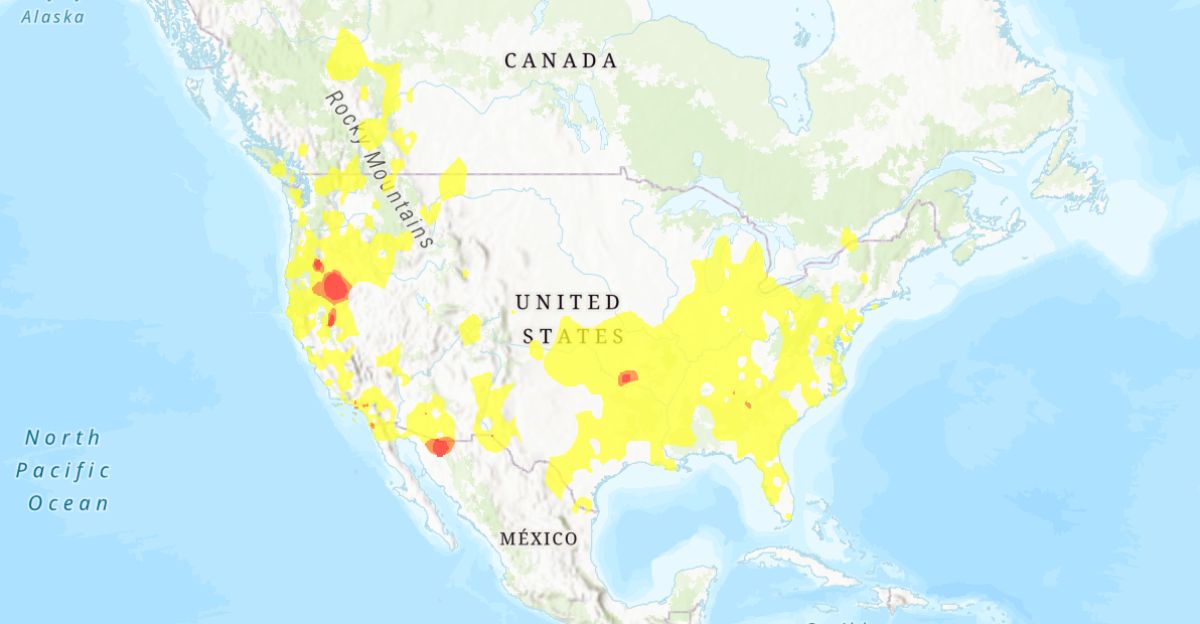
Across three states separated by thousands of miles, the Environmental Protection Agency triggered emergency warnings about air quality reaching levels the agency rarely announces outside of major wildfires or industrial disasters. Thousands of people found themselves under strict orders: stay indoors, avoid exercise, watch the clock until conditions improve.
The Moment the Alert Went Live
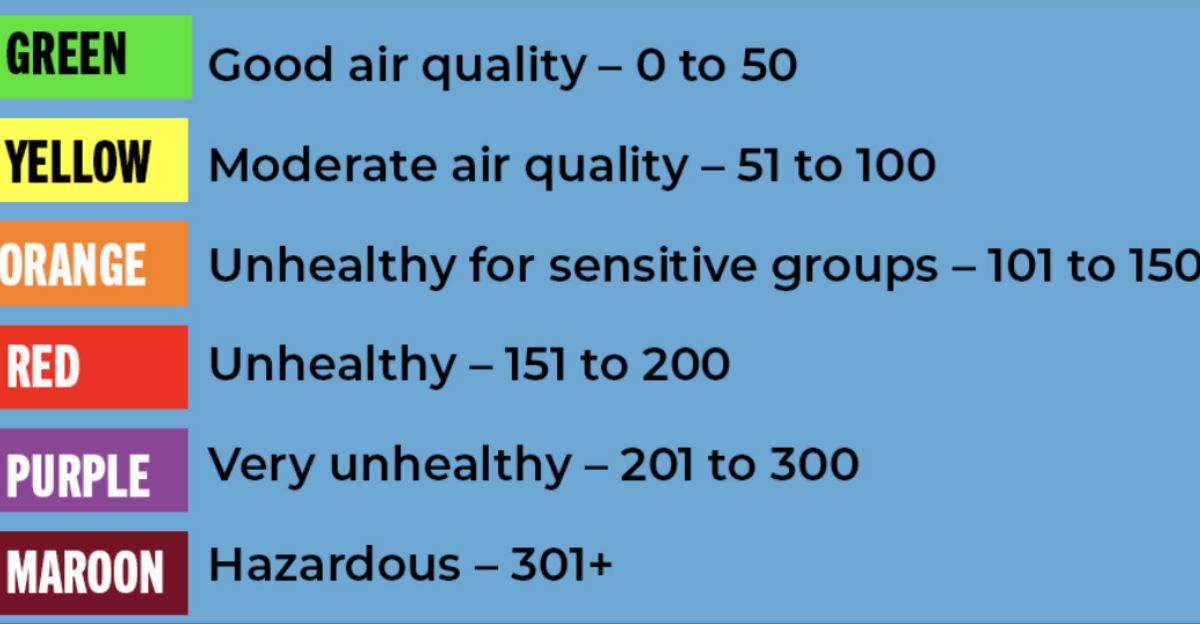
The notification came early, before most people finished their coffee. AirNow, the EPA’s real-time air monitoring system, detected PM2.5 fine particles concentrating at dangerous levels in northern Florida and southeastern Georgia. The reading pushed into territory classified as “very unhealthy”—the purple zone on the EPA’s color-coded scale, second only to “hazardous.”
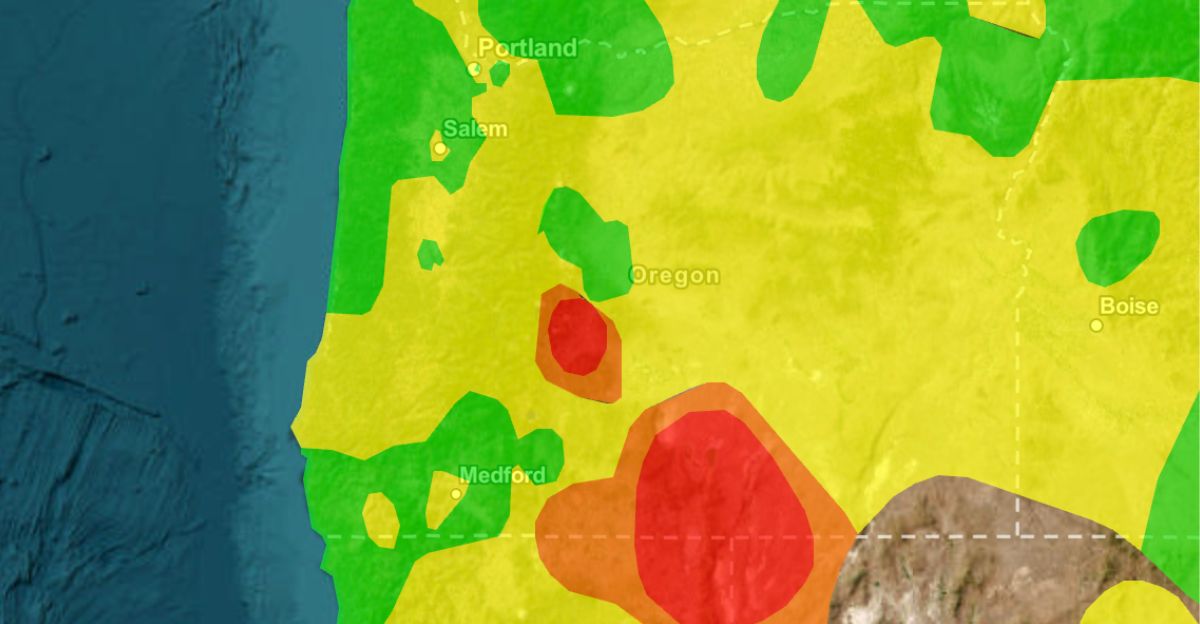
At the same time, over 3,000 miles away in Oregon, another crisis was unfolding. Residents south of Bend and near La Pine were receiving similar warnings.
Small Towns, Unexpected Crisis
Sanderson and Lake Butler aren’t places you’d expect to see headlines about air pollution. These are rural northern Florida communities where people moved specifically for clean air and open space. With populations under 2,500 each, they represent the kind of small-town America typically untouched by the air quality crises that plague major cities.
Yet there they were, on Friday morning, staring at an Air Quality Index reading between 201 and 300—the “very unhealthy” category reserved for health emergencies.
What’s Actually Happening in the Atmosphere
Picture the atmosphere above these three states like a blanket that’s pulled too tight. Usually, air movement, mixing, and wind help clear out pollution. But right now, an inversion—a layer of warm air sitting above cooler air—is creating a lid that won’t lift.
Light winds, almost nonexistent in some areas, mean nothing is being blown away. Pollutants that would usually disperse are instead concentrating near the ground where people live and breathe.
The Invisible Threat Nobody Can See
PM2.5 doesn’t announce itself. You won’t see a brown cloud hanging over towns like you might during a wildfire. These are ultra-fine particles—so small that 2.5 micrometers seems impossibly tiny until you understand what that means for your lungs.
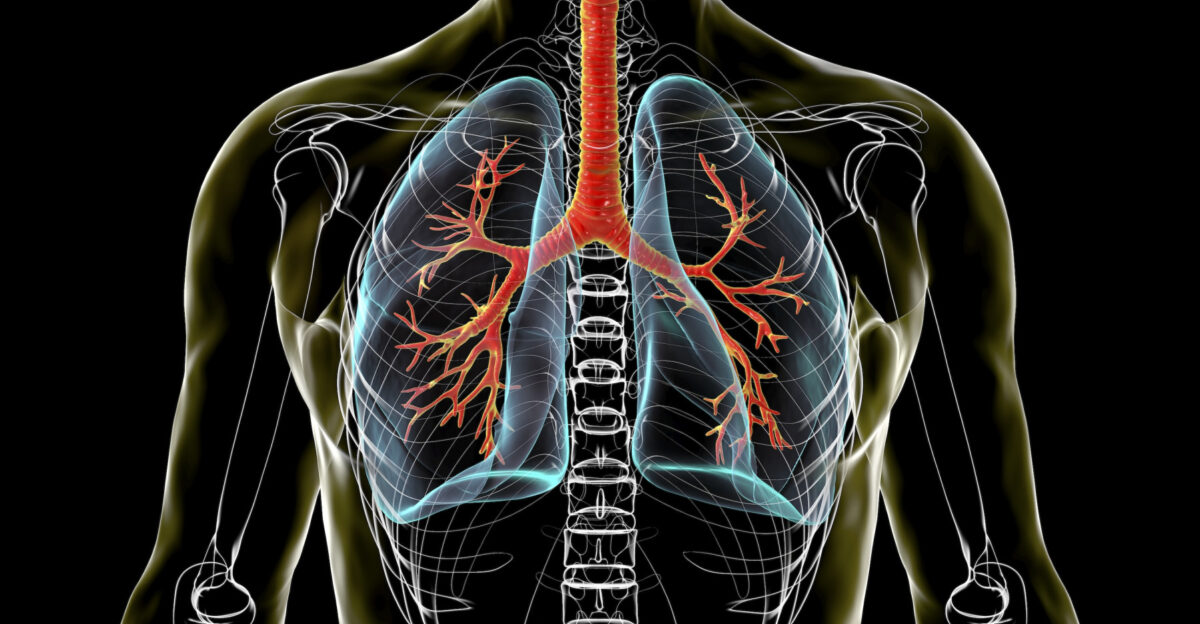
Particles this small don’t get stopped by your nose or throat like larger dust. They travel deep into the respiratory system, reaching the tiny air sacs where oxygen enters your blood.
Kids Are Staying Inside
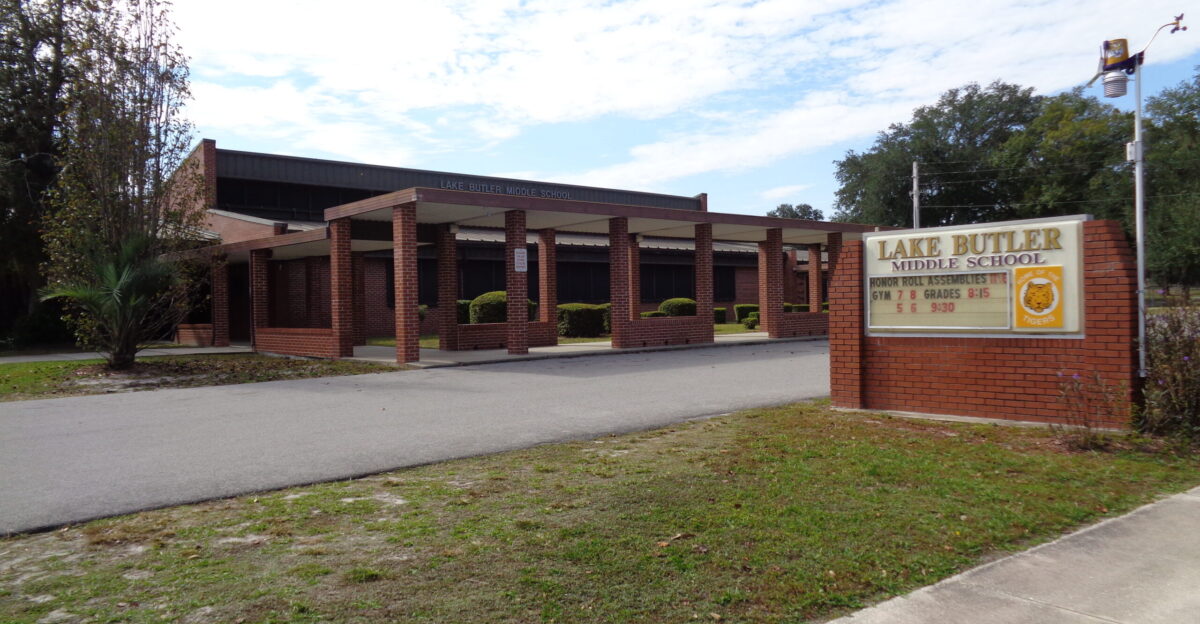
Schools in affected regions are getting creative. Outdoor recess is being moved indoors or canceled entirely. Physical education classes are pivoting to indoor activities. The kids who usually sprint across fields during lunch now spend those minutes watching screens or sitting in gymnasiums.
Parents are juggling the reality that their children can’t just play in the yard like they usually would. The restrictions sound abstract in an alert, but they’re reshaping the daily reality for thousands of families right now.
Three Thousand Miles Apart, Same Crisis
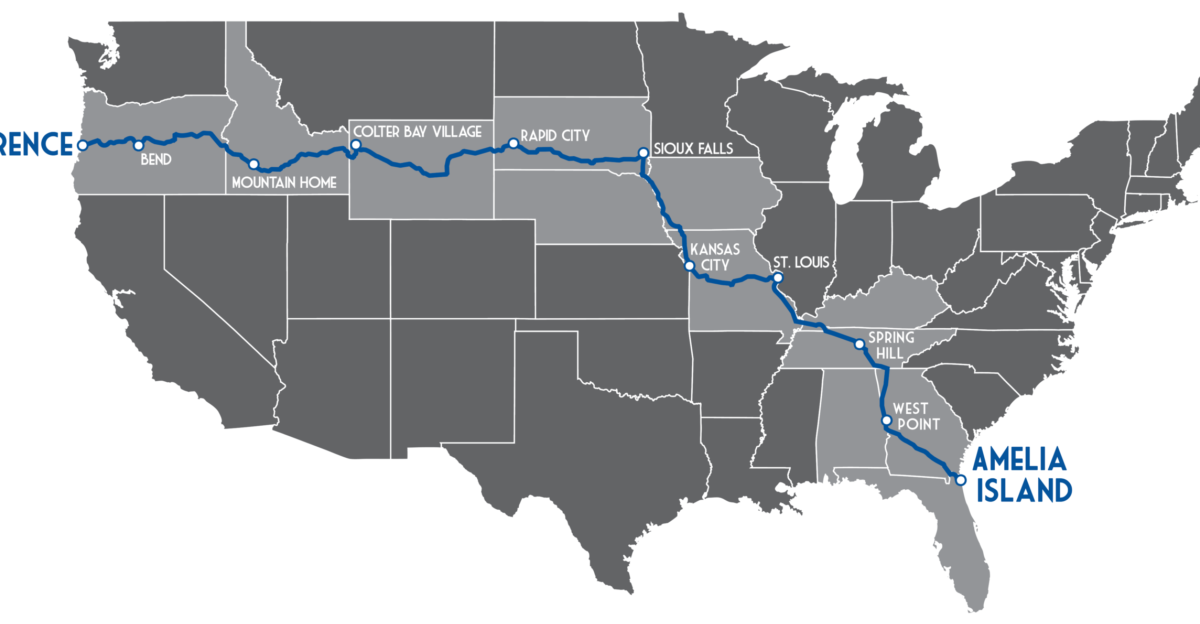
The geographic spread is what’s capturing meteorologists’ attention. Florida and Oregon don’t share weather patterns. The entire continental United States separates them. Yet both regions are experiencing emergency air quality alerts simultaneously.
“Very unhealthy” air in the Southeast. “Unhealthy” air in the Pacific Northwest. Different severity levels, but same day, same type of hazard, same underlying cause—stagnant atmospheric conditions.
Oregon’s Atmospheric Trap
Oregon’s story is one of timing and meteorology colliding. The air stagnation advisory issued on Friday morning carries a specific expiration time: 4 a.m. Pacific Standard Time, Monday morning. That’s a 72-hour window where residents know conditions won’t improve without a change in the weather.
The atmospheric inversion, which traps pollutants, won’t break until winds increase and mixing heights rise. Meteorologists are watching forecasts for Monday, hoping the pattern shifts.
What Doctors Are Saying About the Risk

Medical professionals are taking the current conditions seriously. PM2.5 at these concentrations triggers measurable health effects within hours of exposure. Respiratory symptoms typically appear first, including coughing, shortness of breath, and chest tightness. For people with asthma or heart disease, the risk becomes acute.
Doctors are warning that vulnerable populations need to treat this alert like they would a severe allergy warning or weather emergency. Individuals with existing medical conditions should keep rescue medications readily available.
The Waiting Game Begins
Nobody knows precisely when this ends. The 72-hour Oregon advisory provides a target to aim for, but Friday and Saturday may resemble Monday as they do now, or conditions might shift sooner or linger longer. People are checking AirNow hourly, watching for that moment when the index starts dropping.
Afternoon hours sometimes bring slight improvements as the sun warms the atmosphere and mixing becomes possible, but evening and early morning hours intensify the problem again.
People Are Improvising Solutions

Residents are learning to adapt in real time. Portable HEPA air filters are running overtime in homes across affected regions. Hardware stores are reporting runs on weatherstripping to seal window gaps. Families are planning indoor activities, renting movies, and organizing elaborate board game tournaments.
Some people with health conditions are considering whether to leave temporarily until conditions improve. Others are simply hunkering down, rationing outdoor exposure to essential tasks.
Why Rural America Wasn’t Immune
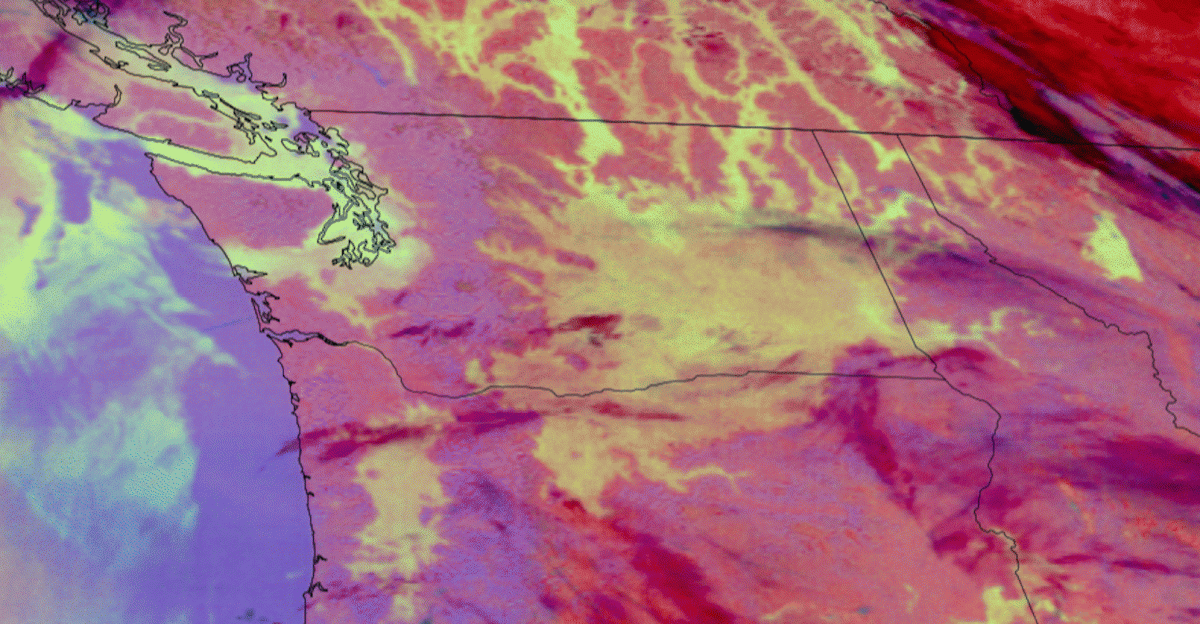
The assumption was that air pollution was an urban problem—specifically, in industrial cities, major metropolitan areas, and places with constant traffic and factories. Yet, here are small Florida towns and rural Oregon communities facing “very unhealthy” air quality alerts. It shatters the notion that choosing a rural life guarantees clean air.
Atmospheric stagnation doesn’t discriminate between cities and the countryside. When weather patterns are misaligned, pollution becomes trapped wherever it’s concentrated, regardless of population density.
The Scale of the Crisis

Between 25,000 and 40,000 people across three states are living under outdoor activity restrictions. In the “very unhealthy” zones of Florida and Georgia, roughly 10,000 to 20,000 people—primarily children, elderly residents, and those with health conditions—are told to avoid all outdoor physical activity.
It’s not a handful of people managing a minor inconvenience. It’s entire communities reorganizing their lives around air they can’t see.
What Comes Next
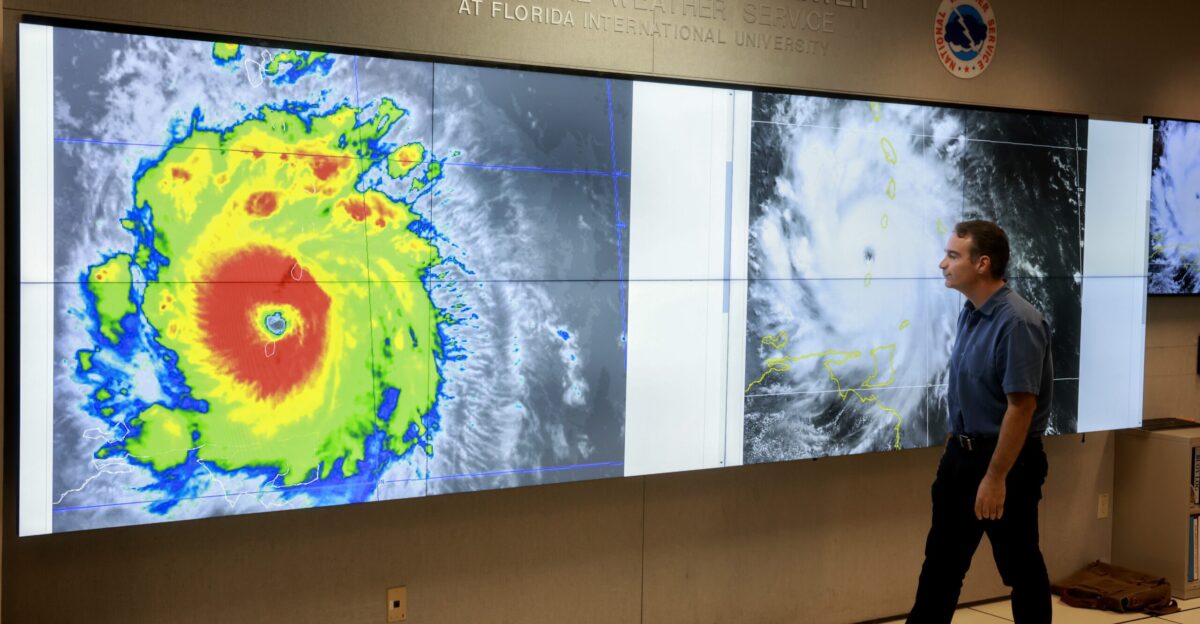
Authorities are constantly monitoring conditions, ready to lift alerts the moment atmospheric conditions shift. The National Weather Service is tracking inversion strength and forecast wind patterns. AirNow is updating readings every hour. Monday morning’s 72-hour mark for Oregon serves as the initial target; conditions could improve before then if weather patterns shift, or they could extend beyond if the inversion persists.
Residents should stay alert to updates, check conditions before engaging in any outdoor activity, and follow guidance tailored to their age and health status. When this lifts, it will be sudden; however, patience and caution are the only strategies that work right now.
A Crisis That Changed How People See the Air

What happened on Friday was a reminder that the air we take for granted isn’t guaranteed to stay breathable. Three states across opposite coasts discovered simultaneously that atmospheric conditions can shift in ways that create genuine health emergencies.
By Monday morning, when conditions hopefully improve and the alerts lift, life returns to normal. But something will have shifted in how people understand the fragility of the environment they depend on—and how quickly it can turn against them.
Sources:
- Newsweek — “Thousands Advised To Remain Indoors In Florida, Georgia, and Oregon Air Pollution EPA” (December 12, 2025)
- EPA AirNow — Real-time Air Quality Monitoring System and National Maps
- National Weather Service — Air Stagnation Advisory (Northeast and Southeast Oregon, through 4 a.m. PST Monday)
- American Lung Association — “State of the Air 2024” Report and PM2.5 Health Effects Guidance
- U.S. Environmental Protection Agency — Air Quality Index (AQI) Categories and PM2.5 Health Risk Documentation