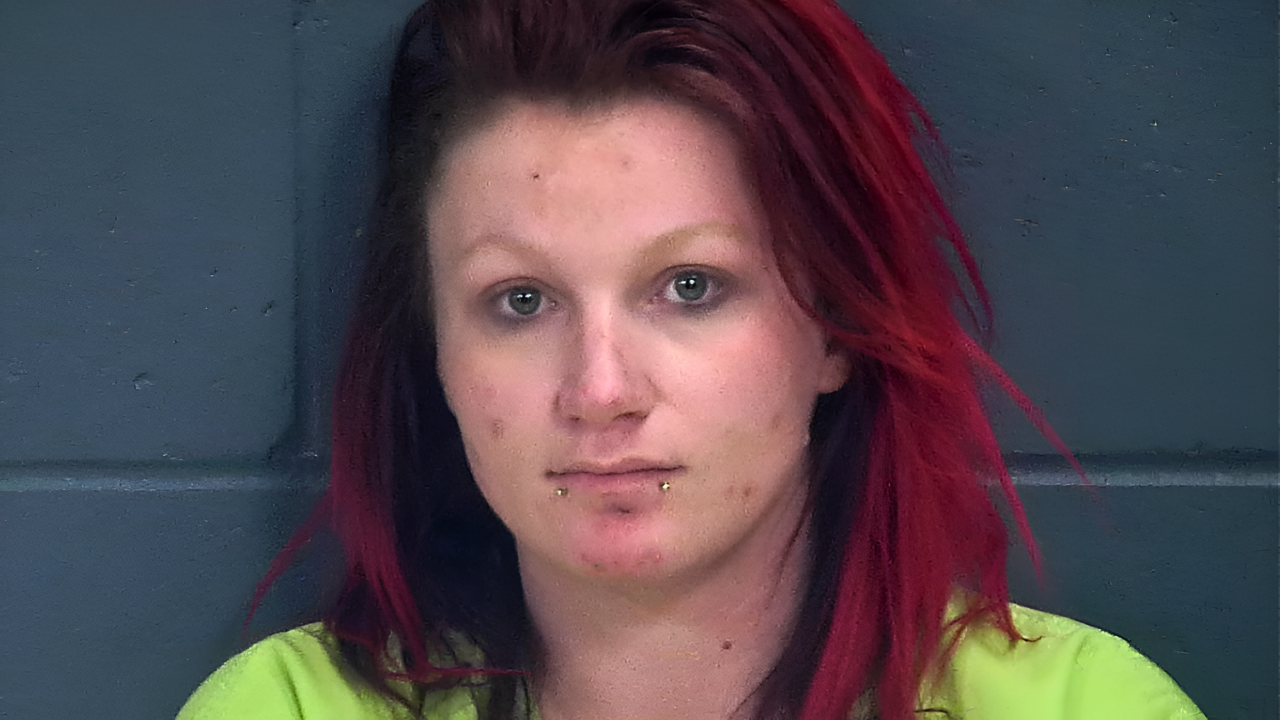
The new mugshot of Chelsea O’Donnell, taken on November 18, 2025, captures a turning point in a long, public struggle with addiction and the criminal justice system. That day, the 28-year-old daughter of comedian Rosie O’Donnell arrived at Taycheedah Correctional Institution in Wisconsin to begin serving an 18‑month prison term. It marked her shift from a mother of four trying to comply with court-ordered treatment to an incarcerated offender in the state’s main women’s prison.
Early Arrests and Escalating Charges
Chelsea’s legal problems began accelerating in fall 2024. On September 10, 2024, police in Marinette County, Wisconsin, arrested her on multiple felony counts, including child neglect, maintaining a drug trafficking place, and possession of methamphetamine. She was booked into the county jail to await bond decisions, starting a rapid sequence of arrests and court hearings.
Within a month, authorities in neighboring Oconto County detained her again, on October 11, 2024, on similar drug-related allegations. After a brief release on bail, Chelsea was arrested a third time on November 18, 2024. That case brought two felony counts of methamphetamine possession, one felony narcotic drug possession count, two felony bail-jumping charges, and four misdemeanors. The pattern pointed to worsening substance use and deepening legal exposure.
Probation, Treatment Court, and Revocation

In February 2025, Chelsea entered a plea agreement with prosecutors, admitting guilt to three felonies: resisting or obstructing an officer, felony bail jumping, and methamphetamine possession. On March 31, 2025, a Wisconsin judge imposed six years of probation—two years attached to each conviction—while dismissing misdemeanor paraphernalia counts. The sentence stayed an 18‑month prison term as long as she complied with strict supervision and treatment requirements.
Those probation terms were extensive. Chelsea was ordered to remain completely sober, avoid possessing alcohol or controlled substances without a valid prescription, participate in the Marinette County Treatment Drug Court Program, undergo regular drug testing, and avoid association with known drug users and dealers. She was barred from possessing firearms and directed to cooperate fully with mental health and substance-use treatment providers.
Over the next six months, records show growing concern inside the specialized treatment court overseeing her case. Officials reported that Chelsea was not making meaningful progress toward recovery and was failing to meet program expectations. By September 2025, the treatment court team formally recommended her removal from the program for non-compliance and “lack of significant progress.”
Compounding those concerns, allegations of sexual assault surfaced during her probationary period, described in court materials as serious violations of her supervision terms. A treatment court representative cited those allegations in a formal request to revoke probation, and related charges were maintained against her.
On October 22, 2025, after a revocation hearing, a Wisconsin judge ruled that Chelsea had violated probation sufficiently to activate the 18‑month prison sentence that had previously been stayed. By then, she had been held in Marinette County Jail since September 9, 2025, awaiting that decision, which was later reported by national entertainment outlets.
Life Inside Taycheedah Correctional Institution
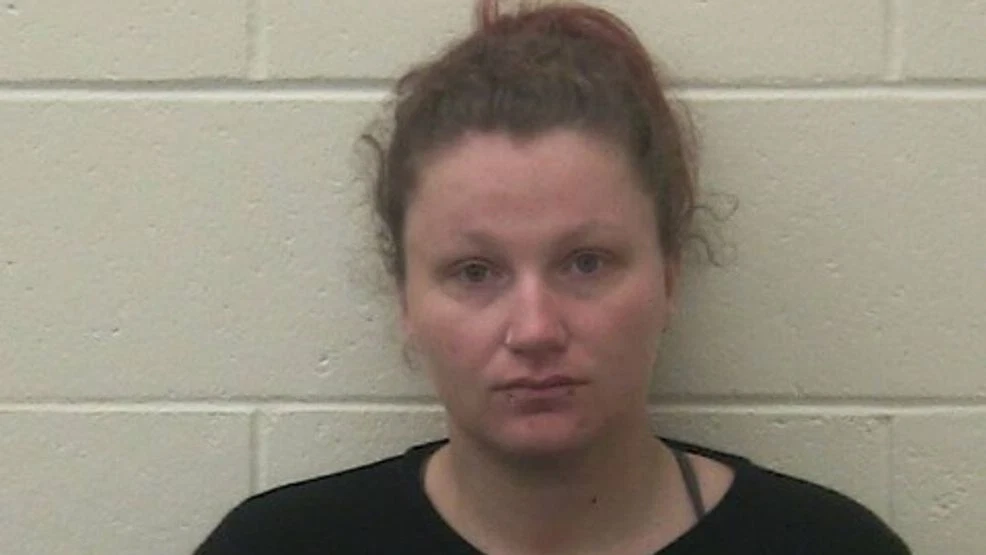
Two months after the revocation ruling, on November 18, 2025, Chelsea was transferred to Taycheedah Correctional Institution in Fond du Lac County, Wisconsin’s central prison for women. Intake procedures included the booking photograph later described as “stoic” and published by US Weekly, showing her looking directly into the camera.
Taycheedah functions as both a maximum- and medium-security facility with capacity for roughly 400 inmates. Its population mirrors state demographics: a majority white, with significant numbers of Black, American Indian, and Hispanic women. The average age is about 38, with prisoners ranging from young adults to elderly individuals. More than half are incarcerated for violent offenses, creating a demanding environment for any new arrival, particularly someone with a chronic addiction history.
The institution is also heavily overcrowded, operating at about 142 percent of its designed capacity. That strain reflects broader pressure on Wisconsin’s correctional system and can limit access to rehabilitation programs, increase tensions, and stretch staffing and treatment resources. For Chelsea, this means that even though the prison offers educational, vocational, and therapeutic programming—including mental health services and substance-use treatment—the availability and intensity of support may be constrained by demand.
Family History, Addiction, and Public Statements
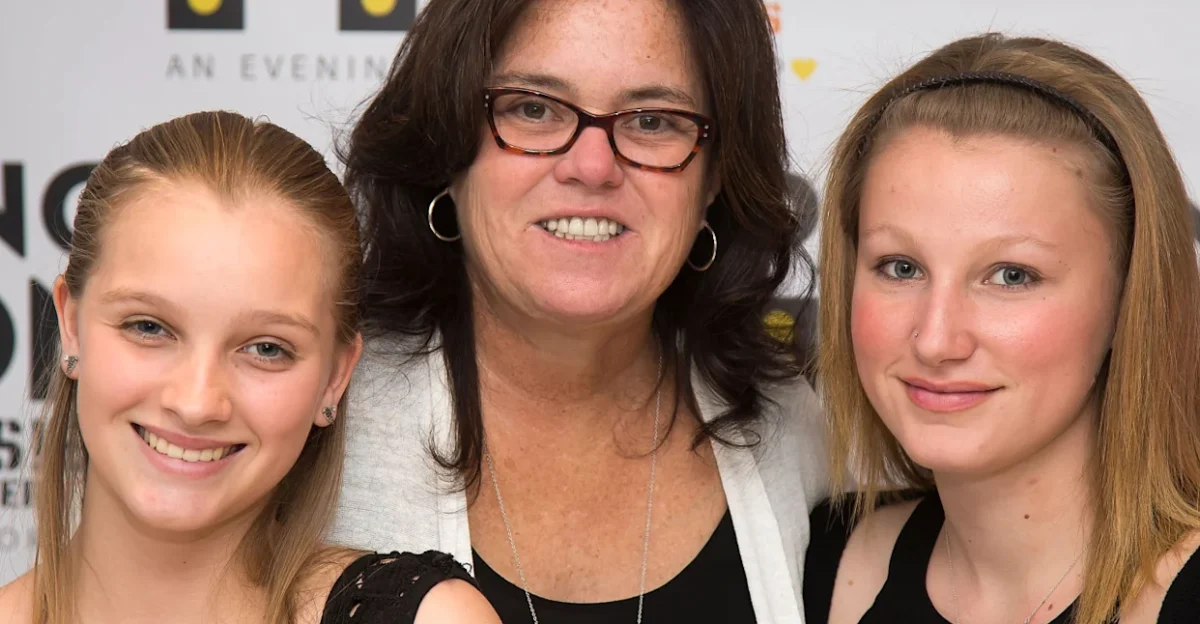
Rosie O’Donnell has publicly described her daughter’s addiction as rooted in circumstances that predate the adoption that brought Chelsea into her household. Chelsea was born in September 1997 to biological mother Deanna Micoley, who struggled with drug addiction at the time. Rosie has told media outlets that her daughter was “born into addiction,” emphasizing both biological vulnerability and early exposure to substance use in Chelsea’s family of origin.
Those dynamics have played out across years of family conflict. At 17, in August 2015, Chelsea disappeared from Rosie’s New York home. She was located a week later in Wisconsin, living with Micoley, indicating a deliberate move toward her biological family. After turning 18, she settled permanently in Wisconsin, widening the emotional and geographic distance from Rosie.
In January 2025, as her criminal cases and probation progressed, Chelsea petitioned to change her last name legally from O’Donnell to Neuens, adopting her biological mother’s maiden name. The change underlined her shifting identity and alignment with her birth family even as she navigated court supervision and treatment obligations.
Rosie, meanwhile, has continued to speak publicly in terms of concern and support. In late October 2025, she posted a childhood image of Chelsea on Instagram alongside a message recalling her daughter “before addiction took over her life” and asking for prayers as Chelsea faced “a scary future.” In a formal statement to US Weekly, Rosie said she had compassion for people struggling with addiction, described Chelsea’s journey as painful for both her and her children, and said the family would continue to love and support her through “horrible times,” again inviting prayers.
Impact on Children and Family Changes
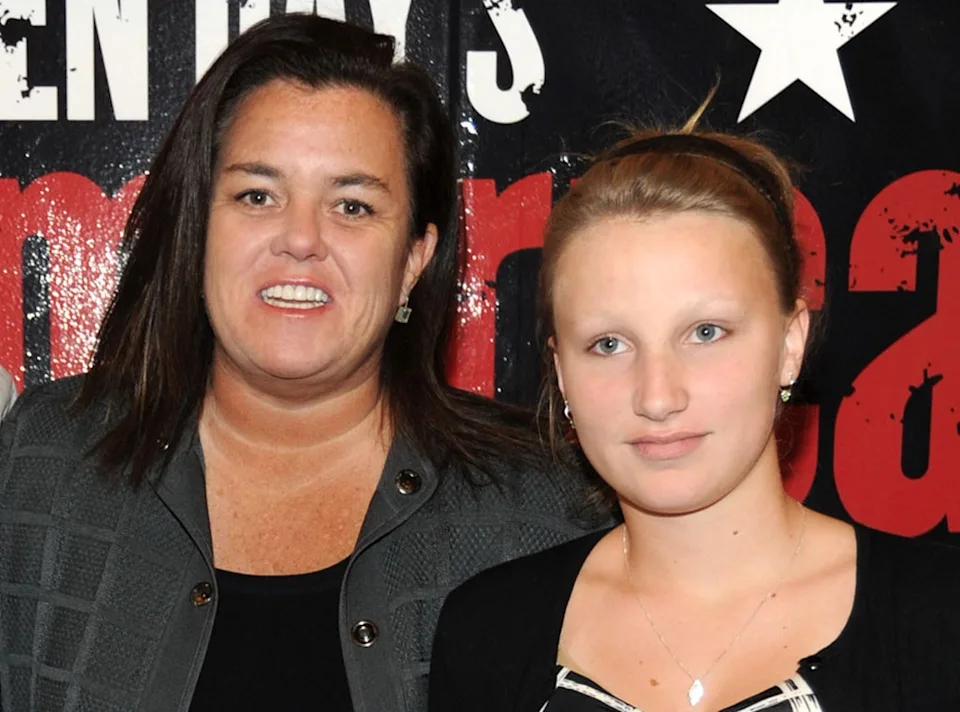
Chelsea’s imprisonment has direct consequences for her four young children. She is mother to daughters Skylar Rose (born December 2018), Riley (born January 2021), and Avery Lynn (born February 2022), and son Atlas (born October 2023). Three of the children are with her former partner, Jacob Bourassa, who received primary physical custody in 2019. Her youngest child, Atlas, is with another partner, Jacob Nelund. Chelsea now faces separation from all four while she serves her sentence and attempts to engage with prison-based treatment options.
Rosie’s own life has continued to shift during this period. In January 2025, Rosie moved to Ireland with her youngest child, 12‑year‑old Clay. The relocation came ahead of Chelsea’s March 31, 2025 sentencing and amid broader political turmoil following Donald Trump’s reelection. Individuals close to her have said she had spent years funding rehabilitation efforts for Chelsea and was emotionally exhausted by a long pattern of relapse and crisis. Even so, there have been brief periods of reconciliation, notably around the birth of Skylar in 2018, when becoming a grandmother temporarily eased family tensions.
Chelsea’s incarceration at Taycheedah highlights how addiction can undermine even extensive financial resources, family support, and repeated access to treatment programs. The length of time she will remain behind bars, whether she qualifies for early release based on conduct, and how effectively prison-based addiction services can address her long-standing dependence all remain unknown. So does the future of her relationships with her children and with Rosie, leaving an open question about whether this period in custody will mark a turning point or another chapter in a long-running struggle.
Sources:
US Weekly, “Rosie O’Donnell’s Daughter Chelsea Takes New Mugshot in Prison” (December 2025)
People Magazine, “Rosie O’Donnell Asks for Prayers for Daughter Chelsea Amid Prison Sentence” (October 2025)
E! News, “Rosie O’Donnell on Daughter Chelsea’s Legal Issues Amid Prison Sentence” (October 2025)
Wisconsin Department of Corrections, Taycheedah Correctional Institution facility records and inmate population statistics
Marinette County Circuit Court, Chelsea O’Donnell case filings and sentencing records (2024-2025)