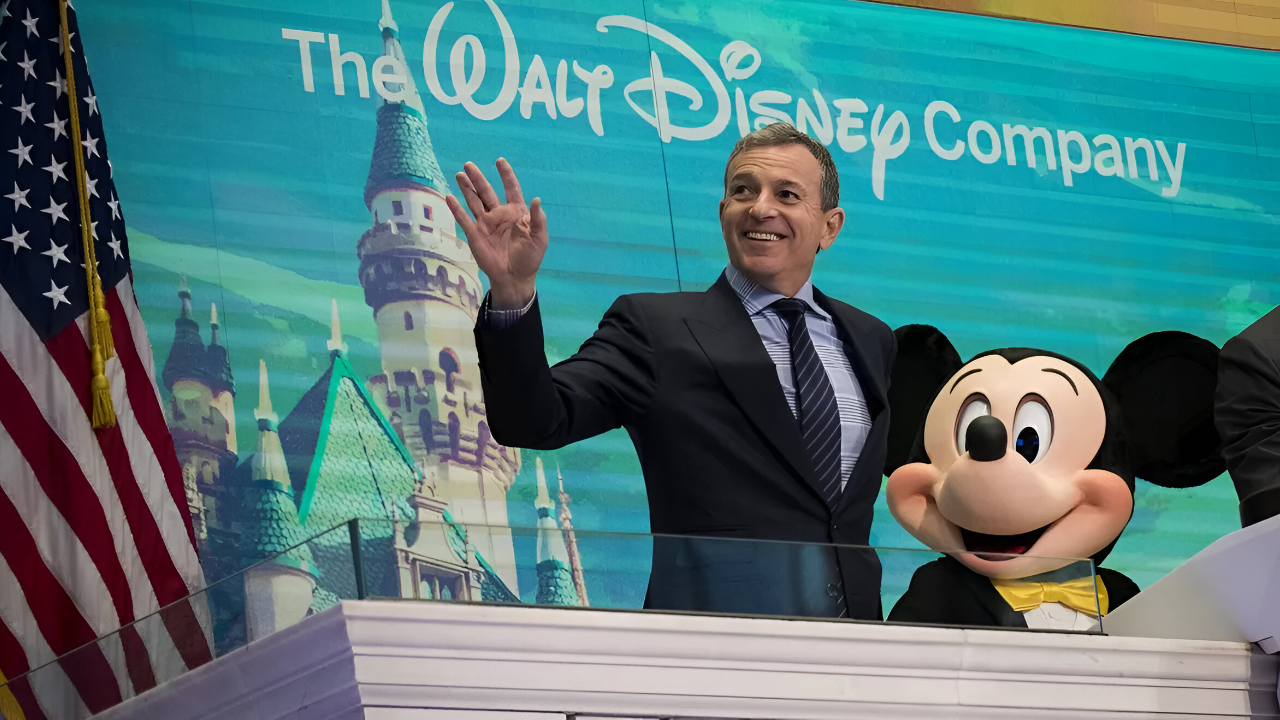
On December 11, 2025, Disney announced a landmark partnership that will fundamentally alter how audiences interact with iconic characters. The Mouse House is investing $1 billion in OpenAI and licensing more than 200 of its most valuable characters—from Mickey Mouse to Darth Vader—directly into the Sora AI video generation platform.
However, hours before this announcement, Disney simultaneously sent a cease-and-desist letter to Google, claiming that the tech giant had stolen Disney characters to train its AI systems.
Who, What, When, Where: Understanding the Deal
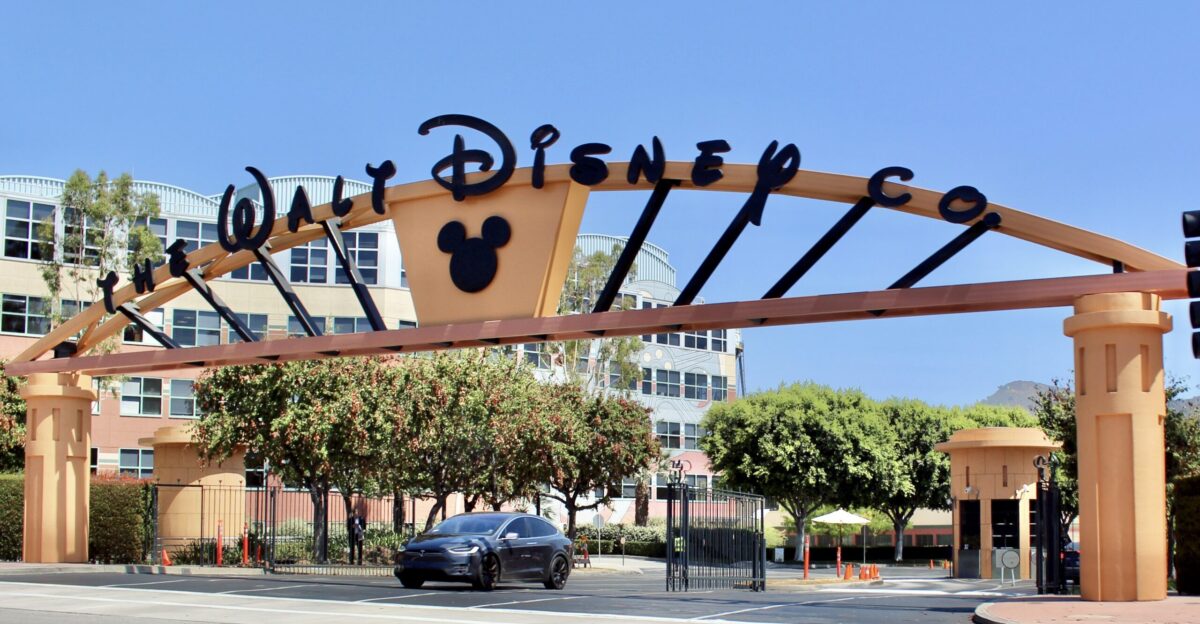
Disney’s three-year licensing agreement with OpenAI was announced on Thursday, December 11, 2025, creating the first major partnership between a global entertainment conglomerate and an AI video generation company.
The deal encompasses characters from Disney Animation, Marvel, Pixar, and Lucasfilm’s Star Wars universe, including Mickey Mouse, Cinderella, Ariel, Iron Man, Black Panther, Darth Vader, and Yoda. Starting in early 2026, Sora users will generate short-form videos, and ChatGPT users will create images featuring these characters through simple text prompts.
The Financial Architecture: Beyond the $1 Billion Investment
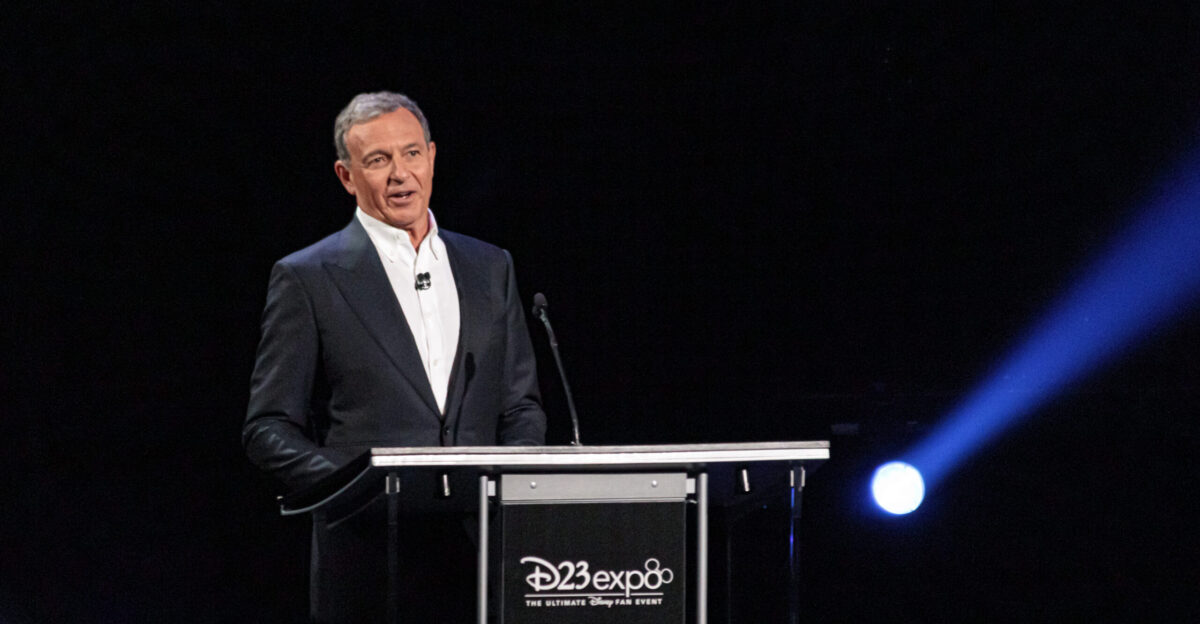
Disney’s $1 billion investment comprises an equity stake in OpenAI, along with warrants that allow the company to purchase additional stock. Disney CEO Bob Iger confirmed that licensing fees are part of the comprehensive agreement structure.
Beyond the equity investment, Disney becomes a major OpenAI customer, deploying ChatGPT internally for employees and utilizing OpenAI’s APIs to develop new products for Disney+. This multifaceted arrangement creates ongoing revenue streams while positioning Disney at the forefront of AI-powered entertainment.
The Character Library: Over 200 Disney Icons Available
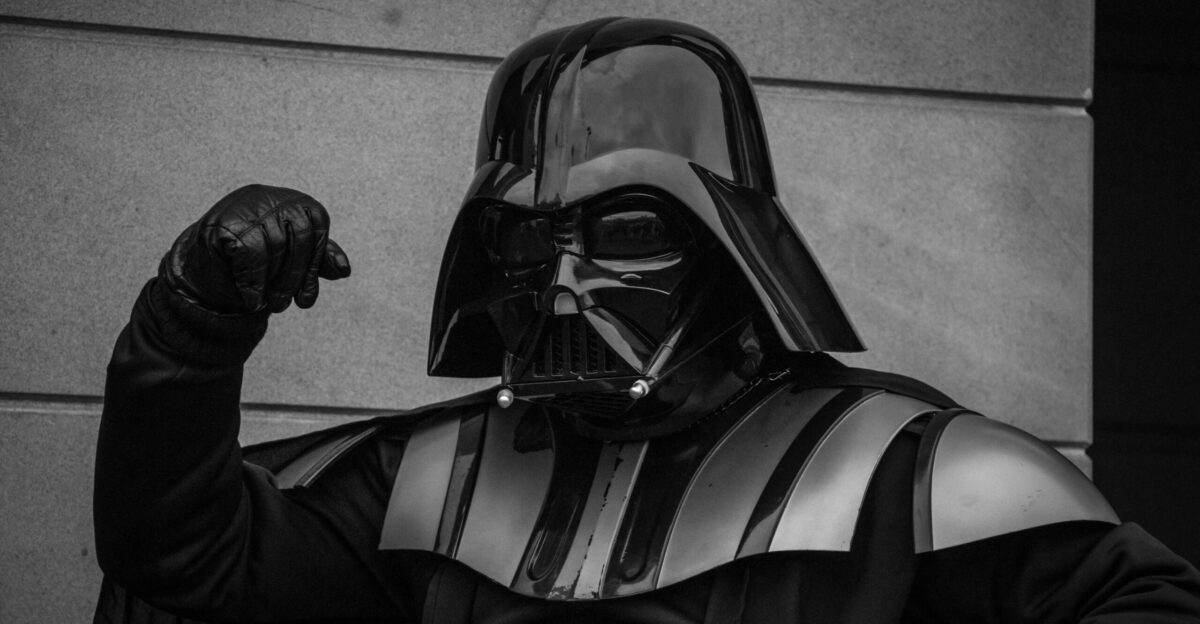
The licensed character roster spans decades of Disney storytelling excellence, featuring beloved protagonists such as Simba, Belle, Baymax, and Cinderella from animated films. Marvel’s extensive universe features characters such as Black Panther, Captain America, Iron Man, Deadpool, and Groot.
Star Wars characters licensed include Darth Vader, Han Solo, Stormtroopers, and Yoda. The agreement also covers costumes, props, vehicles, and iconic environments, enabling users to create authentic scenarios within Disney’s fictional universes.
How It Works: From Text Prompts to Generated Videos
Sora, launched by OpenAI in September 2025, enables users to generate videos up to one minute long by entering simple text descriptions. Disney’s licensing agreement expands Sora’s capabilities, enabling users to create videos featuring Disney characters based on their own prompts.
ChatGPT Images simultaneously gains access to the same intellectual property, enabling it to turn user-provided words into generated images within seconds. Curated selections of fan-generated Sora videos will be featured on Disney+, introducing AI-generated content directly into Disney’s streaming ecosystem.
Content Safeguards: Protecting Brand Integrity
Disney and OpenAI have established comprehensive guidelines that prohibit the generation of inappropriate content involving licensed characters. Prohibited scenarios include depictions involving drugs, alcohol, sexual content, or crossovers with characters from other media franchises.
Both companies established a joint steering committee to oversee user-generated content and ensure compliance with Disney’s stringent brand standards. OpenAI is committed to implementing “robust controls” to prevent the generation of illegal or harmful content across all platforms.
Talent and Likeness Protection: A Critical Boundary
The licensing agreement explicitly excludes any likenesses, voices, or performances of real actors and talent. This distinction protects screen actors, voice performers, and celebrities from unauthorized AI replication.
OpenAI has committed to technological measures preventing the generation of unlicensed performer likenesses or voices. This safeguard represents a significant distinction between animated character licensing and the protection of human performers’ rights.
Disney’s Competitive Strategy: Why Partner and Litigate Simultaneously?
The timing of Disney’s OpenAI announcement and Google’s cease-and-desist letter reveals a sophisticated business strategy. By granting OpenAI exclusive early-period access to its characters, Disney can now argue that Google’s unauthorized character generation violates those exclusive rights.
Disney attorney David Singer’s cease-and-desist letter demands that Google “immediately cease any further copying, public display, public performance, distribution, and creation of derivative works of Disney’s copyrighted characters.”
The Google Controversy: Alleged Massive Copyright Violations
Disney accuses Google of engaging in copyright infringement “on a massive scale,” claiming Google AI services “commercially exploit and distribute” unauthorized Disney character imagery. The cease-and-desist letter specifically targets Google’s Gemini, YouTube, YouTube Shorts, and Google’s mobile app as platforms enabling Disney character generation without authorization.
Disney claims Google has deliberately declined to implement technological solutions available to competitors despite months of discussions. The letter asserts that Google is “purposefully expanding the extent of its infringement by offering its infringing AI services through numerous channels to countless consumers”.
Bob Iger’s Vision: Technology as Opportunity, Not Threat
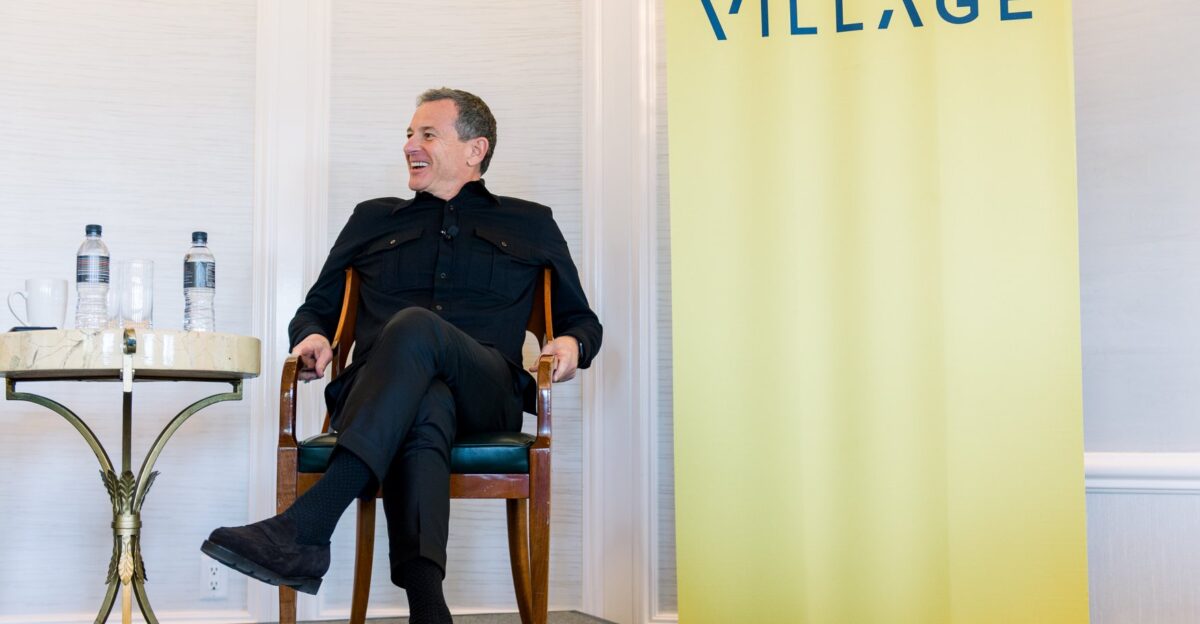
Disney CEO Bob Iger stated that artificial intelligence represents “a pivotal moment for our industry,” emphasizing the company’s commitment to embracing the technology responsibly.
Iger declared that “the rapid advancement of artificial intelligence marks an important moment for our industry, and through this collaboration with OpenAI, we will thoughtfully and responsibly extend the reach of our storytelling through generative AI, while respecting and protecting creators and their works”.
Sam Altman’s Perspective: Responsible AI Innovation
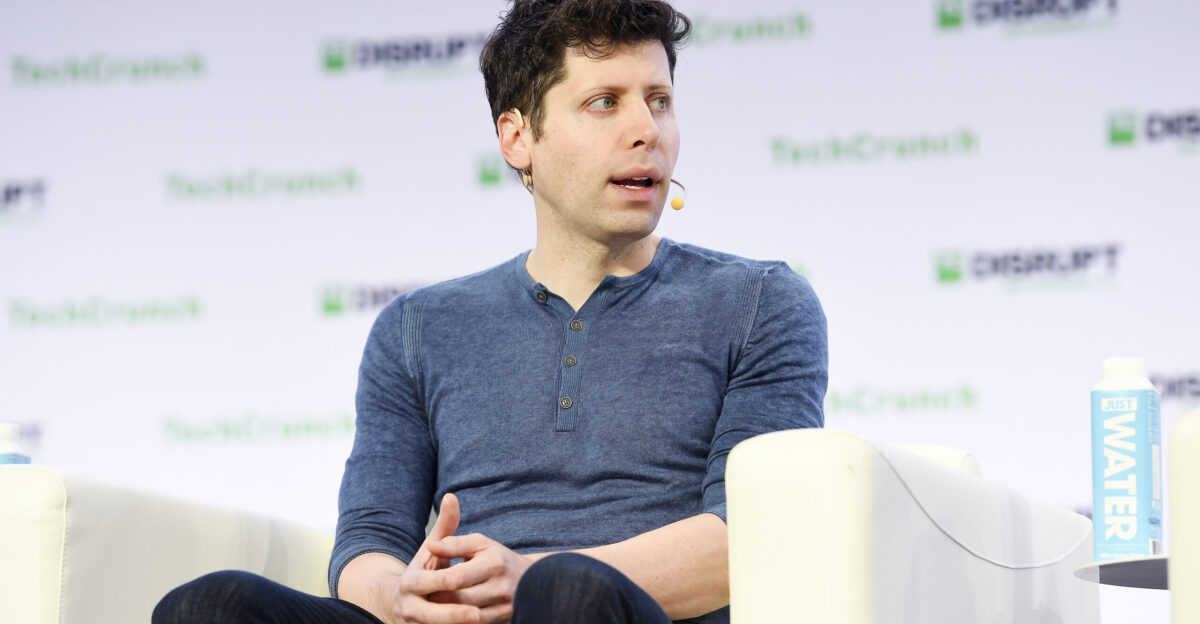
OpenAI CEO Sam Altman stated that “Disney is the global gold standard for storytelling” and expressed enthusiasm about expanding how people create and experience content.
Altman emphasized that “this agreement shows how AI companies and creative leaders can work together responsibly to promote innovation that benefits society, respect the importance of creativity, and help works reach vast new audiences”. His framing positions the partnership as a model for future AI-entertainment collaborations.
Writers Guild Concerns: Protecting Creator Rights
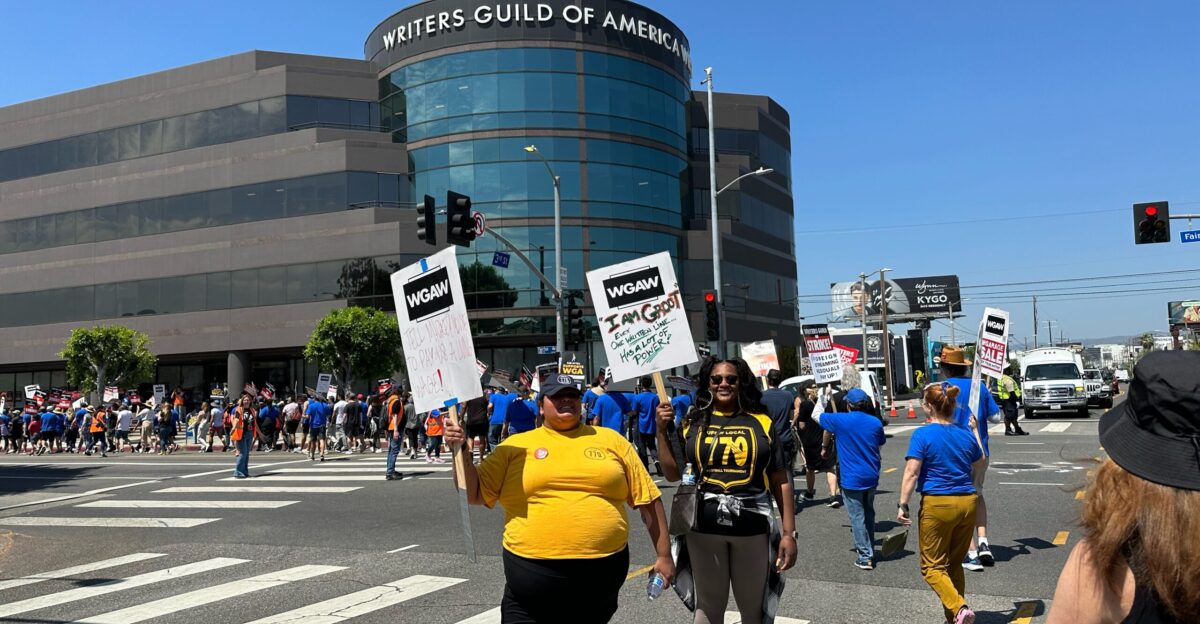
The Writers Guild of America issued a critical statement, arguing the deal “appears to sanction” OpenAI’s unauthorized use of writers’ work. The WGA emphasized that OpenAI has “stolen vast libraries of works” created by guild members to train its AI systems without consent or compensation.
The union committed to meeting with Disney to review licensing details and protect members’ economic interests related to user-generated content revenues.
SAG-AFTRA’s Cautious Approach: Vigilance Over Confrontation
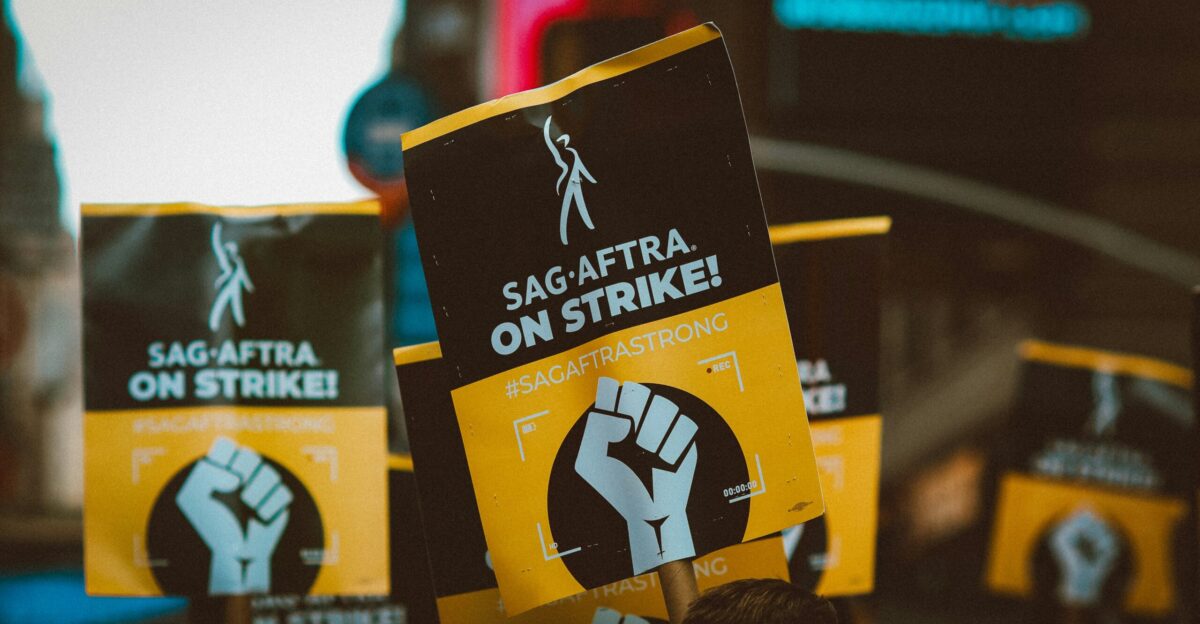
The Screen Actors Guild responded more carefully than writers, acknowledging months of discussions with OpenAI regarding performer protections. SAG-AFTRA stated that it would “closely monitor” the deal to ensure compliance with contracts that protect members’ image, voice, and likeness rights.
The union recognized Disney and OpenAI’s safeguards but remained vigilant about potential exploitation of performers. This measured stance reflects ongoing industry negotiations between labor unions and technology companies.
Animation Guild’s Integrity Concerns: Brand Reputation Questions

The Animation Guild’s Executive Board expressed concerns about how the unpredictable nature of generative AI affects Disney’s legendary brand reputation and character integrity.
The union acknowledged Disney’s vigorous historical protection of its characters and intellectual property but questioned whether contractual restrictions could fully preserve creative authenticity. This perspective extends labor concerns beyond traditional employment to encompass brand heritage and creative quality.
Industry Precedent: Previous Legal Actions Against AI Companies
Disney has pursued aggressive legal action against multiple AI companies, including Midjourney and Character.AI, as well as other platforms, for allegedly generating unauthorized Disney character content.
The company, alongside NBCUniversal and Warner Bros. Discovery, filed lawsuits against Midjourney and Minimax in June 2025 for copyright infringement. This litigation pattern demonstrates Disney’s traditional approach to intellectual property protection, which shifted toward negotiated partnerships.
Market Reaction: Stock Price and Investor Sentiment
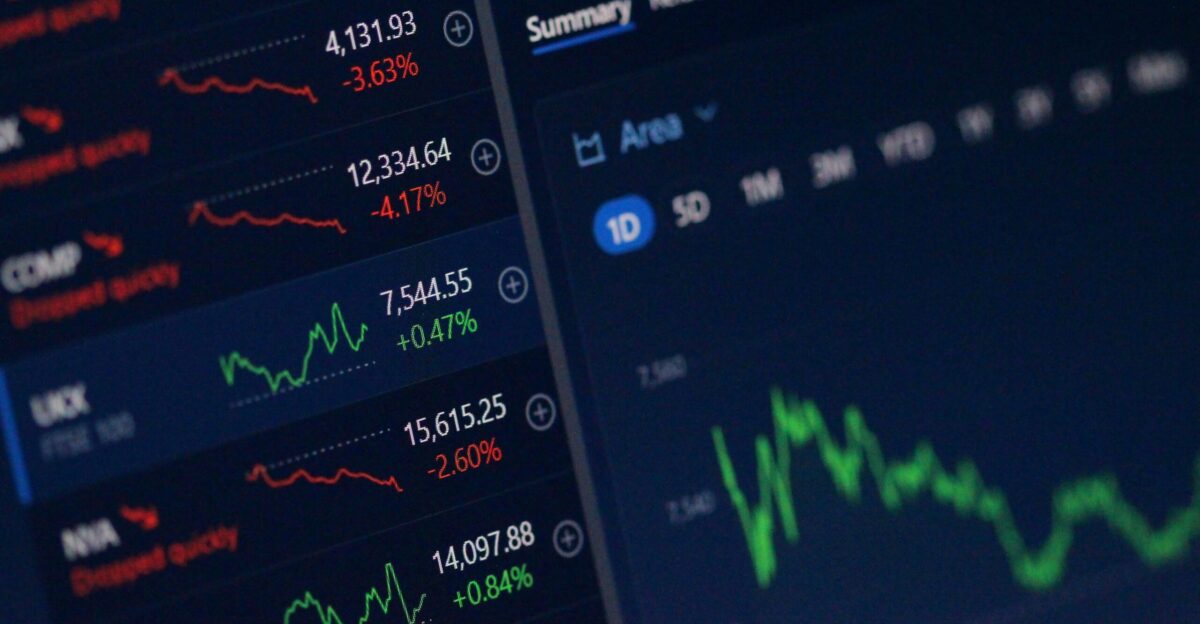
Disney’s stock price increased approximately 2.3 percent following the partnership announcement on December 11, indicating a positive investor reception. Financial analysts viewed the deal as validating the substantial value of Disney’s character intellectual property in the rapidly evolving AI marketplace.
The positive market reaction suggests investors believe Disney successfully monetized its creative assets while maintaining control. This contrasts with ongoing concerns from creative unions and traditional entertainment advocates.
The Exclusivity Question: Limited or Extended?
The partnership agreement includes an exclusivity provision whereby OpenAI receives preferential access to Disney characters for an initial period within the three-year term.
However, Disney CEO Bob Iger clarified that this exclusivity is limited to the early phase, suggesting Disney may license characters to other AI companies after this period expires. This approach allows Disney to test the OpenAI relationship while maintaining strategic flexibility for future partnerships with competitors.
Future Content Plans: Disney+ Integration and Beyond
Curated selections of user-generated Sora videos will be featured on Disney+, introducing AI-generated content directly into the streaming platform. Both companies are committed to ongoing collaboration, utilizing OpenAI’s models to power new experiences for Disney+ subscribers. The rollout is scheduled to begin in early 2026, with an initial focus on developing safeguards and quality control mechanisms.
Disney and OpenAI will iteratively refine the platform based on user feedback and brand impact.
Broader Industry Implications: A Template Emerges
The Disney-OpenAI partnership sets a new standard for how entertainment companies can leverage generative AI technology. The agreement demonstrates that major studios can license intellectual property to AI platforms while maintaining control through strict terms, ongoing oversight, and equity participation.
Other entertainment conglomerates, including Netflix, Amazon, and Son,y will likely examine the Disney model for applying to their properties.
What’s Next: Timeline and Evolution
Users will begin generating Disney-character videos through Sora and images through ChatGPT in early 2026, pending final regulatory approvals. Both companies are committed to ongoing monitoring and refinement of content safeguards, preventing misuse and maintaining quality standards.
After the initial exclusivity period expires, Disney may negotiate similar agreements with competitors, such as Google, Meta, and emerging AI startups.
Sources:
“Disney investing $1 billion in OpenAI, will allow characters in AI-generated videos.” CNBC, December 11, 2025.
“Disney Accuses Google of Using AI to Engage in Copyright Infringement in Cease-and-Desist Letter.” Variety, December 11, 2025.
“Disney Fires Off Cease-And-Desist Letter To Google Over AI Copyright Infringement.” Deadline, December 11, 2025.
“Disney and OpenAI Reach Agreement.” The Walt Disney Company official announcement, December 10, 2025.
“Disney signs deal with OpenAI to allow Sora to generate AI videos featuring its characters.” TechCrunch, December 11, 2025.