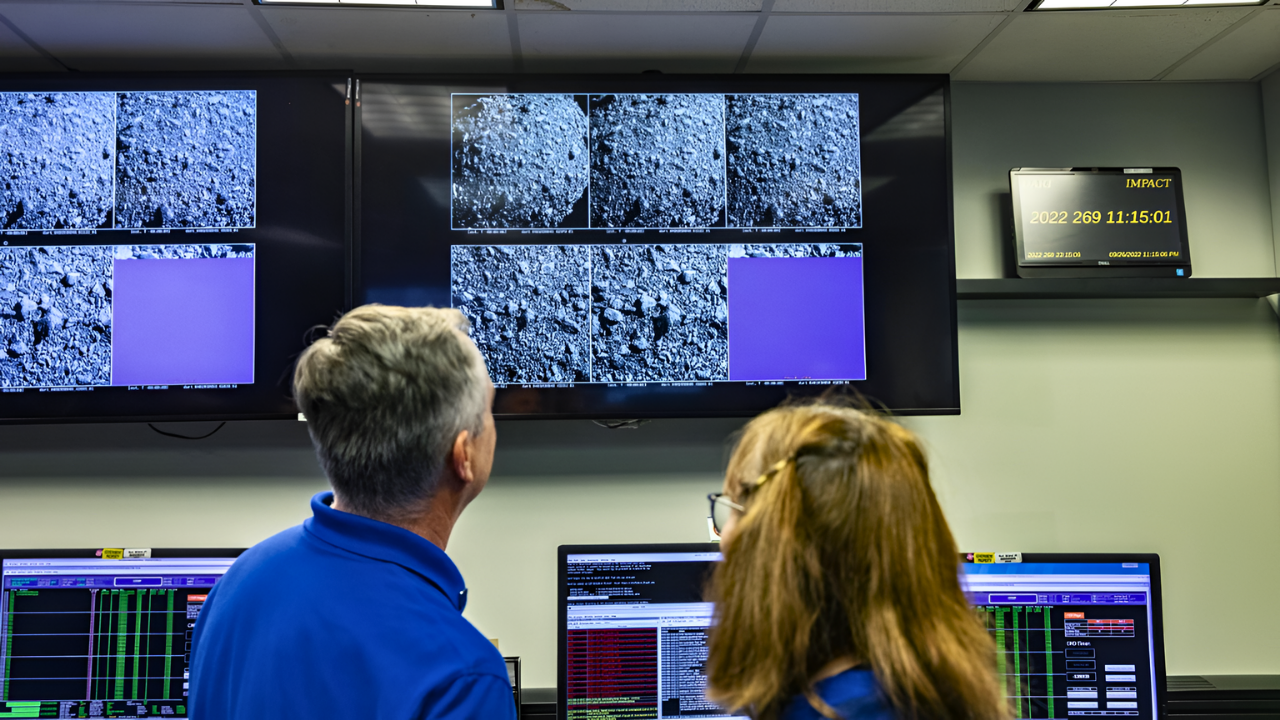
NASA’s Jet Propulsion Laboratory (JPL) has its eyes glued to asteroid 2025 XM, a whopping 84-foot-wide beast about the size of a Boeing 737 jet.
This speedy visitor is racing through our solar system at a mind-blowing 9,753 miles per hour, zipping closest to Earth on December 9, 2024. Don’t worry, it’s just a quick flyby in the huge playground of space near our planet.
How Close Will It Get?
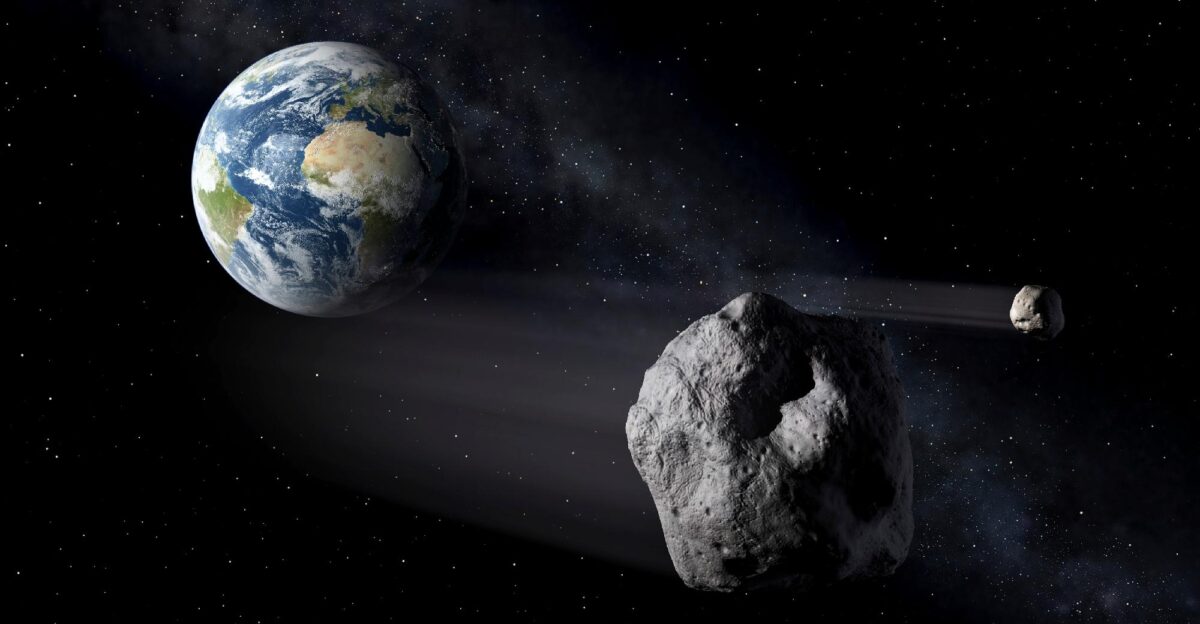
On December 9, 2025 XM whooshes by Earth at 295,000 miles away, close enough for headlines, but super safe by space standards. That’s about 1.2 times the Earth-Moon distance of 239,000 miles, so it’s farther than our own Moon. At highway speeds times a thousand, it covers insane distances in minutes, but its path misses us completely.
NASA’s data screams no danger here, just a harmless swing-by you can only spot with big telescopes. This flyby proves our planet’s got plenty of breathing room.
Speed That Blows Your Mind
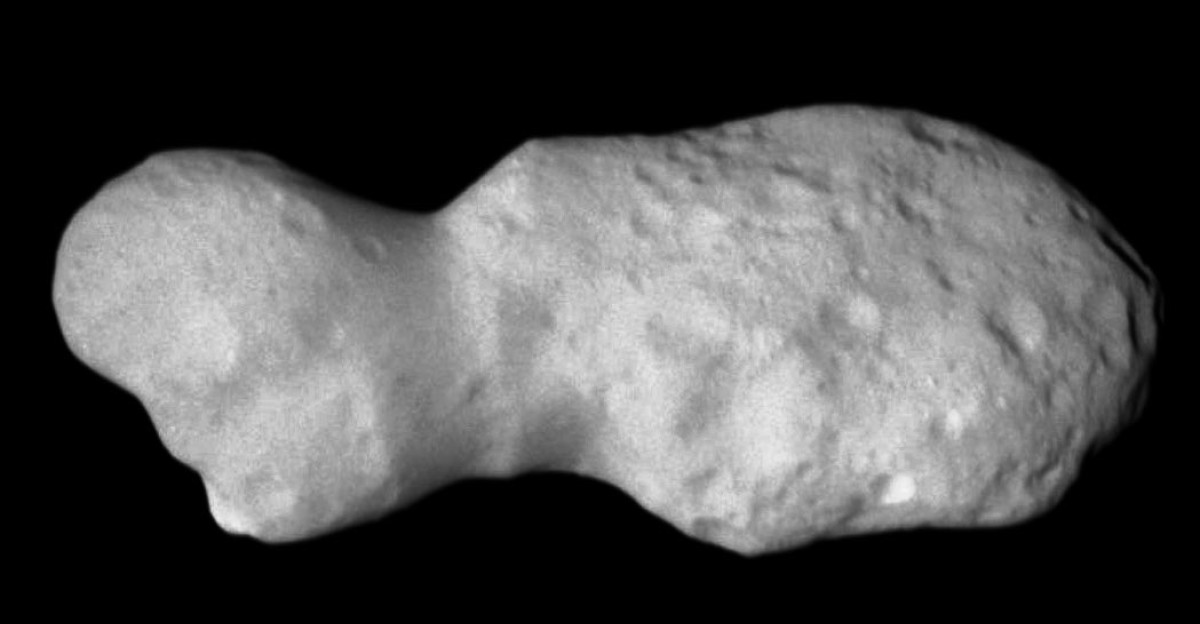
2025 XM clocks an incredible 9,753 miles per hour. That’s like circling Earth almost four times in an hour! Its crazy speed comes from orbiting the Sun, and getting a slingshot boost through our neighborhood.
This raw power packs a punch in kinetic energy, but JPL’s math shows zero threat. It’s here and gone in a flash, just a blink in the night sky.
Why NASA Says All Clear
NASA labels 2025 XM as not potentially hazardous because it’s tiny, under 150 meters (492 feet) wide, and stays way farther than 4.6 million miles from Earth. At 84 feet and 295,000 miles out, it’s a space pebble next to real giants.
This call comes from years of watching thousands of these rocks. Only true dangers set off sirens. Today’s flyby shows their system works like a charm amid everyday close calls. No sweat, just science winning.
Size Like Your Local Court

Imagine 2025 XM as wide as a basketball court or a jumbo jet. Stack 20 school buses end-to-end, and you’ve got the picture.
It’s not world-ender size, but if it slammed Earth, it’d dig a big crater. NASA tracks thousands of these near-Earth objects (NEOs) every year, calling them routine.
Moon Distance Made Simple
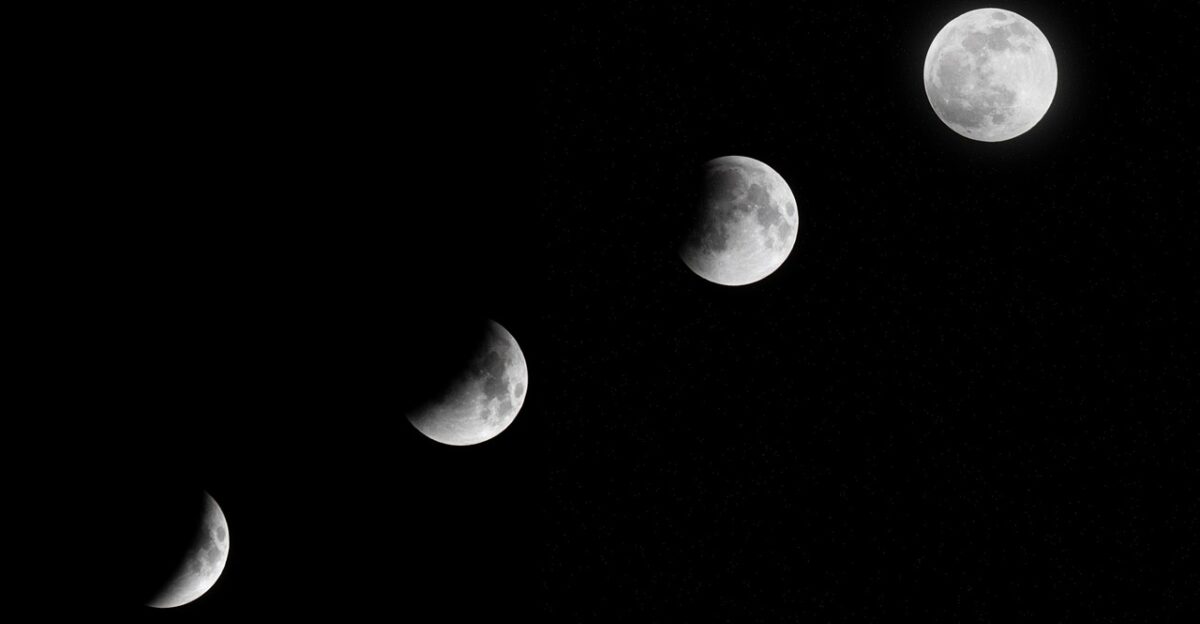
At 295,000 miles, 2025 XM flies 1.2 times farther than the Moon’s average 239,000-mile orbit. It’s in our backyard compared to lunar space but way beyond satellites hugging Earth at 22,000 miles. It zips from Moon-near to deep space in hours.
It’s like a neighbor dropping by from across the street, thrilling proximity without knocking on the door. Perfect for stargazers pondering our cosmic wonders.
First of a Busy Asteroid Week
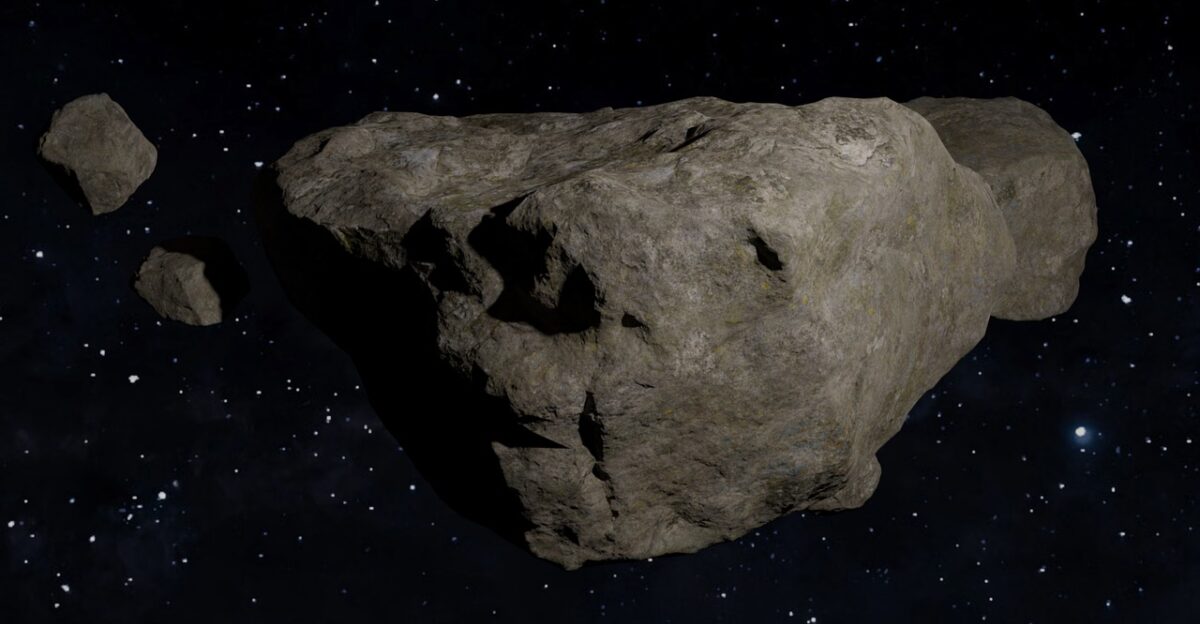
2025 XM starts a wild week with three NEOs buzzing Earth in 48 hours. On December 10, 48-foot 2019 XN3 sails by at 1.36 million miles, then 140-foot 1999 SF10 at 1.95 million miles. It’s like cosmic traffic picking up, all watched by JPL.
No crashes ahead, but it shows why we stay vigilant. Routine stuff, yet it spotlights Earth’s place in a lively solar system.
Earth’s Space Traffic Cops
From Pasadena, California, JPL runs the Center for Near-Earth Object Studies (CNEOS). They crunch 2025 XM’s path using radar and telescopes, updating live.
Teams use radar from Goldstone, optical telescopes worldwide, and space-based infrared surveys to plot orbits in real-time. Algorithms like Scout and Sentry crunch data to predict paths years ahead, flagging only real threats.
What If It Actually Hit?

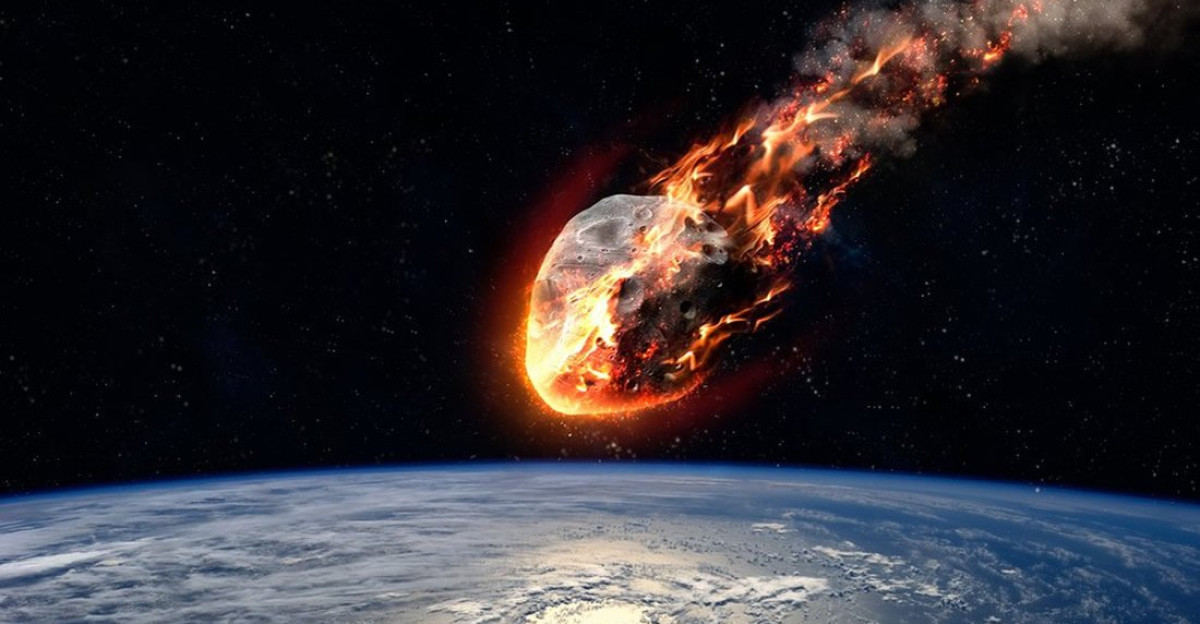
An 84-foot asteroid like 2025 XM hitting Earth would pack the punch of a small nuclear explosion, causing regional devastation but not global doom. The impact would release energy equivalent to hundreds of kilotons of TNT, vaporizing the rock on contact and excavating a crater about 1 kilometer wide.
Shockwaves would flatten buildings for miles, trigger earthquakes, and ignite firestorms from superheated air. If over land, ejecta, molten rock and debris, would rain down widely and over ocean, massive tsunamis could surge inland.
Why Three Rocks in Three Days?
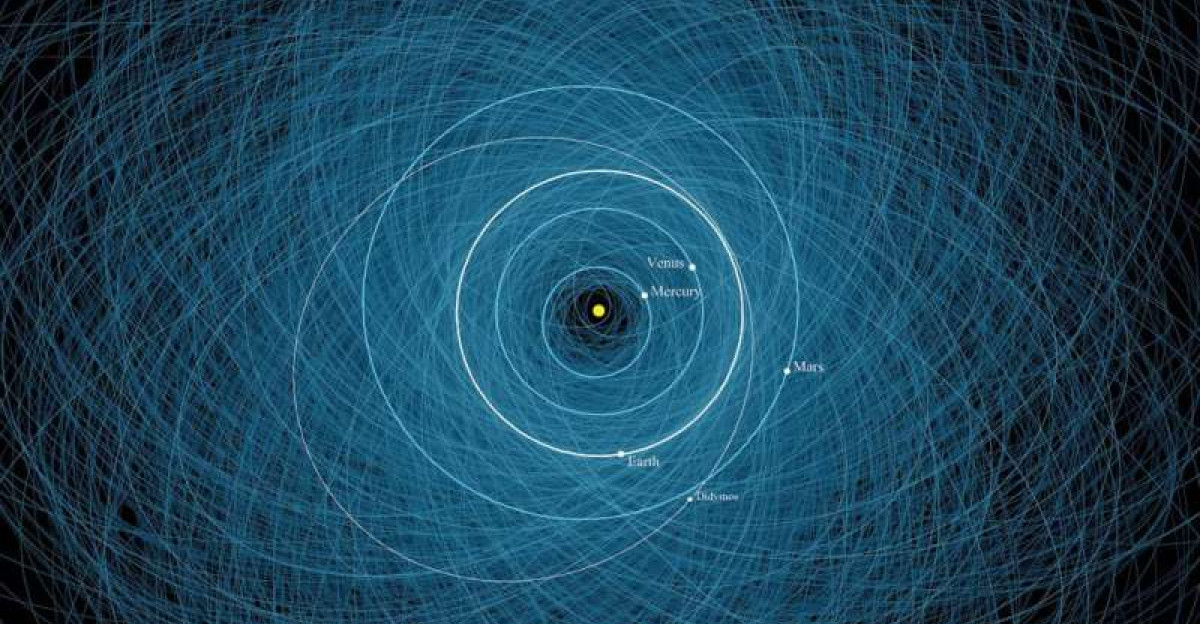
These rocks share similar paths around the Sun, perturbed by Earth’s gravity into overlapping trajectories that bunch up during certain windows. Gravitational resonances, stable orbital loops influenced by Jupiter, funnel thousands of NEOs into our vicinity annually, creating seasonal clusters.
No conspiracy or anomaly; it’s like cars merging on a highway during rush hour. With over 30,000 cataloged NEOs and 2,000 passing lunar distance yearly, trios in 48 hours are routine amid intensifying detections. Earth’s position in its orbit amplifies visibility for inner solar system objects.
Hidden Asteroids We Miss Yearly

NASA estimates thousands of plane-sized asteroids slip past our detection nets each year, zipping within lunar distance undetected due to incomplete sky surveys. Current telescopes like Pan-STARRS, Catalina Sky Survey, and ATLAS cover only about 40% of near-Earth objects (NEOs), spotting over 33,000 total since 1990 but missing 10,000-20,000 smaller ones annually.
These 84-foot rocks hide in glare, twilight zones, or faint orbits, evading ground-based scans. Discoveries hit 3,000+ yearly now, up dramatically, but completeness lags for hazards under 140 meters.
Closer Than Your TV Satellites?
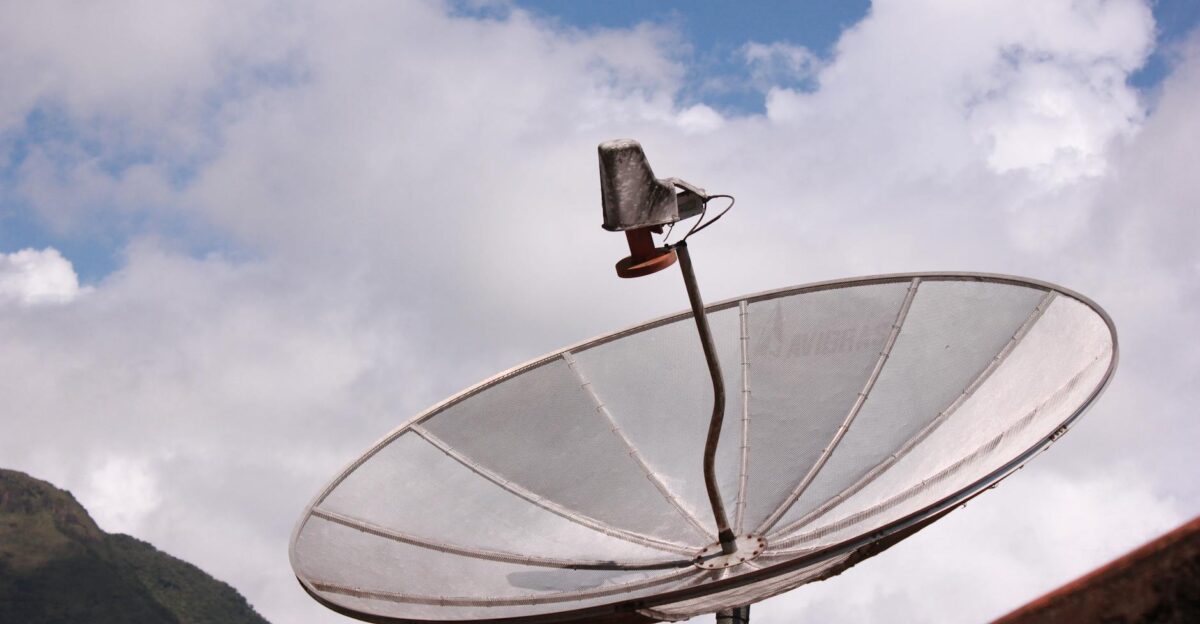
At 295,000 miles, asteroid 2025 XM passes closer than some cosmic scales suggest but stays far beyond Earth’s TV and communication satellites, which orbit much nearer. Geostationary satellites like those beaming TV signals hover at just 22,000 miles up, locked over one spot for constant coverage. GPS networks sit even lower at around 12,500 miles.
Compared to the Moon’s 239,000-mile average, 2025 XM skims 1.2 lunar distances, tantalizingly near for skywatchers with telescopes or radio gear. Amateur scopes in the Southern Hemisphere might catch its faint glow post-flyby.
NASA’s Danger Zone Rules

NASA defines “potentially hazardous asteroids” (PHAs) using strict size and distance criteria to prioritize real threats over routine flybys like 2025 XM. PHAs must exceed 150 meters (492 feet) in diameter and approach within 0.05 astronomical units, about 4.6 million miles or 19 lunar distances, from Earth’s orbit.
At 84 feet wide and 295,000 miles out (just 1.2 Moon distances), 2025 XM falls short on both. This keeps it off the PHA list, rated Level 0 on the Torino Impact Hazard Scale, meaning zero collision risk.
Tech Tracking This Rock
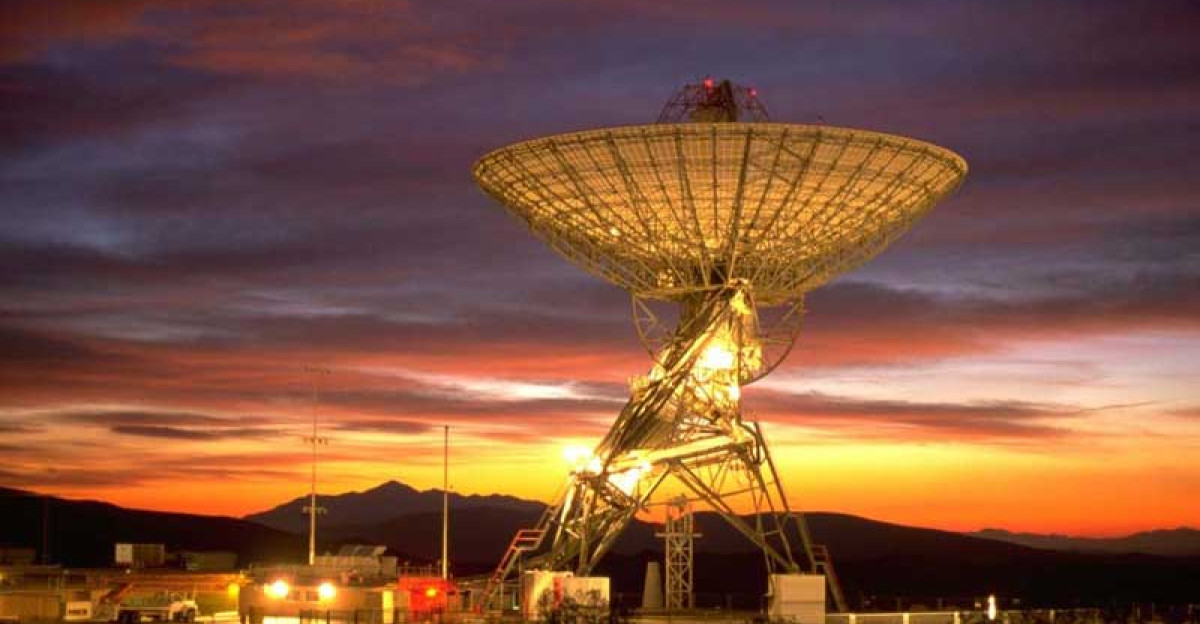
Goldstone Deep Space Network radar in California pings 2025 XM with radio waves, refining its orbit to kilometer precision over millions of miles. Global optical telescopes scan nightly for faint movers. These feed data into JPL’s Scout system for instant risk checks.JPL deploys cutting-edge tech to track asteroids like 2025 XM with pinpoint accuracy, from radar bounces to space-based infrared scans.
Sentry and Scout algorithms model paths years ahead, simulating gravity tugs from planets and solar radiation. Real-time updates via the Minor Planet Center ensure global sync.
Sources:
JPL Asteroid Watch – Live NEO monitoring and close approach data.
How We Track Asteroids – Details on telescopes, radar, and CNEOS systems – Astronomy
Eyes on Asteroids – Interactive 3D visualizations of orbits like 2025 XM. – Eyes NASA
Asteroid Impact Effects – Simulations of regional devastation from small impacts. – Physics World