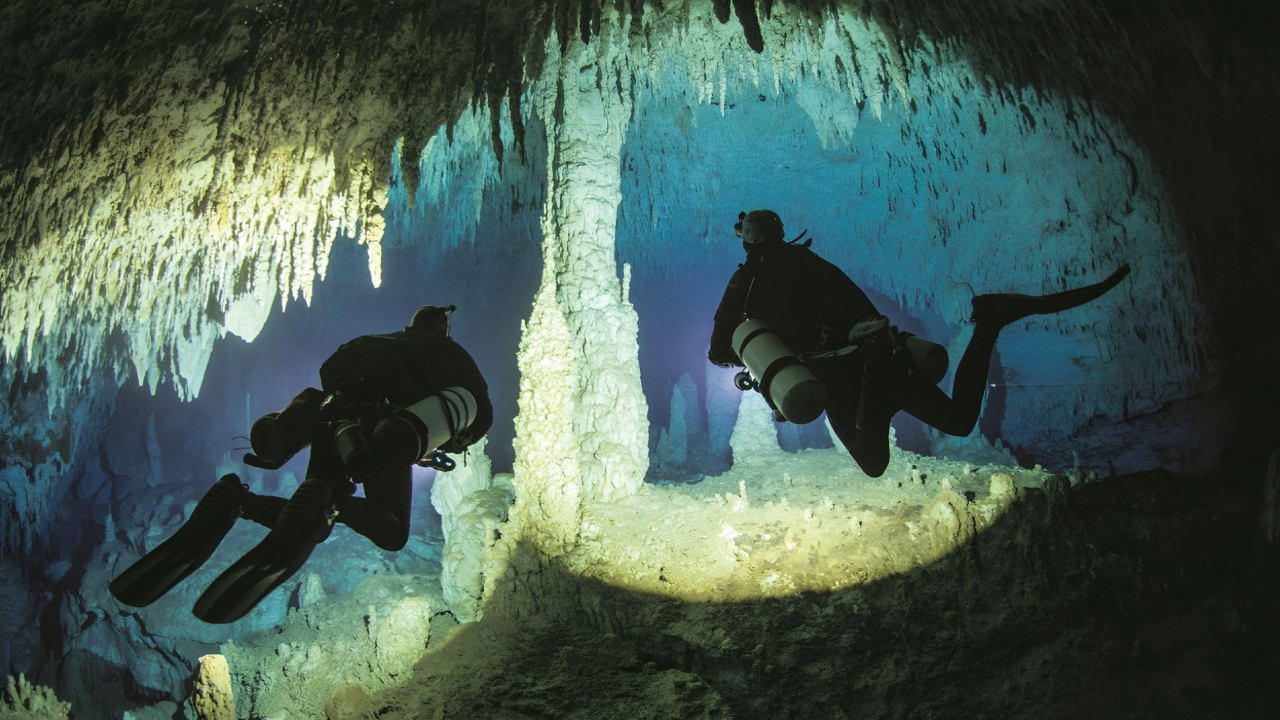
In 2007, divers exploring the submerged Sac Actun cave system in Mexico uncovered astonishing fossil remains of the short-faced bear (Arctotherium wingei). Previously thought to be confined to South America, these 11,000–38,000-year-old fossils were located 180 feet underwater in the Hoyo Negro pit.
This groundbreaking discovery has fundamentally altered scientists’ understanding of Ice Age animal migration and species ranges across the Americas, suggesting that much more dynamic interactions occurred than previously believed.
A Paradigm Shift in Understanding Species Migration

The presence of the short-faced bear in the Yucatán challenges long-standing paleontological beliefs. Blaine Schubert, a lead paleontologist, remarked, “We went from not having any of this type of bear outside of South America to now having the best record of this type of bear from the Yucatán of Mexico.”
The rising sea levels at the end of the Ice Age submerged this cave, preserving fossils through unique low-oxygen conditions that prevented decomposition, revealing a novel migration narrative.
A Teenage Girl Frozen in Time

Beyond the carnivores, Hoyo Negro offered an incredible human connection when divers discovered Naia, a teenage girl who lived 12,900 years ago. As one of the oldest human remains in the Americas, her presence alongside these megafauna provides vital insights into early human existence and their coexistence with formidable predators, such as the short-faced bears.
The findings encourage a reevaluation of human-predator dynamics during the Late Pleistocene epoch, enriching our understanding of early migration and survival strategies.
An Entire Ecosystem Encased in Fossils
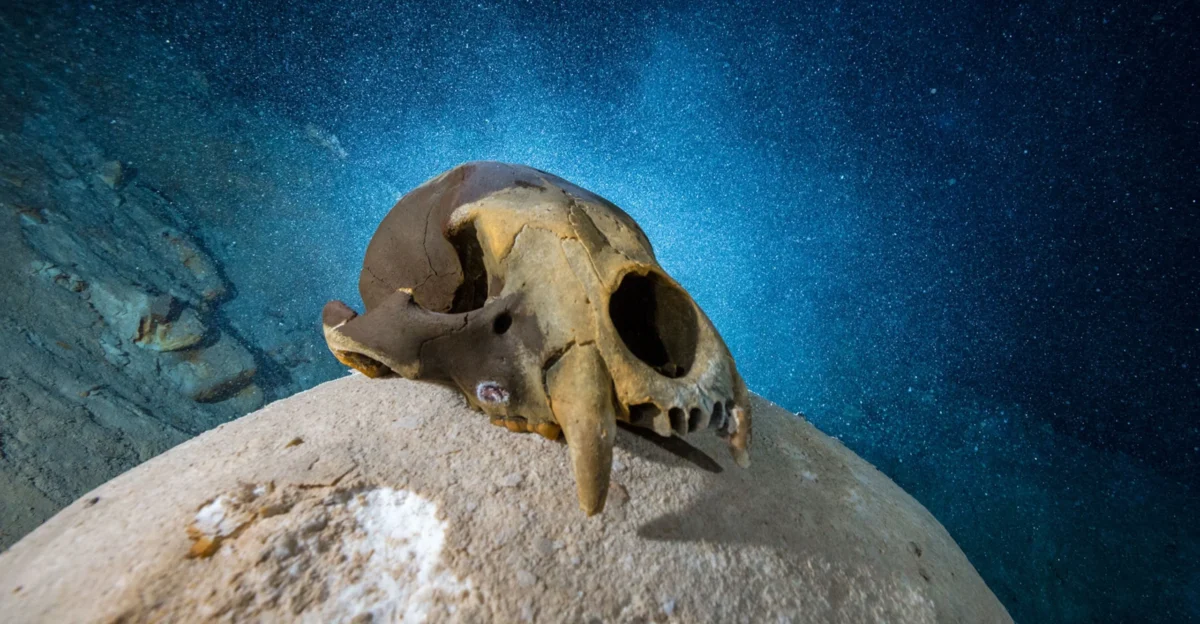
The fossil record of the Hoyo Negro pit comprises more than just bears and wolves; it includes saber-toothed cats, gomphotheres, multiple species of ground sloths, tapirs, and cougars.
This diverse assemblage forms one of the most complete snapshots of a Late Pleistocene ecosystem, providing unprecedented insights into species interactions, diversity, and the environmental conditions of the Ice Age. Such insights enable paleontologists to construct a more comprehensive picture of life during that period.
The Global Reassessment of Museum Collections
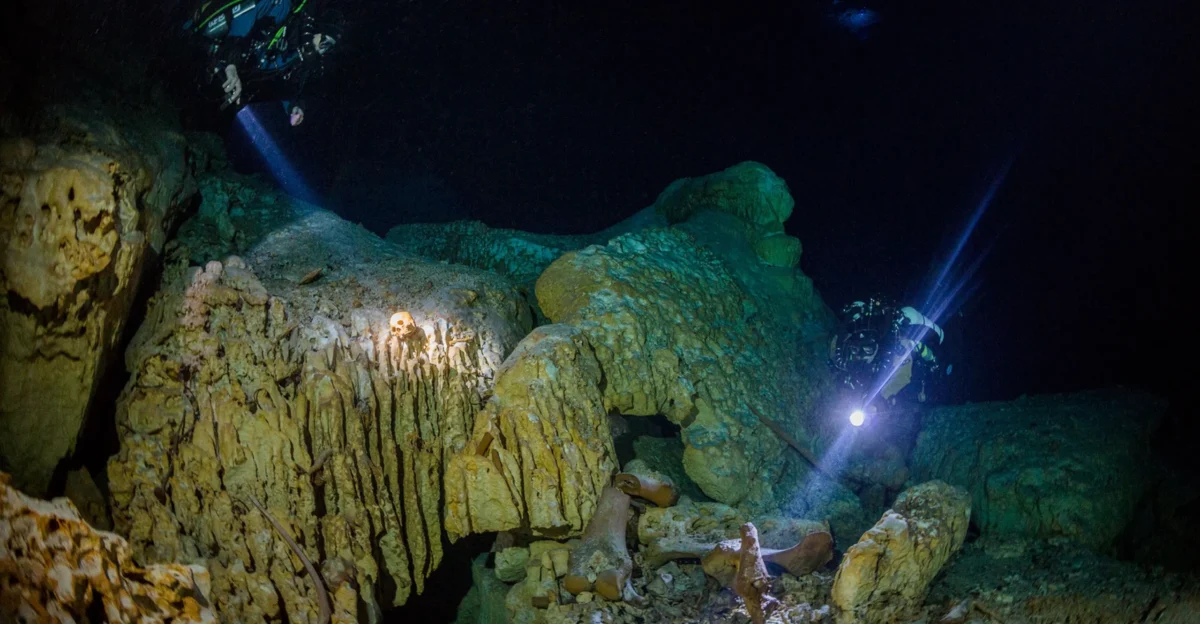
The discovery at Hoyo Negro has prompted natural history museums worldwide to reassess their collections in light of the new evidence. Institutions from New York to Buenos Aires are examining their South American carnivore remains as the implications of the fossil finds unfold.
Ross MacPhee from the American Museum of Natural History described these discoveries as significant “probes into the past that you don’t ordinarily expect to get,” inspiring new research methodologies and isotopic analyses to identify undocumented migrations.
Transforming Paleontology Education
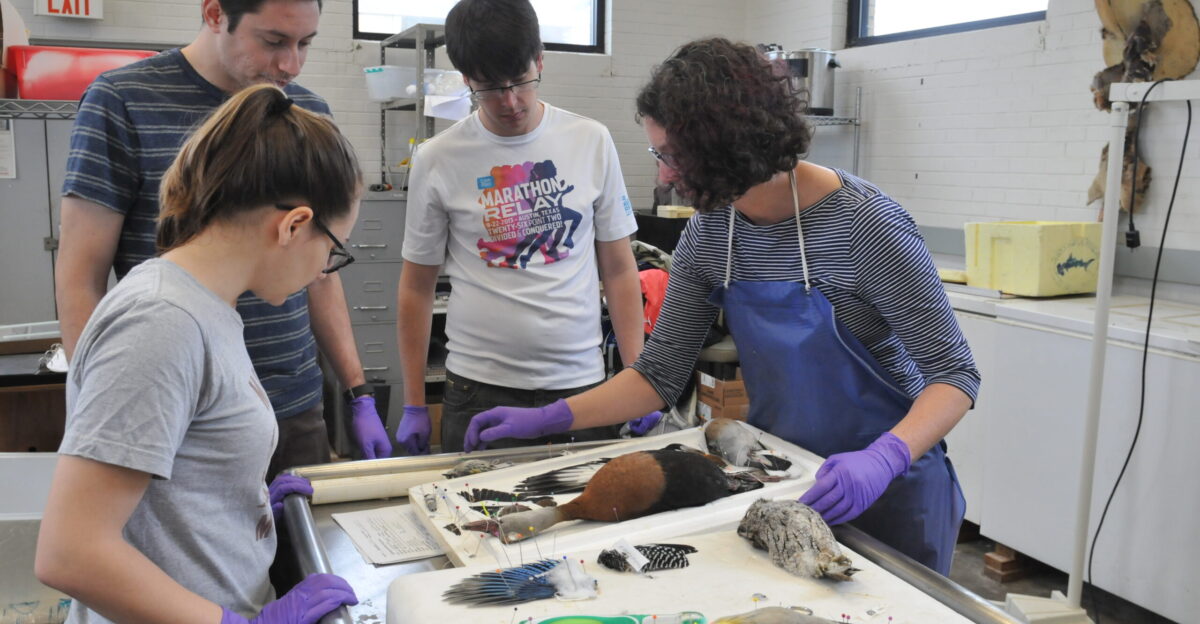
Recognizing the need for advanced skills in fossil discovery, universities like East Tennessee State University and UC San Diego are now incorporating underwater cave training into their paleontology programs.
With the success of the Hoyo Negro site, academic curricula are evolving to emphasize marine geology, diving safety, and the documentation of submerged sites. These innovations ensure that future paleontologists possess the necessary expertise to explore underwater sites effectively and make significant discoveries.
A Cultural Awakening Among Indigenous Maya Communities

For the indigenous Maya population of the Yucatán, the Hoyo Negro site holds cultural significance far beyond its geological implications. Local communities are reclaiming these sites as sacred ancestral places, advocating for stewardship over archaeological excavations, and insisting that findings respect the region’s rich cultural heritage.
This shift has led the Mexican National Institute of Anthropology and History (INAH) to develop enhanced consultation protocols for future discoveries, incorporating local voices into the narrative of their history.
Climate Change Insights from Historical Context
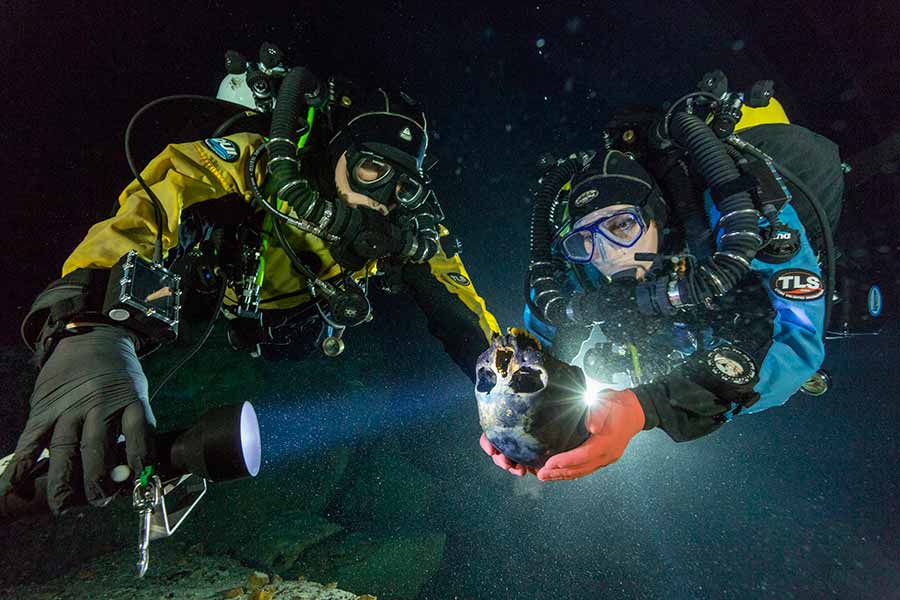
Research involving the Hoyo Negro findings has opened a dialogue about climate change, offering valuable historical context. The stratigraphy of this underwater site plays a crucial role in understanding past climatic events, with implications for sea-level rise and ecological shifts.
As contemporary issues echo through time, scientists are drawing parallels between past and present to better comprehend the effects of climate change on ecosystems and human populations, reinforcing the relevance of paleoclimate studies today.
Expanding Multidisciplinary Collaborations
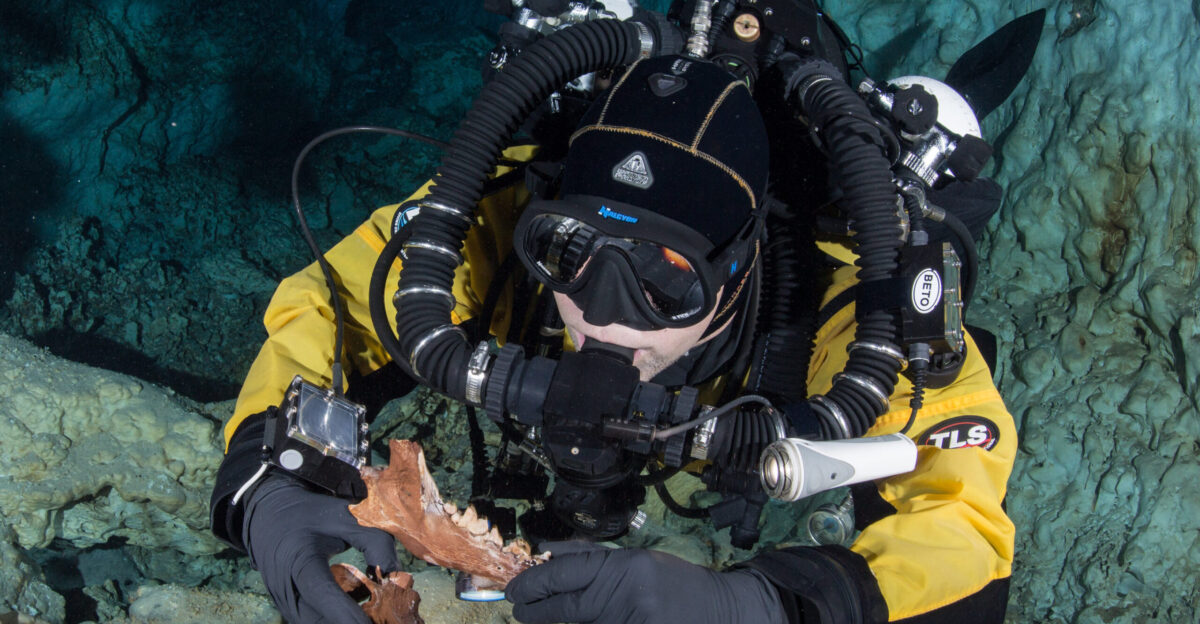
The revelations from Hoyo Negro have fostered multidisciplinary collaborations among paleontologists, climatologists, and indigenous scholars. These partnerships aim to integrate diverse perspectives into research, enhancing the understanding of both ancient ecosystems and modern environmental challenges.
Collaborative efforts expand beyond academia, inviting community stakeholders into the research process, ensuring that the history being uncovered reflects a broader array of voices and experiences.
A New Era of Fossil Preservation Techniques
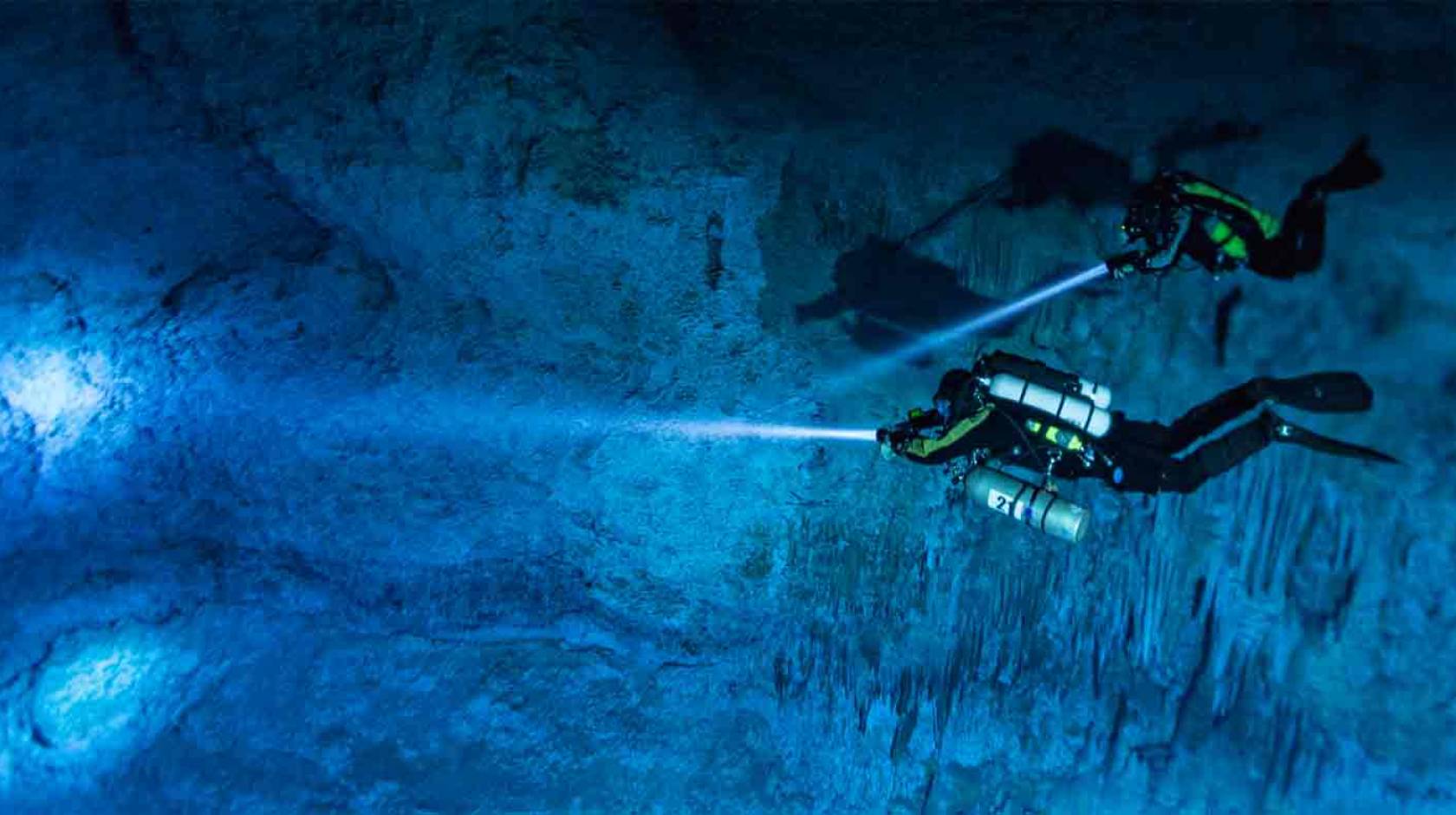
The unique conditions of Hoyo Negro, characterized by low oxygen levels and high humidity, have led to the development of innovative fossil preservation methods. Researchers are now applying similar principles to enhance the preservation of fossils in other submerged sites.
As experts continue to unlock the cave’s secrets, there is an increased emphasis on developing protocols to safeguard delicate finds, showcasing the potential for technology-driven advancements in paleontology and heritage conservation.
Insights from Marine Geology
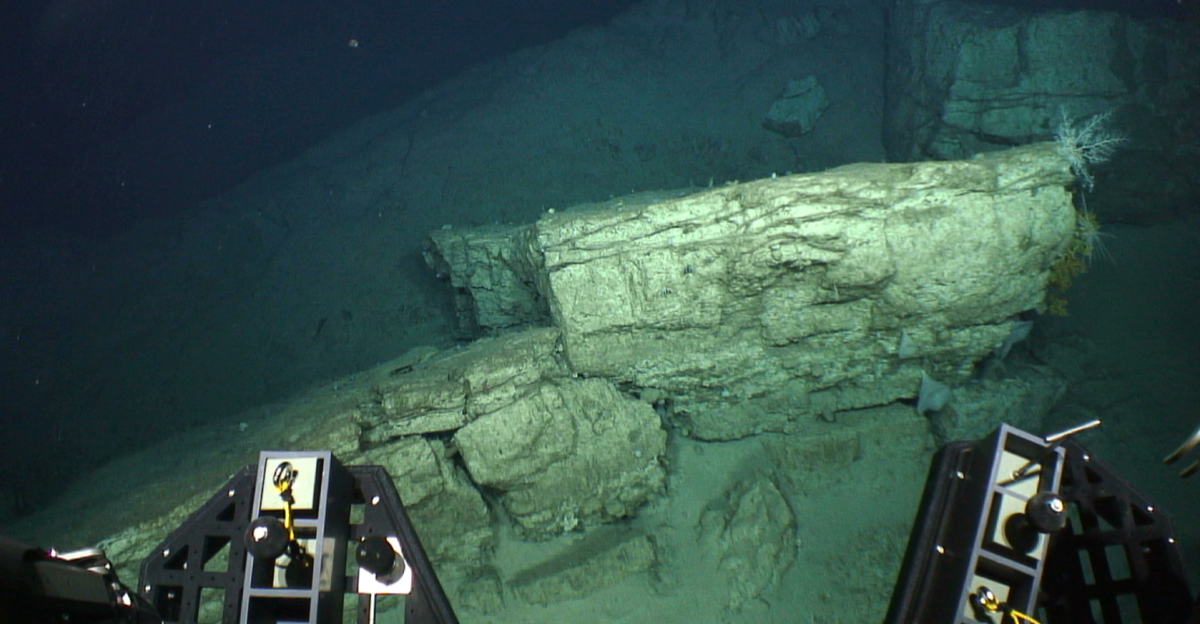
Marine geology plays a pivotal role in understanding the landscape that shaped Hoyo Negro. By studying sediment layers and underwater formations, scientists can reconstruct the geological history that led to the cave’s formation and its subsequent flooding.
This geological context aids in interpreting the fossil record, enriching our knowledge of the interactions between climate, topography, and biodiversity during the late Pleistocene epoch.
Innovative Techniques in Fossil Extraction
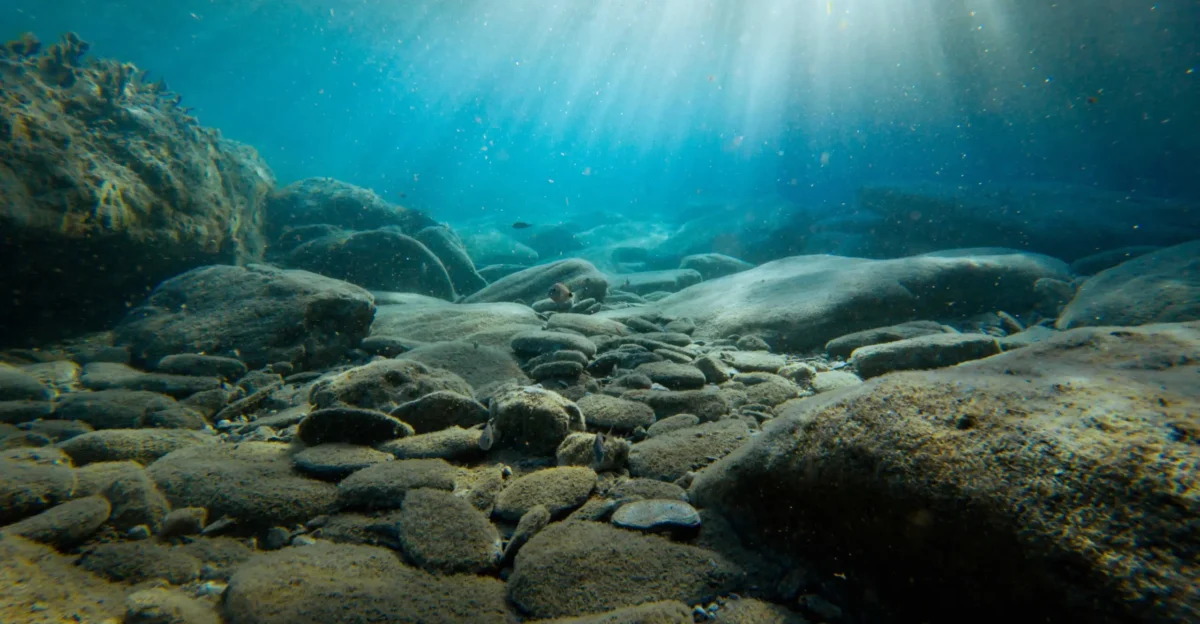
Excavation techniques have advanced dramatically due to the discoveries at Hoyo Negro. The use of underwater robotics and specialized diving equipment allows for safer extractions of fossils from submerged sites. This innovation minimizes damage during recovery and ensures that valuable scientific information is preserved.
The evolution of extraction methods reflects a broader trend in which technology enhances traditional paleontological practices, allowing for deeper exploration into previously inaccessible areas.
Engaging Communities Through Education
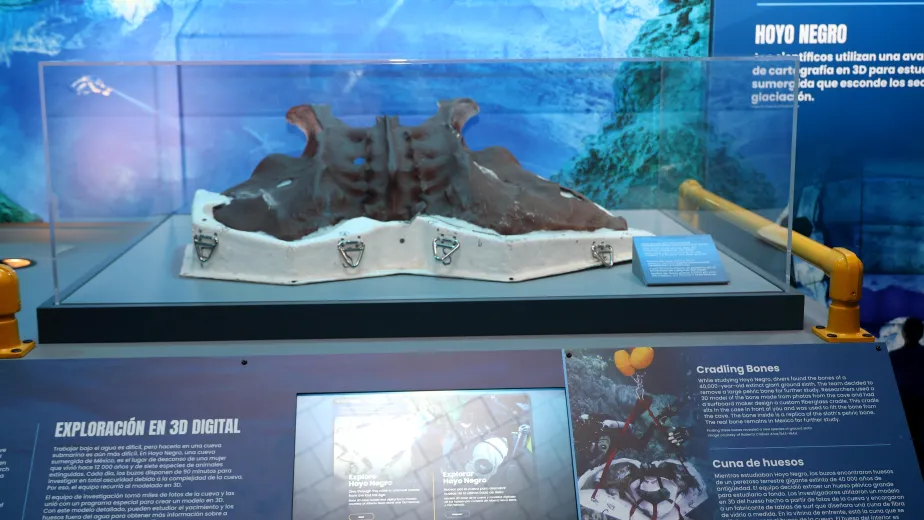
With the unveiling of Hoyo Negro’s treasures, local communities are increasingly involved in educational outreach programs. Initiatives aim to educate the public about the significance of these findings and the importance of preserving cultural heritage.
Community-led workshops and exhibitions enhance awareness and generate appreciation for the historical treasures within their reach, fostering a sense of pride and ownership over their rich past.
The Role of Technology in Heritage Preservation
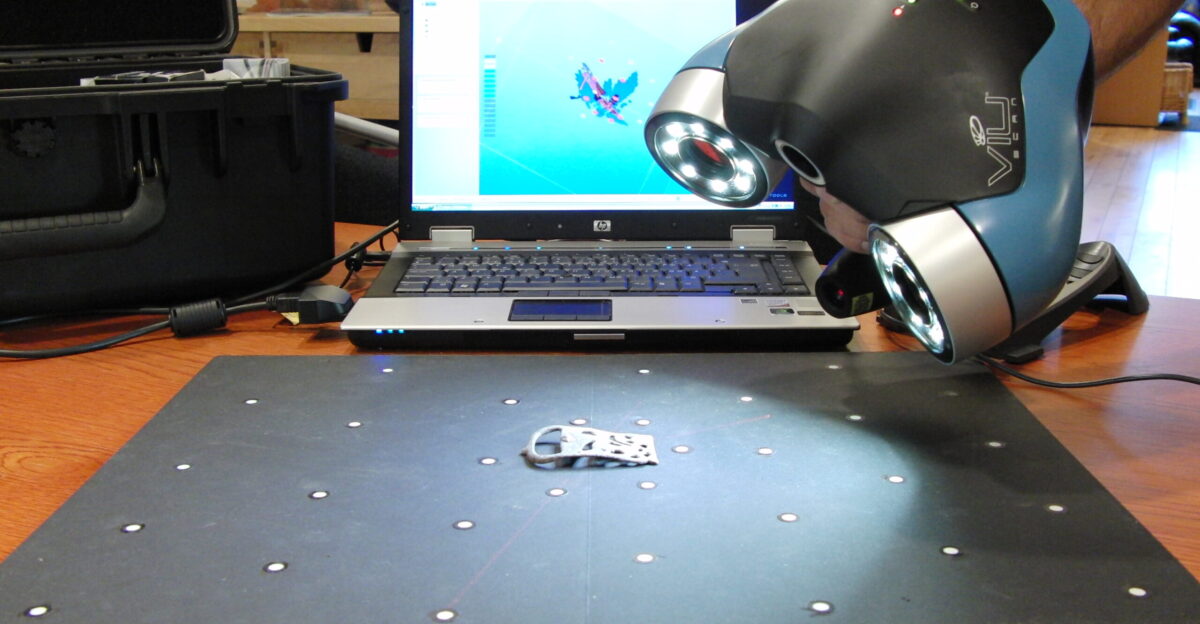
Emerging technologies are revolutionizing heritage preservation, particularly in archaeological contexts like Hoyo Negro. 3D scanning, digital mapping, and virtual reality tools are being deployed to create detailed records of fossils and artifacts, ensuring that data is maintained in case physical specimens are damaged or lost.
Such technological integration not only protects these finds but also makes them more accessible to global audiences interested in learning about our shared history.
Spotlight on International Research Collaborations
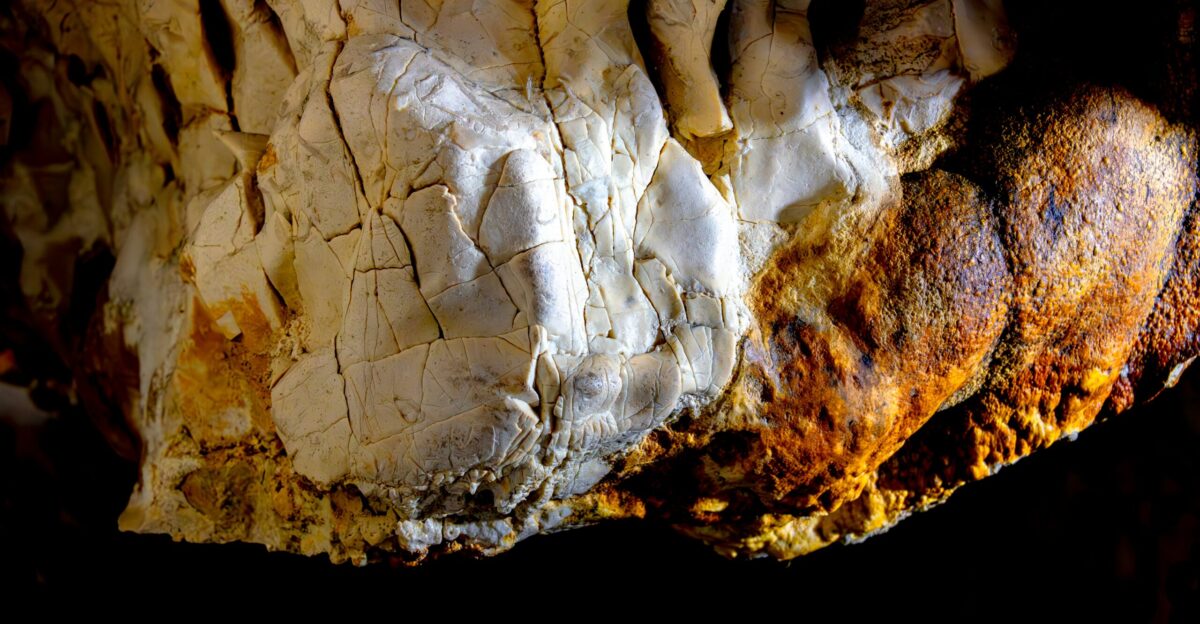
International partnerships are key in uncovering the full potential of Hoyo Negro’s discoveries. Collaborative teams from various nations are pooling resources and expertise to explore the cave and analyze fossils.
This global effort emphasizes a united approach in understanding the dynamics of ancient ecosystems, emphasizing how interconnected research can yield richer narratives about our planet’s history and the diversity of life it has supported over millennia.
The Connection Between Past and Present
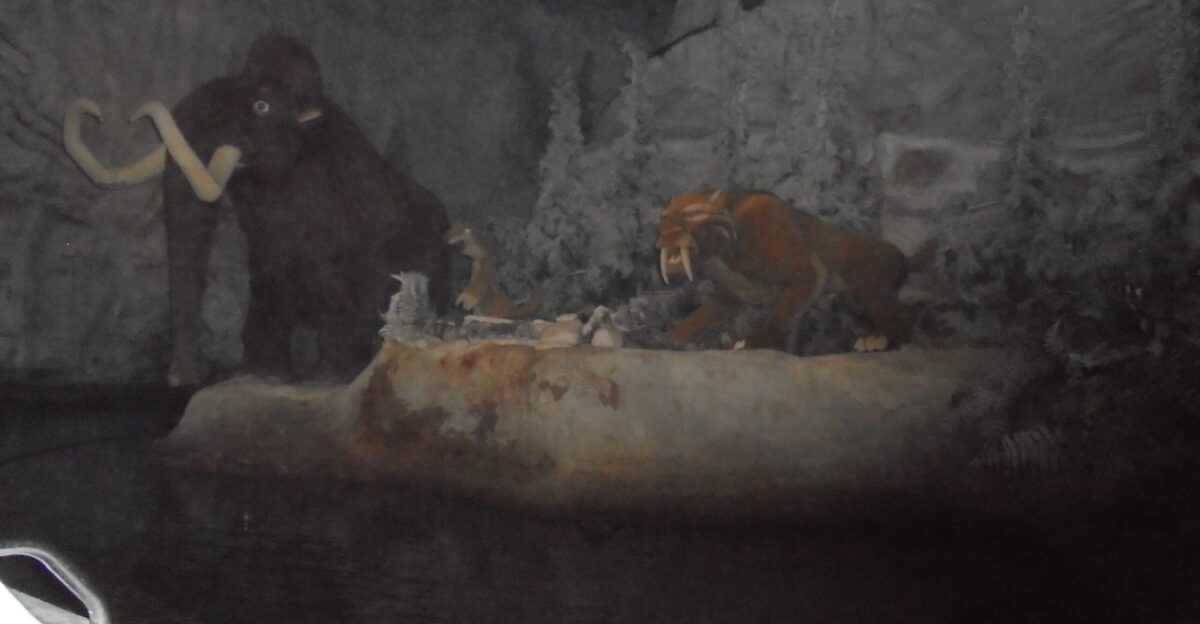
The findings at Hoyo Negro emphasize the continuum between past and present environmental challenges. Understanding how ecosystems responded to changes during the Ice Age can inform contemporary conservation efforts.
By examining ancient species and their adaptations, researchers can glean insight into resilience and adaptation strategies that may be relevant as modern species face similar climatic pressures.
Contributions to Theories of Human Migration

Naia’s discovery makes a significant contribution to current theories on human migration patterns. Her remains suggest that 12,900 years ago, humans encountered megafauna, reshaping our understanding of early human interactions with their environment.
These insights allow researchers to refine timelines and pathways of human settlement in the Americas, influencing further explorations in anthropology and archaeology.
Future Prospects for Archaeological Exploration
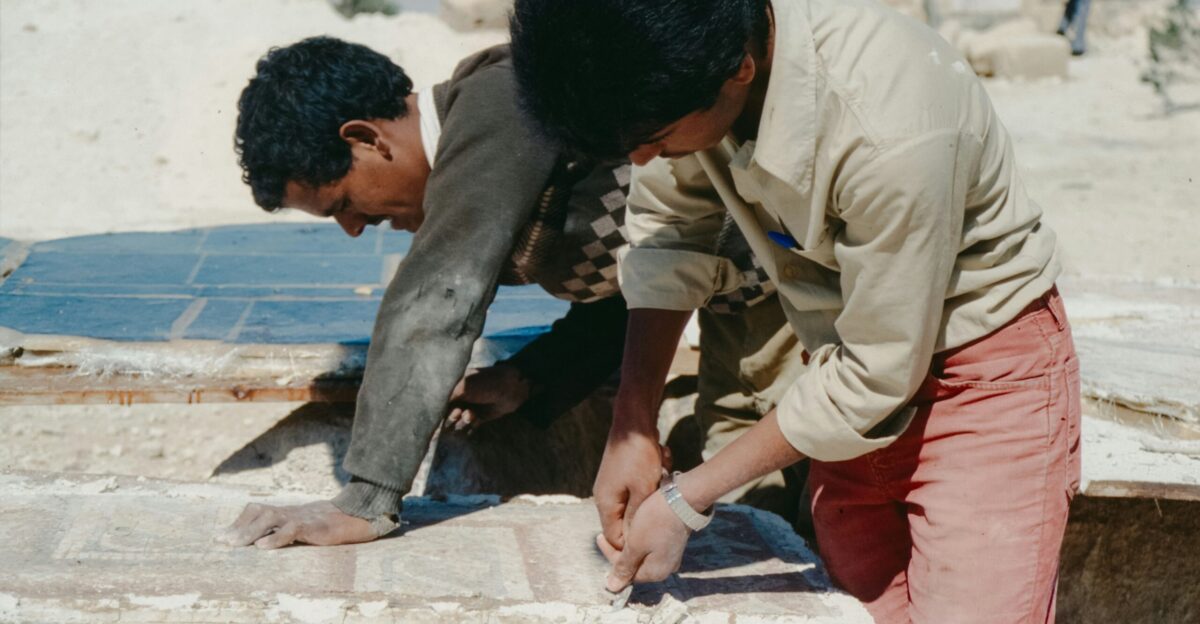
As research at Hoyo Negro continues, the future of archaeological exploration appears promising. Innovations in diving and excavation techniques will likely lead to further discoveries in submerged sites around the world.
Each finding not only adds to our historical narrative but also provides an opportunity to forge connections between ancient and contemporary societies, deepening our understanding of cultural heritage and environmental history.
Voices from the Field
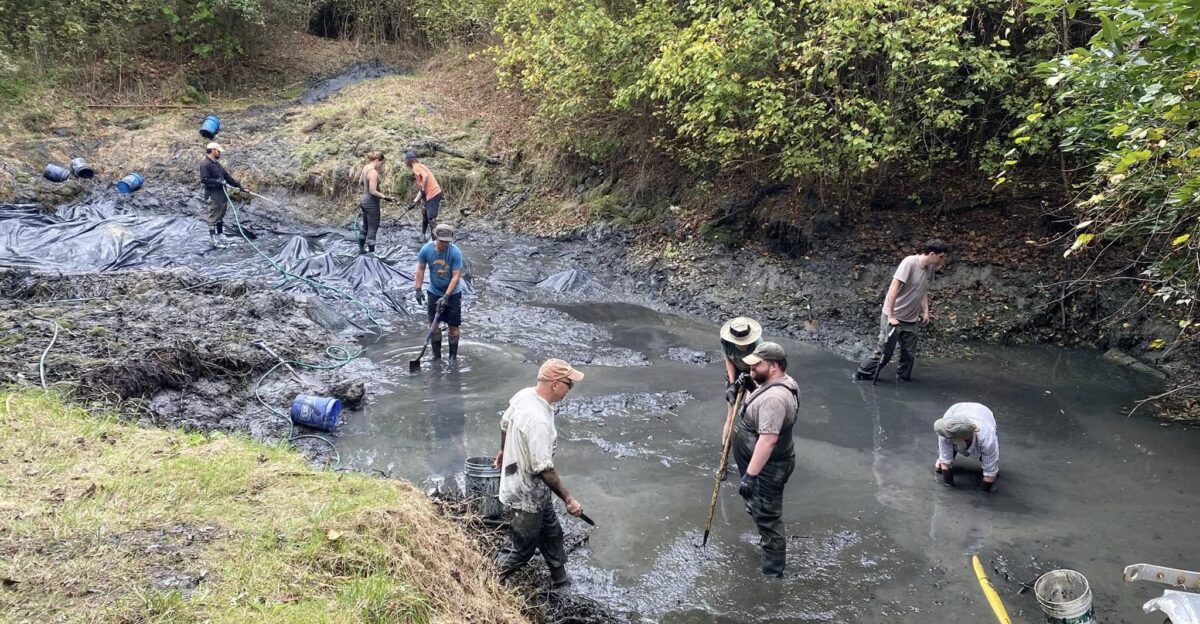
Paleontologist Blaine Schubert remarked, “This site is a game-changer. For the first time, we’re getting a glimpse into an ecosystem that existed 12,000 years ago.” The excitement among researchers echoes the sentiment expressed by local community leaders, asserting the importance of maintaining cultural connections to these discoveries.
Each voice amplifies the broader narrative, reminding us of the intertwined fates of humans and the environment through time.
Unveiling the Legacy of Hoyo Negro

The legacy of the Hoyo Negro site is multifaceted, marking a pivotal chapter in archaeology and paleontology. From the ancient ecosystems to the cultural significance of the discoveries, Hoyo Negro reminds us of the stories hidden beneath the surface.
As scientists, communities, and institutions engage with this wealth of history, they forge a deeper understanding of our planet’s past and the importance of preserving it for future generations. The journey continues, inviting exploration, research, and collaboration.
Sources:
Biology Letters May 2019 Royal Society Publication
Smithsonian Magazine November 2025 Article on Ice Age Megafauna
Live Science May 2019 Archaeological Reports
Nature 2014 Ancient Human Remains Study
East Tennessee State University Paleontology Department News
Mexican National Institute of Anthropology and History Official Statements