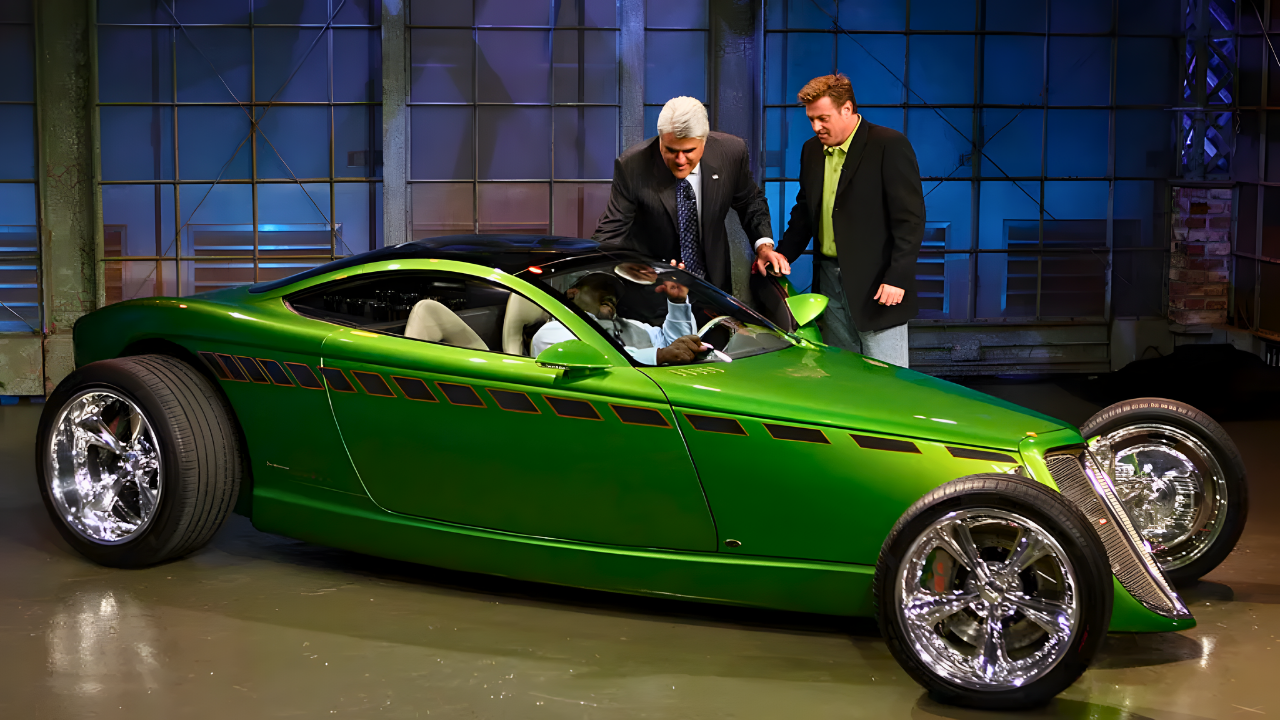
Imagine finally affording your dream car, only to discover it delivers disappointment instead of exhilaration. Some of automotive history’s most gorgeous machines promised speed, luxury, and thrill—but under the hood, reality told a different story. From a retro hot-rod hiding a minivan engine to a $2.3 million hypercar outpaced by older rivals, beauty alone wasn’t enough. Buyers felt betrayed, brands faced backlash, and the lessons echo through car design today. Here’s what’s behind these broken promises.
Why Beautiful Cars Often Disappoint
Automakers often prioritize style over substance. Aggressive curves or retro looks can capture hearts, but they may also lag behind engineering budgets. Buyers expect performance that matches their visual promises, but underpowered engines and unreliable transmissions often fail to deliver. Stunning designs can create myths that suggest modern automotive history repeats itself. Expectations can outstrip reality in surprising ways.
This pattern has persisted from the late 1990s to the present. Cars frequently sacrificed performance for aesthetics. Owners were left questioning their choices and wondering why breathtaking designs so often hid disappointing mechanics.
When Nostalgia Becomes a Liability
The 1990s sparked a retro-design boom. Automakers assumed buyers preferred emotion over function, recreating classic looks with modern technology. Hot-rod appearances implied V8 power; European silhouettes promised supercar speed. Yet most engines fell short, offering practicality instead of thrill. Beautiful designs often masked underwhelming realities, frustrating enthusiasts across decades.
Owners got practical engines wrapped in fantasy. The gap between promised performance and reality set the stage for disappointment. These early failures became a reference point for future retro-styled cars.
Paying For Looks, Not Performance
High-priced cars create high expectations. Vehicles costing $375,000 or $2.3 million often underperformed cheaper rivals. Buyers noticed mediocre acceleration, questionable reliability, and limited top speeds. Pricing amplified dissatisfaction, leaving owners feeling cheated. The difference between marketing and engineering created a recurring trap for luxury exotics built on aesthetics alone.
A $375,000 car underperforming a $200,000 alternative frustrated buyers deeply. This imbalance between cost and performance became a defining problem for the era of style-over-substance supercars.
When Legendary Brands Shock Fans
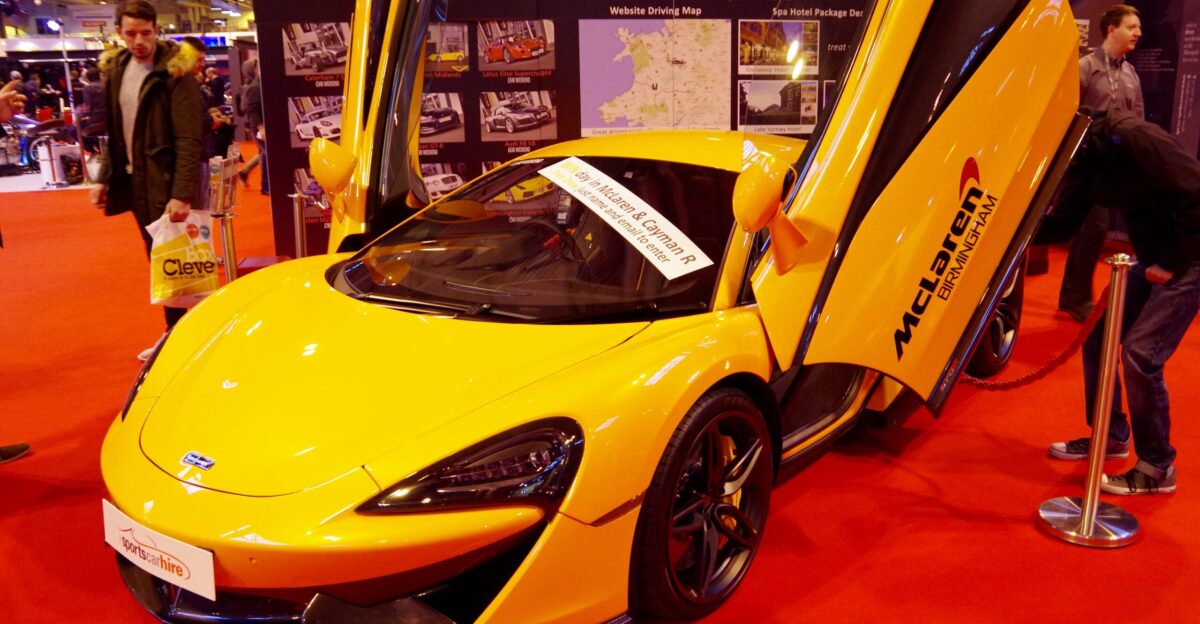
Prestigious names sometimes betrayed trust. BMW, McLaren, and Jaguar delivered designs that were either controversial or underwhelming in terms of mechanics. Loyal customers felt personally let down. Designs that defied expectations caused public backlash, lawsuits, and social media criticism. Even respected manufacturers weren’t immune from disappointment, proving beauty alone couldn’t guarantee satisfaction.
Fans anticipated excellence. When beloved brands compromised legacy, disillusionment spread. The emotional cost of seeing cherished marques falter compounded the mechanical letdowns.
The Seven Cars That Betrayed Expectations
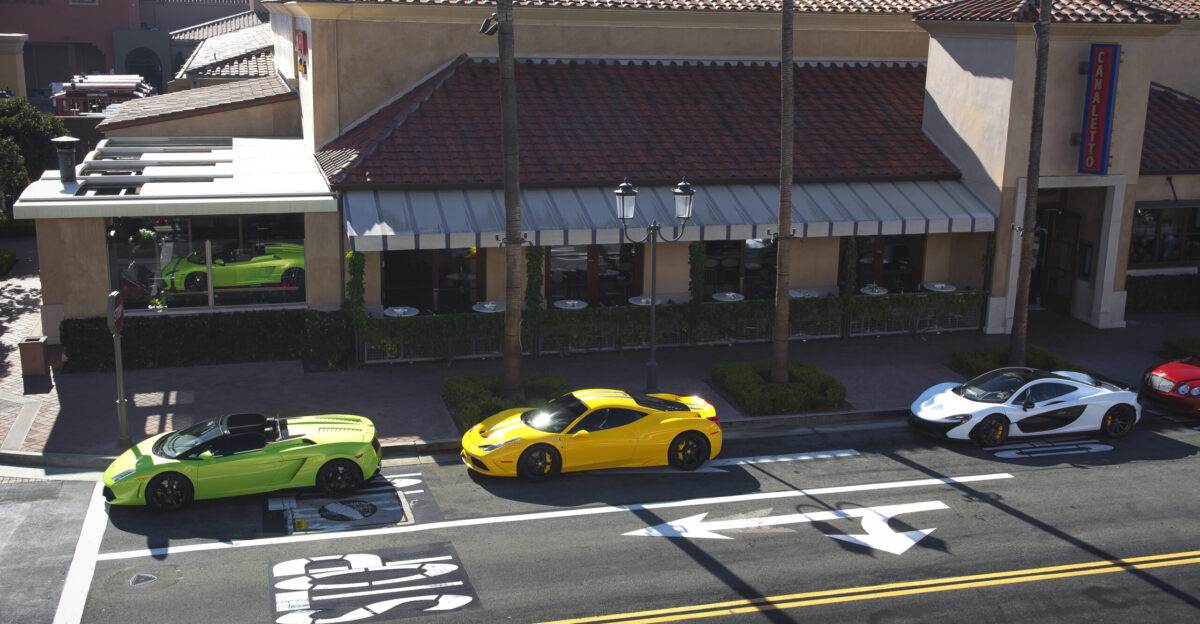
These seven cars illustrate different failures. Some promised raw power but delivered minivan practicality. Others carried supercar prices but pedestrian performance. Each example highlights the gap between marketing promises and production reality. These aren’t merely bad cars—they are beautiful failures that remind buyers to temper expectation with engineering reality.
The stories ahead reveal how aesthetics can overshadow mechanics. Each car teaches a unique lesson in misaligned automotive priorities.
#1 – Plymouth Prowler
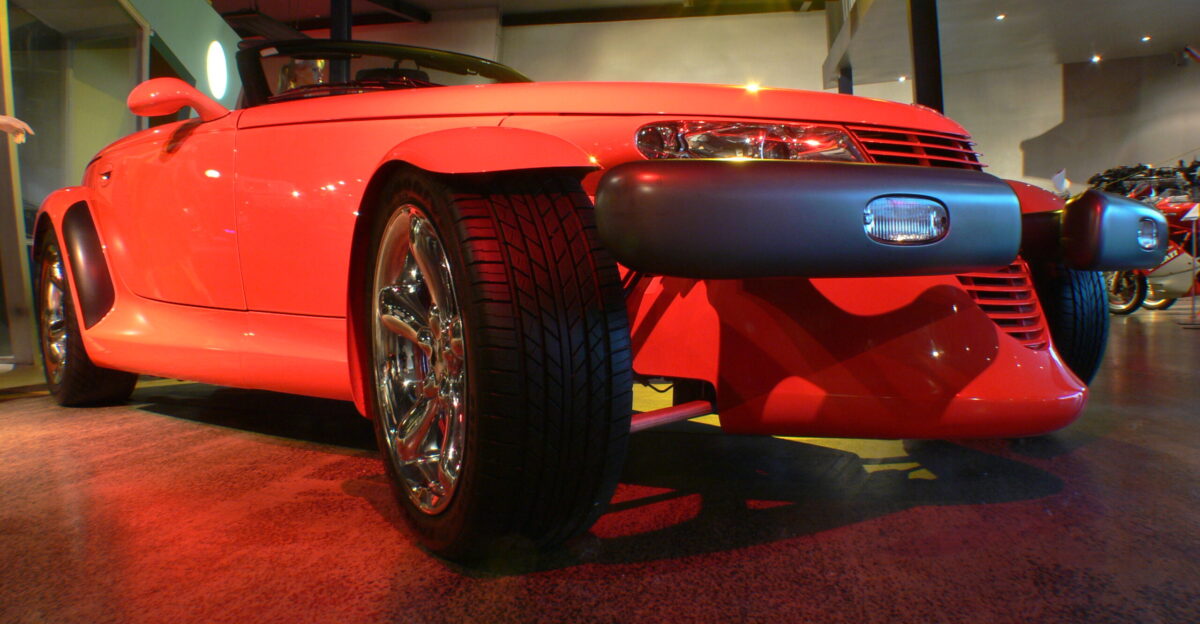
The Plymouth Prowler screamed hot rod with chrome accents and retro styling. Underneath, it hid a 3.5-liter V6 from family sedans, producing only 214-253 horsepower. The 4-speed automatic delivered 0-60 times of around 7.2 seconds, which is underwhelming for a $40,000 sports car. Style promised thrill, mechanics delivered practicality.
Owners felt deceived. The Prowler became an automotive punchline, proving that stunning design can’t mask humble powertrains. Its popularity was aesthetic, not performance-driven.
#2 – BMW 7 Series G70
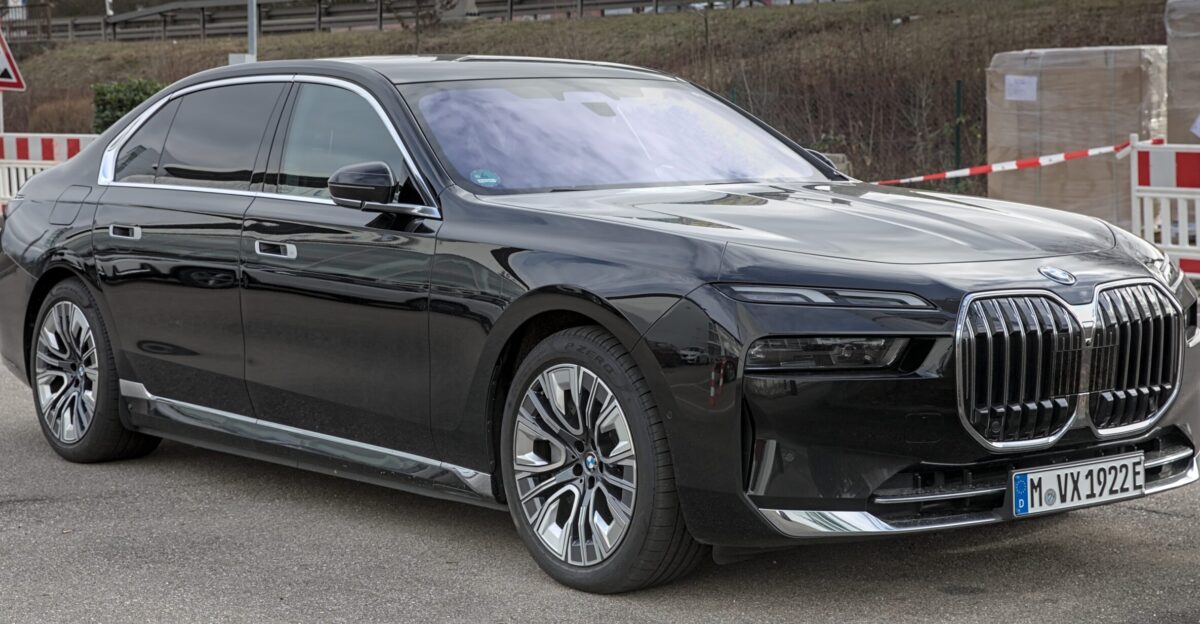
BMW’s 2023 G70 redesign shocked fans with split headlights and an oversized grille. The CEO admitted the look was intended to “punk” buyers. While sales rose, loyalists felt abandoned. Technically competent but visually polarizing, the G70 demonstrated that styling alone can alienate a brand’s core audience. Trust was strained among enthusiasts.
Even faithful customers questioned BMW’s direction. The lesson was clear: innovation must respect legacy. Beauty that falls short of expectations can generate backlash.
#3 – McLaren Speedtail
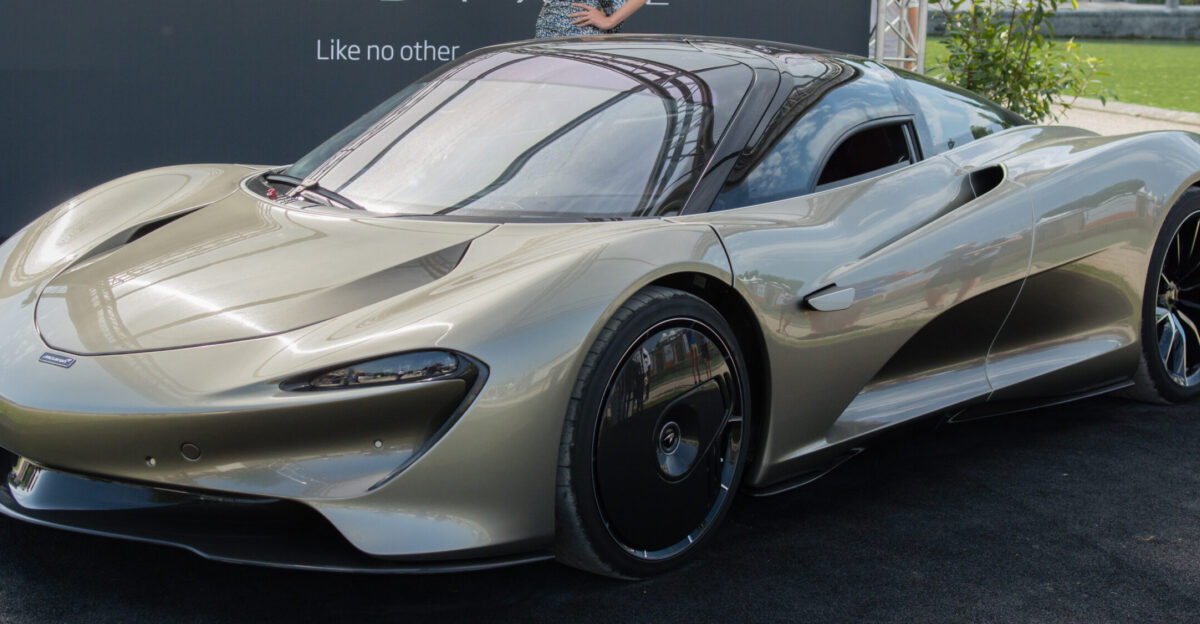
McLaren promised a $2.3M Speedtail to outclass the F1. Only 106 units existed, with 0-60 in 2.5 seconds and a 250 mph top speed. Yet the 2005 Bugatti Veyron, costing less than half, hit 267 mph. Buyers paid more for less. The Speedtail’s stunning design couldn’t hide fundamental shortcomings.
The disconnect between promise and delivery was stark. Even hypercar enthusiasts were reminded that looks alone don’t guarantee supremacy on the road.
#4 – DeLorean DMC-12
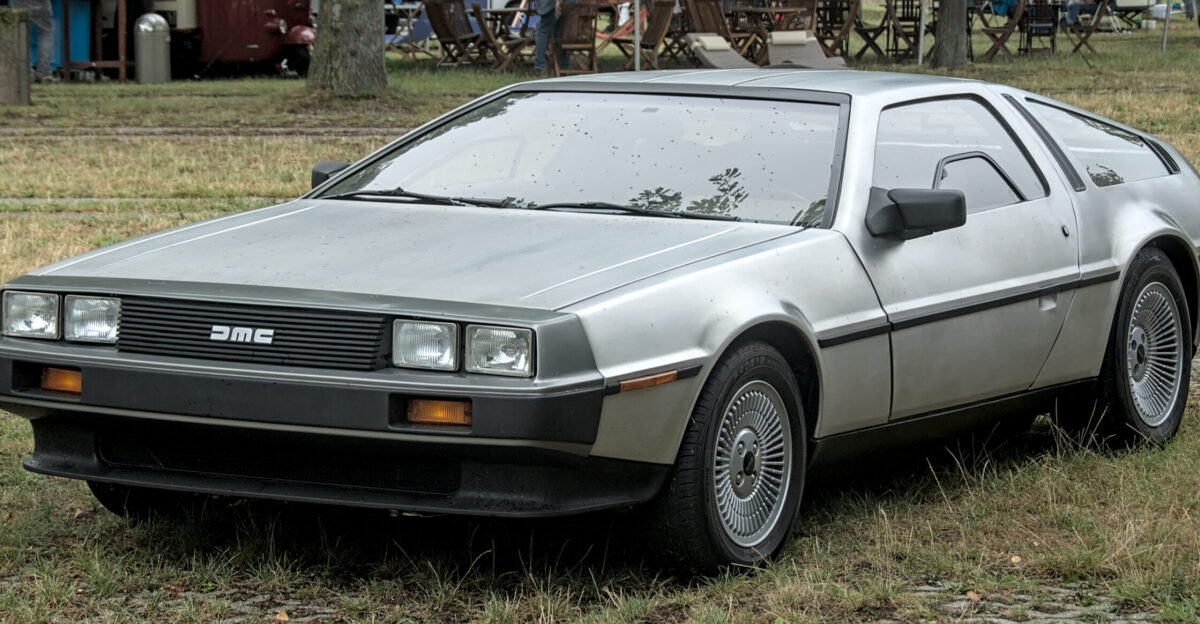
The DeLorean’s gullwing doors and stainless steel body became cinematic icons. Below, a Peugeot V6 produced just 130-140 horsepower, reaching 0-60 in over ten seconds. Build quality was inconsistent, leaving buyers with collectibles rather than performance machines. Gorgeous styling couldn’t compensate for underwhelming mechanics.
Cultural fame didn’t equal automotive excellence. The DeLorean demonstrated that even an iconic look cannot shield a car from practical criticism.
#5 – Jaguar XJ220
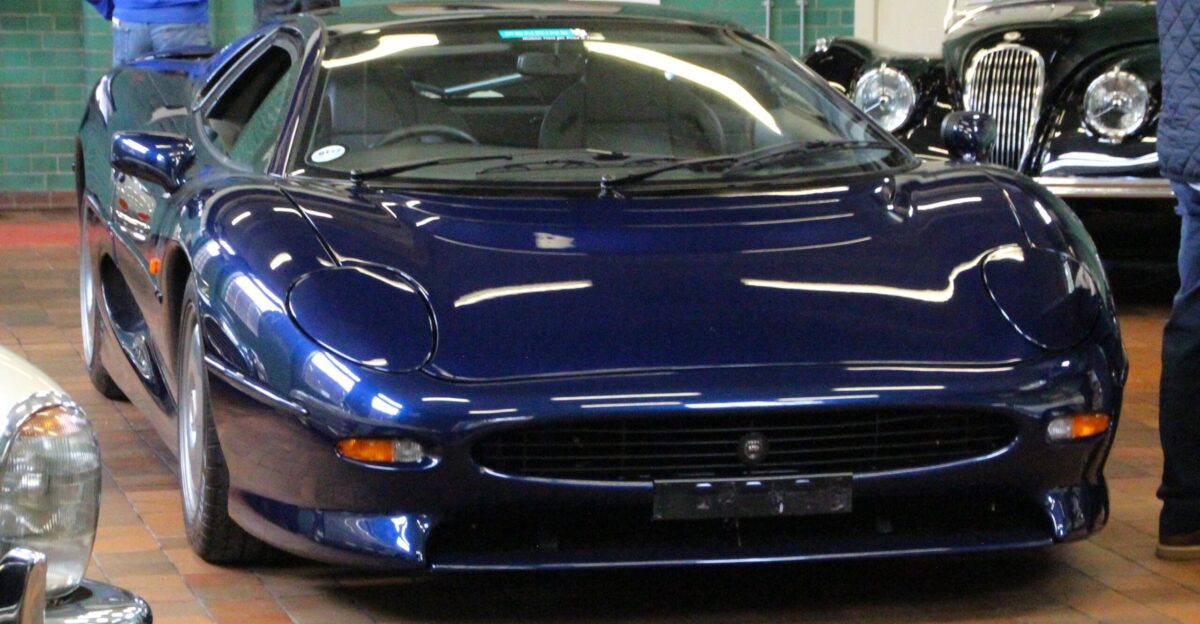
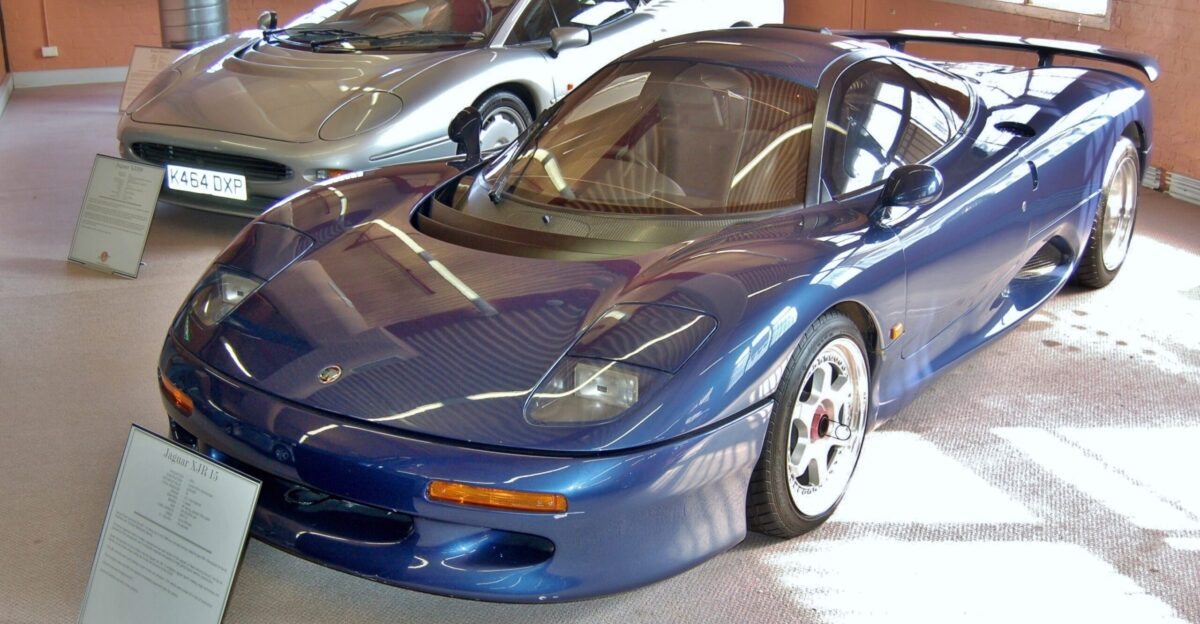
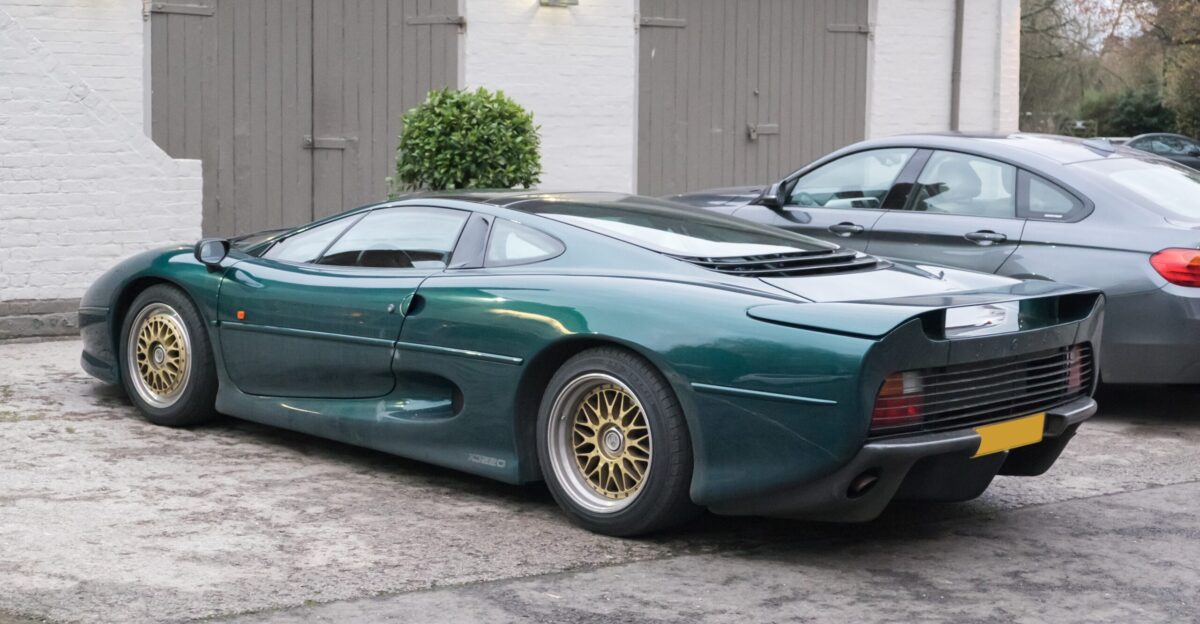
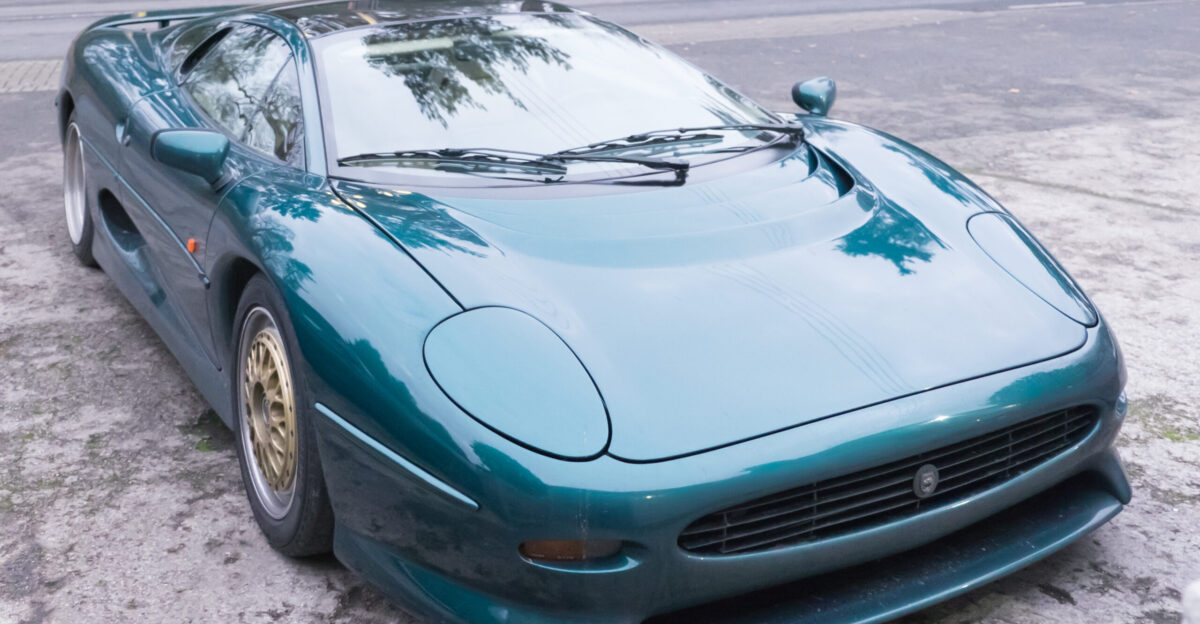
Jaguar promised a V12, all-wheel drive, and scissor doors. Production delivered a V6, rear-wheel drive, at $403,000. Of the 350 planned units, 282 have been sold. Buyers sued over spec changes, feeling betrayed. Gorgeous styling couldn’t redeem broken promises. The XJ220 became a cautionary tale for overpromising and underdelivering in the supercar design realm.
Concepts and reality clashed dramatically. Owners discovered beauty alone couldn’t salvage credibility or maintain loyalty.
#6 – Lexus LFA
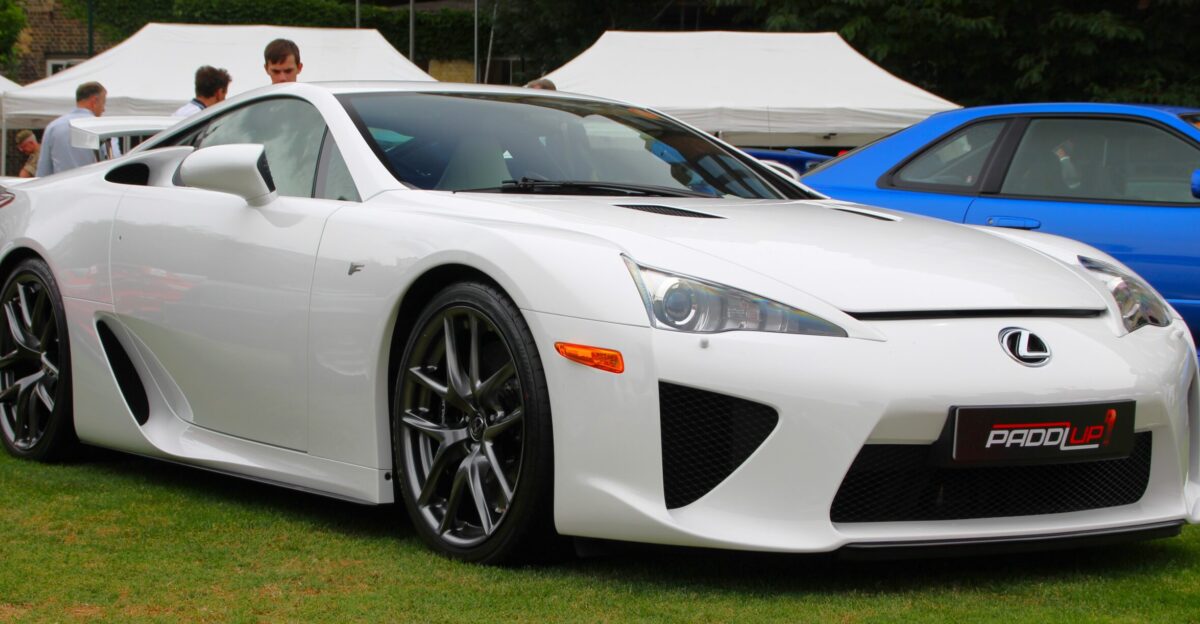
The Lexus LFA boasted a V10 engine with 553 horsepower, priced at $375,000, which was four times the power of the Nissan GT-R. Stunning Italian-inspired design met expensive pricing that dealers struggled to sell. The car’s rarity later pushed values above $800,000, but initial reception proved that beauty and engineering alone can’t overcome pricing disconnects.
Even exceptional engineering faces market limits. The LFA highlighted the cost of valuing aesthetics above accessibility.
#7 – Alfa Romeo 8C Competizione
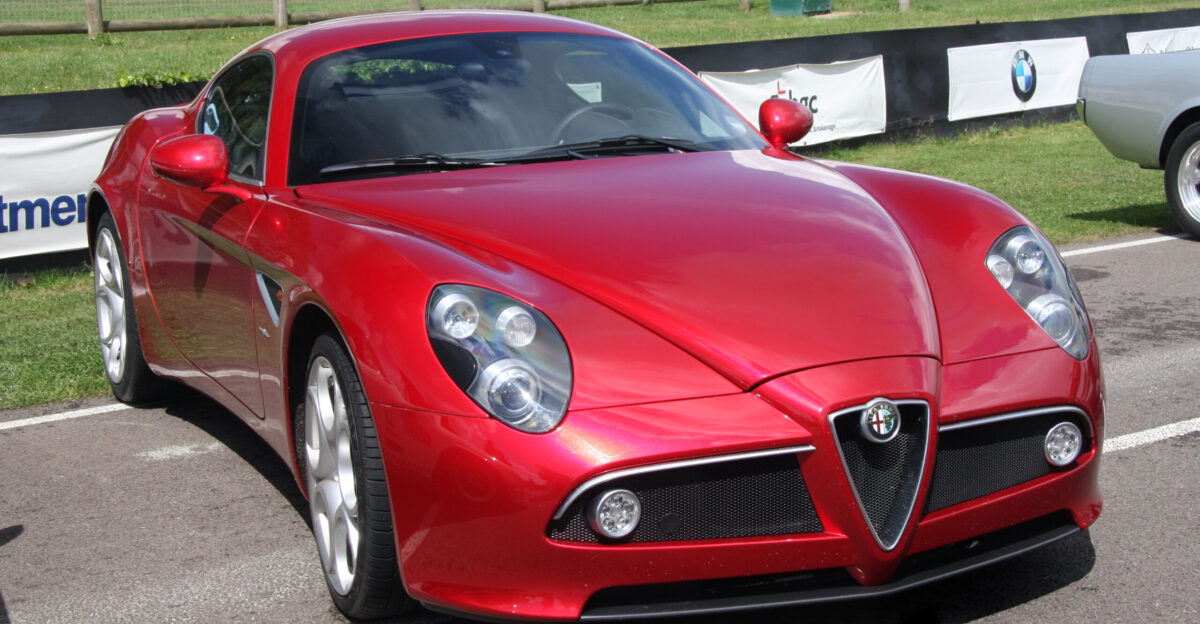
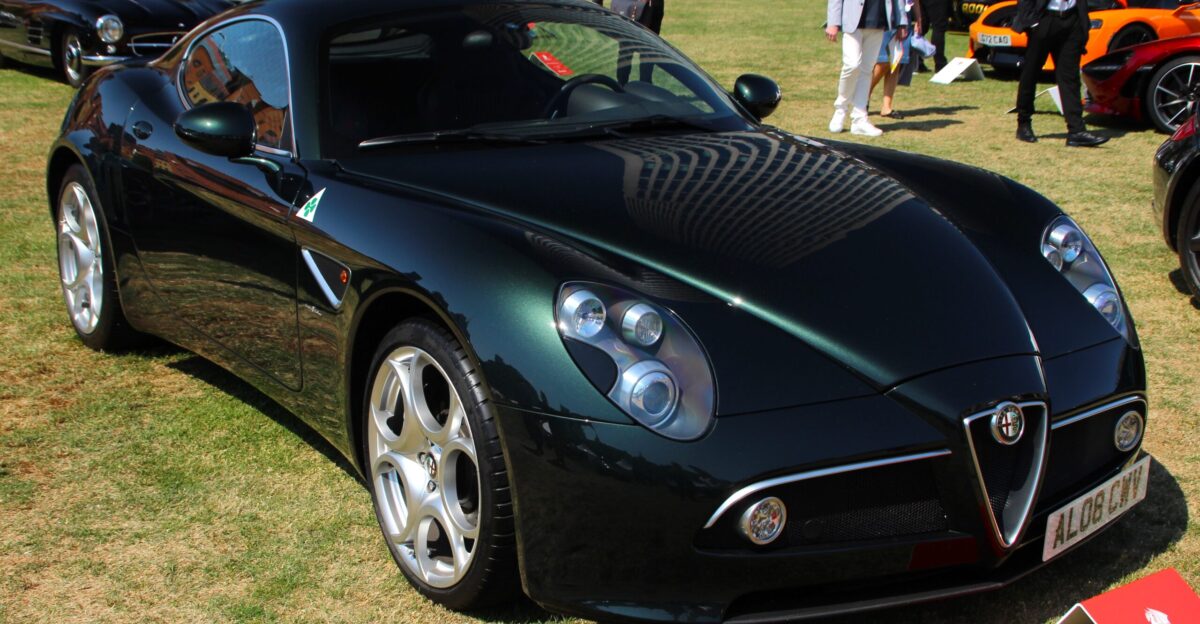
The 8C Competizione featured Ferrari-Maserati V8 power and Italian curves but suffered from the Selespeed automated manual transmission and $10,000+ brake replacements. Reliability problems frustrated early owners. Gorgeous design couldn’t hide mechanical flaws. Buyers discovered that elegance requires dependable engineering beneath.
Premium looks can’t compensate for expensive maintenance. The 8C remains a vivid reminder that luxury exteriors demand mechanical reliability.
Honorable Mention #1 – Vector W8
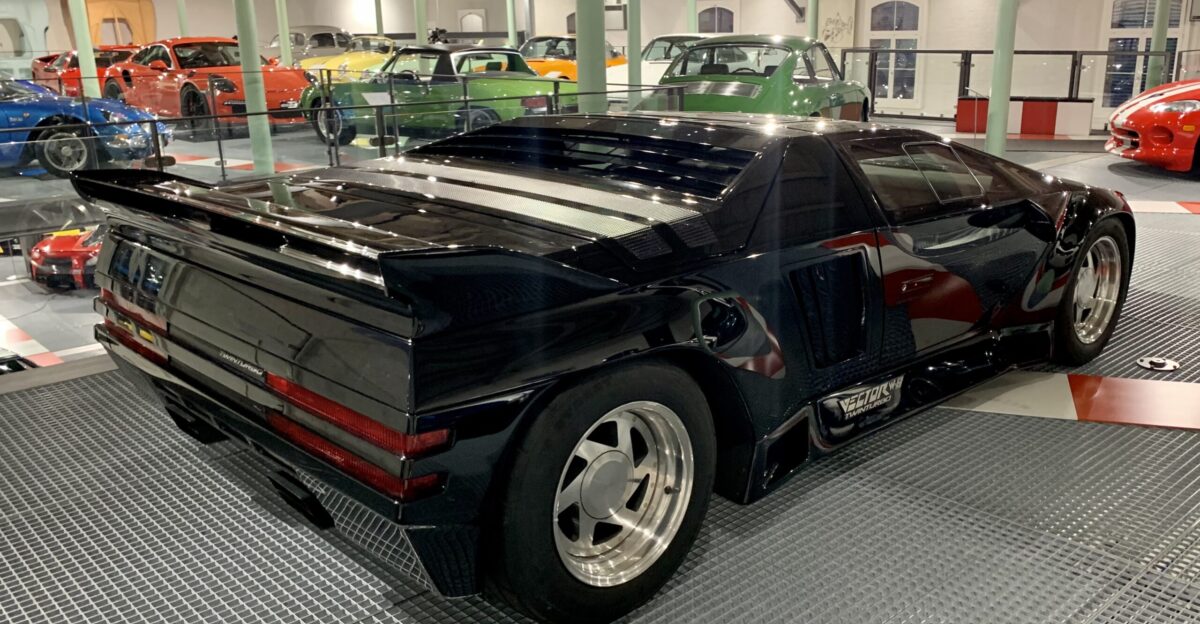
Vector W8’s fighter-jet design promised dominance at $450,000, but it constantly overheated and suffered transmission failures. Andre Agassi’s car famously caught fire on national TV. Only 17 were sold. Stunning wedge styling became synonymous with unreliability, proving that aerospace-inspired design can’t guarantee automotive dependability.
The W8 showed that extreme design needs matching engineering. Otherwise, beauty can be combustible.
Honorable Mention #2 – Aston Martin Lagonda
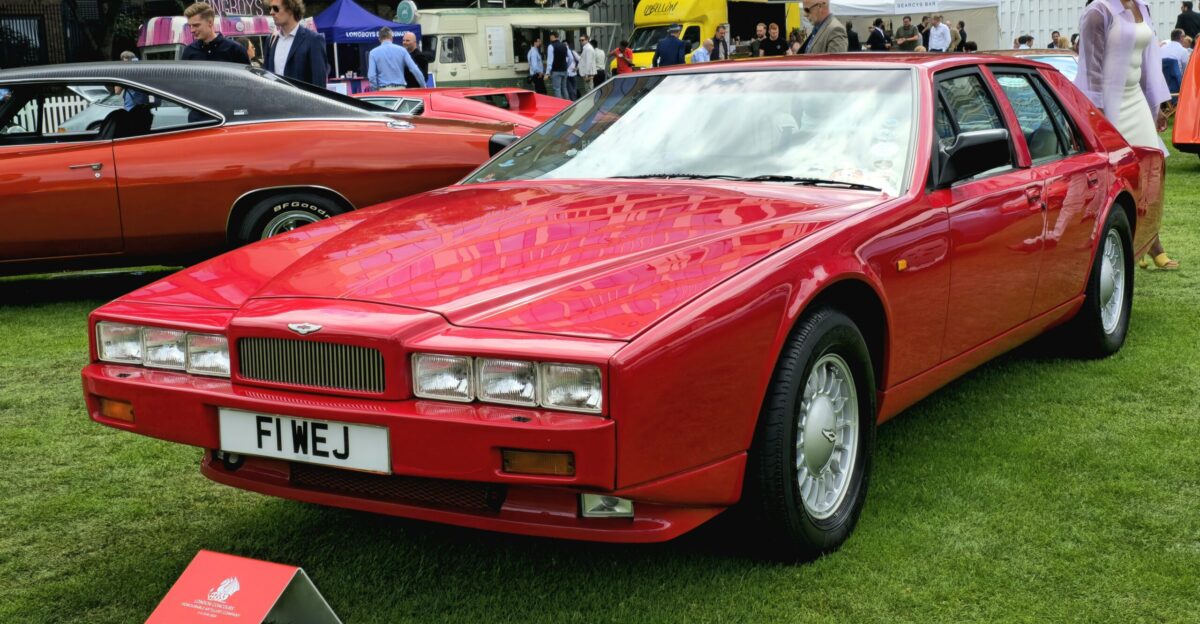
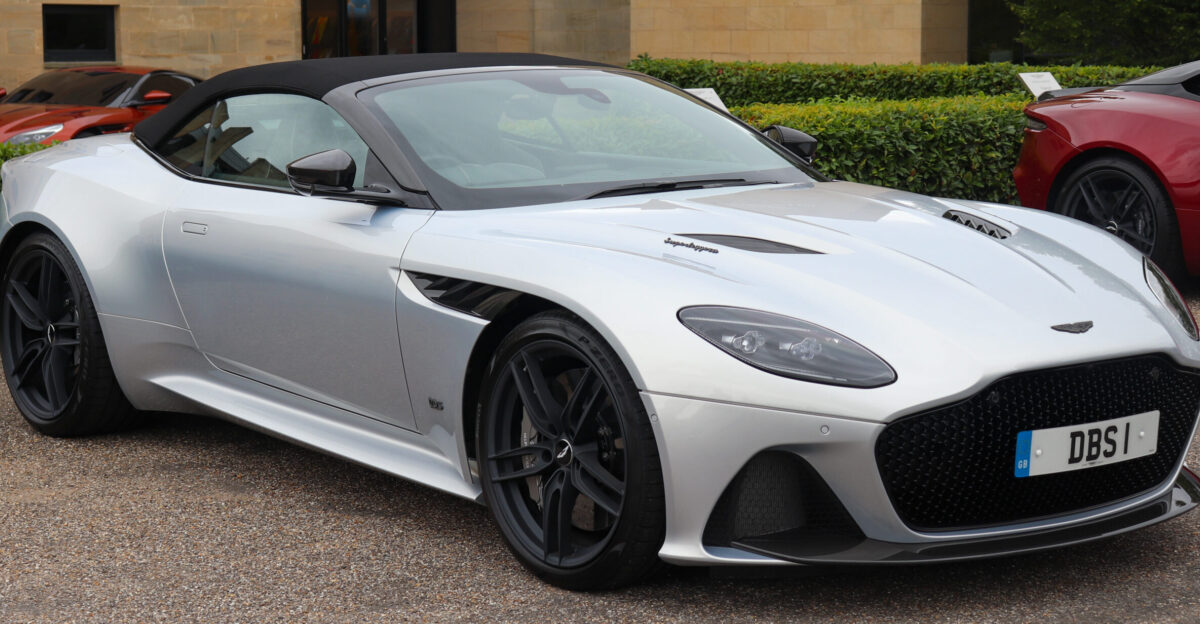
The 1976 Lagonda arrived with a digital dash and space-age controls, yet electronics failed immediately. The chief engineer called it an “appalling mess.” Buyers received futuristic looks but mechanical yesterday. Style alone couldn’t save function, leaving a striking vehicle rendered unusable on delivery.
Even ambitious innovation must be grounded. A gorgeous concept cannot mask systemic failure.
Honorable Mention #3 – Bugatti EB110
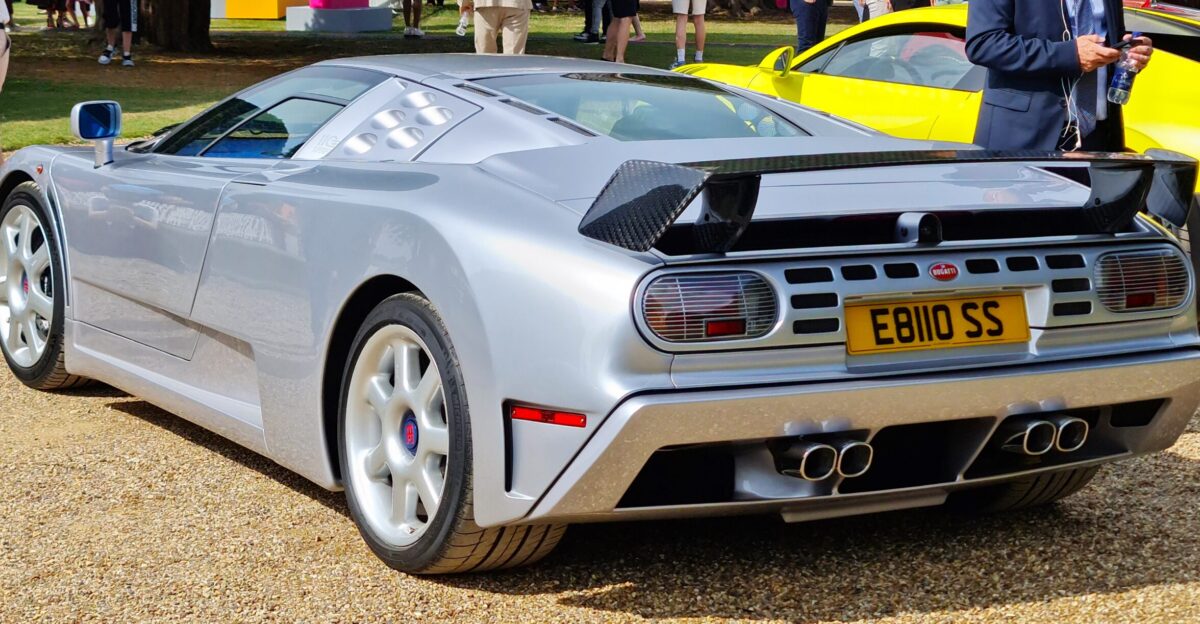
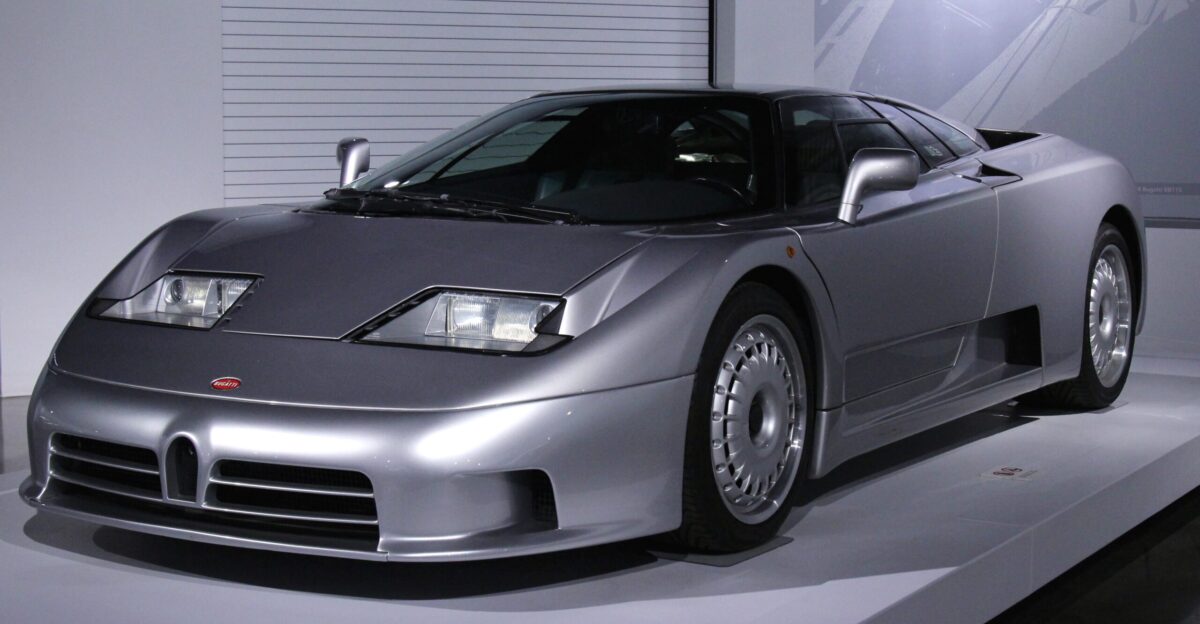
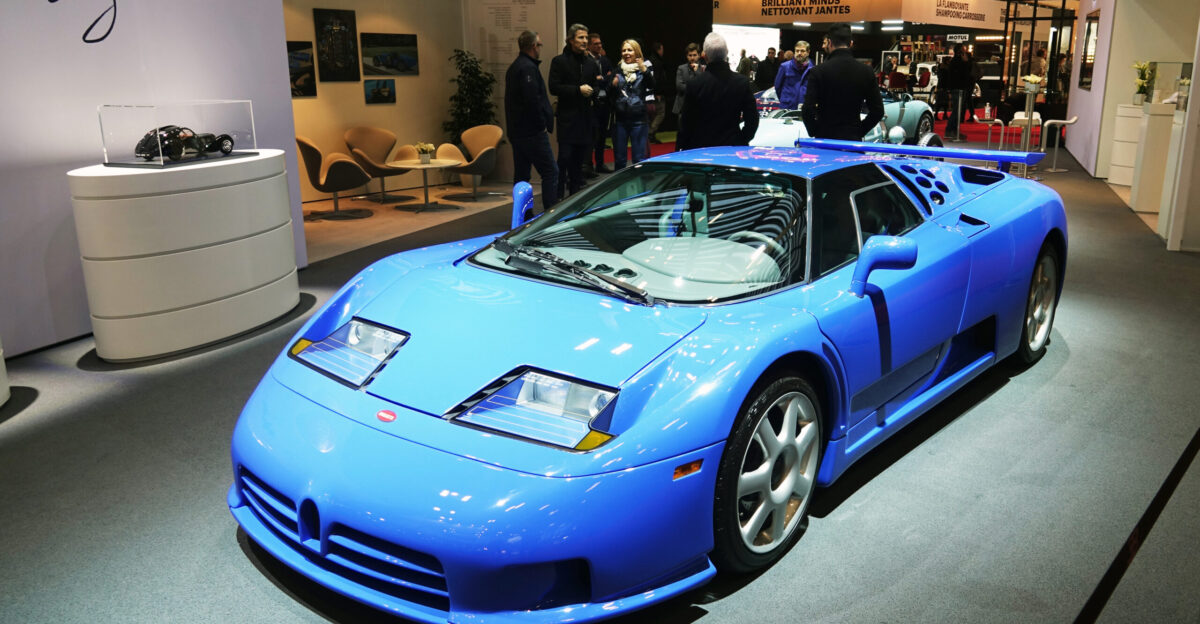
Bugatti EB110’s Italian design and quad-turbo 553 horsepower impressed visually. Market timing, lawsuits, and competition limited impact. Despite beauty and power, the EB110 couldn’t establish dominance. Stunning engineering can’t overcome market context and reliability problems. Buyers experienced disappointment even in technically superior machines.
Even remarkable cars face constraints. Timing and support are as critical as design.
Patterns Reveal The Limits Of Beauty
These ten examples show consistent missteps: automakers mistook appearance for complete value. Underpowered engines, poor build quality, and unreliable transmissions eventually eroded affection. Gorgeous exteriors alone couldn’t satisfy buyers. The automotive world repeatedly learned that performance, reliability, and engineering matter as much as looks.
Beauty must be functional. Otherwise, even iconic cars fail to meet expectations and risk lasting disappointment.
Financial Consequences Are Severe
Beautiful failures cost buyers millions through depreciation, maintenance, and regret. Jaguar XJ220 lawsuits, LFA inventory issues, and Lagonda’s dysfunction created career-altering financial setbacks. Stunning cars that don’t deliver harm brands and owners alike. These examples underscore that appearance cannot justify broken mechanics or poor value.
The stakes extend beyond aesthetics. Buying a gorgeous car without substance can leave lasting financial scars.
Modern Lessons From Past Mistakes
Today, manufacturers prioritize performance alongside beauty. Tesla, Lamborghini, and Ferrari ensure engineering matches styling. YouTube reviews and social media expose failures immediately. The disconnect between appearance and substance that defined past decades is largely gone. Buyers now demand accountability before opening wallets.
The era of beautiful but underperforming cars is fading. Manufacturers understand that visual appeal must meet mechanical expectation.
Beauty And Substance Must Align
These seven cars teach a vital lesson: appearance without substance is betrayal. A $2.3 million hypercar that loses to a 15-year-old competitor or a hot rod with a minivan engine leaves buyers disappointed. Modern manufacturers now integrate design with performance, ensuring promise meets reality. Beauty alone no longer suffices.
These cautionary tales remain timeless. The industry now proves that gorgeous design and genuine engineering must travel together.
SOURCES:
“The 1999 Plymouth Prowler Was A Rolling Midlife Crisis,” Jalopnik, August 26, 2020
“Controversial BMW Design Is Punking You, And Won’t Stop, CEO Says,” Forbes, October 27, 2022
“McLaren Speedtail: When $2.3M Still Isn’t Enough,” Motor Authority, 2021
“Jaguar XJ220 Guide: Concept vs. Production Reality,” Supercars.net, March 22, 2024
“Lexus LFA: Why The $375K Supercar Couldn’t Sell,” Car and Driver, Multiple Articles, 2010-2024
“Vector W8 Flopped Spectacularly: Here’s Why,” HotCars, December 8, 2022