
It’s 2025, and a once-dominant retail powerhouse now operates with just five stores left. From a high of 3,500 locations nationwide, the company’s presence has all but vanished. Empty shopping malls remain, with the brand barely hanging on.
How did this iconic retailer fall from market leadership to facing extinction? The story behind its collapse is both unexpected and profound.
The Fall of the Empire
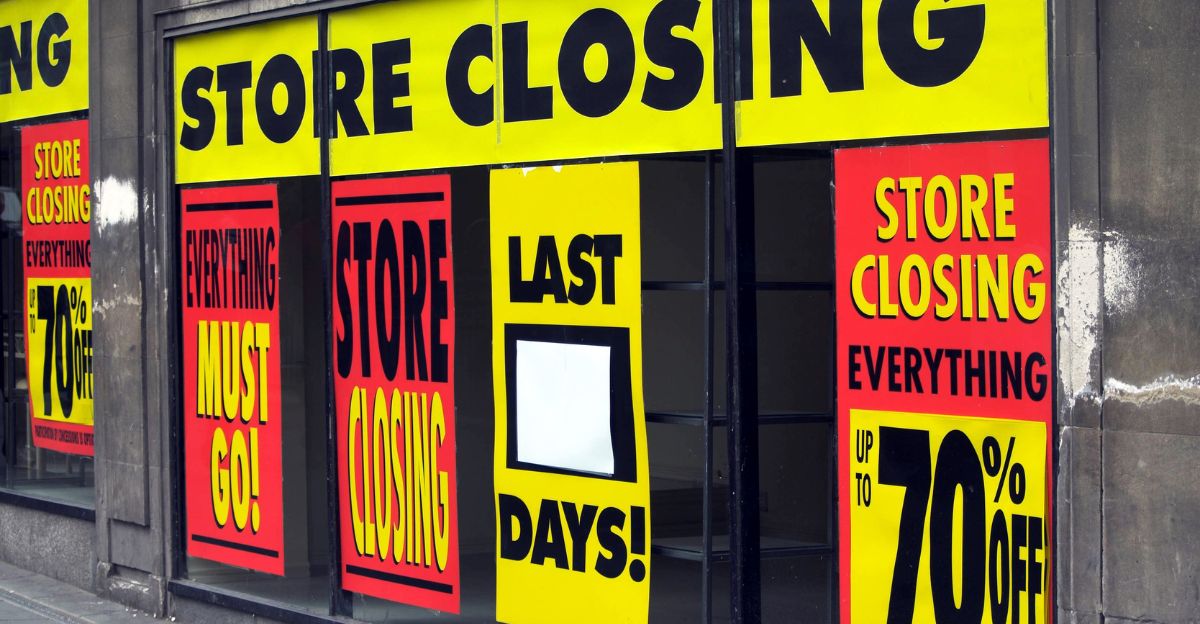
Once at the height of retail dominance, this company now teeters on the edge of total collapse. In just 20 years, it has lost 99.86% of its stores, shuttering more than 3,495 locations.
The remaining few are struggling to survive. What caused this once-thriving empire to unravel so completely?
The Rise of an Icon

Founded in 1892, this retailer started as a mail-order catalog, eventually becoming the largest retailer in the U.S. by the mid-20th century.
Its innovative model revolutionized shopping for millions, offering everything from home goods to apparel. For decades, this company was a household name, shaping the retail landscape.
Cracks in the Foundation
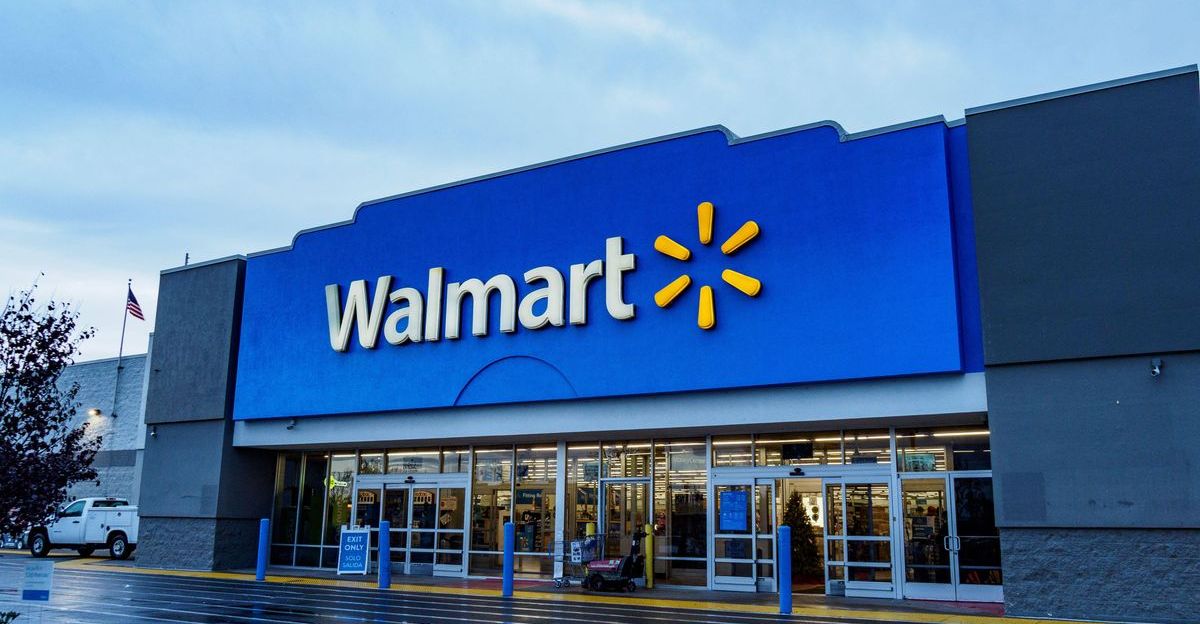
By the 1980s, the company’s focus shifted away from innovation in retail and toward real estate. As competitors like Walmart surged ahead and e-commerce giants like Amazon began to dominate, this retailer failed to adapt.
Years of declining sales and lack of reinvestment set the stage for its eventual downfall.
A Devastating Bankruptcy

In 2018, Sears filed for Chapter 11 bankruptcy, marking the beginning of the end. Despite being bought out by hedge fund magnate Eddie Lampert, the company’s fate seemed sealed.
Burdened by $134 million in debt and losing ground to online retailers, Sears was unable to recover.
The Widespread Impact
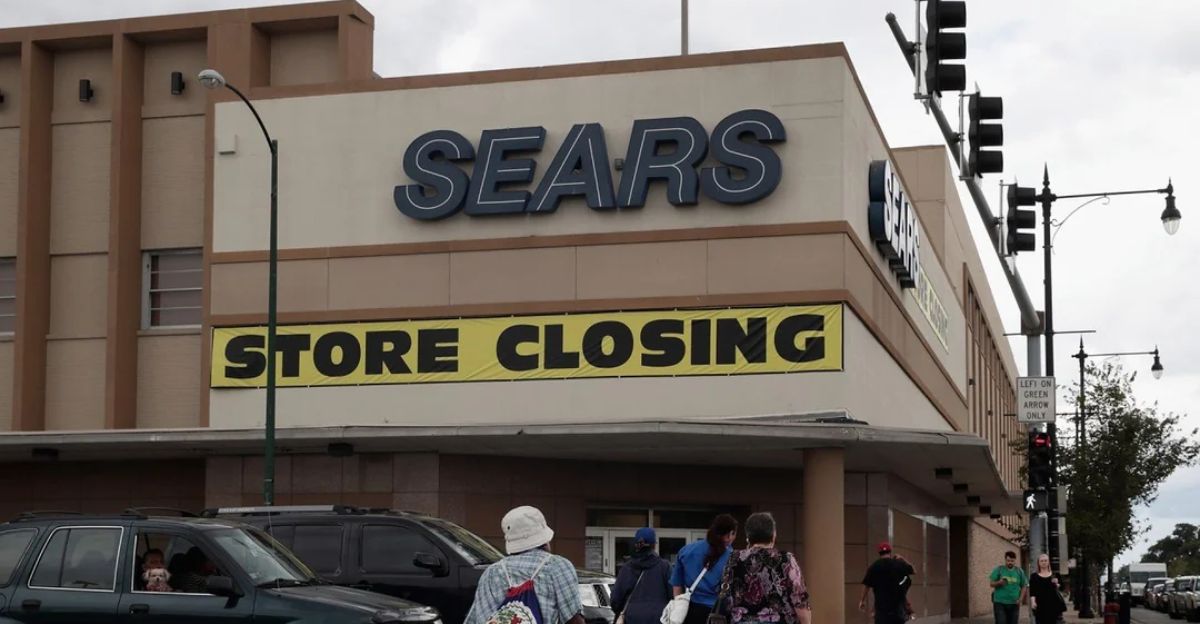
Across the U.S., local economies felt the sting as Sears locations shuttered, from California to Florida.
Once vibrant shopping centers now stand empty, with entire communities losing key anchors. As Sears’ final stores dwindle, the fallout from its closures continues to affect American retail.
The Human Cost
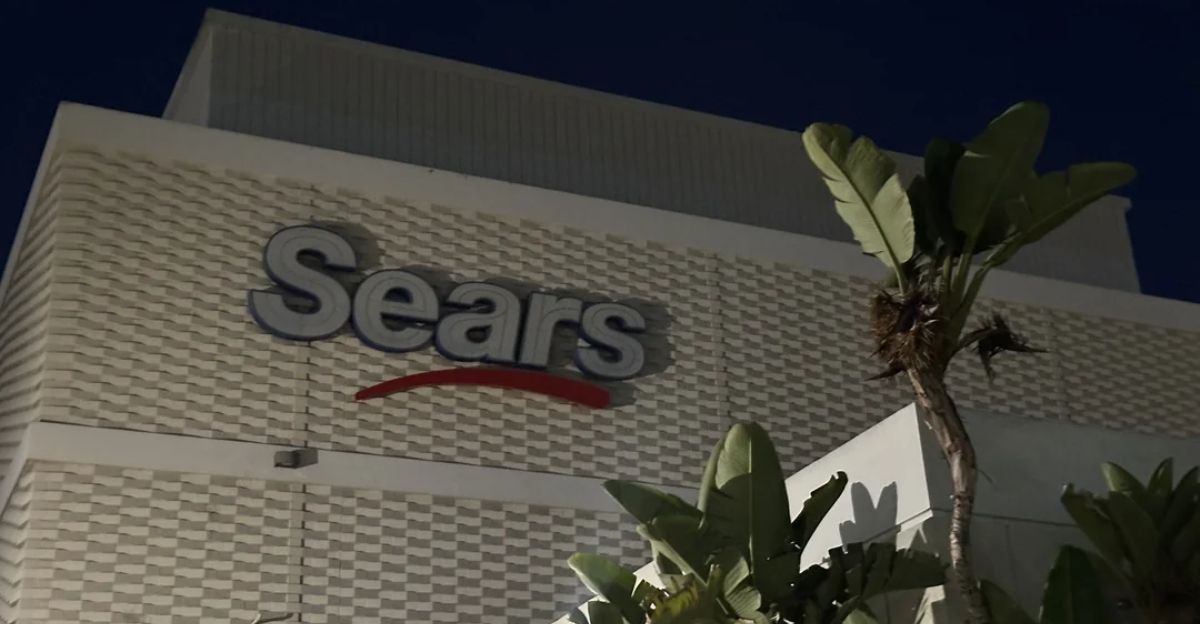
Sears’ collapse has been more than just financial. Tens of thousands of employees lost their jobs, and communities mourned the loss of a beloved institution.
The iconic Sears catalog and stores were part of American traditions for generations. Can these connections ever be replaced?
Rivals Surge Ahead

As Sears struggled, competitors like Walmart surged ahead, benefiting from better management and innovative strategies.
Amazon further solidified its hold on the e-commerce market. Meanwhile, Sears’ once-prized real estate became a liability, and other retailers grew in strength.
A Broader Retail Crisis
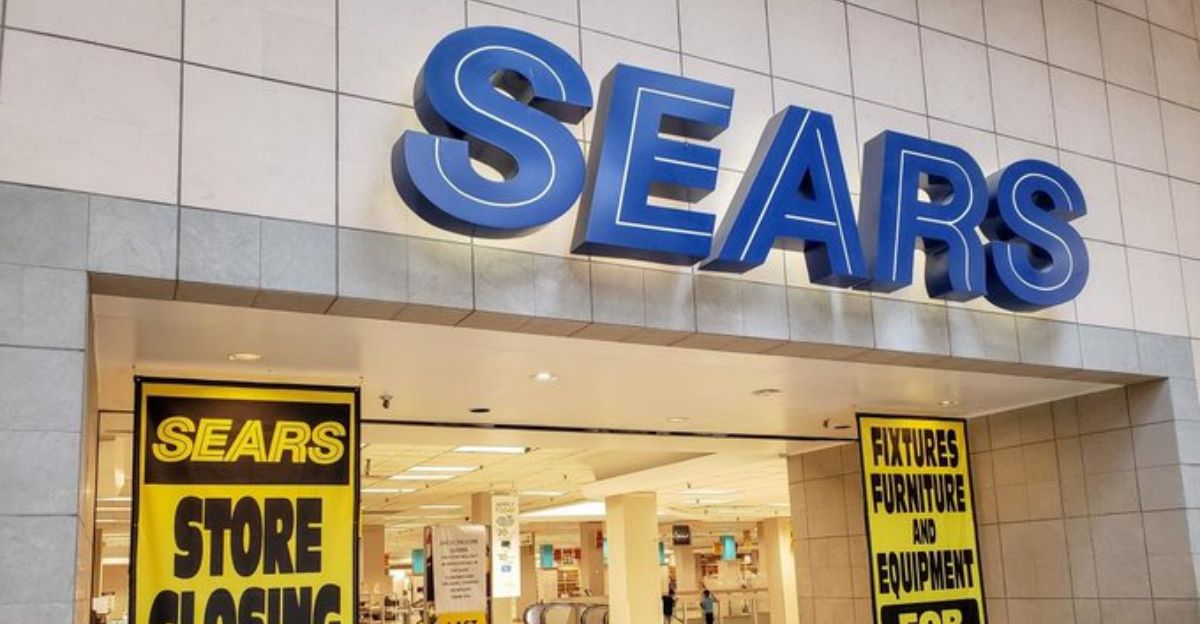
Sears’ demise mirrors the so-called “retail apocalypse” as companies like Toys R Us and Montgomery Ward also crumbled under the pressure of evolving consumer behavior.
Sears’ story reflects broader shifts in U.S. shopping habits, driven by e-commerce and big-box retailers.
Selling Off Assets

Sears’ once-valued assets were sold off in a desperate attempt to stay afloat. Craftsman tools went to Stanley Black & Decker for $900 million, while its real estate assets were sold to Seritage REIT for $2.7 billion.
These moves kept the company running but never revitalized it.
Leadership Woes

Eddie Lampert, who became CEO after the Kmart merger, faced heavy criticism for prioritizing cost-cutting over necessary innovation.
As the company spiraled, former executives and analysts pointed to mismanagement and failure to adapt to a changing market.
The Rescue Attempt
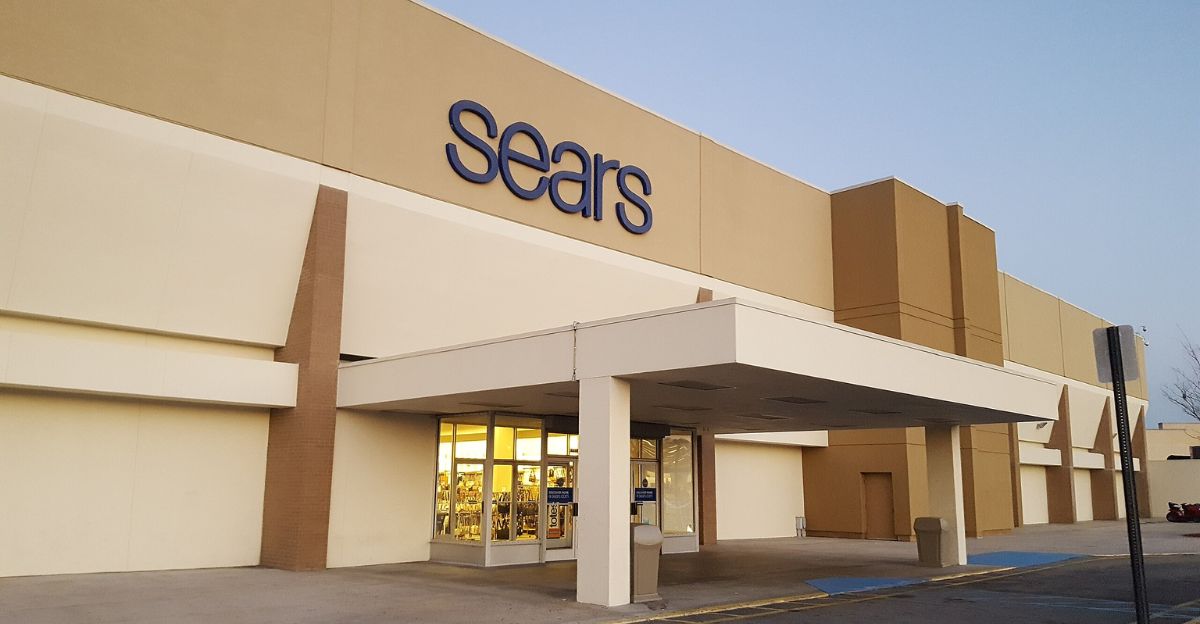
In 2019, Lampert’s company, Transformco, purchased Sears for $5.2 billion, saving around 425 stores and 45,000 jobs.
But despite this effort, Sears’ decline continued. With Lampert stepping down as CEO, the company was left with no clear path forward.
A Desperate Comeback
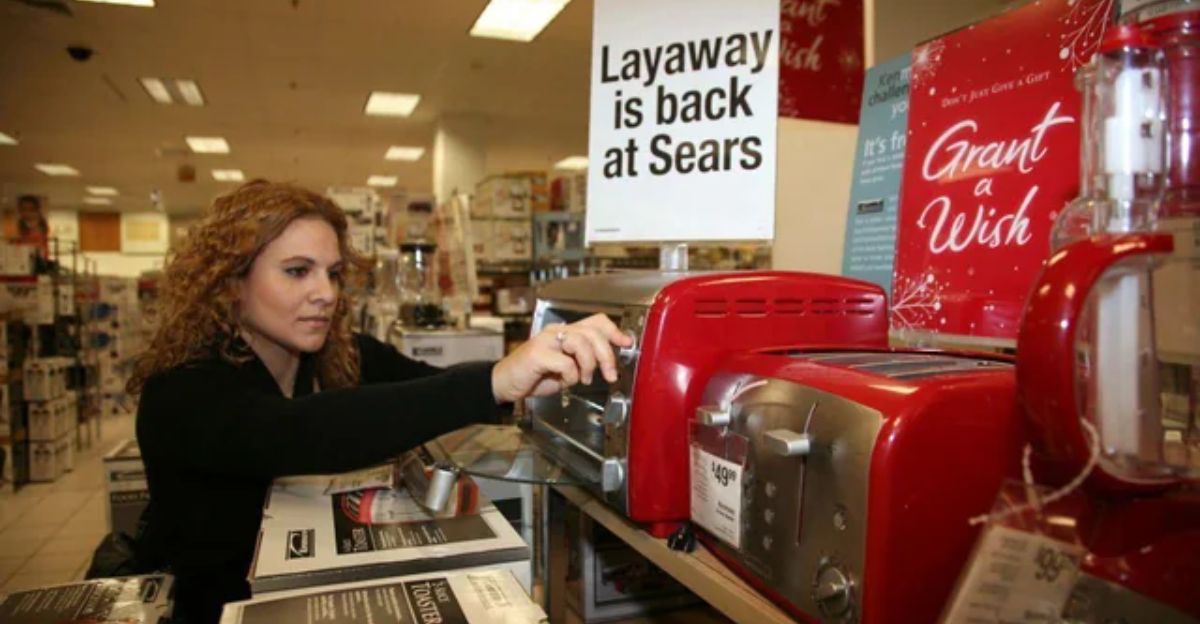
After its bankruptcy, Sears attempted a comeback with the “Shop Your Way” loyalty program and increased tech focus.
However, its store count dwindled, and by 2021, it was left with only a handful of locations. These efforts fell flat against the dominance of Amazon.
Analysts Predict Final Collapse
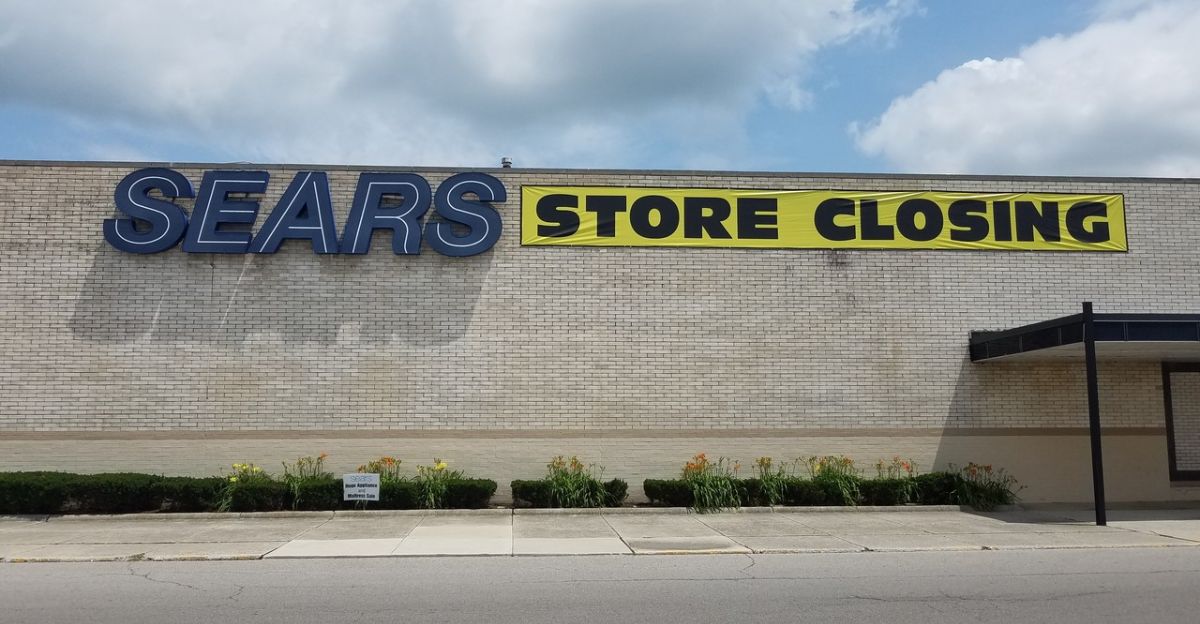
By 2025, industry experts were skeptical about the remaining Sears stores’ profitability.
With competition from Walmart and Amazon remaining fierce, analysts predicted the final death knell for Sears. Despite some stores holding on, the outlook was grim.
Five Stores, One Last Chance
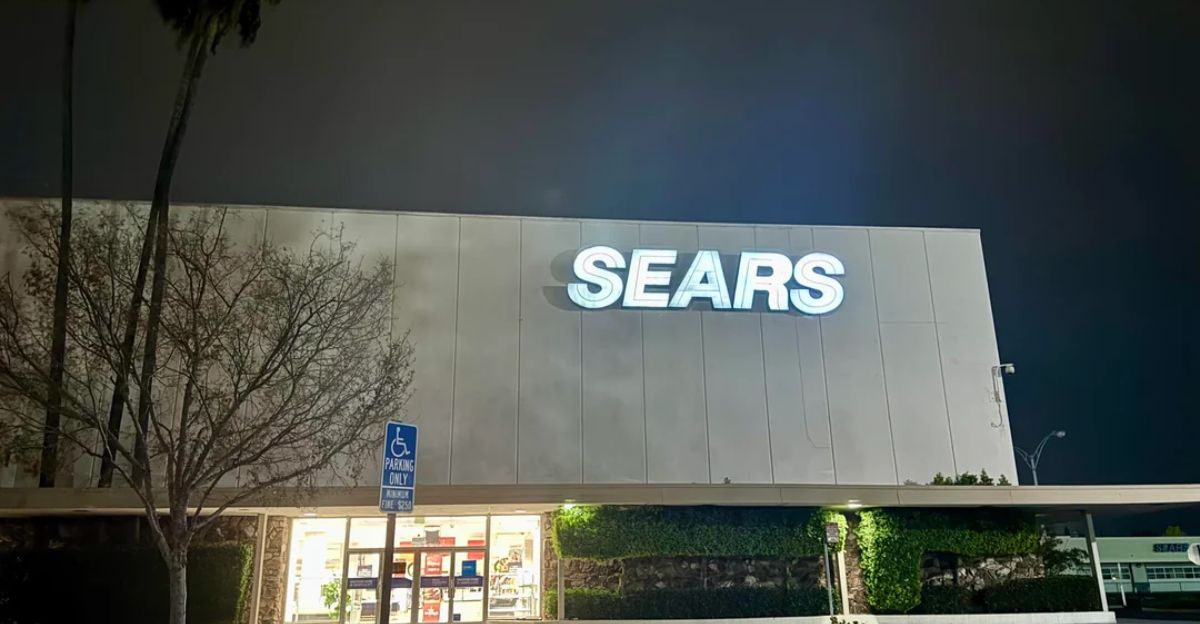
As of 2025, only five Sears stores remain in the U.S., located in Florida, Massachusetts, California, and Texas.
These locations are far from profitable, and many expect them to close soon. Is there any hope for a comeback, or is this the end of an era?
Policy and Legal Shifts
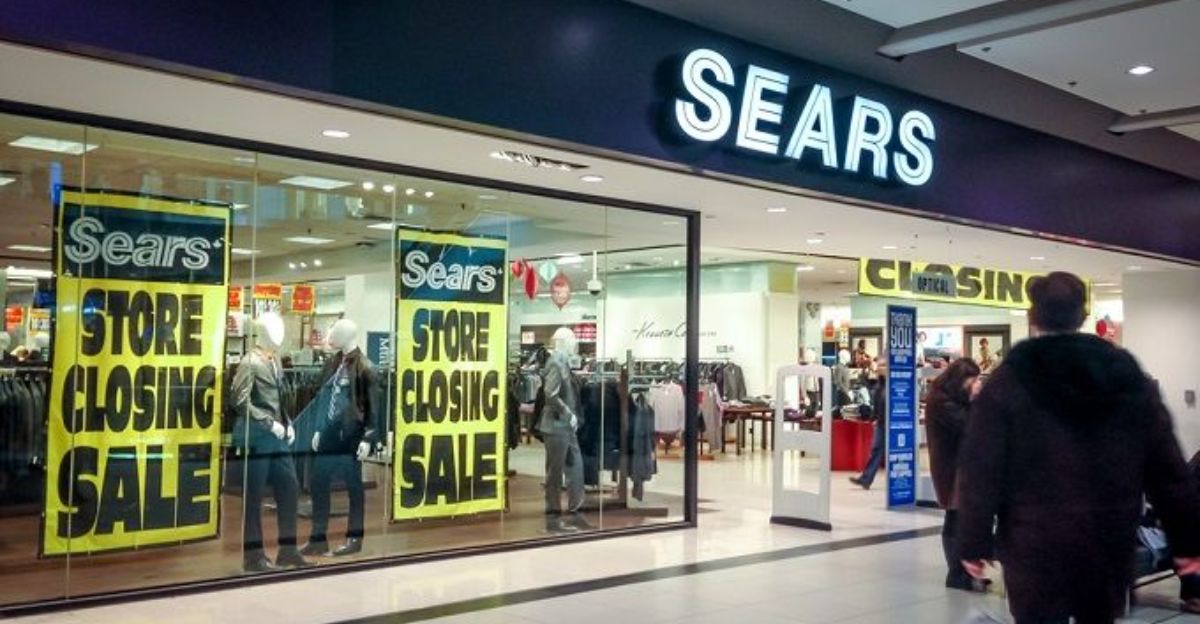
Sears’ collapse has led to calls for changes in U.S. retail policy, especially regarding the dominance of companies like Walmart and Amazon.
Legal experts suggest that antitrust and bankruptcy laws enabled a failed business model to continue long past its expiration date.
The End of Sears’ Global Reach
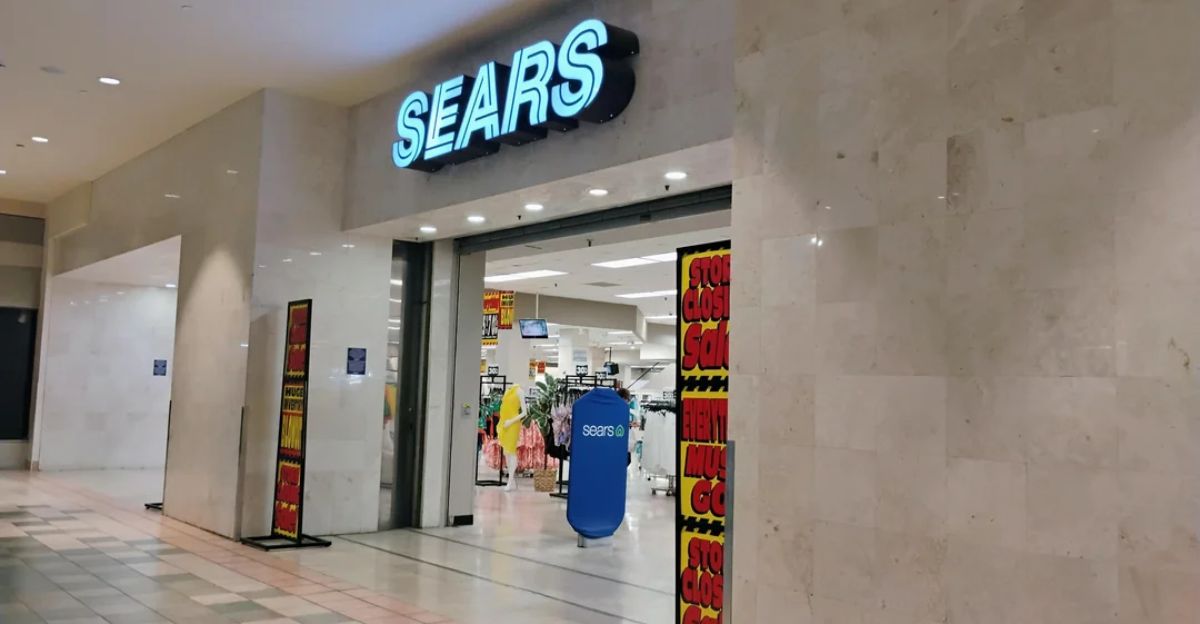
Sears’ once-strong international presence is now a distant memory. In August 2025, its last Puerto Rico store closed, marking the retailer’s final exit from the global market.
In a world where international competition thrived, Sears’ slow adaptation sealed its fate.
Legal Struggles and Asset Sales
The legal battles surrounding Sears’ bankruptcy were messy, with Lampert bidding against other firms for the company’s assets.
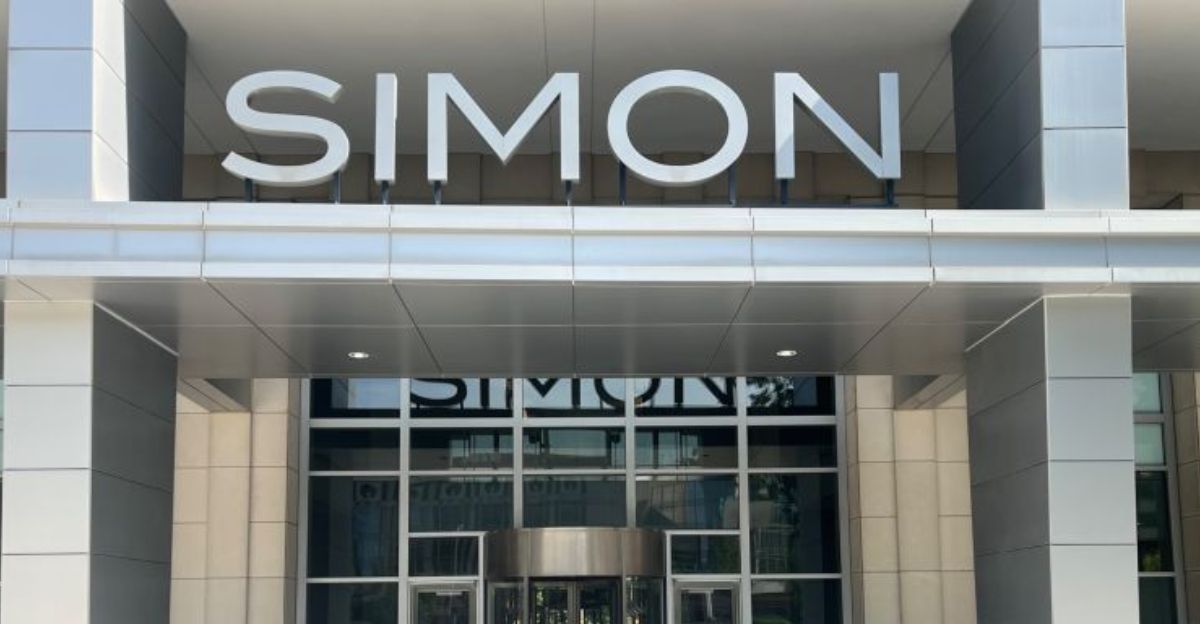
As key locations closed, new landlords, including Simon Property Group, were left to deal with empty spaces and plans for redevelopment.
A Cultural Icon Fades
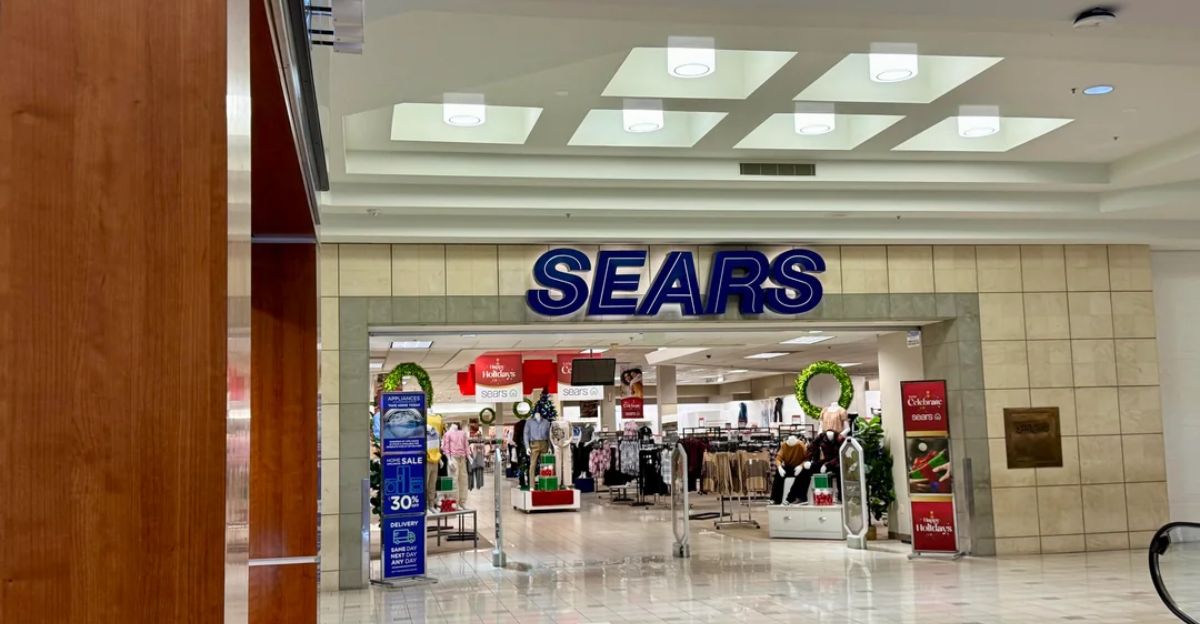
For many Americans, Sears was a cultural icon. From its catalog to its role as a mall anchor, Sears shaped shopping experiences for generations.
However, with the rise of online shopping, the once-thriving retailer couldn’t keep pace, and its legacy is now fading.
The Ultimate Lesson
The fall of Sears highlights the importance of adapting to consumer change. The rise of e-commerce, better management practices, and retail innovation left the giant behind.
As the U.S. retail landscape continues to evolve, Sears’ decline serves as a warning to companies that fail to keep up.
Sources:
“Sears Files for Chapter 11 Bankruptcy.” Leech Tishman Fuscaldo & Lampl, January 29, 2019.
“Lampert Wins Bid for Sears by Upping Price to $5.2 Billion.” CNN, January 17, 2019.
“Sears has just 5 locations left. Will they survive into 2026?” USA TODAY, November 28, 2025.