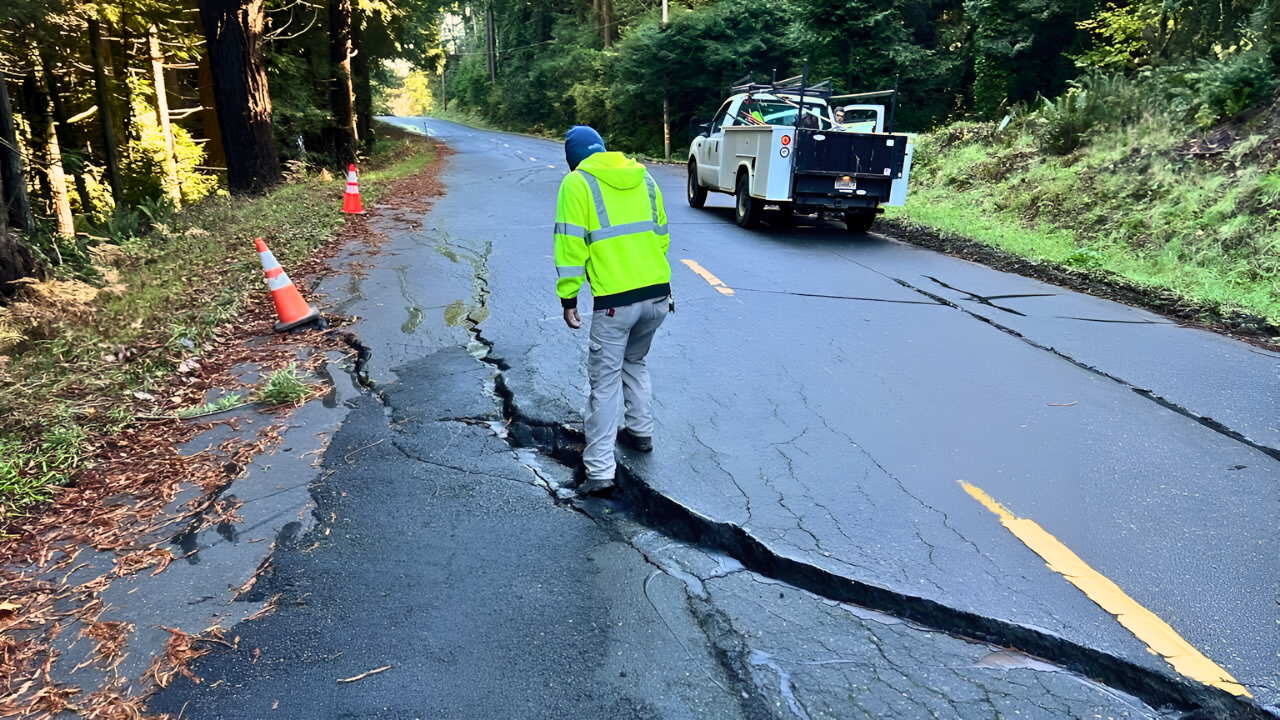
The ground beneath the California Bay Area shook with relentless fury on Monday, December 8. A barrage of earthquakes hammered the East Bay in what the U.S. Geological Survey (USGS) classified as an “earthquake swarm,” delivering at least seven distinct tremors in just eight hours.
The rapid-fire sequence transformed an ordinary Monday into a rolling stress test for millions across the region, from San Jose to Hercules.
Swarm Refuses To Stop Moving
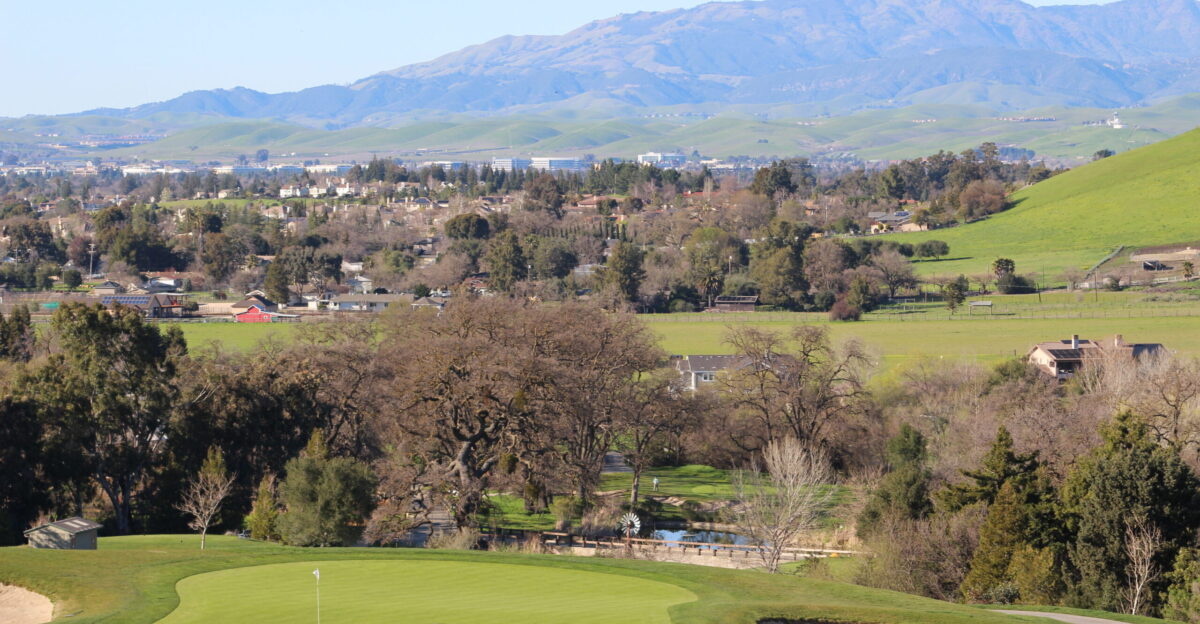
This sequence manifested as a “background drumbeat” that refused to settle. Residents in the Tri-Valley area felt the earth move repeatedly from pre-dawn through the afternoon. USGS data confirm that the swarm began with a 2.9-magnitude quake at 2:33 a.m.
For thousands in the immediate zone, the day became a psychological endurance challenge, with every creak in walls sparking anxiety about the next jolt.
7-Plus Tremors Strike Bay Area

USGS catalogs show a tight cluster of activity, with magnitudes of 2.9, 3.0, 2.7, and 2.5 all striking before 8:00 a.m. This rapid succession created what experts describe as a “textbook earthquake swarm”—multiple events clustering without a singular, dominant mainshock.
Residents barely had time to recover between tremors.
3.6 Magnitude Jolt Marks Strongest Event Of Sequence
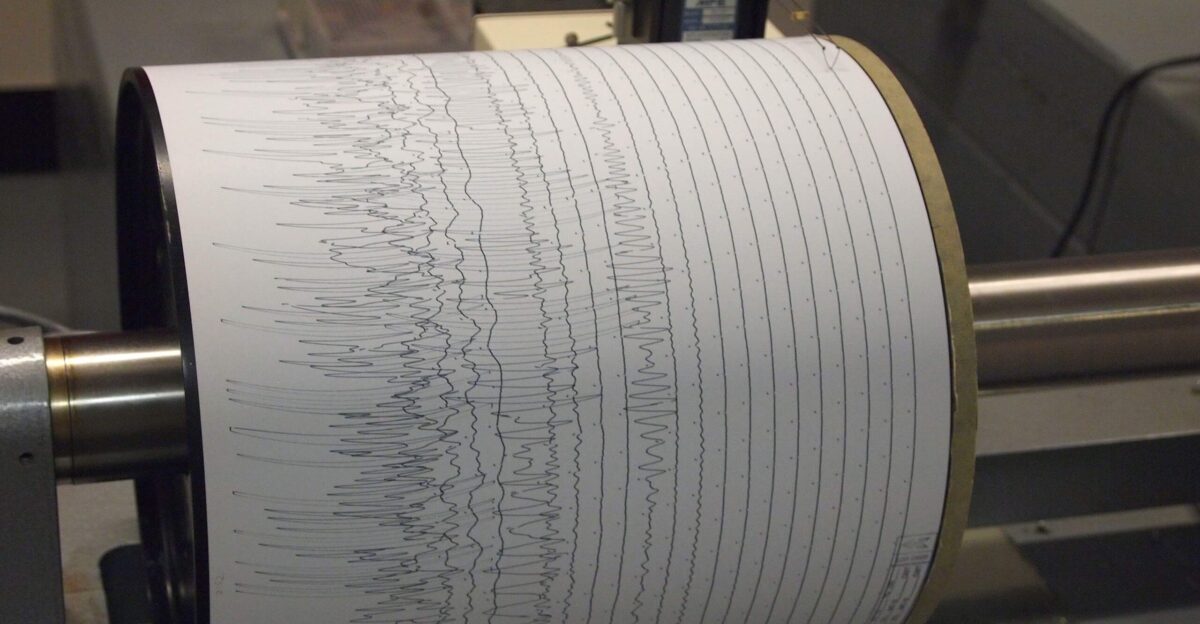
The swarm crested mid-morning at 9:07 a.m., with a sharp 3.6-magnitude earthquake striking the San Ramon area. This represented the strongest event of the sequence and was widely felt across the entire Bay Area, from San Francisco to San Anselmo.
Its shallow depth of approximately 6 miles amplified surface shaking significantly.
Stress Migrates West

While San Ramon served as the initial epicenter, seismic stress migrated westward by afternoon. By 2:55 p.m., a 2.9 magnitude earthquake struck near Piedmont, roughly 15 miles west of San Ramon.
This geographic spread transformed a Tri-Valley issue into a broader East Bay concern, affecting hundreds of thousands of people.
Swarm’ Pattern Without Single Mainshock
Seismologists quickly classified the events as a classic “swarm” rather than a traditional mainshock-aftershock sequence. According to USGS, swarms function like a “popcorn” effect where stress releases in multiple, comparable bursts without a single massive trigger.
These sequences follow no linear decay pattern, meaning activity could persist for days or weeks.
Calaveras Fault Blamed
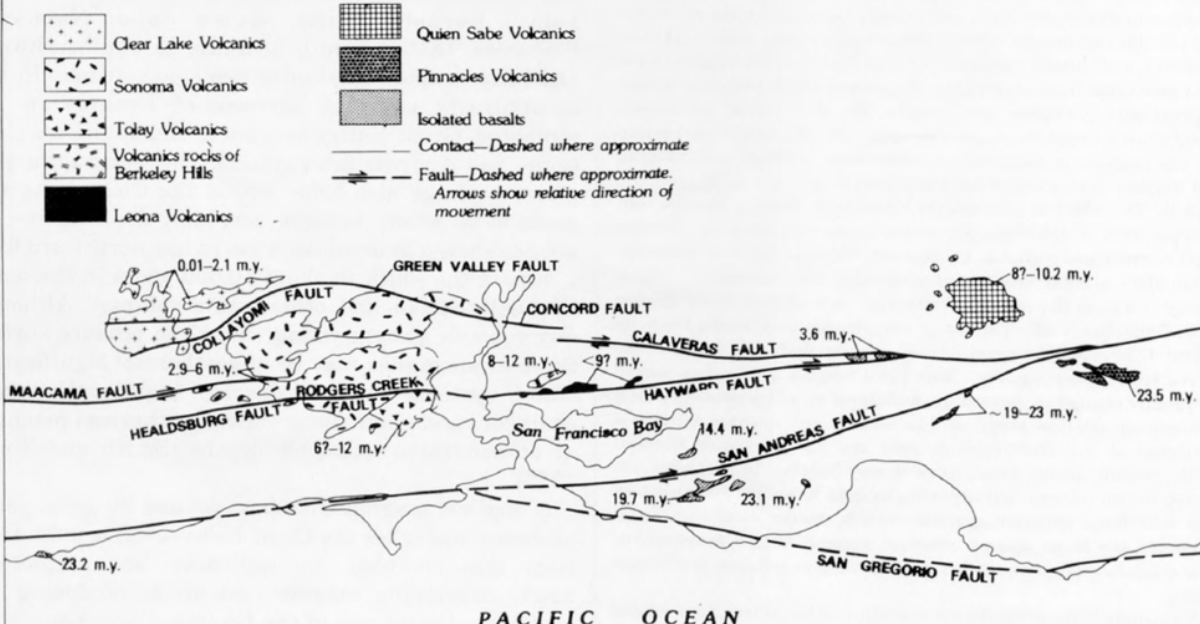
The epicenter points directly to the Calaveras Fault, a notoriously active system branching off the San Andreas. San Ramon sits atop this fracture zone, making it a recurring hotspot for swarm activity.
The region is essentially a web of “micro-faults” highly sensitive to stress changes, with a documented history of sudden swarms.
Micro-Movements Triggering Domino Effect

USGS researchers explain that the swarm likely resulted from “micro-movements” along smaller fault strands that “pop off and trigger each other” in a domino effect.
Although the exact triggers remain scientifically unknown, this behavior is consistent with regional geology.
San Ramon’s Decades Of Swarms
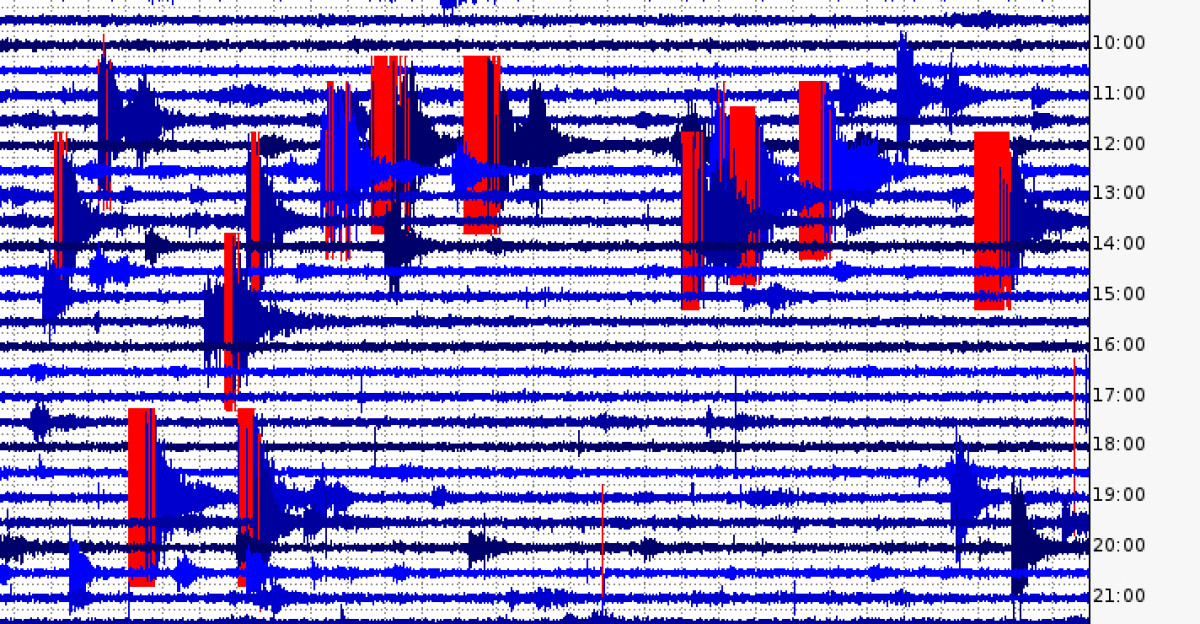
Long-time residents recognize the pattern. San Ramon has documented earthquake swarms dating back to 1970, 1990, 2002, and as recently as 2015.
The 2015 event generated hundreds of small quakes over weeks. While Monday’s 8-hour barrage was intense, it fits a known geological rhythm for the area.
Reports Pour In From Bay Area Residents

Monday’s 3.6 magnitude peak reached far beyond the immediate fault zone. USGS “Did You Feel It?” reports flooded in from San Jose to Hercules.
This wide distribution confirms an estimated 2 to 3 million residents were within the zone of potential perception, turning a local geological event into a regional wake-up call.
When the Ground Won’t Stop Moving

For many Californians, the most damaging aspect of a swarm is not physical destruction, but psychological exhaustion. Unlike a “one-and-done” earthquake, a swarm denies residents a mental reset.
Relentless shocks keep the nervous system in a state of high alert. Interviews revealed families unable to relax in their homes, with “Are we done yet?” becoming the prevailing sentiment.
Readiness Is The Only Real Buffer
The swarm forced thousands into an involuntary, real-time earthquake drill. With no warning systems capable of predicting swarm onset, residents had to rely on prepared emergency plans immediately. Emergency officials reiterated that readiness is the only controllable variable.
Edwards Air Force Base emergency guidance notes that “readiness is the only real buffer between a scare and a catastrophe”.
No Structural Damage Reported
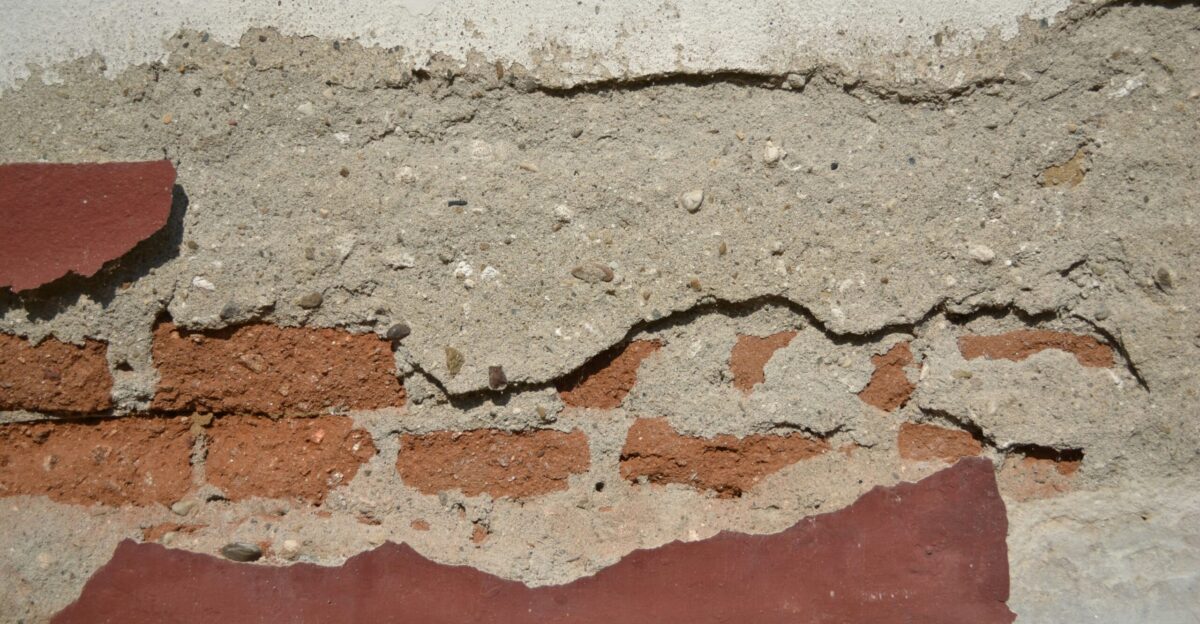
Official assessments brought relief: no significant structural damage or injuries reported. The 3.6 magnitude, while strong enough to knock items off shelves or crack plaster, typically falls below the thresholds for heavy destruction.
However, the lack of physical ruin masked community anxiety spikes, with emergency dispatch centers seeing increased worried-citizen call volumes.
Residents’ Deepest Fear
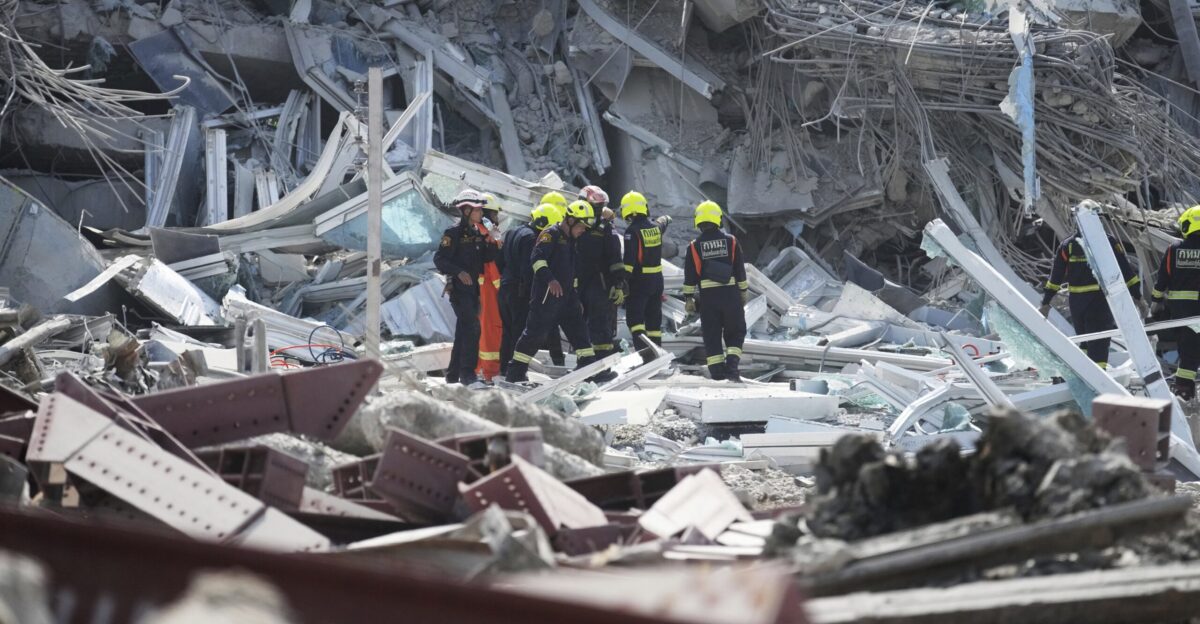
The inevitable question emerged: “Is this a precursor to the Big One?” Seismologists are cautious but clear—while most swarms do not lead to catastrophic rupture, they raise the short-term probability of larger events.
The USGS states the likelihood remains low (typically less than 5%), though stress redistribution keeps faults active.
Oakland Hills Faces Sustained Shaking Risk
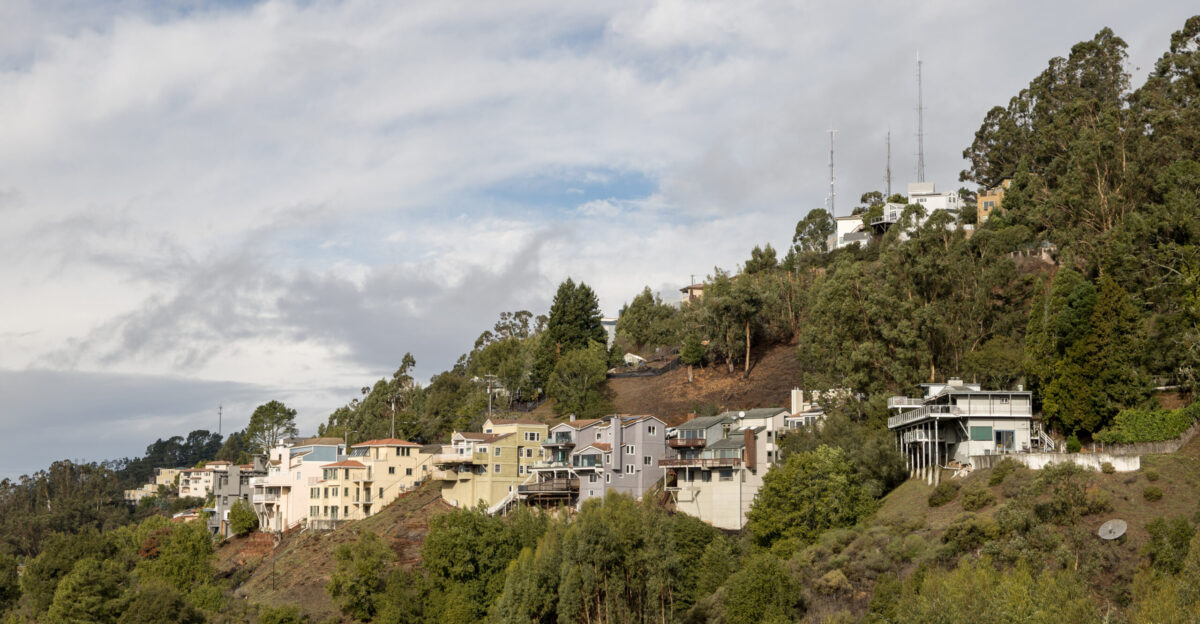
The quake migration toward Piedmont and Oakland Hills highlights a specific vulnerability: aging housing stock. Many homes in these hillside communities predate modern seismic codes, making them more susceptible to sustained shaking.
Repetitive stress from swarms can exacerbate foundation issues or widen existing cracks, prompting engineers to warn of “repetitive loading” dangers.
Anything Can Happen At Any Time
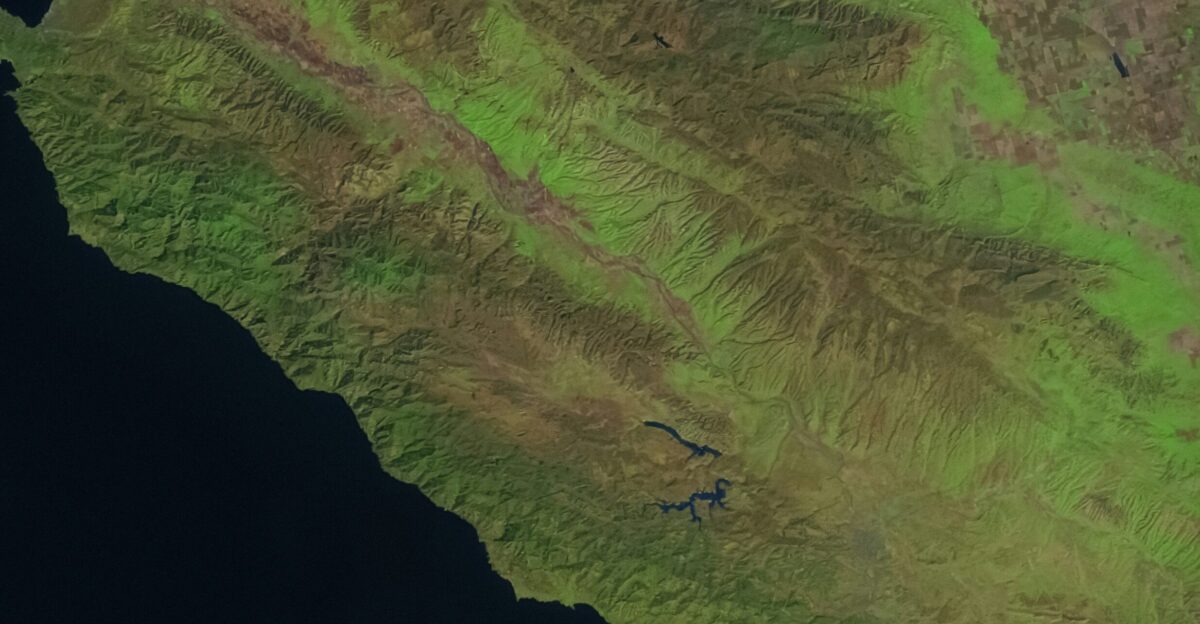
The Monday swarm demonstrates the limits of seismic prediction. As experts noted, “anything can happen at any time” regarding California’s faults. There is no reliable method to determine whether a swarm will end in hours or escalate into larger breaks. This unpredictability is at the core of the Bay Area’s seismic reality.
History Suggests Days Or Weeks Ahead
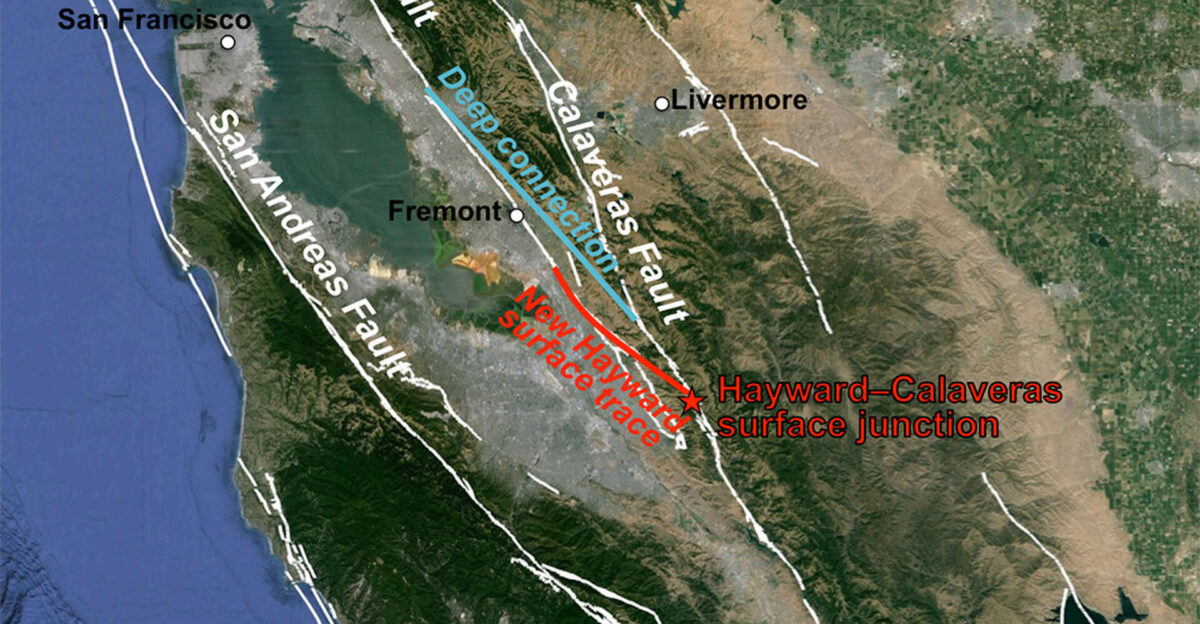
If history is a guide, residents should not expect immediate ground settlement. Past Calaveras Fault swarms, such as the 2015 event, persisted for weeks with hundreds of events.
USGS advises that while felt-quake frequency usually decreases, the “tail” of a swarm can extend long. Continued aftershocks are likely in the coming days.
Reinforced Preparedness

The swarm reinforced why basic preparation saves lives and nerves. Those with pre-packed emergency kits, secured furniture, and practiced family meeting spots tended to fare better psychologically.
The event served as a poignant reminder that earthquakes do not adhere to convenient schedules, and preparedness during quiet times prevents chaos during active times.
Ongoing USGS Monitoring Continues

The USGS continues monitoring “micro-movements” beneath San Ramon and Piedmont with dedicated seismic networks. Scientists track even imperceptible tremors to build predictive models for future activity.
This continuous surveillance represents California’s best defense against surprise geological events, providing data crucial for emergency planning.
Prepare Now, Not When The Shaking Starts

Ultimately, the December 8 swarm served as a loud alarm for the Bay Area. While it spared the region from physical devastation, it exposed the fragility of public nerves and constant threats lurking beneath the pavement.
For the residents, the clear takeaway is that preparation time exists in quiet moments before the next shake, not during it.
Sources:
Multiple earthquakes strike San Ramon area in latest swarm – CBS News Bay Area
History of San Ramon earthquake swarms stretches back decades – CBS News Bay Area
USGS researcher describes earthquake swarm near San Ramon – KCRA 3
Earthquake swarms keep rattling the Bay Area. What’s going on? – Los Angeles Times / Yahoo News syndication
What is an earthquake swarm? – Alaska Earthquake Center