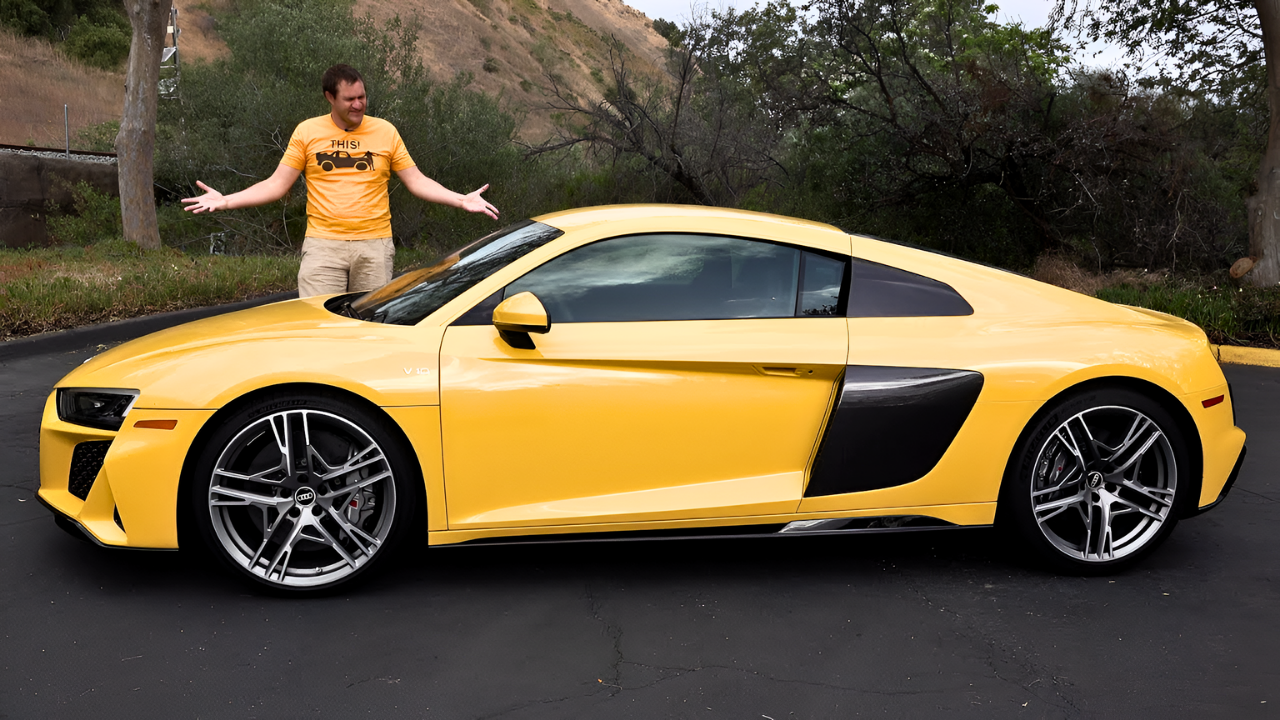
Remember when supercars cost $200,000 and belonged only to the ultra-wealthy? That world is collapsing. Today, 2000s supercars—500+ horsepower machines that topped 180 MPH—can be had for less than $75,000. Some even drop to $25,000. It’s the automotive equivalent of finding a Rolex at a thrift store.
Brutal depreciation, soaring maintenance costs, and a shift toward hybrid and electric cars have created this opportunity. These aren’t just fast cars—they’re iconic supercars now undervalued. Enthusiasts who act now can secure mechanical legends at fraction-of-original prices. Here’s what’s driving this surprising collapse.
The Depreciation Crisis
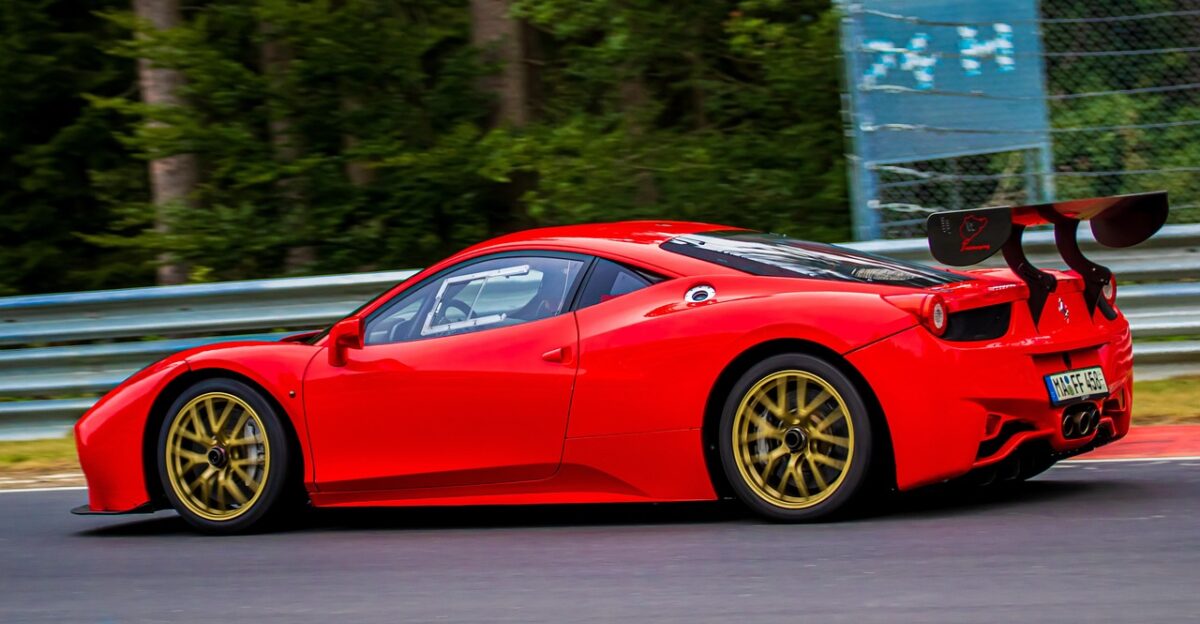
In the 2000s, supercars represented the pinnacle of performance. A Ferrari F430 cost $500,000, a Porsche 996 Turbo $150,000, and a Dodge Viper $80,000. These machines were reserved for the elite, symbols of wealth and prestige. Today, that landscape has flipped completely, turning six-figure exotics into attainable dreams.
However, these bargains come with caveats. They are the last analog supercars before turbos, hybrids, and digital controls dominated. Enthusiasts are buying into an era that is ending, preserving mechanical purity. Those who wait may find this golden age is disappearing faster than expected.
Why They’re So Cheap Now
Three factors combined to make 2000s supercars surprisingly affordable. Exotic maintenance costs $5,000-$15,000 annually, specialist parts are rare, and collectors are uncertain which models will appreciate. Insurance premiums hover at $4,000-$8,000 yearly. These hidden costs scare casual buyers away from the sticker price.
Meanwhile, low-mileage examples flood the market. Original owners rarely pushed these machines hard, leaving supply to exceed demand. The cars are affordable, but ownership isn’t effortless. The financial realities make buyers pause, despite the thrill of acquiring legendary performance machines. Curiosity about true affordability continues to build.
The Last Generation Of Pure Performance
Before efficiency rules and AI driving aids, the 2000s produced the last pure supercars. Naturally aspirated V8s and V12s, hydraulic steering, and visceral throttle response define this era. These machines are the mechanical peak before computers diluted raw driving.
Millennials with disposable income now chase their high school fantasies. Nostalgia meets financial opportunity, yet upkeep and insurance remain challenging. This rare alignment of affordability, authenticity, and desire might never recur in automotive history. Enthusiasts sense this moment is fleeting.
The Window Is Closing
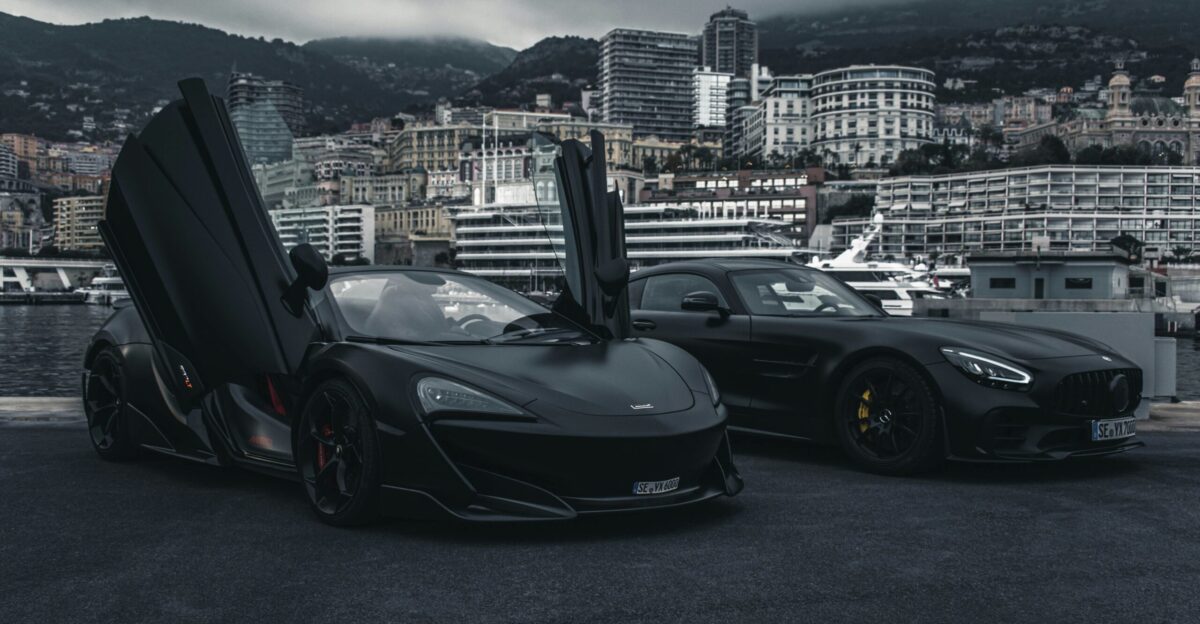
This buyer’s market is temporary. Modern supercars cost $300,000+, and collectors are starting to recognize 2000s exotics as the final analog supercars. Museums and auction houses are acquiring examples, driving values up. Some analysts predict doubling in value over the next five years.
For those waiting, hesitation could mean missing out. The window to buy affordable supercars is narrowing. Prices are still low, inventory is plentiful, but the convergence of nostalgia and scarcity is shifting quickly. Enthusiasts must act before it’s too late.
7 Supercars You Can Actually Own
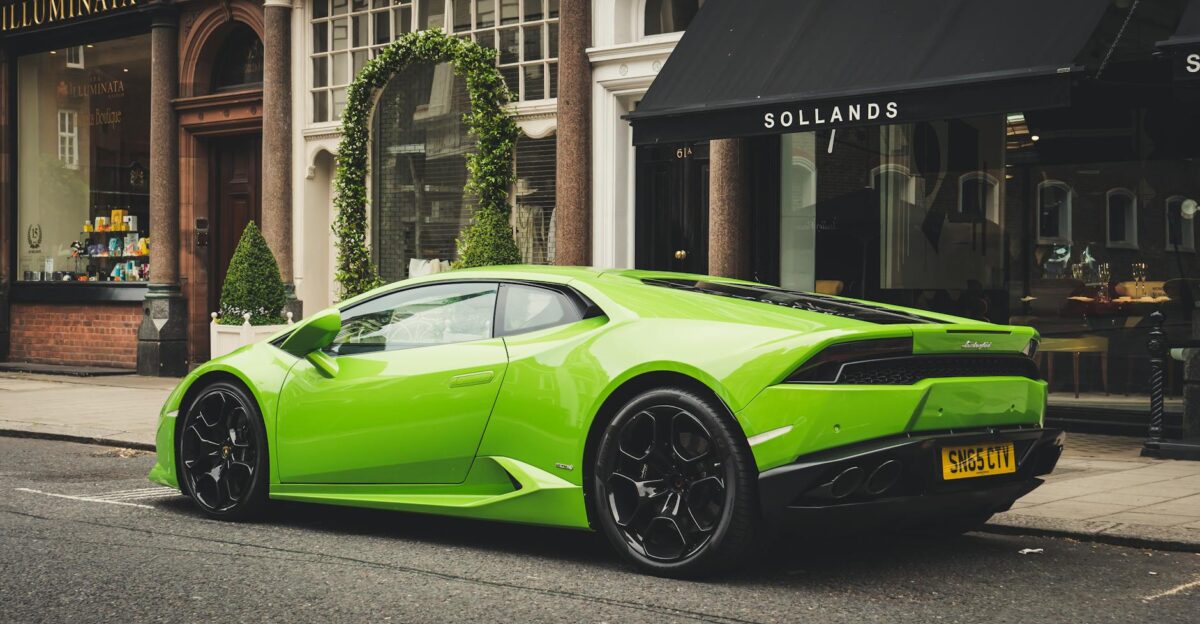
Owning a supercar isn’t just about the purchase price—it’s the ongoing reality of insurance, maintenance, and rare parts. We’ve identified seven 2000s supercars that offer genuine performance and long-term value for enthusiasts ready to commit. Each carries authentic pedigree and presence in its design.
The lineup is worth a closer look.
#1 – 2003-2006 Dodge Viper
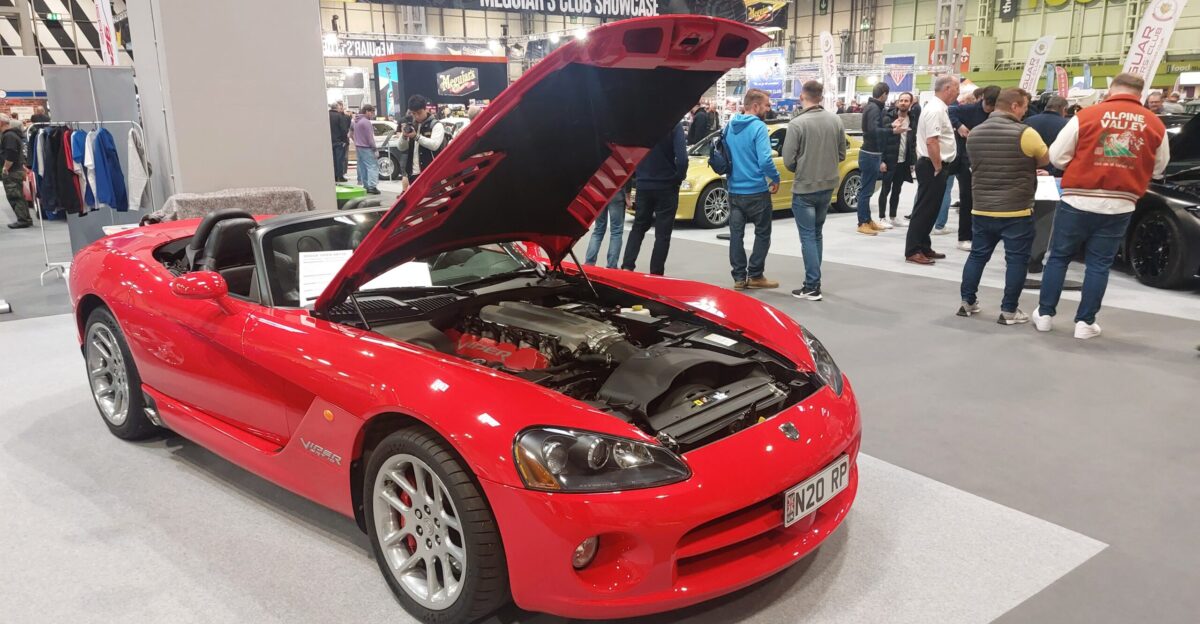
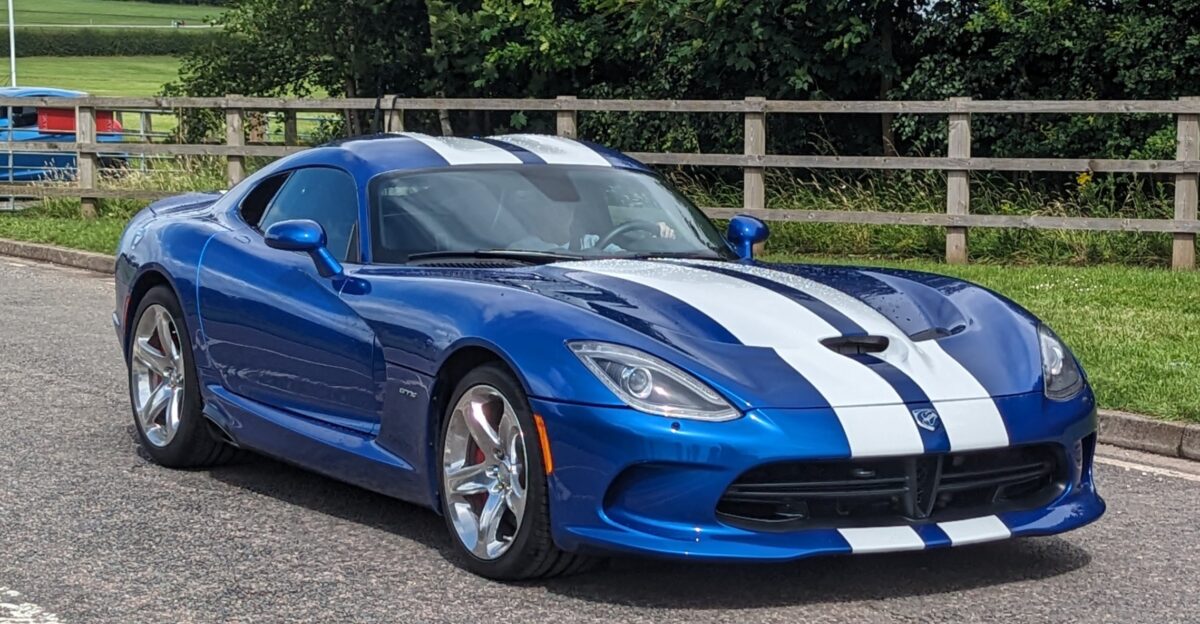
The Dodge Viper is raw American performance: 510-horsepower V10, 0-60 in 3.9 seconds, top speed over 200 MPH. Originally $80,000, now $52,000-$73,000. It proved that U.S. manufacturers could challenge European exotics on pure power.
Why it’s on the list: The Viper is iconic, street-legal, and minimally electronic. It’s overlooked because it lacks Ferrari or Porsche prestige, yet delivers full supercar thrills at near-sports-car pricing. Its value and accessibility make it irresistible to enthusiasts willing to embrace its rawness.
#2 – 2000-2005 Acura NSX
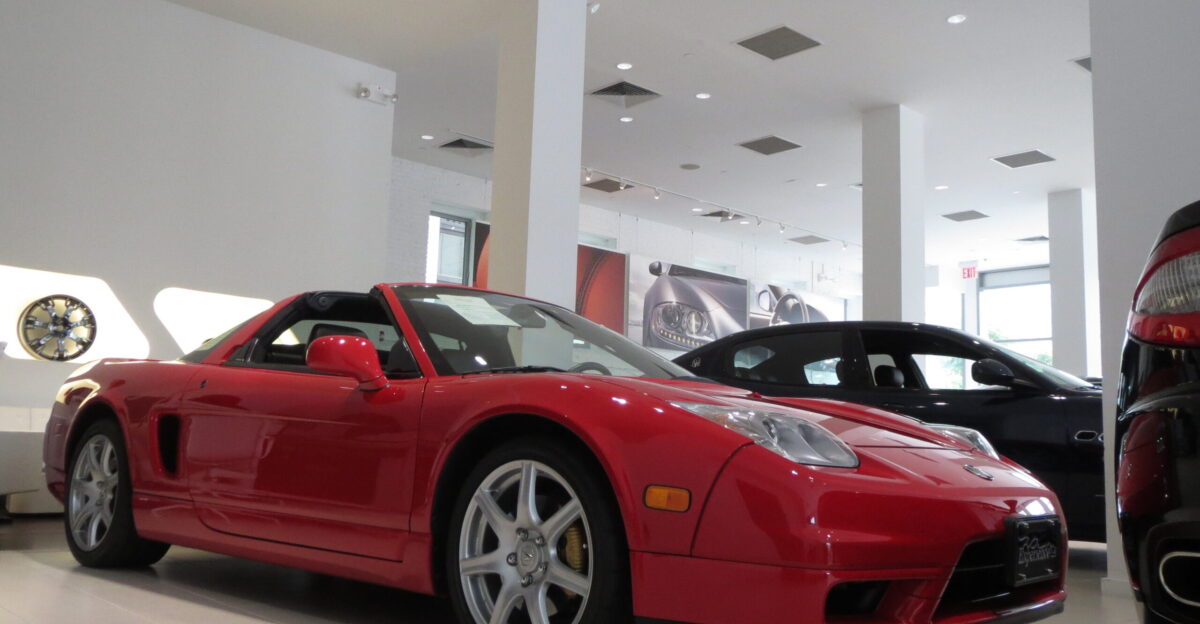
The Acura NSX is Japanese precision: 290 horsepower, 0-60 in 3.2 seconds, and legendary Honda reliability. Prices have appreciated to $80,000-$150,000, reflecting collector interest and scarcity. It’s a mid-engine supercar with daily usability.
Why it’s on the list: Supercar credentials go beyond horsepower. Its handling, drivable nature, and low production numbers (fewer than 9,000) guarantee exclusivity. Insurance and maintenance costs remain far below European counterparts, making it the safest entry point for enthusiasts seeking authentic performance without breaking the bank.
#3 – 2004-2005 Porsche 996 Turbo
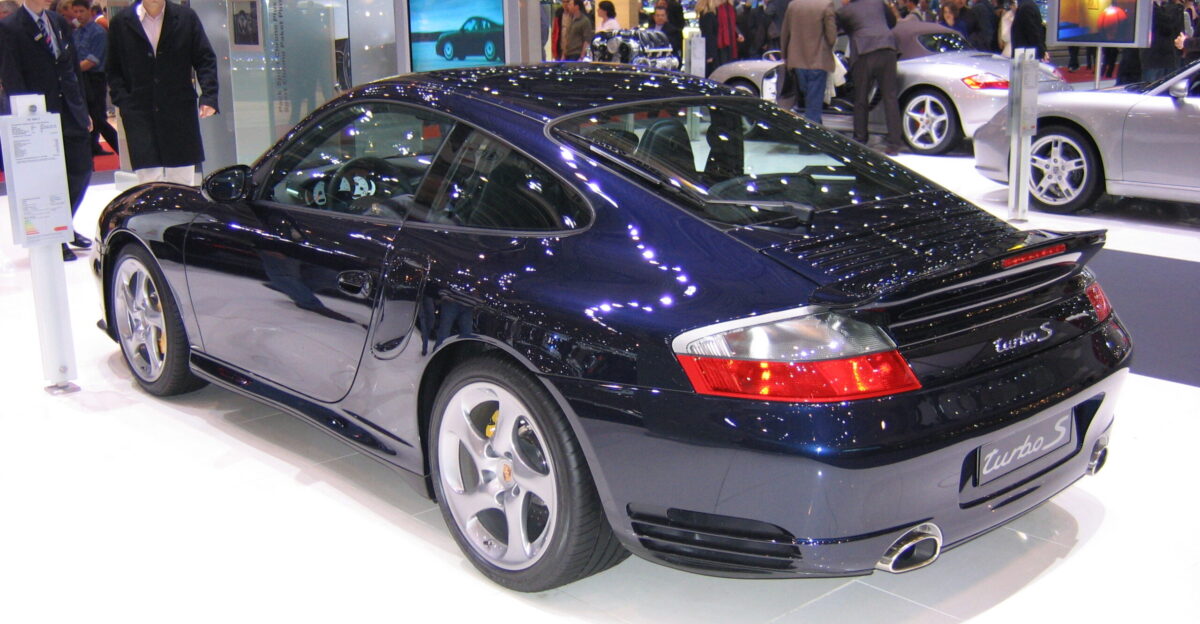
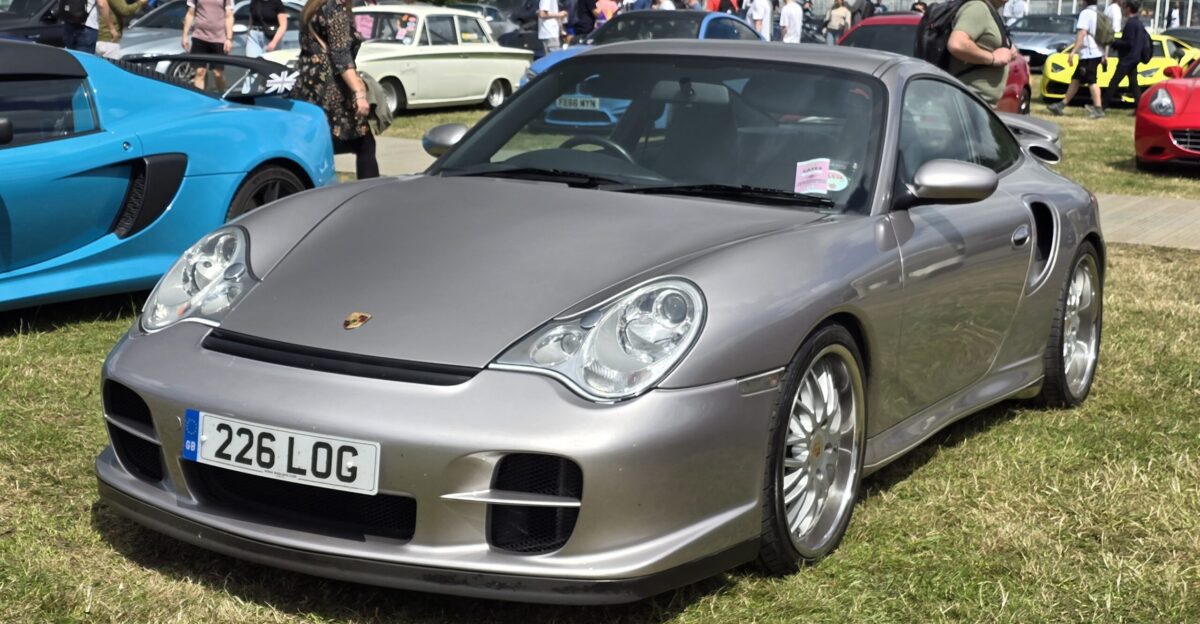
The Porsche 996 Turbo delivers 420 horsepower, 0-60 in 3.9 seconds, and unmistakable Porsche handling. Comfort meets speed for track or street use. Current prices are $45,000-$51,000, down from original $150,000.
Why it’s on the list: It offers Porsche prestige at a fraction of modern 911 prices. Parts remain accessible thanks to high production numbers. These supercars are usable, affordable, and maintain the brand’s legendary driving experience, offering real value for enthusiasts willing to embrace the 2000s turbo era.
#4 – 2000-2005 Ferrari 360 Spider
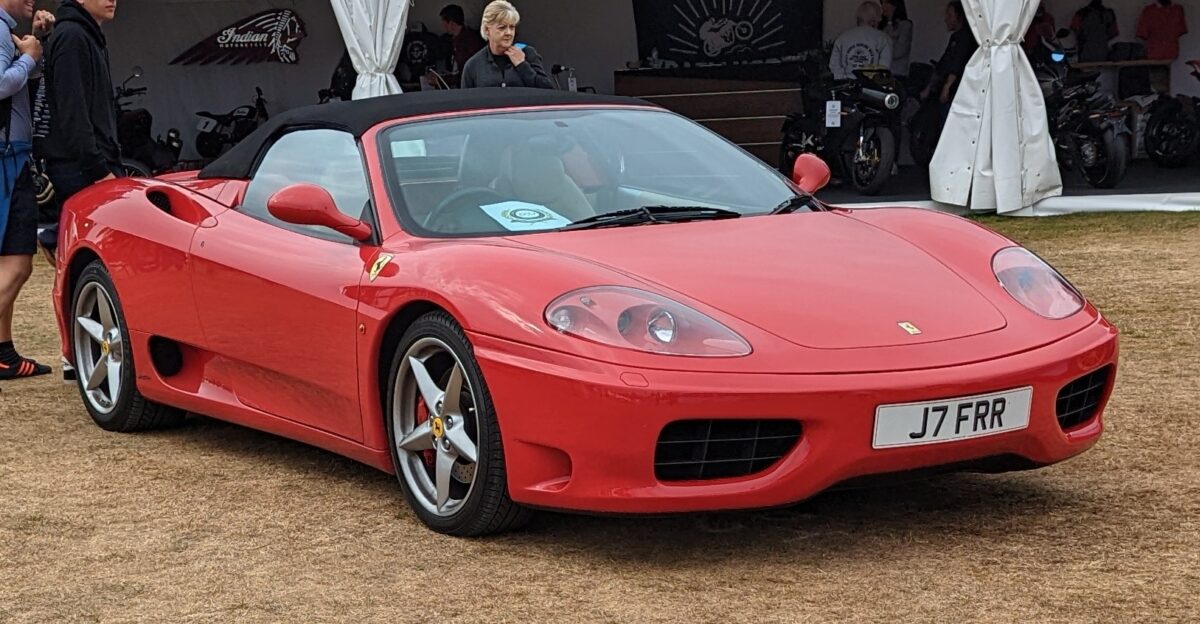
The Ferrari 360 Spider combines a 400-horsepower naturally aspirated V8 with mid-engine balance, 0-60 in 4.0 seconds, and 2000s exotic styling. Prices now range $43,000-$73,000, down from $400,000+.
Why it’s on the list: The 360 delivers authentic Ferrari experience at SUV pricing. It remains accessible for collectors wanting Italian performance. Maintenance is expensive but manageable, and low-mileage examples abound. The combination of style, pedigree, and affordability makes it a standout bargain for enthusiasts.
#5 – 2005-2009 Ferrari F430 Spider
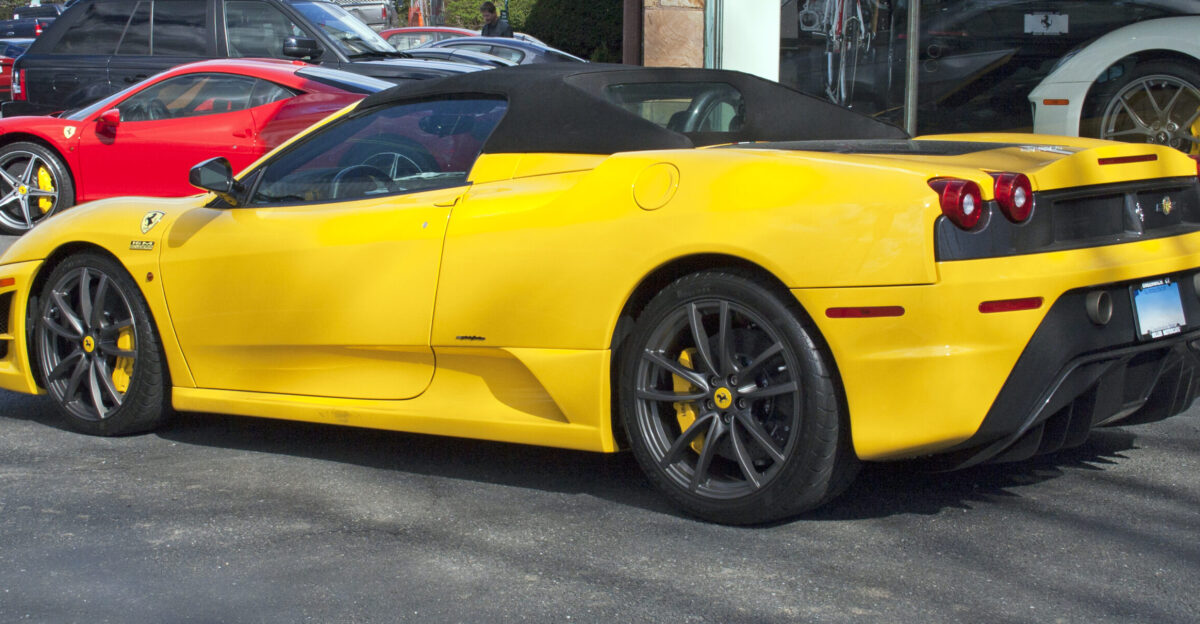
The F430 Spider represents peak naturally aspirated V8 performance: 490 horsepower, 0-60 in 3.6 seconds, faster and prettier than the 360. Market prices are $60,000-$124,000, down from $500,000+.
Why it’s on the list: Ferrari’s sweet spot, offering pure performance without modern model price tags. Higher production numbers than earlier Ferraris ensure service support. It demonstrates that legendary brands can still hold value even at steep discounts, blending style, speed, and accessibility for collectors.
#6 – 2003-2009 Lamborghini Gallardo
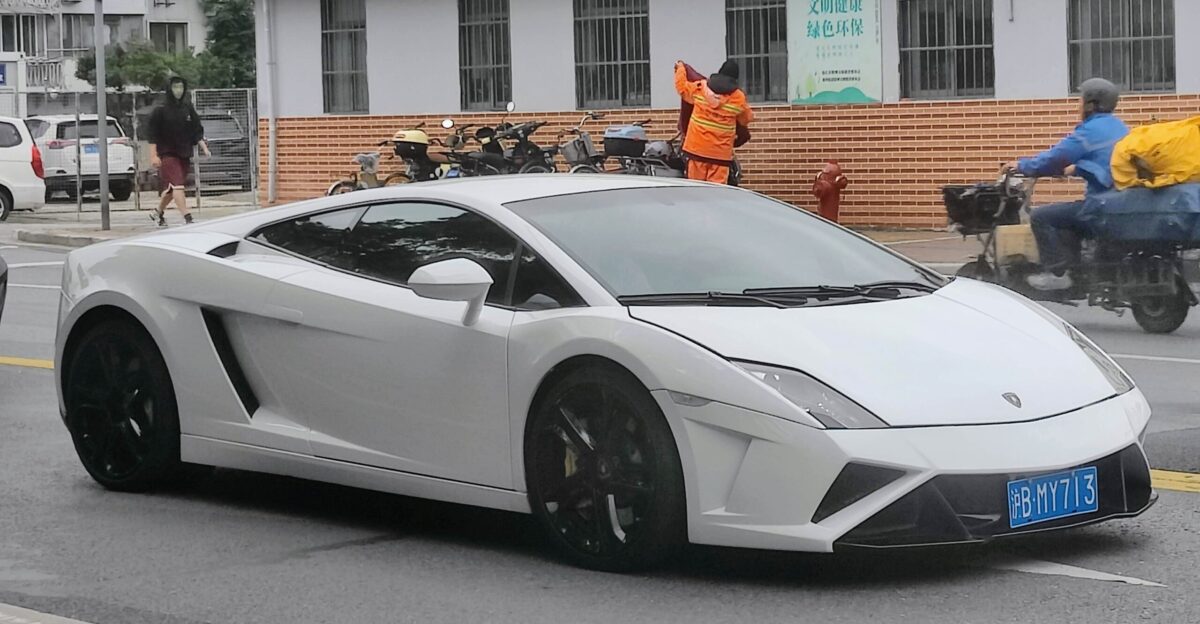
The Gallardo is an aggressive 500+ horsepower V10, 0-60 in 3.4 seconds, mid-engine, and angular design. Prices: $90,000-$130,000, down from $190,000-$200,000.
Why it’s on the list: Lamborghini built reliable, useable supercars without Ferrari temperamental issues. The Gallardo combines Italian drama with practical engineering. Lower-priced examples offer genuine supercar value. Its intimidating design and exhilarating performance continue to attract adventurous buyers seeking performance without excessive rarity premiums.
#7 – 2000-2005 Aston Martin DB7 Vantage
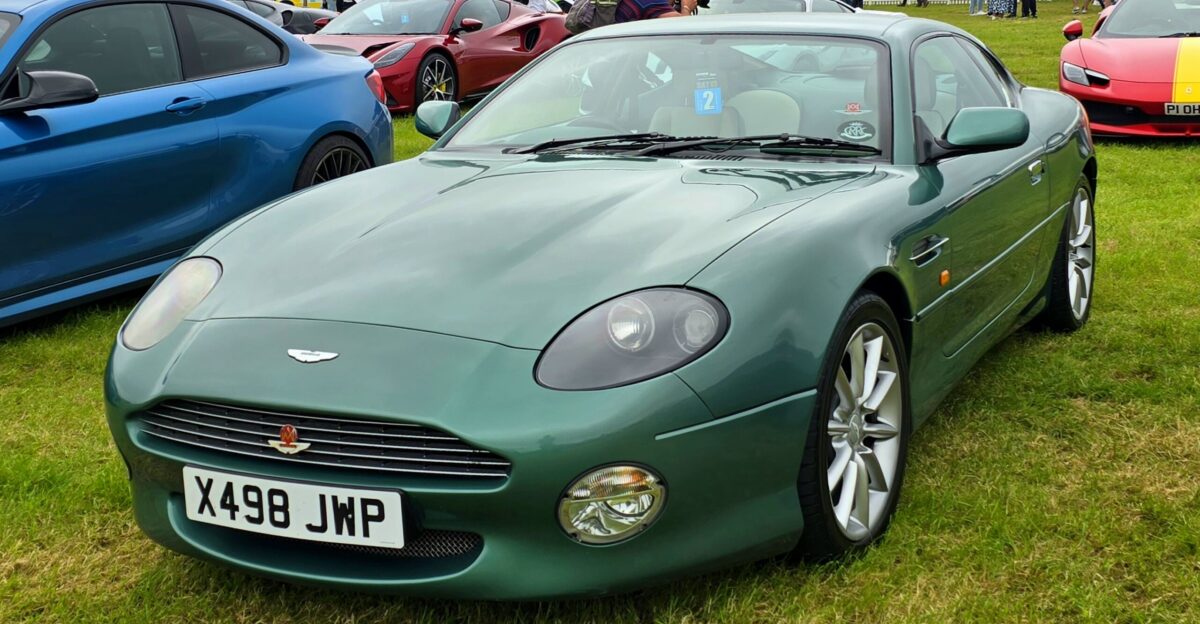
The DB7 Vantage features a 5.9-liter V12, 420 horsepower, 0-60 in 4.7 seconds, and British grand touring elegance. Market: $25,000-$35,000, down from $140,000.
Why it’s on the list: Legendary Aston Martin prestige at used-Honda pricing. A spiritual successor to the DB5, it offers historic significance. Maintenance is high but manageable. It shows that older British supercars can be acquired affordably, giving enthusiasts access to iconic design without extreme investment.
The Other Side Of The Coin
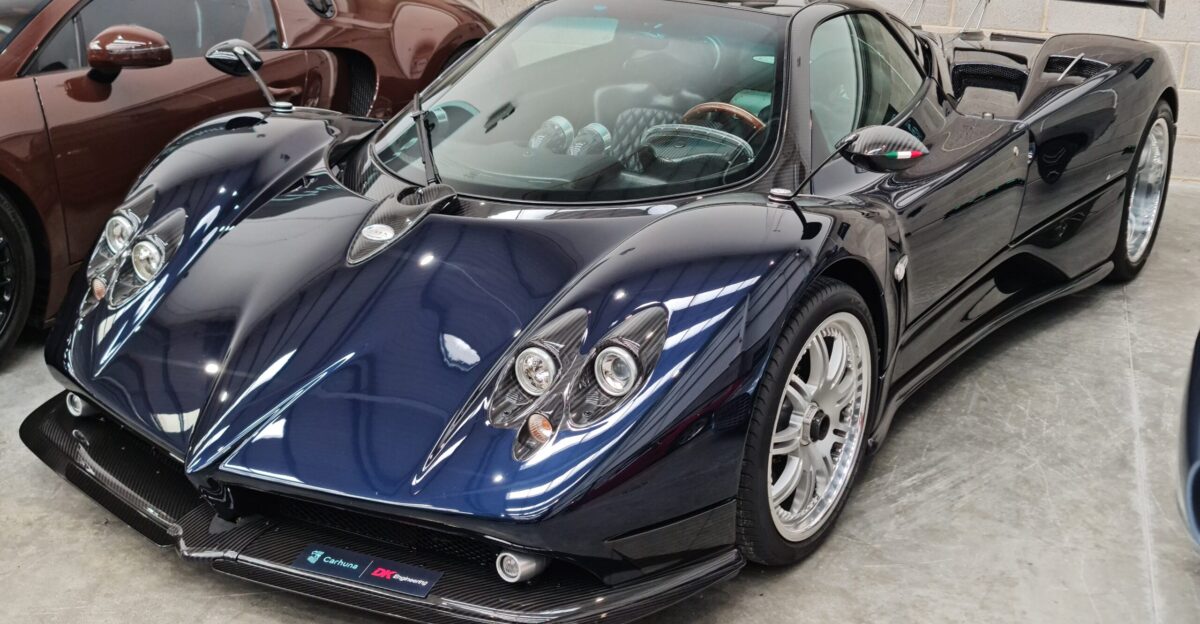
Depreciation creates bargains, but some 2000s supercars defy it. Collector recognition has preserved value in rare examples. Scarcity, low production numbers, and historical importance make these machines investment-grade, demanding respect and significant budgets.
This split in the market highlights which supercars became bargains and which are appreciating. Next, we examine five 2000s supercars that maintained or increased in value, proving scarcity drives collector demand and rarity commands premium pricing.
#1 – Bugatti Veyron (2005+)
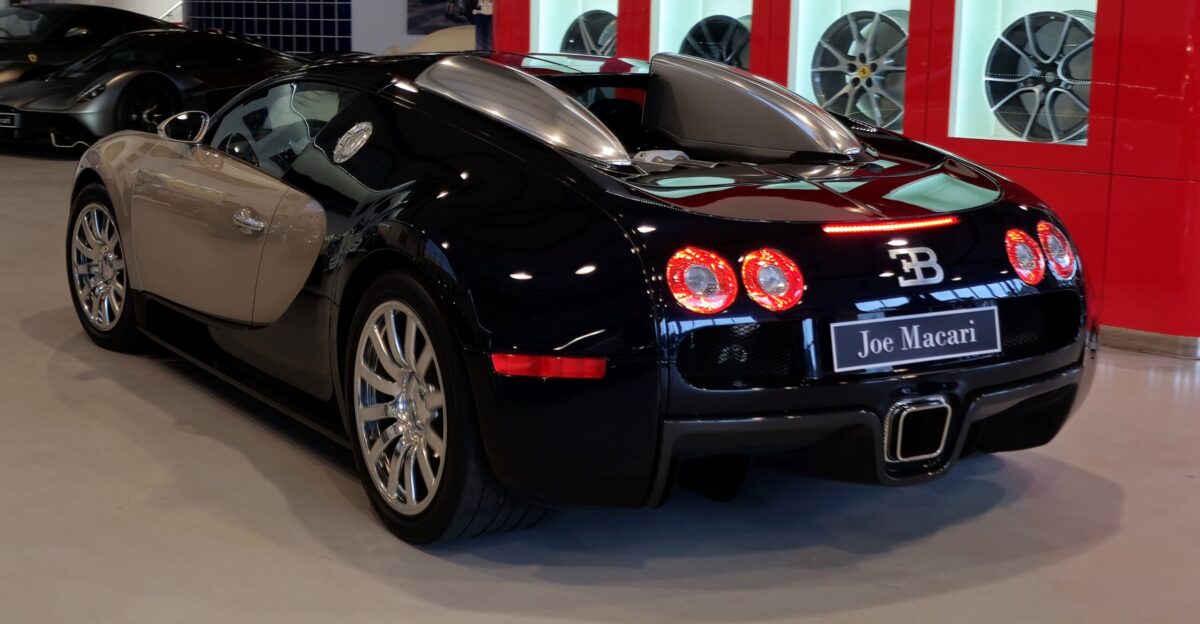
The Veyron is a 1,001-horsepower quad-turbo W16, 0-60 in 2.5 seconds, top speed above 250 MPH. Only 450 built. Original $1.7 million, today $1.5-$2.5 million. It held value better than most real estate.
Why it stayed expensive: The Veyron redefined automotive ambition. Limited production guaranteed scarcity. Collectors view it as mobile art. Every example is a statement of engineering and wealth. Its extreme performance ensures it remains exclusive and highly valued decades after release.
#2 – Pagani Zonda (2000-2009)
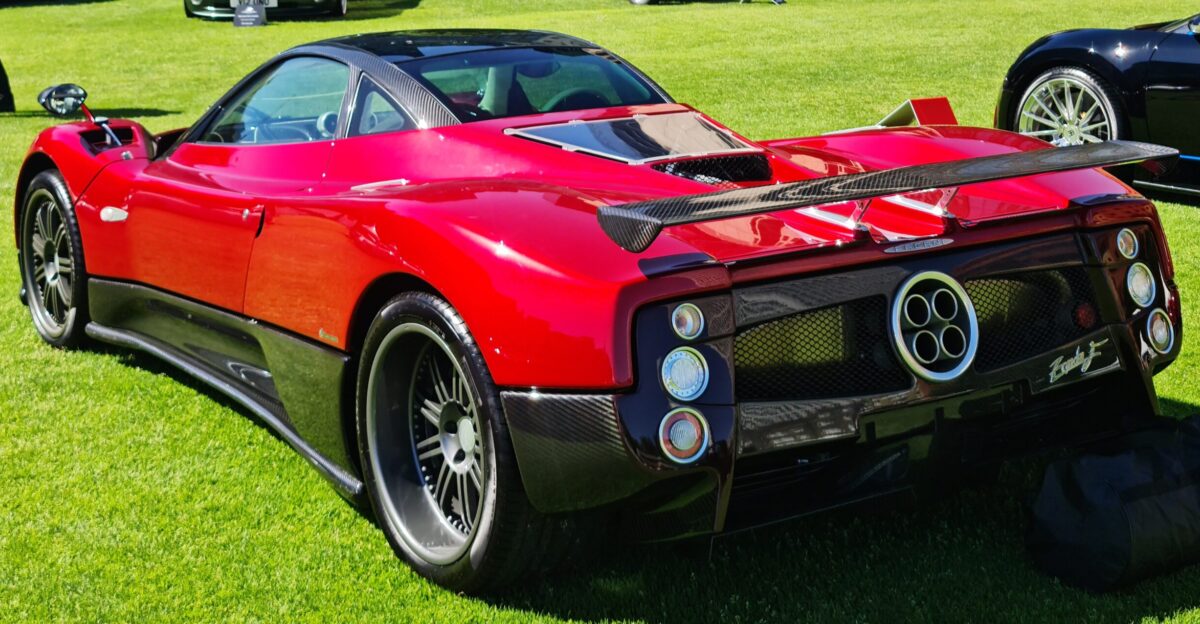
The Pagani Zonda is hand-crafted with a 7.3-liter V12, 645 horsepower, carbon-fiber chassis, and extraterrestrial styling. Only 140 made. Original $400,000-$600,000, now $1.2-$3.8 million, appreciating 300%+.
Why it stayed expensive: Each Zonda was unique, with production scarcity ensuring collector demand far exceeded supply. This 2000s hypercar symbolizes a wild era of automotive design, untouched by regulations. Its rarity and artistic engineering make it a prized investment.
#3 – Ferrari F40 (Late Production)
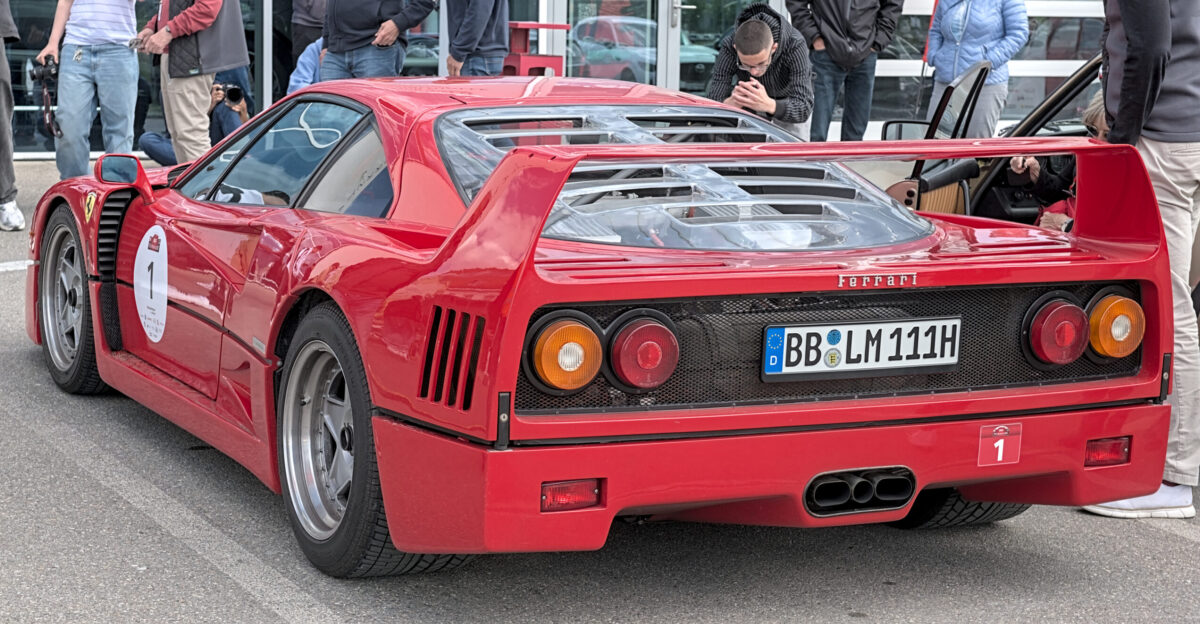
Final F40s rolled into early 2000s cycles: twin-turbo 471 horsepower, only 400 built. Original $400,000, now $2-$4 million, appreciating 500%+.
Why it stayed expensive: Last Ferrari personally approved by Enzo Ferrari. Infinitesimal production and historical significance ensure permanent museum interest. Scarcity, legendary pedigree, and irreplaceability make the F40 a perpetual automotive treasure, transcending mere supercar status into true collectible artistry.
#4 – McLaren F1 (1990s-2000s)
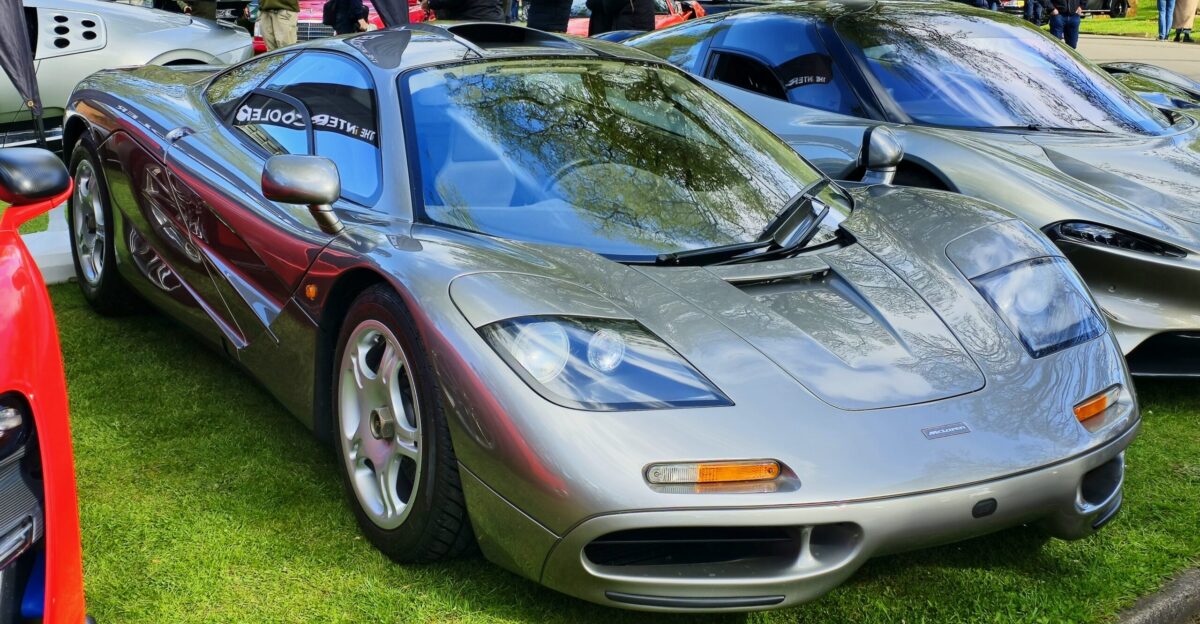
McLaren F1: 7.0-liter V12, 627 horsepower, 0-60 in 3.2 seconds, three-seat center-driver configuration. Only 106 built. Original $970,000, today $10-$20 million, 1,000%+ appreciation.
Why it stayed expensive: The F1 influenced hypercar design worldwide. Production exclusivity is near absolute. Gordon Murray’s vision created a masterpiece of engineering philosophy. Every F1 owner represents institutional wealth. Scarcity and reverence guarantee its unmatched value.
#5 – Porsche Carrera GT (2003-2006)
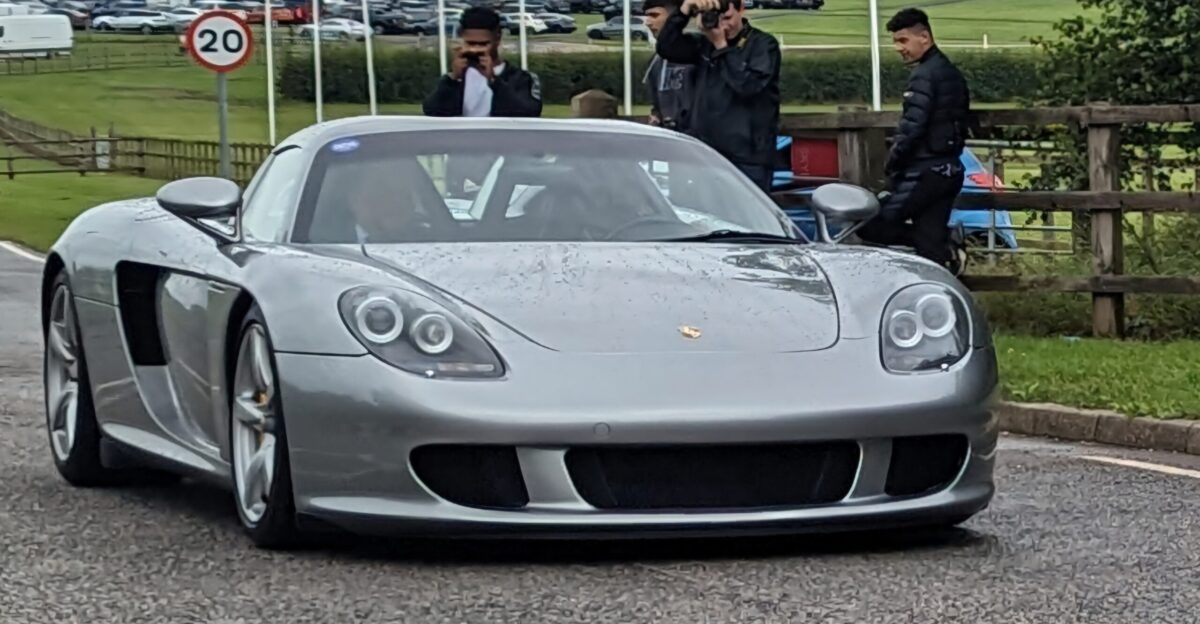
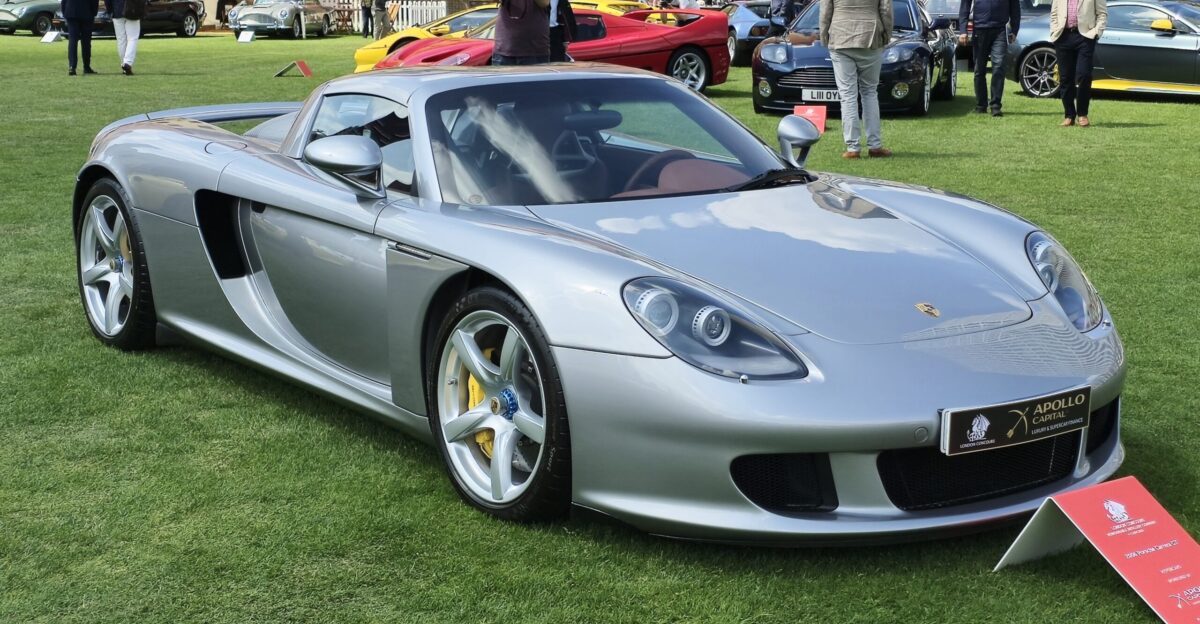
Carrera GT: naturally aspirated 5.7-liter V10, 612 horsepower, carbon-ceramic brakes, six-speed manual, only 1,270 built. Original $440,000-$580,000, now $1.2-$2.2 million, appreciating 150%+.
Why it stayed expensive: Porsche’s engineering supremacy shines in this final naturally aspirated supercar. Limited production ensures rarity. Historical significance and perfection of design maintain collector demand. Every example is treasured. The Carrera GT represents the pinnacle of 2000s analog performance and remaining supercar purity.
The Final Verdict
The 2000s supercar market shows two realities: bargains for those willing to maintain aging exotics, and astronomical appreciation for ultra-rare machines. $50,000 Porsche 996 Turbo delivers supercar thrills. A $2 million Bugatti Veyron delivers investment potential. Both are 2000s legends.
The window for affordable 2000s supercars is closing. Scarcity commands premium pricing, while rare machines continue appreciating. Enthusiasts hunting bargains or investments must move quickly. The 2000s represent the last era of unapologetically mechanical supercar authenticity before electrification reshapes the market forever.
SOURCES
“Dodge Viper: The American Supercar That Sells For Average New Car Prices.” Hemmings Motor News, September 2025.
“Price Guide: Porsche 911 996 Turbo [UPDATED 2025].” The Classic Valuer, 2025.
“Ferrari 360 Spider Price Guide [UPDATED 2025].” The Classic Valuer, December 2025.
“Lamborghini Gallardo Market Report.” Global Auto Sports, September 2025.
“Why Old NSX Values are Rising While New NSXs are Falling.” Hagerty Media, July 2022.
“Porsche Carrera GT: The Last of the Naturally Aspirated Supercars.” Rennlist Magazine, 2024.